6 Marine Life Encounters in Thailand: Where, When and How
What lives in Thailand's seas? See 6 headline animals by coast, how to snorkel or dive with them, which species to respect, and how to plan.
On this page
Last updated November 2026. Marine life in Thailand splits between two seas: the Andaman Sea on the west coast and the Gulf of Thailand on the east. This guide covers six headline encounters, which coast suits each one, and how to see them safely.
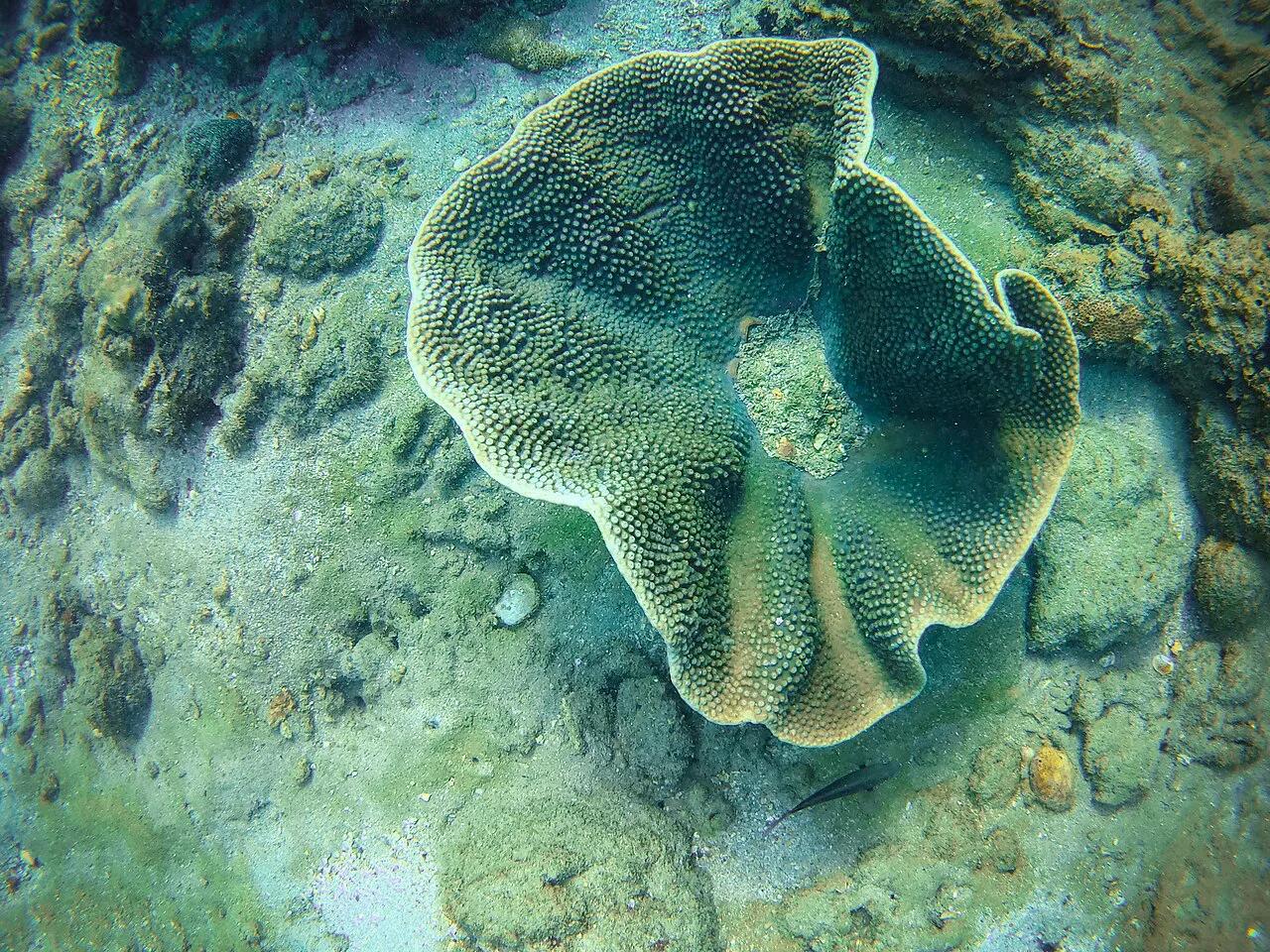
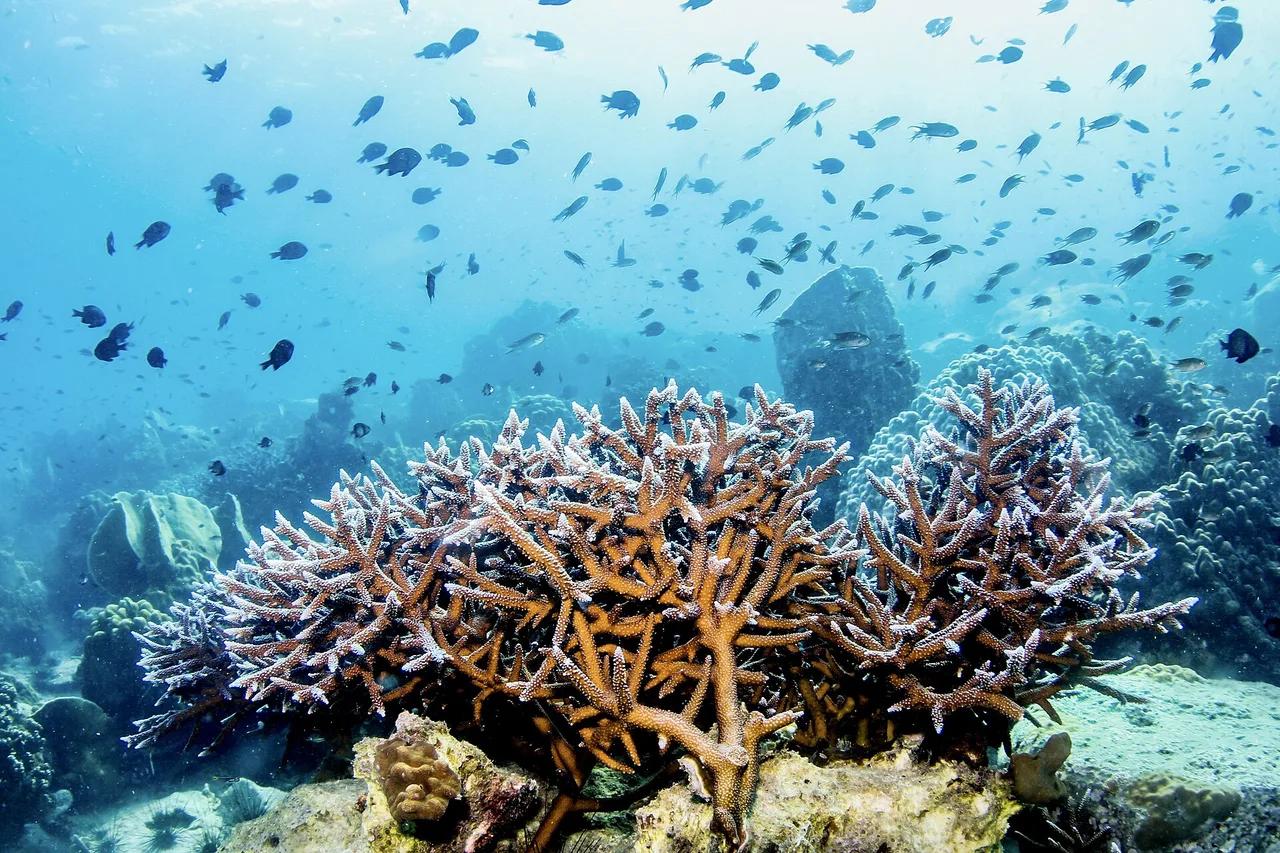
Featured image: Supachaiv, CC BY-SA 4.0, via Wikimedia Commons.
Marine Life in Thailand at a Glance
Thailand has two marine regions with different strengths. The Andaman Sea covers Phuket, Krabi, the Similan Islands, Koh Lanta and Koh Lipe. The Gulf of Thailand covers Koh Tao, Koh Samui, Koh Phangan and the Pattaya area. Headline animals include manta rays, sea turtles, dolphins, clownfish and nudibranchs. The best place and month depend on the animal, and monsoon timing and visibility differ by coast. Treat every big-animal sighting as a possibility, not a promise.
Andaman Sea vs Gulf of Thailand: Which Coast for Which Animals
Pick the Andaman Sea for open-water drama. Koh Lanta is the closest island to Hin Daeng and Hin Muang, two offshore dive sites known for big animals. Boat trips from Koh Lanta, Phuket and Krabi reach the reefs. Pick the Gulf for reef life and easy training dives. Koh Tao is the usual base, and Pattaya divers head to the Samaesan Islands. Seasons run on different calendars on each coast. Ask a local operator which side of the country is calm during your travel month.
| Animal | Coast | Typical way to see it | Difficulty |
|---|---|---|---|
| Manta rays | Andaman (offshore sites) | Dive or boat trip | Advanced; sightings not guaranteed |
| Sea turtles | Both coasts | Snorkel or dive | Easy to moderate; verify by site |
| Dolphins | Verify by area | Boat tour | Easy; luck-dependent |
| Clownfish | Both coasts | Snorkel | Easy |
| Nudibranchs | Both coasts | Dive | Moderate; needs a sharp-eyed guide |
| Bioluminescent plankton | Andaman (Krabi, Phi Phi) | Night boat tour | Easy; dark nights help |
6 Marine Life Encounters in Thailand Worth Planning a Trip Around
Prices and hours checked November 2026 where mentioned below; park fees and boat rates change by season, so ask the operator or park office for current figures. Each item points to a full guide.
1. Manta rays
Mantas are the animal most divers name first for the Andaman Sea. Hin Daeng and Hin Muang, reached by boat from Koh Lanta, are the sites most often linked to sightings. Some local sources report February through April as the likelier window, but sources vary and nothing is guaranteed.
Our manta ray guide covers sites and behavior in depth. Manta Trust publishes research on how mantas live and migrate. Skip this if you need a certain sighting or dislike long boat days.
2. Sea turtles
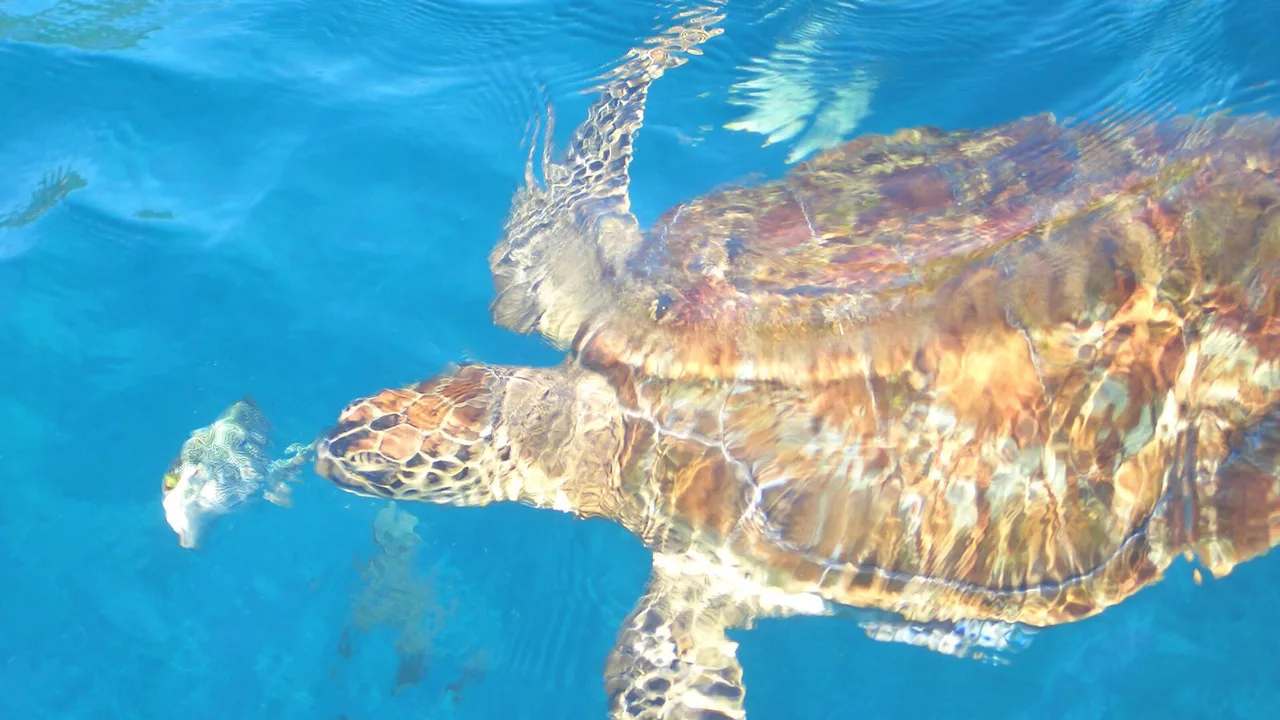
Turtles graze on seagrass and rest on reefs, so they turn up on both coasts. Koh Lanta boat trips list turtles among the realistic sightings. Mornings and late afternoons are when they tend to be most active.
Read the sea turtle guide before choosing a base island. Keep your distance and never touch a resting turtle. Skip it if you only want a single guaranteed photo; turtles ignore schedules.
3. Dolphins
Dolphin watching is a boat-tour activity rather than a dive. Dawn and late afternoon departures usually give the best light and the most activity. Presence varies by area, so ask the operator which waters it actually covers.
Our dolphin guide explains what to expect on the water. Choose operators that keep engines slow near animals. Skip this if you get seasick; the boats can pitch in a swell.
4. Clownfish
Clownfish live inside anemones in shallow water, which makes them the easiest first sighting. Koh Lanta reefs hold both the clown anemonefish and the yellowtail clownfish. A mask and snorkel is enough at many sites.
Details on species and spots sit in the clownfish guide. Stay off the anemone; a touch can stress the fish. Skip it if you want big animals; this is a small-wonders stop.
5. Nudibranchs
Nudibranchs are sea slugs, many only a few centimeters long, in vivid color patterns. Koh Lanta reefs list them among regular finds. Slow macro dives with a guide who knows the sites work best.
Our nudibranch guide shows what to look for. Hovering with good buoyancy keeps you from crushing the reef. Skip it if you prefer fast, open-water diving; macro hunting is patient work.
6. Bioluminescent plankton
Plankton glow blue when the water is disturbed, and night boat tours go out to see it. Krabi and Phi Phi are the two named bases for these trips. Start with the plankton overview.
Then see the Krabi night tour for that coast. The Phi Phi Plankton Tour: Options, Cost & Best Time covers the island option. Skip it near a full moon or on a rough night; the glow depends on dark, calm water and is never guaranteed.
Reef Life and Small Wonders
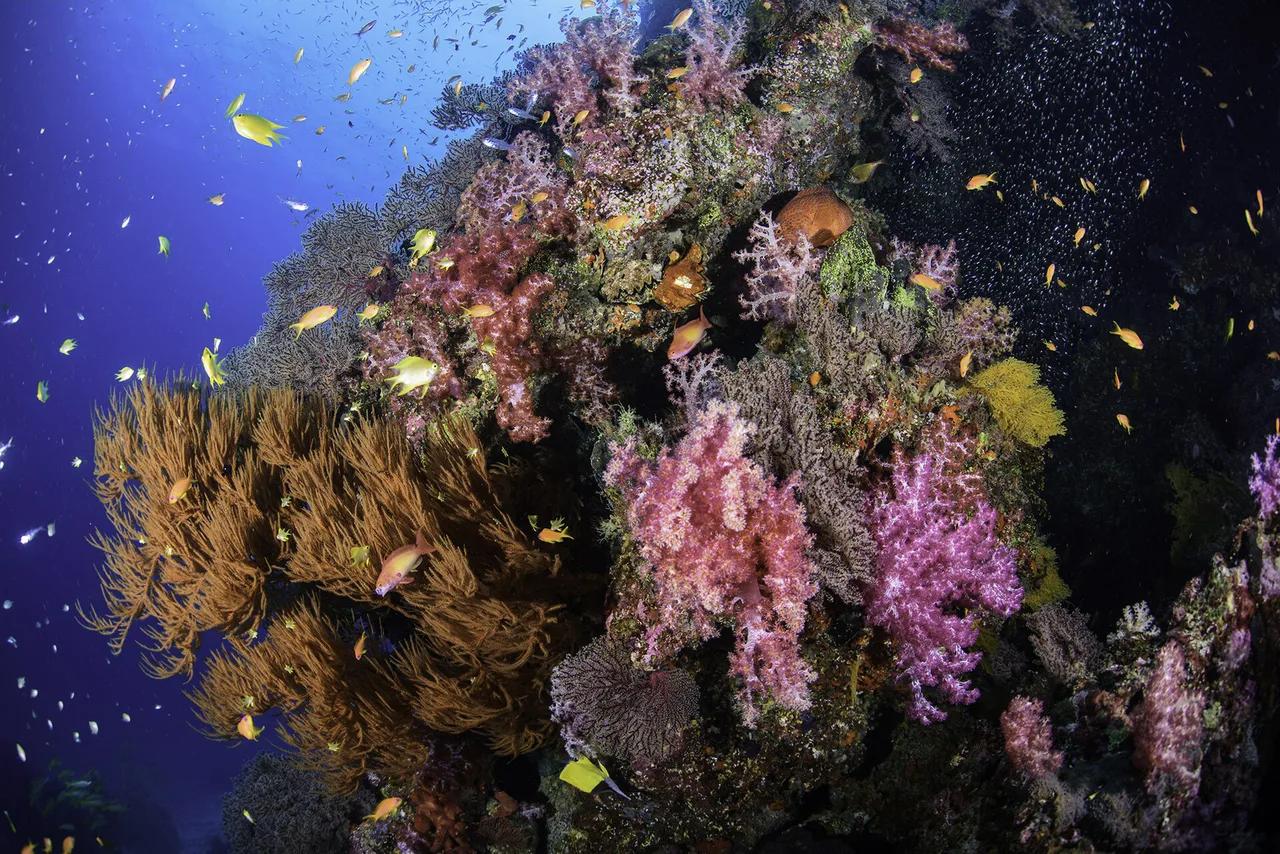
Beyond the six headline stops, reefs reward patient looking. Start with the seahorse guide if you like cryptic animals. A giant clam sits in shallow water at some Koh Lanta sites. Find tips on octopus and cuttlefish behavior in their own guides. Look for the mantis shrimp at burrow entrances. Schools of batfish and parrotfish show up on most reef dives. Dugongs are far rarer, and the dugong guide explains why sightings are never promised.
Animals to Respect: Venomous and Defensive Species
Most sea creatures defend themselves rather than attack. Injuries usually come from stepping on, touching or cornering an animal. Keep your feet off the seabed to avoid a stonefish. Keep your hands off crevices where a moray eel may hide. Give lionfish room, and watch where you step near a sea urchin. Shuffle your feet in shallows so a stingray can swim off. A Titan Triggerfish in Thailand: Where to See Them, Stay Safe guards a nest and may charge, so swim sideways out of its zone. Sea snakes are docile unless handled, and barracuda are rarely a concern. Read the jellyfish guide and the box jellyfish page, since species and regions are often misreported. For any sting, seek urgent medical help and follow local guidance. Divers Alert Network publishes diver health advice.
Choose by Goal and Budget
Match the trip to your goal, and expect costs to rise with boat time. Day boats cost less than liveaboards, and remote islands need longer transfers. Ask operators for current rates.
- First-time snorkeler: pick clownfish and turtle reefs near Koh Lanta or Koh Tao; the main constraint is boat time.
- Certified diver: target Hin Daeng and Hin Muang in the Andaman Sea; season and visibility decide the day.
- Family with kids: choose calm shallow snorkel stops and short boat rides.
- Non-swimmer or rainy day: visit the Bangkok aquarium and confirm opening details on its official site.
- Photographer: slow macro dives for nudibranchs on either coast.
- Night seeker: book a plankton tour in Krabi or Phi Phi on a dark night.
How to See Marine Life Responsibly
Never touch, feed, stand on or chase an animal. Use reef-safe sun protection and keep fins off the coral. Marine parks set their own rules and seasonal closures, so check the Department of National Parks for fees and current closures. The Department of Marine and Coastal Resources covers coral and species protection. Species status is tracked on the IUCN Red List. Local flags and lifeguard advice matter most on jellyfish-prone beaches.
Explore More Guides
Keep planning your trip with these guides.
Guides
- Manta Rays in Thailand
- Sea Turtles in Thailand
- Dolphins in Thailand
- Dugong Thailand: Where to See Them and When to Skip
- Clownfish in Thailand
- Seahorses in Thailand
- Nudibranch Thailand: Best Dive Areas, Seasons & Species
- Titan Triggerfish in Thailand
- Jellyfish in Thailand
- Box Jellyfish in Thailand
- Sea Urchins in Thailand
- Stingrays in Thailand
- Sea Snakes in Thailand
- Stonefish in Thailand
- Mantis Shrimp in Thailand
- Bioluminescent Plankton in Thailand
- Krabi Bioluminescent Plankton: Where, When and How
- Phi Phi Plankton Tour: Options, Cost & Best Time
- Giant Clams in Thailand
- Octopus in Thailand
- Moray Eels in Thailand
- Lionfish in Thailand
- Cuttlefish in Thailand
- Barracuda in Thailand
- Batfish in Thailand
- Parrotfish in Thailand
Notes for your next dive trip
Optional updates to our Thai diving guides.
You might also like

Continue reading
More guides you'll find useful