Jellyfish in Thailand: Seasons, Dangerous Species & First Aid
Where and when jellyfish appear on Thailand's Gulf and Andaman coasts, which species sting, and the first-aid steps to take on the beach.
On this page
Last updated November 2026: jellyfish Thailand reports come from both the Gulf and Andaman coasts, and risk varies by beach and month. Most stings cause burning pain and a rash, but box jellyfish can be dangerous. If you are stung, leave the water and pour vinegar on the skin first.
Featured image: Jim, the Photographer, CC BY 2.0, via Flickr.
Quick Answer: Are There Jellyfish in Thailand?
Yes. Jellyfish occur on the Gulf of Thailand coast and on the Andaman Sea coast. Most encounters end with a red, itchy welt that fades. Box jellyfish are the exception. For the wider cast of reef animals, start with our guide to Thailand's marine life. Prices and hours are not the issue here, so the summary below focuses on what to do.
- Both coasts have jellyfish, so no single beach is guaranteed clear.
- Season dates differ by island and by source, so ask locally.
- Moon jellyfish are low risk. Box jellyfish stings need urgent care.
- Vinegar and leaving the water come before everything else.
- Call for emergency help if the person struggles to breathe or collapses.
When Is Jellyfish Season in Thailand?
Thailand has no single jellyfish season. The Gulf and the Andaman Sea follow different monsoon patterns, and local reports disagree. A Koh Phangan tour operator describes a May to October window. A Koh Tao dive shop reports the most sightings from November to January and after heavy rain. In Phuket, Patong Municipality lifeguards reported a rise in box jellyfish stings in a Bangkok Post story dated 16 October 2025. Treat that as one dated incident report, not a calendar. Sources checked November 2026; ask your hotel or dive operator what has been seen this week.
| Coast | Place | Reported pattern | Practical move |
|---|---|---|---|
| Gulf of Thailand | Koh Phangan | May to October per one local operator | Ask about recent sightings before swimming |
| Gulf of Thailand | Koh Tao | November to January and after heavy rain per one dive shop | Wear a long-sleeve rash guard |
| Andaman Sea | Phuket (Patong) | Surge in box jellyfish stings reported 16 October 2025 | Swim near lifeguards and follow flags |
| Andaman Sea | Trang islands | Pelagia warning from Hat Chao Mai National Park, undated | Read posted park notices |
Where Jellyfish Are Reported: Gulf of Thailand and Andaman Coast
Gulf islands dominate the reports. Koh Samui has logged more box jellyfish incidents than Koh Tao or Koh Phangan, concentrated at Chaweng, Bophut and Lamai. Koh Phangan has had several serious cases, mostly on eastern and northern beaches. Koh Tao has fewer reported box jellyfish incidents and no dedicated anti-jellyfish nets. On the Andaman side, Hat Chao Mai National Park, which sits under the Department of National Parks, warned about Pelagia jellyfish in Trang. Park staff advise vinegar for at least 30 seconds, then hospital care if symptoms persist.
- Koh Samui: Chaweng, Bophut and Lamai have nets and warning signs.
- Koh Phangan: nets at some beaches, more cases on eastern and northern coasts.
- Koh Mak: reported as an early adopter of swimming nets.
- Koh Tao: marked swimming zones at Mae Haad exist, but they manage boat traffic, not jellyfish.
- Phuket: Patong lifeguards treat stings with vinegar and transfer severe cases to hospital.
- Trang: Koh Kradan, Koh Mook (Emerald Cave), Koh Meng and Yong Ling Beach appear in the Pelagia warning.
Jellyfish Species and Sting Severity
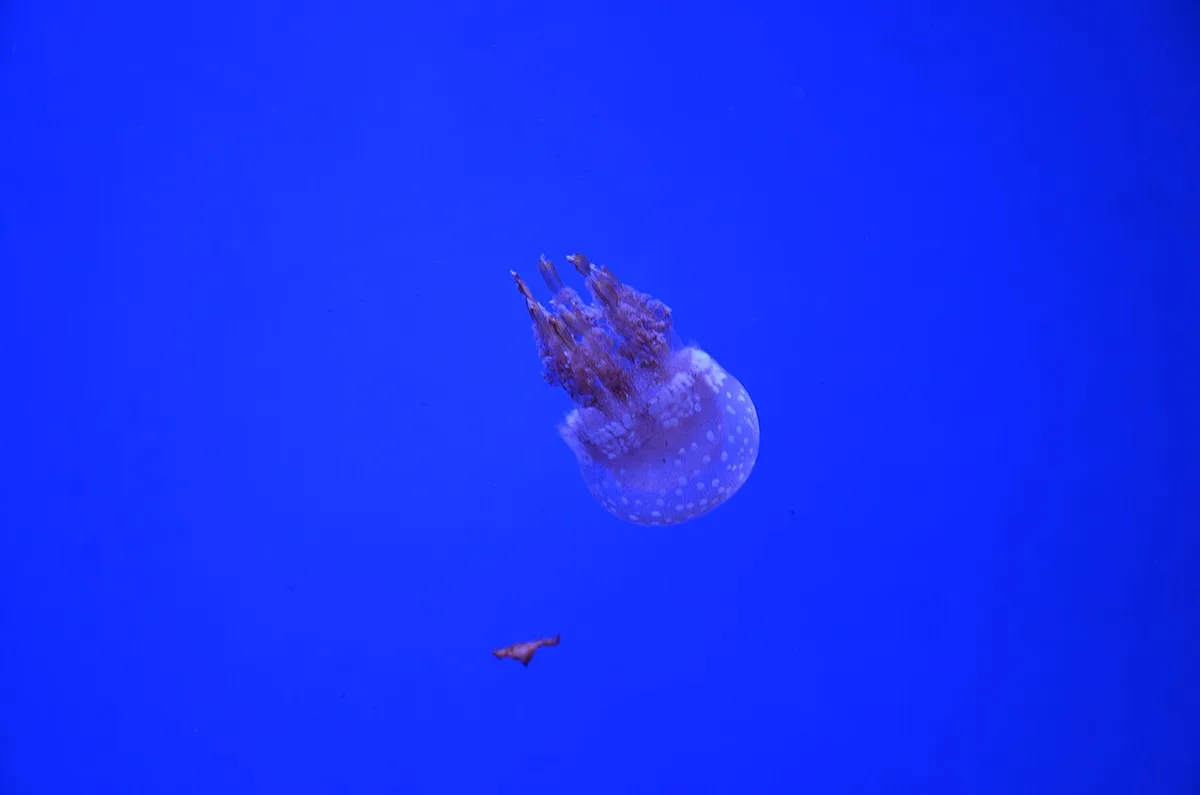
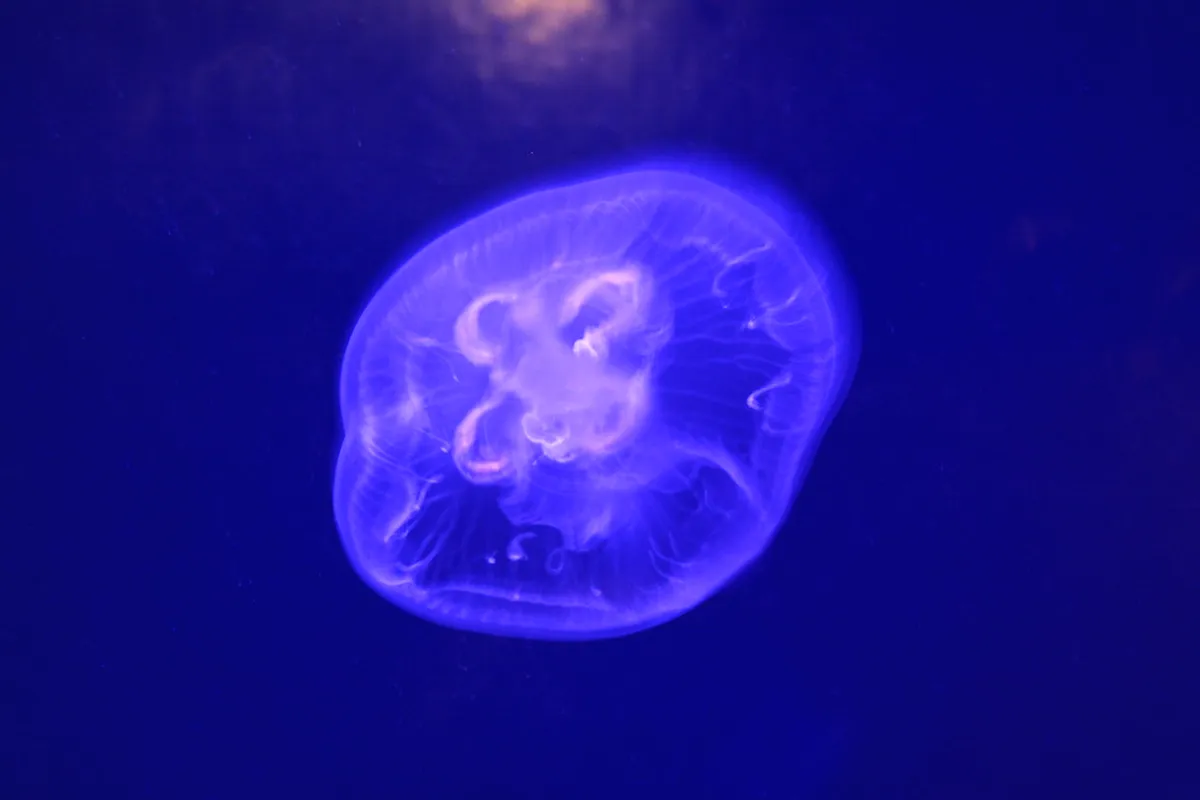
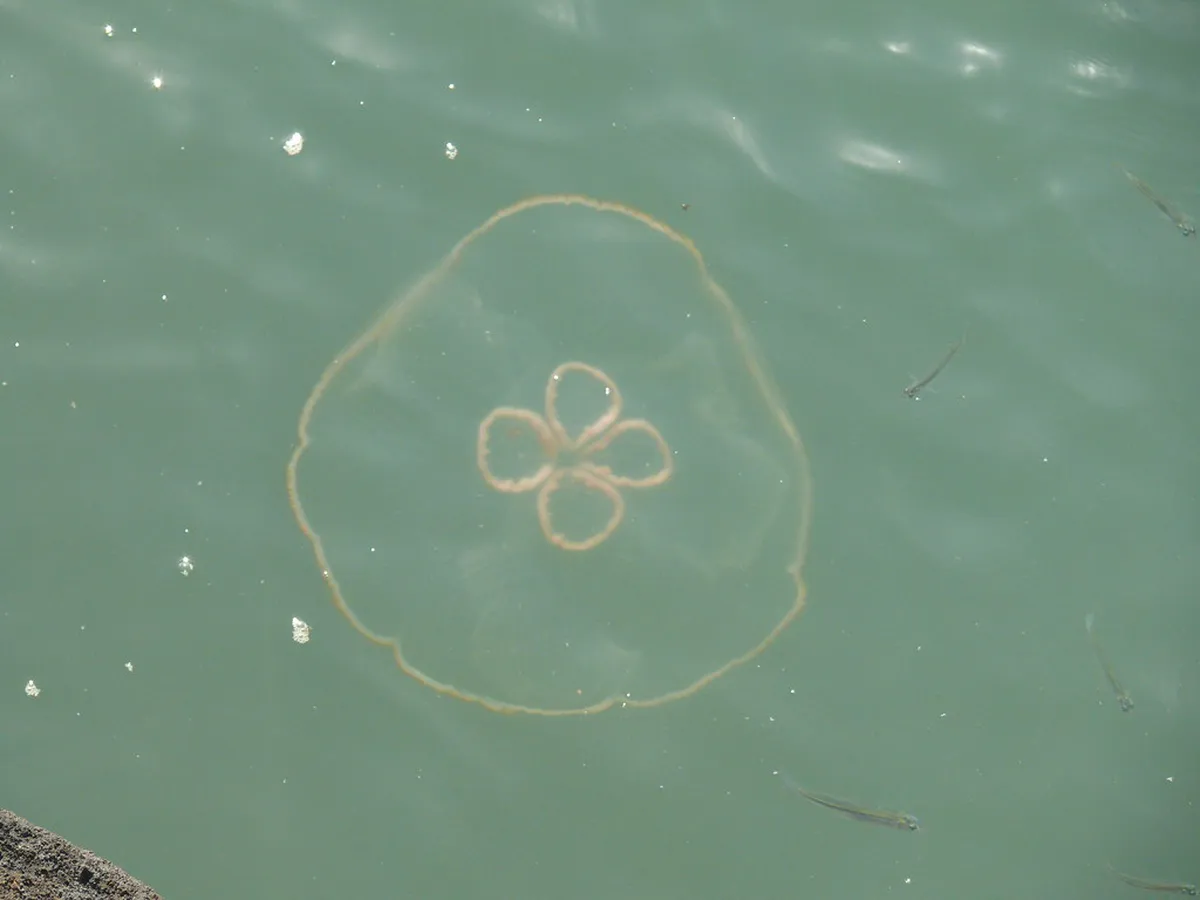
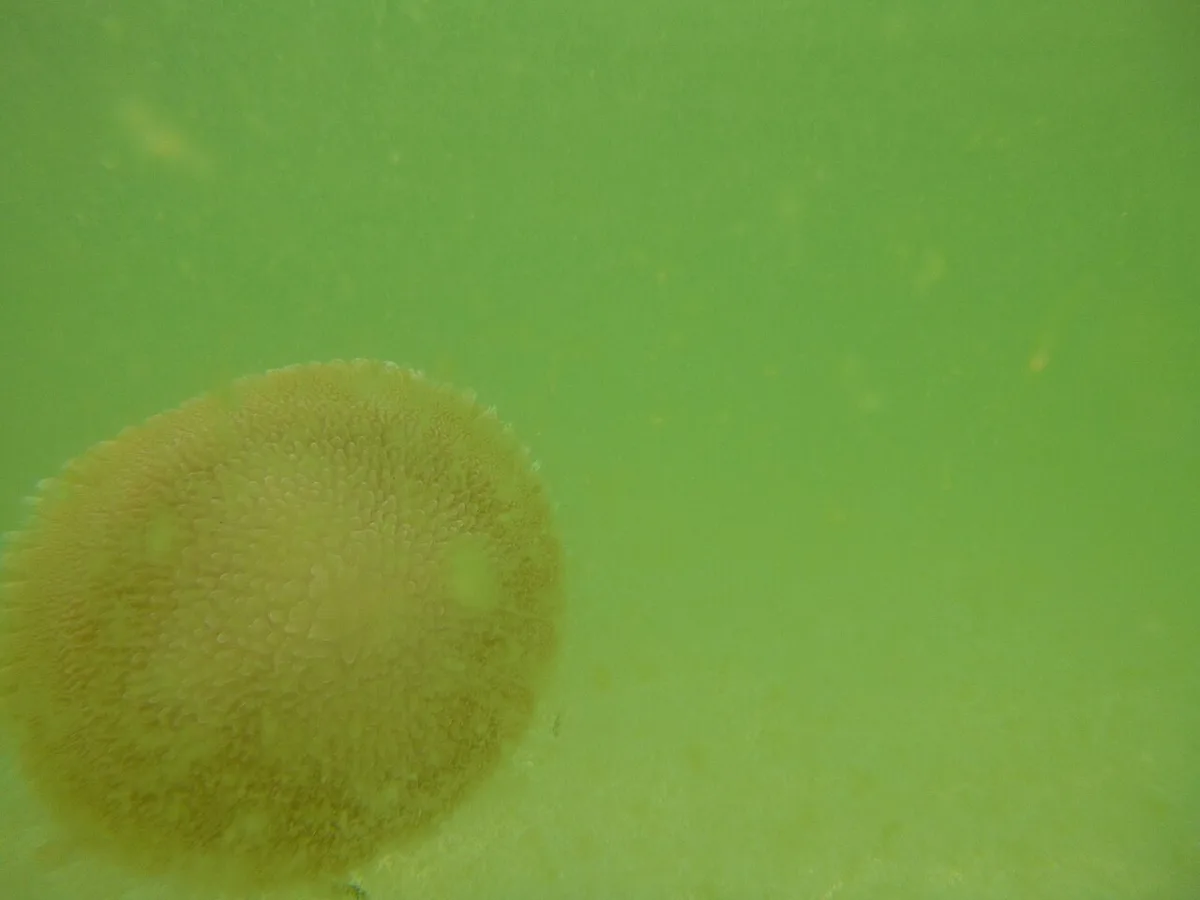
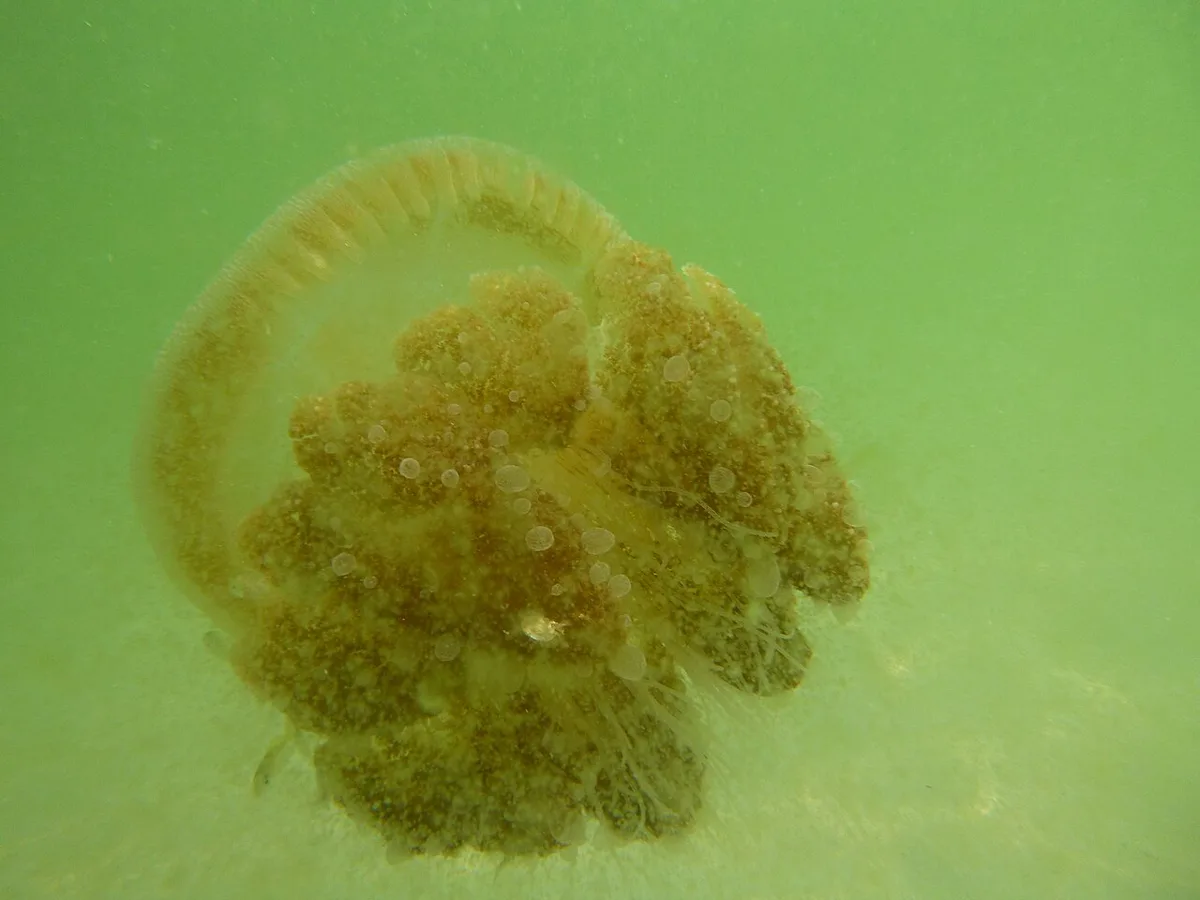
Moon jellyfish and rhizostome (cabbagehead) jellyfish are the most commonly reported in the Gulf, and both are low risk. Box jellyfish have a transparent, cube-shaped bell. Swimmers may only be stung by detached tentacles floating in the water. Read our box jellyfish profile for identification detail. Lion's mane and Portuguese man o' war appear in dive-shop reports, but local confirmation is thin. Irukandji is cited only as a general caution, so no Thai occurrence is established.
| Type | Look | Typical sting | Escalate if |
|---|---|---|---|
| Moon jellyfish | Pale, rounded disc | Mild itch or light redness, often gone within an hour | Rash spreads or swelling worsens |
| Rhizostome | Rounded body, thick frilled arms | Usually mild or unnoticeable | Skin reaction persists |
| Pelagia | Small bell, trailing tentacles | Severe burning pain per the Trang park warning | Pain or symptoms persist |
| Box jellyfish | Clear cube-shaped bell | Welts, burning, allergic reactions, can be fatal | Breathing trouble, chest pain, collapse |
First Aid for a Jellyfish Sting
Act fast and keep the steps simple. The sequence below merges guidance from Patong lifeguards and the Trang park notice. Divers can also read dive-injury guidance from Divers Alert Network. Severe symptoms need a hospital, not home treatment. Several Patong cases needed transfers to nearby hospitals, so do not wait to see if a bad reaction settles.
- 1. Leave the water immediately. Severe reactions can cause drowning.
- 2. Pour vinegar on the sting for at least 30 seconds.
- 3. Lift visible tentacles with tweezers or a card edge, never bare hands.
- 4. Use seawater only if no vinegar is available.
- 5. Watch the person for at least 1 hour, since some symptoms arrive late.
- 6. Begin CPR and call emergency services if the person is unconscious or not breathing.
- 7. Go to a clinic or hospital for severe pain, spreading welts or an allergic reaction.
- Myth: fresh water helps. Fact: it can make things worse.
- Myth: urine or oils soothe stings. Fact: skip both.
Is It Safe to Swim? A Beach Checklist
Run through this list before you wade in. Beaches at Chaweng and Bophut on Koh Samui offer nets and signs, while many open beaches offer neither. Dive boats on Koh Tao carry vinegar, according to one dive shop. Wear a rash guard or full wetsuit if sting risk worries you. Skip swimming after dark, because low light makes jellyfish harder to spot. Night-swimming temptations such as glowing plankton tours are best done from a boat.
Before wading in, find the vinegar station, because a sting needs vinegar for at least 30 seconds.
- Check for warning flags or signs at the beach entrance.
- Look for a lifeguard post or staffed first-aid point.
- Find the vinegar station before getting wet.
- Ask whether a net enclosure covers the swim zone.
- Check water clarity and recent sting reports.
- Ask your operator: do boats carry vinegar, and what is the emergency plan?
Planning Around Jellyfish: Trade-offs and Alternatives
Season, crowds and comfort pull against each other. A Koh Phangan operator links its May to October window with low season and fewer visitors. That can mean quieter beaches, but ask about jellyfish activity before you commit. A full-length suit is hotter than a rash guard but covers more skin. Netted beaches reduce risk, though they are not a guarantee. When flags are up, try kayaking, paddleboarding or a pool day. Other stinging hazards also deserve respect, including stonefish on reef flats. Reef visitors should know about lionfish spines as well. Step carefully near sea urchins in rocky shallows.
Dead Jellyfish on the Beach
Do not touch stranded jellyfish, even dead ones. Tentacles can keep stinging for hours after a jellyfish dies or washes ashore. Keep children and dogs away from them. Tell a lifeguard, beach staff member or dive center so they can remove it safely.
Frequently Asked Questions
How can you tell if you were stung by a jellyfish?
Look for burning or prickling pain, red welts and sometimes tentacle-shaped marks. These appear soon after leaving the water. Get medical help if you also have trouble breathing or chest pain.
Where are the most dangerous jellyfish found in Thailand?
Box jellyfish are the main concern. Reports name Chaweng, Bophut and Lamai on Koh Samui, beaches on Koh Phangan, and Patong beach in Phuket. Any beach can carry them, so follow local flags and advice.
Notes for your next dive trip
Optional updates to our Thai diving guides.
You might also like

Continue reading
More guides you'll find useful