6 Best Koh Samui Diving Sites, Season & Costs
Plan Koh Samui diving: Sail Rock, Ang Thong and Koh Tao day trips, best months, course costs and whether to base on Samui or Koh Tao.
On this page
Last updated November 2026: Koh Samui diving is mainly a day-trip base for Sail Rock, Ang Thong and Koh Tao, not a house-reef destination. We'd base here if you want beach time between boat days, and on Koh Tao if you want to dive every day. Below are six sites, the season, costs, courses and a verdict on where to stay.
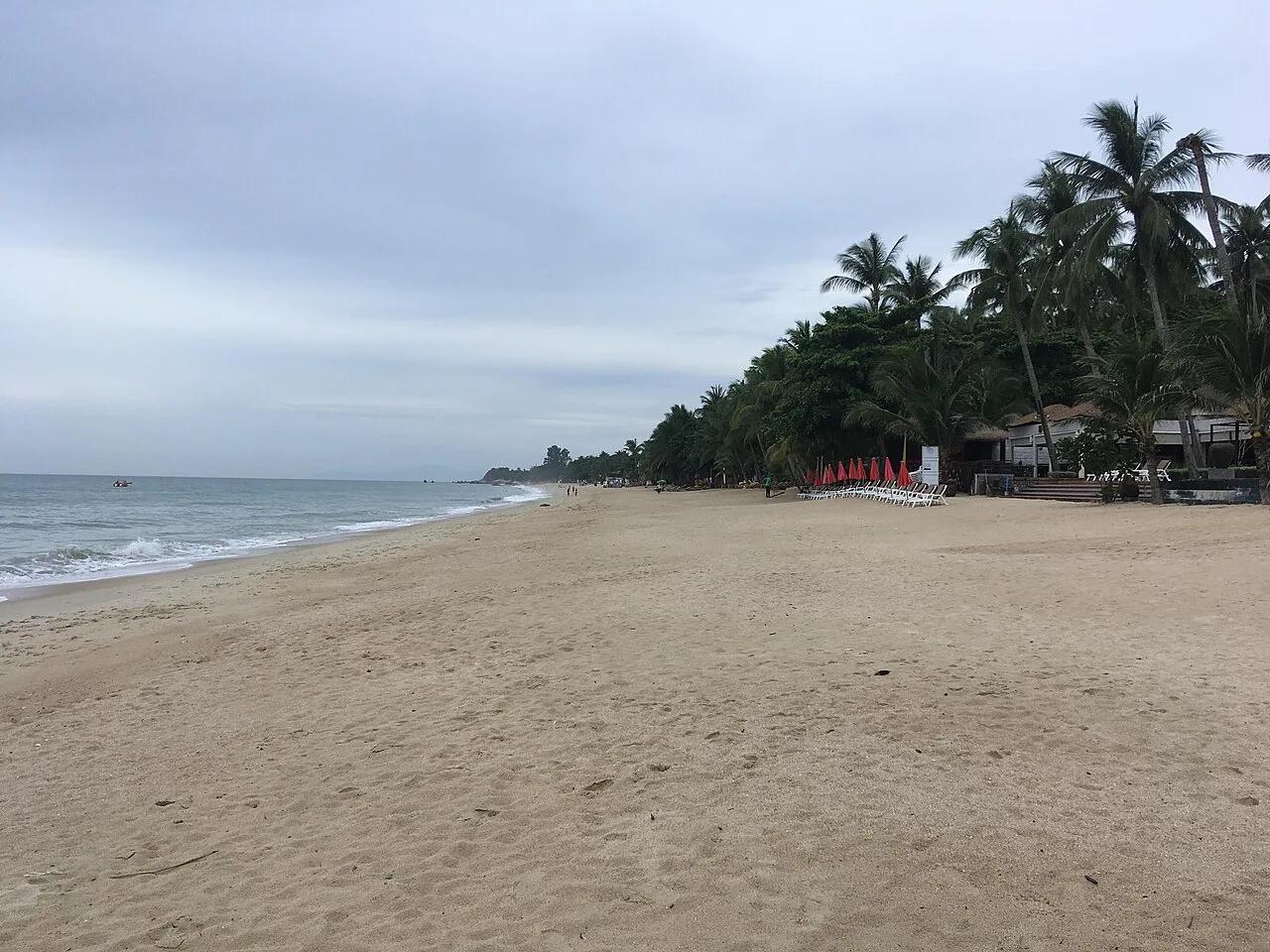
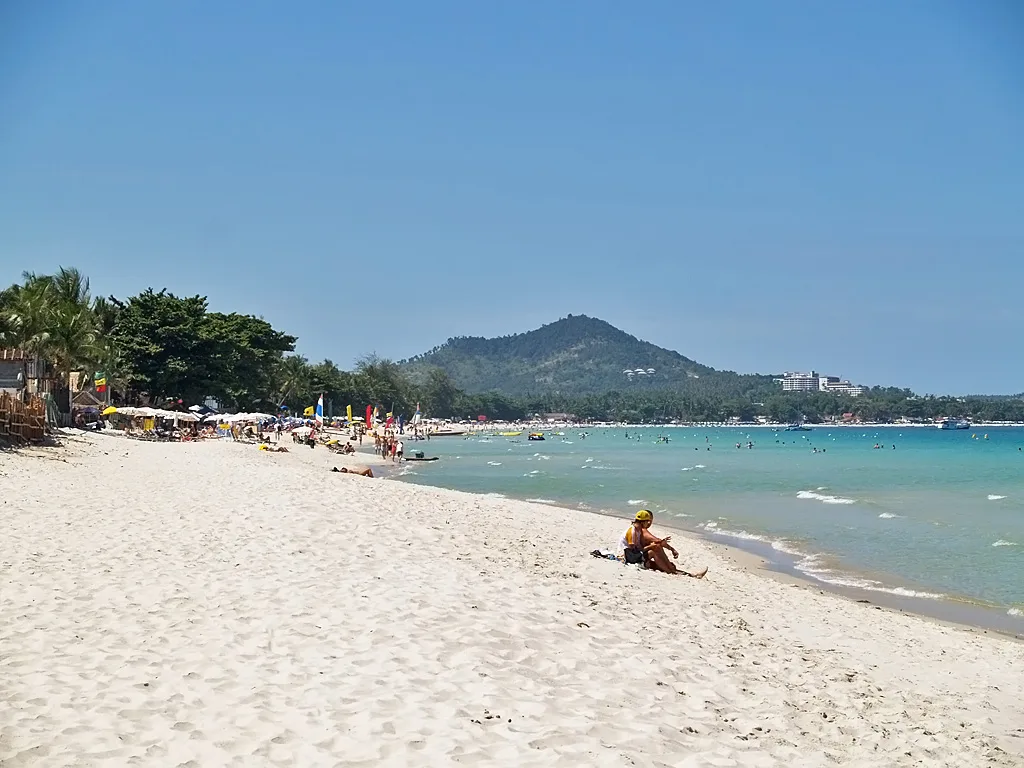
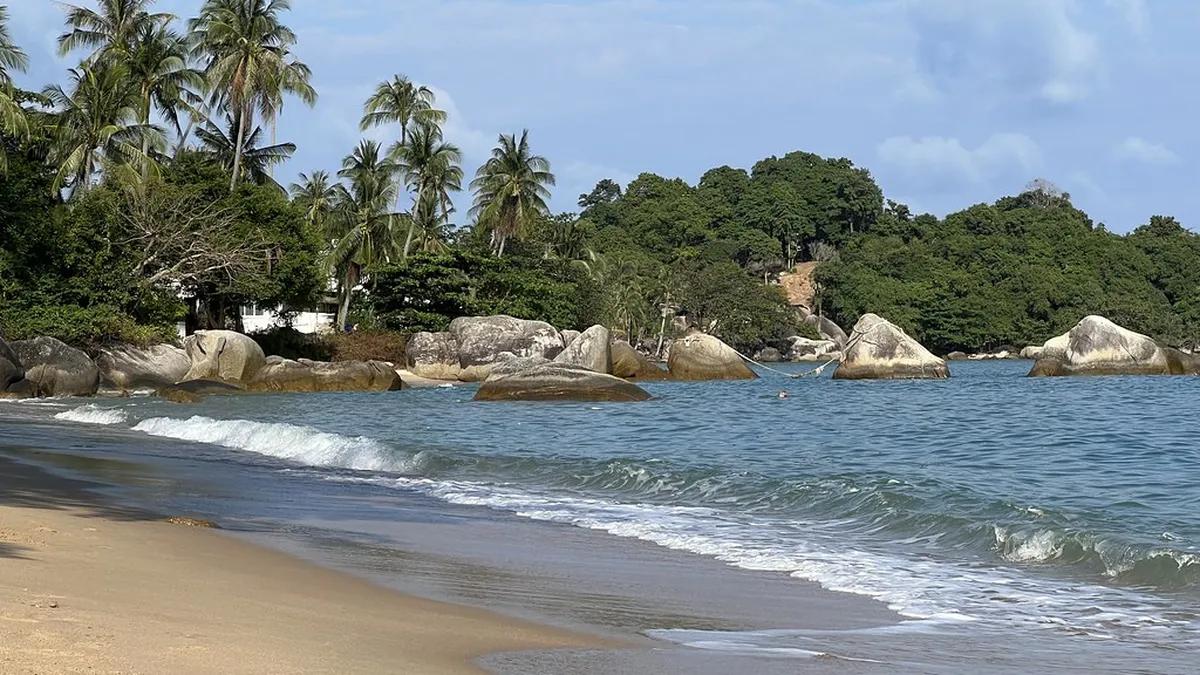
Featured image: Vyacheslav Argenberg, CC BY 4.0, via Wikimedia Commons.
Koh Samui Diving at a Glance
Samui has no house reef and no real shore diving. Boats leave each morning for Sail Rock, Ang Thong and Koh Tao, and most return in time for a late-afternoon rest at your resort. Operators count about 6 sites reachable from Samui and more than 20 once Koh Tao is included. We'd choose Samui if a partner or family wants beaches and nightlife, and Koh Tao if diving is the whole point of the trip. Allow around 5 days to fit two or three boat days around surface time.
| Quick fact | Typical answer |
|---|---|
| Depth range | 5 to 40 m |
| Experience level | Beginner to advanced, site by site |
| How you reach sites | Morning day-trip boats from Samui |
| Water temperature | 27°C to 30°C |
| Visibility | 5 to 25 m, varies by month |
| Suggested stay | About 5 days |
6 Best Koh Samui Diving Sites Reachable by Day Trip
We ranked these six by how well they fit a mixed-ability group, not by hype. Each entry leads with who it suits. Prices and hours checked November 2026. For the full site-by-site detail, read our site-by-site dive guide.
1. Sail Rock (Hin Bai)
Sail Rock is a lone granite pinnacle in open water between Koh Phangan and Koh Tao, and it is our pick for certified, comfortable divers. Its vertical chimney swim-through is entered at around 20 m and exits at 15 m or 10 m, past glassfish, boxer shrimps and moray eels. Operators report a boat ride of about 50 minutes from Samui and two dives per trip. Current runs moderate to strong, and published depth figures for the pinnacle vary, so listen closely to your briefing.
Whale sharks are commonly reported here but never guaranteed. Sources differ on the entry level: Open Water-plus for the upper pinnacle, Advanced for the full depth profile. First-ever divers should start at Koh Yippon instead.
2. Ang Thong Pinnacle
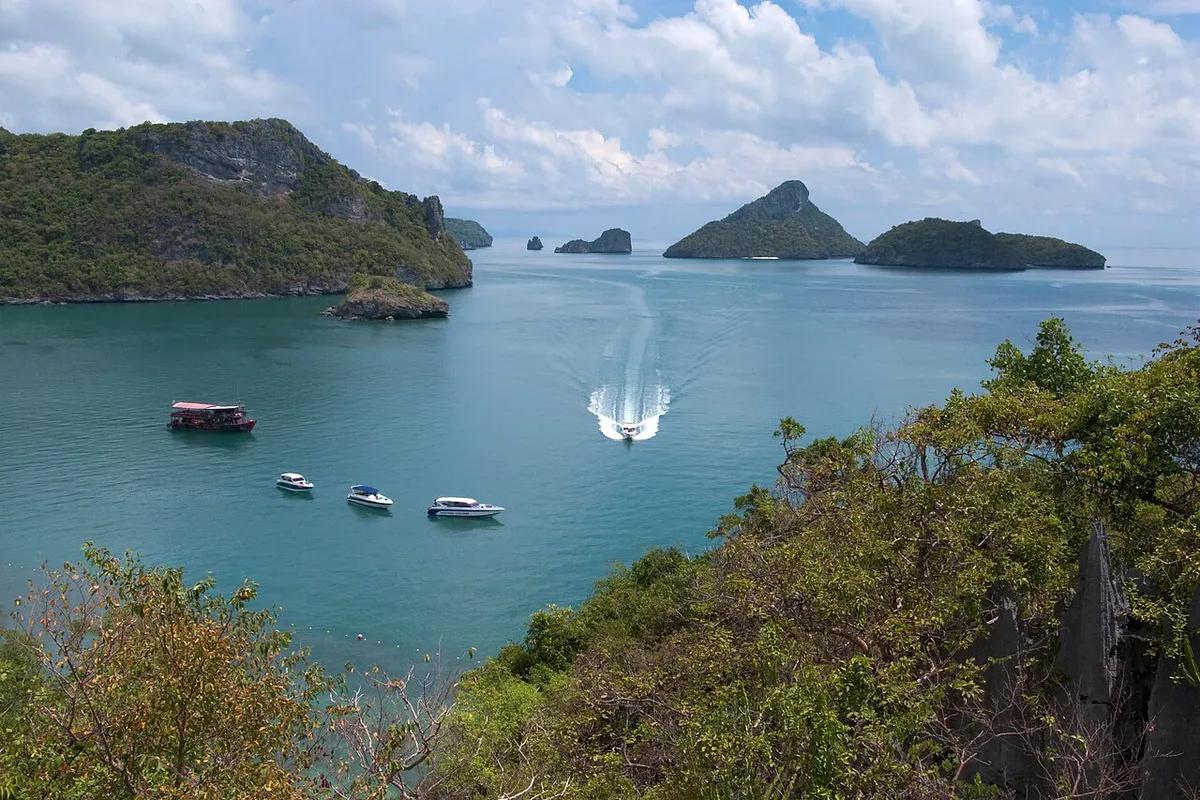
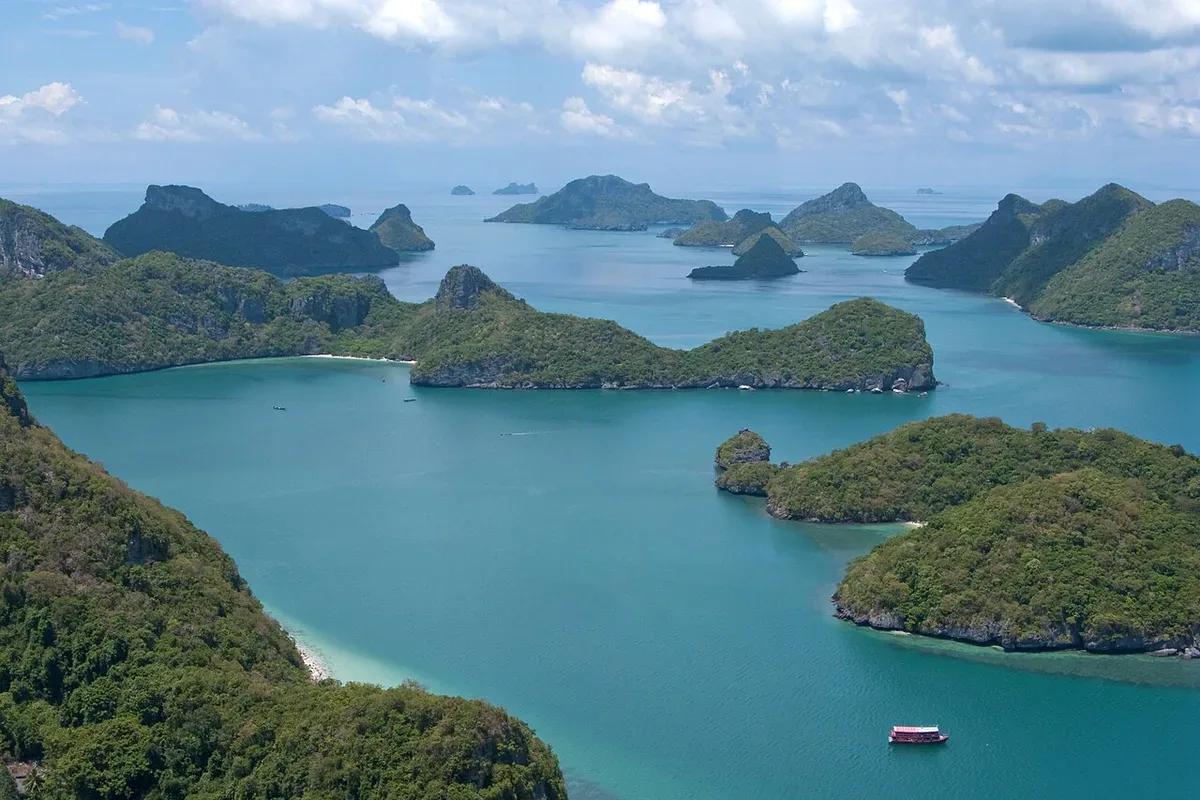
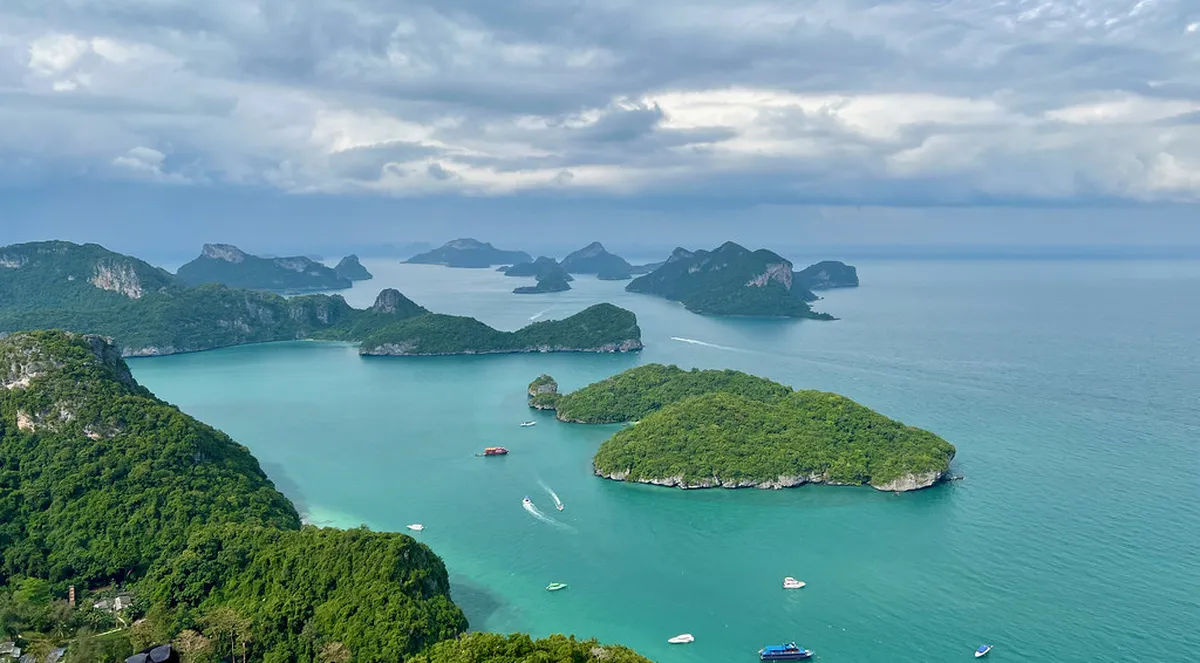
Ang Thong Pinnacle is a submerged pinnacle inside Mu Ko Ang Thong National Park, rising from about 30 m to within 8 m of the surface. Soft corals, sea fans and barrel sponges cover the rock, while snapper and fusiliers circle and barracuda patrol deeper water. Current makes it a drift dive, so we'd save it for intermediate or advanced divers.
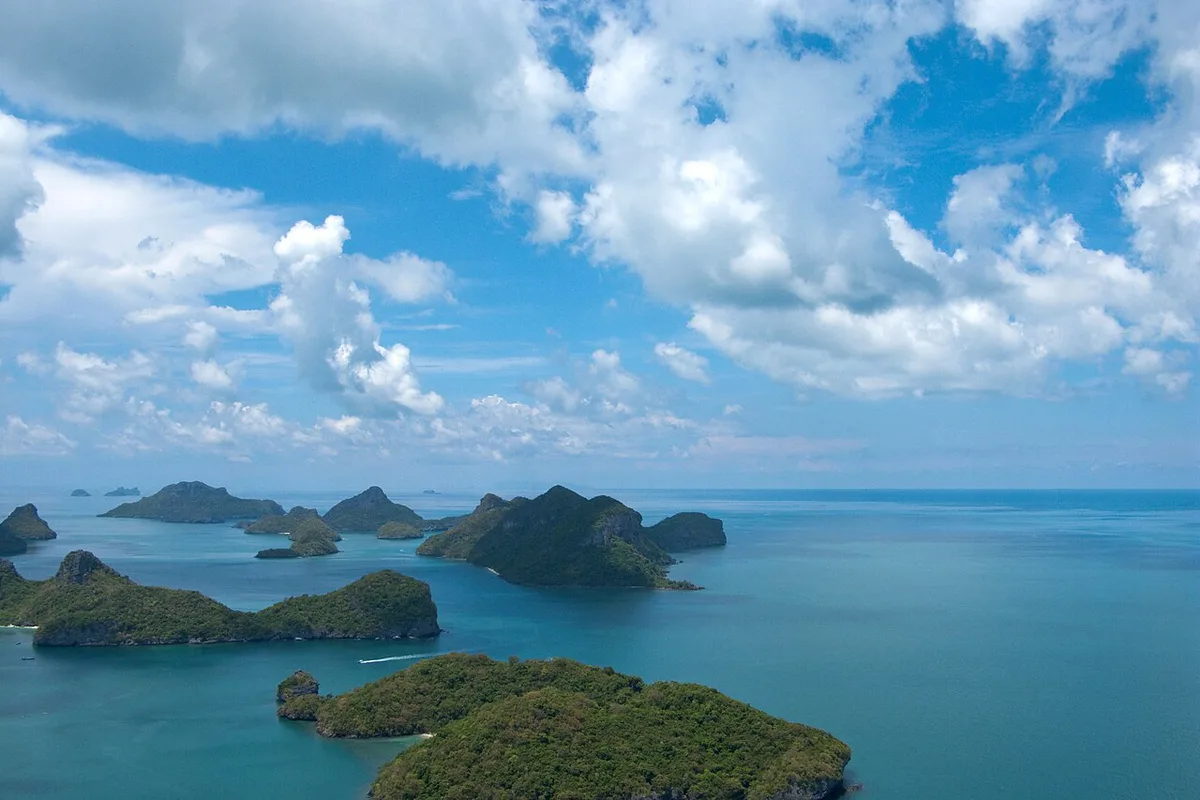
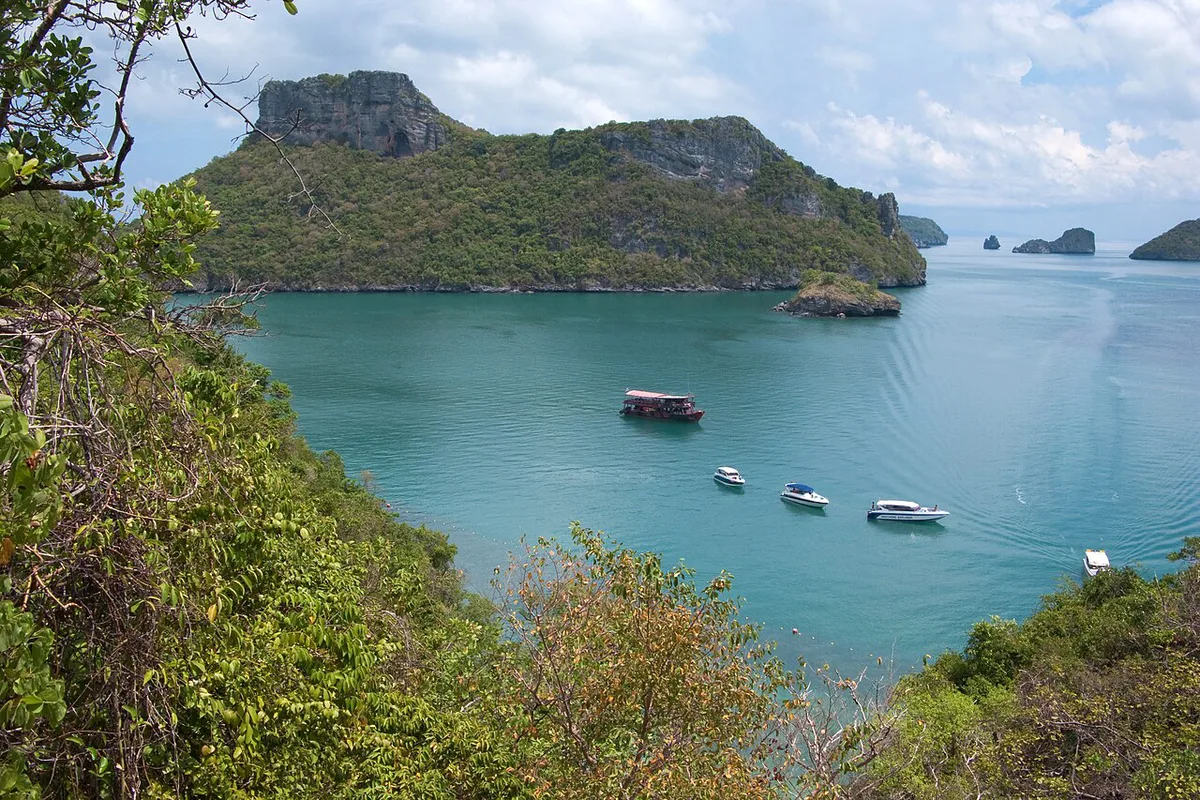
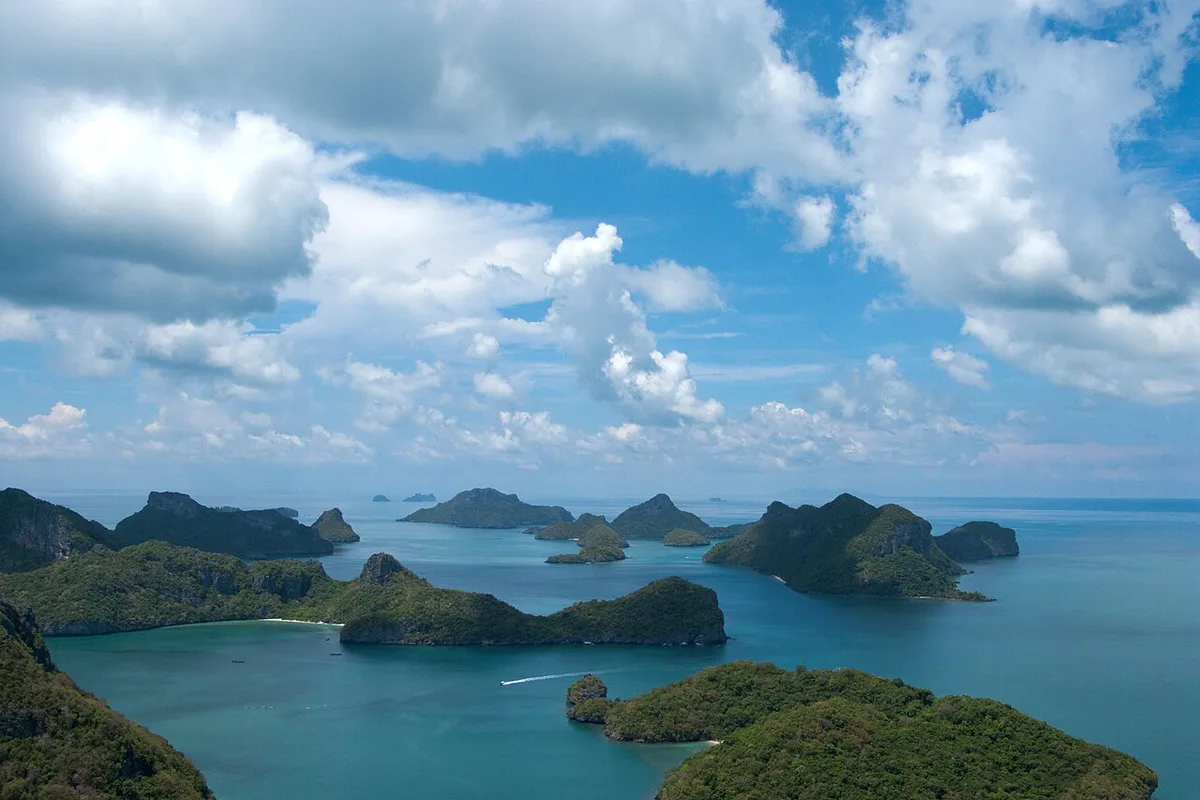
Park access and rules are listed by Thailand's national parks authority. A non-diving partner can join the same boat day for snorkeling or kayaking in the park. Beginners are better served elsewhere in the park.
3. Koh Yippon
Koh Yippon sits in a sheltered spot in the north of Ang Thong Marine Park and tops our list for first-timers and nervous divers. Maximum depth is about 18 m, and soft corals, barrel sponges and anemones are visible from the surface, so snorkelers get value too. Deeper sections hold large snappers, blue-spotted stingrays, fusilier schools and yellow-tailed barracuda.
Shelter from prevailing winds makes it a reliable option when other sites are choppy. Hard coral cover includes table corals and staghorn thickets. Divers chasing pelagics and big pinnacles will find it tame.
4. Koh Tae Nai and Koh Tae Nok
Koh Tae Nai is a small island off Samui's southwest coast, and we'd use it for refresher dives or a gentle third dive. Its reef slopes gently from 5 m to 18 m, with hard corals, turtles, blue-spotted stingrays and moray eels. Koh Tae Nok sits next to it, with boulders that form small swim-throughs and overhangs.
Look for octopus, cuttlefish and nudibranchs here, which makes it a decent macro-photography stop. Both sites are sheltered and suit beginners and intermediate divers. Experienced divers wanting walls, current or big fish will get little from them.
5. Koh Wao (Dragon Island)
Koh Wao is nicknamed Dragon Island for its profile, and it suits every level thanks to calm water and little or no current. A shallow bay is packed with submerged boulders, healthy hard corals and anemones. Stingrays rest on the sandy floor at the base of the boulders, at a maximum of around 20 m.
Snappers, fusiliers, barracuda and trevallies are commonly seen. Moray eels and octopus use the swim-throughs, and the site also works as a night dive. Pinnacle fans will want a more dramatic profile.
6. Chumphon Pinnacle
Chumphon Pinnacle is the dramatic alternative for experienced divers who have already done Sail Rock. Operators put it under two hours from Samui, so plan a full day. Granite pinnacles and canyons descend to about 30 m, draped in pink and purple soft corals.
Soft coral density peaks at mid-depth, roughly 20 to 24 m, and fusiliers fill the canyons while leopard sharks rest on the sand. Ask your shop for its level requirement, since the sources we hold do not state one. Anyone short on time or prone to seasickness should pick a closer site.
Best Time for Koh Samui Diving
Operators disagree on the season. One guide puts peak conditions at March to September, with northeast monsoon wind and rain cutting visibility to about 10 m between November and February. An operator blog calls January and February the most consistent months. We can't reconcile the two, so treat November to February as variable. Water stays at 27°C to 30°C all year. See month-by-month diving season for more. Water details sit in our water temperature by month page. Marine forecasts come from the Thai Meteorological Department. For sharks, read whale shark timing.
| Period | Reported conditions | Whale sharks |
|---|---|---|
| March to May | 15 to 25 m visibility, 29°C to 30°C, calm seas | Most commonly reported window |
| June to August | 12 to 20 m visibility, consistent diving | Dip in June and July, building from August |
| September to October | Monsoon swell can start in October | Second window reported |
| November to February | Sources disagree; about 10 m on one report | Not a headline period |
How Diving from Samui Works
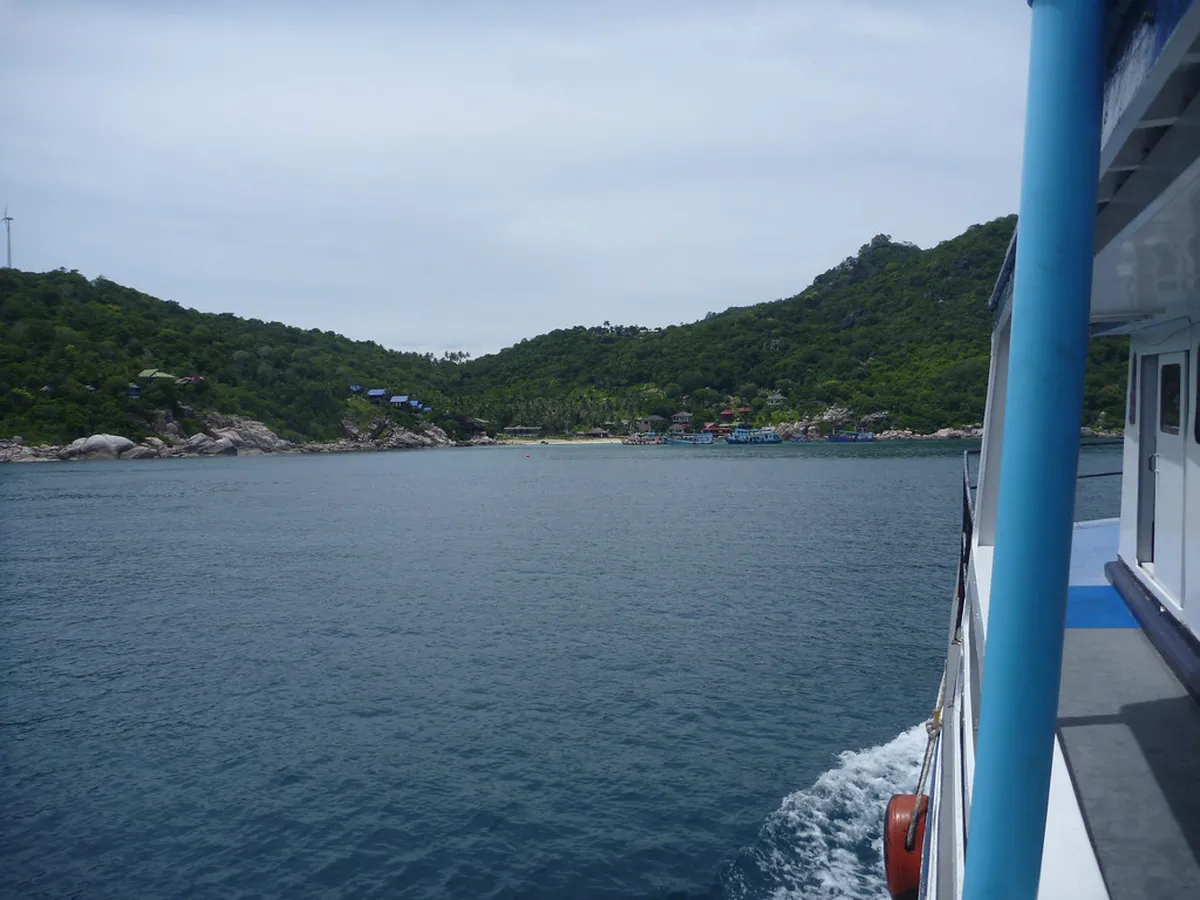
Catamarans and speedboats leave every morning, normally with small groups. Sail Rock is about 50 minutes away, Koh Tao about 90 minutes by speedboat, and Chumphon Pinnacle under two hours. Expect two dives per trip and a return in time for the late afternoon. Operators typically arrange hotel pickup and confirm the time 48 hours ahead. Rough sea days can cancel boats, so ask about the refund policy at booking. Chumphon and Koh Tao days are long. Ang Thong and Koh Yippon suit gentler days. Without shore diving, every dive depends on a boat.
Operators confirm the time 48 hours ahead, and rough sea days can cancel boats. Chumphon already fills a full day, so keep a spare day nearby.
Costs and What Affects Them
We hold no verified day-trip quote in baht, so get written quotes from two shops. Listings place Samui dive day trips well above Koh Tao ones, which reflects longer crossings. One Samui operator lists these course prices.
| Course | Duration | Price |
|---|---|---|
| Discover Scuba Diving | 1 day | ฿3,500 |
| PADI Open Water Diver | 3 to 4 days | ฿18,200 |
| PADI Advanced Open Water | 2 to 3 days | ฿14,200 |
| PADI Rescue Diver | 3 to 4 days | ฿18,500 |
| Enriched Air Nitrox | Half day | ฿3,900 |
- Park fees for Ang Thong days
- Gear rental if not included
- Nitrox fills
- Hotel transfers to the pier
- Lunch and drinks on board
- Dive insurance
Dive Courses and Discover Scuba
First-timers should start with a one-day Discover Scuba at ฿3,500 and see whether they like it. Our walkthrough is in the Discover Scuba path for first-timers. Certification takes longer: Open Water runs 3 to 4 days, and theory is often done through eLearning before arrival. Advanced Open Water at 2 to 3 days opens the full depth at Sail Rock and Chumphon. Course standards are published by PADI. Compare options in our PADI course options guide. Pick a school on instructor ratio and equipment, not on the lowest price.
Choosing a Dive Shop
A good shop answers specifics. One operator holds dates with a 25% deposit and refunds up to 72 hours before departure, which gives you a benchmark. Use our dive shop checklist when comparing. Ask each shop these questions.
- Maximum group size per guide
- Boat type and crossing time
- Oxygen and first-aid kit on board
- Insurance and equipment age
- Briefing quality and weather cancellation policy
Samui vs Koh Tao vs Liveaboard
Our verdict is simple. Stay on Samui for a mixed holiday, move to Koh Tao for volume, and book a liveaboard only if diving is the only goal.
| Option | Best for | Travel to sites | Sea-state risk | Non-diving partner |
|---|---|---|---|---|
| Samui day trips | Mixed holiday | About 50 to 90 minutes each way | Rough days can cancel boats | Beaches, Ang Thong tours |
| Koh Tao base | Daily diving, courses | Shorter transfers, 25+ sites | Sheltered bays | Fewer things to do |
| Liveaboard | Remote sites, max dives | Overnight, quote from operator | Depends on route | Limited |
Marine Life Highlights
Sail Rock brings schools of chevron barracuda, trevally and the occasional whale shark. Koh Tae Nai offers turtles and stingrays, while Chumphon has leopard sharks resting on sand. Whale sharks appear on the IUCN assessment at IUCN Red List. More species sit in our marine life guide.
Getting There and Getting Around
Most visitors fly Bangkok Suvarnabhumi to Samui Airport (USM) on Bangkok Airways, a flight of about 75 minutes. Samui has no public transport. Grab works in Chaweng, and shared songthaew pickups run on the ring road. Thai ATMs charge about ฿220 to ฿250 per withdrawal, so take out larger sums. Dive shops usually collect you from your hotel, which solves the early-morning pier problem.
Safety, Insurance and Mistakes to Avoid
Take dive-specific cover, since many travel policies stop at depth limits such as 40 m. DAN publishes guidance on dive insurance and injury. Plan your last dive well before your flight home and follow no-fly guidance from your agency. One operator reports a private hyperbaric chamber on Samui, so ask your shop which facility it uses in an emergency.
Before booking Chumphon, where canyons descend to about 30 m, check your policy's depth limits such as 40 m.
- Booking Sail Rock as a beginner
- Expecting peak visibility in monsoon months
- Assuming nitrox or park fees are included
- Flying home inside the no-fly window
Explore diving in other cities
Frequently Asked Questions
Where can a beginner dive in Thailand?
From Samui, Koh Yippon, Koh Tae Nai and Koh Wao suit beginners, with calm water and depths of about 18 m. Koh Tao also has sheltered bays used for training dives.
What's the best month to go to Koh Samui?
Sources disagree for diving, so March to May is our safest bet, with reported visibility of 15 to 25 m. November to February can bring monsoon wind and waves.
Explore More Koh Samui Guides
Keep planning your Koh Samui trip with these guides.
Koh Samui Guides
- Koh Samui Dive Sites: Sail Rock, Koh Tao & Ang Thong Compared
- Koh Samui Dive Shops: How to Choose the Right One
- PADI Koh Samui: Courses, Costs and How to Choose a Dive Shop
- Discover Scuba Diving Koh Samui: Who It Suits and How to Book
- Koh Samui Diving Season: Best Months & Monsoon Reality
- Koh Samui Whale Shark: Where to See Them (Sail Rock Guide)
- Koh Samui Water Temperature by Month
- Koh Samui Marine Life: What You'll Really See and Where
Notes for your next dive trip
Optional updates to our Thai diving guides.
You might also like
Continue reading
More guides you'll find useful