Koh Samui Water Temperature by Month: Sea Warmth vs Conditions
Koh Samui sea temperature stays warm all year, but conditions change by month. See monthly averages, wetsuit advice and which coast is calmest.
On this page
Last updated November 2026: Koh Samui water temperature stays warm all year, with monthly averages from 27.9°C (82.2°F) in January to 30.7°C (87.3°F) in May. Warm water does not mean calm water, and November is the wettest and roughest month of the year. Daily readings vary, so check live sea-surface data from NOAA Coral Reef Watch for today's number.
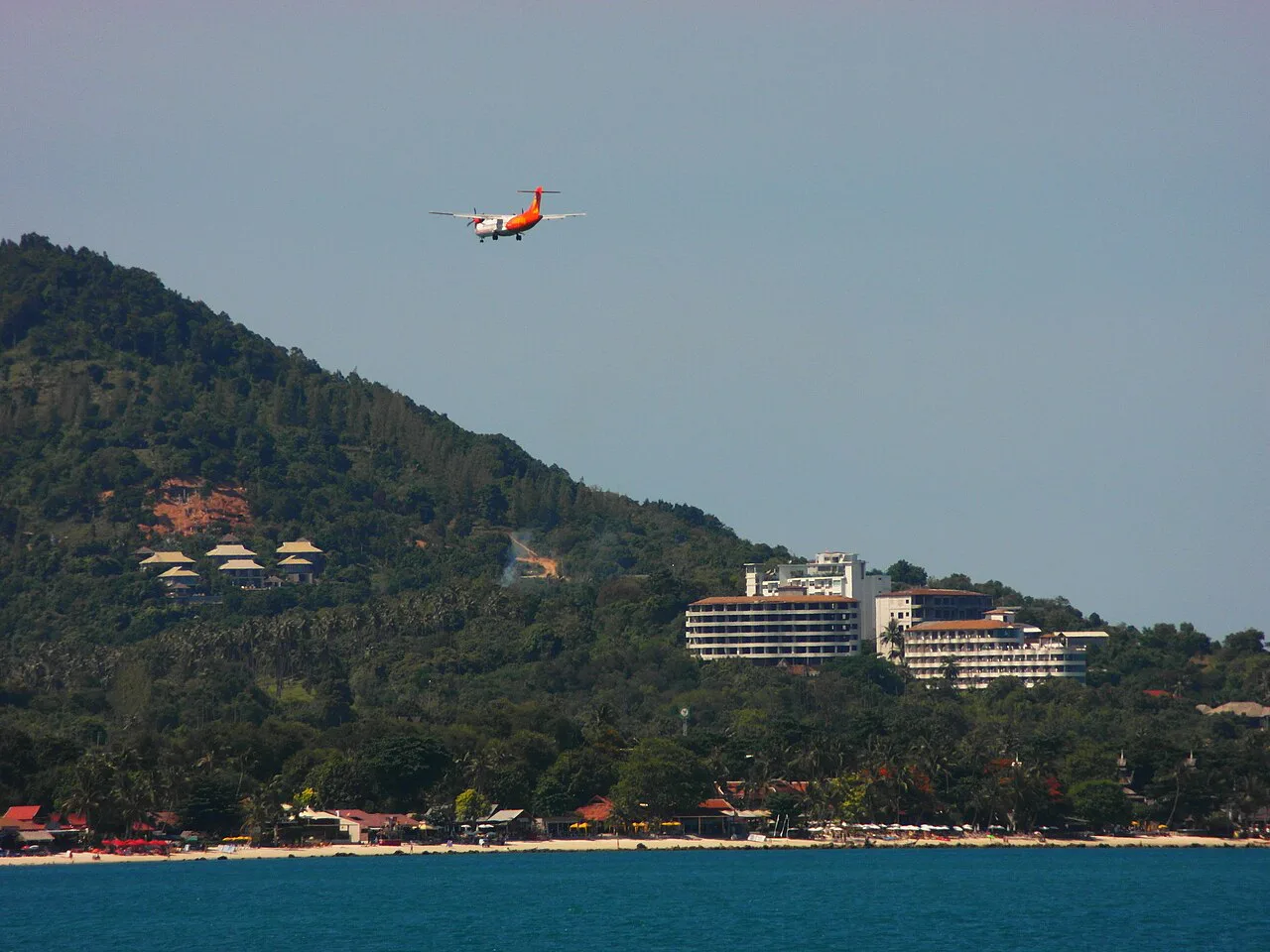
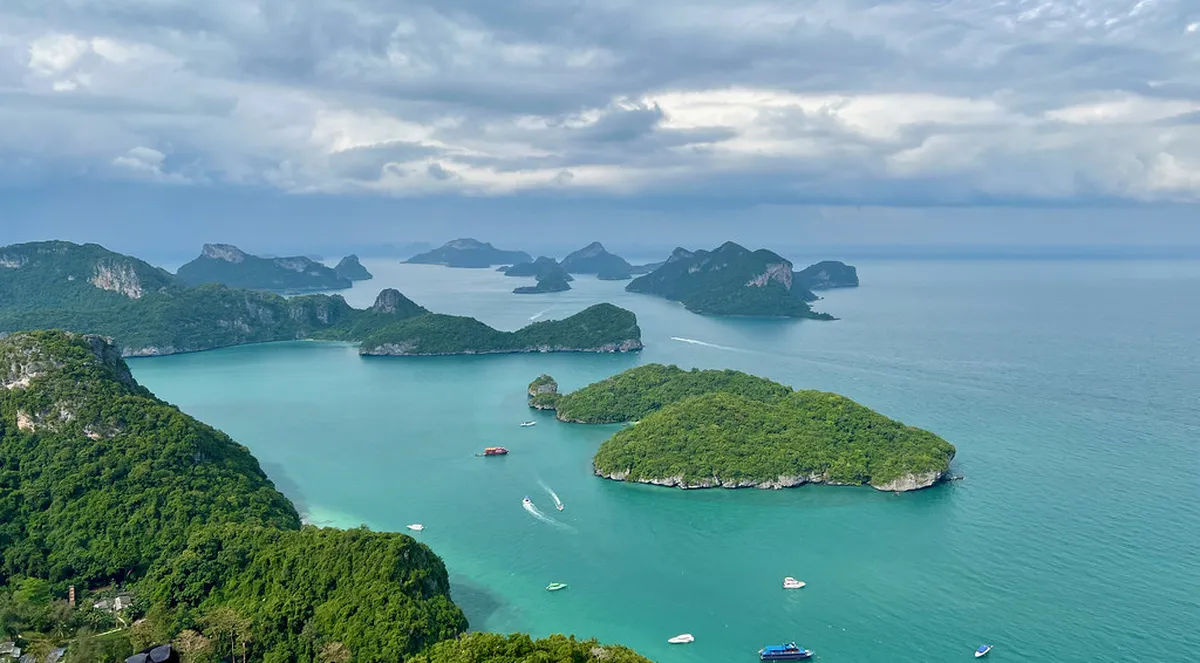
Featured image: Vyacheslav Argenberg, CC BY 4.0, via Wikimedia Commons.
Koh Samui water temperature at a glance
Swimmers get warm water in every month. What changes is the surf, the rain and the underwater visibility. Treat temperature as the easy part of the planning.
- Coolest month: January, averaging 27.9°C (82.2°F), with daily lows near 26.2°C (79.2°F).
- Warmest month: May, averaging 30.7°C (87.3°F).
- Seasonal averages: winter 28.1°C (82.6°F), spring 30.1°C (86.2°F), summer 30.0°C (86.0°F), autumn 29.4°C (84.9°F).
- Roughest month: November, with waves of 1.2–2 m and about 445 mm of rain over 16 rainy days, according to Samui Beach Club's seasonal guide.
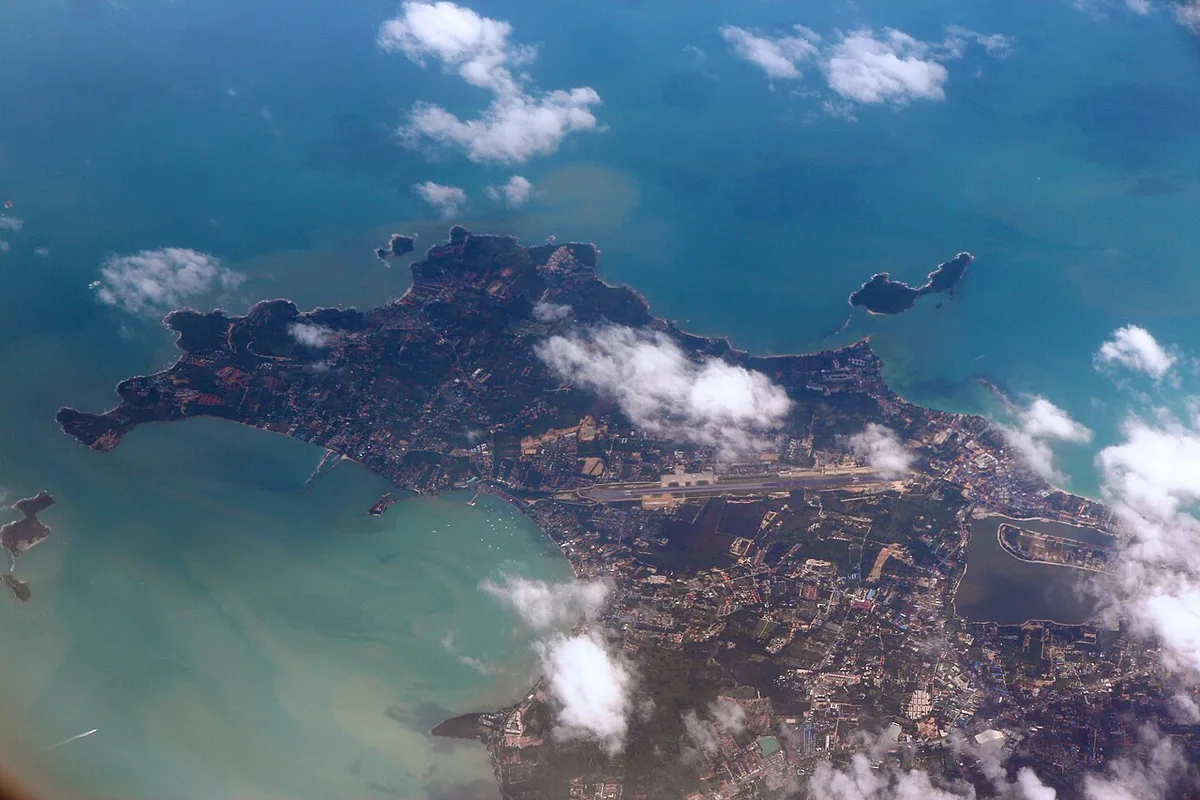
Koh Samui water temperature by month
These figures are 10-year monthly averages of the kind compiled from satellite and in-situ sea-surface data. Sources differ by a degree or so in some months, so read each number as a range rather than an exact value. November shows the gap clearly. One dataset gives 29.0°C (84.2°F), while Samui Beach Club's seasonal guide lists 28°C (82.4°F). The comfort notes below cover only what is documented. For rain and sea state in other months, check the Thai Meteorological Department.
| Month | Average sea temperature | Comfort and conditions note |
|---|---|---|
| January | 27.9°C (82.2°F), range 26.2–29.5°C | Coolest month of the year; still warm for swimming |
| February | 28.4°C (83.1°F) | Warming; check TMD for sea state |
| March | 29.3°C (84.7°F) | Warming; check TMD for sea state |
| April | 30.4°C (86.7°F) | Near the annual peak |
| May | 30.7°C (87.3°F) | Warmest month on average |
| June | 30.4°C (86.7°F) | Still near the peak |
| July | 29.9°C (85.8°F) | Check TMD for sea state |
| August | 29.7°C (85.5°F) | Check TMD for sea state |
| September | 29.6°C (85.3°F) | Check TMD for sea state |
| October | 29.5°C (85.1°F) | Check TMD for sea state |
| November | 29.0°C (84.2°F), range 27.0–30.5°C | Wettest month; waves of 1.2–2 m; visibility 10–20 m |
| December | 28.1°C (82.6°F), range 26.5–29.9°C | Cooling toward January; check TMD for sea state |
Warm water vs good conditions
A sea at 28°C can still be a poor place to snorkel. In November a northeast monsoon wind of 26–33 km/h pushes waves to 1.2–2 m. Samui Beach Club's guide rates swimming fair to poor, snorkeling poor and diving suitable for experienced divers only. Visibility in that month runs at 10–20 m, which is fair rather than clear. Warm water and calm water are separate questions. Beach flags answer the second one on the day. Our guide to the diving season on Samui covers which months settle down. For monsoon direction and rainfall by month, the Thai Meteorological Department is the official reference.
Which coast to swim at, month by month
Exposure to the wind decides which shoreline works. November is the worked example, using Samui Beach Club's coast guide. Coast ratings for other months are not documented here, so check flags and local forecasts before you commit to a beach.
Northeast monsoon winds of 26–33 km/h help explain why the exposed east coast is rated hazardous in November.
- East coast (Chaweng, Lamai, Bangrak): rated hazardous, with strong winds and rough water.
- North coast (Maenam, Bophut, Choeng Mon): protected but challenging.
- West coast (Bang Po, Lipa Noi, Taling Ngam): the best option, though still rough.
Do you need a wetsuit?
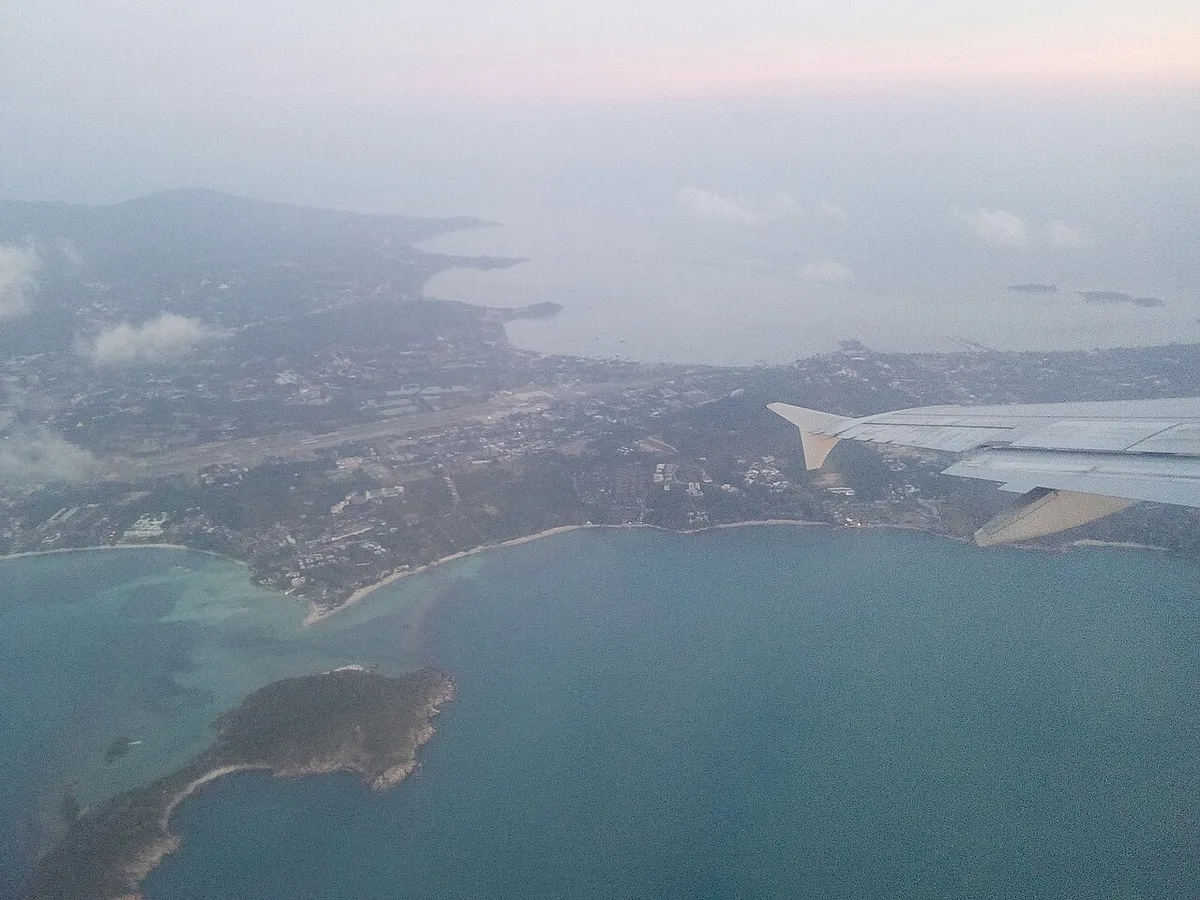
With the sea between roughly 27°C and 30.7°C, most people swim and snorkel without one. Many divers choose a thin wetsuit or a rash guard for sun, stings and scrapes rather than for warmth. Long dives or repeated days in the water can feel cooler in January, when daily lows reach 26.2°C (79.2°F). Take that as a rule of thumb, not a thickness spec. Rental options sit on our Samui dive shops page. Staff there can fit you for the day's dive.
Water temperature, visibility and diving
Divers care more about visibility and sea state than about a degree of warmth. November visibility of 10–20 m is workable for experienced divers, and the surface is the harder part. Our Koh Samui dive sites guide shows which sites suit which conditions. Newcomers can start with a discover scuba session on a calmer day. Course seekers can compare options in our PADI courses overview. Warm water also supports the reef life described in our marine life guide. For the full picture, start at the Koh Samui diving hub.

Best time for warm and calm water
Warmest and calmest are different windows. Averages peak in April (30.4°C) and May (30.7°C). November is the wettest month, with about 445 mm of rain, so it is a weak choice for snorkeling. Which months are calmest is a monsoon question. Confirm it with Thai Meteorological Department data, and use the diving season page for dive-trip timing. If you only care about warmth, any month works. If you want flat water, plan around the monsoon and pick a protected coast.
Mistakes to avoid when reading sea temperatures
Three assumptions cause most disappointment.
Many divers pick a rash guard for sun, which matters when midday burn times run 15–20 minutes.
- Assuming a warm sea means calm snorkeling in the monsoon months.
- Ignoring beach flag warnings because the water feels comfortable.
- Skipping sun protection. Samui Beach Club reports an extreme UV index of 11 in November, with burn times of 15–20 minutes at midday.
Frequently Asked Questions
Is 70 degree water too cold to swim?
70°F is about 21°C, which is far below anything Samui records. Even the coolest monthly lows, around 26.2°C (79.2°F) in January, stay well above that.
When to avoid Koh Samui?
For sea activities, November is the weakest month. It is the wettest, with roughly 445 mm of rain over 16 rainy days, and waves of 1.2–2 m. The west coast is the best option that month.
What's the best month to go to Koh Samui?
For warm water, April and May average 30.4°C and 30.7°C. For calm seas, check Thai Meteorological Department monsoon data. Our diving season guide helps with dive-trip timing.
Notes for your next dive trip
Optional updates to our Thai diving guides.
You might also like
Continue reading
More guides you'll find useful