Thailand Water Temperature by Month and Sea: What to Wear
How warm is the sea in Thailand? Andaman vs Gulf ranges, month-by-month patterns, and what wetsuit to wear for diving or snorkeling.
On this page
Last updated November 2026. Thailand water temperature stays warm all year on both coasts, and the 12 November 2026 reading was 26–30°C (79–86°F) in the Gulf of Thailand and 27–30°C (81–86°F) on the western side. Warm surface water still feels different at dive depth, so this guide covers the two seas, thermoclines and what to wear.
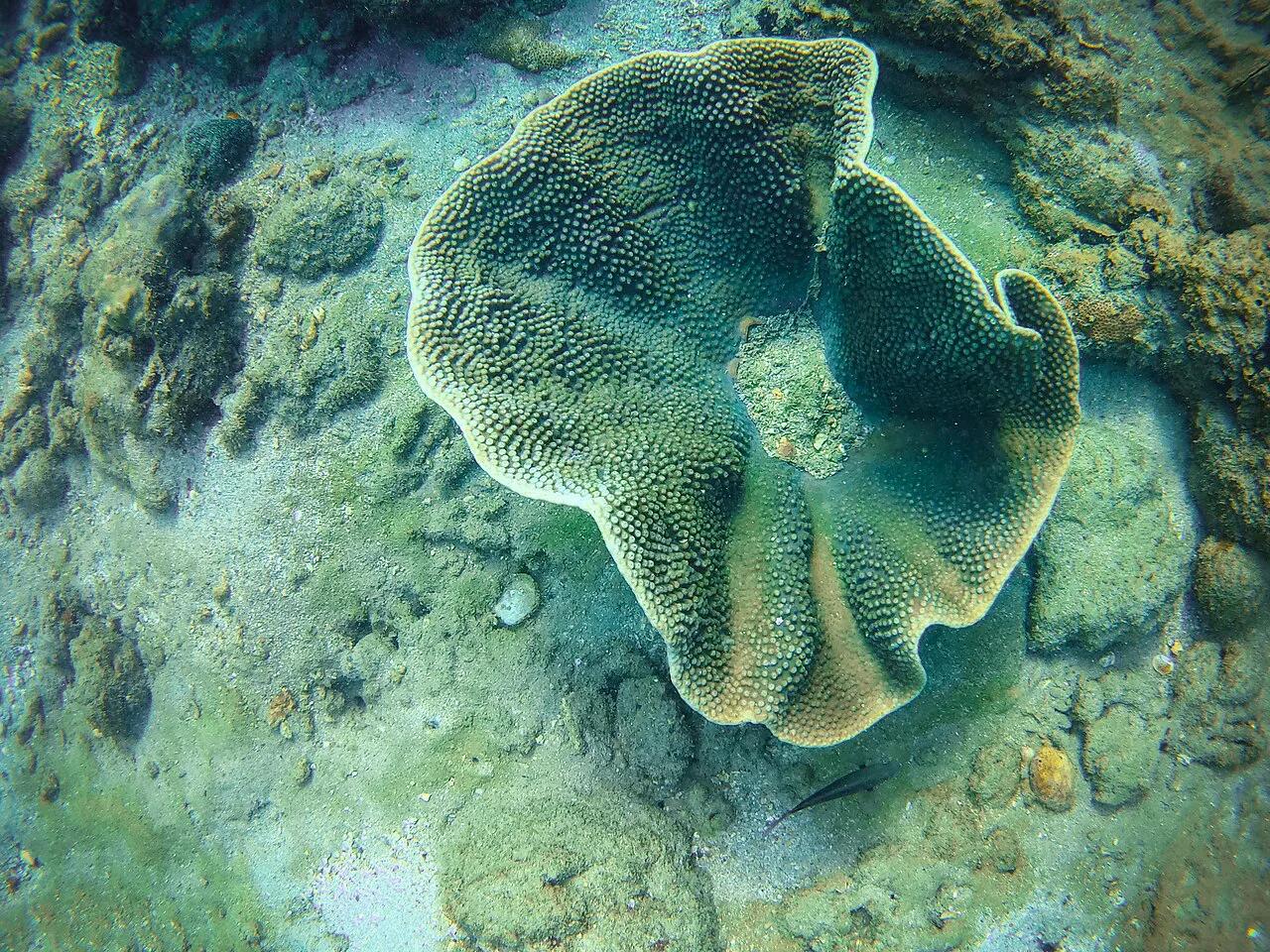
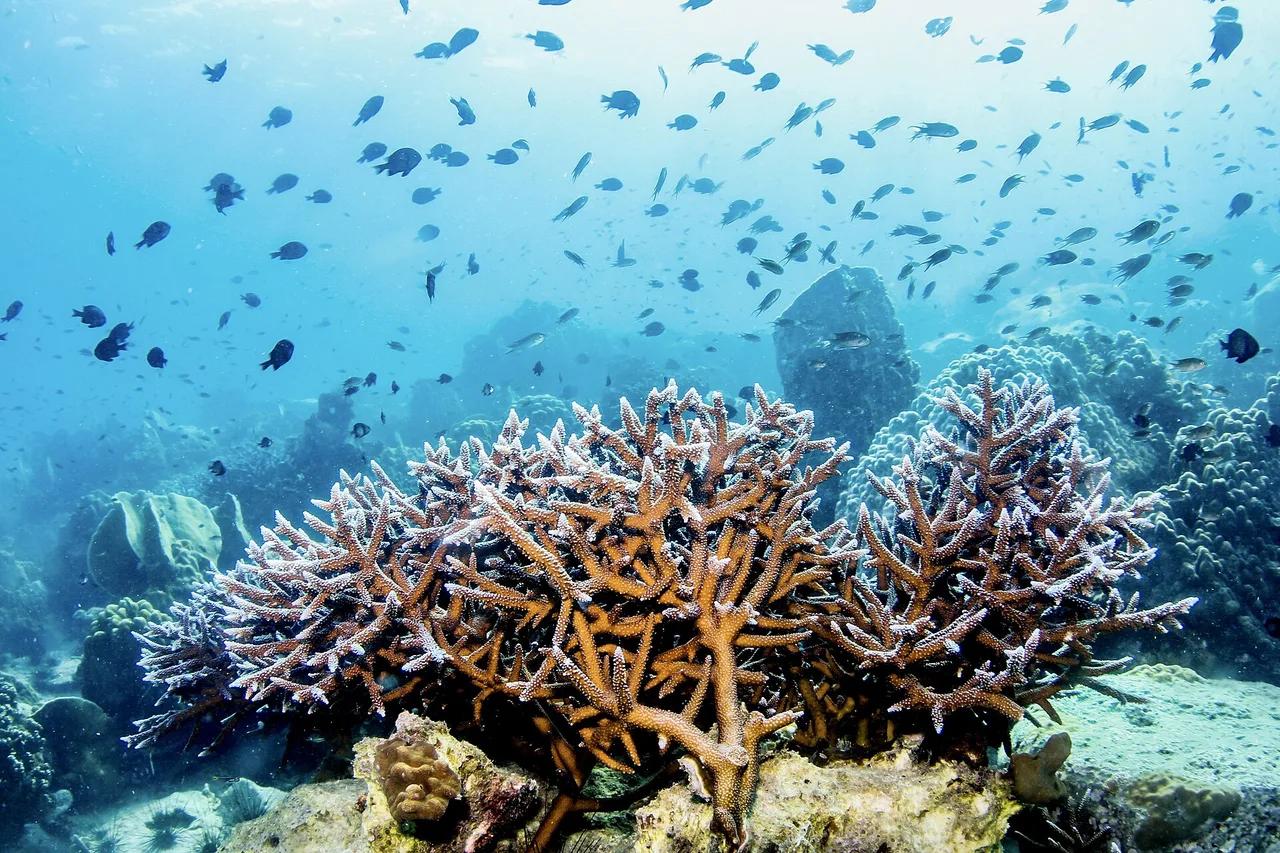
Featured image: Vyacheslav Argenberg, CC BY 4.0, via Wikimedia Commons.
Quick answer: how warm is the sea in Thailand?
Thai seas are warm enough for swimming and snorkeling in every month. A regional water-temperature table dated 12 November 2026 lists the Gulf of Thailand at 26–30°C (79–86°F). The same table lists the western coast, which faces the Andaman Sea, at 27–30°C (81–86°F). That is one dated snapshot, not a full annual range. Pick your dive month with our Thailand dive season guide, because temperature alone does not decide a good trip.
Andaman Sea vs Gulf of Thailand temperatures
Thailand has two separate seas, and each one needs its own plan. The Andaman Sea lies off the west coast, with Phuket, Krabi and the Similan Islands. The Gulf of Thailand lies to the east, with Koh Tao, Koh Samui and Koh Phangan. A model-based directory of 111 Thai coastal locations showed fresh estimates between 30.0°C (86.0°F) and 30.9°C (87.6°F) in mid-November 2026. Those values come from marine models for given coordinates, so treat them as surface estimates.
| Sea | Example areas | 12 Nov 2026 range | Season notes |
|---|---|---|---|
| Andaman Sea (west) | Phuket, Krabi, Similan Islands | 27–30°C (81–86°F) | Monsoon timing differs from the Gulf |
| Gulf of Thailand (east) | Koh Tao, Koh Samui, Koh Phangan | 26–30°C (79–86°F) | Monsoon timing differs from the Andaman side |
Thailand water temperature by month
Annual swings at the surface are small compared with temperate seas. Monthly change shows up more in rain, wind and visibility than in the thermometer. Our month pages cover those conditions in detail, so use them once you have a travel window.
- Diving in Thailand in January: sea conditions and what to expect.
- Diving in Thailand in February: sea conditions and what to expect.
- Diving in Thailand in March: sea conditions and what to expect.
- Diving in Thailand in April: sea conditions and what to expect.
- Diving in Thailand in May: sea conditions and what to expect.
- Diving in Thailand in June: sea conditions and what to expect.
- Diving in Thailand in July: sea conditions and what to expect.
- Diving in Thailand in August: sea conditions and what to expect.
- Diving in Thailand in September: sea conditions and what to expect.
- Diving in Thailand in October: sea conditions and what to expect.
- Diving in Thailand in November: sea conditions and what to expect.
- Diving in Thailand in December: sea conditions and what to expect.
Surface vs dive depth: where you actually feel the cold
Surface readings describe the top layer, which the sun heats all day. Divers spend most of their time below it. Operators report thermoclines, which are layers where the temperature drops sharply, around Koh Tao and the Similan Islands. Cooler water at depth is where many divers first feel a chill. Drops tend to be felt on the second or third dive of the day, when your body has already lost heat. Depth-specific figures vary by site and day. Ask your dive center for the temperature logged on the morning boat before you choose a suit.
What to wear: wetsuit thickness by temperature
General dive-industry guidance ties thermal protection to how long you stay in and how easily you chill. Thai surface water is warm, so a thin layer often suffices for snorkeling. Multi-dive days and thermoclines push many people toward more cover. Rental suits are common, but ask each operator which thickness it supplies. A thicker suit is warmer at depth and hotter on the boat deck. A thin suit is comfortable between dives but may leave you cold on the third.
| Activity or traveler | Typical choice | Why |
|---|---|---|
| Snorkeling, short swims | Rash guard or swim top | Warm surface water; sun protection matters more |
| Experienced diver, one or two dives | Rash guard or shorty | Short time at depth |
| Multi-dive days, new divers | Thin full suit | Less movement means faster heat loss |
| Cold-sensitive travelers | Thin full suit, optional hood | Chill builds across repeat dives |
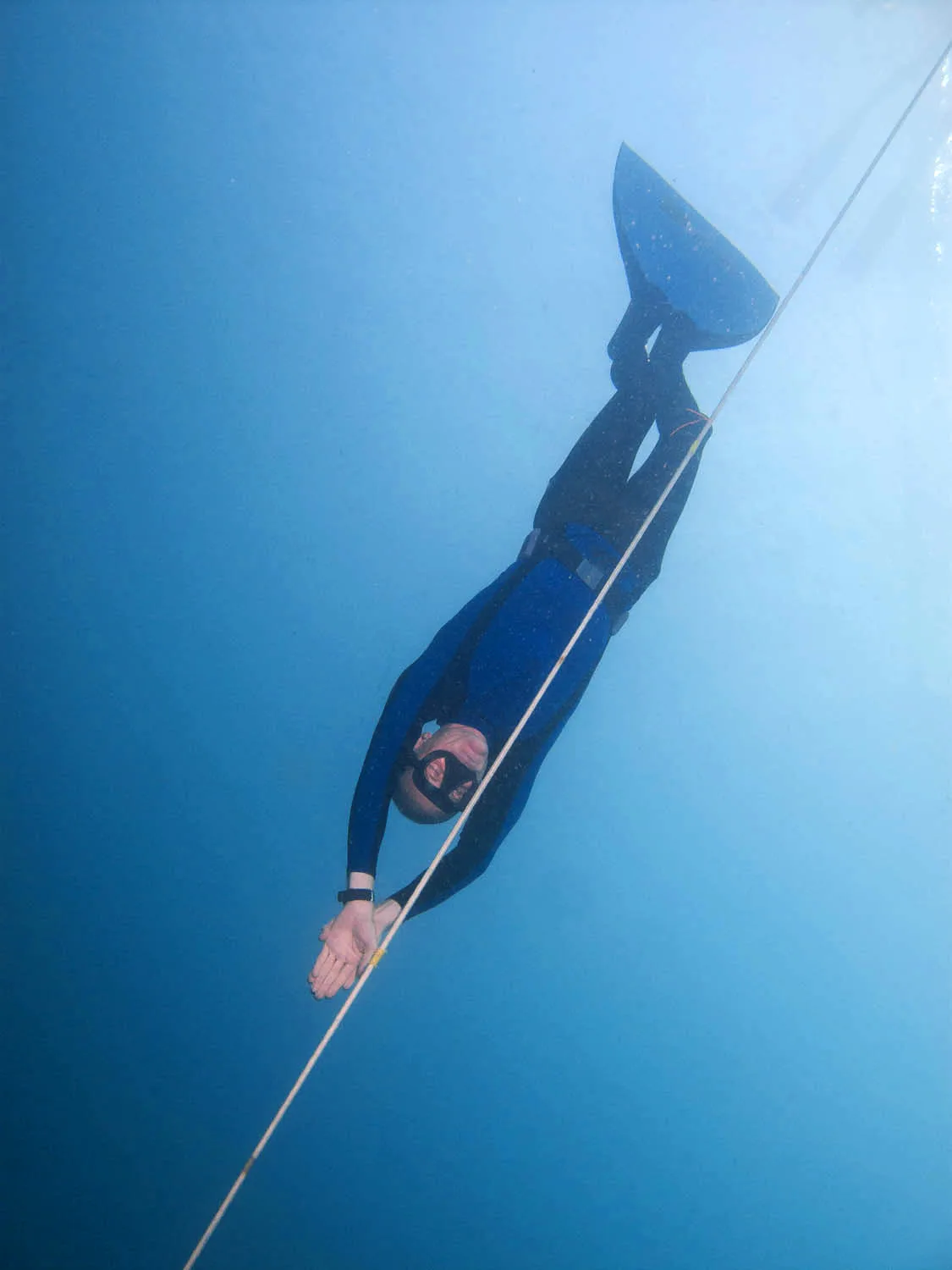
| Freedivers, long surface waits | Thin full suit | Time spent still at the surface cools you |
| Families with kids | Rash guard, plus a thin layer | Children lose heat faster in the water |
Warm water is not the same as good diving
A warm sea can still bring rain, current and poor visibility. Each coast has its own monsoon timing, so a month that suits the Gulf may not suit the Andaman side. Rough weather can also cancel boats whatever the thermometer says. Island marine parks publish their own access rules, and the Department of National Parks is the national authority to check for park status. For a month-by-month decision, start with our Best Time to Dive Thailand: Month-by-Month Guide page.
Why different sites show different numbers
Sea-temperature sites mix several data types. Model estimates cover coordinates and may not match a beach. Buoy or satellite data describe the surface layer. Dive-shop logs record what instruments read at depth that morning. Readings can differ by a degree or more between sources, and all can be right.
Model figures of 30.0°C (86.0°F) and 30.9°C (87.6°F) run at or above a dated 27–30°C reading, so check each figure's source.
- Mistake: trusting one beach reading for dive depth.
- Mistake: skipping thermal protection on multi-dive days.
- Mistake: assuming warm water means calm seas.
- Better: check the date stamp on any figure before you pack.
Frequently Asked Questions
Is 20 degrees too cold to swim in the sea?
20°C (68°F) feels cool to many swimmers, and cold-sensitive people often want a wetsuit. Thai surface water is warmer than that on both coasts, so most swimmers are comfortable without one.
Notes for your next dive trip
Optional updates to our Thai diving guides.
You might also like

Continue reading
More guides you'll find useful