Diving Thailand in November: Andaman vs Gulf Guide
November diving in Thailand splits by coast: Andaman season opens, Koh Tao turns monsoon. See where to dive, visibility, liveaboards and trade-offs.
On this page
Last updated November 2026. Diving Thailand November plans work best when you pick a coast first: the Andaman Sea season opens around now, while Koh Tao in the Gulf of Thailand sits in northeast monsoon weather. Flexible divers and certification students get good value, and blue-water photographers usually do better in another month.
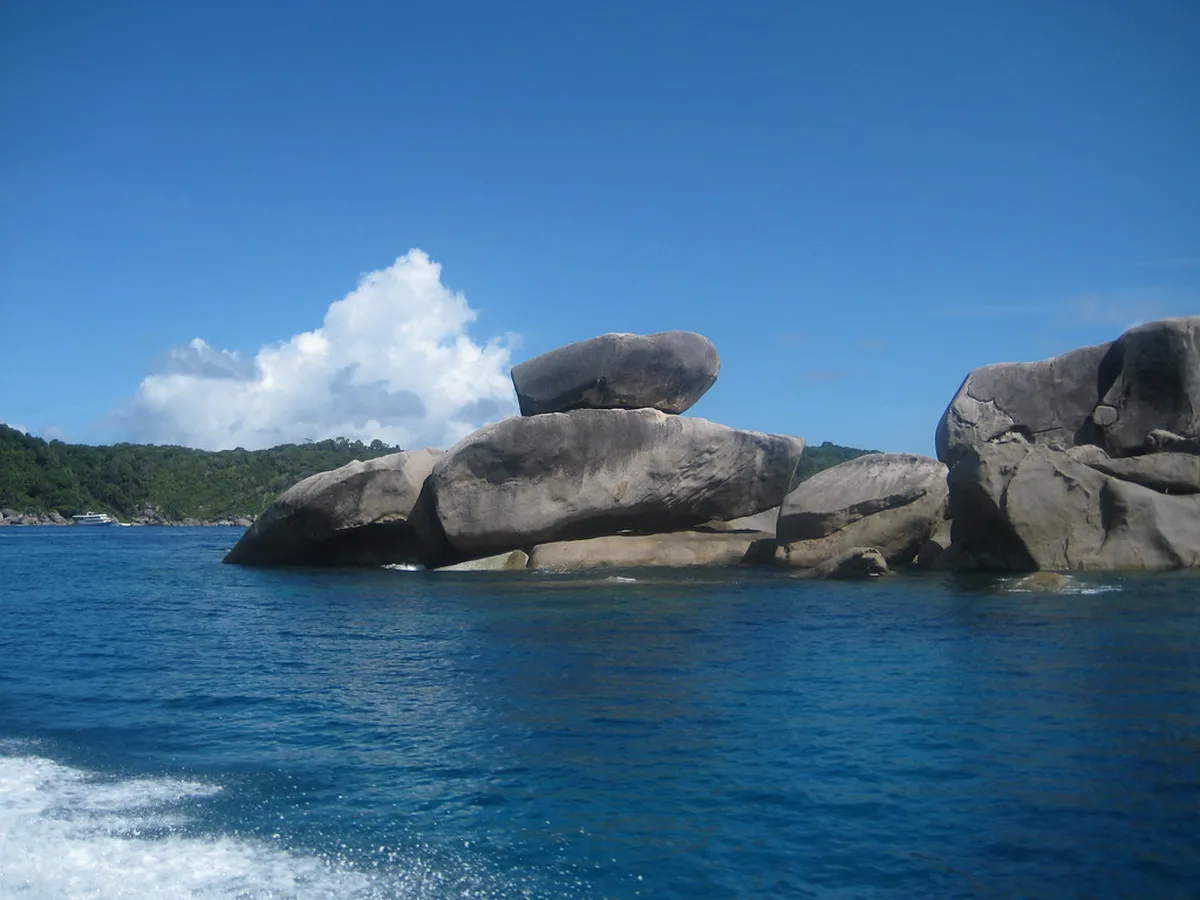
Featured image: josh.ev9, CC BY-SA 2.0, via Flickr.
Short answer: is diving Thailand in November worth it?
Yes, if you match the coast to your goals. Andaman diving at the Similan Islands, Surin Islands, Hin Daeng, Hin Muang and Koh Haa typically opens between late October and November. Early in the month, sea conditions can still be transitional. Koh Tao stays diveable daily, but expect rain, surface chop and reduced visibility. November is neither the best nor the worst month overall. For the wider picture, see our year-round dive calendar.
- Choose the Andaman if you want reef and pinnacle diving and can accept some early-season weather risk.
- Choose Koh Tao if you are taking an Open Water course, want quieter sites or have a flexible schedule.
- Pick another month if you need blue-water clarity for photography or want peak manta and whale shark odds.
November at a glance: Andaman vs Gulf
Ranges below are typical, not guarantees. Operators on Koh Tao list October to December at roughly 5–10 m (16–33 ft) of visibility and 27–28°C (81–82°F). Heavy rain can push visibility to 5 m or lower, and water can dip to about 26°C (79°F). Andaman divers often cite around 20 m (66 ft) as normal in season, but that is one experienced diver's view. Our water temperature by month page covers the wider pattern.

| Factor | Andaman Sea | Koh Tao (Gulf) |
|---|---|---|
| Season status | Opening; first departures vary by operator | Diveable daily; northeast monsoon |
| Typical visibility | Often better than Koh Tao; varies early in the month | About 5–10 m (16–33 ft); can drop to 5 m or lower after rain |
| Sea state | Settling; can be rough early | Chop and swell; boats use sheltered sites |
| Water temperature | Warm; see monthly guide | About 26–28°C (79–82°F) |
| Marine life outlook | Season start; not the manta peak | Macro life and sheltered-bay critters |
| Crowds and cost | Rising as season opens | Quieter; operators often report lower demand |
| Booking lead time | Book liveaboards ahead | Short notice usually works |
Andaman Sea in November: Similans, Surin, Hin Daeng and Koh Haa
Sources disagree on the opening date. Some give October to May for the Similans and Hin Daeng, others November to April. Treat late October to November as the opening window, and ask your operator for its first confirmed departure. Early November trips can face leftover swell or cancellations. Late November is usually steadier. If you can shift your dates, compare diving in October with this month.
Mainland day boats mean roughly 2 hours each way by speedboat, which raises seasickness risk when chop builds.

Liveaboards to the Similans, Koh Bon, Koh Tachai and Richelieu Rock typically run 4 days, though trips elsewhere span 3–7 days. Most Similan departures leave from Thap Lamu Pier near Khao Lak. Day boats from the mainland involve a speedboat ride of roughly 2 hours each way, according to one experienced diver. That diver prefers liveaboards, which is an opinion, not a rule.
Skill level matters more than the calendar. Koh Haa is a cluster of 5 large rocks forming a sheltered lagoon, and it suits beginners. Hin Daeng and Hin Muang are remote pinnacles with currents, so they suit advanced divers. Richelieu Rock is likewise better for experienced divers. Phuket and Koh Phi Phi offer gentler day trips, and Koh Lanta is the usual gateway for Hin Daeng and Koh Haa.
Set realistic marine-life expectations. Mantas and whale sharks peak later, around February to April in the Similans and February to March at Hin Daeng and Hin Muang. November is the start of the season. For better odds, read our February diving guide.
- Day trip: no nights aboard, but about 2 hours each way by speedboat and a higher seasickness risk.
- Liveaboard: typically 4 days, more dives per day, access to Koh Bon, Koh Tachai and Richelieu Rock.
- Weather fallback: ask whether the operator swaps sites or reschedules if the sea is rough.
Koh Tao in November: what monsoon diving looks like
Koh Tao's northeast monsoon runs roughly November to December. Thunderstorms and heavy rain create runoff, which cuts visibility near shore. Boats shift to sheltered west-coast sites such as Twins, Japanese Gardens and White Rock. Conditions change day to day, so plan some flexibility. Most dive sites sit about half an hour or less from shore, so trips stay short. Diving continues most days.
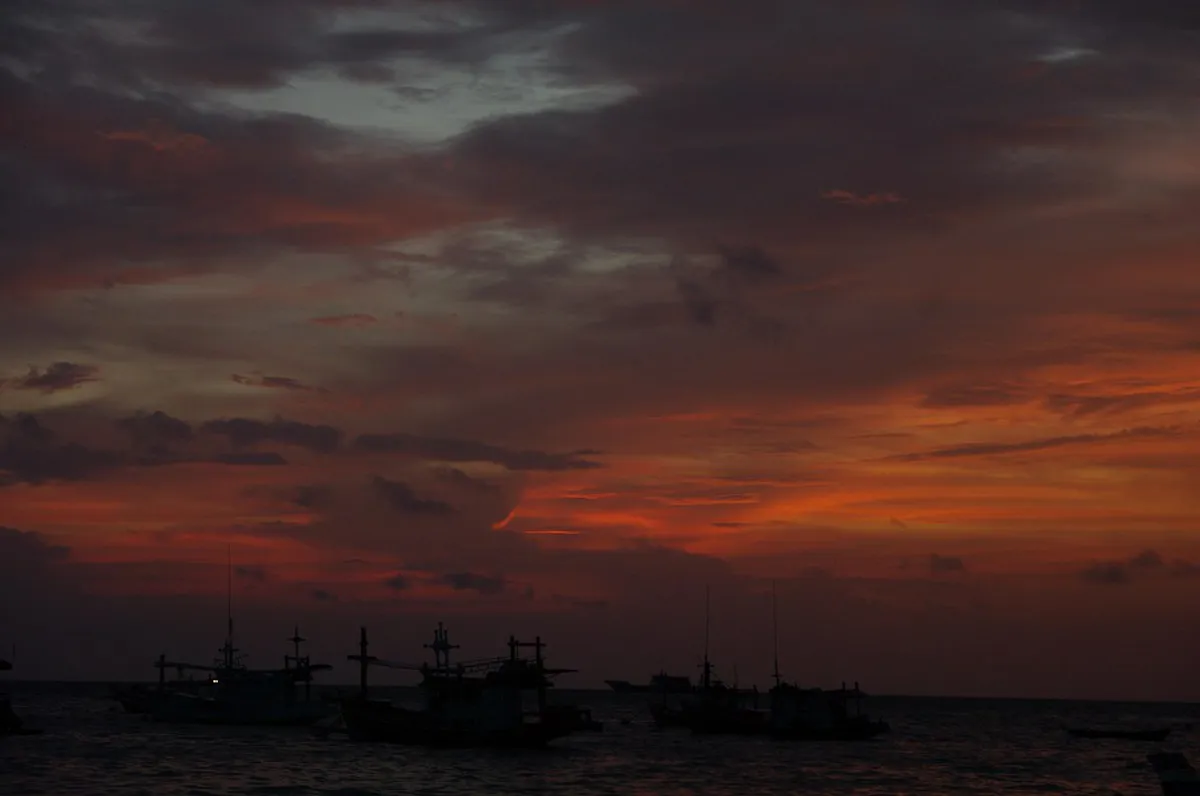
This month suits certification students, budget-minded divers and macro fans. Fewer crowds mean quieter sites. It suits photographers poorly, since blue-water clarity is the main goal for them. Photographers should look at diving in March instead.
Pack a wetsuit or rash guard of your own and warm layers for surface intervals. Wind on wet skin feels cold. Bring seasickness tablets if you are prone to chop. Operators in the Green Fins program follow reef-friendly practices; the Green Fins site, run with the UN Environment Program and the Reef-World Foundation, lists current members.
- Best for: Open Water courses, macro dives, flexible schedules.
- Skip if: you need 20 m (66 ft) visibility for photography.
Where to dive in November by diver type
Use this matrix to narrow the choice. Depth limits come from standard course structures: a Try Dive reaches 12 m (39 ft), while Open Water certification allows 18 m (59 ft).
Open Water certification allows 18 m (59 ft), while Hin Daeng and Hin Muang are remote pinnacles that suit advanced divers.
| Diver type | Best November pick | Why |
|---|---|---|
| First-timer (Discover Scuba) | Koh Tao or Phuket | Shallow Try Dive to 12 m (39 ft) with short boat rides |
| Open Water student | Koh Tao | Many schools, sheltered sites, quieter month |
| Advanced diver | Similan liveaboard or Hin Daeng from Koh Lanta | Pinnacles and currents; confirm season start |
| Photographer | Wait for February–April | Clearer water and better manta odds |
| Snorkeler | Koh Haa from Koh Lanta | Sheltered rock lagoon |
| Non-diving partner | Phuket or Koh Lanta | Land activities when the sea turns rough |
Sample November routes and time trade-offs
Three shapes work well. An Andaman-only trip pairs Phuket or Khao Lak with a 4-day Similan liveaboard from Thap Lamu Pier. A Gulf-only trip centers on a Koh Tao Open Water course. Koh Samui has no dive sites, but divers staying there can reach Sail Rock, Chumphon Pinnacle and White Rock on Koh Tao day trips. A two-coast split is possible, but transfer time and cost depend on current ferry and flight options, so check them before booking both coasts in one week.
Costs, booking and park fees
No single price covers November, so compare cost drivers. Liveaboard length and cabin type shape the bill, as do nitrox, gear rental and park fees. Courses cost more than fun dives. Koh Tao often has lower-demand discounts this month, according to local operators. Andaman liveaboards fill faster as the season opens, so book earlier there. Prices and hours checked November 2026 at the operator level only; quotes vary.
Park fees and closure dates for the Similan, Surin and Koh Haa areas come from the national parks authority. Ask every operator about cancellation, weather refunds and what happens if the park is closed on your dates.
Safety and conditions checks before you book
Check marine forecasts from the Thai Meteorological Department in the days before departure. Plan surface intervals around wind and chop. Make sure your insurance covers diving and your medical fitness is current. Follow DAN, PADI or SSI guidance on flying after diving, and keep a buffer before any flight home. Currents at Hin Daeng and Hin Muang demand experience, so choose a guide who briefs conditions in detail.
Common mistakes to avoid
Most November disappointments come from treating the country as one season. These four errors recur.
- Assuming all of Thailand is in season at once.
- Booking a 4-day Similan trip for the first days of the season without a weather fallback.
- Expecting peak mantas or whale sharks in November.
- Booking a Koh Tao photography trip around monsoon weather.
If your dates can shift
Flexibility changes the answer. Stay in the Andaman for calmer seas by moving to diving in December, or aim for peak season with January conditions. Gulf-side summer diving is covered in our June guide. For manta season, April dives still carry good odds.
Frequently Asked Questions
What is the weather like in Thailand in November?
It varies by coast. The Andaman side moves into its drier season, though early November can still bring swell. Koh Tao and the Gulf face northeast monsoon rain, thunderstorms and surface chop. Air and water stay warm on both coasts.
When not to visit Koh Tao?
Skip Koh Tao if you need clear blue water for photography. Visibility is often lowest from October to December, and can drop to 5 m (16 ft) or lower after heavy rain. Diving usually continues, so students can still go.
Notes for your next dive trip
Optional updates to our Thai diving guides.
You might also like

Continue reading
More guides you'll find useful