5 Krabi Diving Areas: Beginner to Certified Guide
Plan Krabi diving: dive types, five dive areas, when to go, where to base yourself, how to pick an operator, and what to check before you book.
On this page
Last updated November 2026. Krabi diving suits two groups: certified divers chasing deeper offshore pinnacles, and Discover Scuba or Open Water beginners using the nearer limestone-island sites. Your first decision is snorkel, try-dive or certified dive, because most island tours are snorkeling, not scuba. Below, five dive areas, a level table and an operator checklist point you to the right specialist guide.
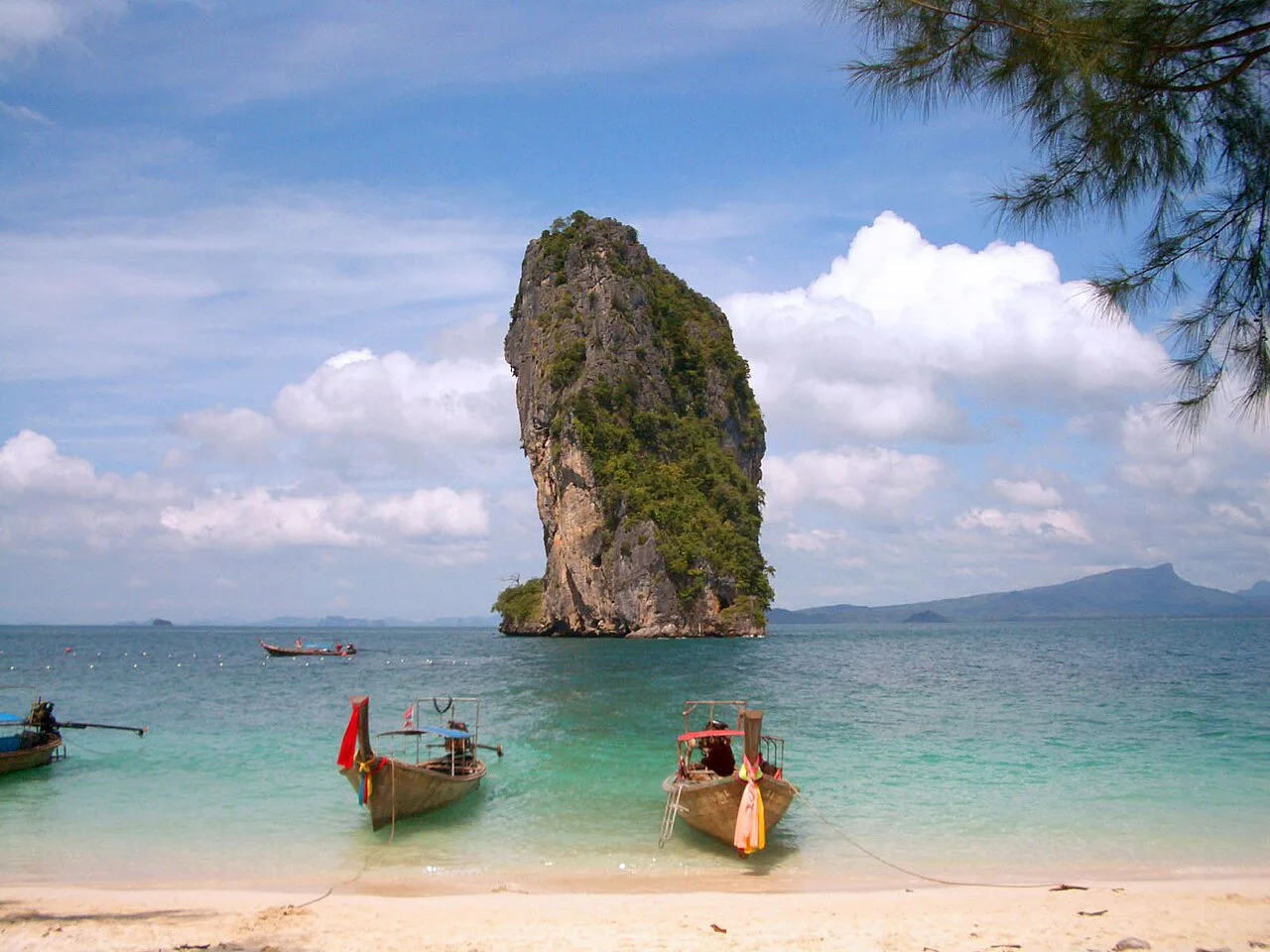
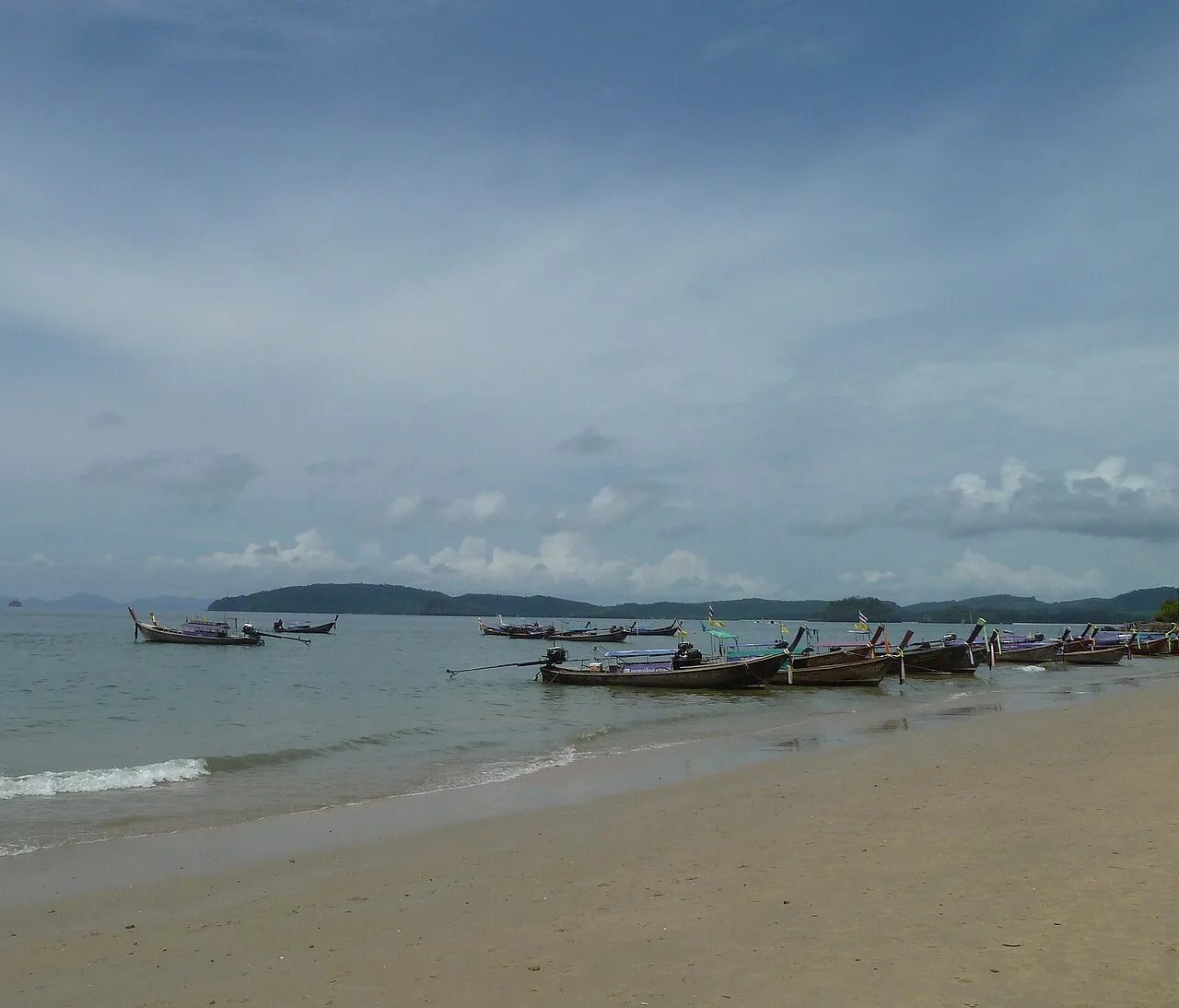
Featured image: Ilse Reijs and Jan-Noud Hutten, CC BY 2.0, via Wikimedia Commons.
Krabi Diving at a Glance
Diving here happens in the Andaman Sea, off Thailand's west coast. Typical depths run roughly 10 to 35 m (33 to 115 ft), and visibility often sits around 10 to 20 m (33 to 66 ft). Water stays warm at about 27 to 30°C (81 to 86°F) through the year. Match your certification to the table below before you pick a site or an operator.
| Your level | What you can do | Typical depth | Ask the operator |
|---|---|---|---|
| Never dived, or cannot swim | Snorkel on shallow reefs with a life jacket | Surface only | Is a guide in the water with the group? |
| Discover Scuba | Guided intro dive with one instructor | About 5 to 10 m (16 to 33 ft) | Which depth limit does the training agency set? |
| Open Water holder | Certified dives on easier sites | Within your certification limit | Is a refresher dive offered first? |
| Advanced Open Water | Deeper offshore sites and pinnacles | Deeper, within advanced limits | Which sites are open to your certification? |
Snorkeling, Discover Scuba, or Certified Diving?
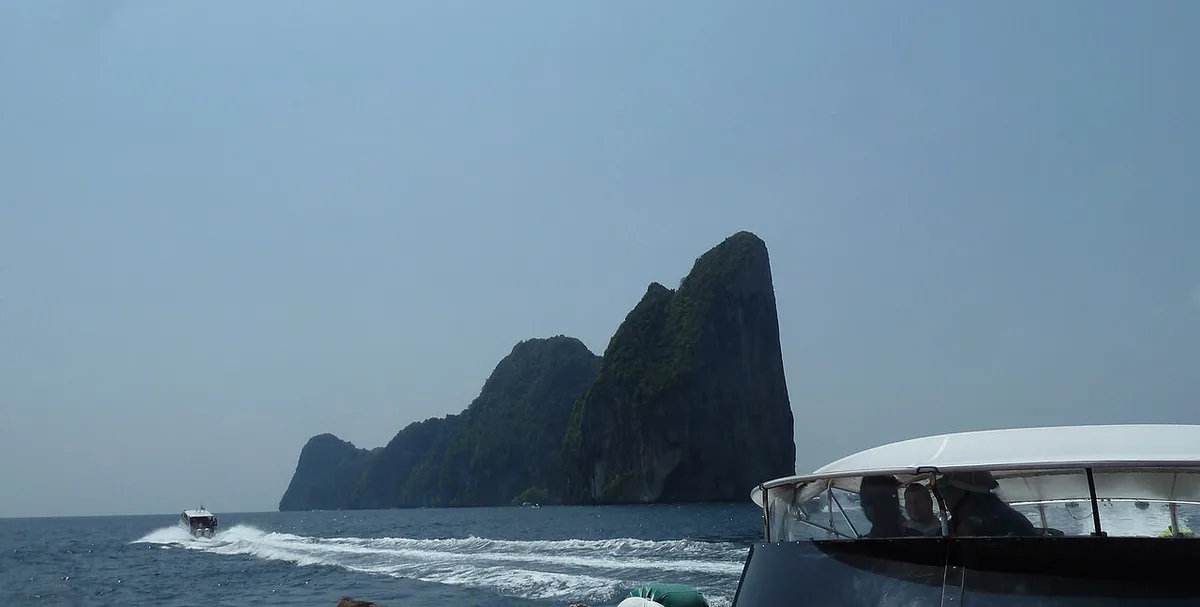
Most Krabi island tours are snorkeling. You float face-down in a life jacket and watch shallow reef, with no scuba gear. Discover Scuba is different. A certified instructor guides you one-on-one on a short introductory dive, typically to around 5 to 10 m. Certified diving needs a card and takes you to deeper sites. If you want a card, the PADI Open Water Diver course is the standard entry route. Our PADI courses in Krabi page covers where to train.
5 Krabi Diving Areas to Know Before You Book
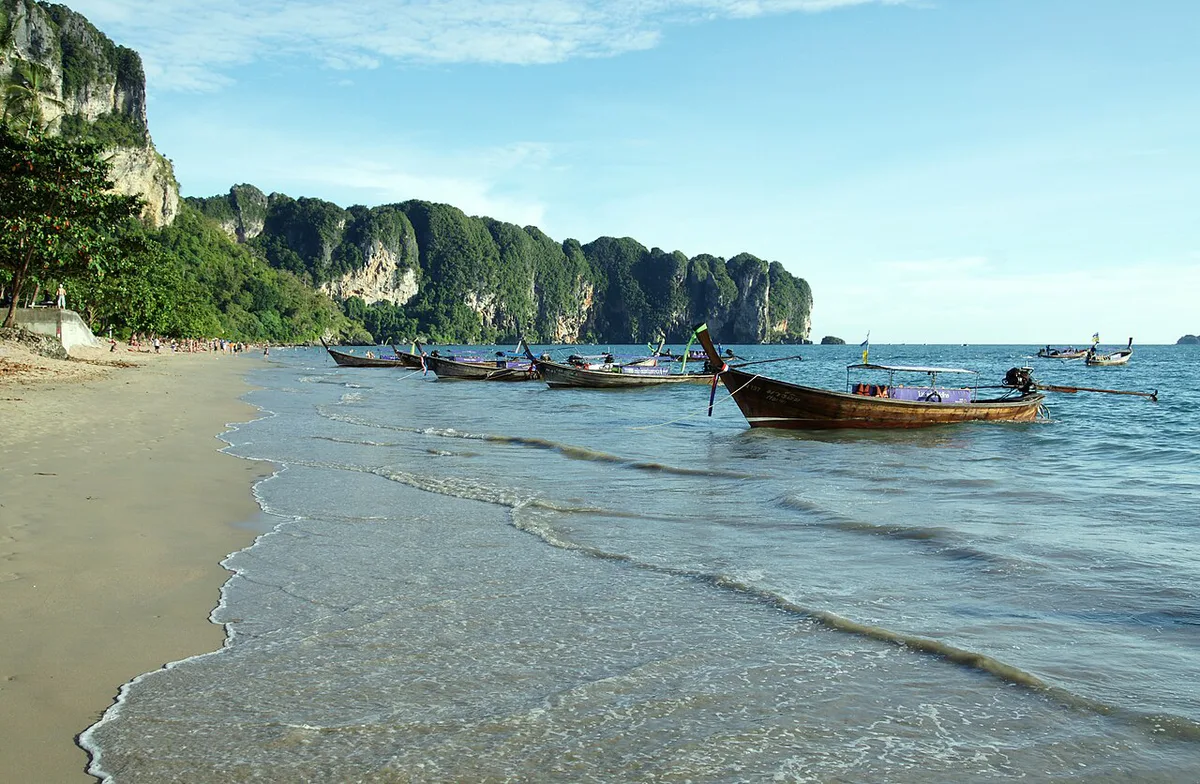
Site details below were checked November 2026. Operators set final depth limits and may swap sites with sea conditions. Full site profiles live on our Krabi dive sites guide.
Hin Daeng's deep-water zone reaches depths of 60 to 85 m, well past the typical range of 10 to 35 m for Krabi dives.
1. Phi Phi Islands: Bida Nok and Bida Nai
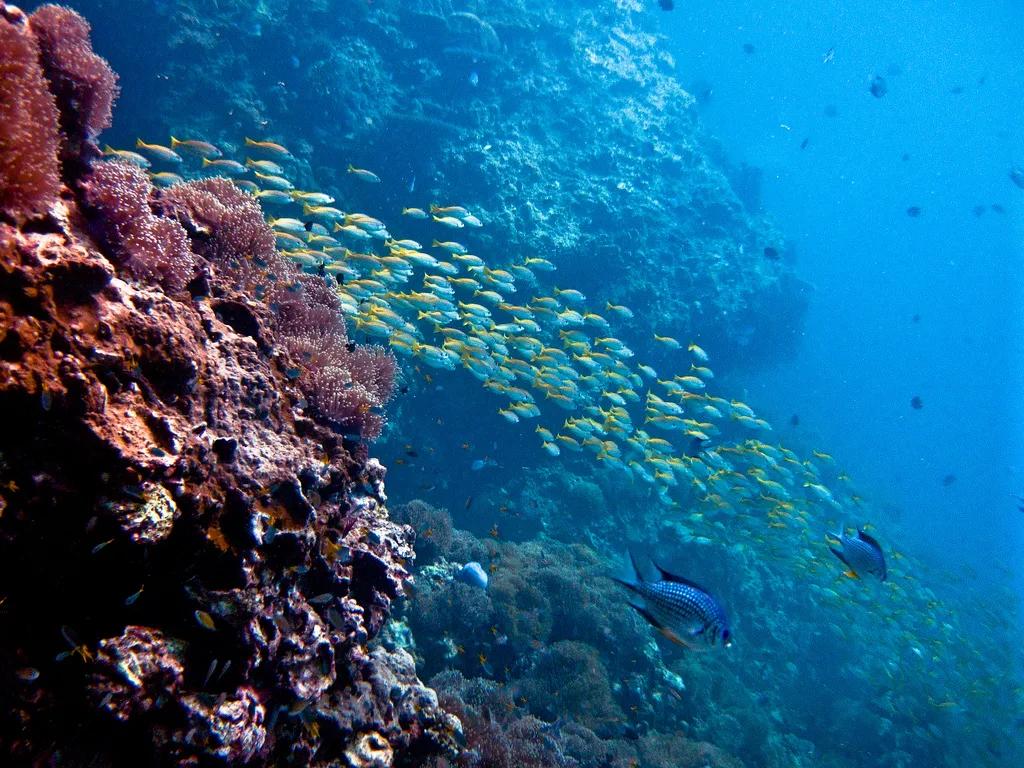
Bida Nok and Bida Nai are the two sites most often named for Phi Phi diving. Both are described as gentle coral slopes with soft sand mixed with rocks and plenty of fish. That profile makes them a sensible pick for Discover Scuba and newly certified divers. Ao Nang operators dive Bida Nok regularly.
Expect a boat day rather than a quick hop. Phi Phi shuttle boats also run from Ao Nang and Railay. Skip them if you want deep walls or strong-current drift dives. Certified divers can treat them as an easy warm-up.
2. Hin Daeng
Hin Daeng sits far offshore, and the water around it is deep. Boat operators list a deep-water zone around Hin Daeng with depths of 60 to 85 m. That depth is why Hin Daeng belongs on a certified diver's list rather than a beginner's. Trips are longer than inshore outings.
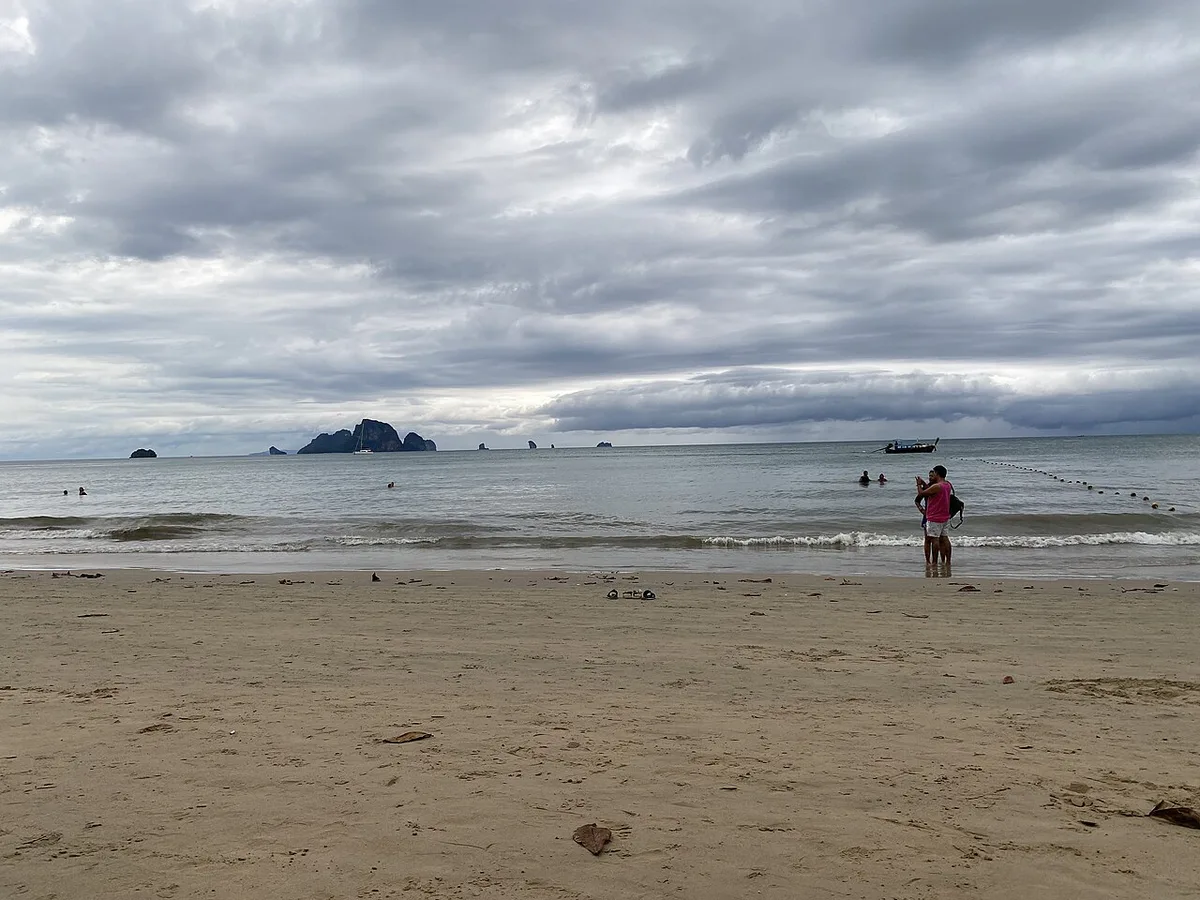
Ask the operator which depth it will actually dive and what certification it requires. Limits vary by operator. Skip Hin Daeng if you are on a Discover Scuba program or short on time. Choose Bida Nok instead.
3. Koh Haa
Koh Haa is pitched at divers ready to go deeper. It is known for diverse marine life and good visibility. It suits Advanced Open Water holders and confident Open Water divers who want more than an easy reef. Several dives fit into one boat day.
Plan for a full day away from your hotel. Check the departure point and pickup time when you book. Skip Koh Haa if you are still building buoyancy skills. Warm up first at a sheltered Phi Phi site.
4. Koh Lanta Area
The Koh Lanta area is usually grouped with Koh Haa as the next step up from the Phi Phi sites. It offers diverse marine life for divers with some logbook dives. Dive shops offer it as an offshore option for certified divers rather than for first-timers. Transfers and boat time shape the day.
Ask whether pickup is included from your hotel base. Distance from Krabi town adds real hours to the trip. Skip it on a short itinerary when a Phi Phi day gives you the same experience closer to Ao Nang.
5. Hong Islands
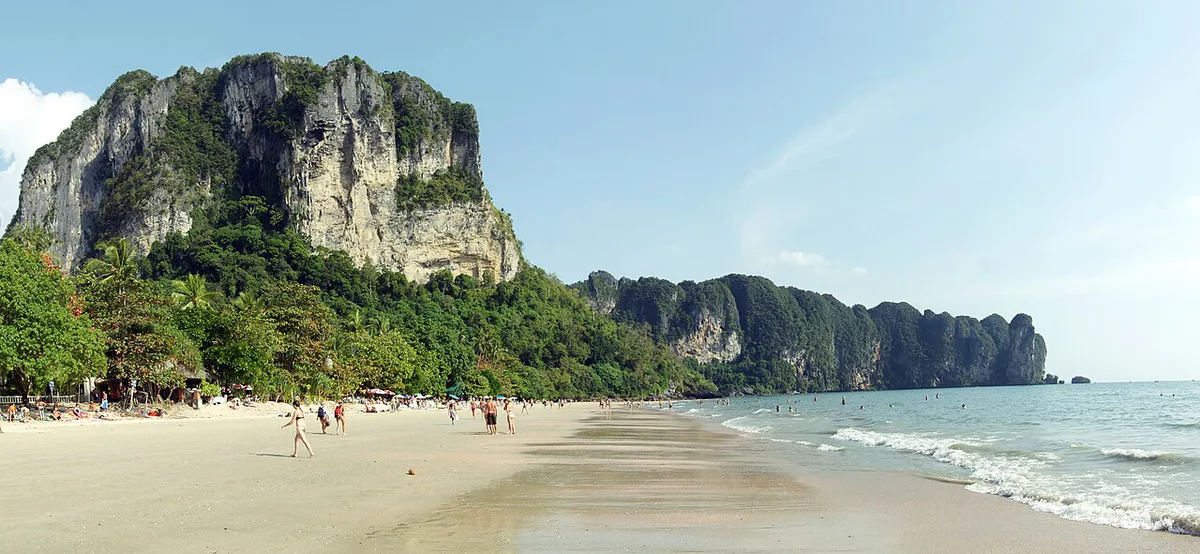
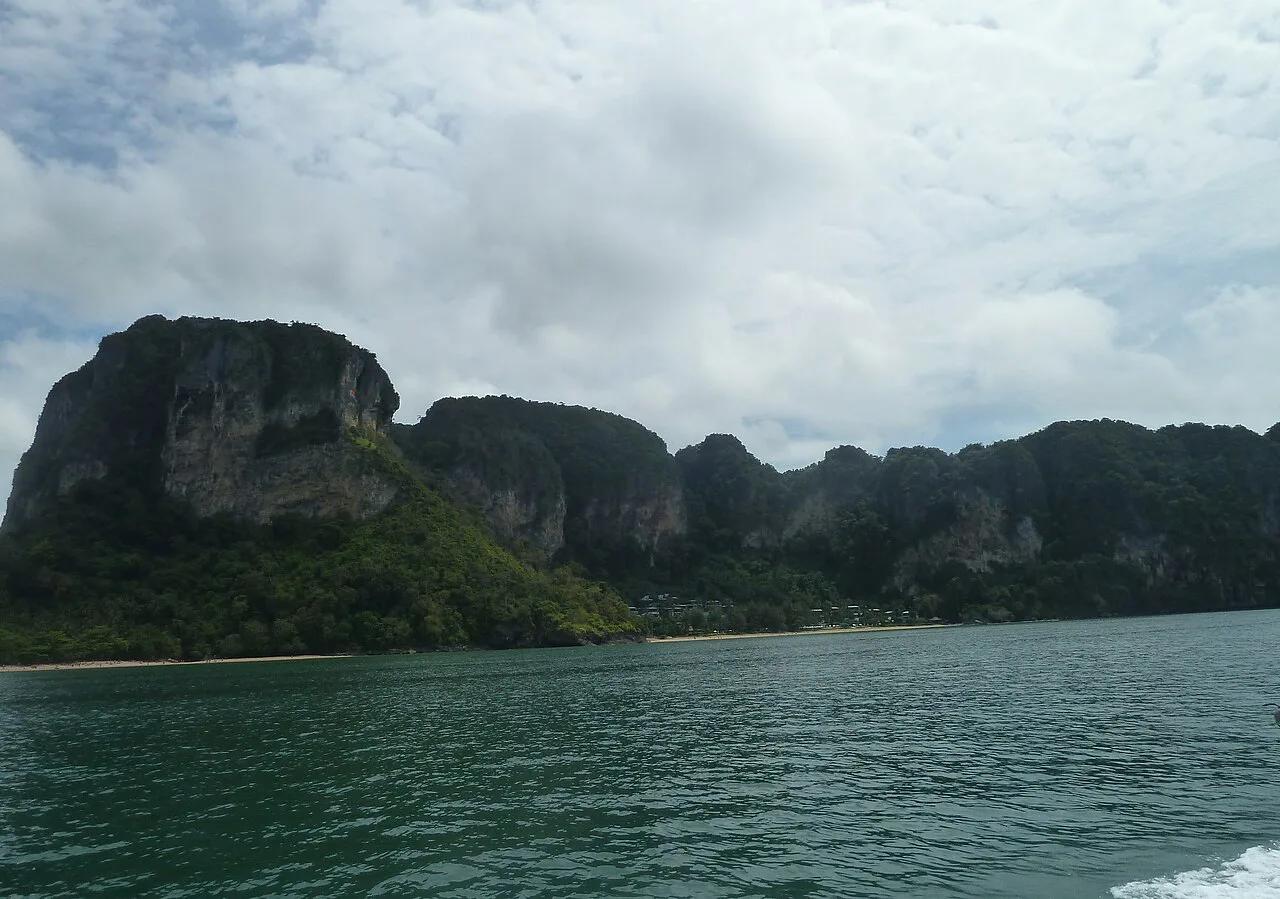
Hong Island sits inside Than Bok Khorani National Park, north of Ao Nang. It is about 30 to 40 minutes by speedboat or around an hour by longtail. Its lagoon, ringed by limestone cliffs, is mostly a snorkeling and sightseeing stop. Entry depends on the tide.
Treat Hong as a calm-water day for non-swimmers, snorkelers and families, not as a main scuba destination. Skip it if scuba is your only goal. Park fees apply; see the Department of National Parks for current rules.
When to Dive in Krabi
Dry season is the usual choice. Sources split on the exact window, with some naming January to April and others November to April. Plankton can cut visibility between January and March, so a clear day is not guaranteed in peak months. Green season brings rougher seas, fewer crowds and a higher chance of cancelled boats. Our Krabi diving season guide weighs the trade-offs month by month. Sea temperatures are covered at Krabi Water Temperature by Month (Dive Guide), and NOAA sea surface data offers a neutral check.
Ao Nang, Railay or Phi Phi: Where to Base Yourself
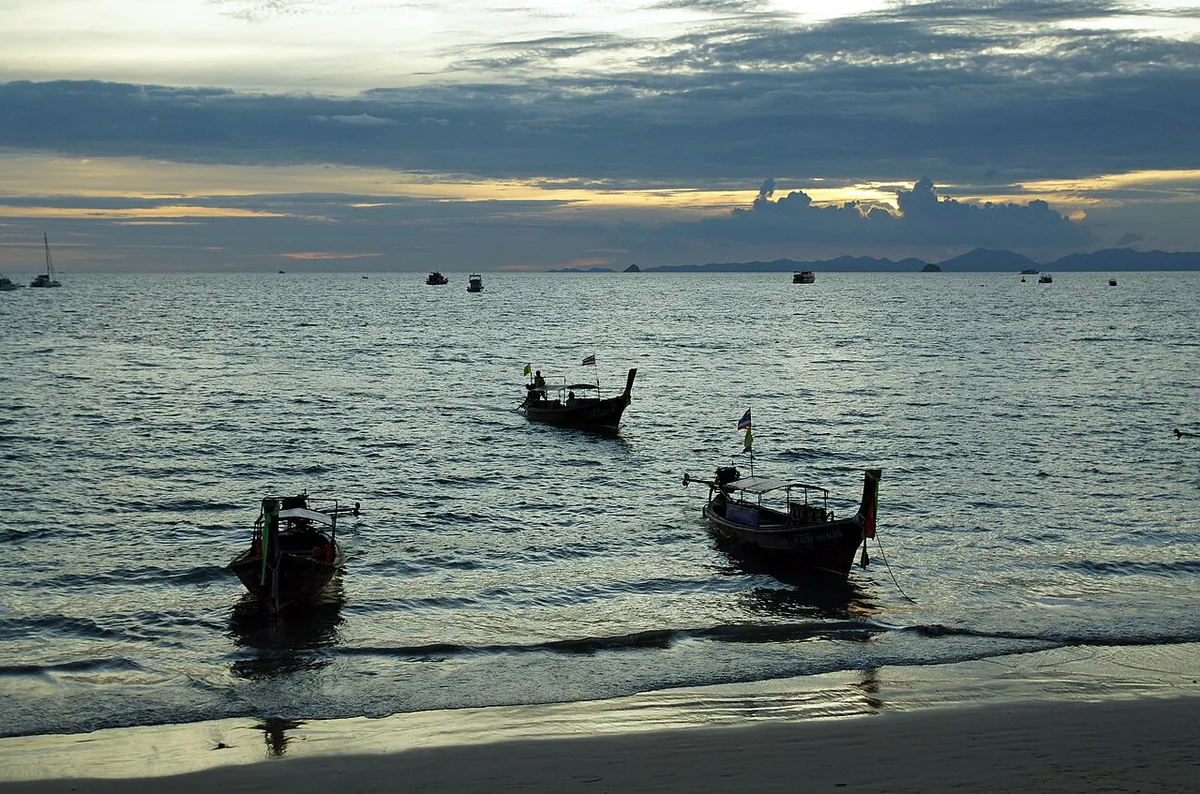
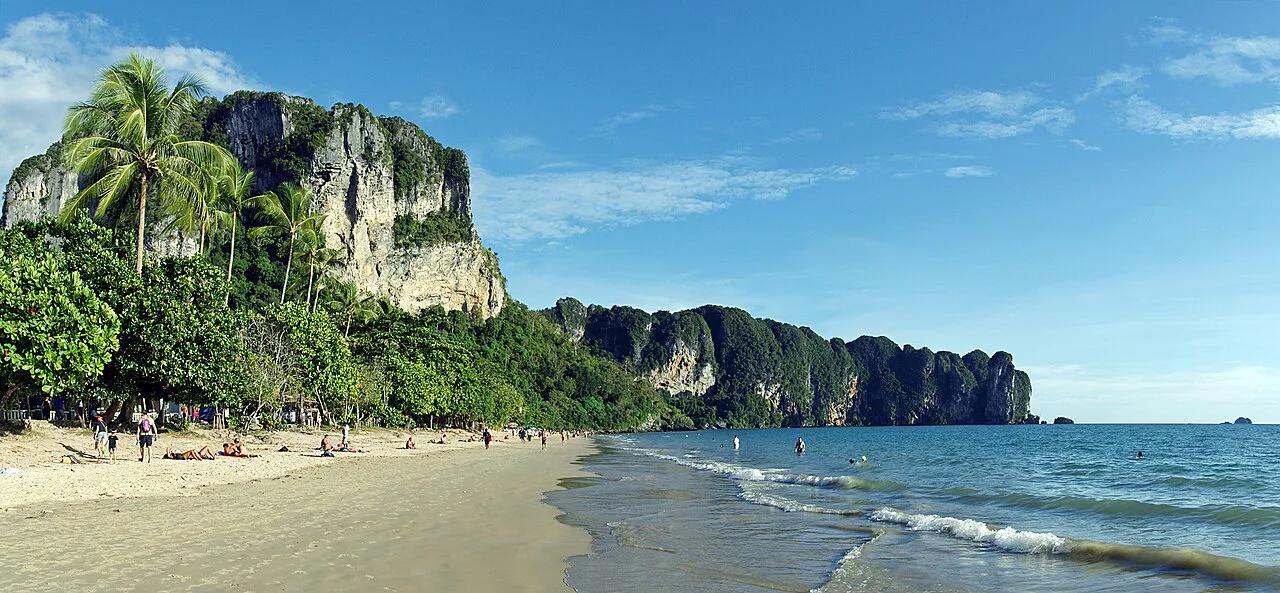
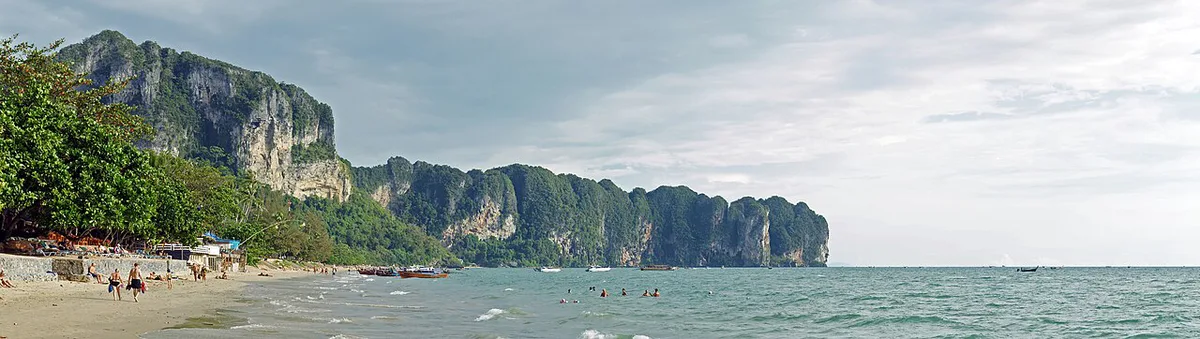
Ao Nang is the simplest base. Krabi Airport lies about 15 km from Krabi town and 30 to 40 minutes by road from Ao Nang. Dive shops cluster there, and our Ao Nang diving guide covers them. Railay has no road access, so you take a vehicle to a pier and then a boat. Late arrivals risk missing the last boat of the day. Our Railay dive center page explains boat access. Phi Phi works best as a day trip, with shuttle boats from Ao Nang, Railay, Krabi town and the airport side.
Krabi Airport is 30 to 40 minutes by road from Ao Nang, which matches the speedboat time to Hong Island.
How to Choose a Dive Operator
Pick on safety, not on the lowest price. Our Krabi dive shops guide lists what to compare. Ask these questions before paying a deposit.
- Instructor ratio: how many divers per guide on your boat?
- Briefing quality: does the briefing cover gear, breathing and hand signals?
- Equipment condition: can you see regulators and BCDs before the trip?
- Insurance: does your cover include scuba diving?
- Inclusions: are park fees, gear, lunch and transfers in the price?
Safety Rules Worth Repeating
Never dive alone. Always have a buddy who can help if something goes wrong. Check your own gear and your buddy's, from tank air to weights on the BCD. Stay within the limits of your certification, and ask a divemaster before changing the plan. Make sure your travel insurance covers diving. Rest the night before, since tiredness or a hangover can bring seasickness. Allow a gap before flying after a dive. Divers Alert Network publishes the current guidance.
What Drives the Cost of Diving in Krabi
Five things move the price. Distance to the site matters most, since Hin Daeng and Koh Haa cost more than Phi Phi. The number of dives, gear hire and park fees add to it. Certification level matters too, because a course costs more than a try-dive. Compare what each quote includes, then see Krabi Diving Price: What You'll Pay & What's Included for current figures.
Can You Dive If You Can't Swim?
For snorkeling, a life jacket keeps you afloat. Many operators also run Discover Scuba for non-swimmers, with equipment helping control depth and an instructor guiding you. Policies differ by agency and operator, so tell the shop your swimming level when you book. Certified courses usually include a swim test. Short on time? A single Phi Phi day with Bida Nok covers the best of Krabi diving without a long boat transfer.
Explore More Krabi Guides
Keep planning your Krabi trip with these guides.
Krabi Guides
- Krabi Dive Sites: Best Spots by Level & Distance
- Krabi Dive Shops: How to Choose the Right One
- PADI Krabi: Courses, Dive Sites and Shops Compared
- Krabi Diving Season: Best Months & Sites by Month
- Krabi Diving Price: What You'll Pay & What's Included
- Ao Nang Diving: Trips, Prices & Which Option Fits (2026)
- Railay Dive Center: Courses, Dive Sites & Booking Tips
- Krabi Water Temperature by Month (Dive Guide)
Explore diving in other cities
Notes for your next dive trip
Optional updates to our Thai diving guides.
You might also like
Continue reading
More guides you'll find useful