Scuba Diving Pattaya: 7 Best Dive Sites and Courses
Plan scuba diving in Pattaya: 7 dive sites by level, wreck and island trips, course prices in baht, best season and honest visibility expectations.
On this page
Last updated November 2026: scuba diving Pattaya trips suit beginners, Open Water students and certified fun divers who want a short boat hop. Pattaya sits about two hours from Bangkok by road, and boats run to Gulf of Thailand islands and one navy wreck. Visibility is lower than in the Andaman Sea, so this guide matches each site to your level and sets honest expectations.
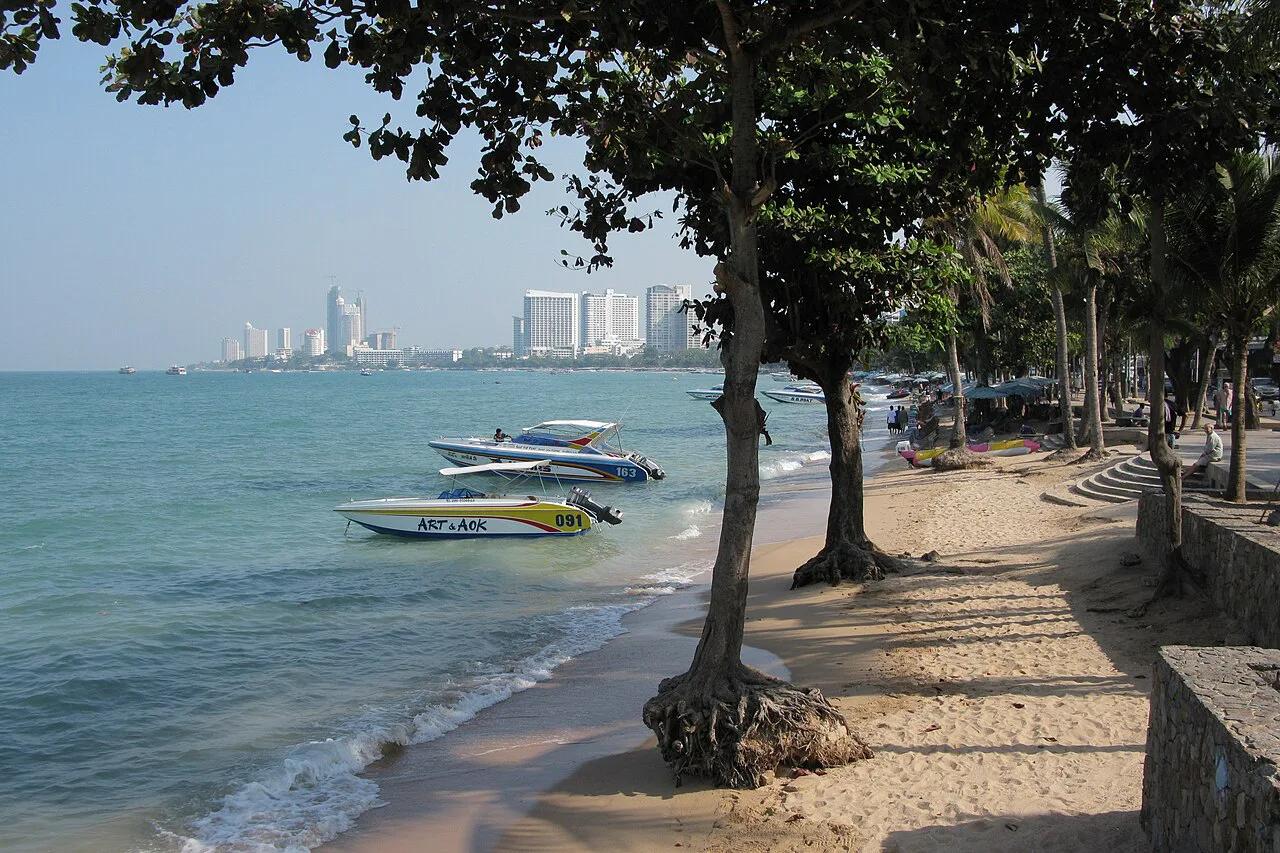
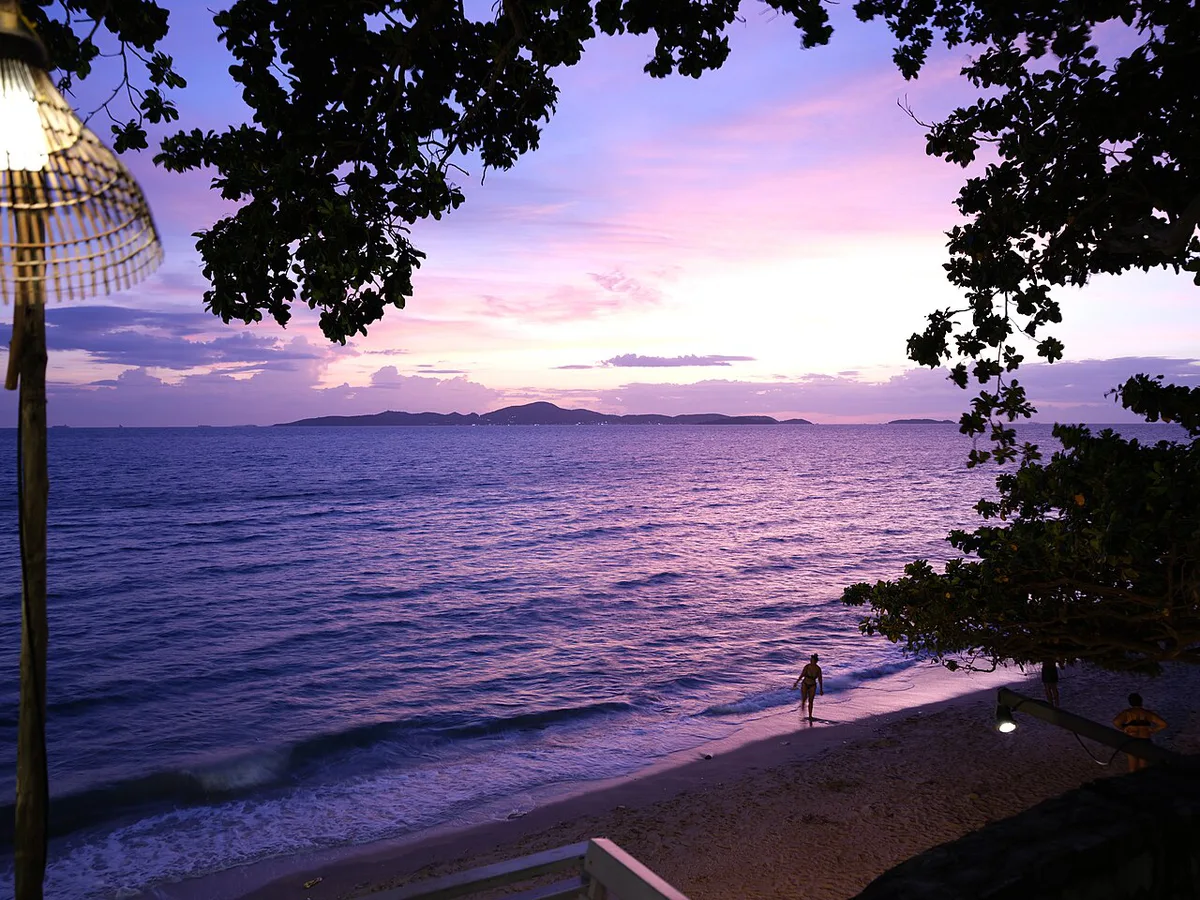
Featured image: Ilya Plekhanov, CC BY-SA 3.0, via Wikimedia Commons.
Is Pattaya Good for Scuba Diving?
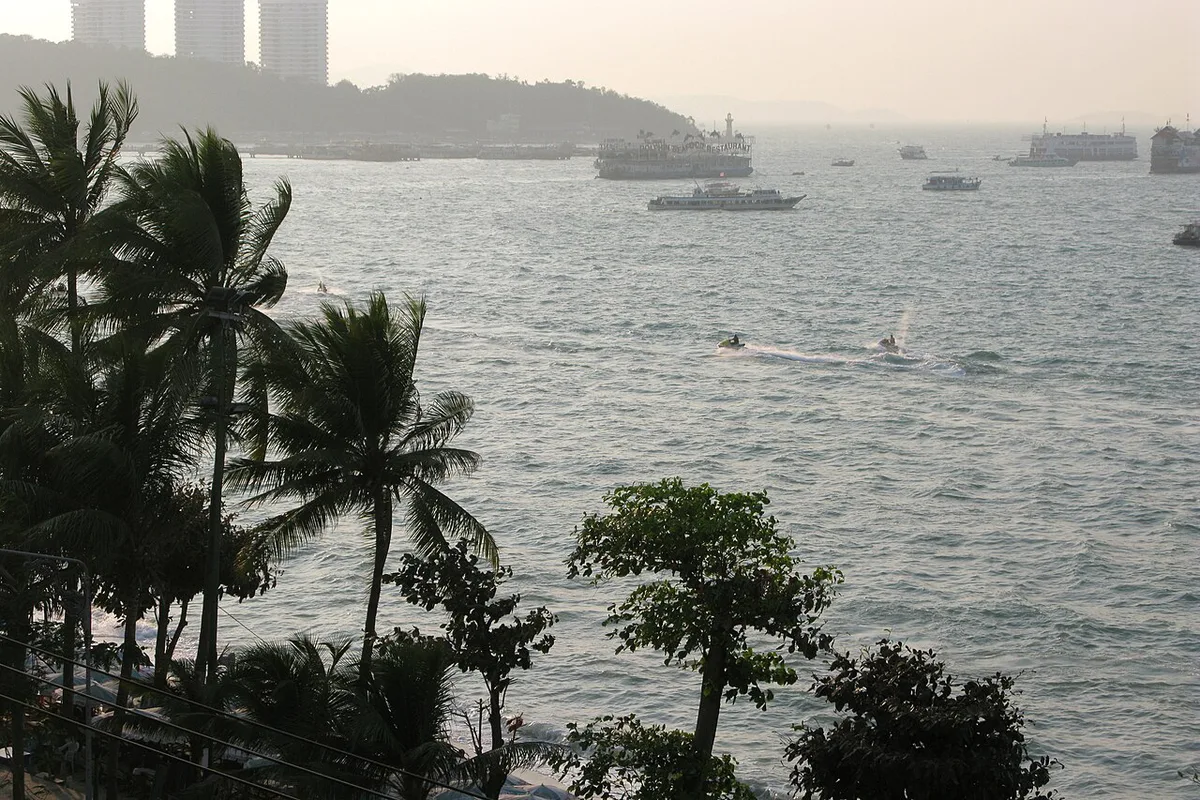
Yes, for a short-hop trip. Boats leave for islands off Bang Lamung, and Pattaya works well for first dives, courses and easy fun dives. Water runs warm, around 28-31°C according to local operators. Visibility ranges from roughly 5 m to 20 m depending on site and season. Gulf of Thailand conditions usually fall below Andaman levels. Pick Pattaya if you value a quick transfer from Bangkok and a wide choice of beginner sites. Skip it if you want big marine life or Andaman-style clarity.
Wreck visibility of 8-30 m from November to March beats the 5 m to 20 m general range for Pattaya dives.
7 Best Dive Sites in Pattaya by Level
Sites are grouped by the experience each one rewards. Prices and hours checked November 2026. Depths and conditions shift with tide and season, so your divemaster's briefing overrides any guide. For more site detail, see our dive site breakdown.
1. Koh Sak (beginner)
Koh Sak is a gentle training site and a common first stop for Open Water students. One listing places it about 700 m from Koh Larn, while another measures roughly 10 km from Pattaya Beach. Hard corals grow in the shallows, and the bottom turns sandy as it gets deeper. That simple profile suits fun divers who are rebuilding skills after a break.
Expect a relaxed pace with plenty of time to practice buoyancy. Experienced divers who want walls, wrecks or current will find it too tame.
2. Boran Beach (beginner)
Boran Beach lies not far from the Samaesarn pier, so boat time stays short. The seabed is sandy from the shallows into deeper water. Operators describe it as suitable for any beginner level, for freedivers as well as scuba students. Use it for skills practice, first ocean dives or a quiet check-out dive.
Sand means less coral to look at than at the island reefs. Divers hoping for dense reef life should pick another site.
3. Koh Kham (beginner)
Koh Kham is a small island just west of Koh Samaesarn. It is described as an underwater park for divers of all abilities. That makes it a useful mixed-group site, where a certified buddy and a student can share one boat. Water is warm, and the dive suits a calm second dive after a deeper morning.
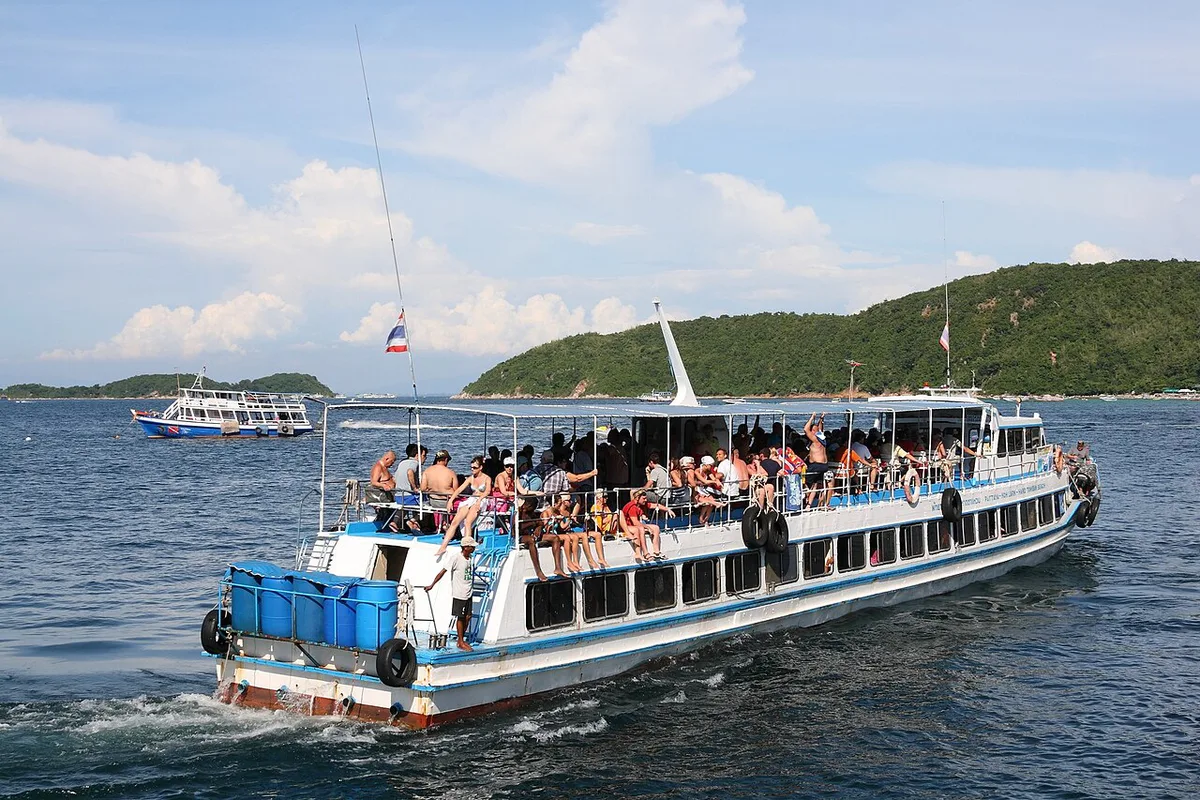
Pair it with a short boat ride rather than a long haul to outer islands. Skip it if your goal is a deep or technical profile.
4. Koh Khrock (intermediate)
Koh Khrock is a private island about 2 km from Koh Larn. Divers can explore hard coral from the beach or drift along the shoreline. The drift option is why it sits above the beginner tier: you move with the current rather than hovering over a fixed spot. Good buoyancy control and comfort following a guide are the real prerequisites.
Plan for a relaxed boat transfer from Koh Larn waters. Newly certified divers should ask the divemaster whether the day's current is suitable.
5. Koh Rong Nang (intermediate)
Koh Rong Nang is a reef off a small island, and divers can use two sides of it. On the flood current you dive west, and on the ebb you dive east. A slope runs from the island down to a flat seabed at 18 m. That tidal rule is a good example of why a local briefing matters in Pattaya.
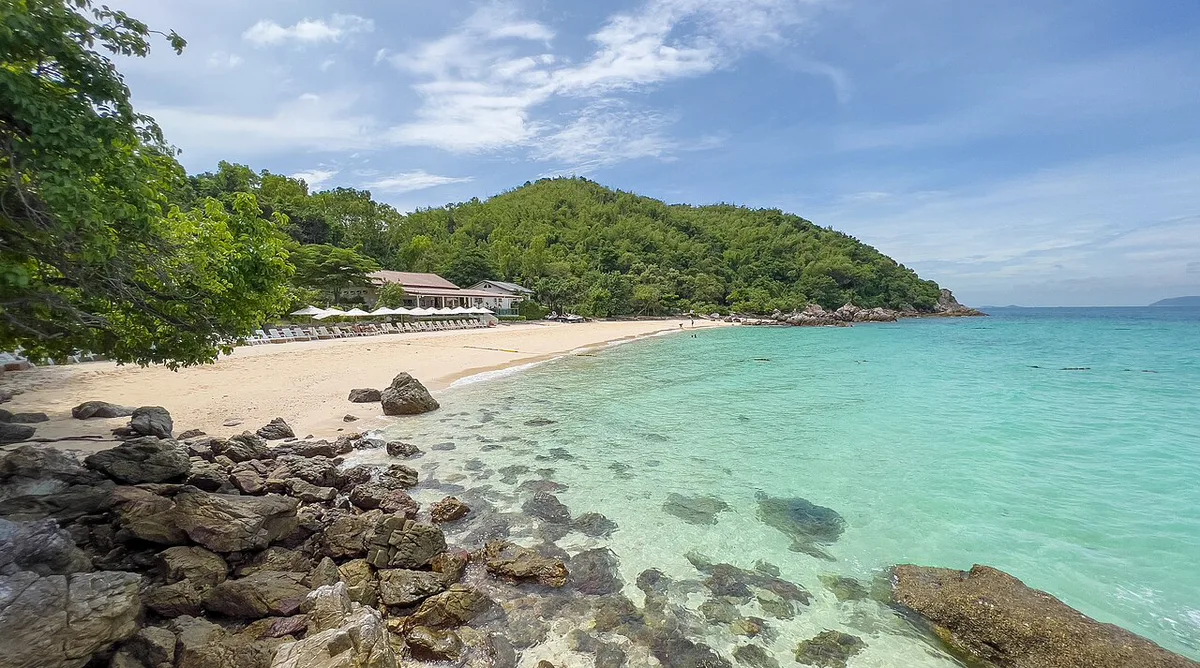
The depth fits Advanced Open Water divers or confident Open Water divers with a guide. Anyone uneasy with currents or a 18 m limit should choose a shallower site.
6. North Rock, also called Lom Fang (advanced)
North Rock is a pinnacle that rises above the surface, and it is easy to navigate because you can circle it. Currents are the catch. One side of the rock may have no flow while the other side runs strongly. This makes it a site for divers who handle changing conditions calmly.
Boats may need extra planning, so ask your center about the day's tide window. Beginners, and anyone nervous about current, should skip it.
7. HTMS Khram wreck (advanced)
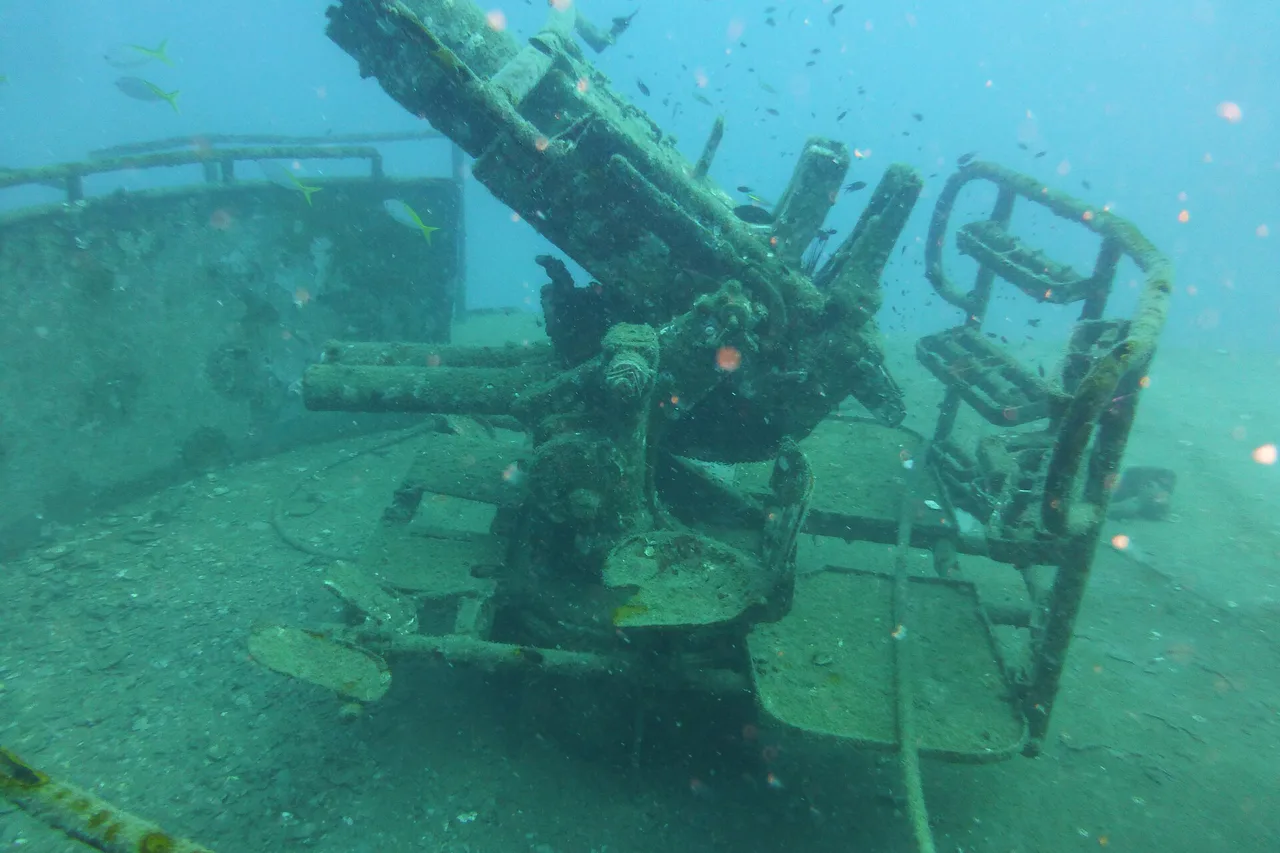
HTMS Khram is a wreck dive next to Koh Phai, with a maximum depth of 28 m and ascent and descent lines connected to the ship. Between November and March, operators report visibility from 8 m improving to as much as 30 m. Read our guide to wreck dives off Pattaya for more context.
Divers who want formal wreck skills can look at the PADI Wreck Diver specialty. Skip it if you are not comfortable at depth or have only a basic Open Water certificate and no recent logged dives.
Fun Diving vs. Try Diving vs. Courses
Fun dives require a valid certification. Discover Scuba needs no license and gives you 2 try dives with an instructor. A full Open Water course makes you a certified diver. Rescue is the next step for divers building skills. Our PADI course options page covers the ladder in more detail. For a holiday diver, the difference between PADI and SSI is small, so choose the instructor and schedule first. You can browse centers through the SSI dive center locator.
| Option | Best for | Prerequisite | Operator-listed price |
|---|---|---|---|
| Fun dive with own equipment | Certified divers | Valid certification | ฿2,500 |
| Discover Scuba (2 try dives) | First-timers | No license needed | ฿3,900 |
| Open Water course | Future certified divers | None listed | ฿15,900 (one SSI center lists ฿14,990) |
| Rescue Diver course | Certified divers building skills | Existing certification | ฿15,500 |
Best Time to Dive in Pattaya
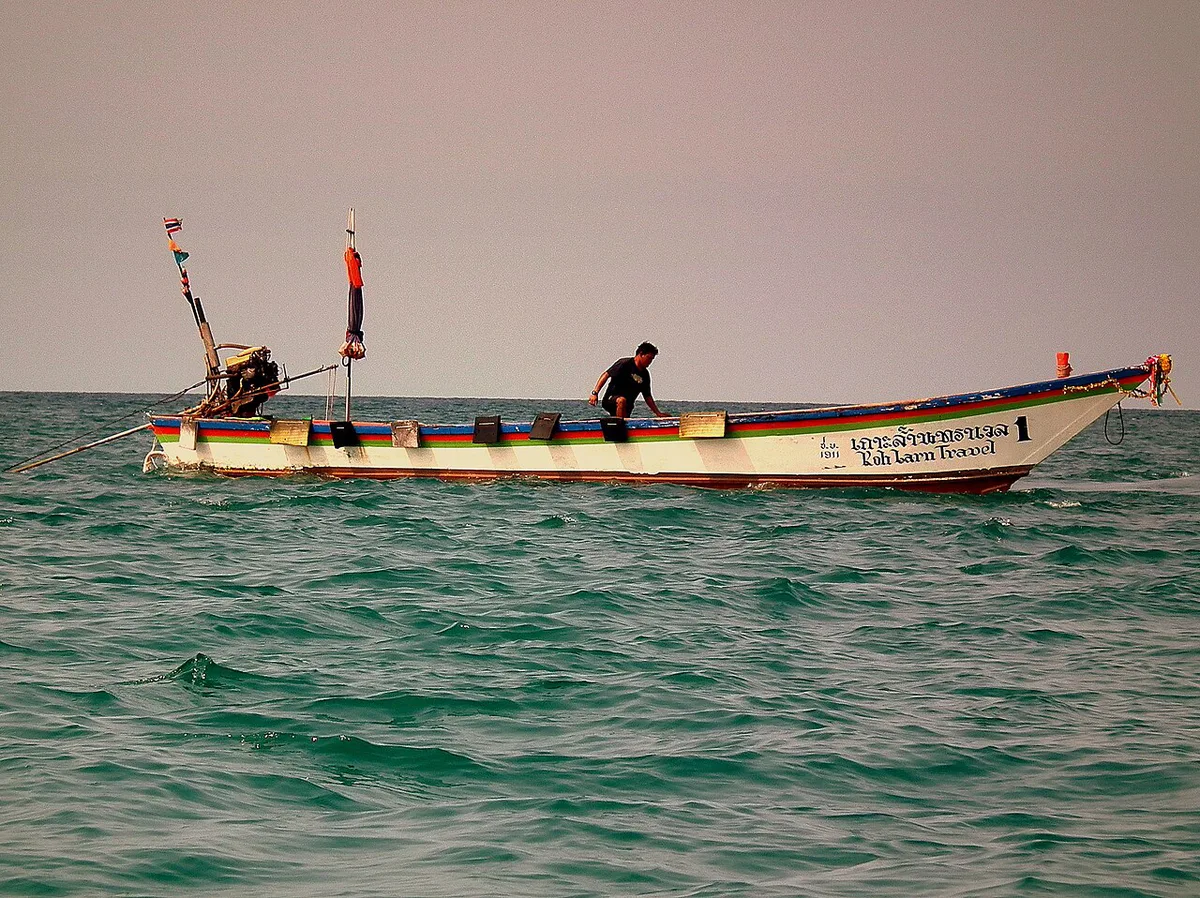
Operators put the best conditions between November and April, when the sea is calmer. May to October is monsoon season, and visibility can drop on some days. Diving still runs in those months. HTMS Khram is the clearest example, with reported visibility of 8-30 m from November to March. Check our month-by-month water temperature notes before you fix dates.
What a Dive Day Looks Like
Many operators offer hotel pickup for central Pattaya. Next comes a briefing on safety rules, signals and gear. Boats then leave from a pier such as Samaesarn. Typical fun-dive days include 2-3 dives and a lunch break on the boat or on a beach. Far sites add travel time. Koh San Chalarm, for instance, is an extra 30 minutes by dive boat from Chuang Island, and it doubles as a navy practice target. Some centers sit on the mainland. Dive Station Pattaya, for example, is in the Naklua area inside the Windmill Resort Hotel. First-timers should book Discover Scuba. Certified divers returning after a break should pick a shallow first site. Wreck fans should pick a November to March date.
Costs and What's Included
One operator lists a fun dive with your own equipment at ฿2,500. The same operator lists Discover Scuba at ฿3,900 and Open Water at ฿15,900. A listing for an SSI center shows the Open Water course at ฿14,990. Treat these as operator figures, not market rates. Gear rental and Nitrox are usually separate extras, so ask what is included before paying. Certifying at home saves holiday days, while certifying in Pattaya can save money and pairs well with warm water. Avoid booking by price alone.
How to Choose a Dive Center
Ask which certification agency the center teaches under. Check boat size and group ratio, since smaller groups mean more attention for beginners. Look at how recent the rental gear looks. Confirm the briefing is in a language you understand, because some centers teach in English, German, Dutch and Thai. Ask about insurance and Nitrox availability. Our guide to choosing a dive center expands on each point.
Safety and Fitness Notes
Dive with a certified professional and equalize your ears early and often. Do not touch marine life. The flying rule runs the other way from a common myth: the risk comes from flying after diving, not before. DAN guidance suggests waiting at least 12 hours after a single dive and 18 hours after repetitive or multi-day diving. Plan your Bangkok flight with that gap in mind. Tell your instructor about any medical issues before the first dive. Expect to skip a site if the current is strong.
HTMS Khram's 28 m maximum depth is deeper than the 18 m Koh Rong Nang slope, so depth comfort should be checked before booking either.
Not Diving? Snorkeling Options
Companions who do not dive can still share the boat day. Look at our guide to snorkeling trips from Pattaya for options. Many go to Koh Larn, where snorkeling around Koh Larn gives easy reef views. Divers at Koh Sak and Koh Khrock are only about 700 m and 2 km from Koh Larn respectively, so schedules can overlap.
Explore More Pattaya Guides
Keep planning your Pattaya trip with these guides.
Pattaya Guides
- Pattaya Snorkeling: Islands, Trips and What to Expect
- Pattaya Wreck Diving: Mataphon, Hardeep & Who Should Go
- Koh Larn Snorkeling Guide
- Pattaya Dive Center Guide
- PADI Pattaya: Courses, Dive Trips & Costs Guide
- Pattaya Water Temperature by Month
- Pattaya Dive Sites: Best Spots, Wrecks and Season Guide
Explore diving in other cities
Notes for your next dive trip
Optional updates to our Thai diving guides.
You might also like
Continue reading
More guides you'll find useful