6 Best Koh Lanta Diving Sites: Season, Costs & Trip Guide
Plan Koh Lanta diving: Koh Haa, Hin Daeng and Hin Muang, the May-October closure, boat trade-offs, costs and who each site suits.
On this page
Last updated November 2026: Koh Lanta diving suits Open Water students, certified divers on day trips and advanced divers heading offshore to Hin Daeng and Hin Muang. Koh Haa, Hin Daeng and Hin Muang close from 15 May to 15 October, so timing decides most choices. Use this guide to match a site, a boat and a budget to your certification level.
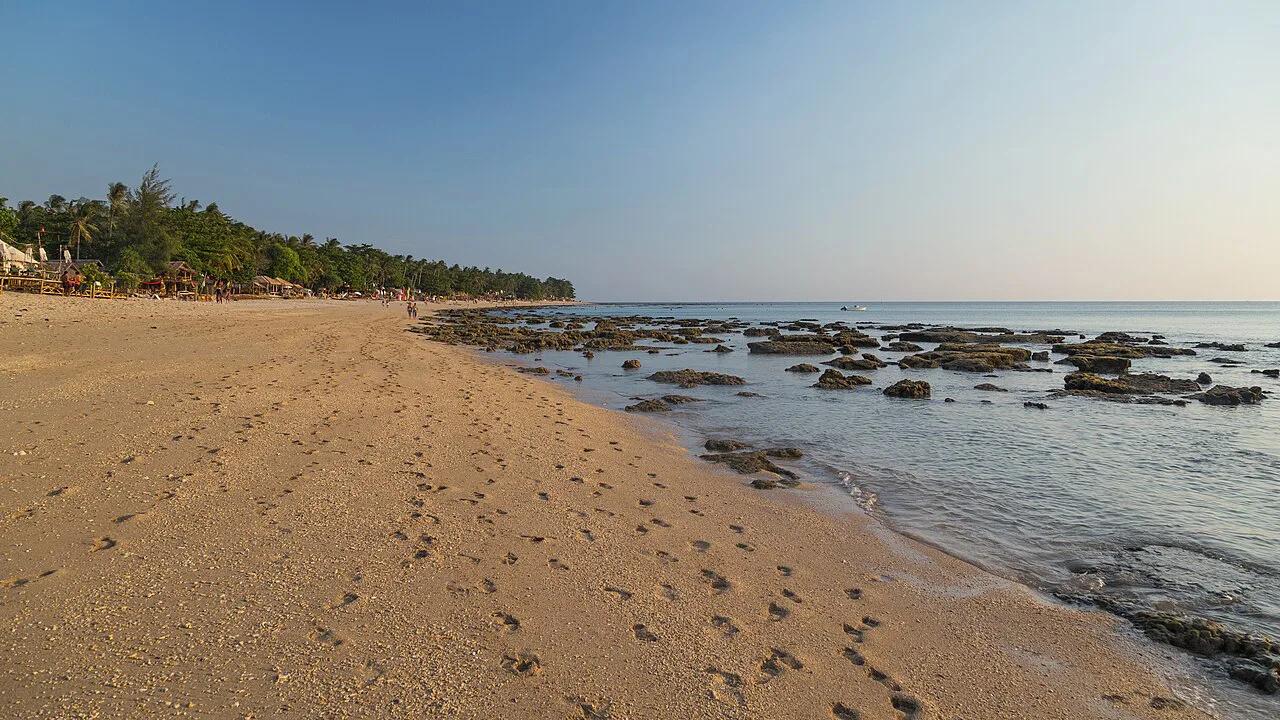
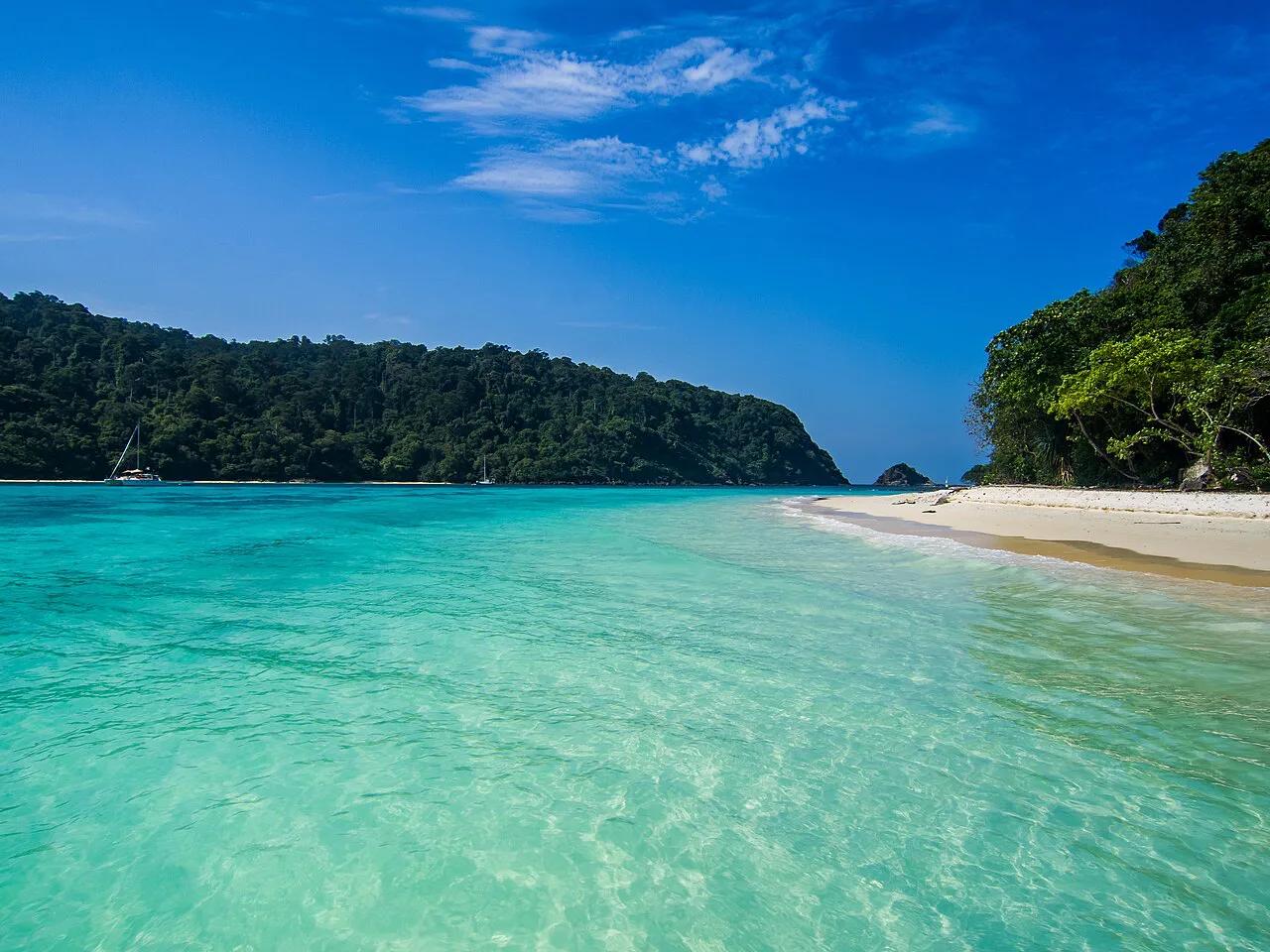
Featured image: (c) portioid, some rights reserved (CC BY-SA), CC BY-SA 4.0, via Wikimedia Commons.
Koh Lanta Diving at a Glance: Who It Suits
Koh Lanta is a base for day trips to the Koh Haa islands and to Hin Daeng and Hin Muang. Both destinations sit offshore and close for part of the year. Snorkelers and non-divers do best at Koh Haa Lagoon, where the water is shallow and clear. First-timers can try Discover Scuba in the same lagoon. Certified beginners fit the Koh Haa sites, which operators say have mild to medium current. Experienced divers should aim for Hin Daeng and Hin Muang, where operators run three-dive days. Koh Haa means five islands, yet the group has six, about 16 km (10 miles) west of Koh Lanta inside Koh Mu National Park.
When You Can Dive: Season and the May–October Closure
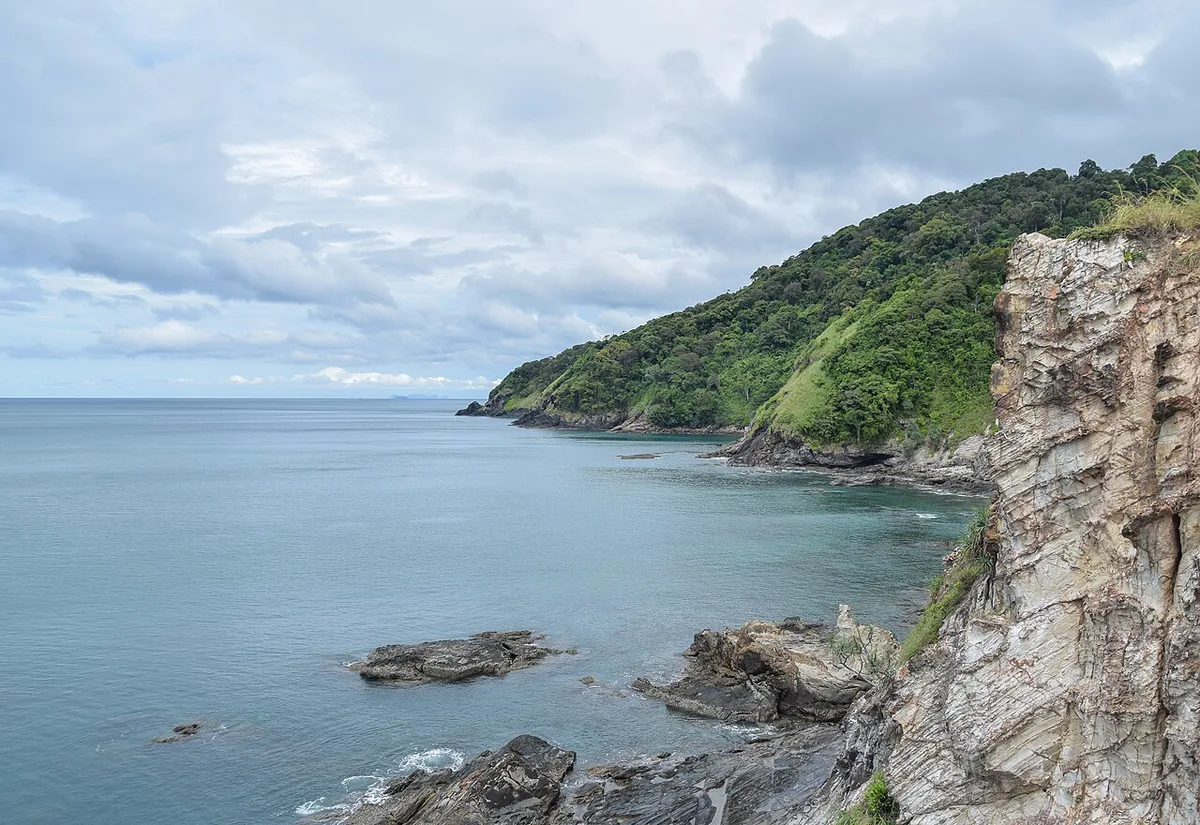
Phoenix Divers lists Koh Haa, Hin Daeng and Hin Muang as closed from 15 May to 15 October. Check Koh Mu National Park notices for the dates that apply in your travel year. That closure runs five months, so plan offshore trips for the other seven. Early-season conditions can differ from midseason, so ask your operator about recent visibility and current. During the closure, ask which nearer sites still run. Operator trip lists also name Koh Rok, Koh Bida Nok and Hin Bida. Month-by-month detail sits in our season breakdown.
6 Best Koh Lanta Dive Sites to Choose From
Prices and hours checked November 2026. Depth, visibility and current figures below come from operator pages and shift with tide and weather. Depths are given in meters with feet in brackets.
1. Koh Haa Chimney (Haa 1)
Chimney is the first island in the Koh Haa group and is known for a tunnel system on its southwest corner. Operators say the tunnel entrance lies at 18 m (59 ft) and opens into a chamber of bronze cave sweepers, with an exit hole at 5 m (16 ft). A second, very narrow tunnel needs exceptional buoyancy control.
South of the tunnels, limestone pinnacles and swim-throughs sit above drop-off walls that reach 35 m (115 ft). Typical visibility is 15 to 20 m, with mild to medium current. Skip the tunnels if your buoyancy is unreliable, and stay on the reef instead.
2. Koh Haa Lagoon
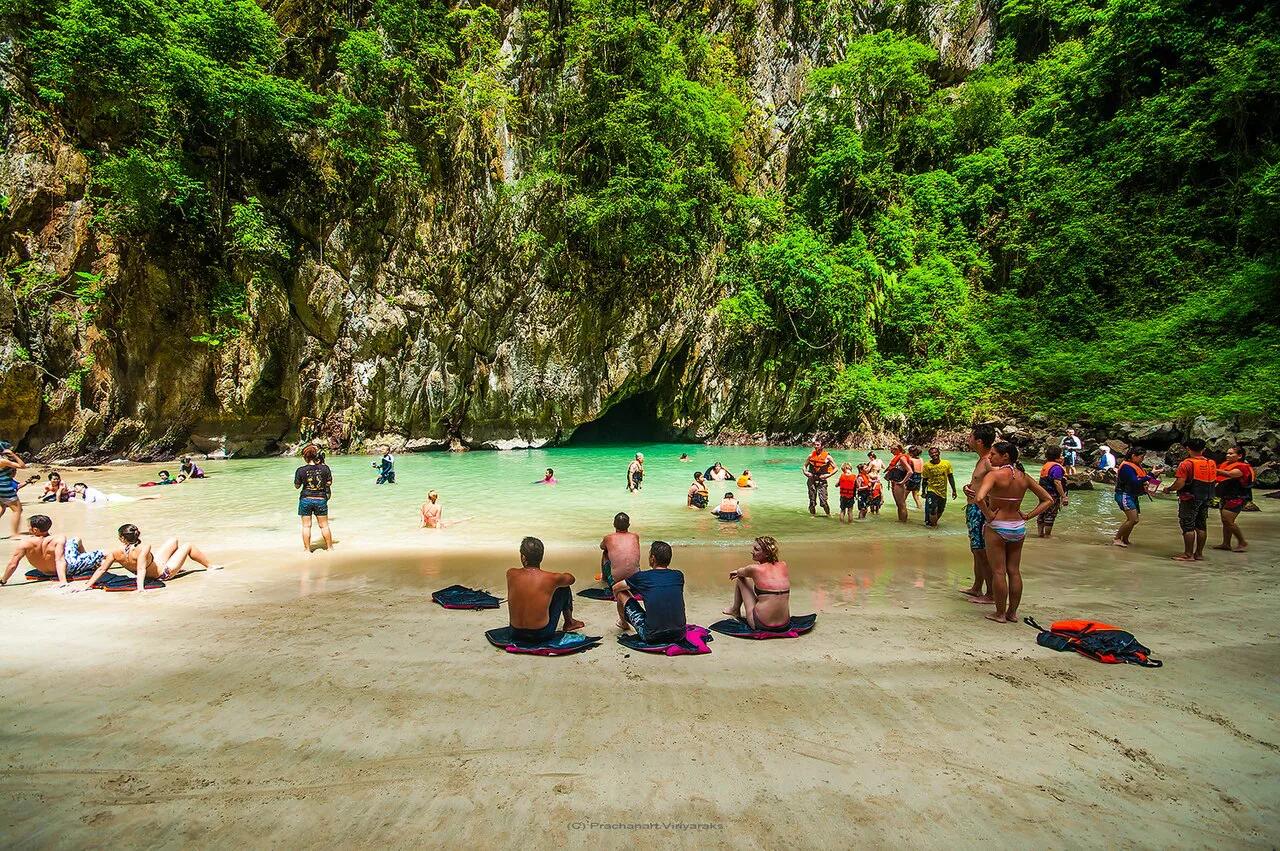
Lagoon sits between the three central islands and holds a small white-sand beach. Shallow hard coral and typical visibility of 20 to 30 m make it the usual first-dive and Discover Scuba spot. Snorkelers can look for turtles and baby sharks in the clear shallows.
Walls on the two smaller outer islands carry sea fans and soft corals, plus clown frogfish and stonefish. Deep channels north and south of the central islands are where pelagic visitors such as whale sharks are possible. Skip it if you want depth, and head for Chimney or Koh Haa Yai instead.
3. Koh Haa Yai (The Cave)
Koh Haa Yai is the largest island in the group, also called the Cathedral or the Cave. Its main cave entrance lies at 14 m (46 ft), and the opening runs all the way up to the surface. Light shining in from the entrance picks out the rock formations inside.
Outside, the reef drops to 30 m (98 ft), with west-side pinnacles reaching 40 m (131 ft) and beyond. Visibility is typically 20 to 40 m, and operators describe the groupers as the biggest around Koh Lanta. Skip the west-side pinnacles unless you hold Advanced certification. The east side suits beginners.
4. Secret Garden (Koh Haa Six)
Secret Garden is a small limestone rock 300 m west of Koh Haa Yai. One operator says it has the best coral in the group, plus seahorses and other macro life. Nicest depth is 15 to 25 m, though maximum depth is 35 m (115 ft).
Current runs mild to strong, and hard mooring conditions mean some larger boats skip it. Visibility is around 20 m but can drop. Skip it if strong current worries you, since boat access can be difficult.
5. Hin Daeng and Hin Muang
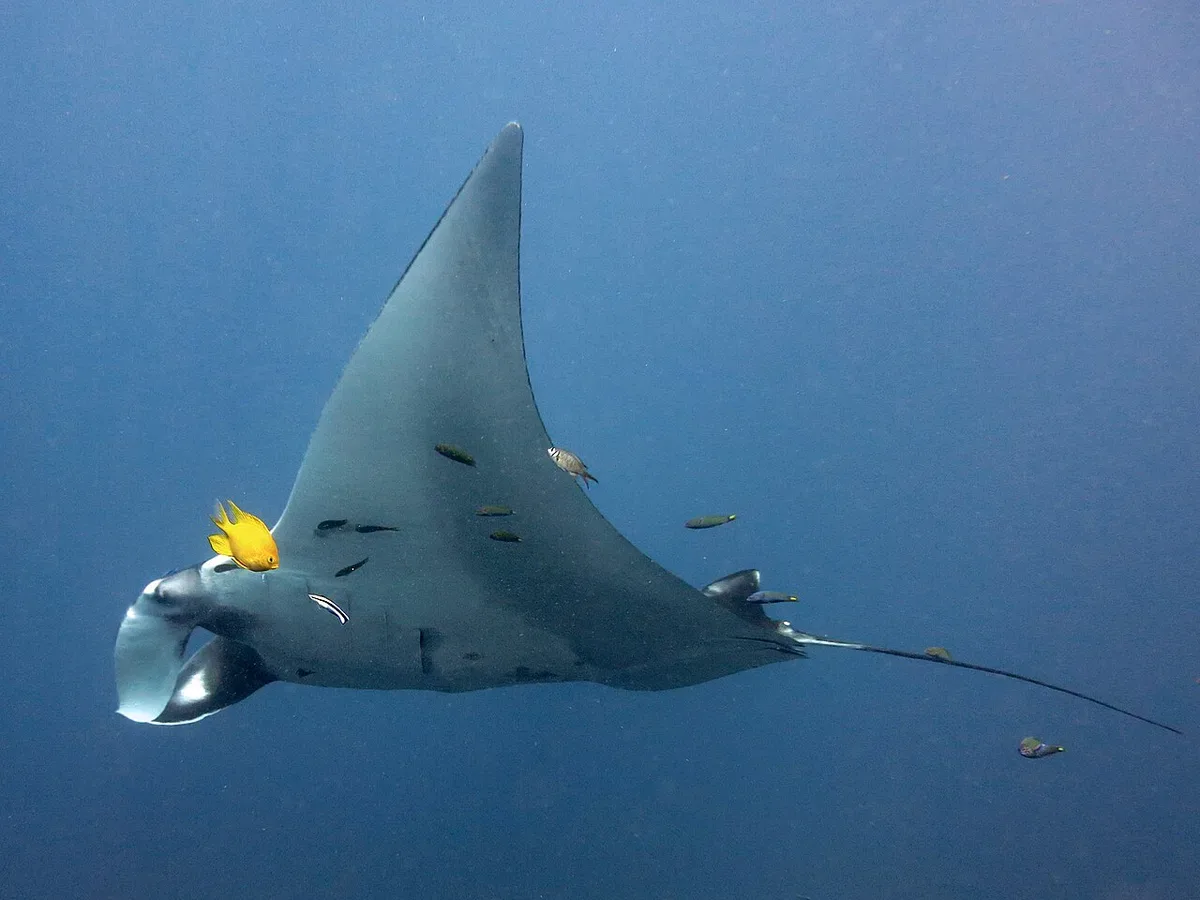
Hin Daeng and Hin Muang are offshore pinnacles known for soft corals and a manta cleaning station. One operator's listing gives about 90 minutes by fast catamaran and three dives in a day, on Wednesdays and Sundays. Another operator's three-dive day combines Hin Daeng, Hin Muang and Koh Haa.
Manta sightings are never guaranteed, as one operator states plainly. Read more on the Hin Daeng pinnacle. Hin Muang dive notes add site detail. Newly certified divers and anyone prone to seasickness may prefer Koh Haa.
6. Koh Rok, Koh Bida Nok, Hin Bida and Kled Kaew Wreck
Operator trip lists also name Koh Rok, Koh Bida Nok, Hin Bida and the Kled Kaew wreck. Koh Rok is described as a coral-garden day with a lunch stop on a white beach. Koh Bida Nok is promoted for blacktip sharks, for divers and snorkelers, though sightings are never a promise.
Hin Bida is a zebra or leopard shark site with lower visibility than other spots. Kled Kaew wreck is usually visited on a Bida Nok or Hin Bida day, so ask whether current trips include it. Skip these sites if mantas are your goal.
Koh Lanta Dive Site Comparison Table
All figures below are operator-stated, in meters, and vary by day. Operators call every Koh Haa site suitable for all levels. That label hides real limits, because tunnels demand buoyancy control and the drop-offs reach 30 to 40 m. Use the table to match level to site. Our dive site directory covers each spot in more depth.
| Site | Typical level | Max depth (m) | Visibility (m) | Current | Best for | Skip if |
|---|---|---|---|---|---|---|
| Koh Haa Chimney | All levels with guide; tunnels need buoyancy skills | 35 | 15-20 | Mild to medium | Tunnels, swim-throughs, soft corals | Buoyancy is shaky |
| Koh Haa Lagoon | Beginners to advanced | About 35 (mostly shallow) | 20-30 | Mild to medium | First dive, snorkeling, children | You want depth |
| Koh Haa Yai | All levels on the east side; Advanced for west pinnacles | 35 (pinnacles to 40+) | 20-40 | Mild to medium | Cave, groupers, drop-off | You lack Advanced certification |
| Koh Haa Six | All levels with guide | 35 (best 15-25) | About 20 | Mild to strong | Coral, macro life | You dislike current |
| Hin Daeng / Hin Muang | Experienced divers | Ask operator | Ask operator | Ask operator | Pinnacles, manta cleaning station | You get seasick or are newly certified |
Boat Types, Trip Length and Day Logistics
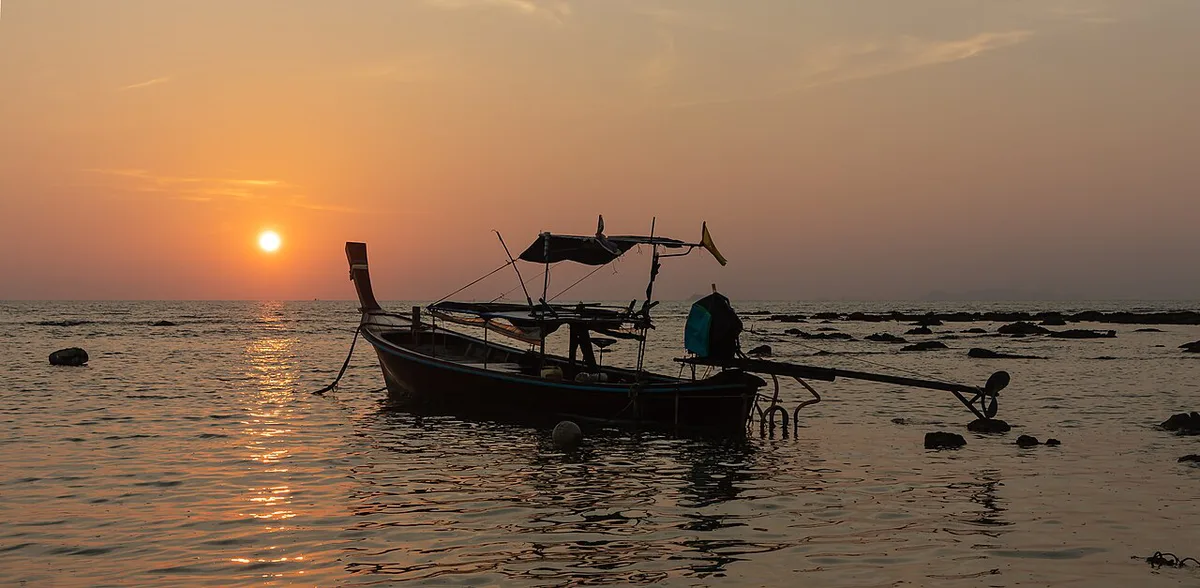
Boat type shapes the day more than most divers expect. One local dive operator markets a speedboat that reaches most sites in under 1 hour, with smaller groups. Another reports about 90 minutes by fast catamaran to Hin Daeng and Hin Muang. Longer transits mean earlier departures and later returns. Smaller boats can reach tricky moorings such as Koh Haa Six, while larger boats may skip them. Ask each operator about pickup points, departure time, shared versus private boats and low-season bookings. Our guide to choosing a dive center lists what to compare.
Koh Lanta Diving Costs and What Changes the Price
One operator lists a three-dive Koh Haa trip at ฿4,800. Its online offer cuts that to ฿4,320 when you book a week ahead, saving ฿480. Two dives are also possible on that trip. Treat the figure as one example, not a market rate. Several factors move the price:
- Number of dives: two or three per trip.
- Equipment rental: ask whether it is included.
- Park fees: ask whether they are included in the quoted price.
- Offshore surcharge: Hin Daeng and Hin Muang days can cost more than Koh Haa days.
- Courses: Open Water and Advanced programs are priced separately from fun dives.
Beginners, Courses and Certification Level
Beginners have three entry points. Discover Scuba in Koh Haa Lagoon needs no certification, with typical visibility of 20 to 30 m. Open Water students can train through PADI courses on the island. PADI defines certification levels and depth limits, so read PADI's own course information before choosing deeper sites. Certified divers can book guided fun dives. Operators call many Koh Haa sites suitable for all levels. Read that as "with a guide", because tunnels and 30 to 40 m drop-offs need buoyancy control and training. An Advanced course can be completed on a Hin Daeng and Hin Muang trip, according to one operator.
Visibility at the lagoon is 20 to 30 m, yet Koh Haa Yai's west pinnacles reach 40 m (131 ft), which the 'all levels' label hides.
Marine Life: What to Hope For and What Not to Promise
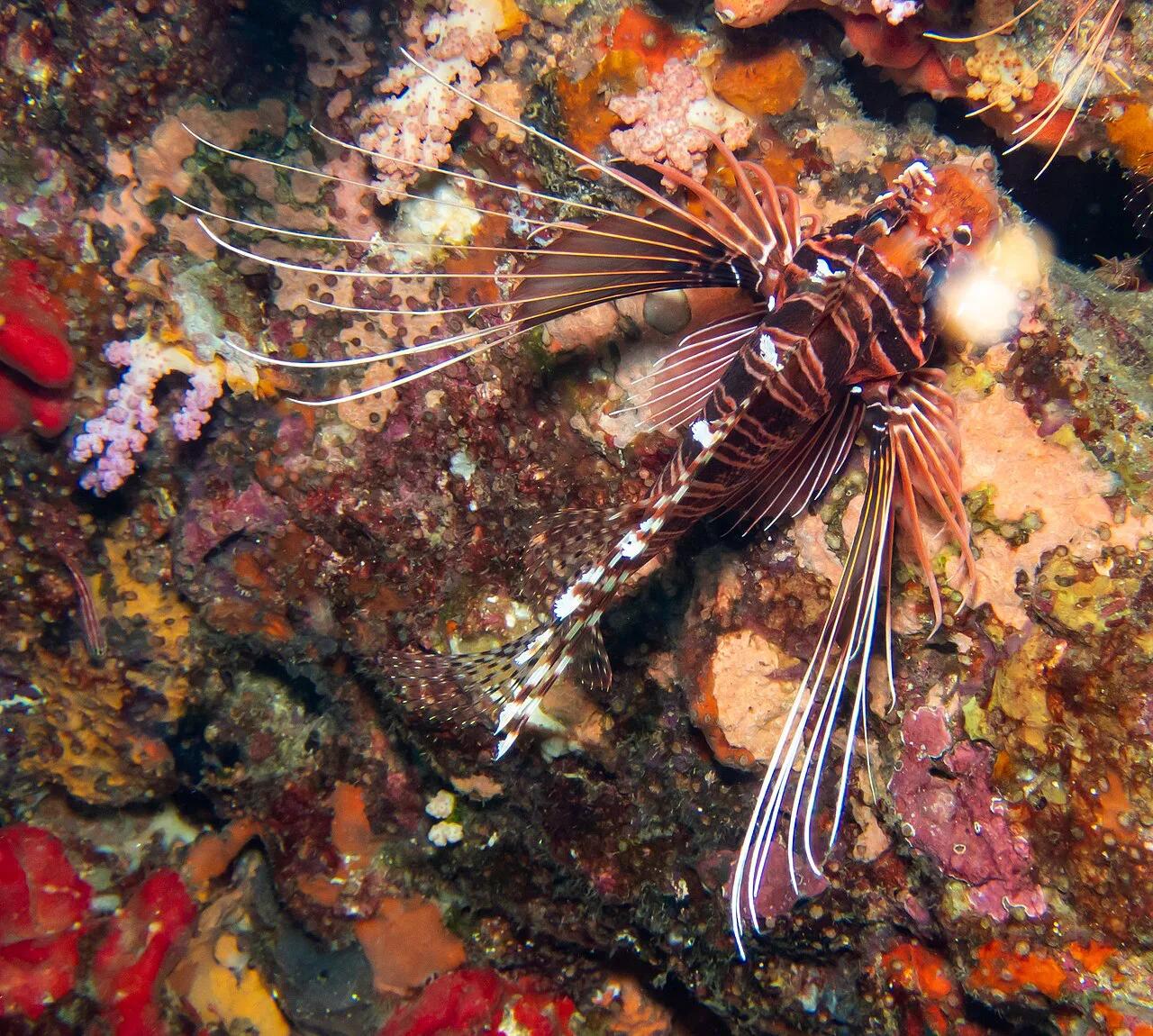
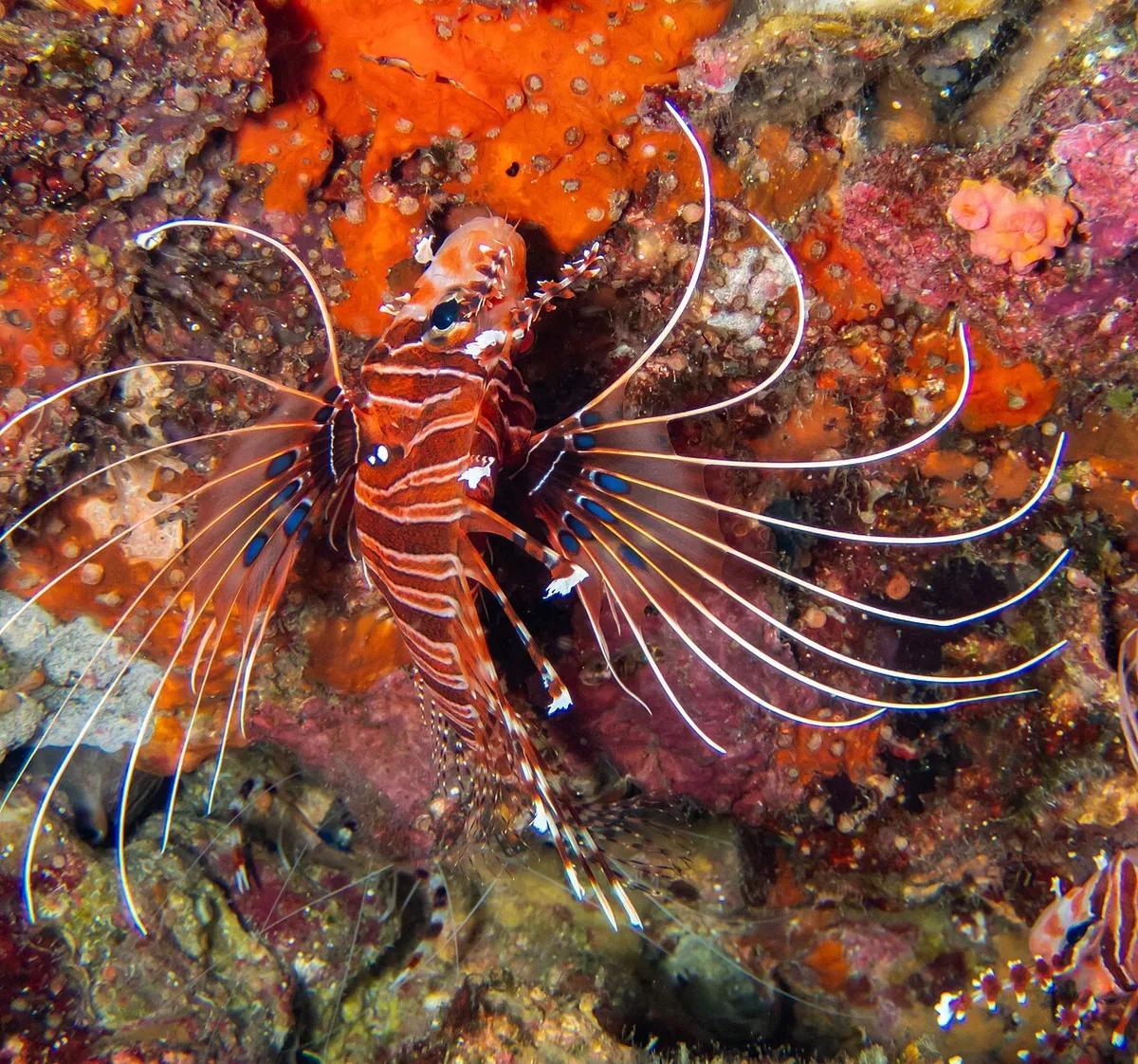
Operators list seahorses, ghost pipefish, turtles, barracuda and blacktip reef sharks around Koh Haa. Harlequin shrimp and banded sea snakes appear on the same lists. Whale sharks are possible, and one operator's own wording is "fingers crossed". Manta sightings at Hin Daeng and Hin Muang are never guaranteed. Our notes on whale shark sightings add context. Plan a trip around the site, not around one animal.
Snorkeling and Freediving for Non-Divers
Non-divers can snorkel at the Koh Haa sites, and operators also run freediving. Koh Haa Lagoon is described as one of the easiest snorkel spots, with turtles, baby sharks and a small white beach. Children are welcome there, according to one operator. At Chimney, snorkelers are pointed to the east finger. On Koh Haa Yai, the east side has a long shallow coral garden. Low tide lets snorkelers swim into the caves. Freediving suits the cave, also called the Cathedral.
Where to Stay and How to Get Around
Published trip listings do not fix pickup points or hotel transfers. Ask your operator for the departure pier and start time, and use ferry and minivan operators' own sites for current schedules.
Common Mistakes to Avoid
Booking Koh Haa, Hin Daeng or Hin Muang between 15 May and 15 October is the first error. Reading "suitable for all levels" as "no skills needed" is another. Promising yourself a manta or whale shark sets up disappointment. Newcomers on a three-dive offshore day may tire, so start at Koh Haa. Pack using our water temperature and wetsuit guidance. Skipping cover is the last slip, and Divers Alert Network publishes diver safety and insurance information.
Explore More Koh Lanta Guides
Keep planning your Koh Lanta trip with these guides.
Koh Lanta Guides
- Koh Lanta Dive Sites: Depths, Levels, Costs & Season
- Koh Lanta Dive Center: How to Choose the Right Dive Shop
- PADI Koh Lanta: Courses, Dive Centers & What to Expect
- Koh Lanta Diving Season: When to Dive and Where
- Hin Daeng Diving from Koh Lanta
- Hin Muang Dive Site
- Koh Haa from Koh Lanta
- Koh Lanta Whale Shark: Where, When & Realistic Odds
- Koh Lanta Water Temperature by Month (and Diving)
- Fun Diving from Koh Lanta
- Phoenix Divers Koh Lanta: Courses, Boat & Who It Suits
Explore diving in other cities
Notes for your next dive trip
Optional updates to our Thai diving guides.
You might also like
Continue reading
More guides you'll find useful