Mu Ko Lanta National Park Guide: Entry, Islands and Season
Plan Mu Ko Lanta National Park: what the Laem Tanot headquarters and the Ko Rok islands offer, season dates, getting there, and costs to check.
On this page
Last updated November 2026. Mu Ko Lanta National Park is a marine park of 25 islands in Krabi Province, but most visitors on Ko Lanta mean one small area at the island's southern tip. Ko Rok, Ko Ha and Hin Daeng are separate boat trips that reopen on 16 November. Use this guide to pick the right one.
Featured image: Wanjak Atikomchakorn, CC BY-SA 4.0, via Wikimedia Commons.
What Mu Ko Lanta National Park Is (and the Two Ways to Visit It)
Mu Ko Lanta National Park covers 83,750 rai (134 km²) in Ko Lanta District. According to the official DNP park page, its 25 islands fall into four groups: Ko Rok, Ko Ha with Hin Daeng, Ko Ngai and Ko Lanta. The Ko Lanta group alone holds 16 islands, including Ko Lanta Yai and Ko Talabeng.

In practice you can visit it two ways. The first is a land day out at the Laem Tanot headquarters on the southern tip of Ko Lanta Yai. The second is a boat trip to the islands, such as Ko Rok Nai and Ko Rok Nok. Each has its own season, cost and gate. This guide treats them separately because the headquarters ticket does not get you onto a Ko Rok boat.
- Headquarters at Laem Tanot: beach, lighthouse viewpoint, jungle trail, monkeys.
- Island side: Ko Rok, Ko Ha, Ko Ngai, Hin Daeng and Hin Muang by boat.
- Nearby marine parks: Hat Noppharat Thara–Mu Ko Phi Phi National Park Guide (Fees, Maya Bay, Rules) sits on the ferry route from Ao Ton Sai.
Laem Tanot Headquarters: What to Do
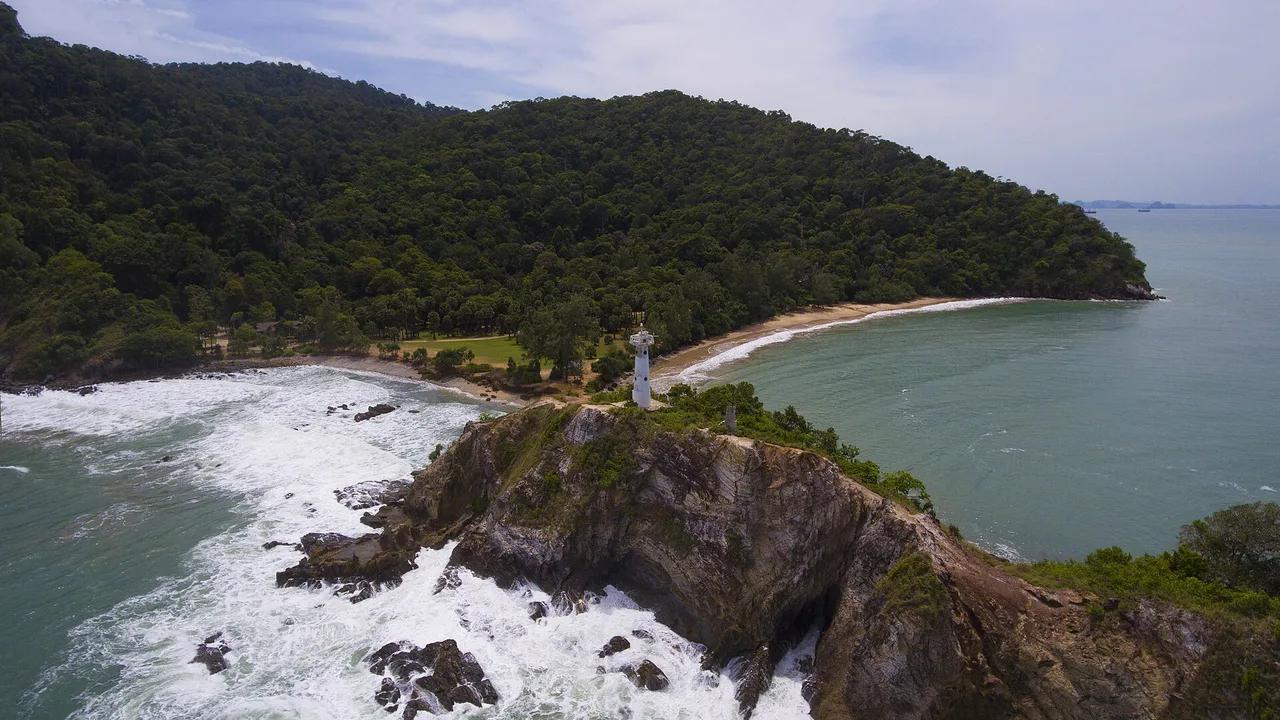
Laem Tanot (also written Ao Tanod) is a white-rock headland topped by a lighthouse. Climbing to the lighthouse gives a view along the beaches on both sides of the peninsula. Pick a clear day, because haze flattens the view of the offshore islands.
A 2 km hiking trail leads into the forest behind the beach. Birds are the main reward, and DNP lists Brahminy Kite, Bridled Tern and Grey-capped Emerald Dove among the commonly seen species. Monkeys are tame around the headquarters and let you walk close. Feeding them is discouraged, so keep food in your bag.
The main beach suits swimming and a long walk. It is not the place for snorkeling. Reef fish and coral are out at the islands, not along the headquarters sand. In our editorial assessment, the headquarters fits a half-day, with the lighthouse, trail and beach time all fitting before the afternoon heat.
- Lighthouse climb for the headland view.
- 2 km jungle trail for birds and reptiles such as the water monitor.
- Swimming at the main beach.
- Welfare shop and restaurant at Laem Tanot.
Ko Rok, Ko Ha, Ko Ngai and Hin Daeng: The Island Side
Ko Rok is the northern group. It has Ko Rok Nai and Ko Rok Nok, both of rocky terrain. Ko Rok Nai rises to 208 m and has a landing beach about 2.4 km long. Ko Rok Nok peaks at 156 m and has two plains, Thalu Beach and Ao Man Sai. DNP lists a visit window of 8:30 to 17:00 daily.
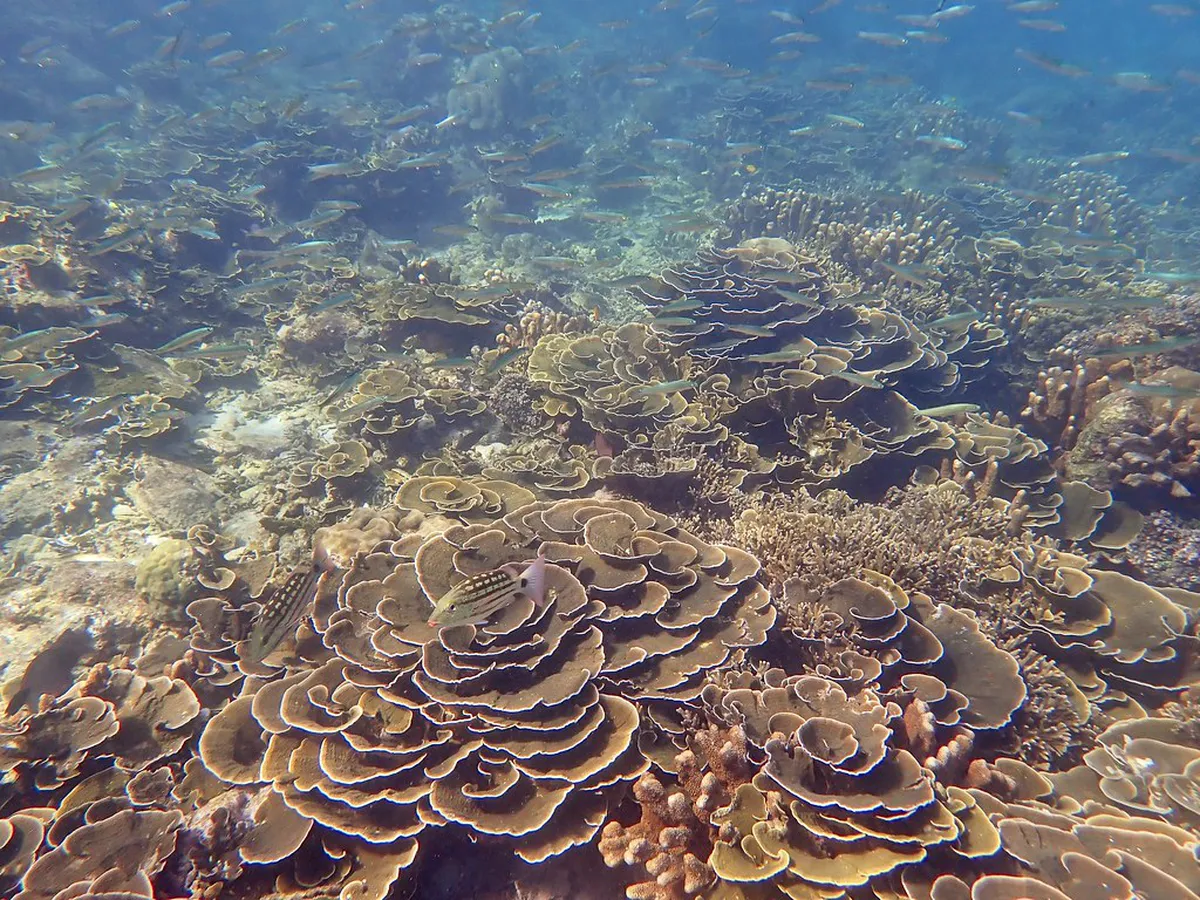
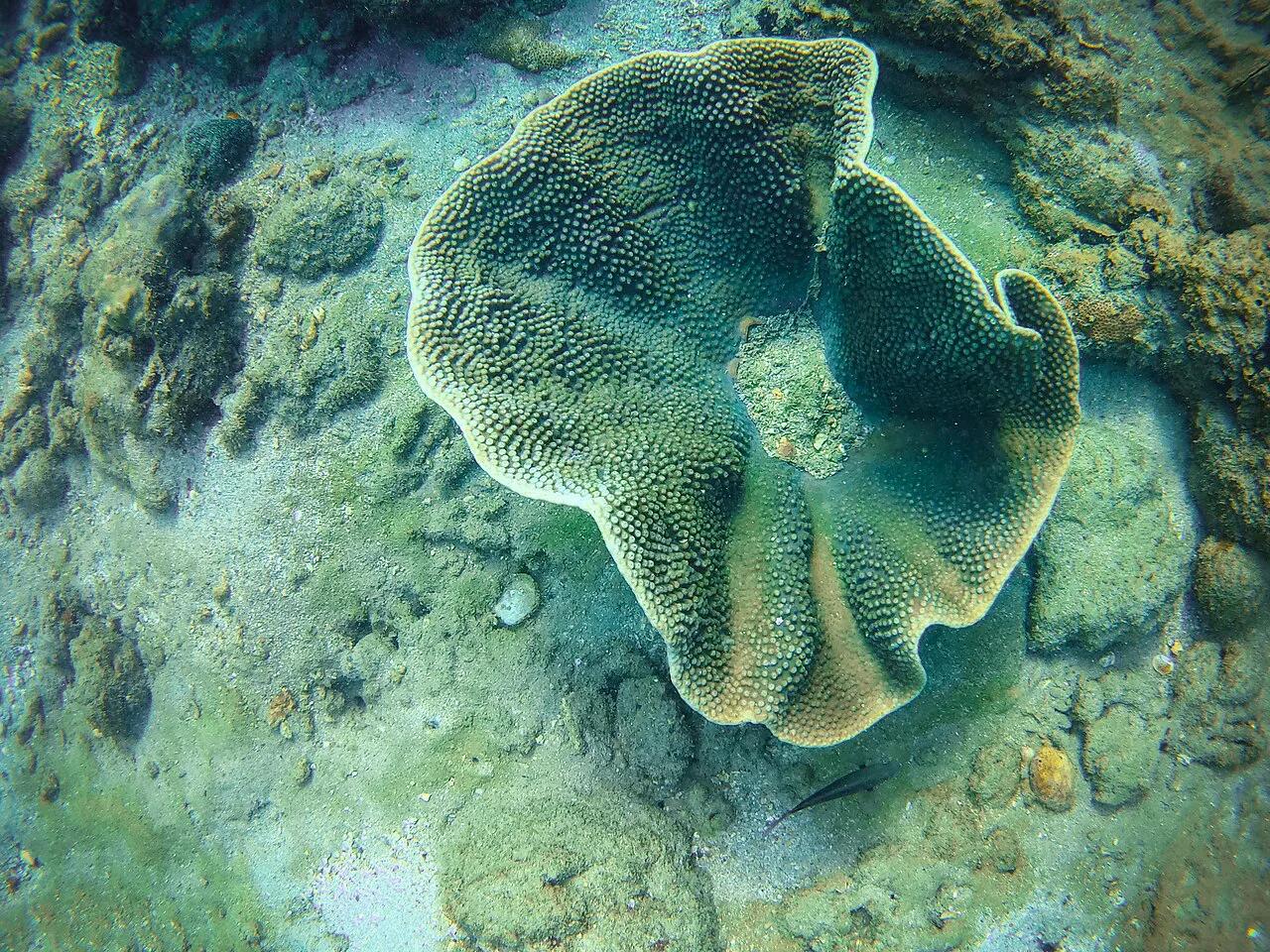
Ko Ha is a cluster of five small islands, and Hin Daeng and Hin Muang lie beyond it. These are the sites that DNP associates with snorkeling and scuba diving. Ko Ngai, with a long sandy beach on its east side, forms its own group with Ko Ma. All of these are boat trips and need a full day. Operators set the price, so compare quotes in Ko Lanta town.
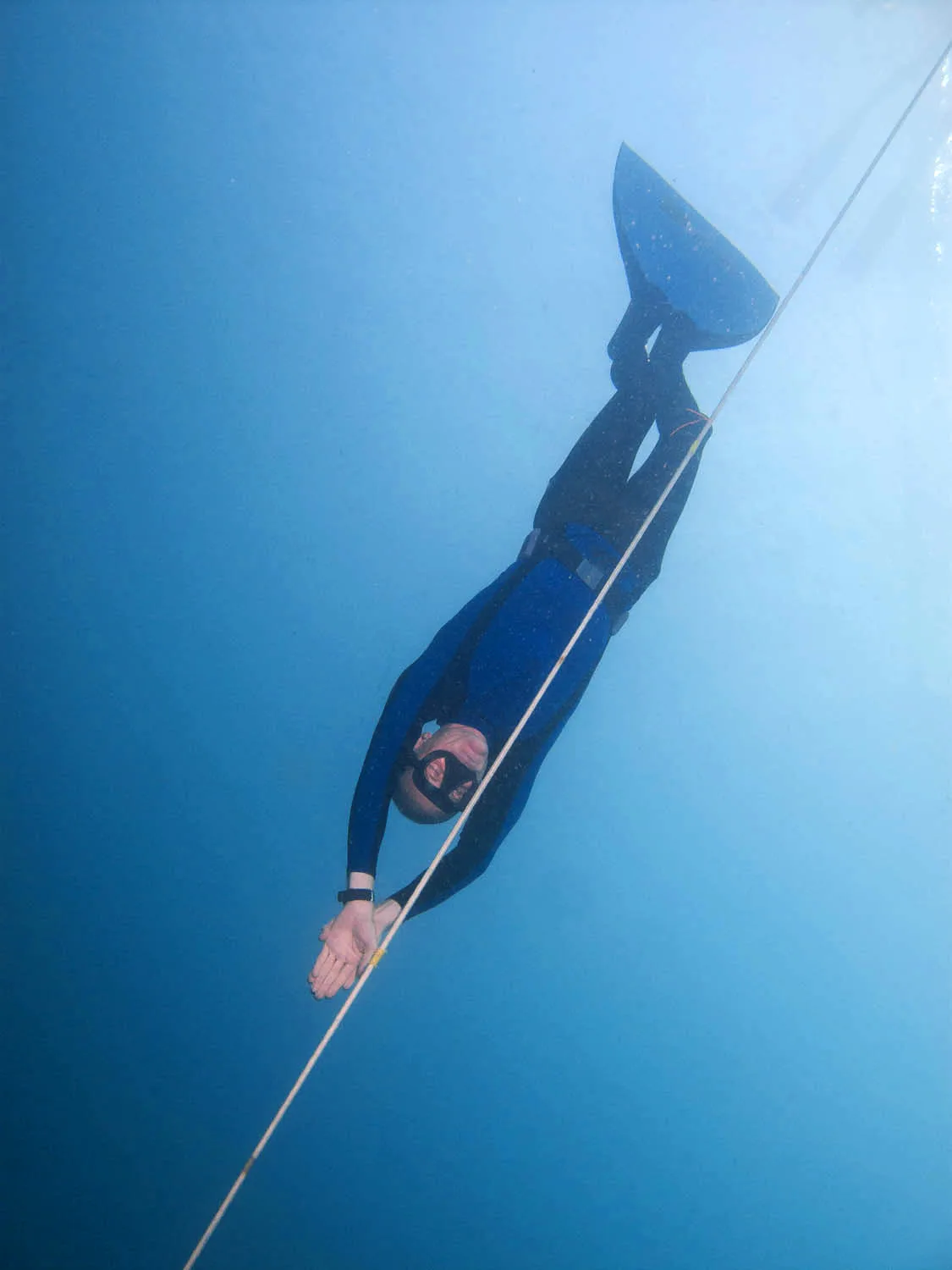
Snorkelers and divers belong here, not at Laem Tanot. Anyone wanting a short, dry-land outing does not.
Best Time to Visit and the Closed Season
Ko Rok, Hin Daeng and Hin Muang are open to tourists from 16 November to 15 May. They close from 16 May to 15 November because of the southwest monsoon. Today is 13 November, so the new season starts in three days. Early-season trips are possible from 16 November onward.
Boat visits to Ko Rok run 8:30 to 17:00 daily, but tourists are shut out from 16 May to 15 November. Plan boat days inside the dry season.

DNP records annual rainfall above 2,100 mm, falling mainly in the monsoon months. Average temperature is 28°C across the year. March is the warmest month at an average of 34°C, and December is the coolest at 24°C. DNP calls monsoon-period visits unsafe.
The headquarters has a different caveat. An older published listing noted that access can close when the coastal road floods in heavy rain. Allow a spare day if you travel in the wet months.
| Period | Ko Rok, Hin Daeng, Hin Muang | Laem Tanot headquarters |
|---|---|---|
| 16 Nov – 15 May | Open to tourists | Open daily; road flooding is rare in the dry season |
| 16 May – 15 Nov | Closed to tourists | Open, but heavy rain can flood the access road |
Park Fees, Hours and Costs
Pay the entrance fee at the park, then keep the receipt. DNP asks visitors to carry it for inspection. A 2019 listing gave 400 baht per foreign adult and 200 baht per foreign child at the Laem Tanot gate. Those figures predate this season, so check current rates on the Thailand national park fees guide. Prices and hours checked November 2026.
Shop hours of 8:30 to 16:30 suit a half-day visit that ends before the afternoon heat.

DNP lists the Laem Tanot welfare shop and restaurant as open 8:30 to 16:30 daily. An older listing gave park gate hours of 8:00 to 17:00. Treat these as two different things: the shop closes earlier than the gate.
Budget for these parts of a day out:
- Park entrance fee, paid at the gate, with the receipt kept.
- Transport to the southern tip by road, scooter or taxi.
- Boat-trip price for Ko Rok or Hin Daeng, set by each operator.
- Optional camping, covered under where to stay below.
How to Get There
From the Ko Lanta beaches, follow the southwestern coastal road to its end. That road reaches the headquarters at Laem Tanot, and the trip needs your own transport or a taxi.

To reach Ko Lanta by ferry, DNP lists two routes. The boat from Khlong Chi Lat Pier in Krabi leaves at 11:00, arrives about 13:00 and costs about 350 baht. The boat from Ao Ton Sai Pier on Ko Phi Phi leaves at 8:00, arrives about 9:30 and costs about 300 baht. Timetables shift by season, so ask the operator.
From Bangkok, the park is about 850 km by road. DNP describes two car ferries, first to Ko Lanta Noi and then to Ko Lanta Yai. Some island roads are steep and may need a 4WD. By bus, Bangkok to Krabi runs from Sai Tai Mai at 614 to 920 baht, depending on regular or VIP service.
Where to Stay: Camp in the Park or Base Elsewhere
Few visitors sleep at the headquarters because it is remote. DNP says the park offers lodges and camping grounds, plus tent and equipment rental and a restaurant. An older listing gave tent rental at 250 baht per night, or 30 baht if you bring your own tent. Treat those as dated and check at the booking portal on the Department of National Parks website.
Most travelers stay at other Lanta beaches and make the headquarters a half-day outing. Camping makes sense only if you want sunrise at the lighthouse without the coastal drive.
Planning Mistakes and Quick Decision Guide
Four slips cause most of the disappointment. Arriving for Ko Rok in the closed season is the first. Assuming the headquarters ticket covers island access is the second. Forgetting the receipt is the third. Expecting coral at the headquarters beach is the fourth.
Pick a half-day if you want a viewpoint, a short trail and a swim. Pick a full-day boat trip if you want reef. Skip the islands between 16 May and 15 November.
For wider planning, Similan Islands and Tarutao follow a similar November-to-May pattern on the Andaman side. Ang Thong in the Gulf runs on a different calendar, so see Ang Thong National Park: Tours, Fees & Overnight Guide before assuming the same dates.
Frequently Asked Questions
Are there monkeys on Koh Lanta?
Yes. Monkeys live around the Laem Tanot headquarters and are used to people. Feeding them is discouraged, so keep food out of sight.
What to see in Ko Lanta?
Inside the national park, the draws are the Laem Tanot lighthouse viewpoint, a 2 km jungle trail and the main beach. For reef, book a boat trip to Ko Rok or Hin Daeng between 16 November and 15 May.
Notes for your next dive trip
Optional updates to our Thai diving guides.
You might also like

Continue reading
More guides you'll find useful