Freediving in Thailand: 5 Best Places, Courses and Seasons
Freediving Thailand guide: compare Koh Tao, Koh Phangan, Phuket, Koh Lanta and Bangkok by course fit, season and budget before you book.
On this page
Last updated November 2026. Freediving Thailand is mainly a course-and-training story, and Koh Tao is the best-known base for beginners. This guide compares five bases, explains what a first course involves, and shows which coast suits your dates.
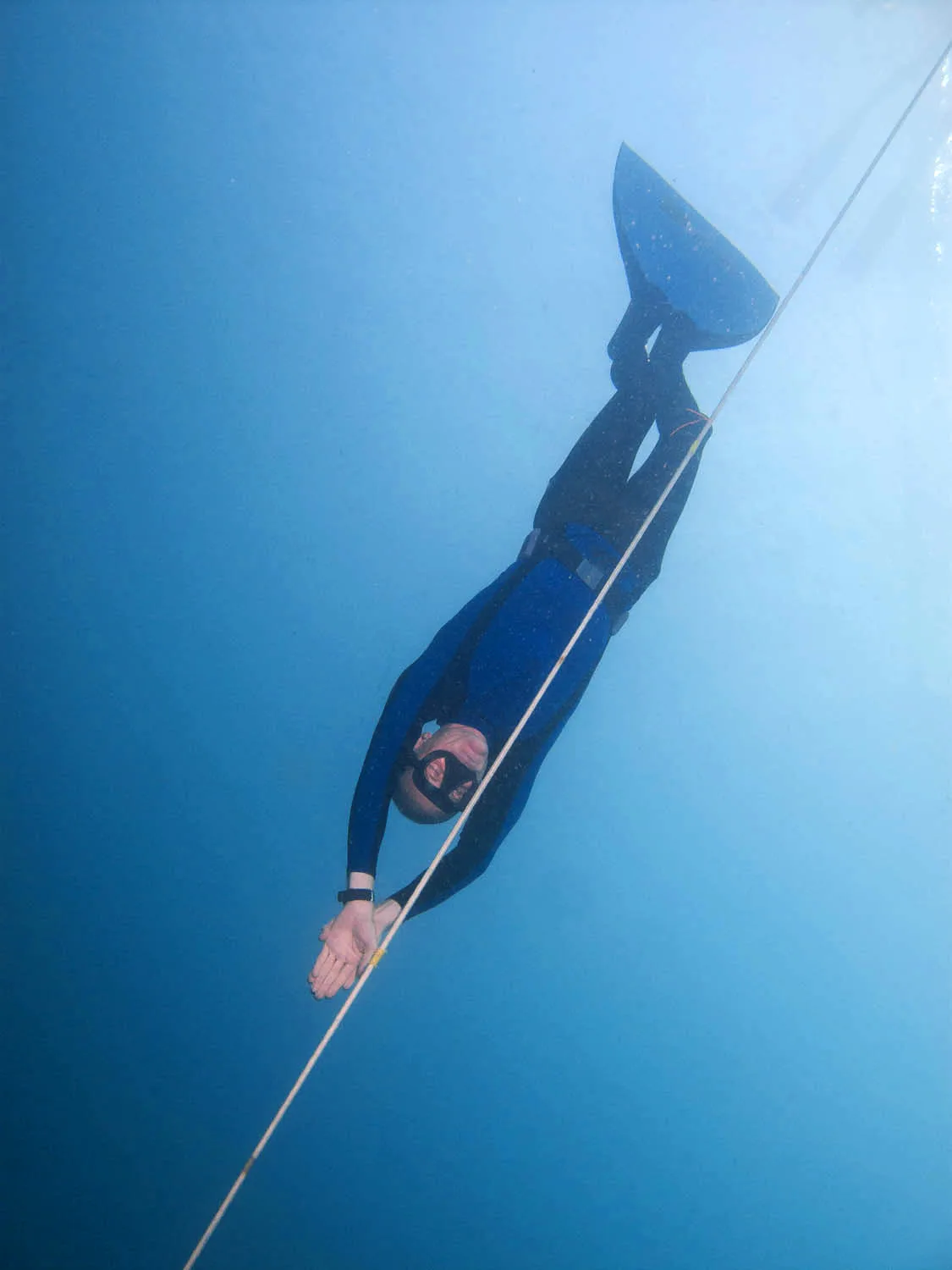
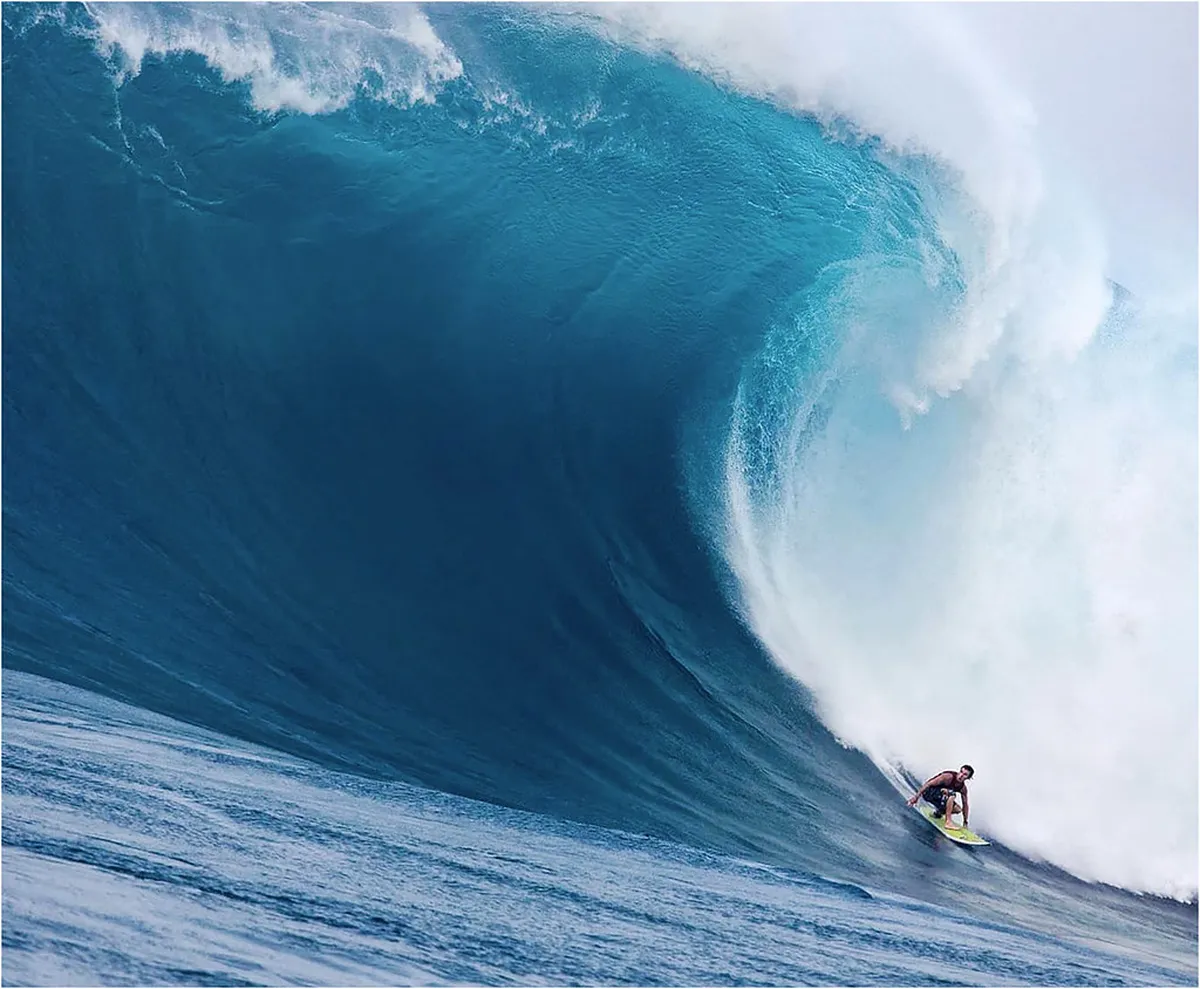
Featured image: Andy Moreno, Public domain, via Wikimedia Commons.
Quick answer: where to freedive in Thailand
Start on Koh Tao if you want a first course. Dive schools line Sairee Beach, the island's most popular area, and beginner programs are easy to find. Koh Phangan is the other Gulf option. On the Andaman side, Phuket, Krabi, Koh Lanta and Koh Lipe all have freediving schools. Use the comparison below to match island, season and course goal.
Thailand freediving destinations compared
Thailand splits into two sea regions: the Gulf of Thailand and the Andaman Sea. Your travel month often decides the coast before anything else does. This table sets out the main bases at a glance.
| Destination | Coast | Best for | Open-water training |
|---|---|---|---|
| Koh Tao | Gulf of Thailand | First courses, many schools | Yes |
| Koh Phangan | Gulf of Thailand | Training with a quieter base | Yes |
| Phuket | Andaman Sea | Courses with easy flight access | Yes |
| Koh Lanta | Andaman Sea | Slower pace, longer stays | Yes |
| Koh Lipe | Andaman Sea | Schools listed, no dedicated guide yet | Yes |
| Bangkok | Inland | Pool-based practice and planning | No |
5 Best Places for Freediving in Thailand
Each entry below names the best use of that base and who should look elsewhere. Open the linked guide for the island-level detail.
1. Koh Tao
Koh Tao is the default choice for a first freediving course in Thailand. Schools cluster along Sairee Beach, the island's most popular area, so comparing options on foot is simple. Beginner programs here typically combine classroom sessions, breathing and equalisation work, a rescue session and open-water rope dives. Some schools run this over two days.
Expect to share the island with scuba and snorkeling crowds, since the same boats and beaches serve all three. Skip Koh Tao if you want a deserted shoreline or have only a few hours to spare. Our Koh Tao freediving guide covers schools and conditions in depth.
2. Koh Phangan
Koh Phangan sits in the Gulf alongside Koh Tao and suits freedivers who want training without the busiest school strip. Haad Rin and Thong Nai Pan are the bases most visitors compare. It works well for a course followed by a few self-directed practice days with a buddy. Rest days between sessions are part of safe progression.
Ferry timing matters for a Gulf island, so plan arrival the day before your course starts. Skip it if you want the widest choice of schools in one walkable area. Read the Koh Phangan freediving page before you commit.
3. Phuket
Phuket is the Andaman gateway, with an international airport and the shortest transfer time to a school. Cortex Freediving lists Phuket among its bases and teaches AIDA and Molchanov's courses. That makes it a practical choice for a short trip where ground logistics would otherwise eat a course day.
Beaches and roads are busier than on the smaller islands, so pick accommodation near your school to protect early starts. Skip Phuket if you want an island-village atmosphere. Our Phuket freediving breakdown compares the options.
4. Koh Lanta
Koh Lanta is an Andaman island that rewards a slower itinerary. It suits people who want a course plus several days of easy practice instead of a rushed weekend. Schedule a rest day after each training block. Gradual progress matters more than depth, especially for equalisation.
Getting there takes a transfer from the mainland, so build a buffer day around arrival and departure. Skip it for a two-day trip, since the journey eats too much of the time. See freediving on Koh Lanta for access and seasons.
5. Bangkok
Bangkok is not an open-water freediving destination. Treat it as a place for planning, medical checks and, where a pool is available, dry or pool practice. Use a layover here to book your island school, sort travel insurance and get any ear or sinus concerns assessed by a doctor.
Pool sessions can build comfort before you reach the sea, but confirm what each facility offers before relying on it. Skip Bangkok if your goal is depth or open-water certification. The Bangkok freediving page explains the realistic options.
Freediving courses in Thailand: what to expect
A beginner course usually moves from theory to water in a fixed order. Expect breathing and relaxation, equalisation, a rescue session, a static breath hold, a written exam and open-water dives on a rope. One Koh Tao school's 2019 course ran two days, from 08:30 to 16:00, with gear and lunch included. Beginner standards reported for Molchanov's Wave 1 include a 90-second static hold, a 30 m horizontal dive and a 12–20 m open-water dive. Confirm current requirements with your school. Our beginner course guide walks through each level. On agencies, AIDA, Molchanov's and SSI each set their own standards, so compare syllabus and prerequisites rather than brand names. The AIDA certification overview explains that route.
Pair the 08:30 to 16:00 course day with a buffer day on each side for ferries or flights, because choppy surface water can cancel sessions.
When to go: Gulf vs. Andaman seasons
The Gulf and the Andaman Sea follow different monsoon patterns. A sheltered coast in one month can be rough in another. Check the Thai Meteorological Department forecast for your dates before you pick an island. Use a simple rule: choose the coast with calmer seas and clearer water on your travel dates. If both look marginal, book a refundable school slot and keep a few spare days. Rough surface conditions can cancel sessions, so avoid squeezing a course into the last day of a trip.
Costs, time and logistics
Prices and hours checked November 2026 against school pages where available; rates shift by season and school. One 2019 Koh Tao quote listed a two-day beginner course at ฿6,000, so treat that as a historical marker only. Budget for course, accommodation and rest days. Plan at least two days for the course itself, plus a buffer day on each side for ferries or flights. Gulf islands need a ferry plus a mainland bus or flight. Andaman bases generally connect through Phuket or Krabi. Wait before flying after diving, and ask your school about its no-fly guidance. If your island sits within a marine park, review rules and fees with the Department of National Parks.
How to choose a school and stay safe
Choose on safety practice first, then price. Ask these questions before paying a deposit.
Compare any new quote against the ฿6,000 two-day figure, but only as a 2019 reference, and confirm gear, lunch and boat costs are included.
- Group size
- Ask for the instructor-to-student ratio and whether small groups are guaranteed.
- Rescue and safety divers
- Confirm rescue training is part of the course and that a safety diver is in the water for every dive.
- Certification body
- Ask which agency certifies you, and what level you leave with.
- Inclusions
- Check that gear, lunch and any boat costs are included in the quoted price.
- Medical and weather policy
- Expect a medical declaration, and ask what happens to your booking if seas are too rough.
Who should skip what
Match the plan to the time you have. A first-timer with a three-day itinerary should not chase depth, because equalisation takes patience. Anyone with unresolved ear or sinus problems should see a doctor first. Short stays suit an intro session rather than a full certification. Never practice breath-hold dives alone, in any destination.
Frequently Asked Questions
Is there good diving in Thailand?
Yes. Thailand has scuba and freediving schools on both the Gulf and Andaman coasts. Koh Tao is best known for beginners, while Phuket, Krabi and Koh Lanta serve the Andaman side.
What is the no. 1 rule in freediving?
Never freedive alone. Always train with a trained buddy who can watch you and perform a rescue. Good Thai schools build this rule into every session.
Explore More Guides
Keep planning your trip with these guides.
Guides
- Freediving Course in Thailand
- AIDA Freediving Thailand: Courses, Levels & Where to Learn
- Koh Tao Freediving: Courses, Prices and How to Choose
- Koh Phangan Freediving: Courses, Intro Dives & How to Choose
- Phuket Freediving: Courses, Sites & Trip Planning
- Koh Lanta Freediving: Courses, Sites & What to Check
- Bangkok Freediving: Pool Training, Courses & Gear (Guide)
Notes for your next dive trip
Optional updates to our Thai diving guides.
You might also like

Continue reading
More guides you'll find useful