Koh Phangan Freediving: Courses, Intro Dives & How to Choose
Thinking of freediving on Koh Phangan? Compare intro days vs courses, what to check before booking, getting to Chaloklum Bay, and when it suits you.
On this page
Last updated November 2026. Koh Phangan freediving is a small but real option, with a 1-day intro and full courses listed on the island. Most dive-shop results here are scuba, so this guide separates the two and shows how to pick a format. For the national picture, start with our overview of freediving across Thailand.
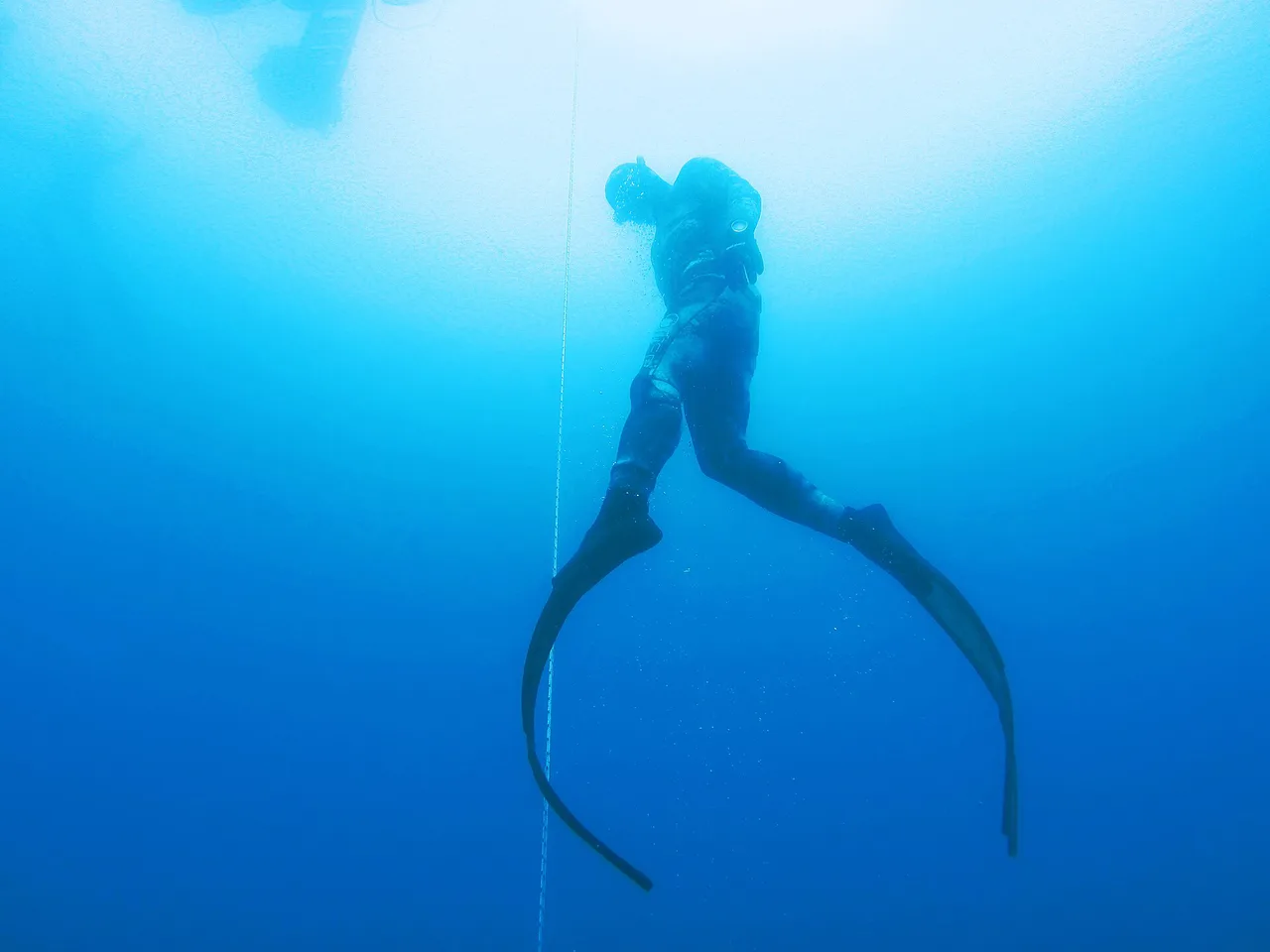
Featured image (a freediver in Ireland, shown for illustration): Simukas771, CC BY-SA 4.0, via Wikimedia Commons.
Freediving on Koh Phangan: The Short Answer
Yes, you can learn to freedive on Koh Phangan. A listing on kohphangan.com describes a "Discover Freediving" day: 1 day, dives to 12 m, a maximum of 3 students, with equipment and lunch included. A school called Apnea Koh Phangan has also advertised courses from beginner to instructor level under the Apnea Total system, based at The Dive Inn on Chaloklum Bay. That second description comes from a 2015 post, so treat the school's current status as something to check directly.
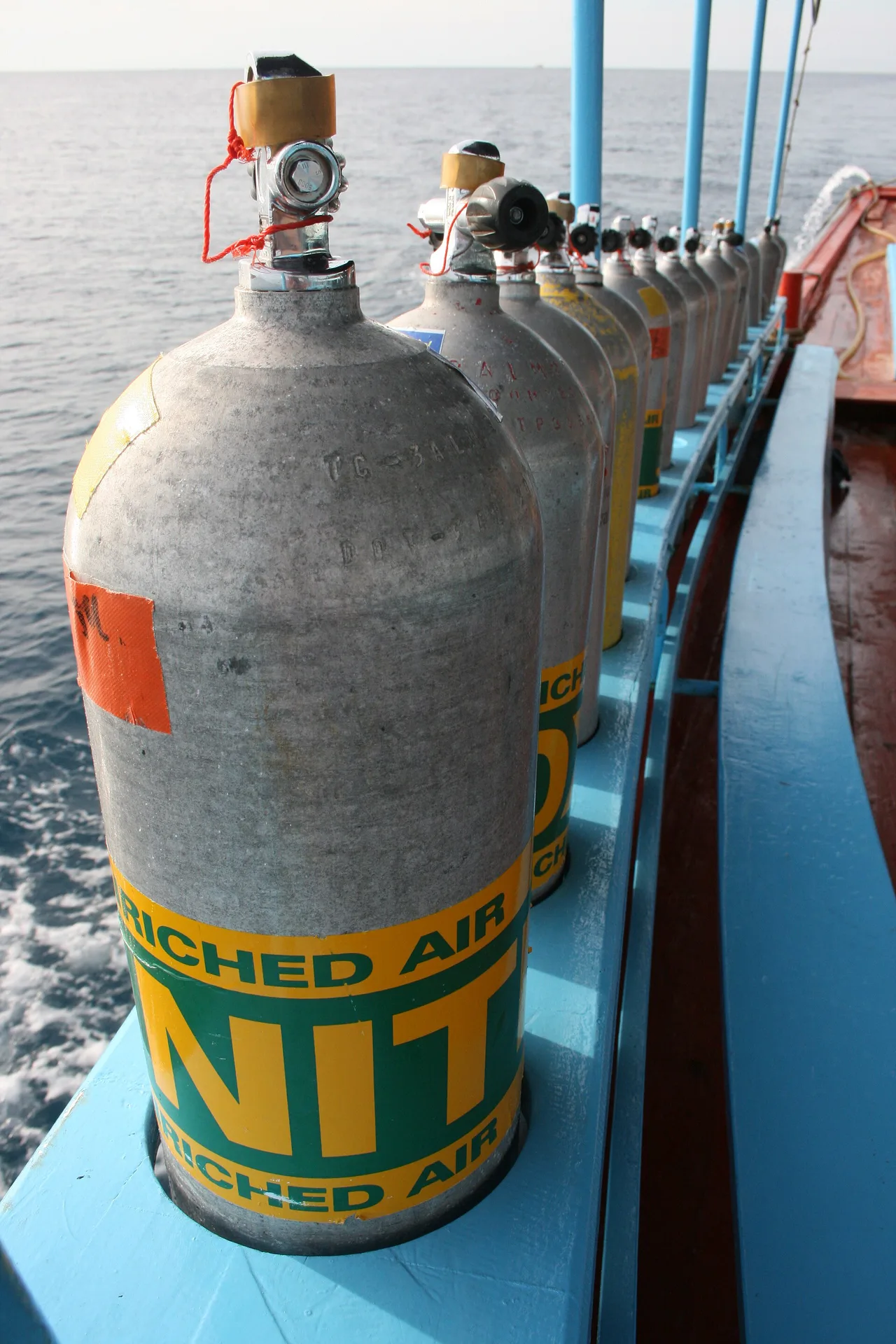
Freediving is not scuba. You hold one breath and go down on your own lungs, with no tank and no regulator. Scuba centers on the island, such as Sail Rock Divers, run PADI courses and boat trips to Sail Rock, Koh Tao and Ang Thong National Marine Park. Those are scuba products. A "dive center" search result does not mean anyone there teaches breath-hold diving.
This page suits you if you want a first taste of breath-hold diving on a Gulf of Thailand island. It suits you less if you want a dense choice of schools, a long certification track or a quiet training routine. In those cases, the comparison section below points to better-fit islands.
Intro Day or Full Course? How to Choose
An intro day answers one question: do you enjoy this? A full course answers a different one: can you dive safely and independently? The listed intro caps depth at 12 m and group size at 3. That small ratio is a good sign, because freediving instruction depends on close supervision.
Certification systems differ in naming and structure. Apnea Total and AIDA both appear in Thailand. Our guide to AIDA course options explains how one system's levels are laid out. For a wider look at pricing structure and course length, see our guide to Thailand freediving courses. Neither system is better by default. Pick the school and instructor first, then the badge.
| Format | Time | Depth | Group size | Best for |
|---|---|---|---|---|
| Intro day | 1 day | Up to 12 m (listed) | Max 3 students (listed) | Curious beginners, short stays |
| Beginner course | Several days; confirm with the school | Set by the course standard | Ask the school | Anyone who wants certification |
| Advanced course | Longer; confirm with the school | Deeper, per the system's standard | Ask the school | Divers with prior training |
Where It Happens: Chaloklum Bay and Getting There
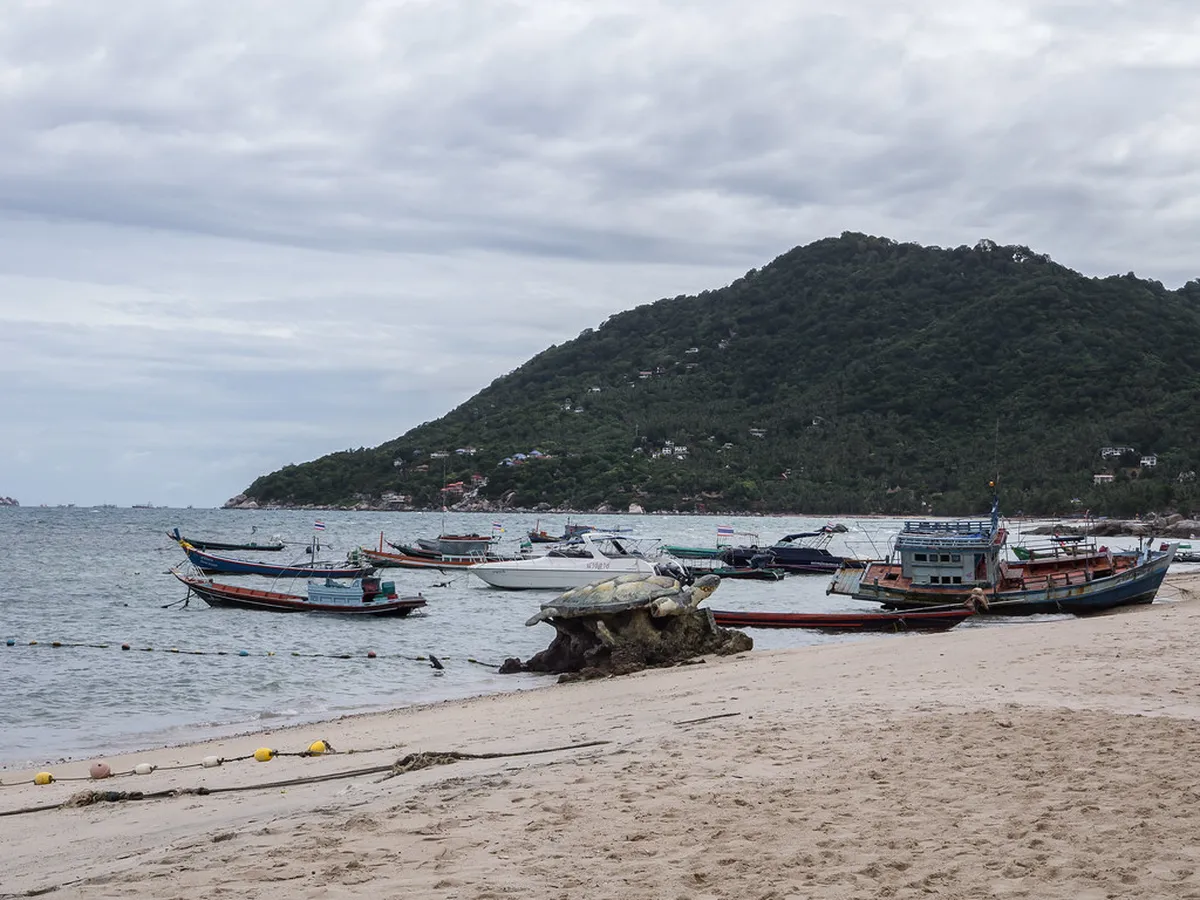
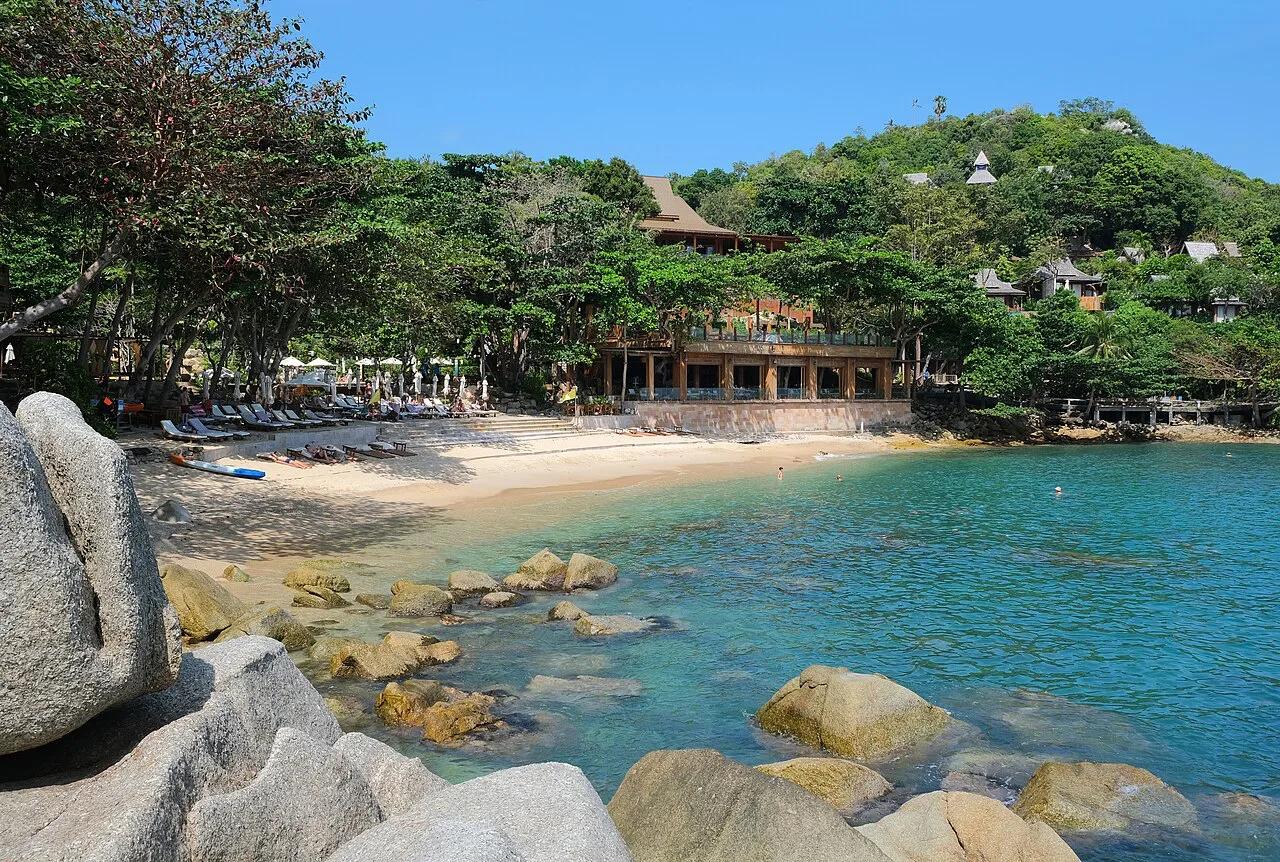
Chaloklum Bay sits on the island's north coast, and it is the stated base of the Apnea Koh Phangan school. If your hotel is in Chaloklum itself, logistics are simple. If you are in Haad Rin, Thong Sala or Srithanu, plan a road transfer. Check the route on a map and ask the school about pickups.
Scooter or taxi? A scooter gives flexibility but adds risk when you are tired after training. Taxis cost more and need booking ahead for early starts. Many students pick a taxi for the first day, then decide. Ferry timetables from Surat Thani and Koh Samui are on the operators' own sites, so check them before you plan a morning session.
| Base | Transfer effort to Chaloklum | Vibe | Fit for training |
|---|---|---|---|
| Chaloklum Bay | Minimal | Fishing-village bay | Best for early starts |
| Thong Sala | Road transfer | Ferry pier and town services | Good middle ground |
| Srithanu | Road transfer | Yoga and wellness crowd | Good for a calm routine |
| Haad Rin | Longest road transfer of the four | Party scene, Full Moon crowds | Weakest for rest and early starts |
Conditions and Best Time to Go
Freediving depends on calm water and clear visibility. In the Gulf of Thailand, monsoon weather changes sea state and can cancel sessions. Check the Thai Meteorological Department forecast and ask the school which months it considers reliable. Schools know their own bay better than any generic calendar.
Bay choice matters too. A sheltered cove can stay workable when exposed beaches are choppy. Ask where the school trains on a given day and what its fallback is when the wind turns. A good school will name a backup site without hesitation.
Safety, Fitness and What to Ask a School
Freediving risks are real but manageable. Never dive alone, and never train without a trained buddy or supervisor watching. Expect a medical self-declaration form, a briefing on equalising your ears, and rescue practice in a first course. Ear problems are the most common reason beginners cut sessions short.
Ear equalising, the usual reason beginners stop early, matters most on a listed intro that dives to 12 m.
Flying after diving needs a waiting period. Do not guess the interval. Ask the school for the figure from its agency standard, whether AIDA, Apnea Total or DAN guidance. Book your departure flight with that in mind.
Party nights matter more than people expect. Sleep loss and alcohol hurt breath-hold performance and judgment. If your stay overlaps a Full Moon Party, schedule training well away from it.
- Which agency standard do you teach, and who certifies the course?
- What is the instructor-to-student ratio in the water?
- Who supervises each dive, and how is rescue practiced?
- Where do we train if the bay is rough?
- What does the price include: equipment, lunch, boat or shore access, insurance, certification fee?
- What is the flying interval after the final dive, and in which document is it written?
Costs and Time Budget
Prices change by season and school, so ask for a current quote in baht. The listed intro includes equipment and lunch, which is a useful baseline. For any course, ask whether insurance, certification fees and transfers are included or extra. Compare total cost per day, not headline price alone.
Measure a full course against the 1 day a listed intro takes, since a longer track can reshape your whole island stay.
Budget time as well as money. An intro day uses 1 day. A full course takes longer and needs rest days, especially if your ears are slow to adapt. Pool practice at home helps, and our note on pool sessions in Bangkok covers one option before you travel.
Mistakes worth avoiding: booking scuba when you want freediving, flying too soon after deep dives, training sleep-deprived after a party night, and choosing a school on price alone.
Phangan vs Koh Tao, Phuket and Koh Lanta
Phangan suits travelers who want a short intro or a course tucked into an island stay. Koh Tao is the nearest alternative, and its freediving schools are covered in our guide to Koh Tao's freediving schools. Koh Tao is built around diving, so expect more schools to compare. Phangan offers a quieter option if you also want yoga, beaches or nightlife.
On the Andaman side, Phuket's freediving scene and the Koh Lanta options work better if you are already traveling that coast. Choosing between coasts depends on the season you travel. Ask each school what its sea is like in your month.
| Island | Choose it when | Skip it when |
|---|---|---|
| Koh Phangan | You want a small-group intro or a base near wellness and beaches | You want many schools to compare |
| Koh Tao | You want a diving-focused island with more choice | You prefer a quiet, non-dive island stay |
| Phuket | You are already on the Andaman coast | Your trip is Gulf-side only |
| Koh Lanta | You want a slower Andaman island base | You need frequent ferry links |
Notes for your next dive trip
Optional updates to our Thai diving guides.
You might also like
Continue reading
More guides you'll find useful