Mae Haad Koh Phangan: Snorkeling, Sandbar & Tide Guide
Mae Haad beach on Koh Phangan: tide-dependent snorkeling, the sandbar to Koh Ma, when to go, hazards, and how to get there.
On this page
Last updated November 2026. Mae Haad Koh Phangan is a beach on the island's west coast, facing little Koh Ma and the sandbar that links the two. Snorkeling a short swim from the sand and the sandbar walk are the draws. Tide, crowds and mixed cleanliness reports are the catches, so it suits easy half-day stops better than quiet-beach seekers. Looking for the ferry pier on Koh Tao that shares the name? That is a different place, so look for a Koh Tao guide instead.
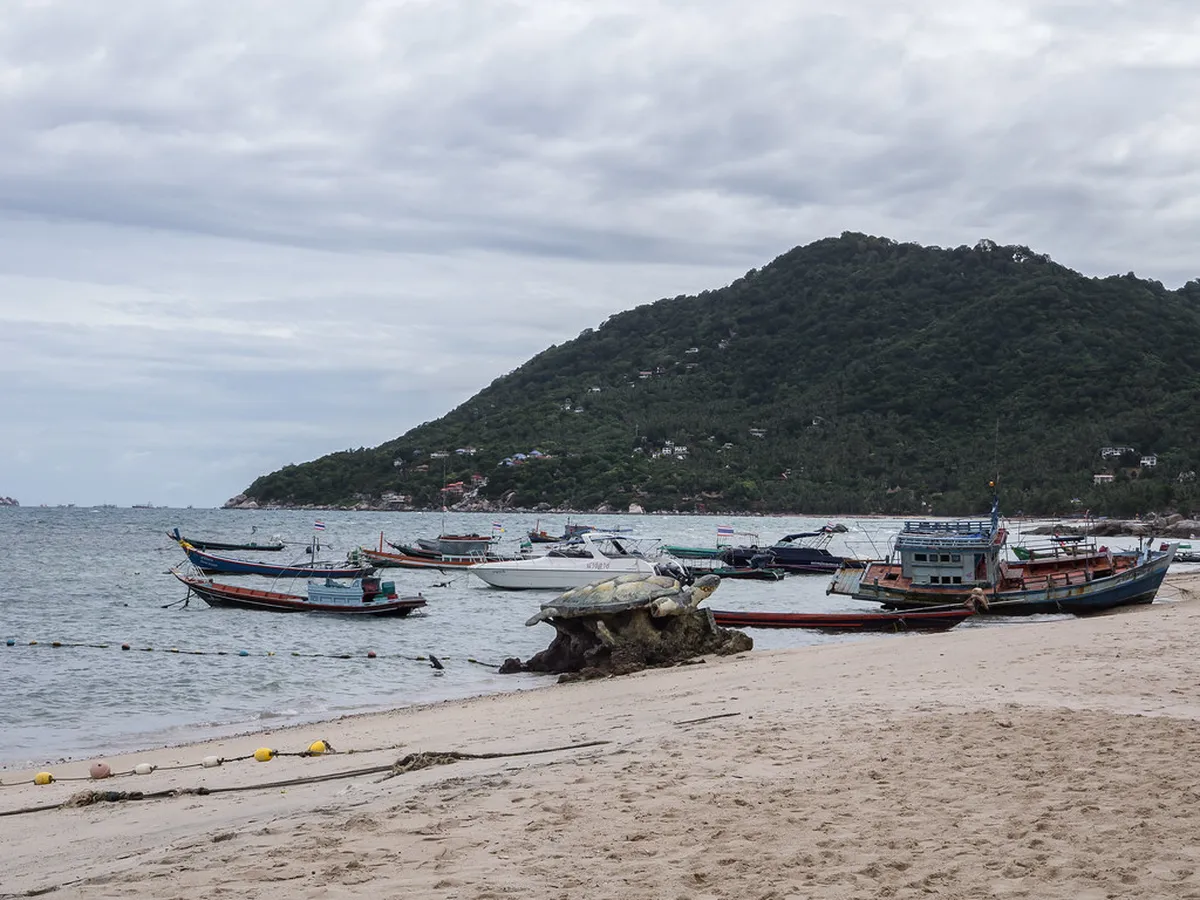
Featured image: Edgardo W. Olivera, CC BY 2.0, via Flickr.
Mae Haad Koh Phangan at a Glance
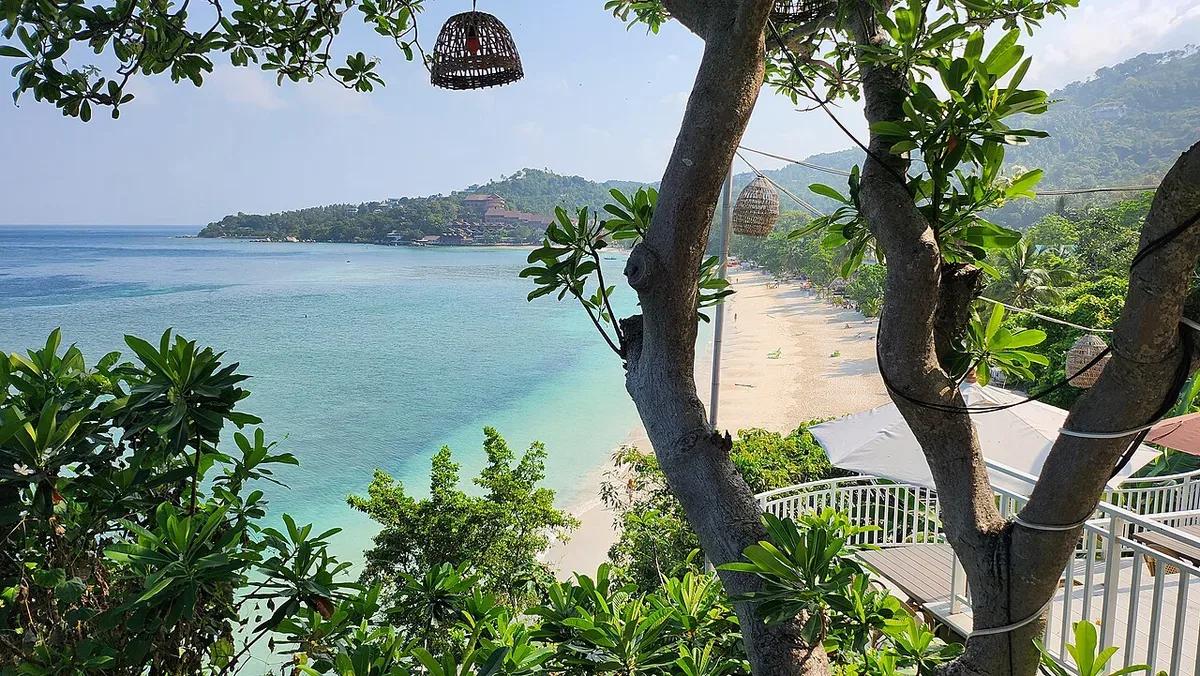
Mae Haad sits on Koh Phangan's northwest coast. Its beach looks across to Koh Ma, a small island you can reach on foot over a sandbar when the tide allows. Entry to the beach is free. A scooter gets you there, and a pier and several dive and snorkel operators work nearby.
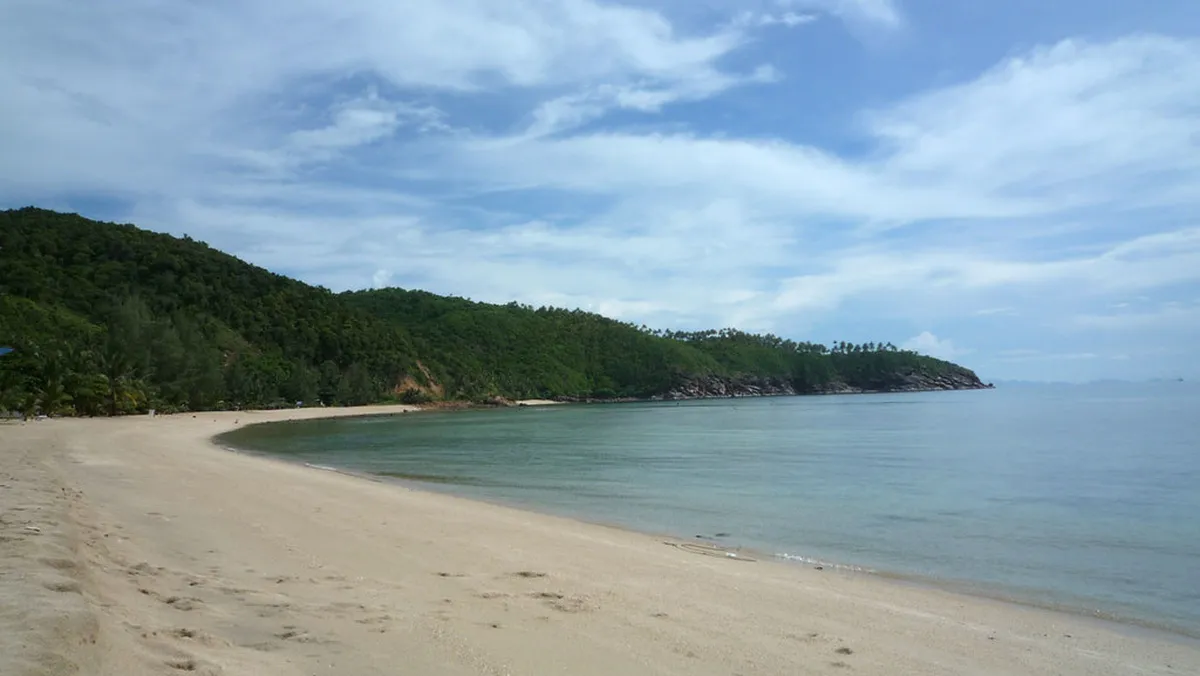
Visitors praise the easy snorkeling and the convenience. Others report litter, dead coral and jellyfish. Expect a busy, practical beach rather than a secluded one.
This is the west side of the island. It is not the Haad Rin party area, which is on the opposite end of Koh Phangan and has a different character.
- Best for: snorkeling without a boat, the sandbar walk, a beachside meal, a half-day stop
- Skip if: you want a clean, empty beach, or you cannot swim and will not wear a vest
- Cost: beach access is free; ask locally about gear rental, food and transport
Best Time to Visit: Tide and Time of Day
Tide decides most of your day here. Visitors describe swimming and snorkeling as difficult at low tide and best around high tide. Check a local tide table or ask your accommodation before you set out.
Mornings are quieter and offer more shade. Crowds build in high season, and some stretches of sand fill up faster than others. Late afternoon is the other option if you prefer to trade calm for light.
- High tide: snorkel first, then walk the sandbar only if it is still clearly exposed
- Low tide: skip the swim, walk the bar, eat lunch, and return to the water later
- Unsure of the tide: go early, ask a nearby operator, and keep your plans flexible
Snorkeling at Mae Haad
Reef starts close to shore, so you can snorkel without hiring a boat. A local dive operator's profile reportedly gives the site a depth range of 0–22 m, over big rocks and a sandy bottom. Most snorkelers stay in the shallow part.
Anyone wanting the deeper end of the reported 0–22 m range should book a boat with a dive operator, not swim from the sand.
Conditions vary. Visitors mention limited visibility on some days and dead coral in places. Coarse sand, stones and coral make water shoes worthwhile. Bring your own mask if you are fussy about fit.
Jellyfish are mentioned in visitor reports, including box jellyfish. Stay out of the water if lifeguards or locals warn against it. Wear a rash vest for extra cover.
For other spots around the island, see our Koh Phangan snorkeling spots guide.
Walking the Sandbar to Koh Ma
The sandbar is the signature scene at Mae Haad. At low water it becomes a walkable strip toward Koh Ma. Treat that as a tide-timed trip, not a fixed activity.
Wear sandals or water shoes, since stones and coral sit under the sand in places. Turn back before the water starts covering the bar. Keep children and non-swimmers within arm's reach, and leave if the crossing looks wet or the current is moving.
You can find the island side of the story in our Koh Ma snorkeling guide.
- Check the tide before you leave the beach
- Go in footwear, not bare feet
- Plan your return before you start the crossing
Diving and Boat Trips from Mae Haad
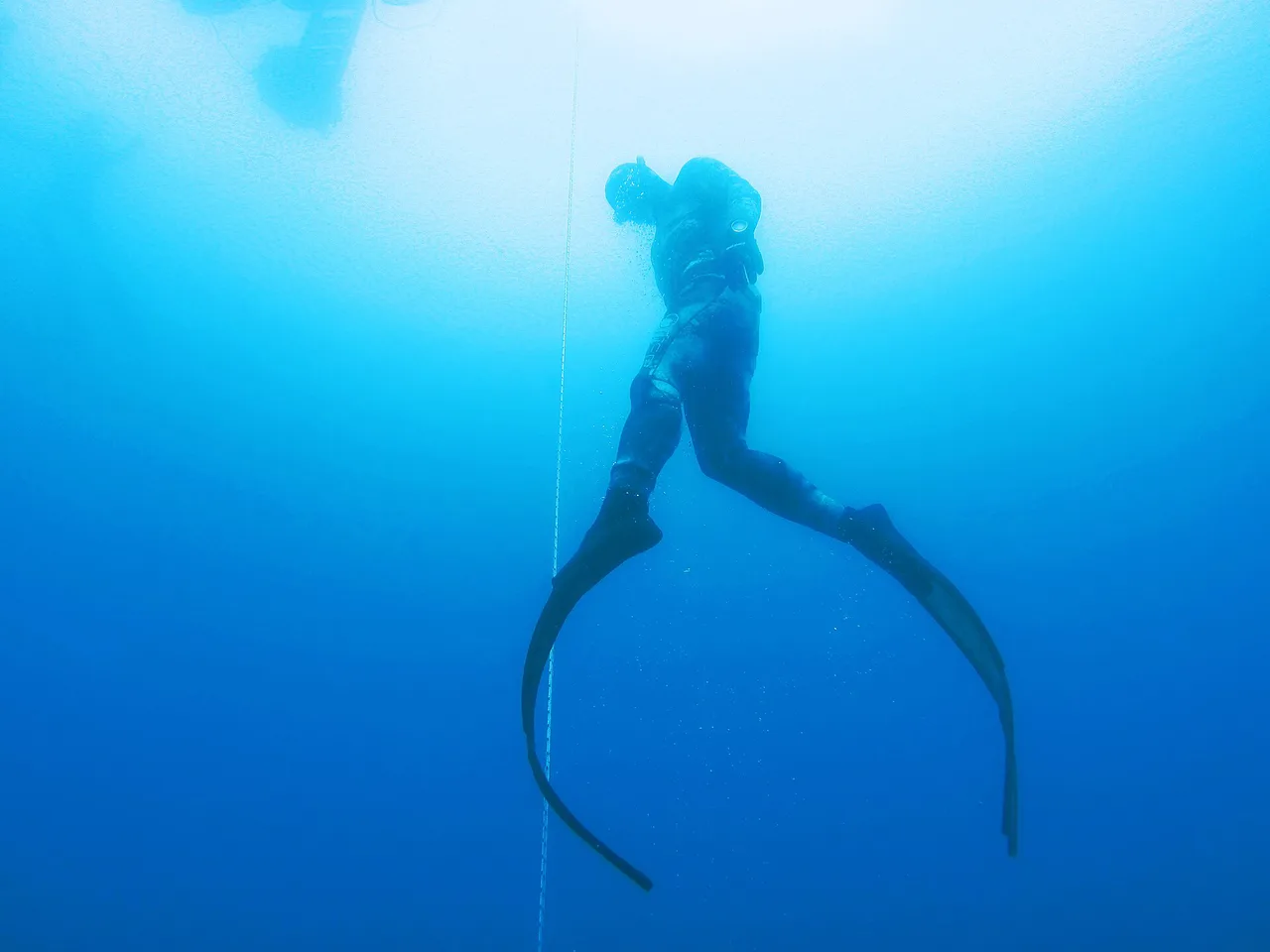
Shore snorkeling is fine for casual swimmers. Certified divers and trial divers get more from a boat trip to deeper sites. Our Koh Phangan diving overview explains the options.
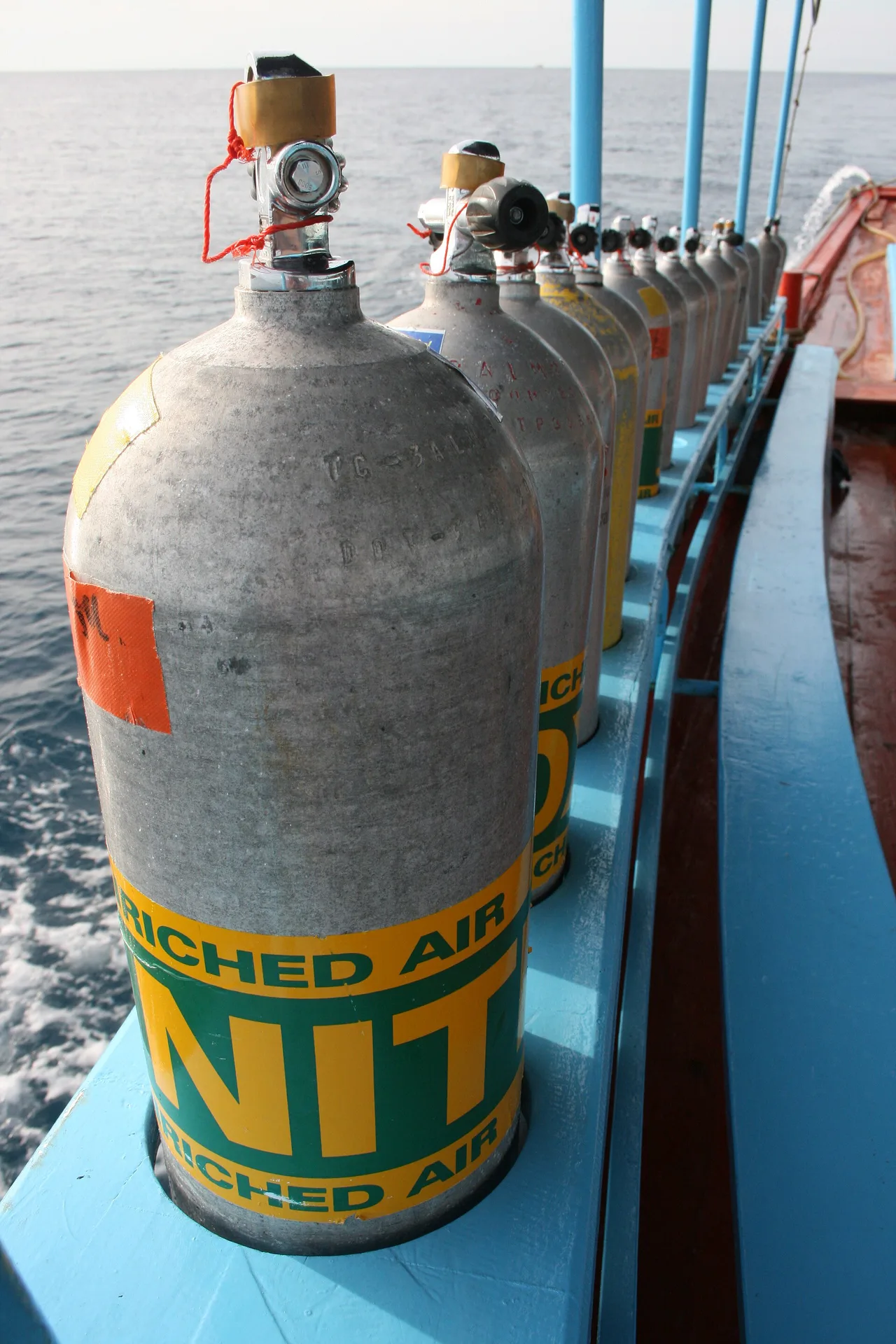
For named sites around the island, read the dive site guide. When you are choosing an operator, compare them in our dive shop roundup.
If you want a certification, PADI courses on Koh Phangan are covered separately. Course levels are listed on the PADI course pages. Divers should also hold dive insurance, and Divers Alert Network is one source for it.
| If you want | Choose |
|---|---|
| Easy swimming and fish near the sand | Mae Haad shore snorkeling at high tide |
| Deeper reef and a guide | A boat trip with a dive operator |
| A clean, quiet beach | Another beach on the island |
Getting There and Getting Around
Mae Haad is reached from Thong Sala, the island's main pier town. You can ride a scooter, take a taxi or use a songthaew. Each trades cost, flexibility and safety differently. Fares change by season, so ask locally for current prices.
On arrival, look around for parking, shade, toilets and rental stalls. Availability varies by operator and season.
| Option | Trade-off |
|---|---|
| Scooter | Most flexible; free beach access; needs a license and careful riding |
| Taxi | Easiest door to door; usually costs more than the others |
| Songthaew | Cheaper shared ride; less flexible timing |
Food, Facilities and Where to Stay Nearby
Restaurants and bars line the area, so lunch is easy after a swim. Cafes are close to the sand too. Shade comes from a few trees, so arrive early to claim a spot.
Bungalows and villas operate nearby. Pick a base near the water if you want tide-timed swims, or stay further along the coast for calmer evenings.
Mae Haad vs Other Koh Phangan Beaches
Haad Salad and Haad Yao are the other west-coast options. This quick comparison is qualitative and reflects visitor reports.
| Beach | Vibe | Snorkeling | Crowds |
|---|---|---|---|
| Mae Haad | Busy, practical | Easy, tide-dependent | Heavy in high season |
| Haad Salad | Beach-bar stop | Check locally | Varies |
| Haad Yao | Longer beach | Check locally | Varies |
Mistakes to Avoid
A few simple errors spoil most visits. Skip these and the day goes smoothly.
- Arriving at low tide and expecting a swim
- Walking the sandbar without footwear
- Ignoring jellyfish warnings
- Leaving the crossing until the water is rising
- Expecting a clean, quiet beach in high season
Notes for your next dive trip
Optional updates to our Thai diving guides.
You might also like

Continue reading
More guides you'll find useful