Koh Phangan Snorkeling: Spots, Season & Tour vs DIY
Plan Koh Phangan snorkeling: shore bays, Koh Ma, boat tour vs DIY, conditions, safety rules and who should skip it.
On this page
Last updated November 2026. Koh Phangan snorkeling is a modest, conditions-dependent option rather than the island's main draw. The best approach is either a swim from a sheltered bay or a boat trip to a nearby islet, and sea state decides which one works on a given day. Our guide helps you choose between them.
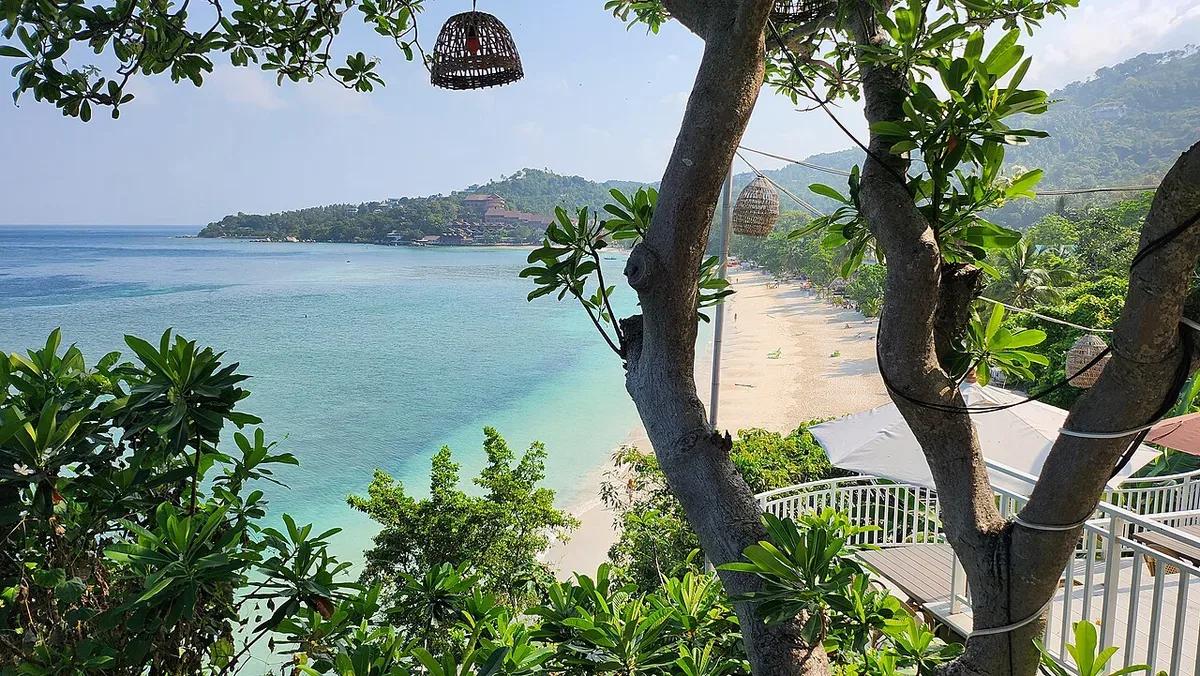
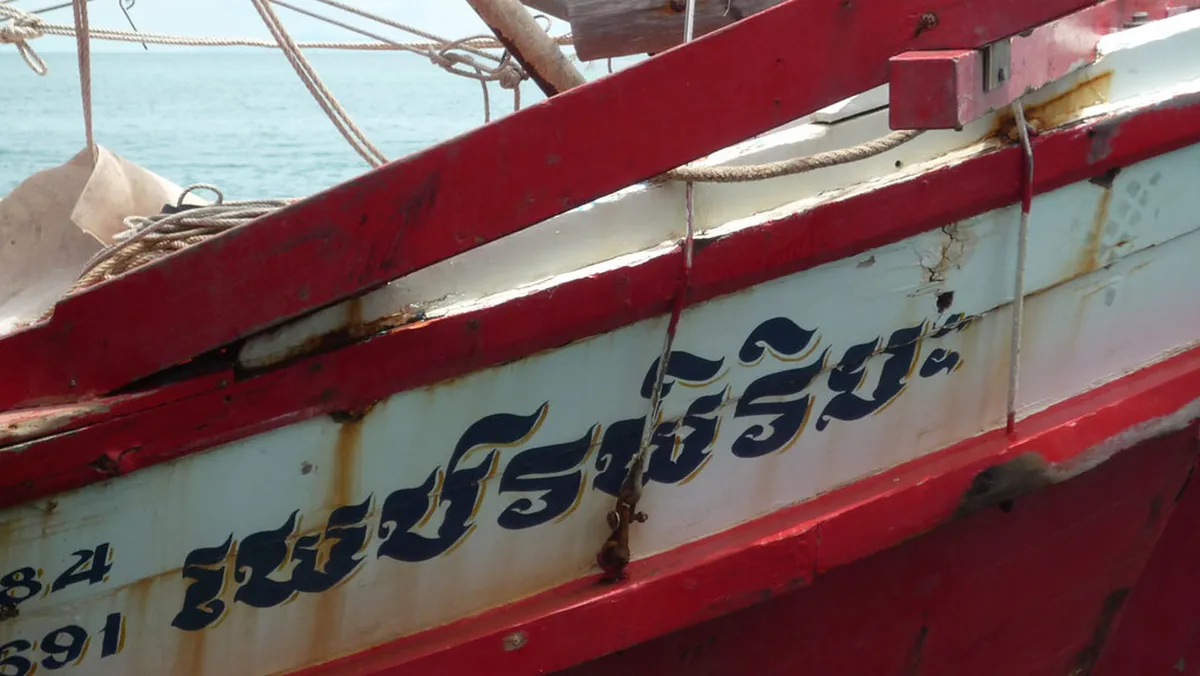
Featured image: Renek78, CC BY-SA 4.0, via Wikimedia Commons.
Is Koh Phangan Snorkeling Worth It?
Yes, if you treat it as a relaxed add-on to a beach stay. Expect shallow reef, rocks and sandy bays rather than a dedicated snorkeling destination. Strong swimmers who are flexible about timing will get the most from it. Visitors with one free day, or those who need guaranteed clear water, may be happier with a guided trip. Reef quality and visibility change from bay to bay and from day to day.
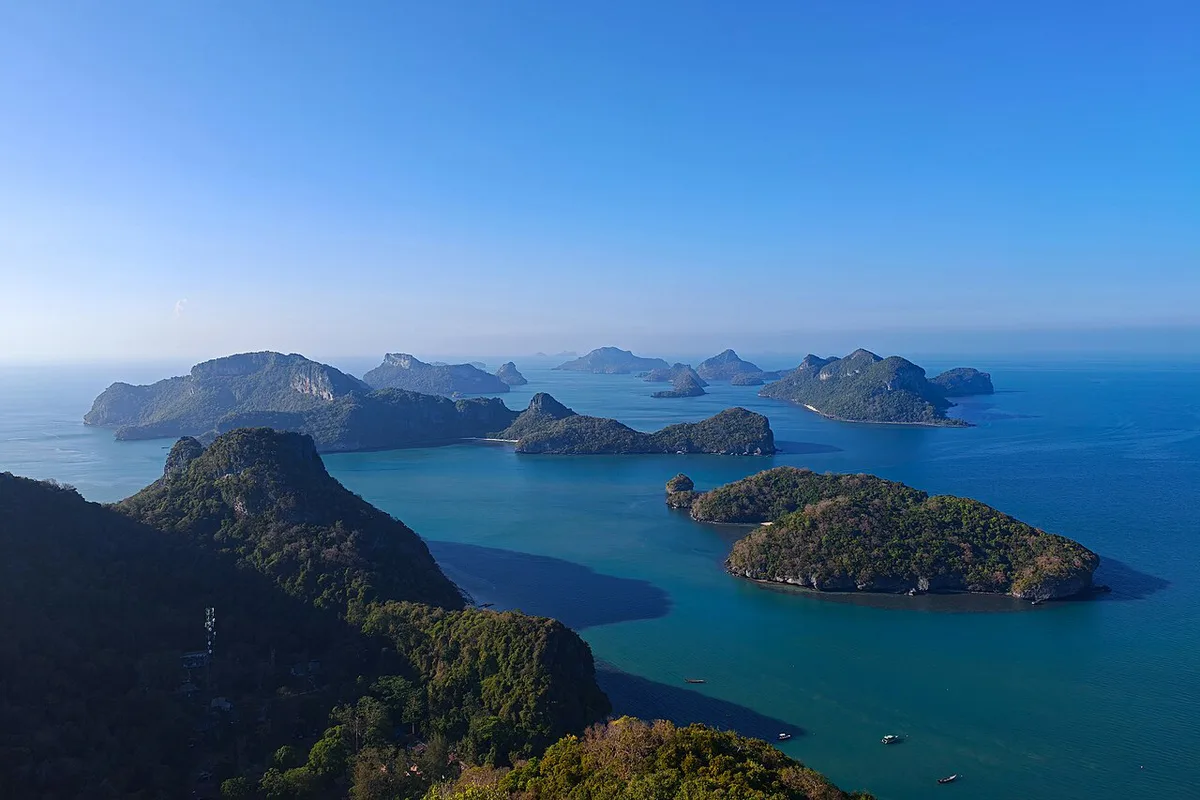
Where to Snorkel: Beaches, Bays and Nearby Islands
Group your options by access. Shore snorkeling means walking into the water from a beach. Boat snorkeling means a longtail or tour boat takes you to a spot with more rock and reef structure. Local operators know which side of the island is calmest on the day, so ask before you commit.

- Koh Ma: a small islet linked to the beach by a sandbar off Mae Haad. Our Koh Ma snorkeling guide covers the swim in detail.
- Haad Yao: a long west-coast beach where you can swim from shore. Pick a calm day and stay near the rocky edges.
- Haad Salad: another west-coast bay for easy shore entry. Check the water before you pack a mask.
- Thong Nai Pan: a pair of sheltered bays on the northeast side. Calm mornings are the best bet.
- Reef sites for certified divers are described in our Koh Phangan Dive Sites: Sail Rock, Ang Thong and Koh Tao overview, useful context for what lies offshore.
Boat Tour vs. DIY: Which Fits You?
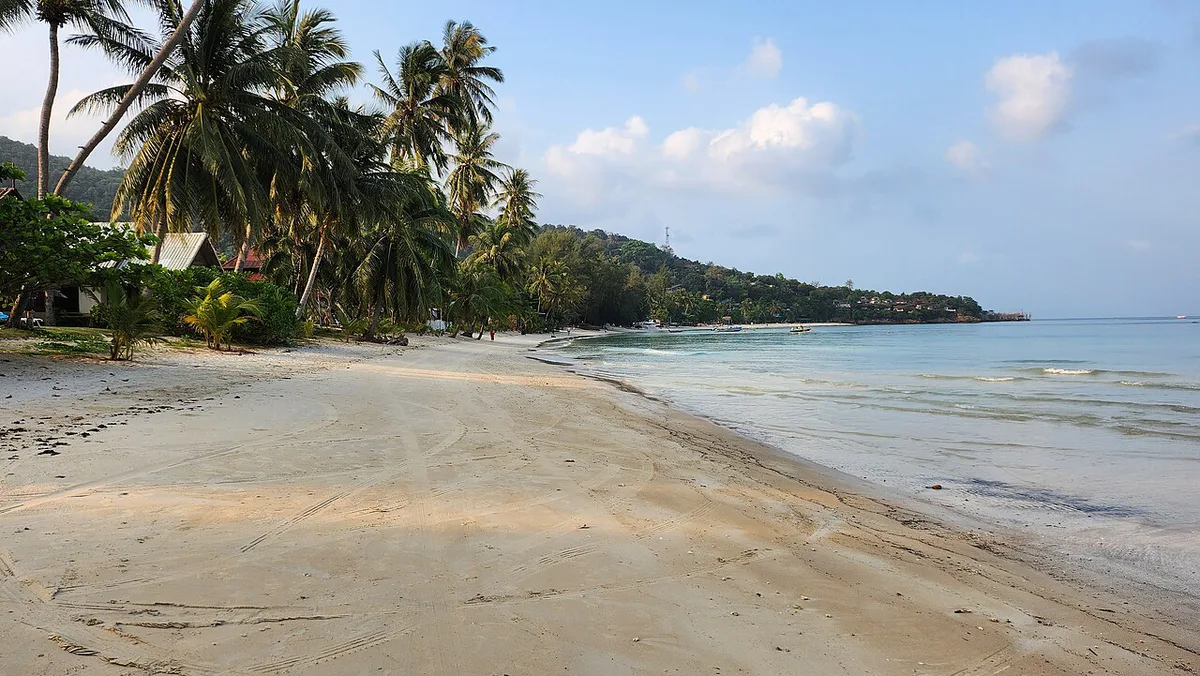
Pick DIY if you are a confident swimmer, own a mask, and can wait for a flat-water day. Pick a tour if you have limited time, want a guide watching the conditions, or prefer not to organize transport. Costs below are relative, because operator prices change by season.
| Option | Cost level | Time | Gear | Suits |
|---|---|---|---|---|
| DIY from a beach | Low | Flexible, a few hours | Bring or rent a mask and snorkel | Strong swimmers, budget travelers |
| Koh Ma swim | Low | Half day | Own or rented gear | Anyone staying near Mae Haad |
| Boat tour | Mid | Set trip, usually a half or full day | Usually supplied by the operator | Short stays, less confident swimmers |
| Add-on to a dive trip | Mid to high | Follows the dive schedule | Arranged with the shop | Divers with non-diving companions |

Best Time to Snorkel and What Visibility to Expect
Check the Thai Meteorological Department forecast for wind and rain, and ask your guesthouse about the local sea. Rough or silty water means poor visibility, whichever month you visit.
| Condition | What it means |
|---|---|
| Flat, clear surface | Good for shore swims and boat trips |
| Choppy surface with brown water | Skip it; you will see little |
| Strong wind on one coast | Try a bay on the sheltered side |
| Recent heavy rain | Runoff clouds nearby bays |
Costs, Gear and What's Included
Tour prices vary by operator and season, so ask each one what is included before booking. Rental masks are cheap relative to a tour, but check the fit and the seal.
Getting There and Where to Base Yourself
Staying near Mae Haad puts the Koh Ma sandbar within easy reach. For other bays, ask your accommodation about current transport and departure points.
Safety, Reef Etiquette and Mistakes to Avoid
Never stand on or touch coral, because damage takes years to repair. Follow any rules posted at protected sites, and check Thailand's national parks authority for marine park regulations. Divers Alert Network offers general guidance in its dive safety resources. Listen to every boat briefing and wear a life vest if you are unsure in deep water.
- Relying on one day's forecast: sea state can change by afternoon.
- Snorkeling in murky water: you will see little and risk collisions.
- Ignoring the operator's safety briefing.
- Standing on coral to adjust your mask.
- Skipping sun protection: wear a rash guard and reef-safe sunscreen.
Snorkeling vs. Diving: When to Step Up
If the shallow reef whets your appetite, a trial dive or certification is the next step. Read our guide to diving on Koh Phangan first. Compare operators in our Koh Phangan Dive Shops: How to Choose (2026) list. For course structure, see PADI options on Koh Phangan or browse PADI courses.
Notes for your next dive trip
Optional updates to our Thai diving guides.
You might also like
Continue reading
More guides you'll find useful