Fun Diving from Koh Lanta: Sites, Season and How to Book
Planning fun dives from Koh Lanta? Compare Koh Haa, Hin Daeng and Hin Muang, check the season, and learn what to ask a dive center before booking.
On this page
Last updated November 2026. A fun dive Koh Lanta trip is a guided dive for certified divers, with no course attached. Day boats head to offshore sites such as Koh Haa, Hin Daeng and Hin Muang, mainly in the November to April window. Use this page to match a site to your experience, then see our Koh Lanta diving overview for the wider picture.
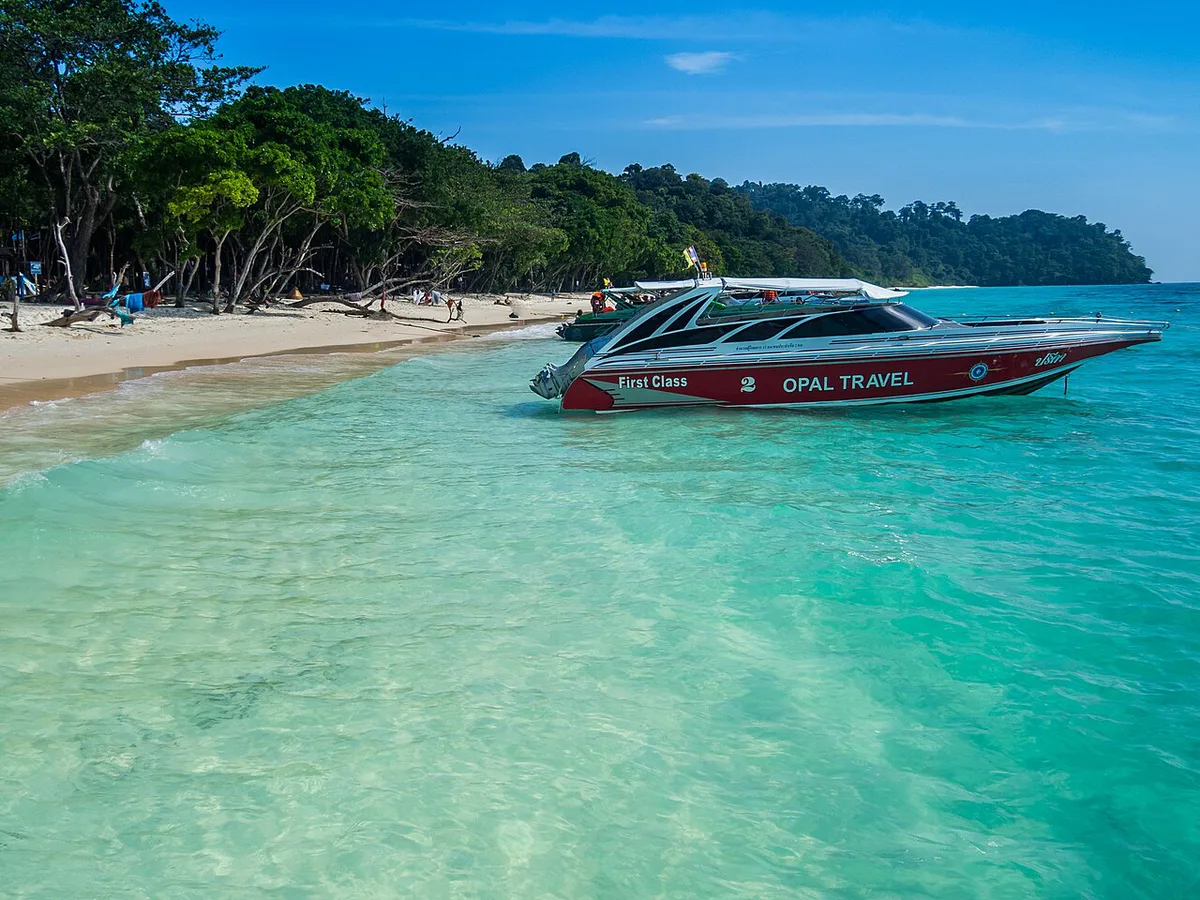
Featured image: Marcin Konsek, CC BY-SA 4.0, via Wikimedia Commons.
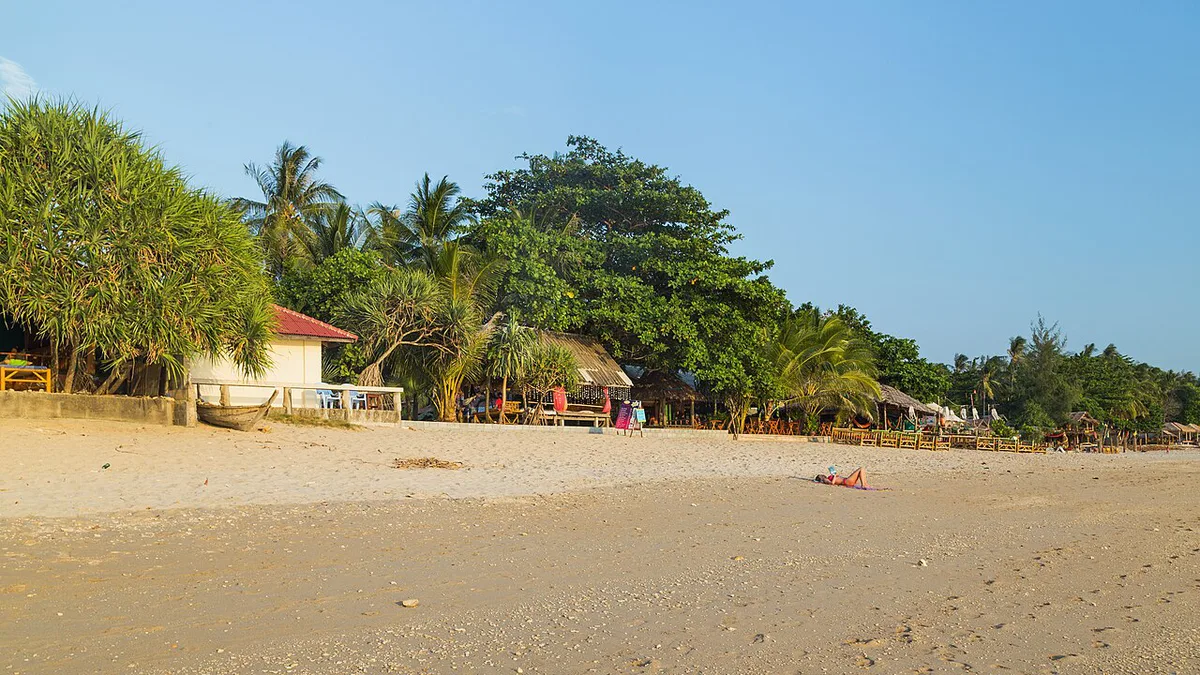
What a Fun Dive from Koh Lanta Involves
A fun dive is a recreational guided dive for people who already hold a certification. You pay for the boat, guide, tanks and weights, not for instruction. Most centers ask for your certification card and a logbook. Some also want proof of recent dives. Requirements differ between operators, so send your card details and dive history when you inquire.
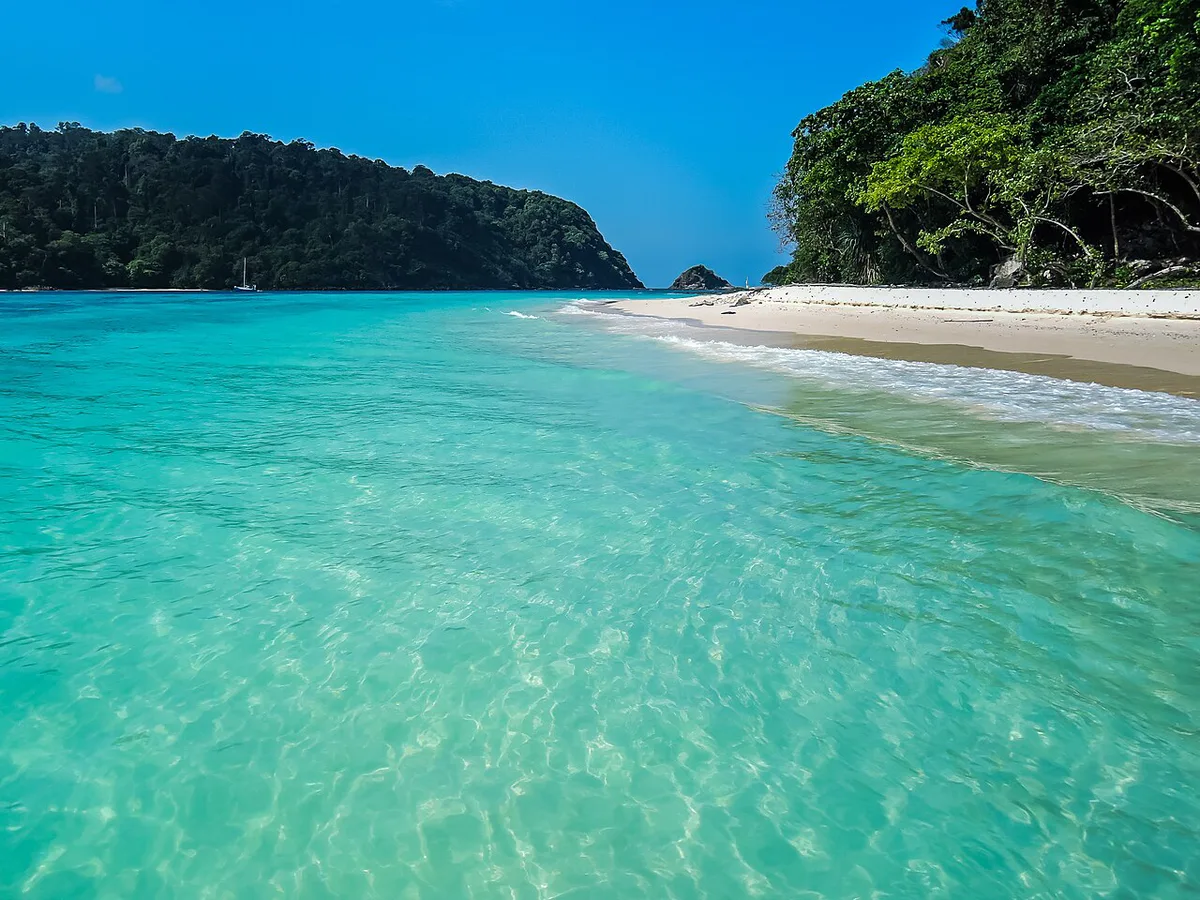
Not certified yet? You have two routes. A Discover Scuba Diving session lets you try one supervised dive. An Open Water course, typically three or four days on the island, makes you a certified diver. Either one comes before any fun dive trip. Our guide to PADI centers on the island covers the course side.
Best Fun Dive Sites from Koh Lanta
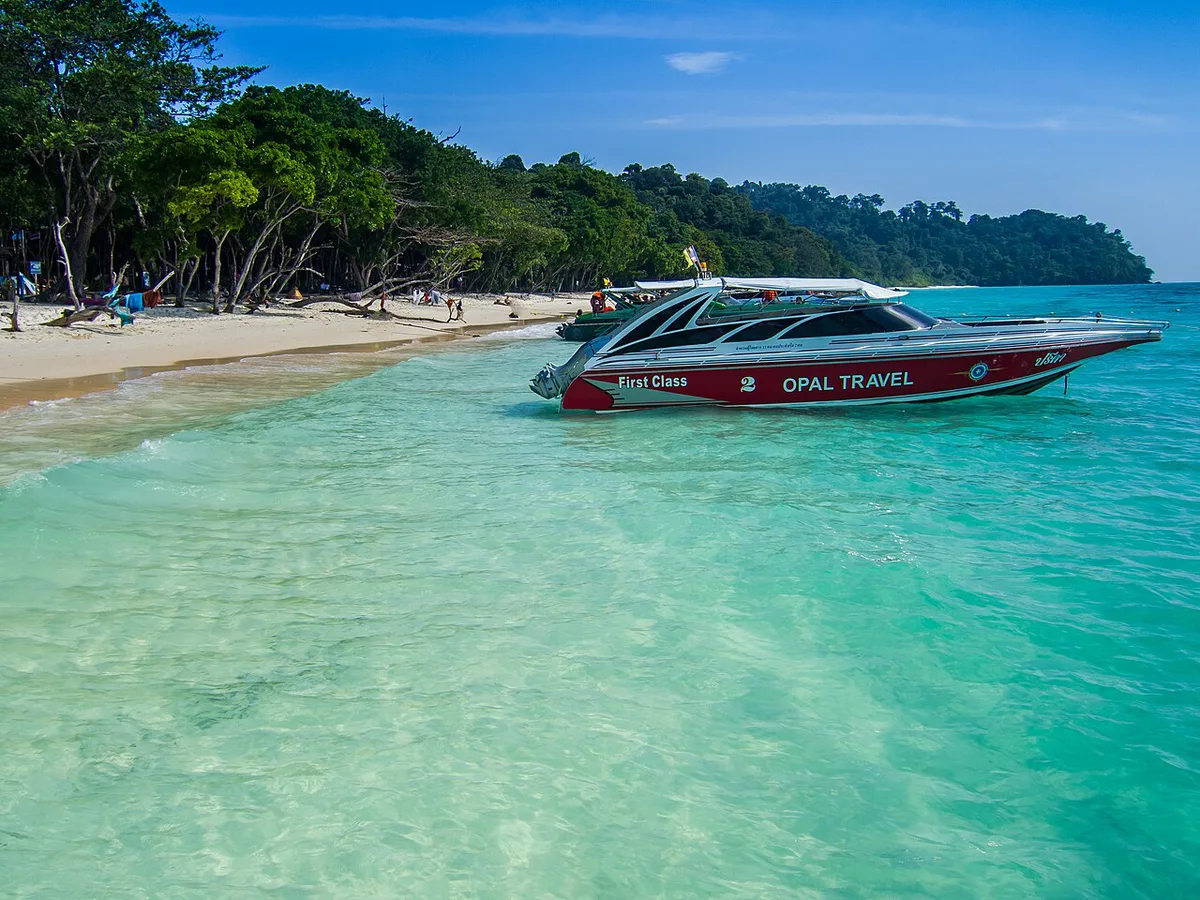
Koh Lanta is the main departure point for Hin Daeng, Hin Muang, Koh Haa and Koh Rok. Boats visit Koh Haa most often because it is nearest. Operators report Hin Daeng runs almost daily in season. Offshore sites suit divers with recent logged dives, while shallower local reefs suit a first outing. Our full dive site guide adds depth and current notes.
| Site | Trip feel | Suits | What you might see | Main catch |
|---|---|---|---|---|
| Local reefs | Shortest boat ride, easiest day | Rusty divers, recent returnees | Reef fish on shallower coral | Less dramatic than offshore sites |
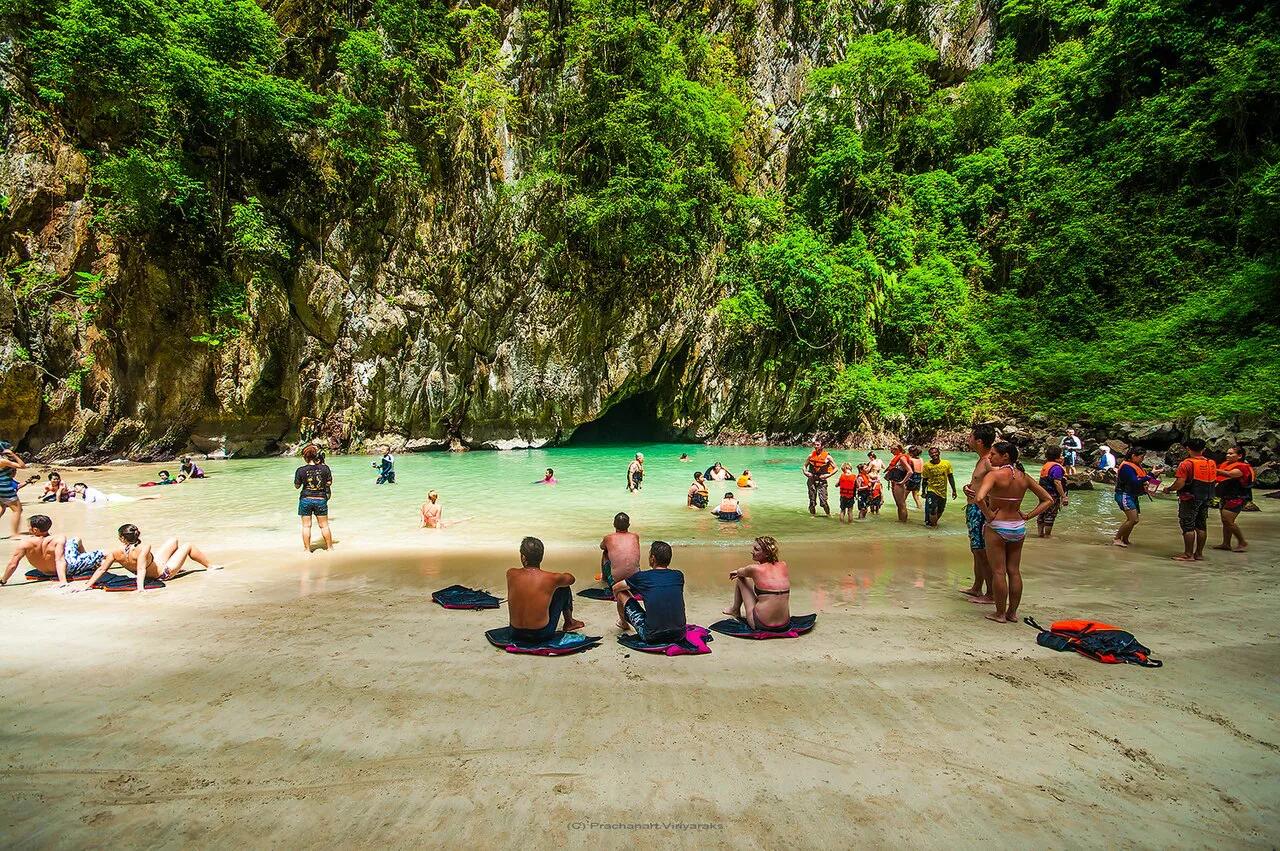
| Koh Haa | Nearest offshore site, visited most often | Divers with some logged dives | Limestone pinnacles, caverns, swim-throughs | Needs calm seas, so season matters |
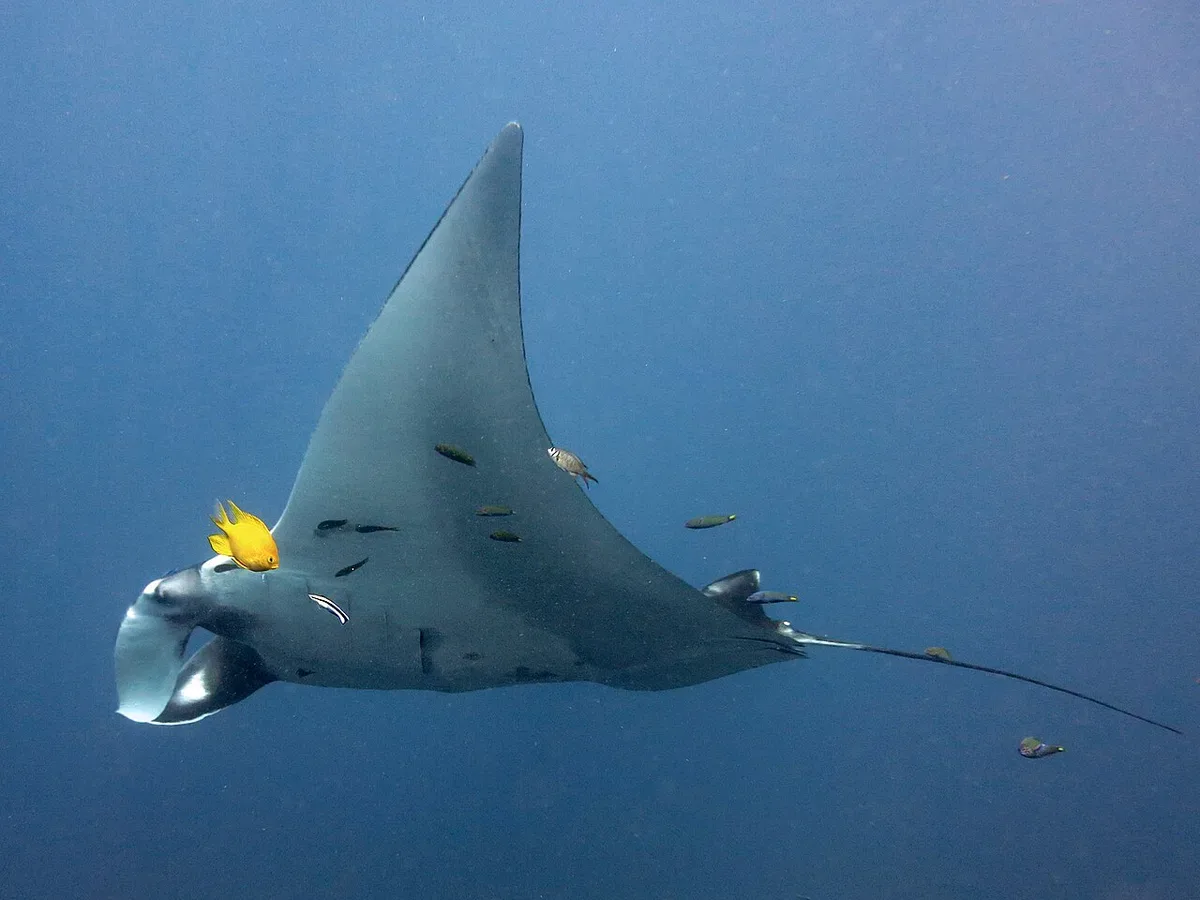
| Hin Daeng and Hin Muang | Longer transfer, bigger payoff | Confident divers comfortable with depth and current | Reef fish, with manta rays and whale sharks possible | Sightings are never guaranteed |
- Read our notes on Koh Haa day trips before choosing the nearest offshore site.
- Check Hin Daeng's deep pinnacle if you want the larger-animal chance.
- See Hin Muang dive notes for its neighboring pinnacle.
When to Go: Season and Conditions
According to PADI's Koh Lanta dive guide, the prime season runs November to April. Seas are calmer then, and water temperatures hover around 28–30°C. February to April is the peak window for manta rays and whale sharks at Hin Daeng and Hin Muang. Treat those sightings as possible, not promised, and read our whale shark notes for realistic expectations.
The southwest monsoon runs May to October. Seas can be rough and many dive centers close, so do not assume a trip will run. Compare the month-by-month season guide with sea temperature by month before you fix dates.
What to Expect on a Fun Dive Day
Operators run day trips by boat from the island, and some include hotel pickup and drop-off. Expect a briefing on board covering the site, current and your buddy or guide assignment. Offshore days usually bundle more than one dive with a surface interval and lunch. Exact departure times, dive counts and trip length belong to each operator, so ask for the schedule in writing. Fly soon after? Divers Alert Network publishes guidance on flying after diving, and your center will give its own minimum gap.
Costs and What's Included
Prices are quoted in baht (THB) and set by each operator, so this page lists no fixed rate. Prices and hours checked November 2026 were not published in a form we can quote. Ask each center for a written quote, then compare like for like.
Expect the prime-season water to sit near 28–30°C, which makes the wetsuit question worth asking before you compare quotes.
Distance drives the cost. Local reef days are the cheapest, and the long offshore runs to Hin Daeng and Hin Muang cost more because of fuel and travel time.
- Ask whether gear rental, a computer and a wetsuit are included.
- Ask whether nitrox is available and what it adds.
- Ask about national park fees if the route includes a protected area.
- Ask whether lunch, drinks and hotel transfers are covered.
- Ask about the cancellation and weather policy.
How to Choose a Dive Center
Pick on criteria, not on a ranking. Our guide on how to pick a dive center goes deeper. Phoenix Divers as one example shows the type of operator you can compare, and it is not a recommendation over others.
- Group size per boat and per guide.
- Quality of the pre-dive briefing.
- Guide-to-diver ratio.
- Emergency oxygen and first-aid kit on board.
- Condition of rental regulators and BCDs.
- Affiliation with PADI or SSI.
- Clear weather and cancellation terms.
Who Should Wait, and Common Mistakes
Divers with very few logged dives, a long gap since the last dive, or nerves about current should start at the local reefs. Book a refresher if you feel rusty. Anyone flying within a day or so should ask the center about its no-fly rule first.
- Booking the farthest site on day one with no recent dives.
- Arriving without your certification card.
- Assuming monsoon trips will run between May and October.
- Leaving a booking to the last minute in peak weeks.
Getting to Koh Lanta and Where to Base Yourself
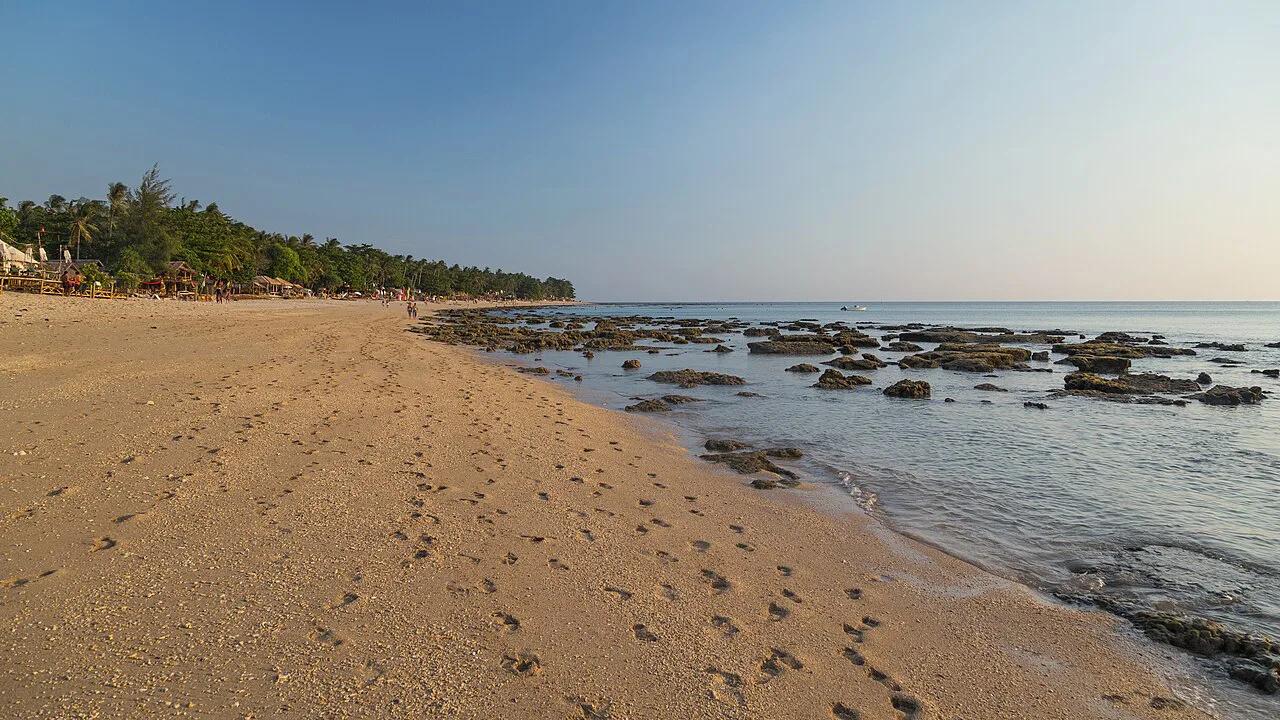
Most travelers fly into Krabi International Airport. PADI describes the trip to Koh Lanta as around two hours by minivan and ferry. Phuket and Trang airports also connect, and ferries run in high season from Krabi, Phuket and the Phi Phi Islands. Base yourself on the west coast to reach dive centers easily, then browse the cluster hub for Koh Lanta diving to plan the rest of your trip.
Frequently Asked Questions
Where can a beginner dive in Thailand?
Uncertified beginners start with a Discover Scuba Diving session or an Open Water course. Koh Lanta centers offer both. Certified but nervous divers can begin at local reefs before trying the offshore sites.
When to avoid Koh Lanta?
Avoid diving there during the southwest monsoon from May to October. Seas can be rough and many dive centers close. November to April is the prime window.
Notes for your next dive trip
Optional updates to our Thai diving guides.
You might also like
Continue reading
More guides you'll find useful