Koh Lanta Water Temperature by Month (and Diving)
Koh Lanta water temperature stays around 29–32°C year-round. See monthly sea figures, wetsuit advice, and when swell and visibility matter more.
On this page
Last updated November 2026: Koh Lanta water temperature sits between 29°C and 32°C all year, with a long-term annual average of 30.1°C. Warmth is almost never the constraint for divers and swimmers. Visibility, swell and boat access change far more from month to month, so plan around those.
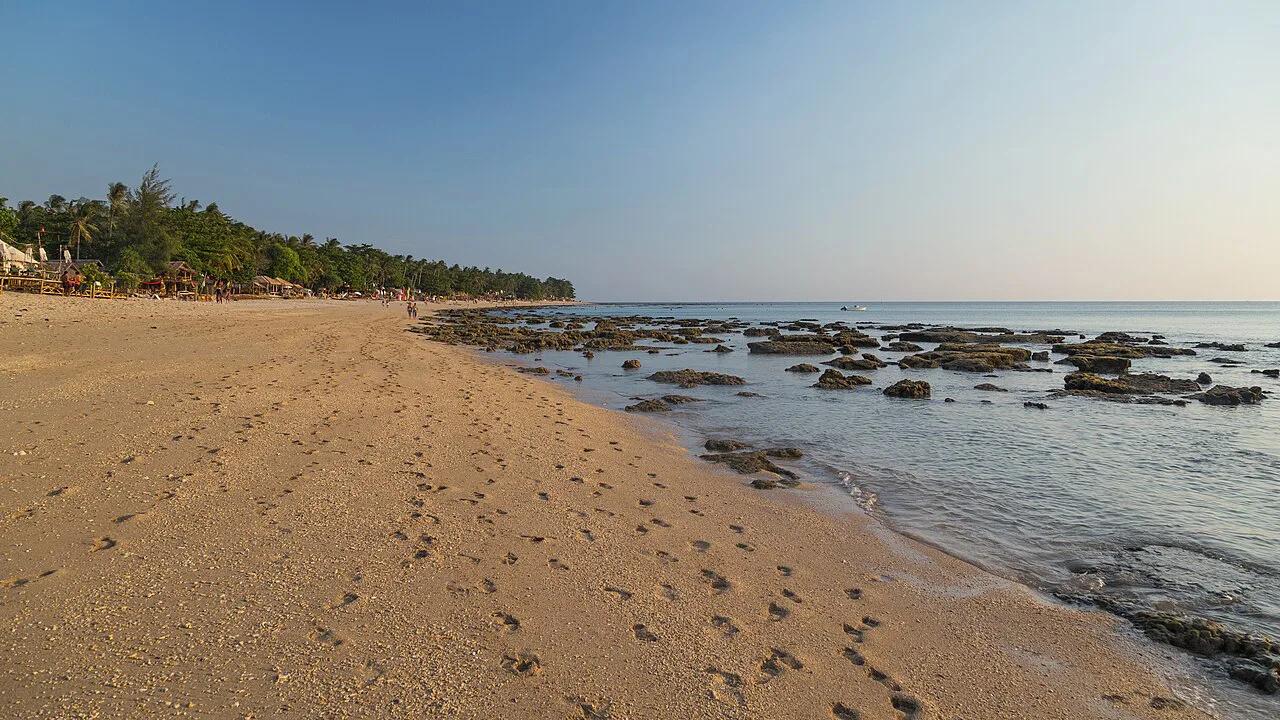
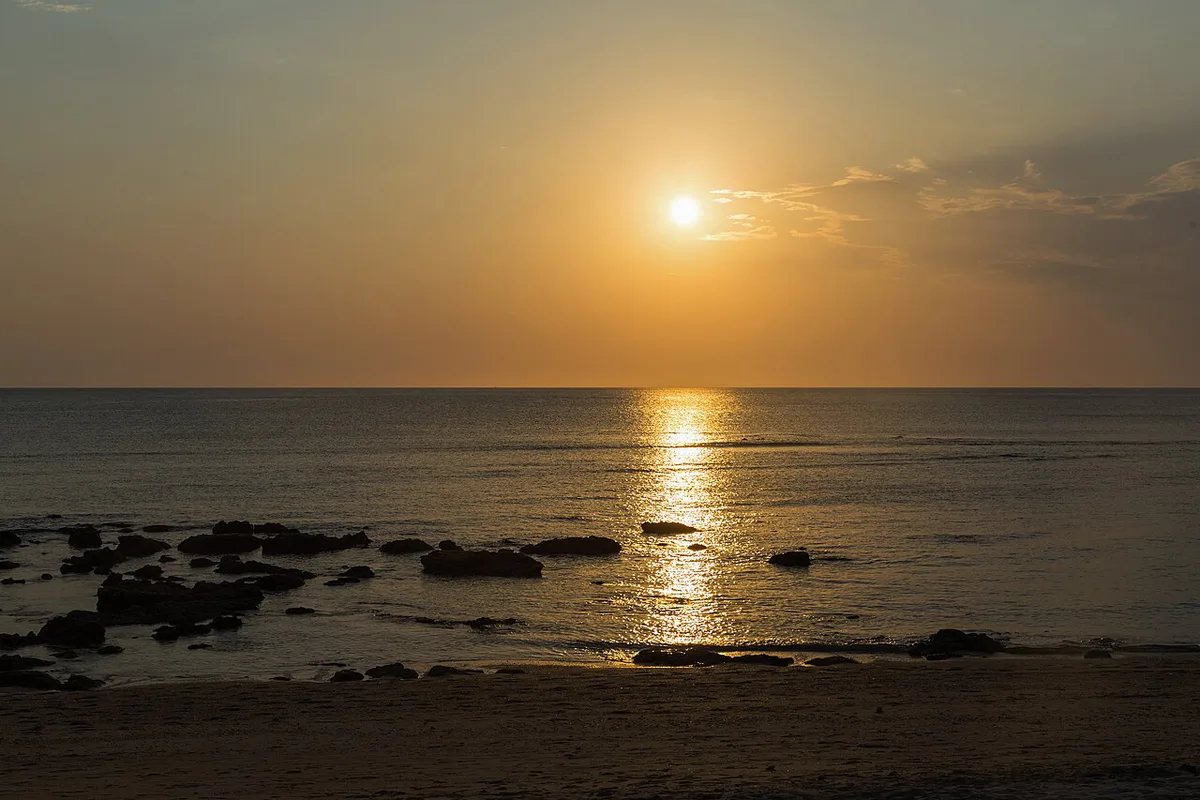
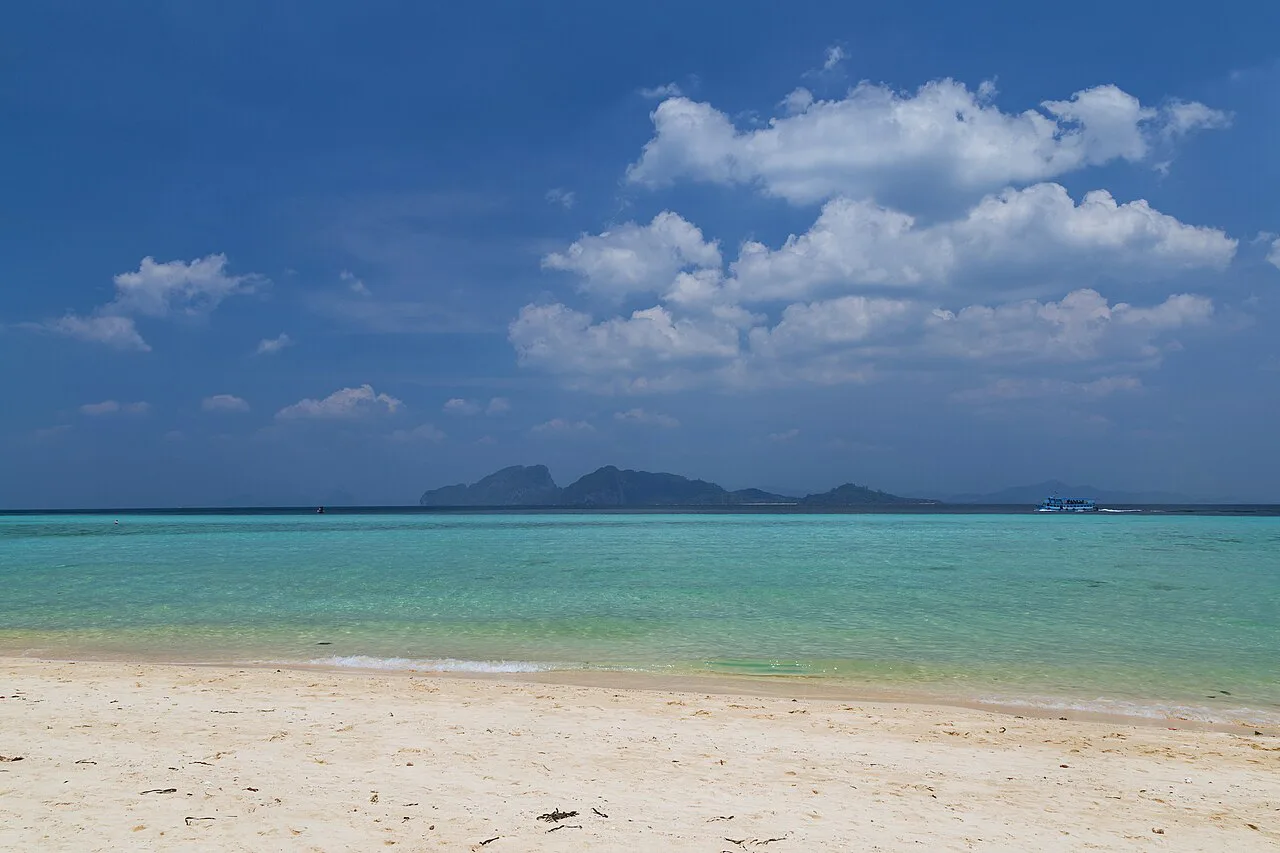
Featured image: Marcin Konsek, CC BY-SA 4.0, via Wikimedia Commons.
Quick answer: how warm is the sea in Koh Lanta?
Sea temperature around Koh Lanta stays between 29°C and 32°C in every month. SkyLand's long-term averages give an annual mean of 30.1°C. May is warmest at about 32°C. January is coldest at about 29°C, with February and December close behind. A 3°C spread across twelve months is smaller than the swing in sea state between a calm April and a rough September. SkyLand counts any water above 18°C as swimming season, so every month qualifies on temperature alone. Our Koh Lanta diving season guide holds the full calendar, and this page stays focused on the numbers.
Koh Lanta water temperature by month
Averages run from 29°C in January to 32°C in May. Figures below are approximate long-term sea surface values from SkyLand, not a forecast. Sea state notes come from local month-by-month reports and describe tendencies, not guarantees.

| Month | Approx. sea temp | Sea state and visibility tendency | Verdict for diving and snorkeling |
|---|---|---|---|
| January | 29°C | Calm, clear | Excellent |
| February | 29°C | Calm, flat, clear | Excellent |
| March | 30°C | Calm, strong visibility | Excellent |
| April | 31°C | Mostly calm; storms late in month | Very good |
| May | 32°C | Getting choppier; some small operators cut services | Good, with a weather gamble |
| June | 31°C | Stronger waves; trips run when weather clears | Mixed |
| July | 30°C | Rough seas; ferries and boats less reliable | Poor to mixed |
| August | 30°C | Strong waves, reduced visibility | Poor |
| September | 30°C | Roughest month; trips limited | Poor |
| October | 30°C | Sea calming; diving slowly reopens | Improving |
| November | 30°C | Calm again | Very good |
| December | 29°C | Calm, great visibility | Excellent |
Warm water, but not always good water
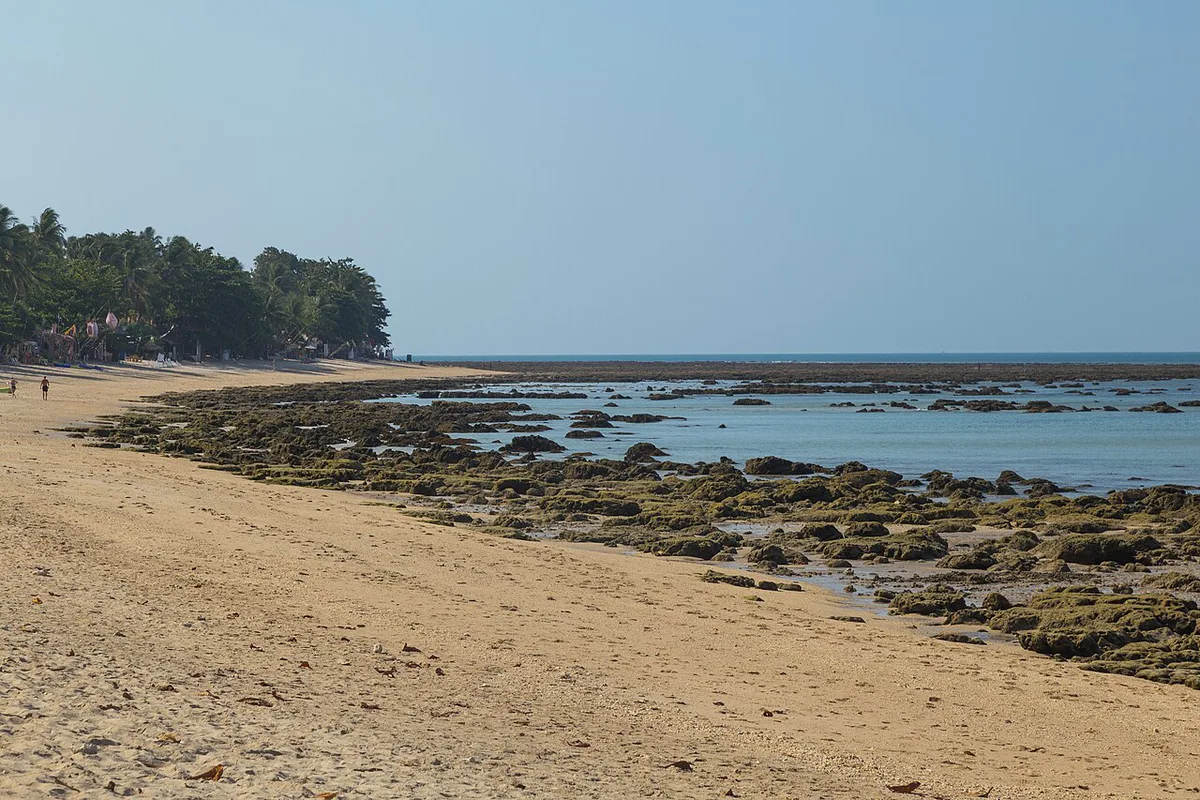
Conditions swing far more than temperature does. November to April brings calm seas and good visibility. Rain returns from May, and the Andaman Sea turns choppier. Monsoon season runs June to October, when winds shift from easterlies to westerlies. In July, rough seas make ferry crossings and boat trips less reliable. Swimming on the west coast beaches is sometimes limited that month. August brings stronger waves and reduced underwater visibility. September is typically the roughest month, with boat trips limited. October starts to calm, and diving reopens slowly. Where you swim also matters. The west coast has sandy beaches between rocky outcrops, while the east coast is mostly mangroves. Ban Saladan on the north end of the island is the ferry hub, and Ko Lanta National Marine Park occupies the south end.
Do you need a wetsuit?
At 29–32°C, nobody needs thick neoprene for comfort at the surface. A rash guard or a 3 mm shorty covers most single-dive days. Divers who chill easily often step up to a full 3 mm suit. Three or four dives in one day also pull heat from the body, even in 29°C water. January is the coolest month, so that is when a longer suit pays off most. Our Koh Lanta diving overview covers what a typical dive day involves. Fun divers can read how a fun dive day is usually structured. For general diver health guidance, see Divers Alert Network. Ask about suit hire when you book, since sizes and stock vary by operator.
Temperature at the dive sites
Surface averages are not dive-depth figures. Published month-by-month temperatures for the offshore pinnacles are scarce. Treat the 29–32°C range as a surface guide and ask your operator what the water felt like on recent dives. Currents and depth can change how cold a dive feels. Hin Daeng Diving from Koh Lanta: Who It Suits and How to Go and Hin Muang Dive Site: Koh Lanta Trip, Depth & Who Can Dive are exposed offshore sites, so sea state and boat access matter more there than a degree of temperature. Koh Haa from Koh Lanta: Diving, Snorkeling and Day Trips is another offshore group where swell decides whether trips run. Our Koh Lanta dive site guide compares them side by side.
Three or four dives in one day cool you even in 29°C water, so surface averages tell only part of the story.
Best months by goal
Pick the month by the conditions you want, not by the thermometer. Each goal below maps to a different part of the year.
Most single-dive days are covered by a 3 mm shorty, but May and October bring the weather gamble, so check conditions first.
- Calm and clear: November to April, with December, January and February the most dependable for visibility.
- Budget and quiet: May to October brings fewer tourists and lower prices, but also rain and limited boat trips.
- Shoulder-season gamble: October, when the sea calms and diving reopens, or May, when seas start to get choppier.
- Skip July to September if you are a nervous swimmer, since rough seas and ferry delays are common.
- Skip August and September if you are a photographer who needs clear water.
- First-time divers on a short stay should avoid the rough months, because a cancelled boat can cost the whole trip.
Planning checks before you book
Check live wave height and wind on the morning you plan to dive, because forecasts change daily. Ask any operator about its cancellation policy, especially for the two roughest months, August and September. Ask what site it would switch to if seas are rough. Browse the Koh Lanta dive centers to compare options. Beginners can see how PADI courses on Koh Lanta are run. Official course standards are published by PADI. If you want a named operator to start with, see Phoenix Divers. Short-notice trips depend on boat schedules and sea state more than on a single degree of temperature.
Frequently Asked Questions
What is the best time to visit Koh Lanta?
November to April is the best window for sea conditions, with calm water and full boat schedules. May to October is cheaper and quieter, but seas get rough and some trips are cancelled. Sea temperature stays around 29–32°C either way.
Is 20 degrees too cold to swim in the sea?
Water around Koh Lanta never gets near 20°C. The coolest monthly average is about 29°C in January. Most swimmers find that comfortable without a suit.
Notes for your next dive trip
Optional updates to our Thai diving guides.
You might also like
Continue reading
More guides you'll find useful