Koh Lanta Dive Sites: Depths, Levels, Costs & Season
Compare Koh Lanta dive sites by depth, current and boat time. See how Hin Daeng, Hin Muang and Koh Haa differ, plus season, closures and costs.
On this page
Last updated November 2026: Koh Lanta dive sites fall into two groups. Koh Haa, Koh Bida and the HTMS Kled Kaeo wreck are the closer, easier options, while Hin Daeng and Hin Muang are far, current-prone pinnacles. We'd send newer divers to the first group and Advanced divers to the second, with November to April as the main season.
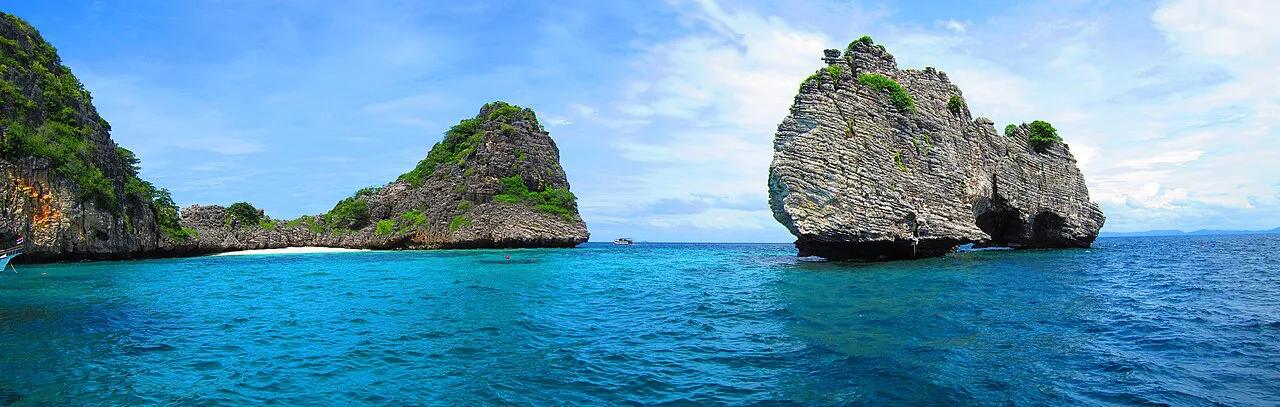
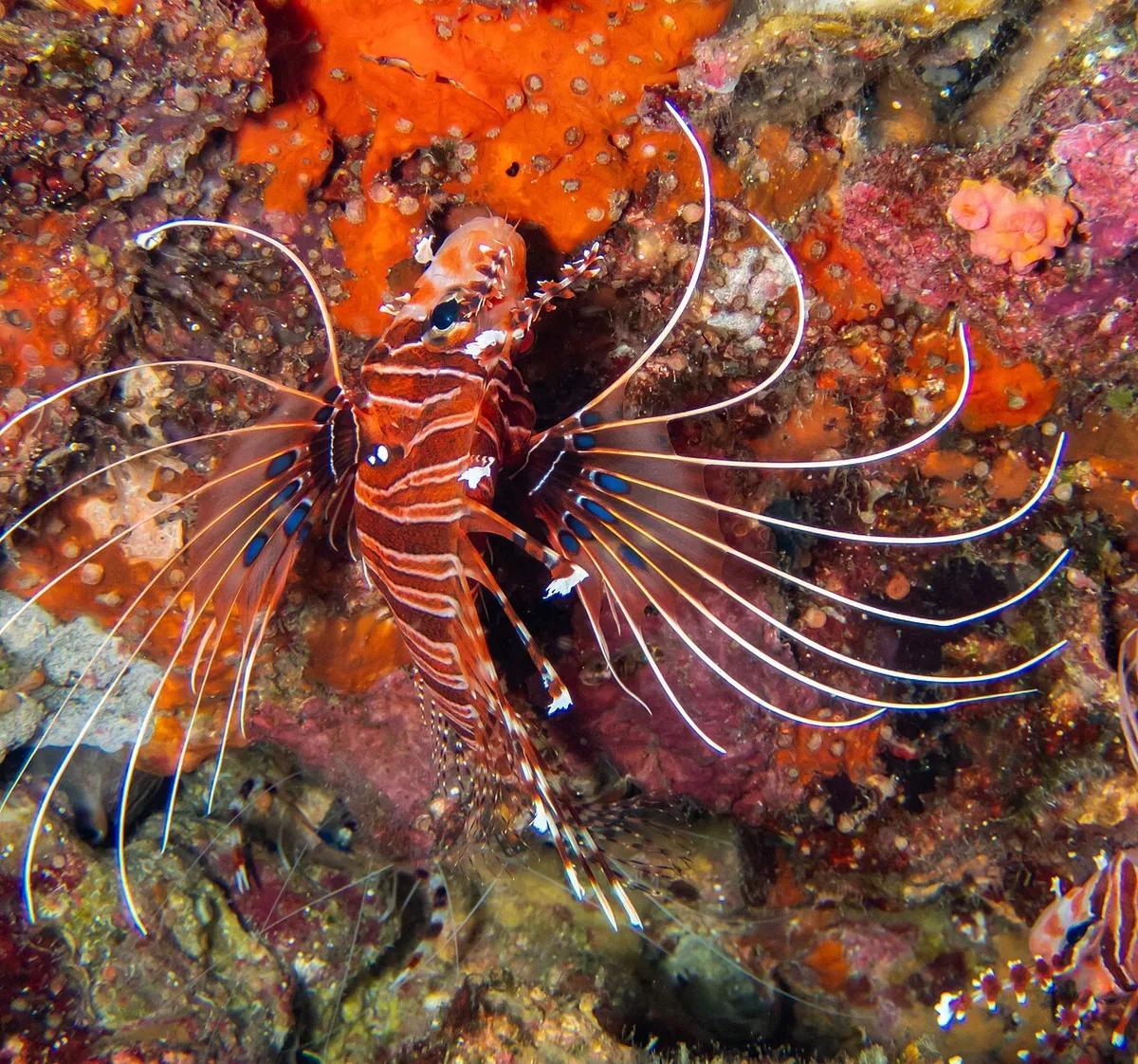
Featured image: Thomas Quine, CC BY-SA 2.0, via Wikimedia Commons.
Quick answer: which Koh Lanta dive site is right for you
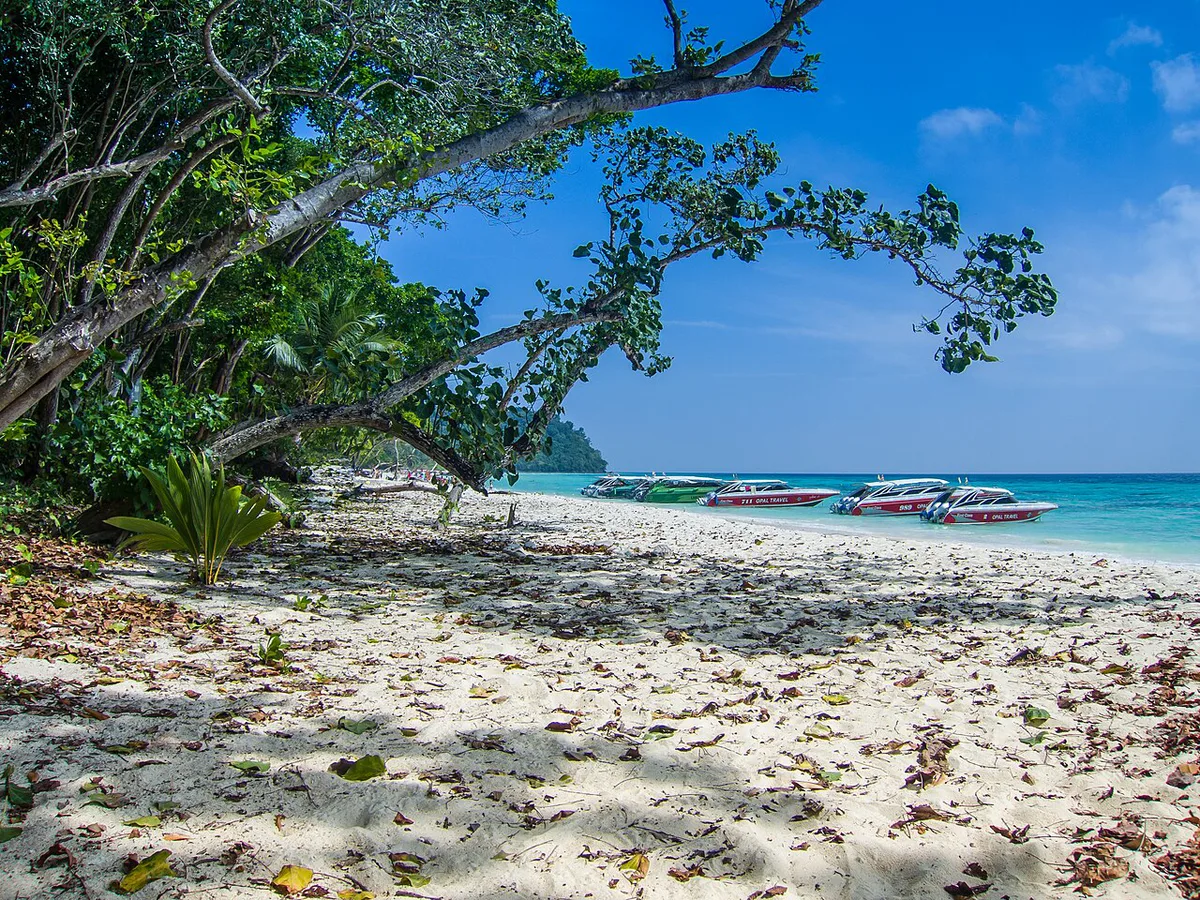
Your certification and your tolerance for current decide this more than any ranking. We'd treat Koh Haa as the best all-round first big-name site. Hin Daeng and Hin Muang reward divers with Advanced Open Water and some current experience.
- First-timer or fresh Open Water diver: Koh Haa, or the closer Bida and Kled Kaeo sites.
- Advanced diver chasing big animals: Hin Daeng and Hin Muang, ideally later in a multi-day trip.
- Photographer: Koh Haa for macro, the pinnacles for wide-angle and pelagic chances.
- Couple with one snorkeler: Koh Haa, because snorkel trips visit the same sites as divers.
Koh Lanta dive sites at a glance
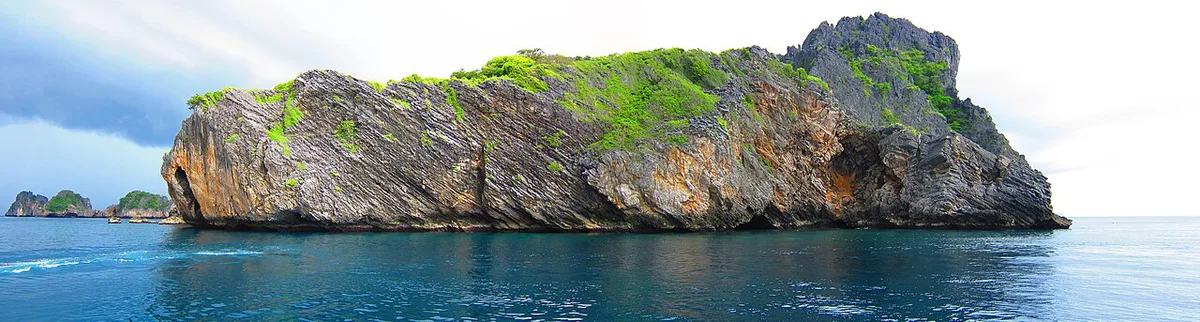
Boat times below are what operators quote for a speedboat from Lanta, and they shift with boat type and sea state. Depths and certification levels come from operator and travel-guide figures and vary by shop. Ask your dive center for the depth plan and guide ratio on the day. Prices and hours checked November 2026.
| Site | Boat time | Typical max depth | Current | Usual minimum level | Best months | Suits |
|---|---|---|---|---|---|---|
| Hin Daeng (Red Rock) | 60–70 min by speedboat; up to 2 hours on slower boats | About 45 m | Medium to strong | Advanced Open Water, per most guides | Nov–Apr | Pelagic chasers |
| Hin Muang (Purple Rock) | 60–70 min by speedboat | 8–70 m wall | Medium to strong | Advanced Open Water, per most guides | Nov–Apr | Wall divers, photographers |
| Koh Haa (Five Islands) | 25–30 min by speedboat | Shallow lagoon to deeper walls; cave exit at 7 m | Usually mild | Open Water at many shops | Nov–Apr | First big-name site, mixed groups |
| Koh Bida Nok | Closer than the pinnacles; ask your shop | Wall to about 30 m | Can be strong | Ask your shop | Nov–Apr | Macro and wall fans |
| HTMS Kled Kaeo wreck | Local site; ask your shop | Ask your shop | Ask your shop | Ask your shop | Nov–Apr | Divers wanting a cheaper day |
| Koh Rok | Ask your shop | Ask your shop | Ask your shop | Ask your shop | Nov–Apr | Reef divers, snorkelers |
Hin Daeng and Hin Muang: the deep pinnacles
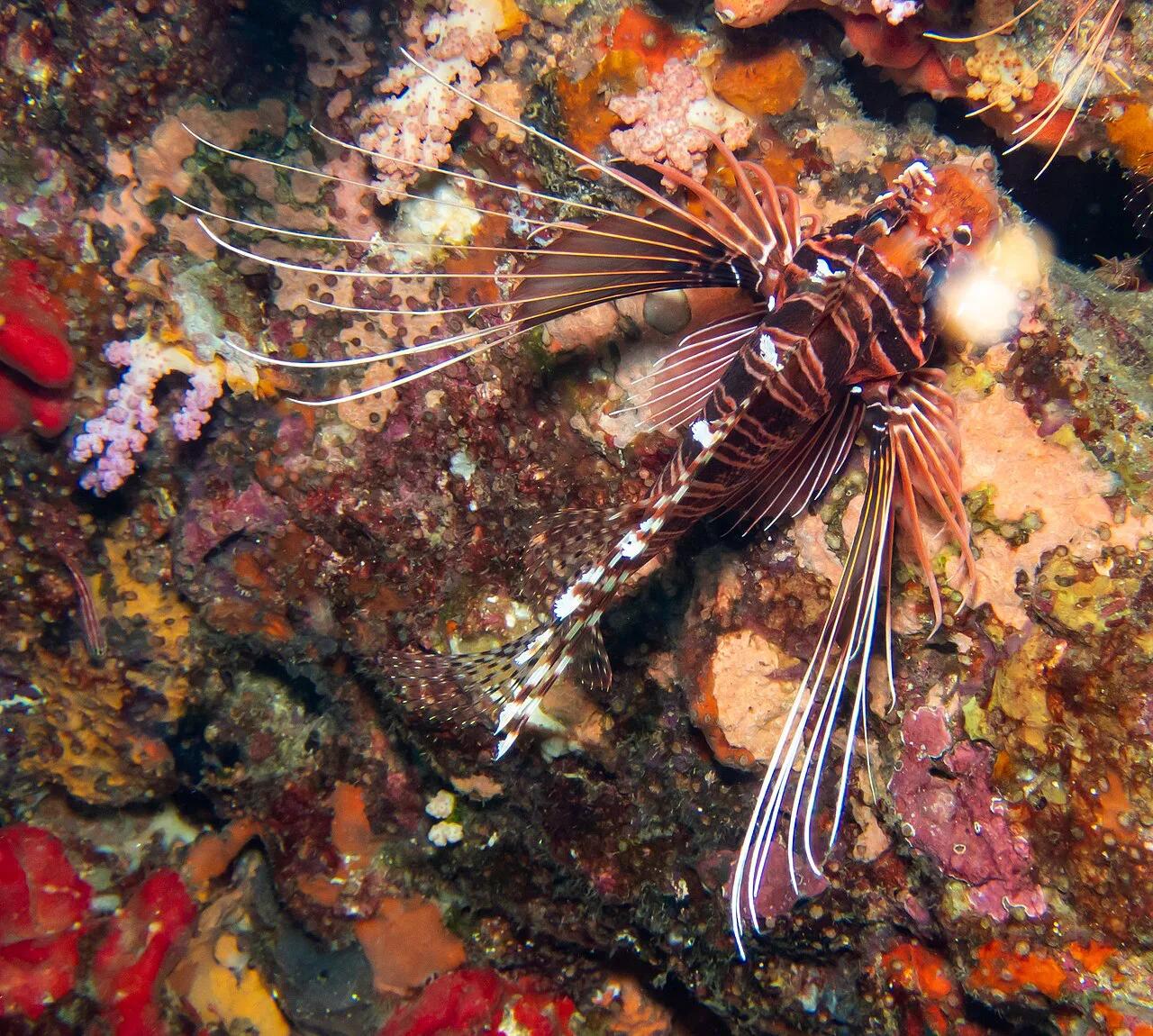
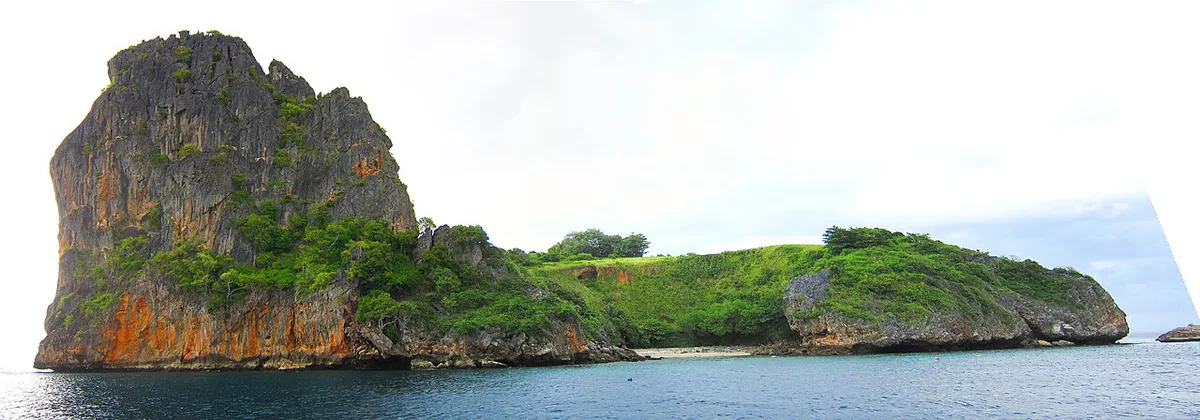
Hin Daeng drops past 45 m, and Hin Muang's wall runs down to about 70 m. Red soft corals cover the first, and purple soft corals wrap the second. Currents are medium to strong, and visibility ranges from 10 to 30 m. Guides disagree on the level required, so ask the shop about its briefing and depth plan. Our Hin Daeng dive guide covers the Red Rock profile. Our Hin Muang site notes cover the wall. Mantas and whale sharks pass through but are never guaranteed. One diver saw no mantas on two visits, then five on a third. Our whale shark timing guide explains the odds. Sail Rock sits in the Gulf of Thailand, so do not conflate its whale-shark reports with Lanta.
Koh Haa: the easiest big-name site
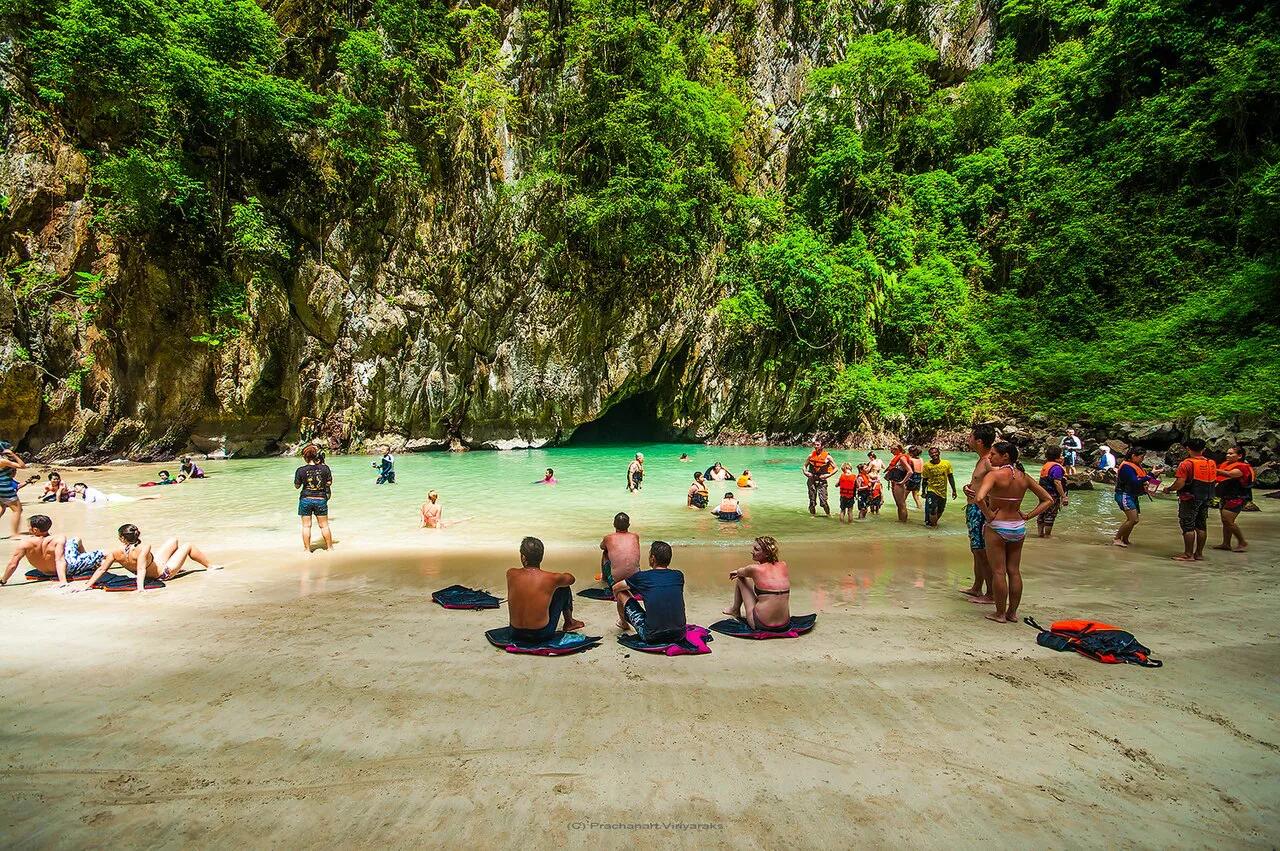
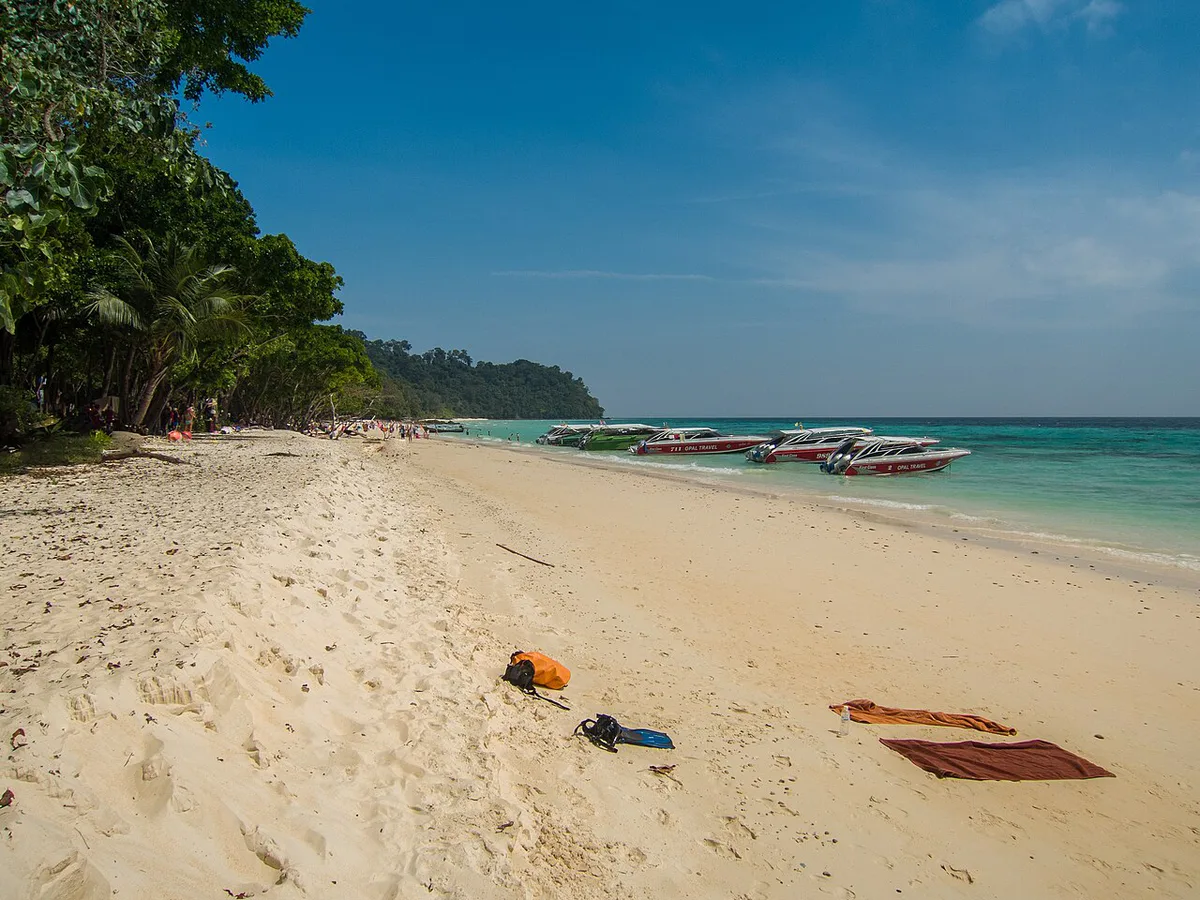
Koh Haa is a ring of five islands about 25–30 minutes from Lanta by speedboat. Its sheltered lagoon suits newer divers. Koh Haa Yai has a swim-through called The Canyon and an air-pocket cave. A coral chimney opens into a cave exit at 7 m. Visibility is often excellent, and macro finds include harlequin shrimp and ghost pipefish. Read our Koh Haa dive profile before you book. We'd make this your first offshore day, because it shows how a Lanta trip runs without the current stress.
Koh Bida, Koh Rok and the Kled Kaeo wreck: closer and cheaper options
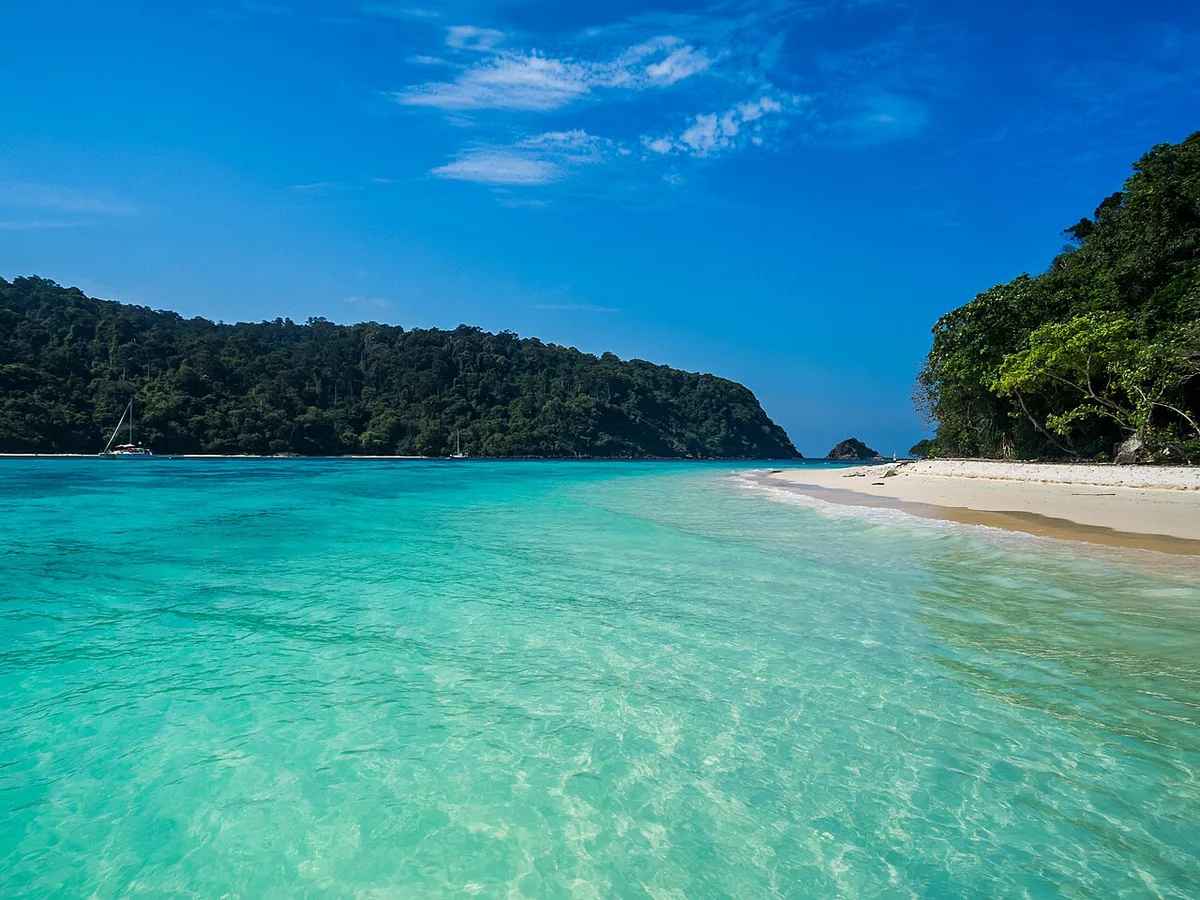
Koh Bida Nok is a limestone rock with a near-vertical wall down to about 30 m. It lies in the Phi Phi marine park area and counts as a Lanta and Phi Phi site. Currents and visibility vary. One operator lists Koh Rok within the Lanta park and charges a ฿300–500 surcharge for it and Koh Haa. Local sites such as the Kled Kaeo wreck and Koh Bida usually carry no surcharge. Big boats often charge less than speedboats. Confirm depth and level for the wreck with your shop.
Best time to dive Koh Lanta, and when sites close
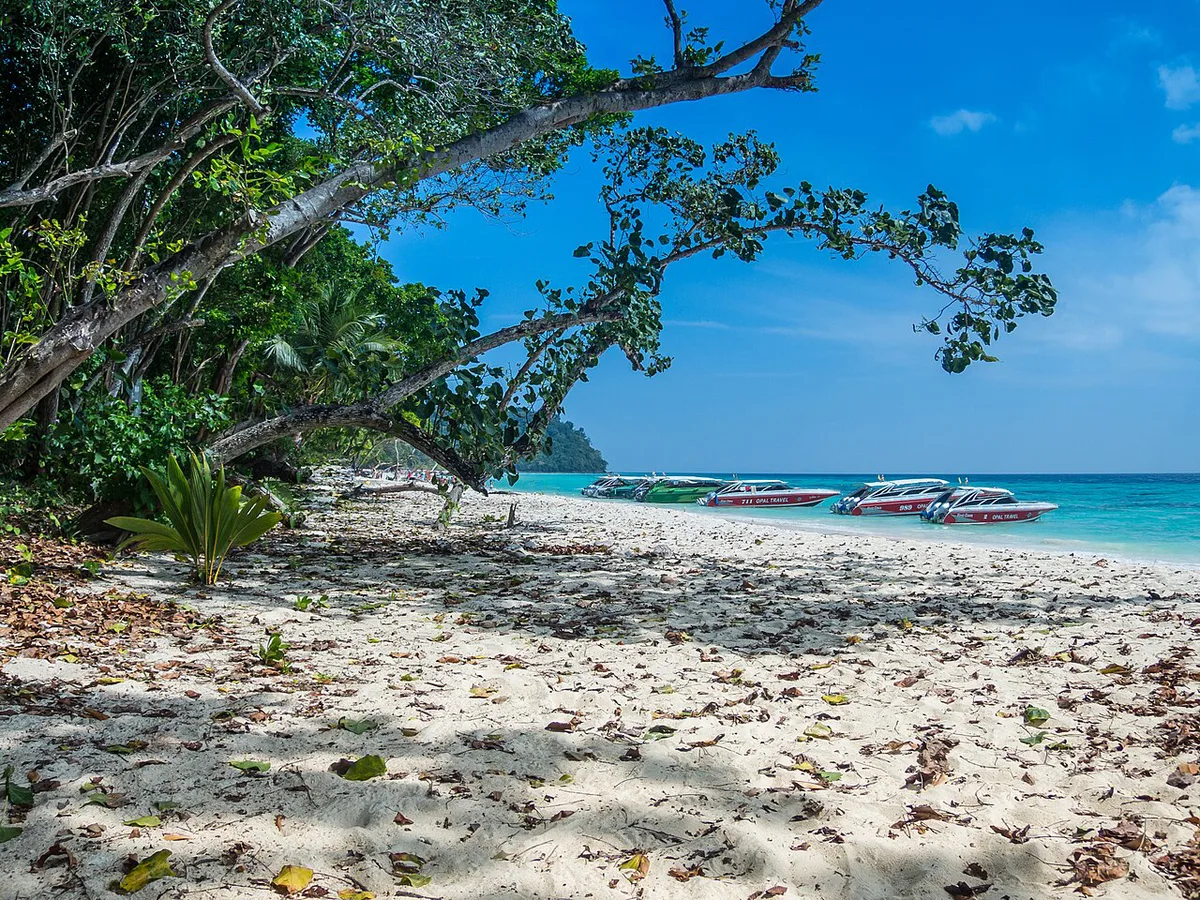
November to April is the main season. Seas are calm and visibility is at its best. November to February suits beginners, and March to April brings the warmest water and the best odds of big animals. May to October brings a rougher southwest monsoon and less predictable visibility. Closure dates are inconsistent across sources. One guide lists Koh Rok, Koh Haa and Hin Daeng as closed 1 July to 30 September. Another says Mu Ko Lanta National Park closes from mid-May to mid-October. Bleaching closures vary by year. Check the Department of National Parks announcements for current windows. Our month-by-month diving season page goes further. Our water temperature guide covers the 27–30 °C range.
What a diving day costs
Shops quote about ฿3,300–3,600 for two fun dives, including gear, tanks, weights, guide and lunch. Those are 2024/2025 rates from one travel blog, so treat them as indicative. Far sites add a fuel surcharge of about ฿500–700 for Hin Daeng and Hin Muang. Koh Haa and Koh Rok add about ฿300–500. National park fees run about ฿600 per diver per day, payable in cash. A local-site day therefore lands near ฿3,900–4,200. A far-site day lands near ฿4,400–4,900. Our fun dive pricing page breaks down shop rates.
Far-site days cost more, and one guide lists Hin Daeng closed 1 July to 30 September, so check dates first.
- Booking Hin Daeng too early in the trip, before you have settled into the boat routine.
- Assuming manta or whale shark sightings are guaranteed.
- Ignoring the surcharge when comparing shop prices.
- Forgetting cash for the park fee.
How a typical dive day runs
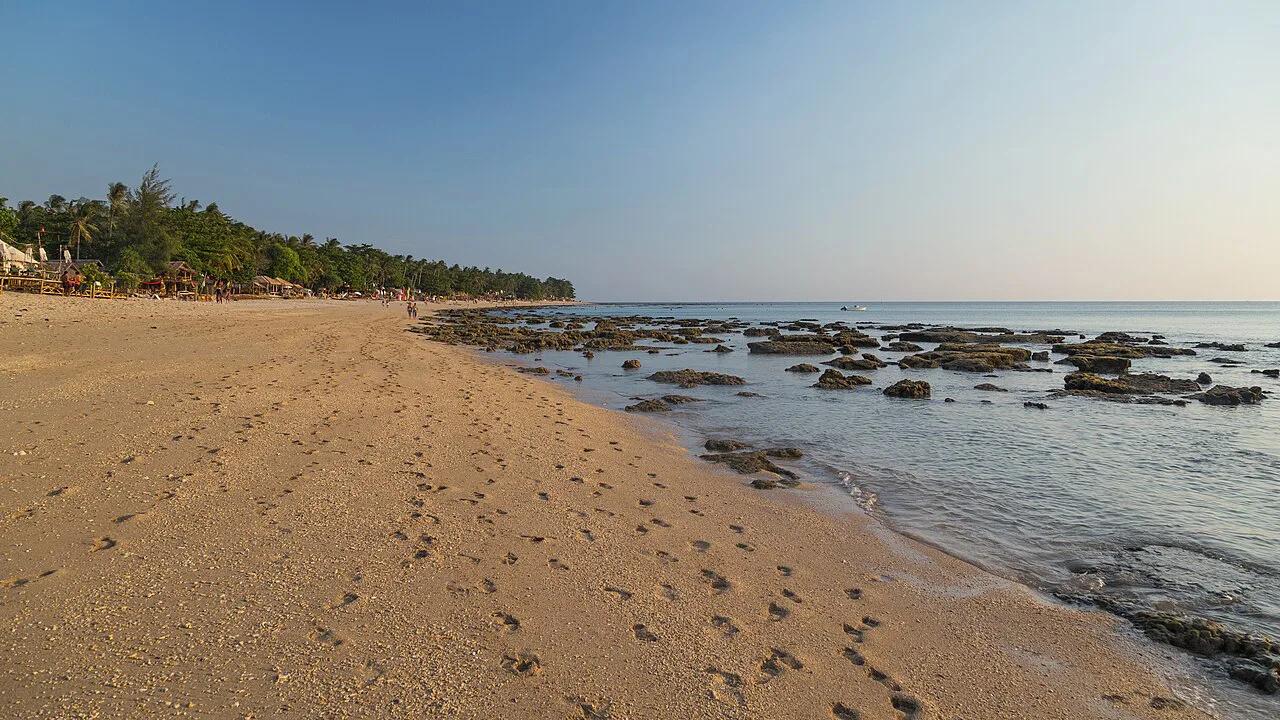
Briefings start around 7:10 or 8:10 am, depending on distance. One operator departs at 9 am from the south end of Long Beach. At low tide, you may walk along the beach to deeper water before boarding. A day trip is two dives of 40–60 minutes each, with a Thai lunch in the surface interval. Boats return early in the afternoon. Operators reportedly swap in alternate sites if conditions fail, so a named site is a plan, not a promise. Far sites mean longer rides, so take seasickness tablets if you are prone.
Choosing a dive center and course level
Ask each shop the same questions. What is the group size? One example runs two speedboats of up to 10 divers each. What is the guide ratio, and is the surcharge included? What happens on a weather cancellation? Our dive center comparison lists local shops. Our PADI course notes cover certification routes. Our Phoenix Divers profile is one shop among several, not an endorsement. If you are Open Water only, the PADI Advanced Open Water course is the usual step before the pinnacles. Operators offer it in about 3 days with 6 dives.

Snorkelers, beginners and mixed groups
Non-divers can join guided snorkel trips to the same sites. One operator runs them in very small groups led by professional divers. Discover Scuba is a 1-day, 2-dive experience with an instructor to a maximum of 12 m. Koh Haa suits this mixed-group plan best. The pinnacles are not a place for beginners without an experienced guide.
Discover Scuba trips cap at a maximum of 12 m, while Hin Daeng drops past 45 m on the pinnacles.
Getting to Koh Lanta and where to base for diving
Most visitors reach Lanta by ferry from Krabi's Klong Jilad Pier; check the current operator for times. Our Koh Lanta diving overview covers where to base.
Responsible diving on Lanta's reefs
Stay neutrally buoyant and never touch coral. Use reef-safe sunscreen or UV clothing. Carry your own surface marker buoy, because boats and ascending divers have collided in recent years. Respect closures, which protect reef recovery. Divers should also carry dive insurance; Divers Alert Network publishes safety guidance.
Frequently Asked Questions
Where can a beginner dive in Thailand?
On Lanta, we'd start at Koh Haa, a sheltered lagoon about 25–30 minutes from the island. Discover Scuba trips stay within a 12 m limit. Hin Daeng and Hin Muang are better left until you hold Advanced Open Water.
Notes for your next dive trip
Optional updates to our Thai diving guides.
You might also like
Continue reading
More guides you'll find useful