Koh Haa from Koh Lanta: Diving, Snorkeling and Day Trips
How to visit Koh Haa from Koh Lanta: dive sites, snorkeling, boat time, park fee, who it suits and what to check before booking.
On this page
Last updated November 2026: Koh Haa is a group of small uninhabited limestone islands in the Andaman Sea west of Koh Lanta, inside Mu Koh Lanta National Park. The name (เกาะห้า) means "five islands" in Thai, and you reach the group only by organized boat. You can visit as a scuba dive trip, a snorkel-focused day tour or a private charter, and our Koh Lanta diving overview shows where this trip fits among the other sites.
Featured image: Floppythresher123, CC BY-SA 4.0, via Wikimedia Commons.
Koh Haa at a glance
Counts differ by operator. "Five islands" is the Thai name, while many dive shops number six islets and label them Island #1 to #6. This guide uses "the Koh Haa group" for all of them. Departure piers, boat types and sea state change the ride time, so treat every distance below as operator-dependent. Nobody lives on the islands, so "where to stay" means picking a Koh Lanta base and a departure point.
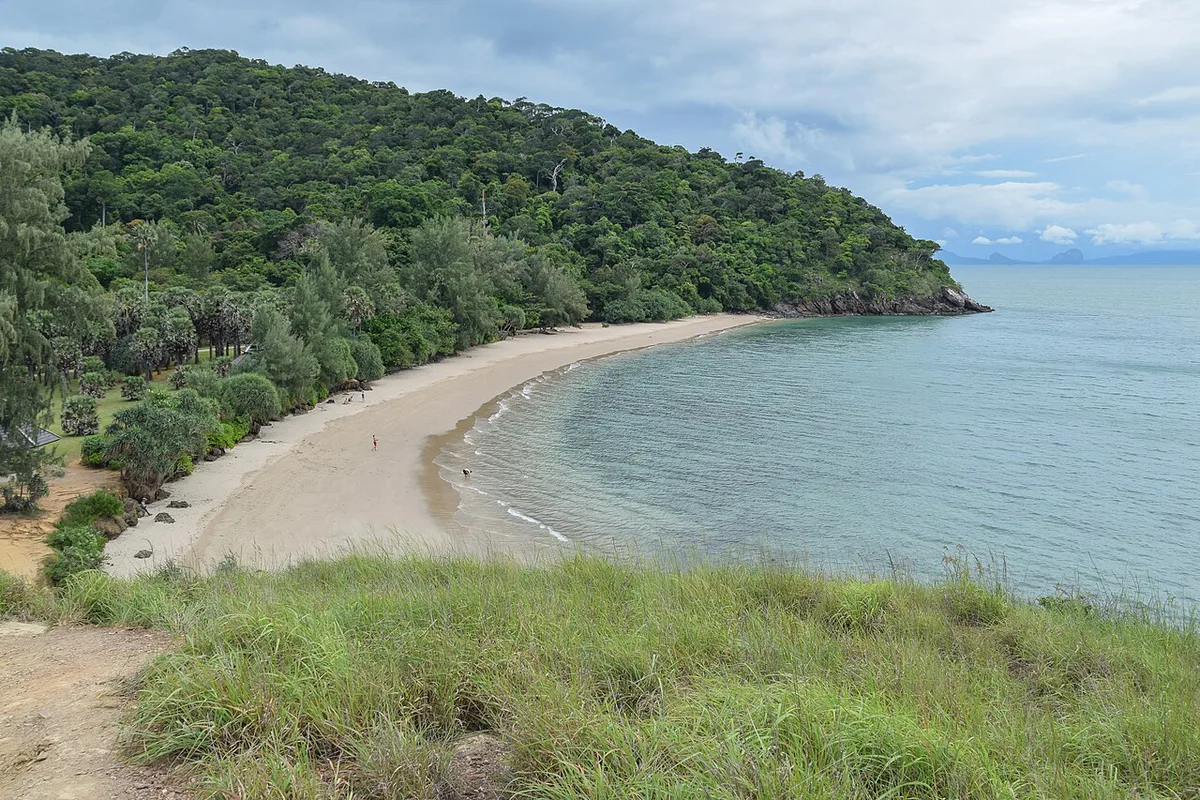
- What: a cluster of limestone islets with a sheltered lagoon, caves and walls
- Where: roughly 16 to 20 km west of Koh Lanta, depending on the source
- Boat time: 25 to 35 minutes from one Lanta dive pier, and 1 to 1.5 hours on listed day tours
- Best for: certified divers, first-time snorkelers and discover scuba students
- Not for: overnight stays, or anyone who cannot tolerate a rough sea crossing
What makes Koh Haa worth the boat ride
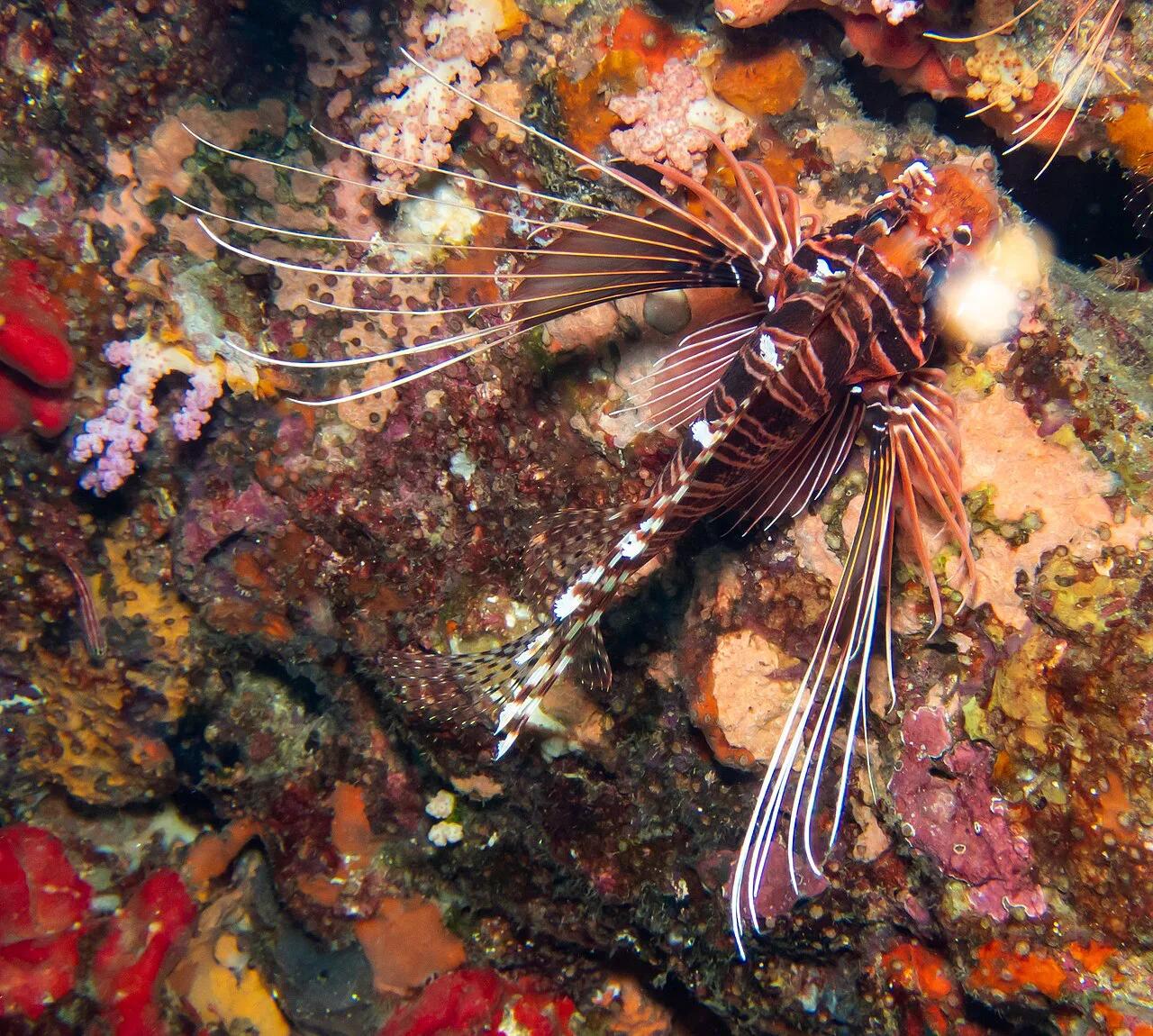
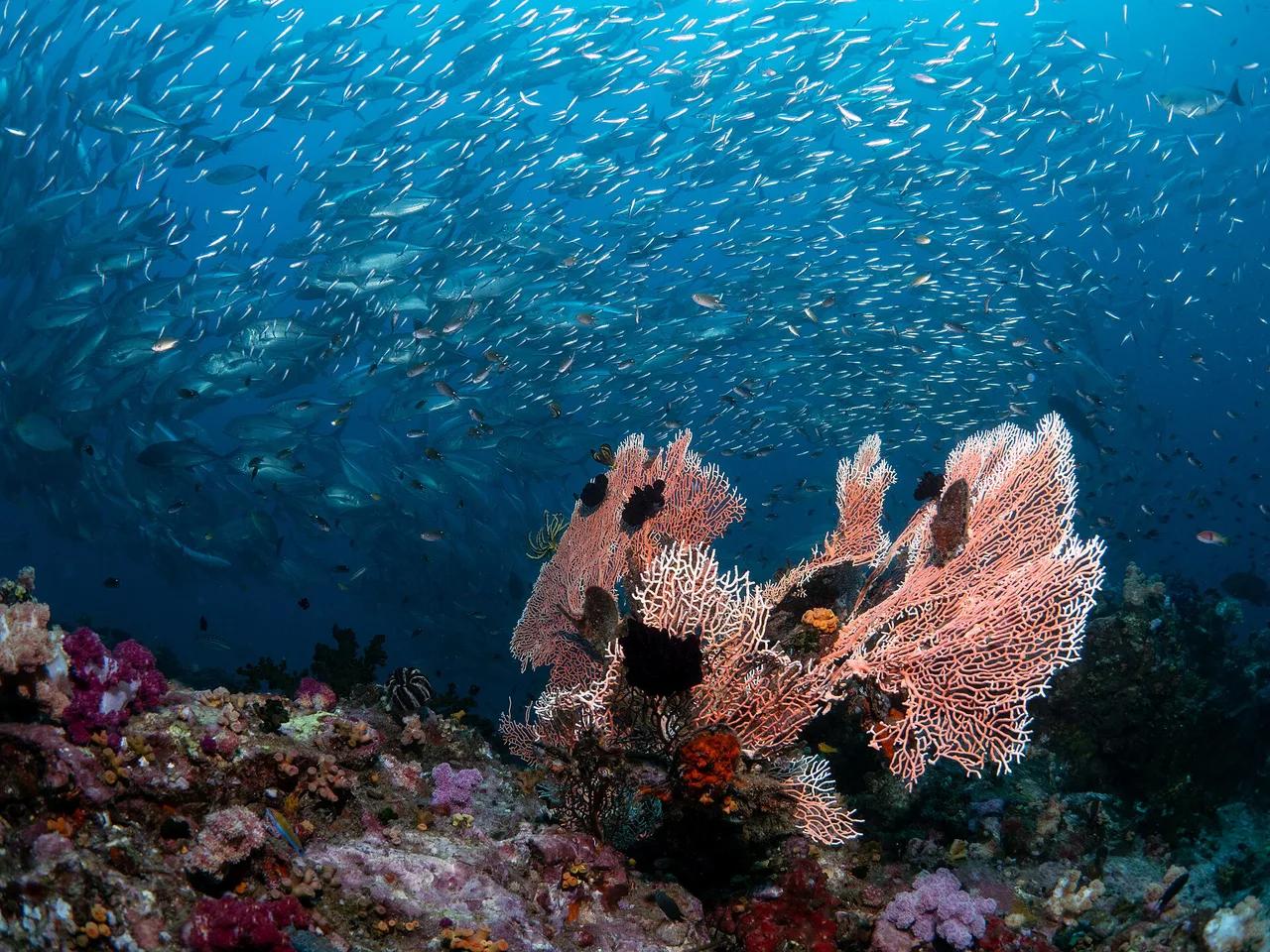
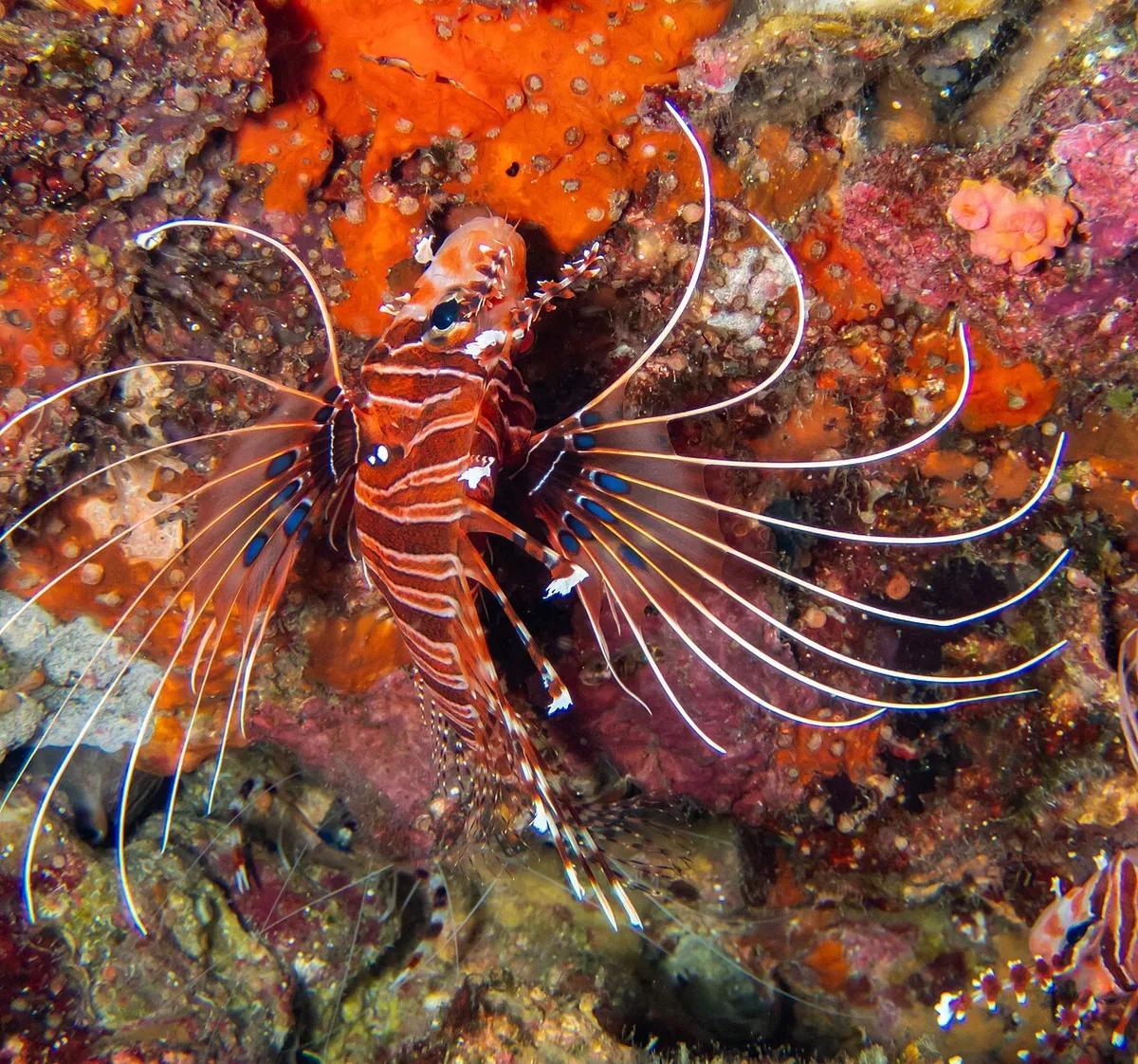
Limestone cliffs rise straight out of the water, and the reef below them holds hard and soft corals, sea fans and barrel sponges. Hawksbill turtles graze the shallows. Garden eels wave from sandy slopes near 30 m. Macro spotters look for seahorses, ghost pipefish and nudibranchs. Whale sharks are possible here, and one Lanta operator reports seeing more of them around Koh Haa than at nearby sites. They are still occasional, never guaranteed. Read our whale shark sighting guide before you plan a trip around one. PADI's dive guide also lists seahorses, rays, barracuda and banded sea snakes among common sightings.
Koh Haa dive sites explained
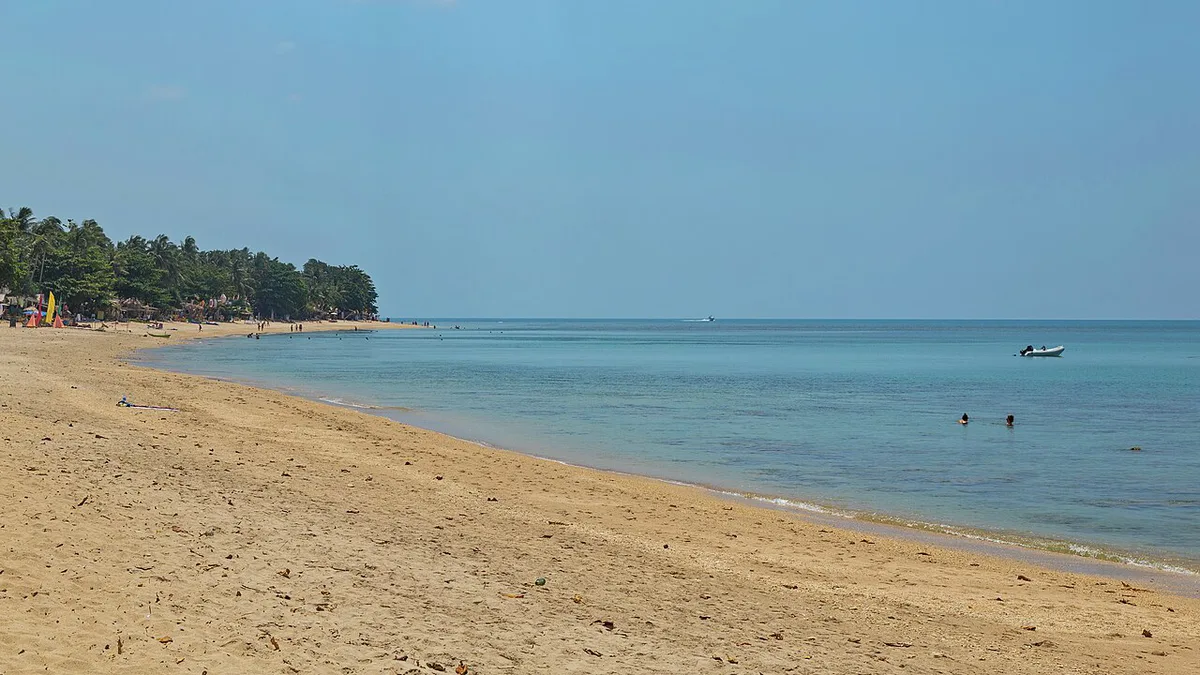
Operators label the same sites differently, so this table matches the common names. Depths and levels are operator-listed ranges, not guarantees. Most shops combine two or three of these in one trip. Compare them with other options in our Koh Lanta dive sites comparison. For coordinates and dive types, see the PADI dive site listing.
| Site | Also called | Type | Operator-listed depth | Suits |
|---|---|---|---|---|
| The Lagoon | Islands #2, #3, #4 | Sandy bottom, coral bommies, outer slope | About 1 to 30 m, deeper on outer slopes | Beginners, snorkelers, photographers |
| Koh Haa Yai | Island #5, The Cathedral, The Caves | Caves, wall, plateau | About 3 to 35 m | Divers comfortable in overheads |
| Koh Haa Neung | Island #1, The Chimney | Wall, swim-throughs | About 3 to 35 m | Divers with some experience |
| Koh Haa Lek | Island #6, Koh Daeng, Red Island | Pyramid-shaped rock, reef | Down to about 30 m | Experienced divers |
- Caves: three caves sit on the south-west side of Koh Haa Yai, and the third is the Cathedral. A torch is essential for the first, smaller cave.
- Chimney: a swim-through system on the south-west edge of Koh Haa Neung, with a central chamber around 8 to 9 m.
- Currents: operators describe them as mild to medium, and they run stronger a few days either side of a full or new moon.
Snorkeling at Koh Haa
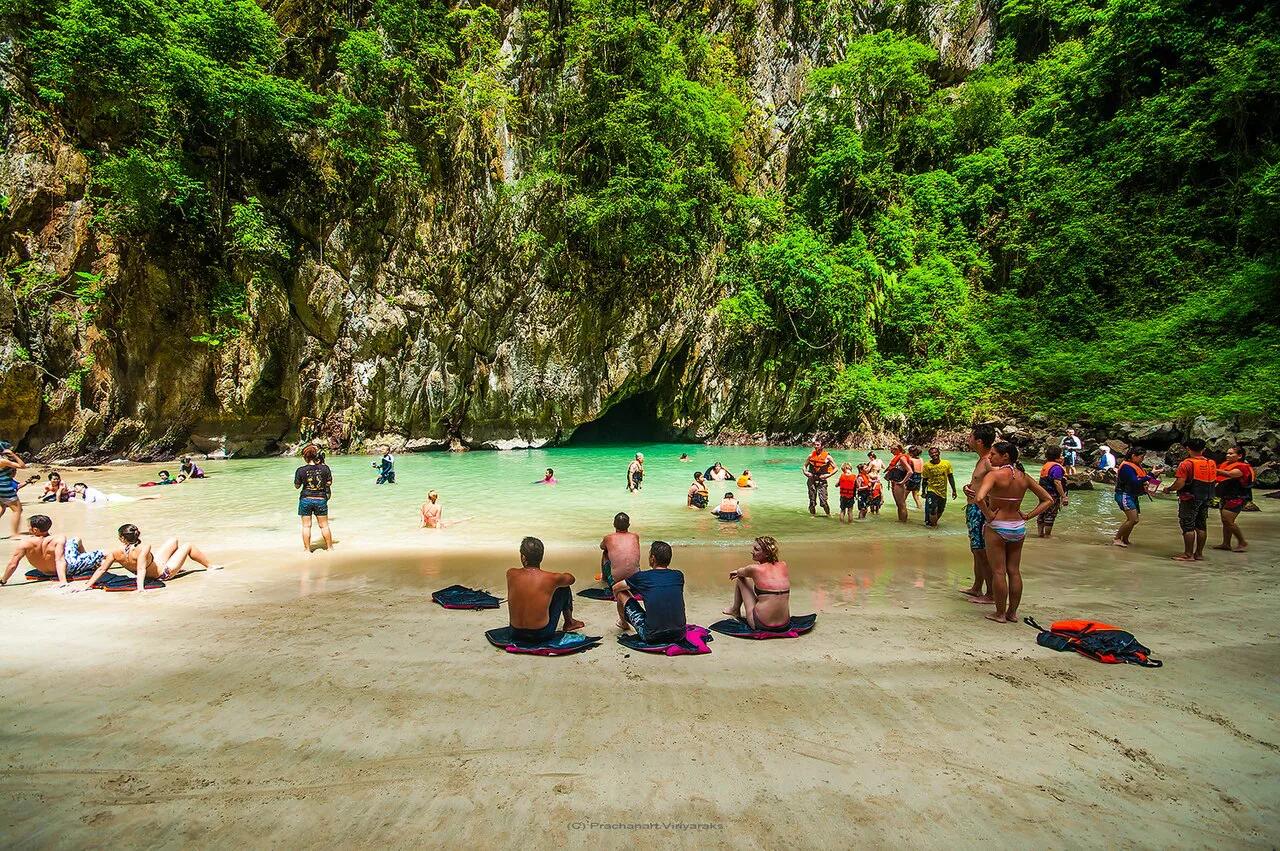
The lagoon is the snorkeler's draw. Water inside it is shallow, with healthy coral and schools of barracuda, parrotfish and wrasse. Hawksbill turtles and juvenile blacktip sharks appear in the shallows now and then. A small sandy beach sits at its center. Boats cannot land there because of the shallow coral, so snorkelers swim ashore to rest. Reefs around Islands #2 and #4 are also easy to explore from the surface. On Koh Haa Neung, the south and east sides give the best snorkeling and the most shelter from north-east winds. Day tours typically stop at both Koh Rok and Koh Haa, so you get less time in the water at each. Check how many snorkel stops your tour includes.
Dive trip, snorkel tour or private charter? How to choose
Prices and listings checked November 2026, from one Koh Lanta tour marketplace. Treat them as "listed from" levels, since they change by season and group size. A shared speedboat snorkel tour to Koh Rok and Koh Haa starts at ฿1,595. A private longtail Koh Rok tour starts at ฿8,995, and a private speedboat to both starts at ฿25,995. Discover Scuba with 3 dives at Koh Haa or Koh Bida starts at ฿5,500. Certified divers can book fun dives instead, and one Lanta operator lists ฿3,330 for 2 dives online, with equipment, guide and lunch included but the marine park fee extra. Our fun dive planning page covers what to ask. To compare operators, start with our Koh Lanta dive center list.
Park fee of ฿400 per adult is extra on 3 of 5 listed tours, so check whether your ฿1,595 shared snorkel fare covers it.
| Format | Listed from | Duration | Best for | Skip if |
|---|---|---|---|---|
| Shared speedboat snorkel tour (Koh Rok and Koh Haa) | ฿1,595 | 8 hours | Budget travelers, non-divers, families | You get seasick or dislike crowded boats |
| Discover Scuba, 3 dives (Koh Haa or Koh Bida) | ฿5,500 | About 7 hours | First-time divers who want the reef, not the pool | You are uncomfortable in open water |
| Certified fun dives | ฿3,330 for 2 dives (one operator, online) | Morning departure, back about 1:30 to 2 pm | Divers wanting caves, walls and the Chimney | You are not Open Water certified |
| Private longtail (Koh Rok) | ฿8,995 | 8 hours | Groups wanting a slower pace | You want Koh Haa specifically |
| Private speedboat (Koh Rok and Koh Haa) | ฿25,995 | 8 hours | Small groups wanting their own schedule | You are on a tight budget |
Getting there and what a day looks like
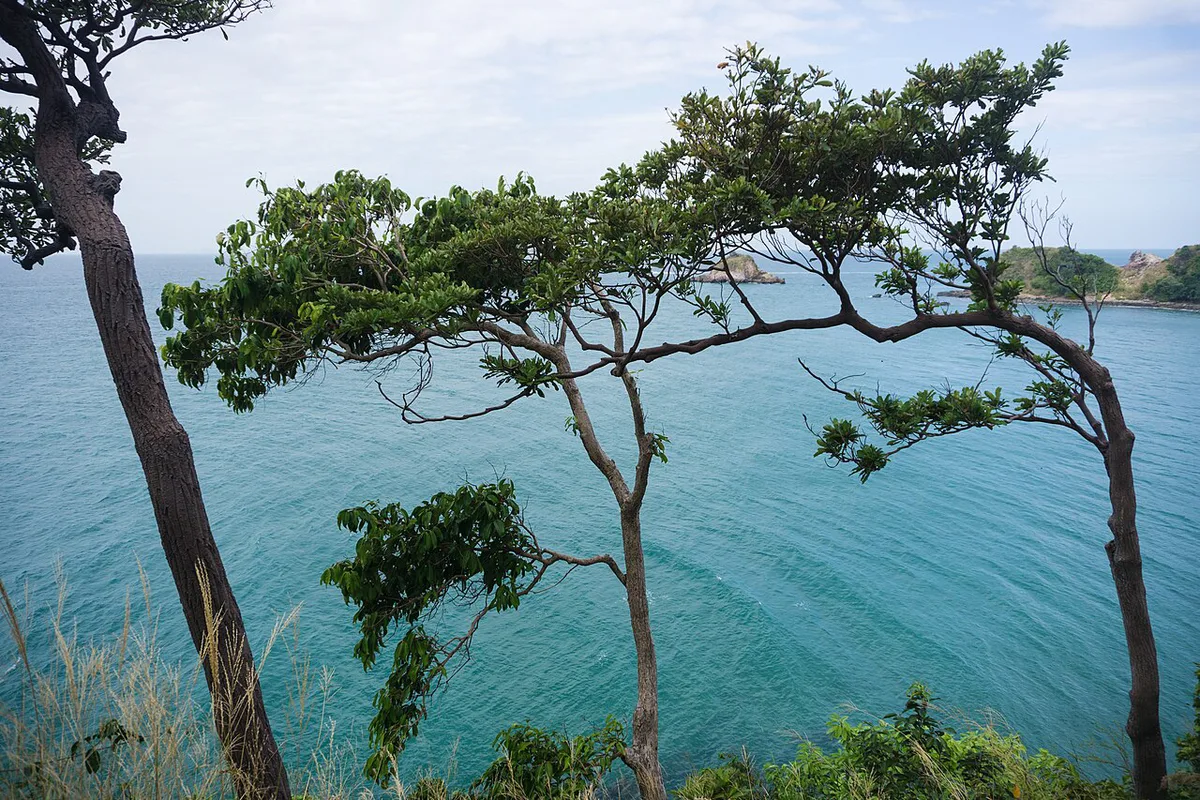
There is no regular ferry. Only licensed operators visit, so you book a tour or a dive trip. Most tours include hotel pickup on Koh Lanta, then a transfer to the pier. One dive operator departs from the south end of Long Beach and returns around 1:30 to 2 pm. Day tours run about 8 hours with a 1 to 1.5 hour crossing each way. Foreign visitors pay a national park fee of ฿400 per adult and ฿200 per child on the tours listed. It is extra on 3 of 5 of those tours, so ask what your price covers. The same operator's dive page lists a separate marine park diving fee of ฿600 for foreigners per day, so compare the quoted amounts. Current fees are set by the Department of National Parks. Facilities on the islands, such as toilets, shade and mobile signal, are not documented, so pack for none.
- Reef-safe sunscreen and a rash guard
- Seasickness tablets, taken before departure
- A dry bag for phone and camera
- A torch if you plan cave dives
- Dive insurance: the Divers Alert Network publishes cover options for traveling divers
- Mistakes to avoid: booking without asking about the park fee, assuming calm seas, and entering a cave without a torch
When to go and sea conditions
One Lanta dive operator runs trips from mid-October to mid-May, which matches the calmer dry season. Our Koh Lanta diving season guide breaks down the months. Rough weather is the main risk. A traveler on an August day tour described a hectic ride of over an hour each way and only 1.5 m of snorkeling visibility. Operators list dive visibility from 5 to 30 m or more, so expect a range, not a promise. For wetsuit choice, read our Koh Lanta water temperature guide. Tides and currents are not consistently published by tour sellers. Ask your operator, and ask what happens if the trip is cancelled for weather.
Training depths of 5 to 15 m suit beginners, but an August day tour reported just 1.5 m of snorkeling visibility.
Koh Haa vs Koh Rok, Hin Daeng/Hin Muang and Koh Bida
Pick Koh Haa for the lagoon, the caves and a mix of levels in one trip. Koh Rok suits a beach-and-snorkel day, with two islands, Koh Rok Nok and Koh Rok Nai, and a long sandy beach. Tour sellers bundle it with Koh Haa. For deeper, current-swept pinnacles, see Hin Daeng Diving from Koh Lanta: Who It Suits and How to Go. Its neighbor is covered on our Hin Muang page, and both suit more experienced divers than the Koh Haa lagoon. Koh Bida appears on the same dive schedules as Phi Phi and is the usual alternative on a day when Koh Haa is not running. One operator rotates its boats through Koh Haa, Hin Daeng and Hin Muang, and Koh Bida over the week.
Learning to dive here
The lagoon's shallow, sandy 5 to 15 m depths make it a common training site. A PADI Open Water course runs 3 days and is listed from ฿13,995. Our PADI course guide for Koh Lanta explains the options. Phoenix Koh Lanta is named as a contributor to PADI's Koh Haa listing, and our Phoenix Divers profile covers what that shop offers. Ear problems matter if you want to surface inside the Cathedral cave, so tell your guide in advance.
Responsible visiting and reef care
Koh Haa sits in a national park, so collecting shells or coral is illegal. Do not touch coral or feed fish. Keep your buoyancy controlled near walls and in caves. Take your rubbish back to the boat, and use reef-safe sunscreen. The life jackets some tours require for swimming also keep fins and hands off the reef. Good snorkeling form here means floating flat, not standing on coral.
Notes for your next dive trip
Optional updates to our Thai diving guides.
You might also like
Continue reading
More guides you'll find useful