Phi Phi Dive Sites: Reefs, Levels and Trip Tips
Compare Phi Phi dive sites by level, season, marine life and trip type, with tips for choosing a shop and planning a dive day.
On this page
Last updated November 2026. The core Phi Phi dive sites are Bida Nok, Bida Nai, Hin Klang, Palong Wall and Viking Cave, all close to Phi Phi Island. Your choice comes down to certification level and whether you want a day trip or a liveaboard. Our hub on diving around Phi Phi covers the wider picture.
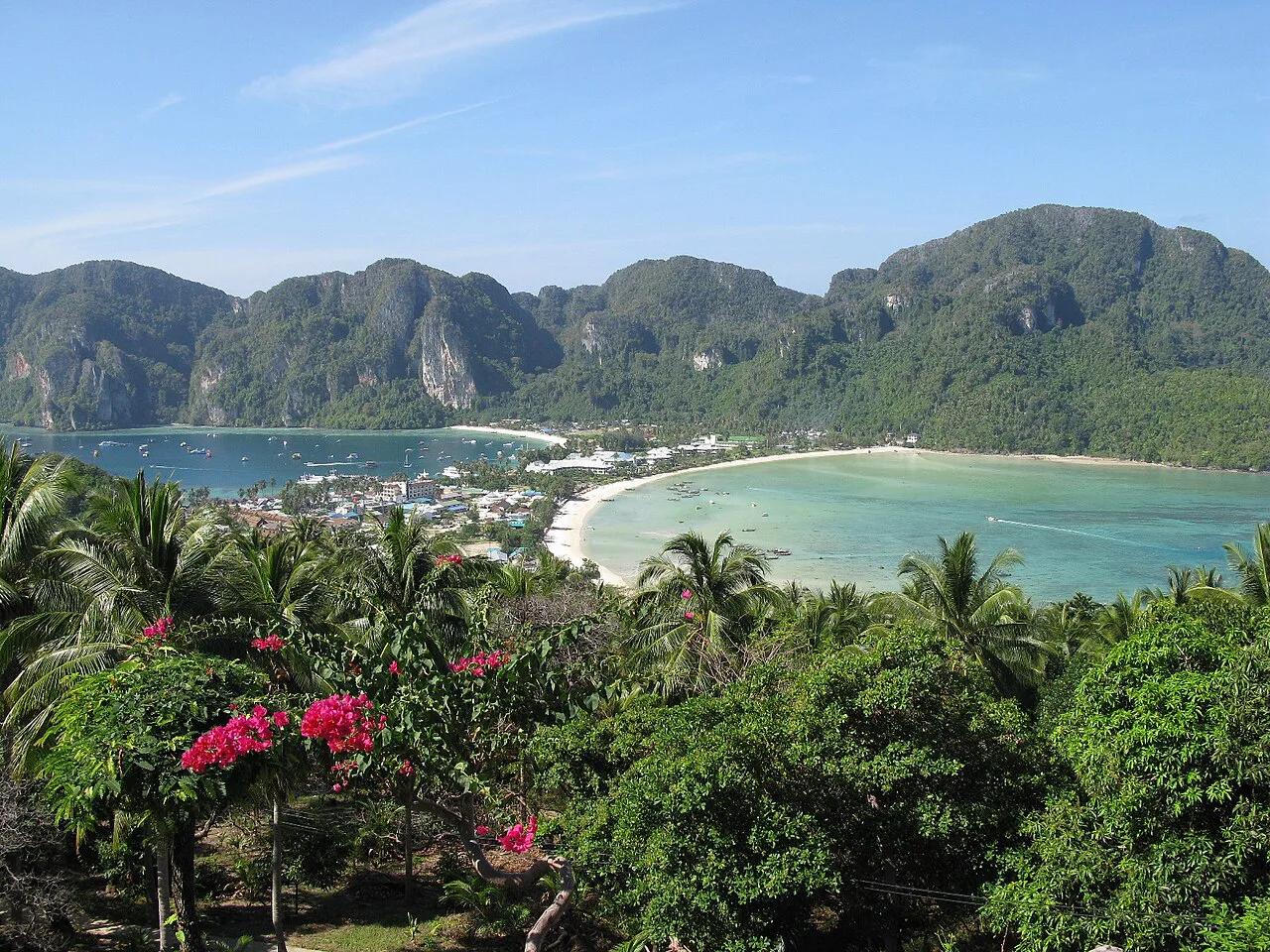
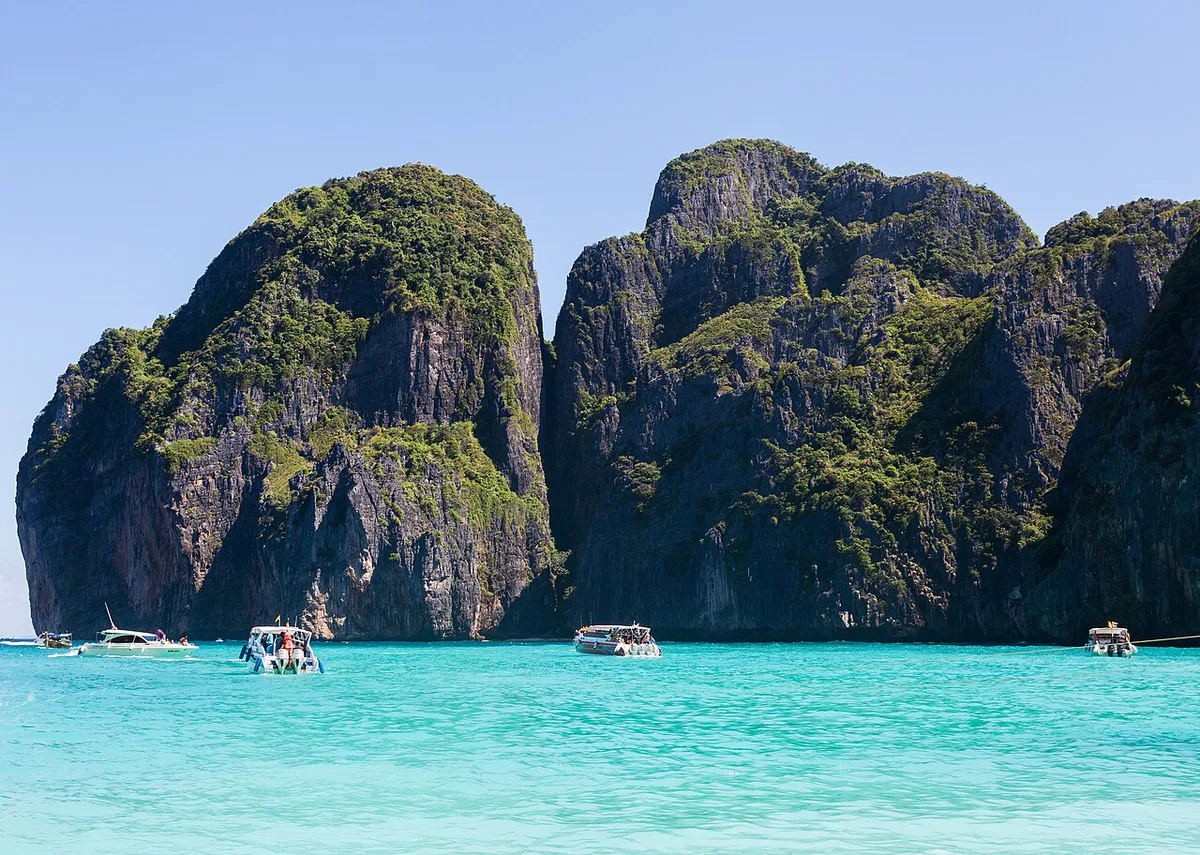
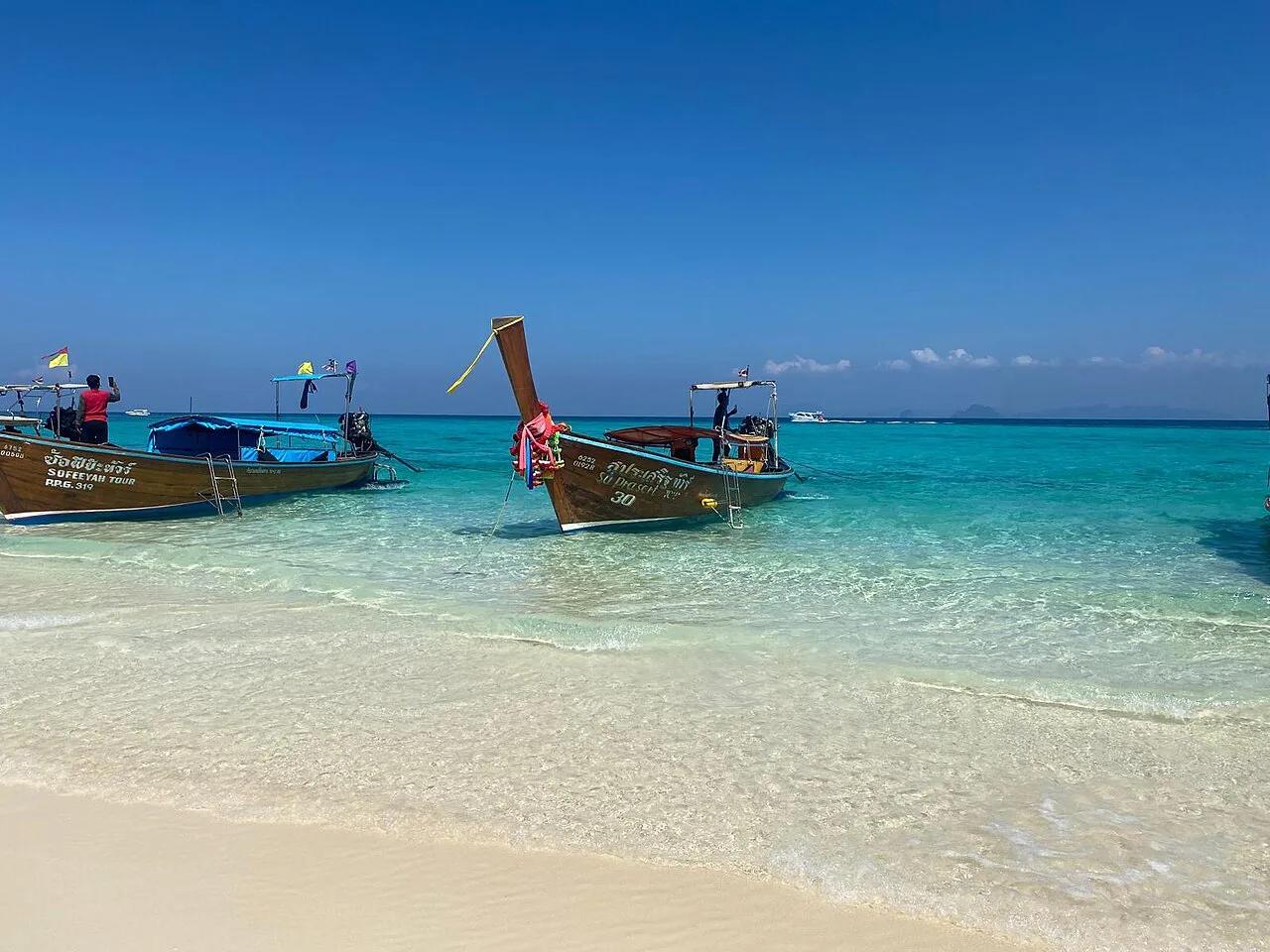
Featured image: Vyacheslav Argenberg from Seattle, WA, USA, CC BY 2.0, via Wikimedia Commons.
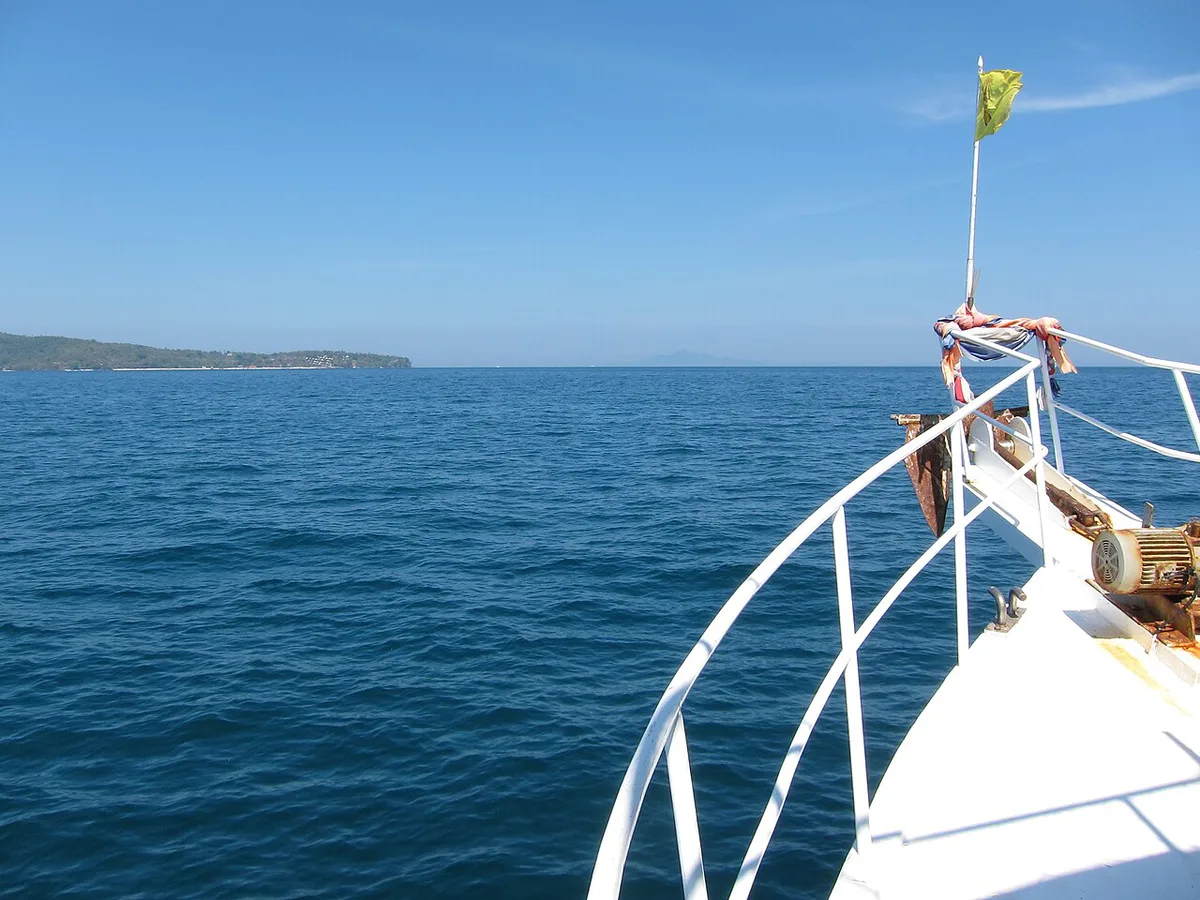
The short answer: which Phi Phi dive sites to pick
Phi Phi sits inside the Mu Ko Phi Phi national marine park, and its best-known reefs are walls, coral gardens, caves and swim-throughs. One operator lists more than 20 sites around the islands, while a liveaboard guide counts over a dozen exceptional ones. Most divers staying on Phi Phi Don only ever visit a handful of them. Three decisions narrow the list quickly.
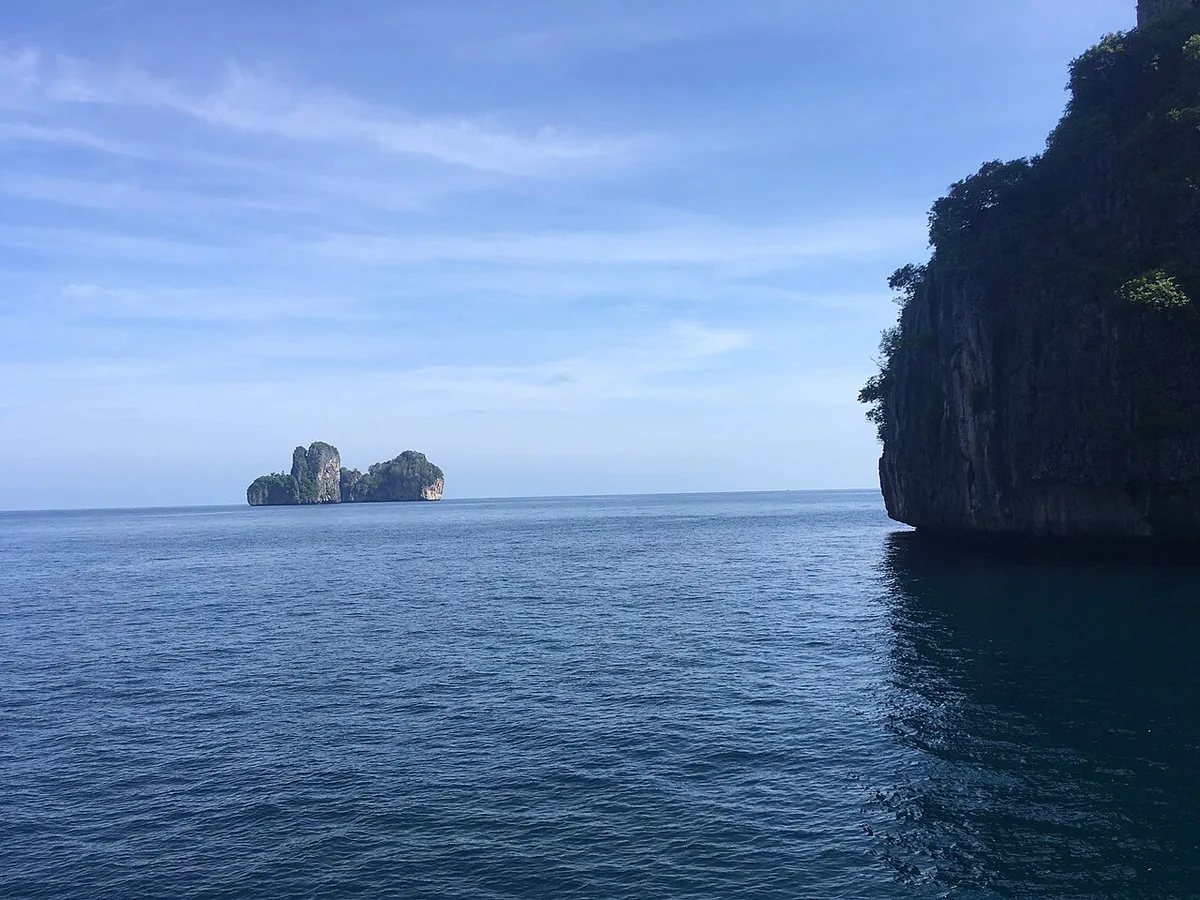
- Not certified: book a Try Dive in shallow, calm water with an instructor beside you.
- Certified and staying on Phi Phi: dive the near-island sites such as Bida Nok, Bida Nai and Palong Wall.
- Chasing manta rays or whale sharks: look at far offshore sites or a liveaboard.
Phi Phi dive sites at a glance
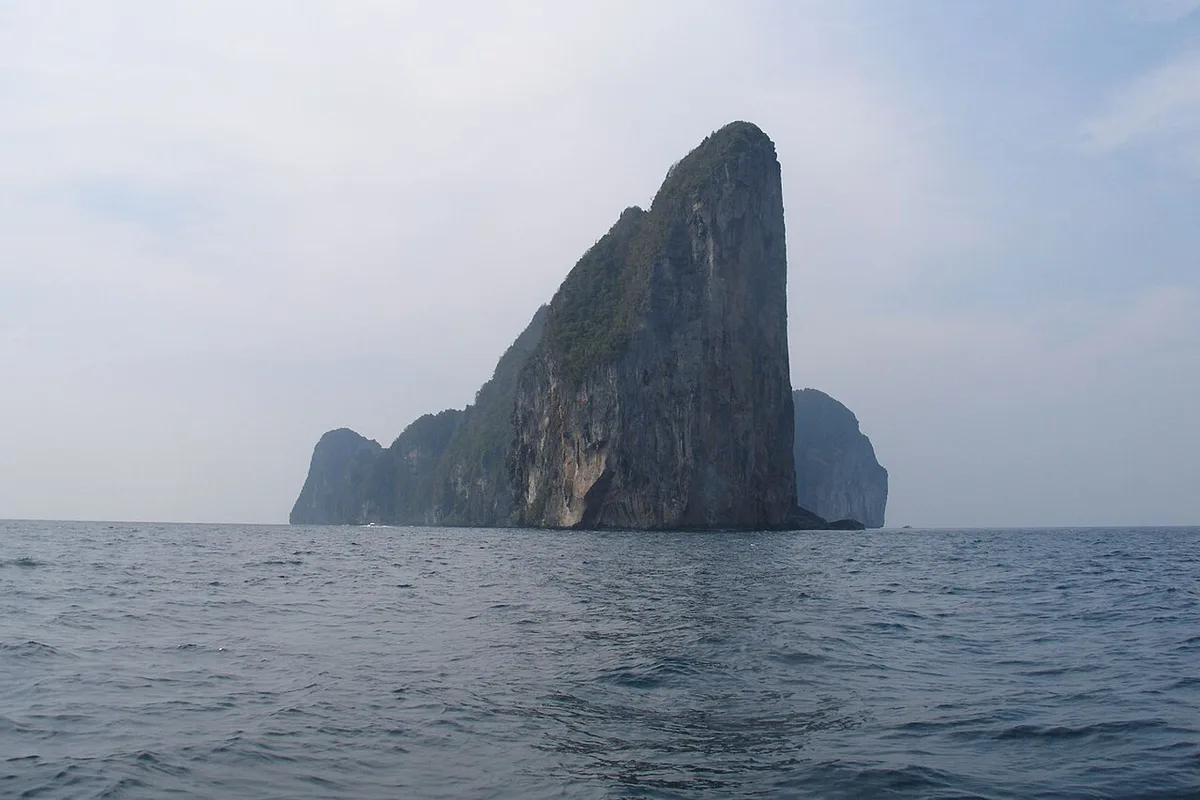
This table covers the sites divers mention most. Depths and current are left out on purpose, because they change with tide and season. Your shop's briefing is the right place to get them. For site detail, start with our pages on Bida Nok Diving Guide: Depth, Level, Trips (Phi Phi), then Hin Klang (Hin Klai) Phi Phi: Diving, Snorkeling & Access, then Palong Wall, Phi Phi: Dive Site Guide, Depth, Level & Access.
Of the more than 20 sites one operator lists, four near-island spots cover the usual day trip out of Phi Phi Don.
| Site | Type | Typical level | Notes |
|---|---|---|---|
| Bida Nok | Wall | Certified | Reported sightings include sharks, turtles and barracuda |
| Bida Nai | Wall | Certified | Neighboring island to Bida Nok |
| Hin Klang | Reef | Ask your shop | Confirm depth and level at the briefing |
| Palong Wall | Wall | Certified | Named as a highlight by local operators |
| Viking Cave | Cave and coral | Ask your shop | Close to Phi Phi Island |
| Maya Bay area | Coral garden | Ask your shop | Park access and dive rules change; ask before booking |
| Hin Daeng and Hin Muang | Deep pinnacles | Experienced | Far offshore; manta rays and whale sharks possible |
| Shark Point | Reef | Ask your shop | Far offshore; leopard sharks and macro life |
| King Cruiser Wreck | Wreck | Experienced | Far offshore; ferry wreck used as an artificial reef |
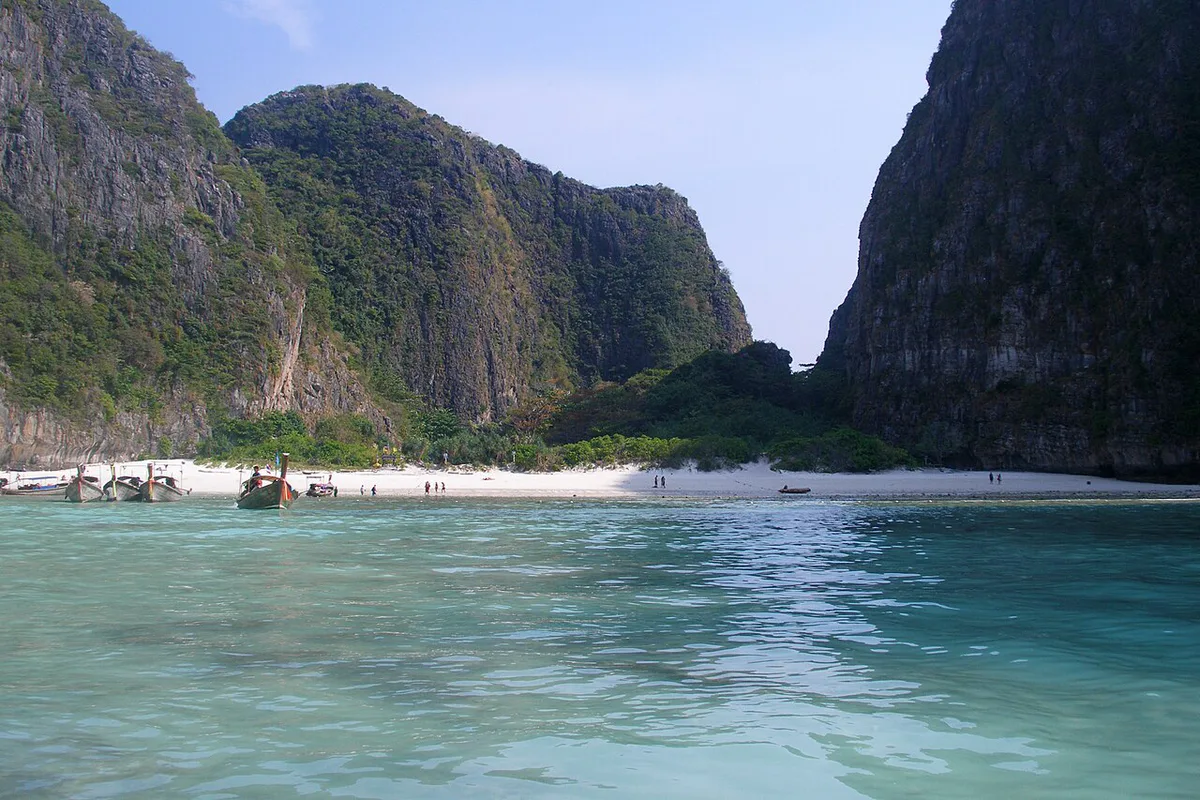
Near-island sites vs. far offshore sites
Bida Nok, Bida Nai, Palong Wall and Viking Cave are the near-island group. They suit the usual day trip out of Phi Phi Don. Hin Daeng, Hin Muang, Shark Point and the King Cruiser Wreck are different. They sit away from Phi Phi's house reefs and usually mean a full-day trip or a liveaboard. Liveaboard trips often combine Phi Phi with Hin Daeng, Phuket, Koh Lanta and Koh Haa, and they typically depart from Phuket or Pak Bara Pier. Choose a liveaboard if you want several days of diving and already hold a certification. Skip it if you are new to diving and only have a day or two.
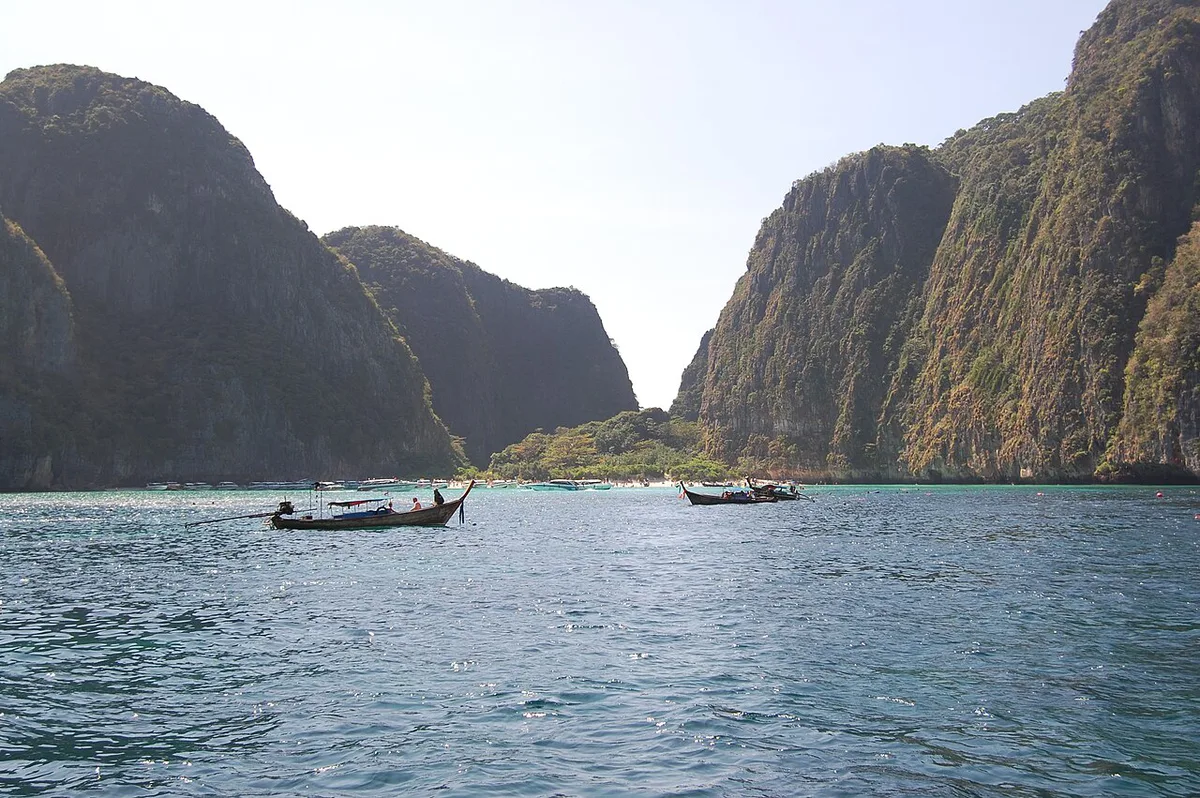
Best dive sites by experience level
A Try Dive needs no license and no swimming skills at one operator we reviewed. You stay in shallow water with a certified instructor throughout. Our guide to first-time diving at Phi Phi explains what to expect. Once you want walls such as Bida Nok or Palong Wall, plan on an Open Water certification. Courses are taught by agencies including PADI and SSI, and either card is accepted by dive centers worldwide. Our page on PADI courses in Phi Phi covers the course path. Advanced Open Water adds deeper dives, and the far offshore pinnacles are the places where that extra training matters most.
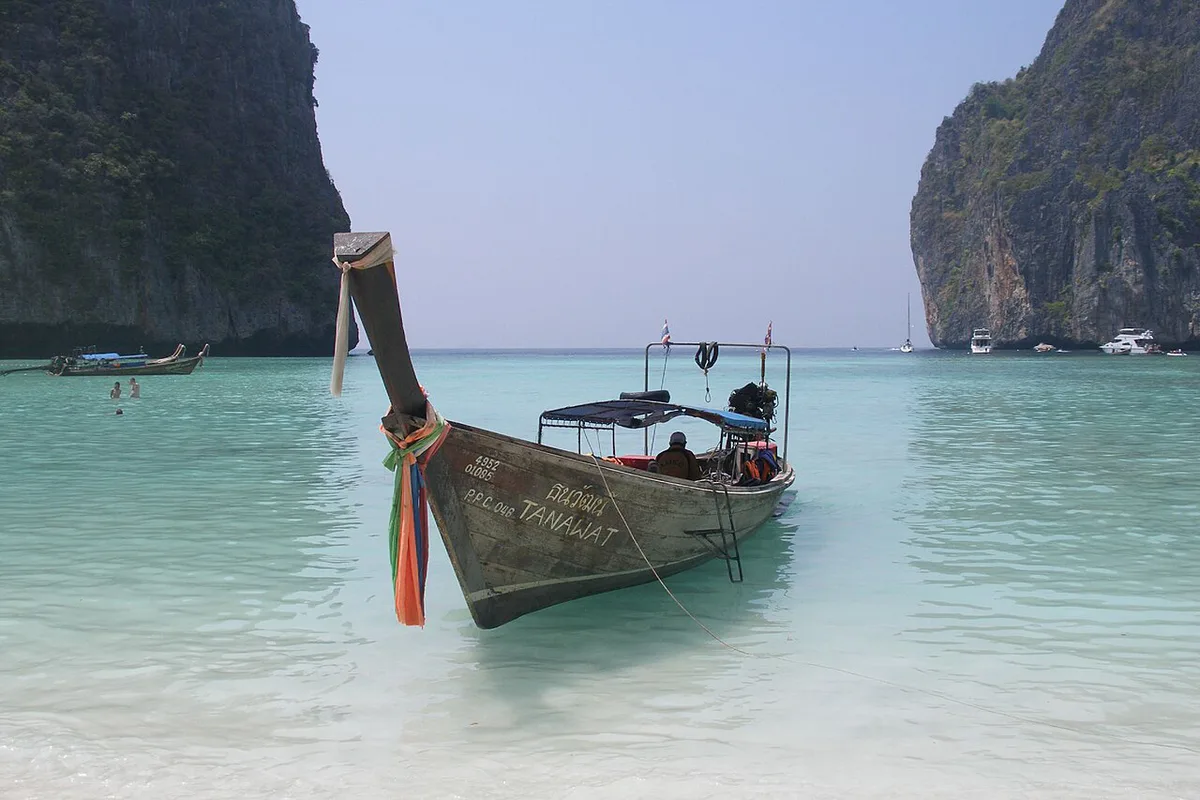
What you can see underwater
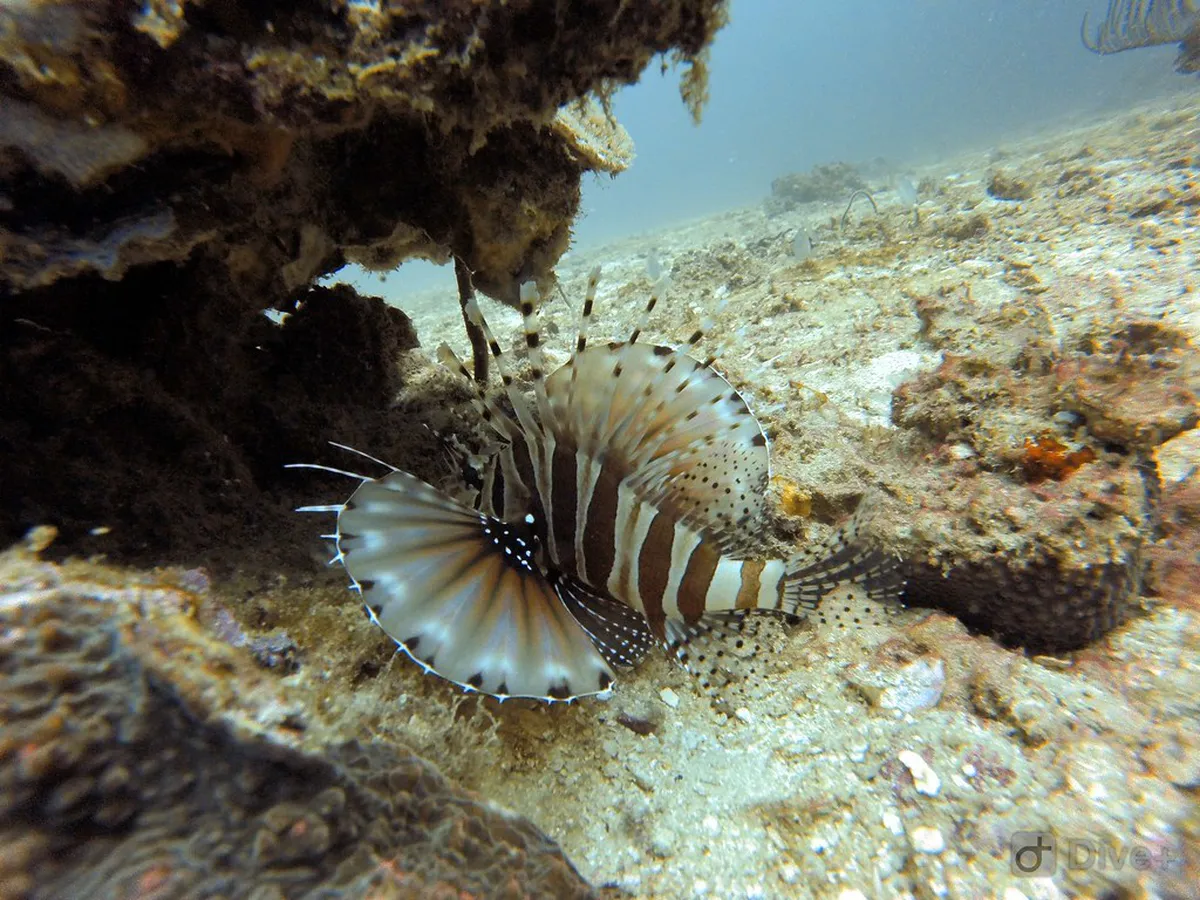
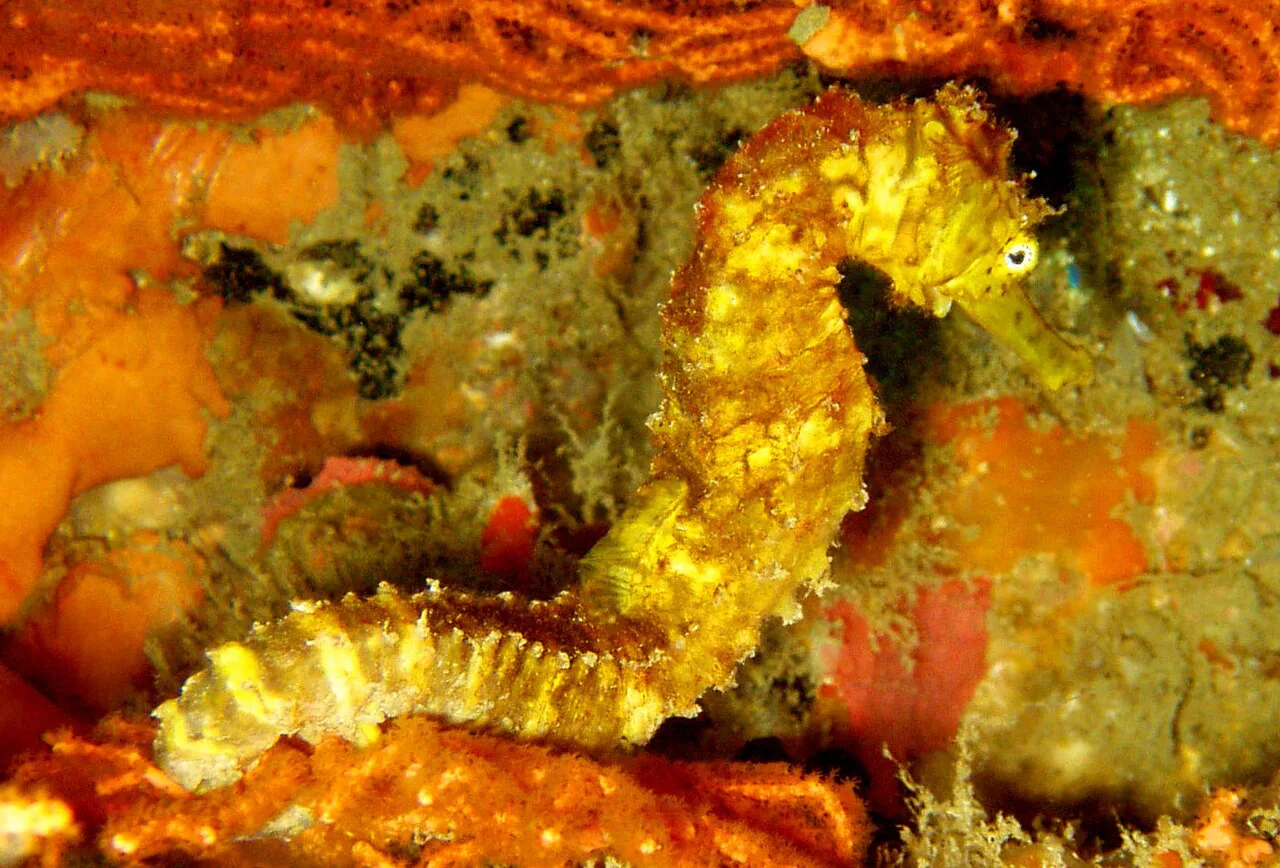
Phi Phi is known for limestone walls covered in soft corals, plus shallow coral gardens fringed with hard and soft corals. Caves and swim-throughs add variety. Reported sightings include blacktip reef sharks, leopard sharks, green and hawksbill turtles, banded sea snakes, seahorses and glassfish. Treat all of these as possible, never guaranteed. Whale sharks and manta rays belong to the far offshore sites, not the house reefs. Macro fans should ask shops about seahorses and nudibranchs before choosing a site.
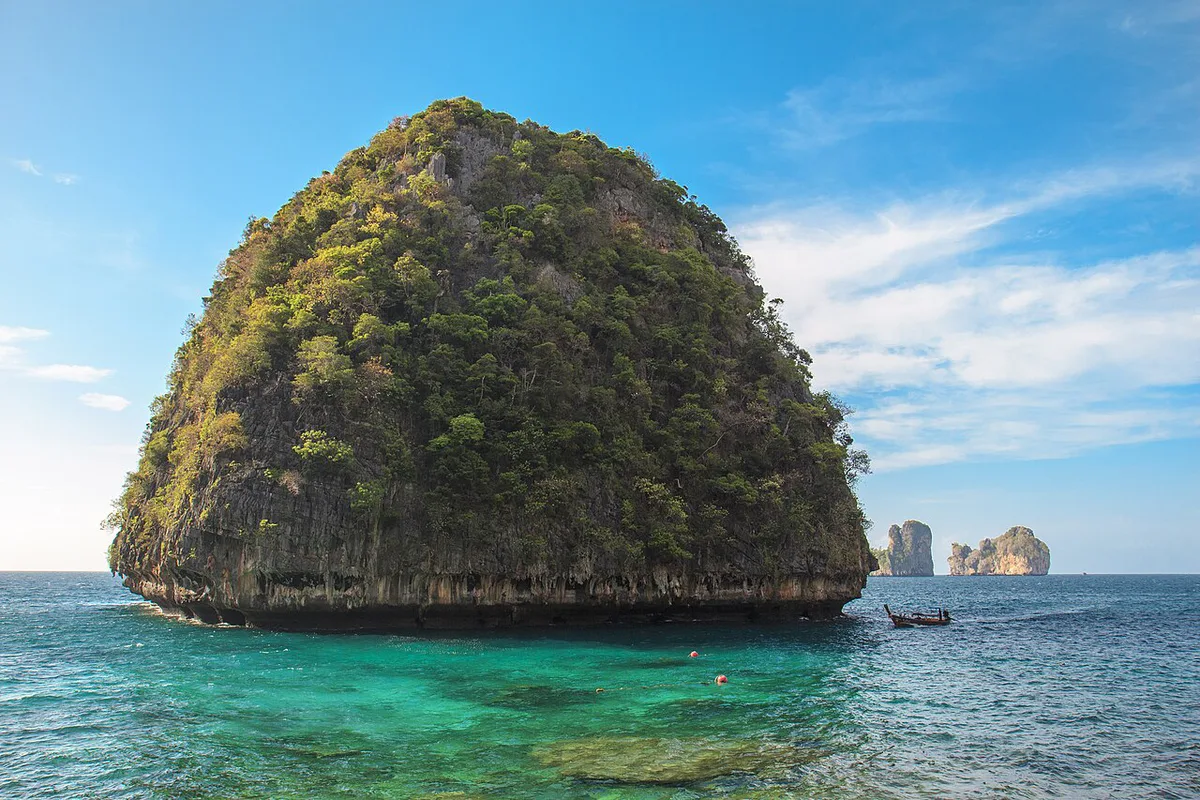
When to dive Phi Phi
Sources disagree on the best window. One operator puts the best conditions at December to May, while a liveaboard guide gives February to May as optimal and November to April as the dry season. All three windows overlap from February to April, so those months are the safest bet. Diving continues outside them, but sea state and visibility vary. Water temperature runs about 27 to 30°C, according to a liveaboard guide. Our pages on the Phi Phi diving season and Phi Phi Water Temperature by Month: Swim & Dive Guide go month by month. For sea-state forecasts, the Thai Meteorological Department publishes official weather data.
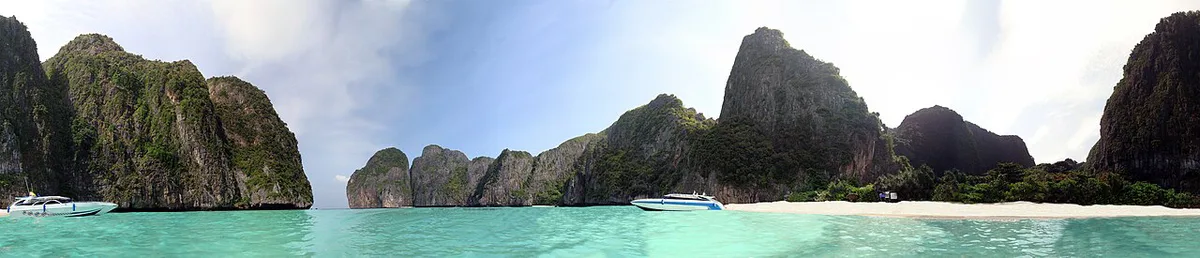
Costs and what a dive day includes
Prices and hours checked November 2026. One Phi Phi operator lists Try Dive from ฿3,600. Its Open Water course runs ฿11,900 to ฿13,900 depending on season. Treat these as one shop's examples, not island-wide rates. Certified-diver day trip prices are listed separately by each operator. Our guide to Phi Phi diving prices compares ranges. Ask each shop what the fee covers, including lunch, gear, insurance and park charges.
Try Dive from ฿3,600 at the same shop costs less than its Open Water course, which runs ฿11,900 to ฿13,900, so a taster is the cheaper first step.
Getting to Phi Phi and planning your dive days
Phi Phi has no road access, so you arrive by boat. Ferries and speedboats run daily from Phuket and Krabi, taking 45 to 90 minutes. One operator requires at least one night on Phi Phi before diving and says most guests stay two to three nights. That is one shop's policy, so ask yours. Plan two or three days if you want a Try Dive plus a second day on the walls. Expect an early start on the day you head offshore. Check current ferry timetables with the operator before you book.
How to choose a dive shop and dive responsibly
Our list of Phi Phi Dive Shops: How to Choose the Right One is a starting point for comparison. Ask every shop the same questions, whatever its brand. One operator advertises groups of no more than four, which is a useful benchmark. Park rules protect the reef, and the Department of National Parks is the authority for fees and diving rules. For medical questions, Divers Alert Network publishes dive-safety guidance. Back at the hub, our Phi Phi diving guide ties the planning steps together. Avoid these common mistakes.
- Booking a far offshore trip without the certification it needs.
- Relying on a single month window when sources disagree.
- Choosing a shop on price alone, without asking about group size, boat type and briefing.
- Touching coral or marine life; take only pictures.
Notes for your next dive trip
Optional updates to our Thai diving guides.
You might also like
Continue reading
More guides you'll find useful