Phi Phi Dive Shops: How to Choose the Right One
Compare Phi Phi dive shops by group size, boat, inclusions and cancellation terms, with questions to ask before you book a dive trip.
On this page
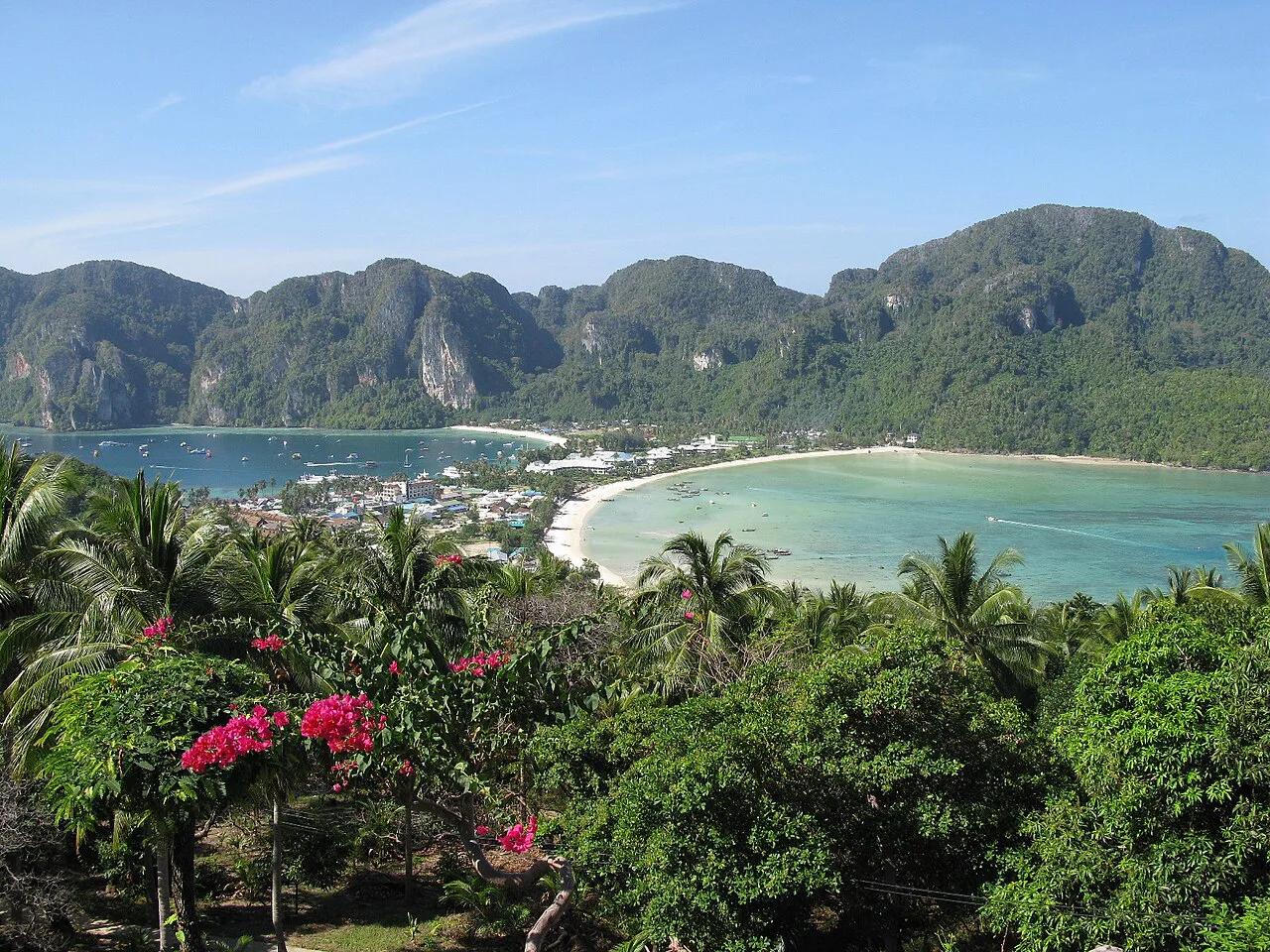
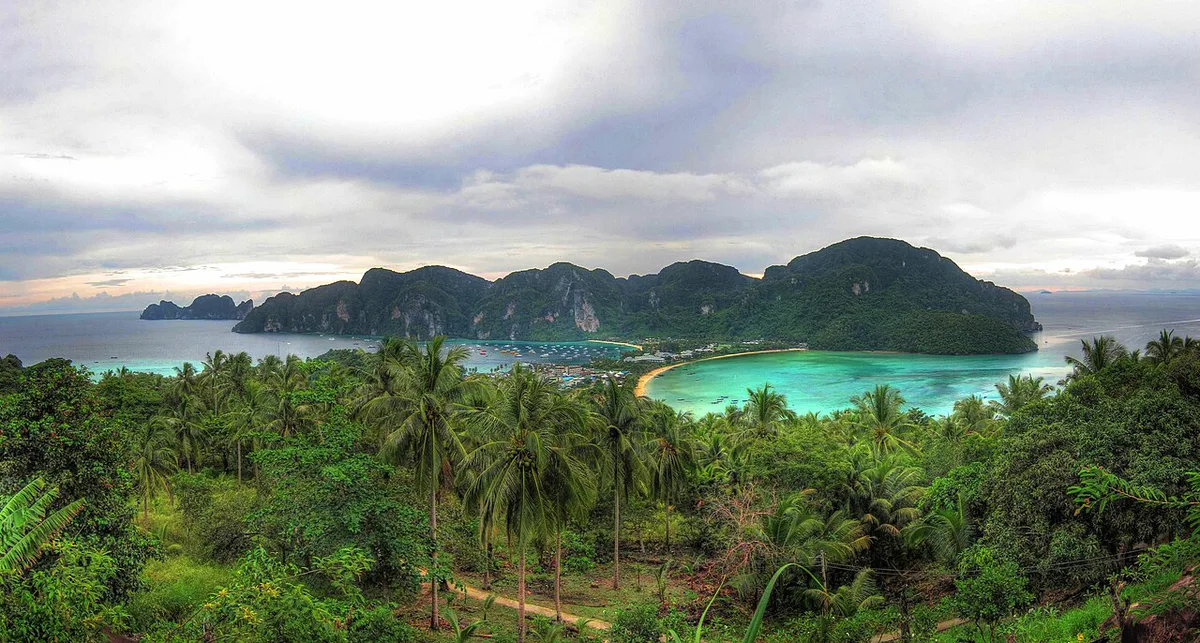
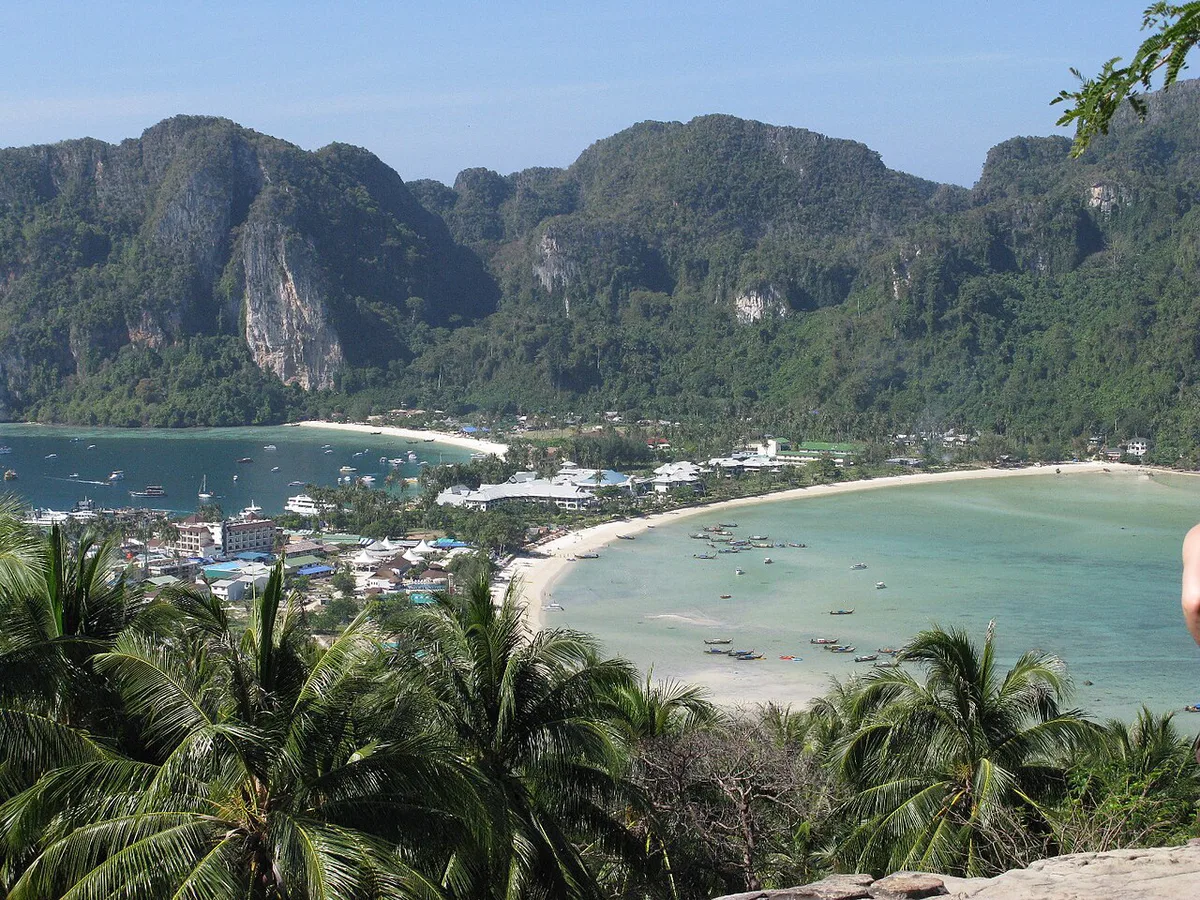
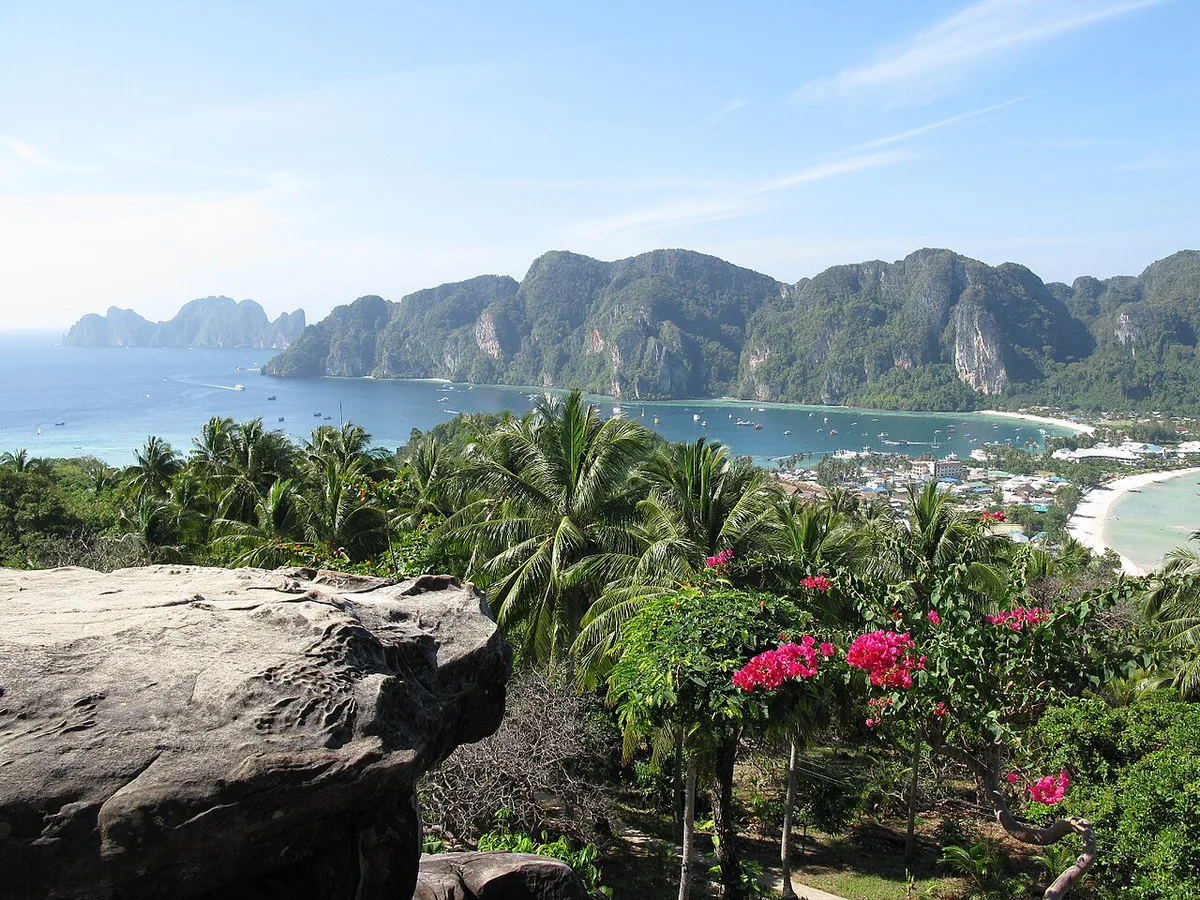
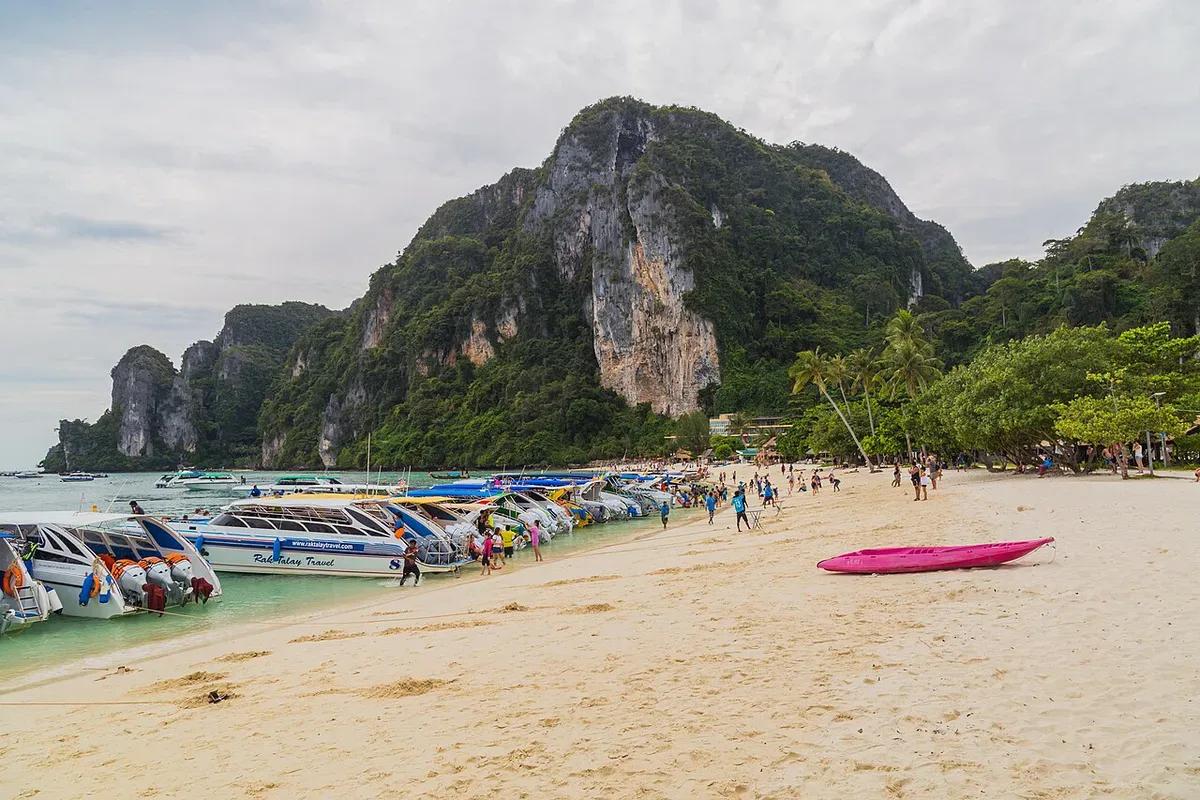
Last updated November 2026: phi phi dive shops range from small course-focused centers to larger day-trip operators. Most cluster around Ton Sai Village and the Ton Sai Bay waterfront on Phi Phi Don. Use this page with our Phi Phi diving overview to shortlist two or three operators.
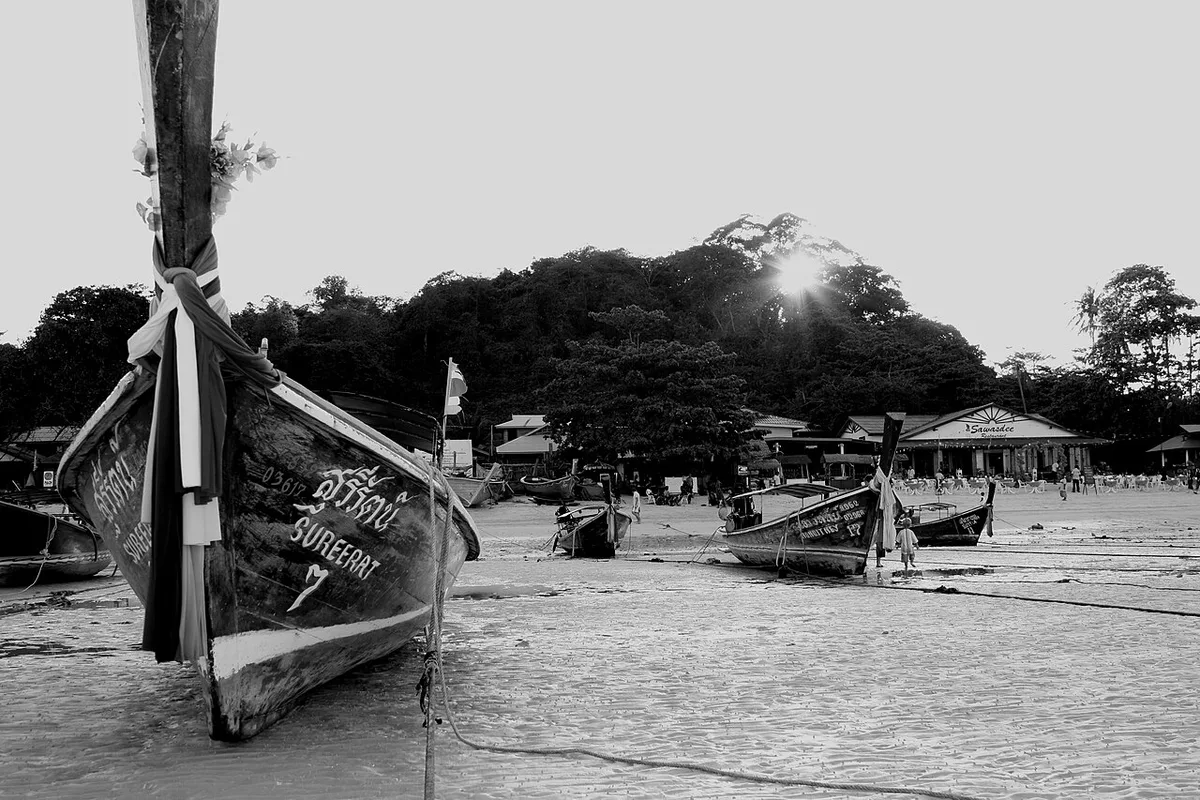
Featured image: Ilse Reijs and Jan-Noud Hutten, CC BY 2.0, via Wikimedia Commons.
Quick answer: what to look for in Phi Phi dive shops
A Phi Phi dive shop sells courses, fun-dive day trips and sometimes liveaboard add-ons. Four criteria separate one operator from another. Group size and instructor ratio come first. Boat type and transit time to the sites come next. Inclusions decide your real price. Cancellation and weather rules decide what happens when the sea turns rough. Because many centers sit within walking distance around Ton Sai Bay, you can compare two or three in person before paying.
- Group size and instructor-to-student ratio
- Boat type, boat size and transit time to the sites
- What is included: gear, insurance, lunch, park fees
- Cancellation and weather policy in writing
Types of dive shops and who each suits
Course-focused shops teach certification programs and short intro dives. Total beginners should start with our first-dive guide. Open Water students should also read about PADI courses on Phi Phi. Check a shop's affiliation on the PADI dive shop finder. SSI centers are listed on the SSI dive center locator. Day-trip operators suit certified divers who want a guide and a boat seat. Those divers should ask about depth limits and guide experience, since recreational limits depend on certification level. Some operators add liveaboard packages for longer trips. Ask whether they run those trips themselves or resell another boat.
Day-trip divers can use the 30 to 50 m (100 to 165 ft) figure from older guides as a ceiling, then match it to their own certification before booking.
How to compare shops: a checklist table
Put the same questions to every shop and write down the answers. Vague replies are useful information too.
| Criterion | Why it matters | What to ask |
|---|---|---|
| Agency affiliation | Sets the course standards you will be taught under | Which agency, and can I find the center on its locator? |
| Group size | Smaller groups mean more guide attention and less crowding at depth | How many divers per guide or instructor? |
| Boat type | Speedboats and slower boats change transit time and comfort | Which boat will we be on, and how long to the first site? |
| Inclusions | Unclear extras inflate a cheap headline price | Are gear, insurance, lunch, park fees and nitrox included? |
| Equipment care | Poorly serviced gear is a safety issue | How is gear serviced, and can I see it before I commit? |
| Briefing | A proper briefing covers signals, depth and reef etiquette | Who gives the briefing, and in which language? |
| Cancellation | Weather days are common on open sea routes | What happens if the trip is cancelled or the weather turns? |
What a dive day looks like
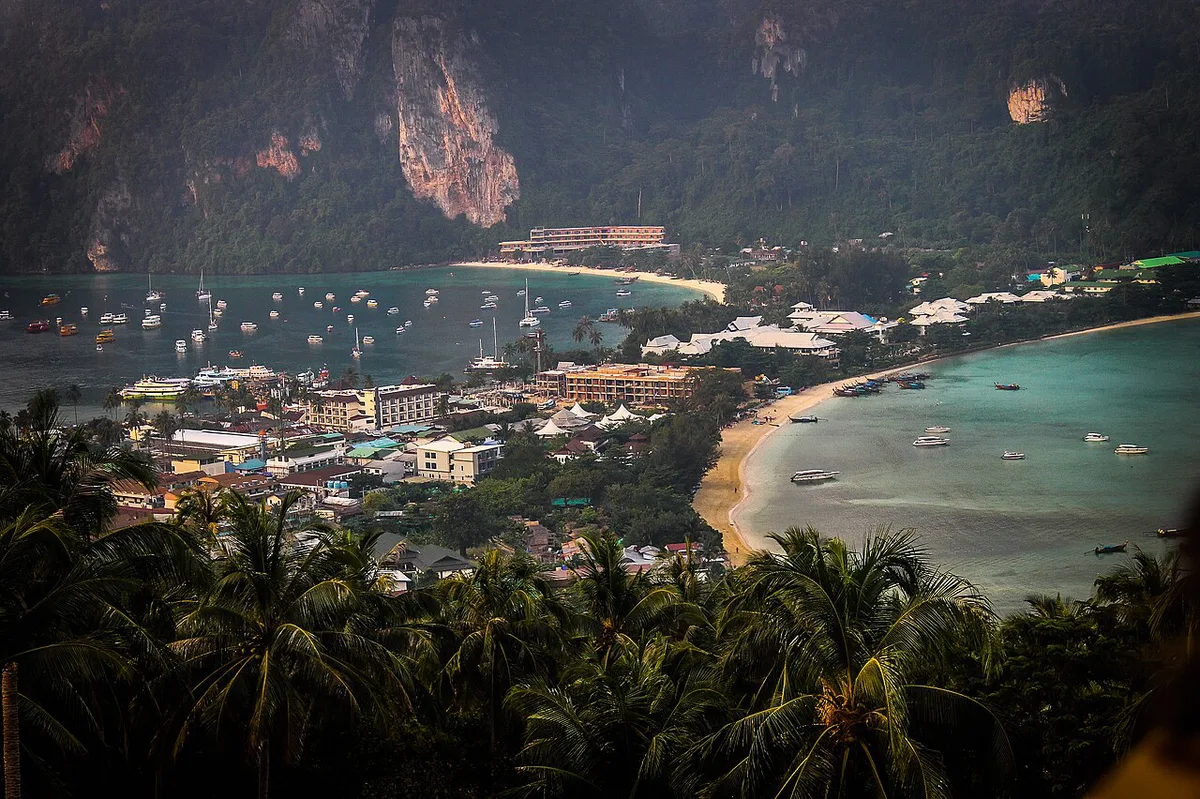
Expect a meeting time at the shop or a pier near Ton Sai, then a boat transfer. Transit time eats into your day, so ask how long the ride to each site is. Dives are separated by a surface interval, then the boat returns to Ton Sai. Browse our Phi Phi dive site guide to see what each stop offers. Beginners often hear about Bida Nok Diving Guide: Depth, Level, Trips (Phi Phi), while Hin Klang (Hin Klai) Phi Phi: Diving, Snorkeling & Access suits relaxed reef dives. Experienced divers look at Palong Wall, Phi Phi: Dive Site Guide, Depth, Level & Access. Older guides cite maximum depths of 30 to 50 m (100 to 165 ft) at popular sites. Treat that as a ceiling, not a target, because your certification sets your limit.
Cost and what is included
Current rates are collected in our Phi Phi diving price guide. Each operator's own page is the source for its inclusions and fees.
- Marine park fees billed separately at the pier
- Rental gear, a dive computer or a wetsuit
- Lunch, drinks or fruit between dives
- Dive insurance
- Nitrox or a private guide
- Photos and video
When to go and booking timing
Sea conditions change by season, so check our diving season guide before fixing dates. Water temperature is covered on our temperature page.
- Booking online ahead secures a seat, but may mean stricter rescheduling terms.
- Booking on the island lets you inspect the shop and boat first, with less certainty in busy periods.
- Weather forecasts from the Thai Meteorological Department help you judge whether a trip will run.
- Ask whether trips run year-round before you plan around a specific operator.
Red flags and mistakes to avoid
Walk away if a shop will not answer plain questions. Diving requires appropriate certification, medical fitness and awareness of no-fly time after your last dive. Divers Alert Network publishes guidance on both. Follow your operator's briefing at all times. Ask whether national park fees are included, and read the rules on the Department of National Parks site.
- No stated cancellation rule
- No briefing before the first dive
- Crowded boats with no clear guide ratio
- Pressure to pay on the spot
- Credentials you cannot verify on the agency locator
- Unclear inclusions on the quote
Dive-Only Boat or Combined Snorkel Trip?
Ask whether your boat is dedicated to divers or also carries snorkelers. A combined trip can suit mixed groups, but confirm that the schedule leaves enough time for dive briefings, equipment checks and surface intervals. A dive-only boat may better suit certified divers who want the day centred on dive planning.
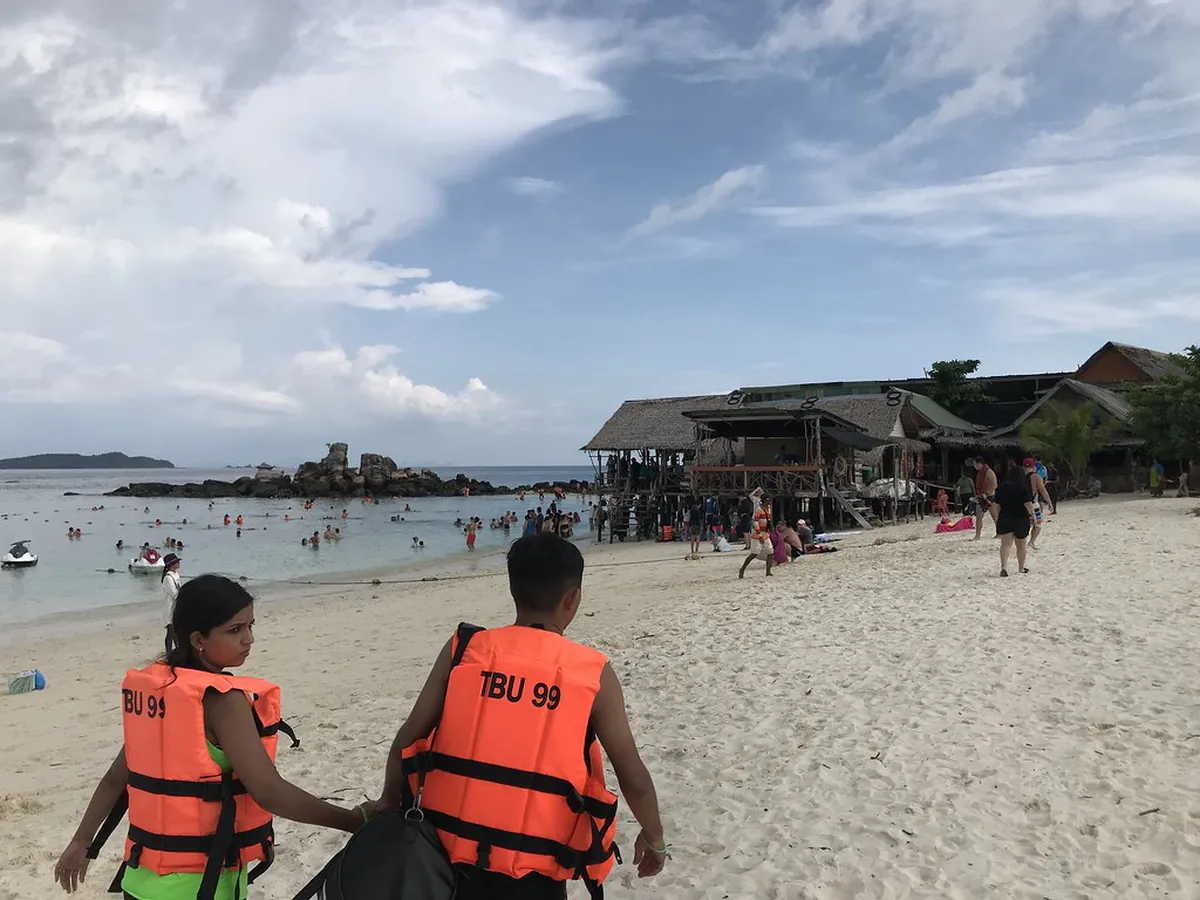
Compare two or three operators around Ton Sai before paying. Ask for the proposed sites, boat layout and the number of guides assigned to your group. This makes it easier to judge whether the itinerary matches your experience level.
Ask specifically how the shop sets depth plans. Older guides describe maximum depths of 30 to 50 m, or 100 to 165 ft, at some popular sites. Those figures are not a target. Your certification, conditions and guide briefing determine the appropriate depth for your dive.
- Will snorkeling stops change the diving timetable?
- How much deck space is reserved for divers and equipment?
- Who gives the dive briefing before entry?
Notes for your next dive trip
Optional updates to our Thai diving guides.
You might also like
Continue reading
More guides you'll find useful