Discover Scuba Diving Phi Phi: First-Dive Guide
What a Phi Phi Discover Scuba Diving trip includes, who can do it, what affects the price, and how to pick a safe operator.
On this page
Last updated November 2026: discover scuba diving Phi Phi is a supervised, no-certification introductory dive, usually run as a half-day boat trip from Tonsai Pier. You get a briefing, basic skills practice and two shallow dives with an instructor close beside you. Our pillar guide to diving in Phi Phi covers the wider picture.
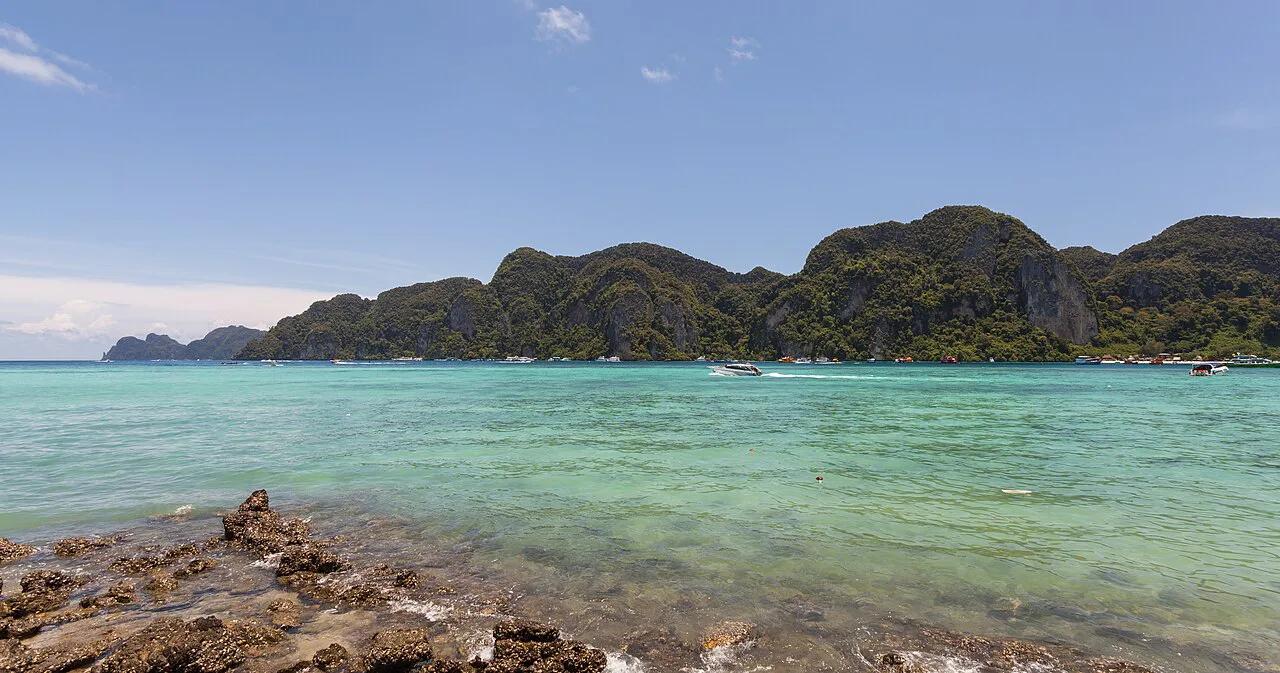
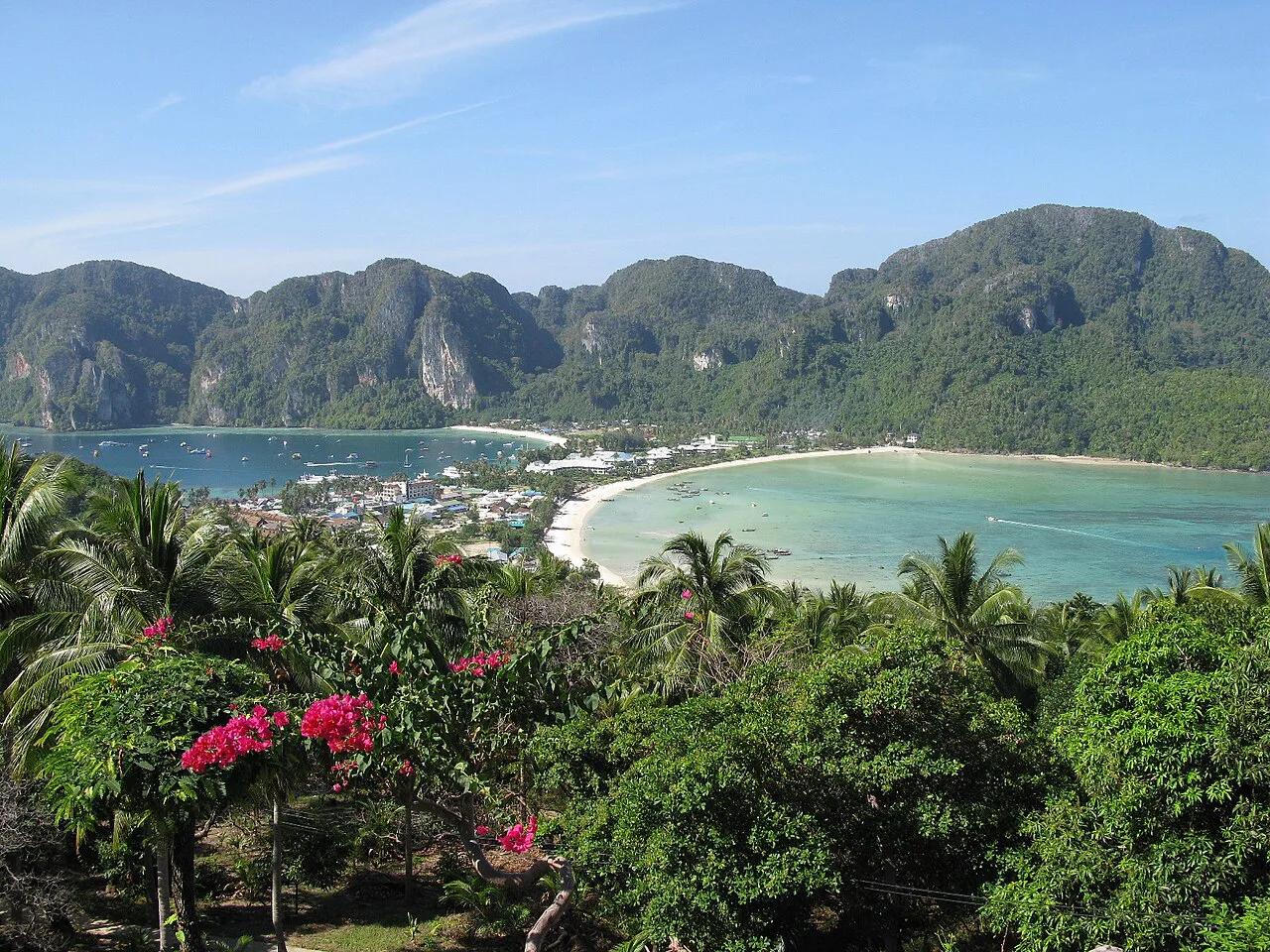
Featured image: Caitriana Nicholson from 北京 ~ Beijing, 中国 ~ China, CC BY-SA 2.0, via Wikimedia Commons.
What Discover Scuba Diving on Phi Phi involves
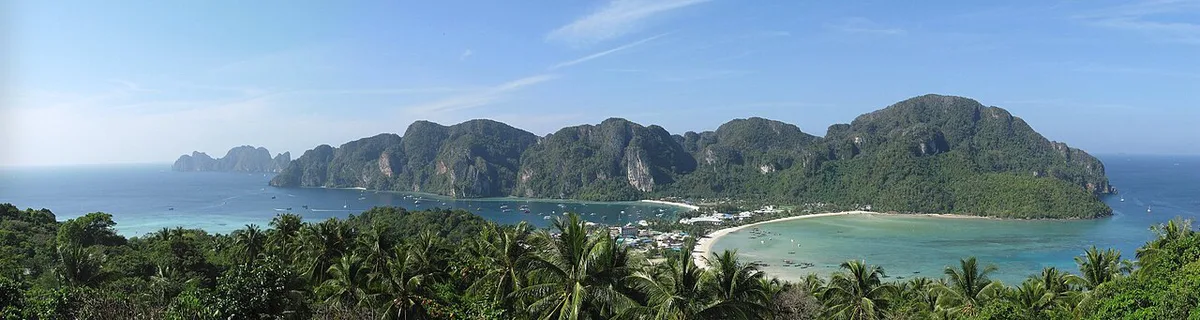
A Discover Scuba Diving (DSD) session is a try-dive, not a certification. Operators typically run a short video, a skills briefing and 2 supervised dives. Groups stay small, often 1 or 2 students per instructor, so you get close attention. PADI describes its Discover Scuba Diving program as a first taste of breathing underwater. Your instructor stays within arm's reach and can hold on to you if needed. A DSD does not let you dive on your own or without a professional. An Open Water course takes a minimum of three days and certifies you to dive with a buddy anywhere.
Who can try it (and who should skip it)
Most healthy people comfortable in water can try a DSD. Every operator asks you to complete a health questionnaire before you get in the water. A "yes" to any medical question usually means a doctor's sign-off first. Age limits come from the training agency and the shop, so ask before you pay a deposit. Children and non-swimmers should get a direct answer from the operator in writing. Skip the dive if you have a cold or blocked sinuses, because you cannot equalize your ears properly. Avoid booking a flight on the same day as your dive. Divers Alert Network (DAN) publishes current guidance on waiting before flying.
A typical half-day, step by step
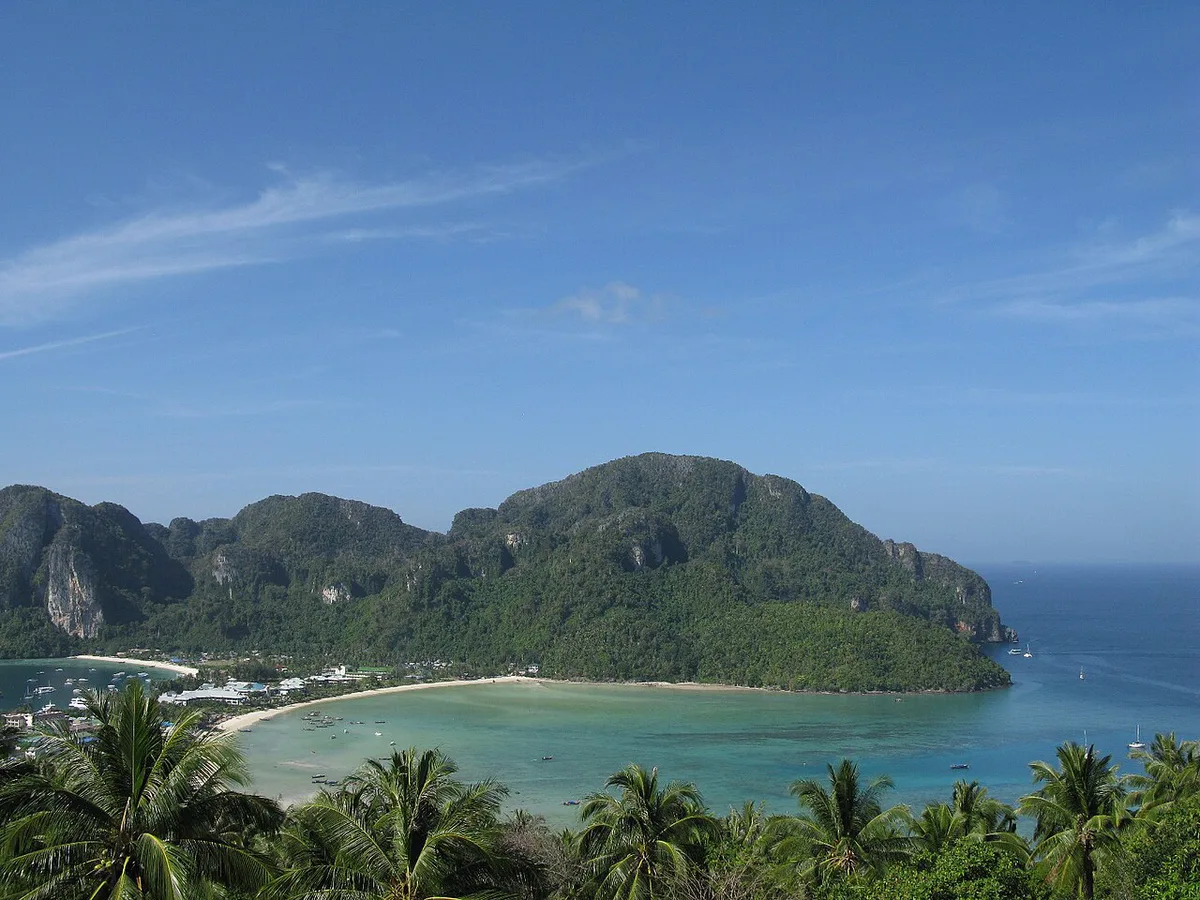
Timings vary by operator, so treat these as typical rather than fixed. A morning trip commonly meets at the dive shop around 7:30 and leaves by about 8:00. Bida Nok is roughly 30 minutes by boat from Tonsai Pier. Some shops fit your wetsuit and fins the evening before. Your own operator will confirm the exact schedule.
Work backward from the 7:30 shop meeting, since the airport trip takes about 2 to 3 hours.
- Evening before: wetsuit and fin fitting at the shop, if offered.
- Around 7:30: meet at the shop, coffee, short prep chat and paperwork.
- Around 8:00: boat departs from Tonsai Pier for the first site.
- On the boat: briefing, video and basic skills such as clearing your mask.
- First dive: shallow, supervised, with the instructor holding close contact.
- Surface interval: warm up on deck and eat lunch, often anchored near Maya Bay.
- Second dive: another shallow site, then the boat returns to Phi Phi.
Where you will likely dive
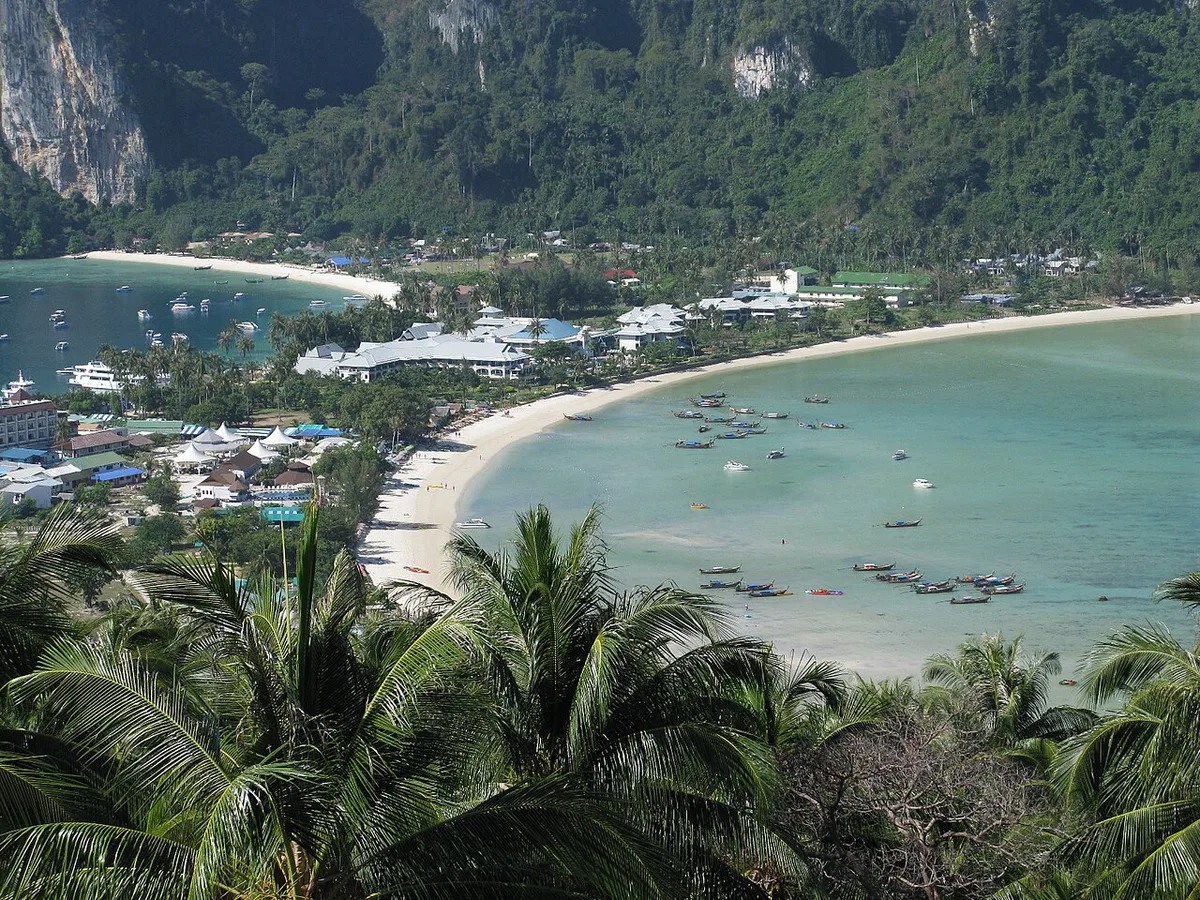
Phi Phi has 15 dive sites, and operators pick the day's sites by conditions. A common beginner opener is Bida Nok Diving Guide: Depth, Level, Trips (Phi Phi). Some trips follow with a second dive at Malong Bay, close to Maya Bay. Deeper walls such as Hin Klang (Hin Klai) Phi Phi: Diving, Snorkeling & Access and Palong Wall, Phi Phi: Dive Site Guide, Depth, Level & Access may suit certified divers more than first-timers. Ask your shop which sites its DSD groups actually use. You can compare every option in our Phi Phi dive site overview.
What you might see
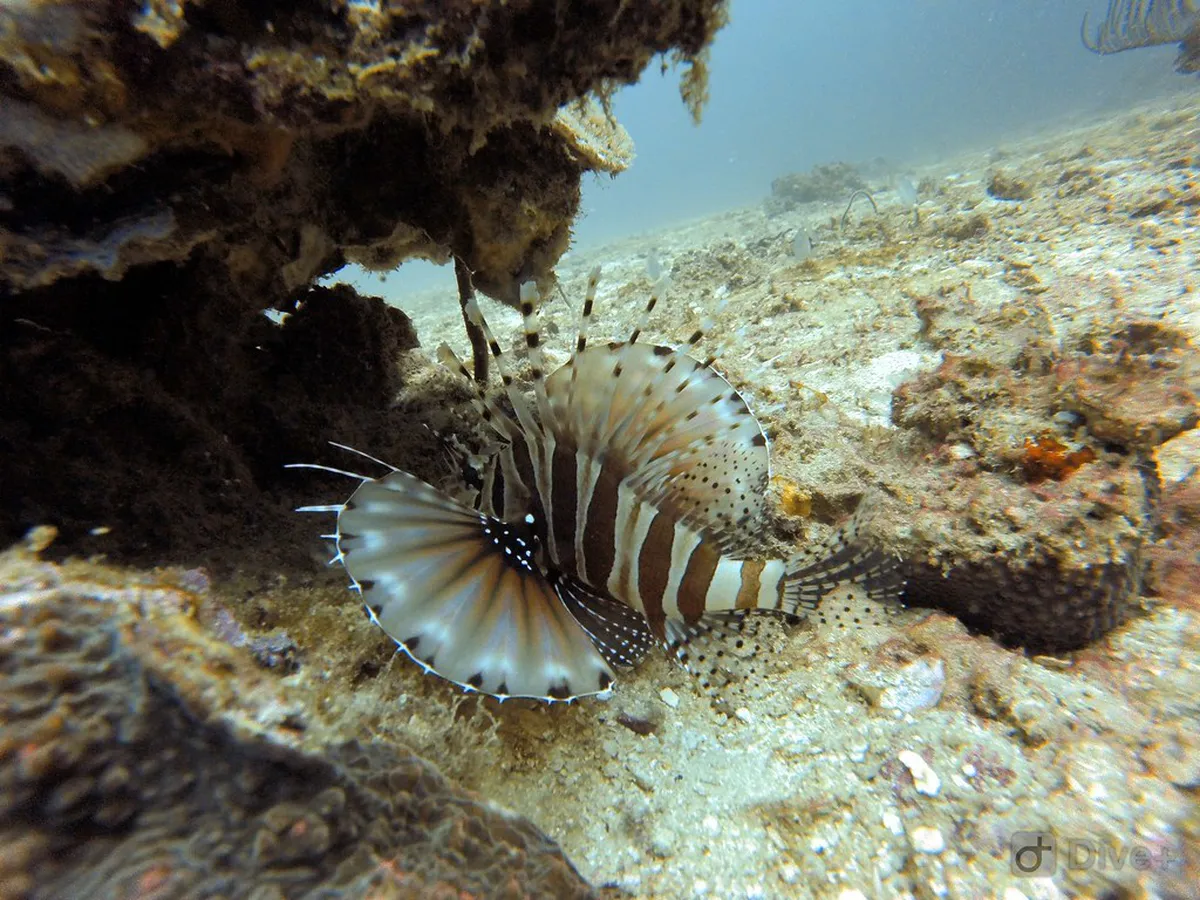
Blacktip reef sharks, turtles, clownfish, barracuda and cuttlefish all turn up on Phi Phi dives. Limestone walls carry soft coral and gorgonian fans. Leopard sharks sometimes rest on sandy bottoms. Whale sharks and manta rays pass through when plankton is thick, mostly in the low season. Nothing is guaranteed, and your instructor chooses the route for your comfort.
Best time to try it
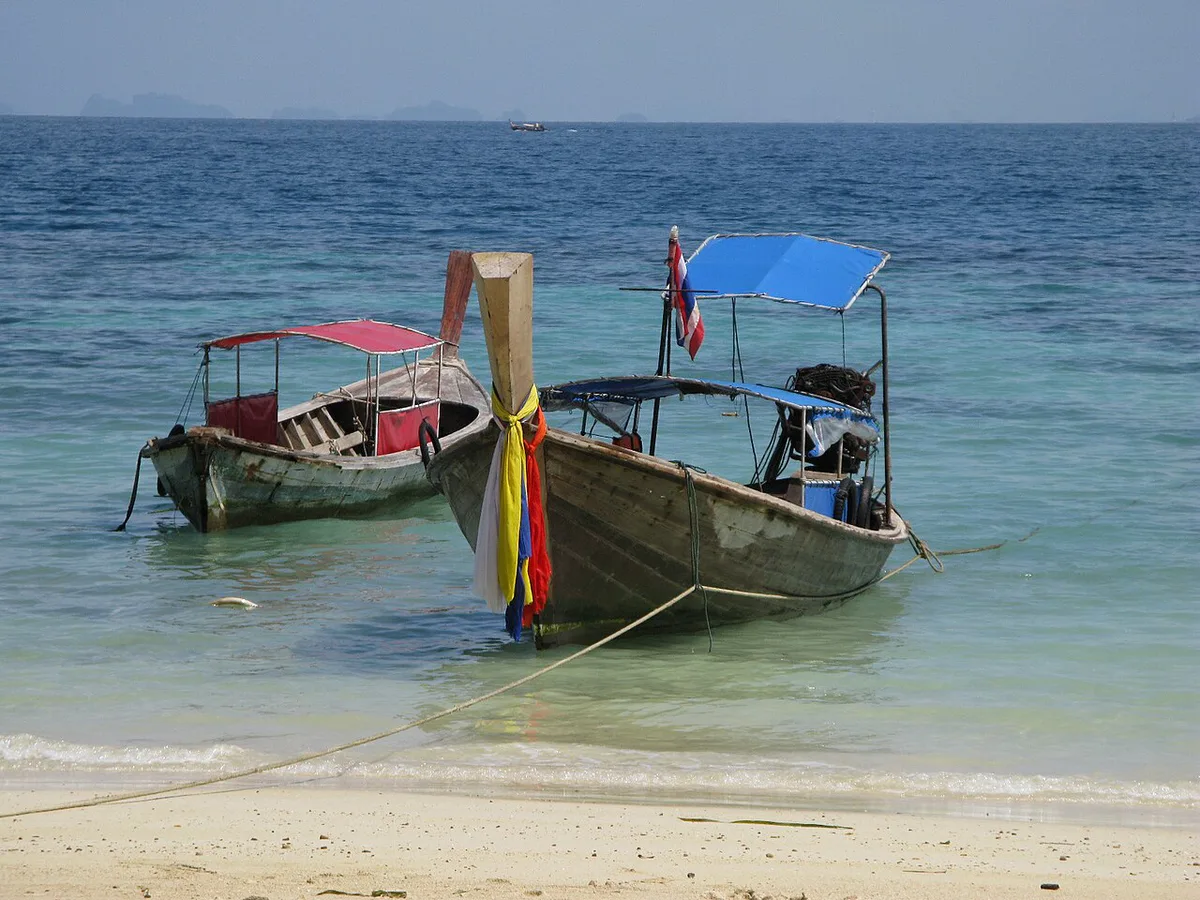
Diving runs year-round, with the best conditions from February to May. Water is calmest and warmest then, about 29 to 30°C. From June to September it stays above 28°C. Visibility reaches up to 30 m at its best and drops to 10 to 15 m in the low season. Currents are gentle all year. Low-season plankton raises the odds of bigger animals. Our Phi Phi diving season guide breaks down each month. Check Phi Phi Water Temperature by Month: Swim & Dive Guide if you feel the cold easily.
Low-season visibility falls to 10 to 15 m, yet plankton that season raises the odds of bigger animals.
What it costs and what changes the price
Quotes differ mainly by what each one bundles. A DSD costs less than a multi-day Open Water course but more than a snorkel trip. Phi Phi is reported to be pricier than some other Thai dive islands. For current baht figures, see our Phi Phi diving price guide. Prices and hours checked November 2026. Marine park rules and fees are published by the Department of National Parks. Compare quotes line by line using the table below.
| Cost factor | What to ask |
|---|---|
| Gear rental | Are wetsuit, mask, fins and regulator included? |
| Park fee | Is the national park fee in the price or paid on the day? |
| Lunch and drinks | Is food on the boat included? |
| Photos and video | Are underwater photos free or sold separately? |
| Transfers | Is hotel pick-up to the pier included? |
| Group size | How many students per instructor? |
DSD vs Open Water vs snorkeling: which fits you?
Pick by time, comfort in water, budget and whether you want to keep diving. Choose a DSD if you have half a day and want to test breathing underwater. Choose snorkeling if you prefer to stay on the surface. Choose Open Water if you already know you want a lifelong license. Certified divers should book a fun dive instead.
| Option | Time needed | Certification | Best for |
|---|---|---|---|
| Discover Scuba Diving | Half day | None | Testing diving with an instructor |
| Snorkel trip | Half or full day | None | Staying at the surface, lower budget |
| Open Water course | Minimum three days | Yes | Diving independently with a buddy |
| Fun dive | Half day | Required | Already-certified divers |
How to choose a dive shop
Talk to a few instructors before you book. You need to trust whoever is holding your hand underwater. Our Phi Phi dive shop comparison lists the options. Read about the PADI centers on Phi Phi if you want that affiliation. You can also verify an affiliation in the SSI dive center locator. Use this checklist when you compare shops.
- Instructor-to-student ratio, ideally 1 or 2 students each.
- Briefing in a language you fully understand.
- Health form handled before payment, not on the boat.
- Affiliation checked on the agency's own directory.
- Oxygen and first-aid kit on board.
- Boat type, and where you can warm up between dives.
- Clear cancellation and bad-weather policy.
First-timer mistakes to avoid
Dehydration causes cramp, so drink plenty of water before the dive. Cold is common after the first dive, and a thicker wetsuit solves it. Breathe slowly and equalize your ears gently as you descend. Do not skip the medical form or answer it carelessly. Ferry timing matters too. Phi Phi sits 46 km from Phuket and Krabi, and the combined trip from the airport takes about 2 to 3 hours. Arrive the day before your dive, because you might need an overnight stay.
Notes for your next dive trip
Optional updates to our Thai diving guides.
You might also like
Continue reading
More guides you'll find useful