Bamboo Island, Phi Phi: How to Visit, Costs & Tips
Plan a visit to Bamboo Island near Phi Phi: how to get there by boat, best season, what to expect, park fees and who should skip it.
On this page
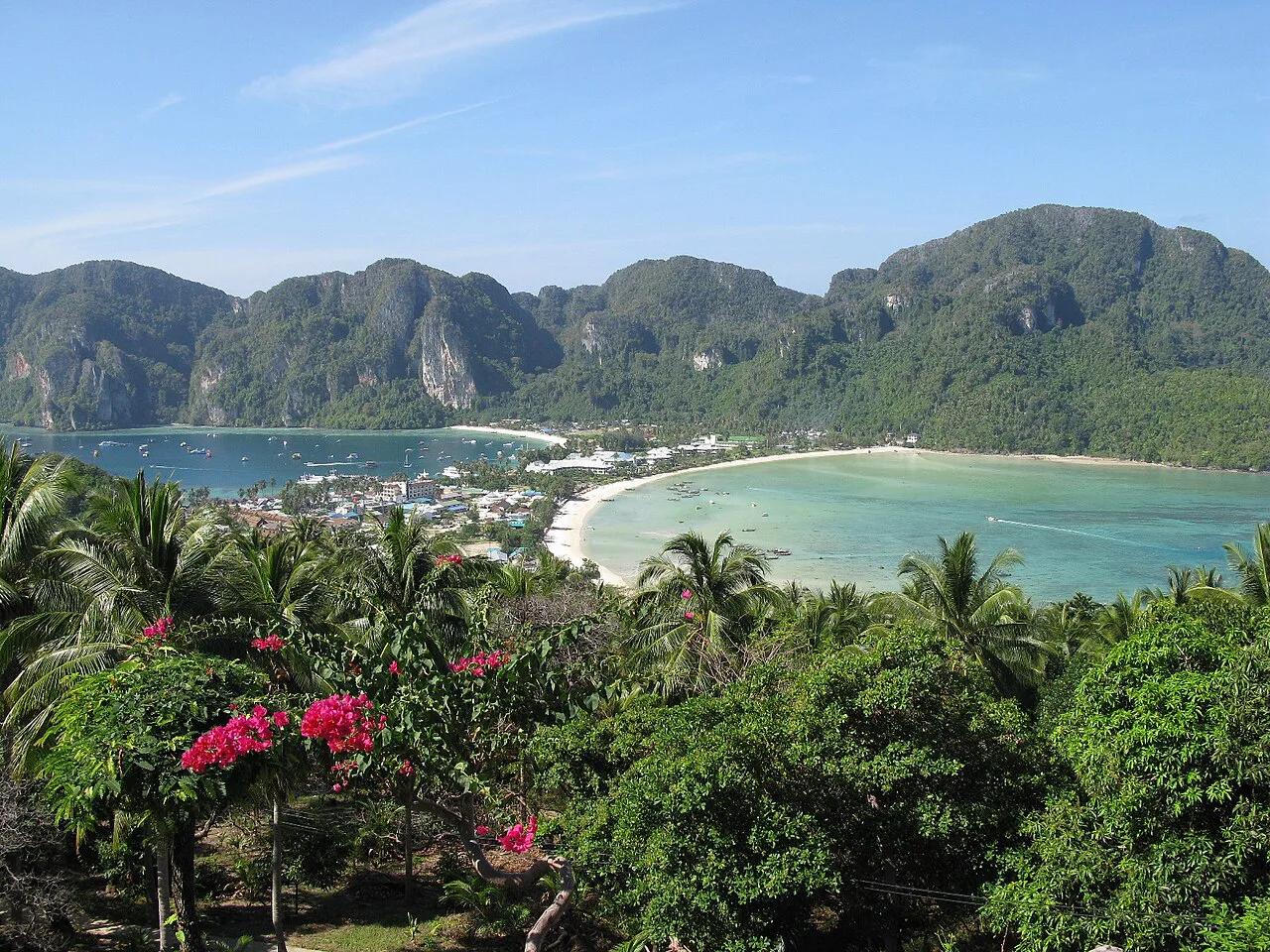
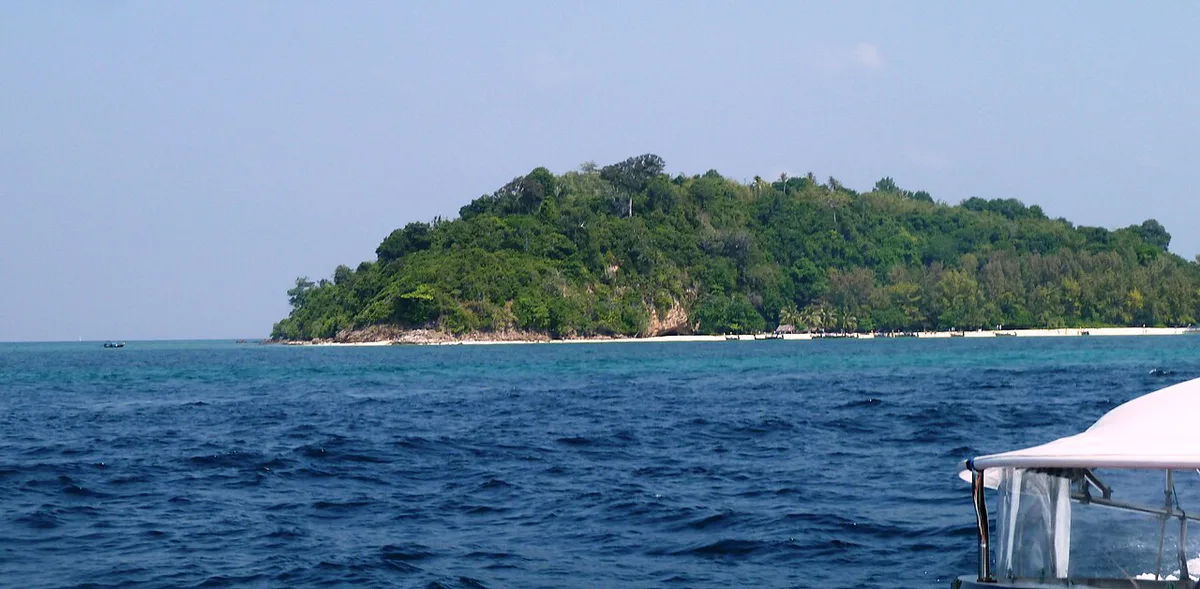
Last updated November 2026: Bamboo Island (Koh Mai Phai) is a small sandbar island northeast of Phi Phi Don, inside Mu Ko Phi Phi National Park, and you can only reach it by boat. It suits snorkelers, beach lovers and photographers who are happy with a short, simple stop. Anyone who wants shade, restaurants or nightlife should pick a different island.
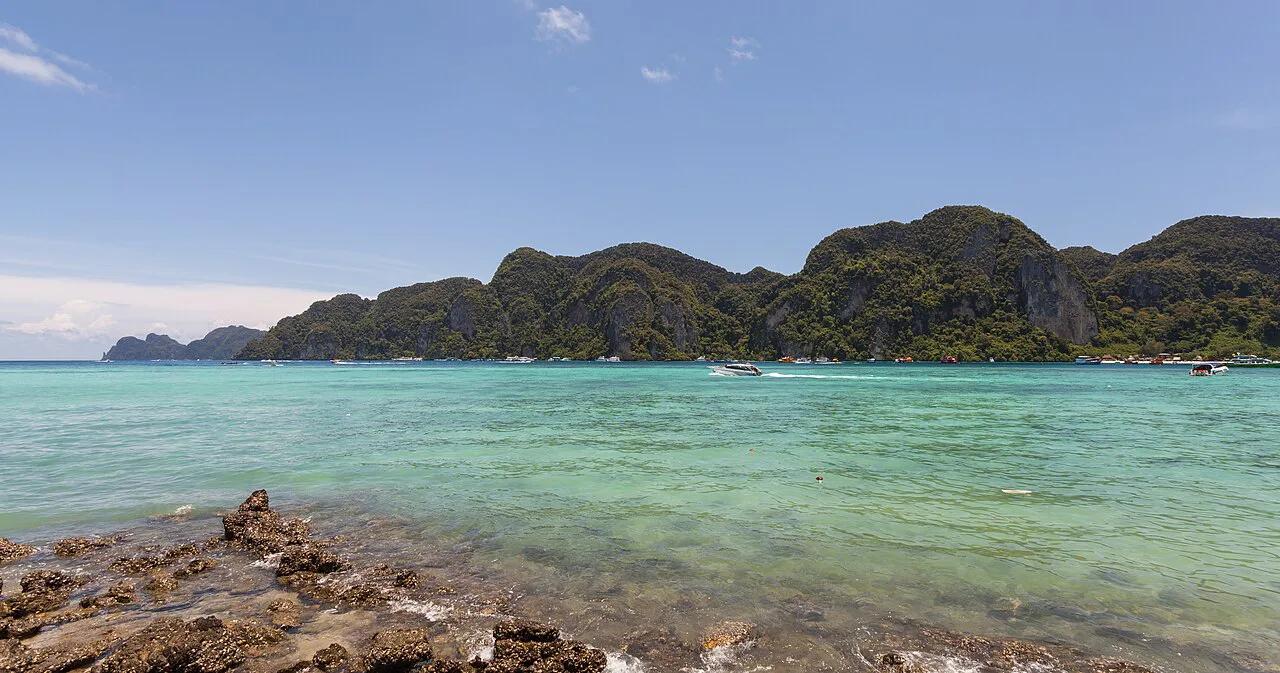
Featured image: Chris Olszewski, CC BY-SA 4.0, via Wikimedia Commons.
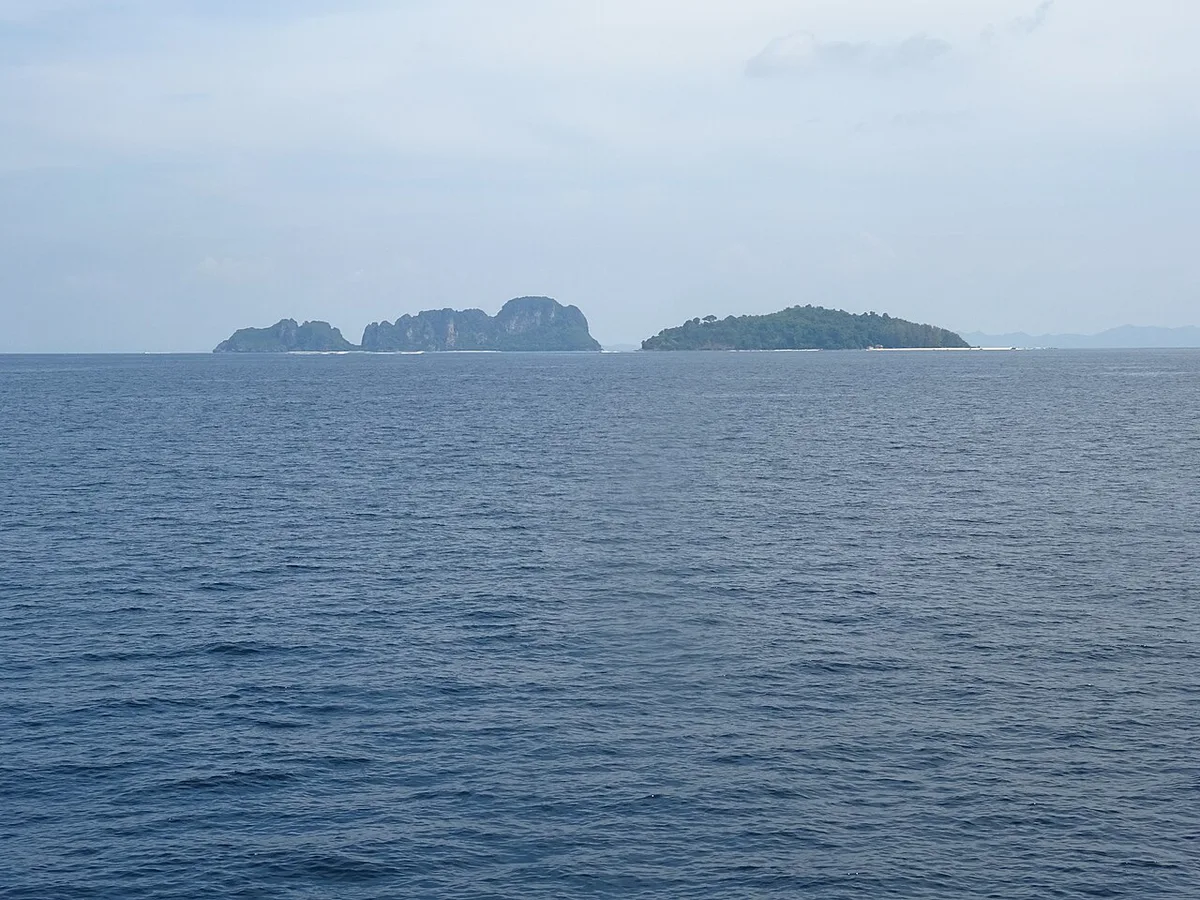
Bamboo Island at a glance
Bamboo Island sits in the Andaman Sea, about 25 km (roughly 16 miles) off Phuket's southern coast and about 30 km (roughly 19 miles) off Krabi. Locals and boat crews also call it Ko Mai Phai, and some maps print Ko Pai or Bambu Island. Reported dimensions are tiny, around 600 m by 400 m, with a main beach of roughly 400 m by 50 m. Despite the name, little or no bamboo grows here. Casuarina trees line the edge of the sand instead. Other places in Thailand share the name, so this guide covers only the Koh Mai Phai island near Phi Phi.
Is Bamboo Island worth visiting?
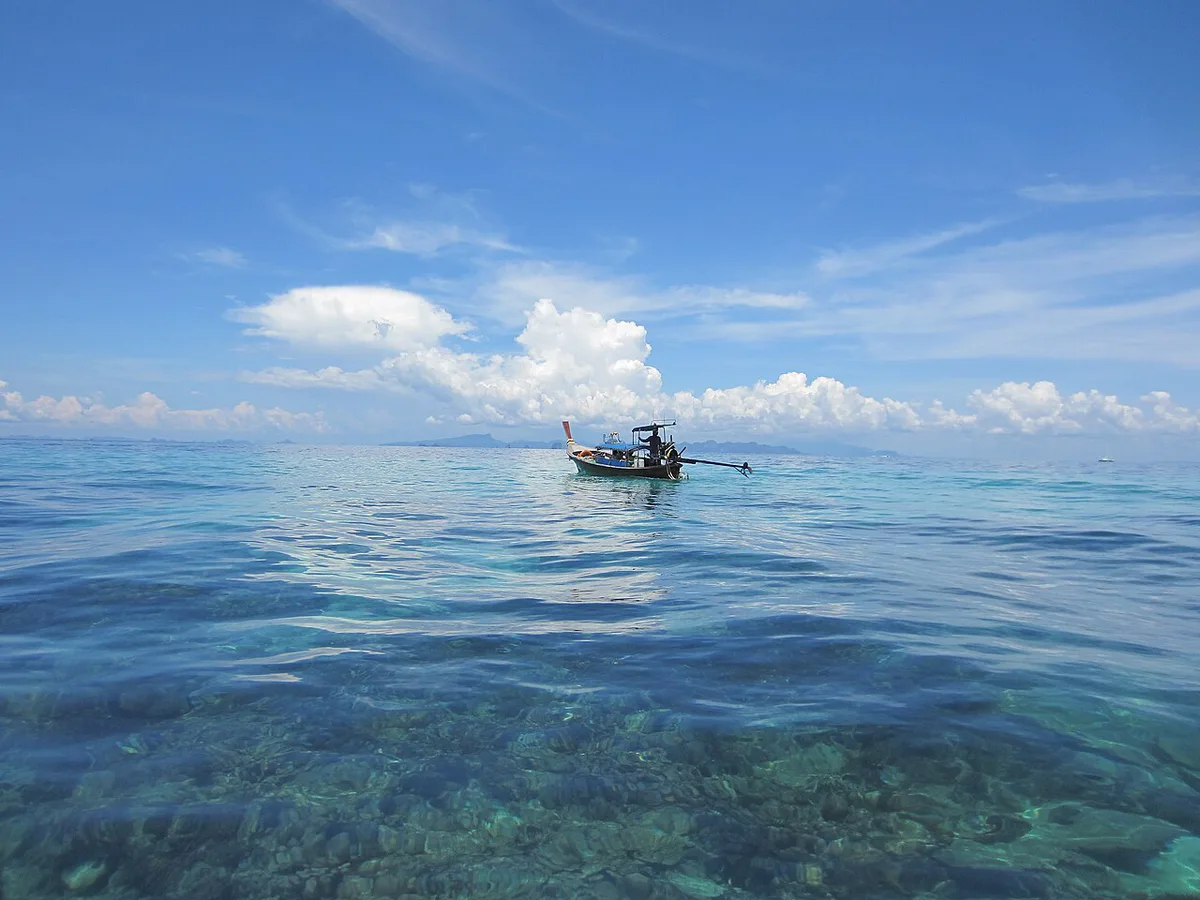
For most people on a Phi Phi boat trip, yes. You get a long strip of pale sand, calm shallow water and a short snorkel without a big time commitment. Expect a beach stop rather than a full day destination. Anything you need beyond sand, sea and a snack has to come with you.
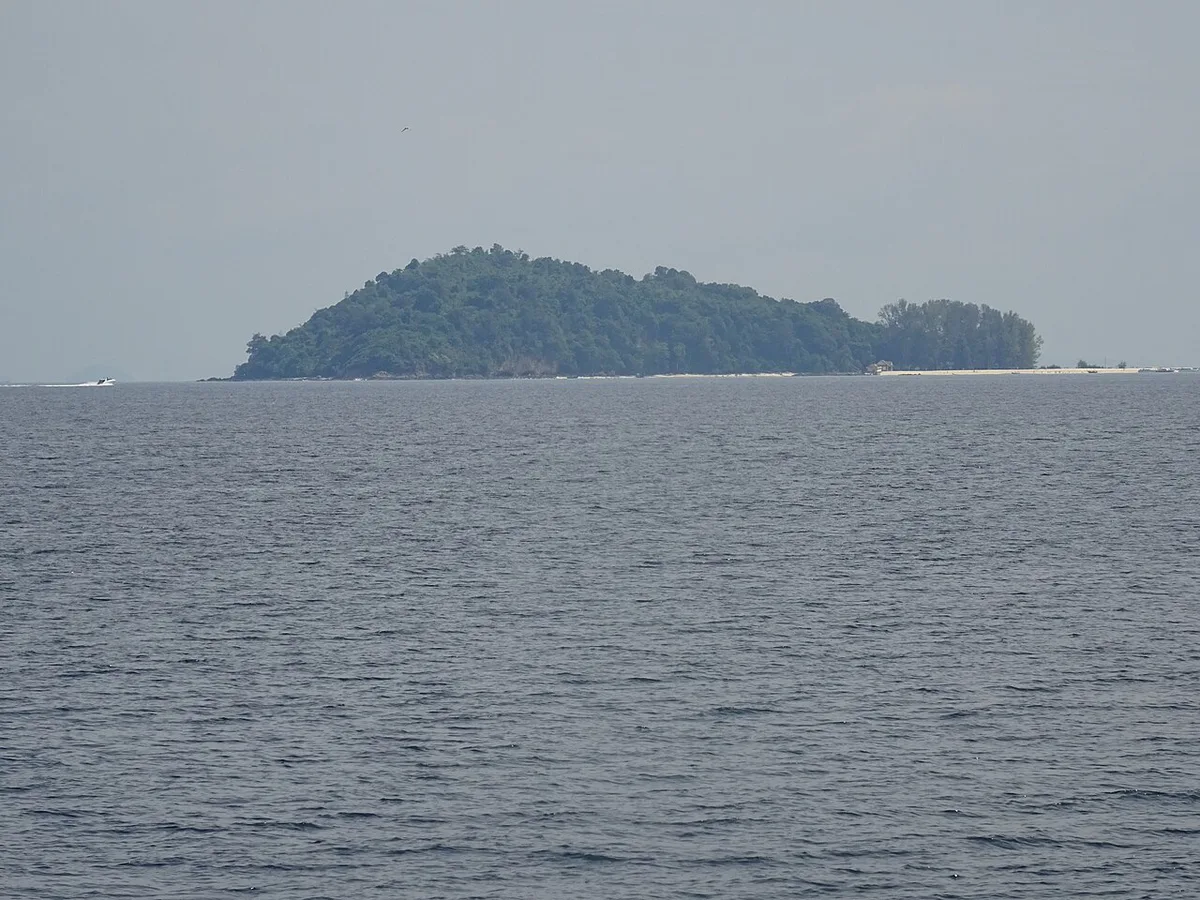
- Go if you want easy swimming and shallow snorkeling.
- Go if you are shooting photos of sand, water and the neighboring islands.
- Go if you have limited time and want one clean beach stop.
- Skip if you need natural shade all day or a full restaurant.
- Skip if you want nightlife, since there is no accommodation on the island.
- Skip if rough seas make you queasy and you are traveling in the rainy season.
How to get to Bamboo Island
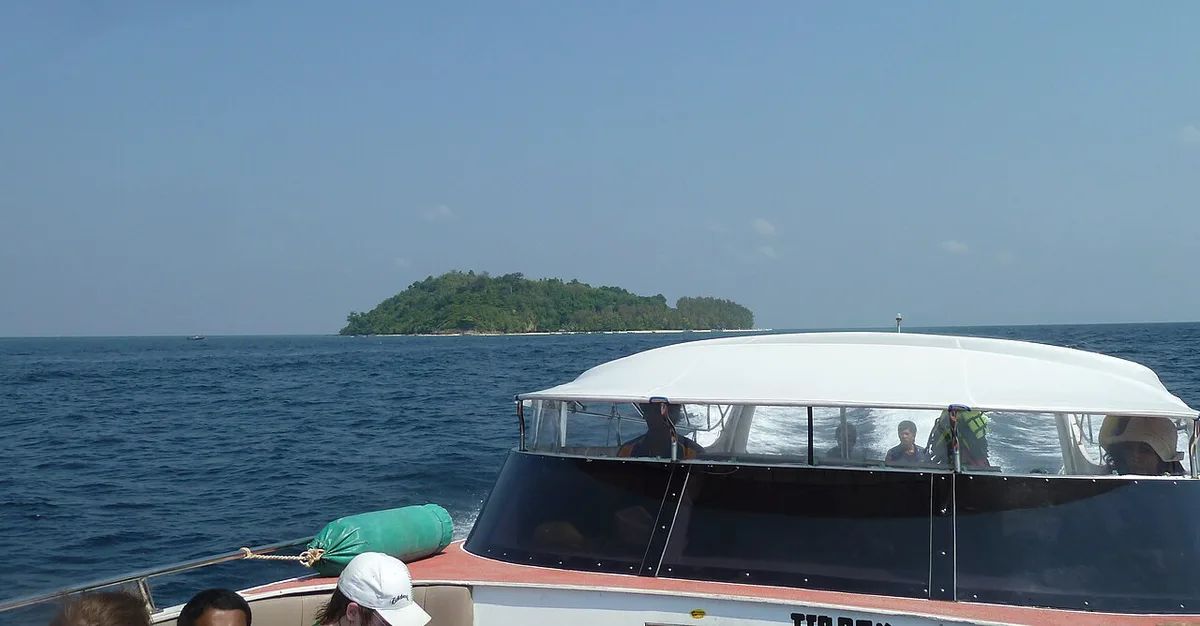
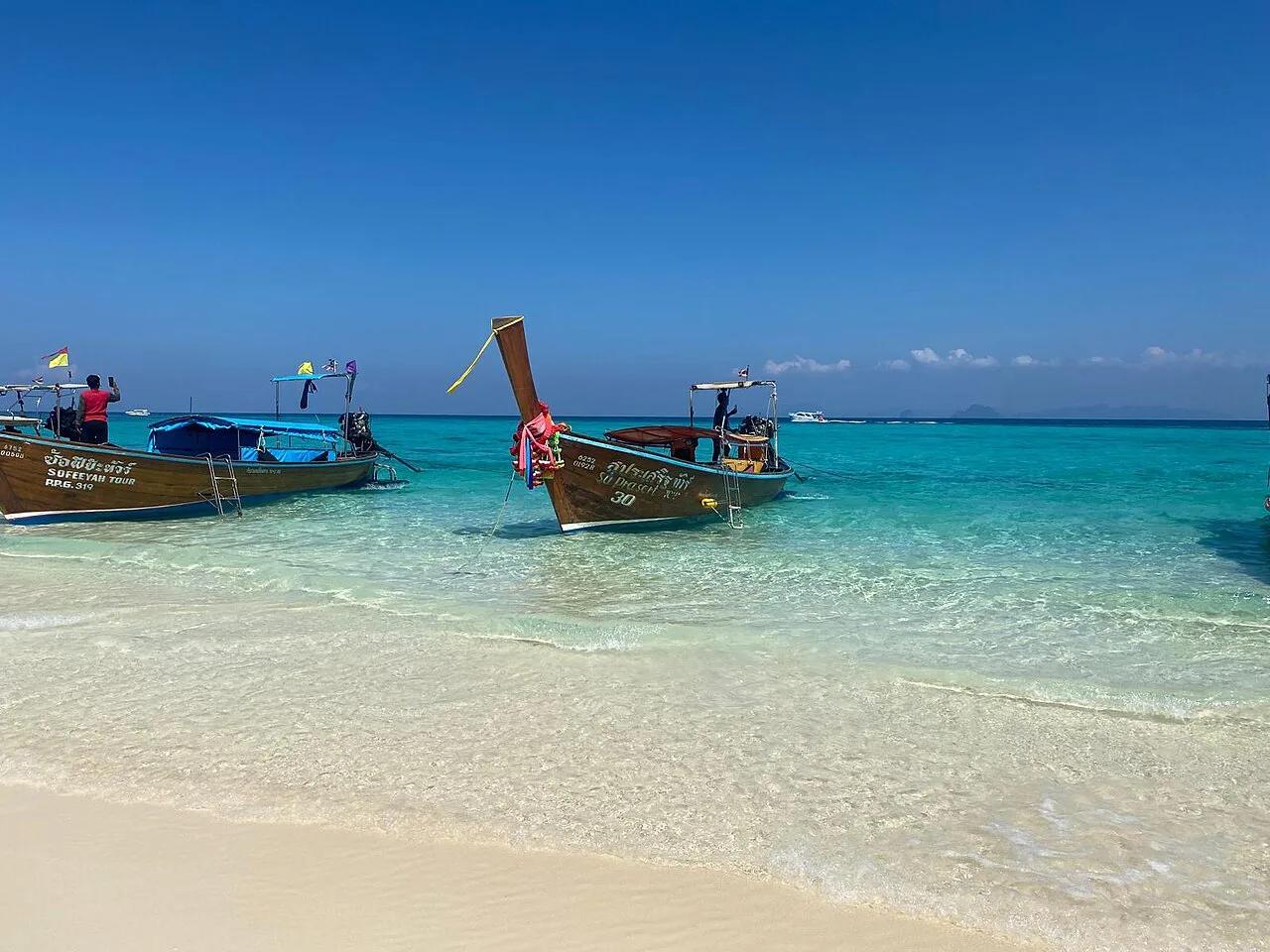
No bridge or public ferry serves the island, so every visit is by boat. Most travelers join a Phi Phi day tour. The shortest independent hop starts from the Phi Phi Don pier, because the island lies northeast of Phi Phi Don. Boats from Phuket or Krabi cover roughly 25-30 km each way, so you spend longer at sea. Compare itineraries on our Phi Phi snorkeling tour guide before you book. Stop order and timings vary by operator, and no published fares are listed here, so the table uses relative levels.
| Option | Cost tier | Sea time | Flexibility | Crowd control |
|---|---|---|---|---|
| Shared group tour | Low to mid | Moderate, set by the route | Low, fixed stops | Low, you arrive with the day-trip wave |
| Private longtail | Mid | Short from Phi Phi Don | High, you choose the hour | Good if you go early or late |
| Speedboat charter | Mid to high | Shortest from Phuket or Krabi | High | Good, but rough water feels harder |
| Hired boat from Phi Phi Don | Mid | Shortest overall | High | Good with an early start |
Best time to visit and best time of day
November to April is the dry season, and daytime air temperatures reach about 30°C. Seas are usually calmer then, which helps boat comfort and underwater visibility. May to October brings the rainy season, with storms and rougher water that can cancel or shorten trips. Within a day, aim to arrive before the large group tours land, or late in the afternoon when many boats have left. Early light also flatters the sand and the water color. Tide and sea state shift by season, so ask your captain about the day's conditions.
Costs, park fees and what's included
Because the island lies inside a national park, a park fee applies to most visits. Check current rates on the national parks department site and ask your operator whether the fee is bundled into the tour price.
Snorkeling and things to do on the island
Shallow water off the beach suits first-time snorkelers and children who are confident in a life vest. You will mostly see small reef fish and sandy-bottom life, so set realistic expectations on visibility, which falls after storms. Divers also use the area, though the main draw is a relaxed swim. For deeper reef stops and a ranking of sites, read our Phi Phi snorkeling guide. On land, walk the length of the beach and relax on the sand. Photographers can walk to the end of the beach and frame neighboring Mosquito Island (Ko Yung) in the background.
Facilities and what to bring
Past visitors report toilets, one cafe, rentable mats and paid life jackets. Prices for these change, so carry small cash in baht. Shade is limited, so pack a hat and reef-safe sunscreen. A dry bag protects phones and documents from spray on the boat. Bring drinking water in a bottle you can carry out again. Anyone prone to seasickness should take a remedy before boarding, especially in the rainy season.
With daytime air about 30°C from November to April and little shade, the hat becomes essential.
Where to stay
Nobody can stay overnight on Bamboo Island, because it has no hotels. Phi Phi Don is the nearest base. Sleeping there gives you the shortest boat ride and the best chance of an early arrival before the tour boats. Staying in Phuket or Krabi means a longer sea transfer each way.
Basing on Phi Phi Don avoids the 25-30 km crossing that Phuket or Krabi boats make each way.
Combining Bamboo Island with Loh Samah Bay and Bida Nai
Many Phi Phi boat routes pair Bamboo Island with other stops around the national park. Loh Samah Bay, Phi Phi Leh: What It Is and How to Visit works as a snorkeling stop on the same circuit. Bida Nai (Koh Bida Nai): Diving, Snorkeling and How to Get There is another nearby option for a reef swim. Route order varies by operator, so ask which stop comes first. If crowds worry you, request Bamboo Island early or late in the itinerary.
Mistakes to avoid and responsible-visit rules
Arriving at the busiest hour is the most common mistake. Others include skipping shade, booking an overpacked tour and underestimating the sun. Follow park rules at all times. Do not feed fish, do not stand on or touch coral, and take every piece of rubbish back to the boat. Fishing is reportedly prohibited within the park. Read current regulations on the Thai national parks authority page before you go.
Notes for your next dive trip
Optional updates to our Thai diving guides.
You might also like
Continue reading
More guides you'll find useful