Bida Nai (Koh Bida Nai): Diving, Snorkeling and How to Get There
Plan a trip to Bida Nai near Phi Phi Ley: how it differs from Bida Nok, who it suits, how to reach it by boat, and what to ask before you book.
On this page
Last updated November 2026: Bida Nai is one of two limestone islets off the southern tip of Phi Phi Ley, reached only by boat and known mainly for diving. Its neighbor Bida Nok gets most of the written attention. This guide explains who Bida Nai suits, how the boat options compare, and what to settle before you pay for a trip.
Featured image: Ryan.Kartzke, CC BY 2.0, via Flickr.
What Bida Nai Is (and How It Differs From Bida Nok)
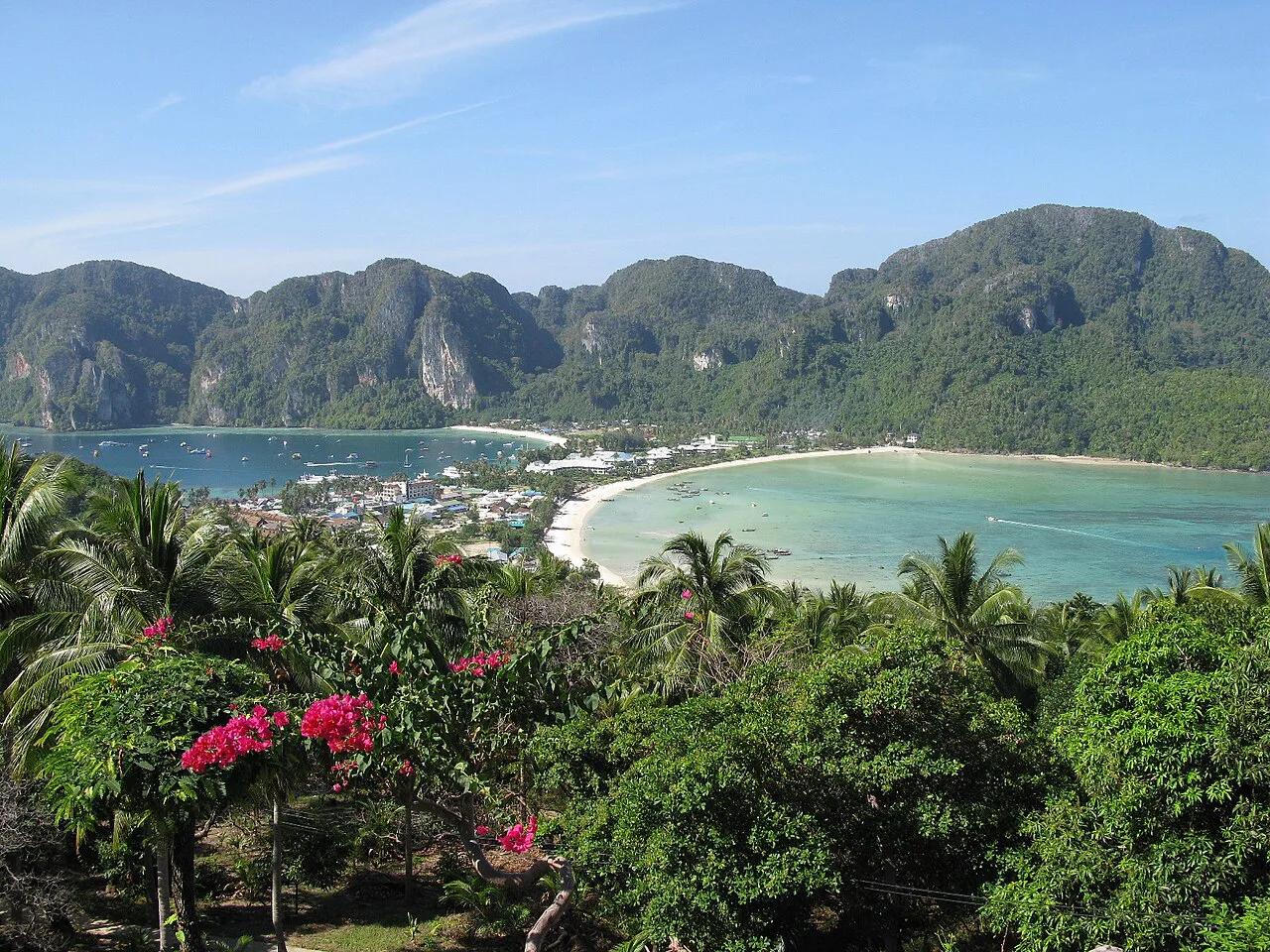
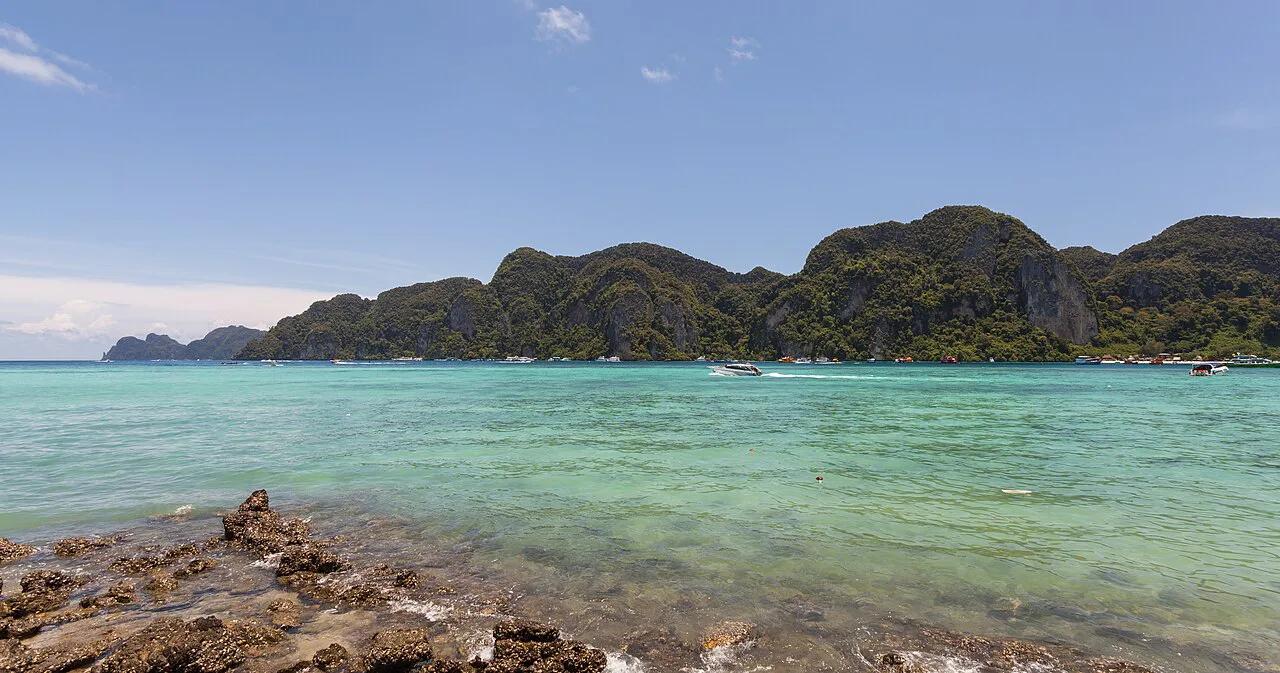
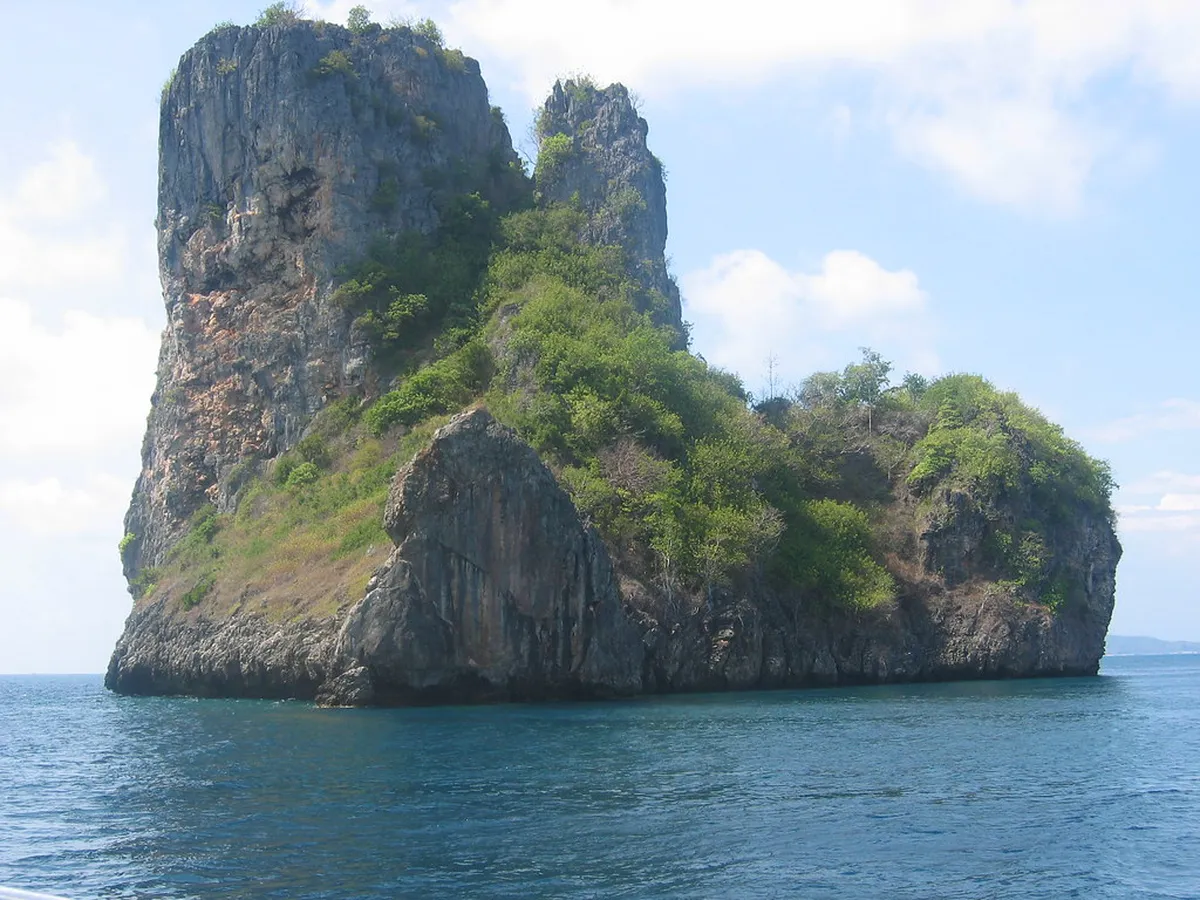
Two limestone islets rise straight out of the sea at the southern tip of Phi Phi Ley. They are Bida Nai and Bida Nok. Phi Phi Don, where the ferries dock, sits north of Phi Phi Ley. You will also see the names Koh Bida Nai, Bida Noi and, for the pair together, the Bida Rocks. Bida Nok is the outermost islet in the Phi Phi chain and the better documented dive site. Dive guides treat the two as separate dives that are usually combined on one day trip. Descriptions of both mention dive and boat access only, so plan on seeing the rock from the water rather than walking onto it.
| Point | Bida Nai | Bida Nok |
|---|---|---|
| Position | Limestone islet at the southern tip of Phi Phi Ley | Outermost islet of the Phi Phi chain |
| Beginner depth | Ask your operator | About 12 m (39 ft) with an instructor |
| Experienced depth | Ask your operator | Approaching 30 m (98 ft) |
| Usual entry | Ask your operator | Southern side, sheltered from waves and surface current |
| Typical pairing | Combined with Bida Nok on one trip | Combined with Bida Nai on one trip |
Who Bida Nai Suits: Divers, Snorkelers, and Day-Trippers
Certified divers and Discover Scuba students are the core audience. Dive centers sell the Bida pair as part of a two or three dive day. Snorkelers should ask whether a trip actually stops at Bida Nai, because most written material covers scuba only. Open-sea exposure makes the rocks a weak choice for nervous swimmers. If you want calmer water, start with our Phi Phi snorkeling guide.
- Suits: certified divers, Discover Scuba students with an instructor, and boat-tour passengers who want to see the rock walls.
- Suits with a check: confident snorkelers, once an operator confirms the stop and the swim conditions.
- Skip it if: you are a weak swimmer, you want a beach landing, or you need a sheltered lagoon.
How to Get to Bida Nai by Boat
No road, rail or air route reaches the Bida islets. You travel by boat from Phi Phi Don, Koh Lanta or Phuket. Dive-center speedboats run from Phi Phi Don, and longtails link the nearby islands. Koh Lanta dive boats are a little larger than the local boats based on Phi Phi. Liveaboards also stop here. For a guided outing that passes this coast, compare guided Phi Phi snorkeling trips against a dive-center day.
| Option | Best for | Trade-off |
|---|---|---|
| Dive-center boat | Certified divers and trial divers | Fixed dive schedule; Bida Nok usually comes in the same day |
| Speedboat or longtail tour | Non-divers who want to see the rock | May pass the rocks without a stop; more sea-state exposure |
| Liveaboard | Divers building a multi-day itinerary | Longer commitment; Bida is one stop among many |
What You Can See Underwater
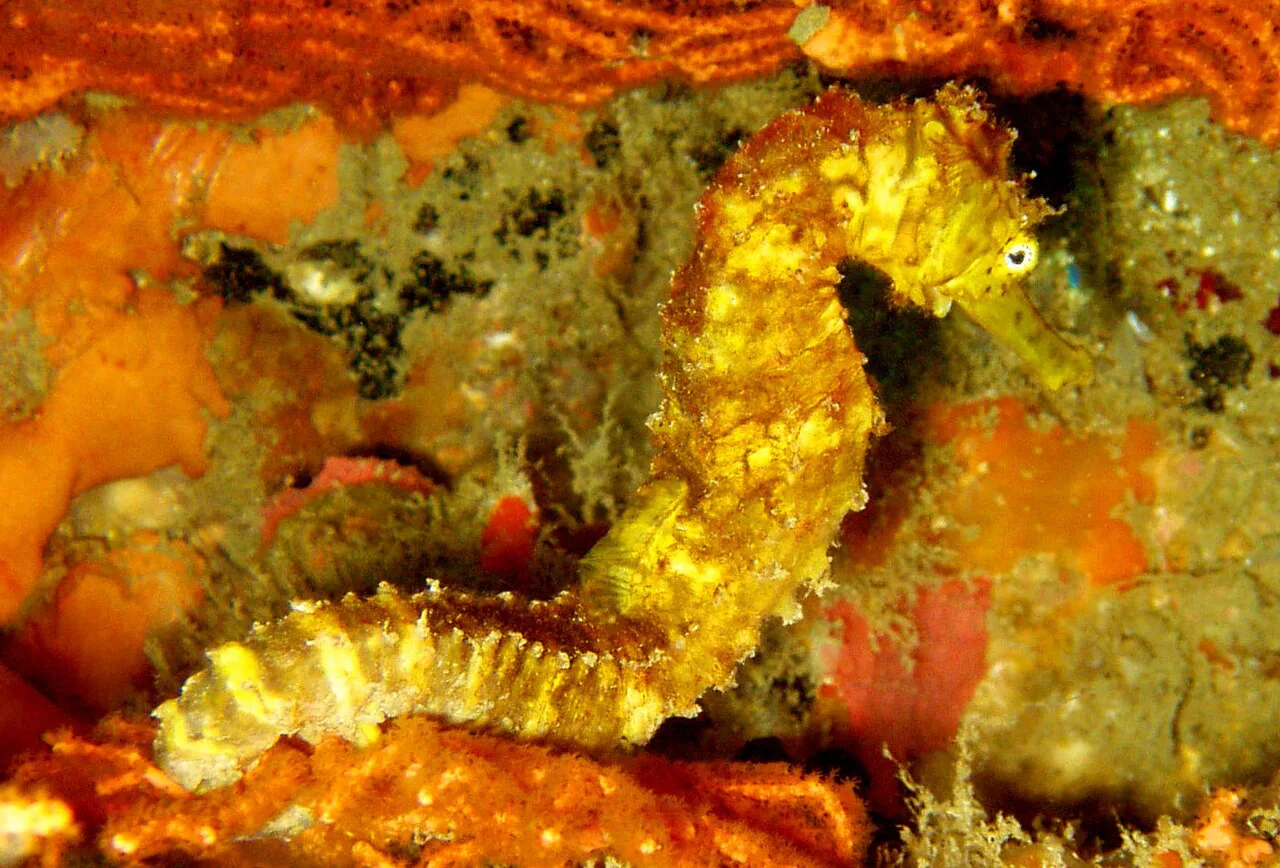
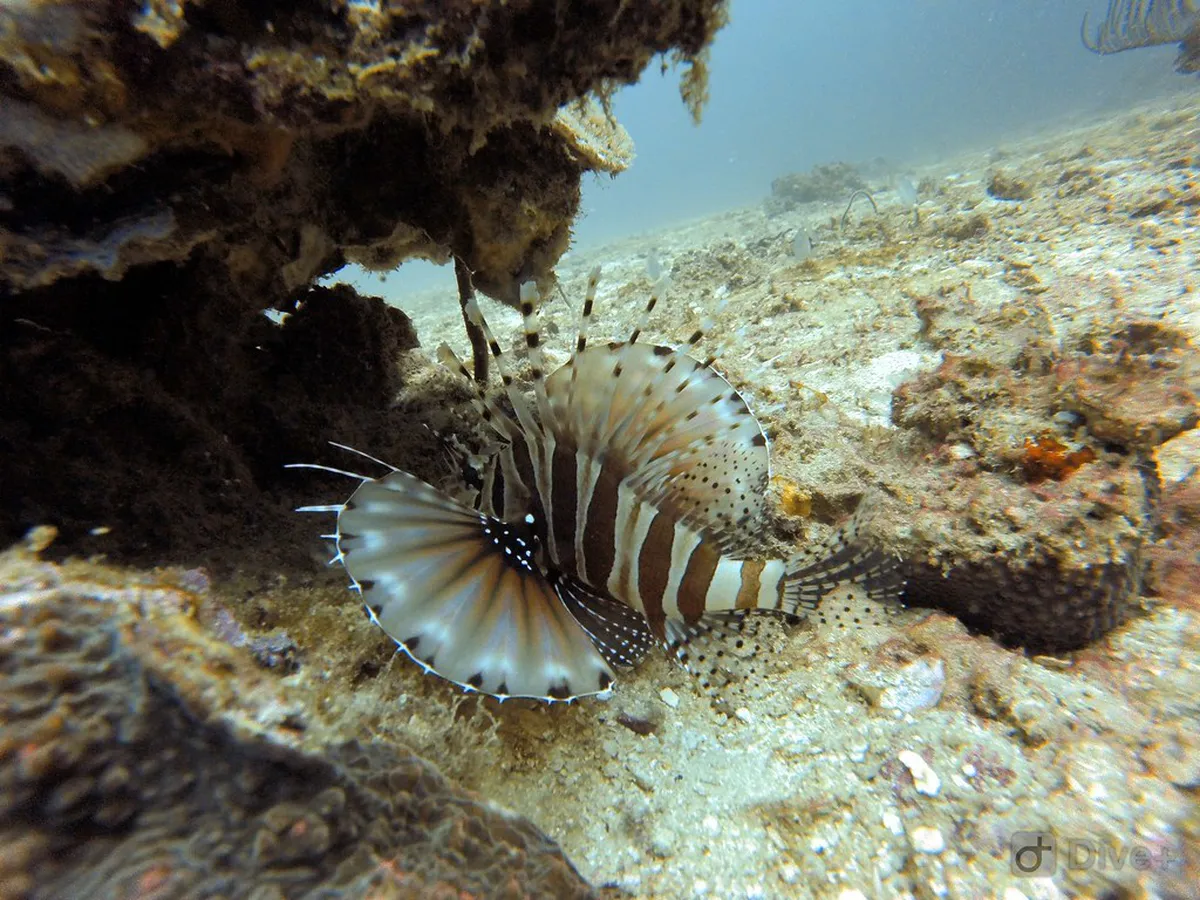
Written descriptions of the Bida pair mention steep coral walls and rock outcrops. Species detail comes almost entirely from Bida Nok. Reports there include leopard sharks on nearly every dive, blacktip reef sharks, turtles, banded sea snakes and stingrays on the sand. An older description of a shallow bay in about 10 m (33 ft) of water lists star coral, staghorn coral and anemones with anemone fish. Treat these as the pattern for the neighborhood, not a promise for Bida Nai. Keep your hands off marine life, including moray eels in crevices.
Best Time to Go and Sea Conditions
No dependable monsoon cutoff dates are published for Bida Nai itself. Ask your operator for the current sea forecast and cancellation terms.
Costs, Fees, and What to Ask Before Booking
Park rules and any entry fees around Phi Phi Ley are set by Thailand's national parks department. Trip prices are set by each operator, so compare written quotes.
Before paying, confirm the beginner dive depth, About 12 m (39 ft) with an instructor, rather than assuming Bida Nok's figures apply.
- Does the boat stop at Bida Nai, or only pass it?
- Is the trip for divers, snorkelers or both?
- Which departure point is used: Phi Phi Don, Koh Lanta or Phuket?
- Are park fees, gear and lunch included?
- What happens if the sea is too rough?
Combining Bida Nai With Other Phi Phi Stops
A Phi Phi Ley route works logically from north to south. Start at Loh Samah Bay, Phi Phi Leh: What It Is and How to Visit on Phi Phi Ley, then continue to the Bida pair at the southern tip. Dive boats often run two or three dives a day, so Bida Nai and Bida Nok can fill most of a dive day. Snorkelers who want a gentler add-on can look at Bamboo Island, Phi Phi: How to Visit, Costs & Tips as a separate outing. Ask each operator for its own sequence and timing.
Common Mistakes to Avoid
Most disappointments come from assumptions made before booking.
- Assuming Bida Nai is a landing island with a beach.
- Booking a tour that never stops at the Bida pair.
- Copying Bida Nok depth figures onto Bida Nai.
- Ignoring currents and open-sea swell when you choose snorkeling.
- Touching coral, turtles or other marine life.
Notes for your next dive trip
Optional updates to our Thai diving guides.
You might also like
Continue reading
More guides you'll find useful