Best Time to Dive Thailand: Month-by-Month Guide
Andaman or Gulf? Find the best month to dive Thailand by coast, marine life, visibility, budget and skill level, with a month-by-month guide.
On this page
Last updated November 2026. The best time to dive Thailand is roughly November to April on the Andaman Sea side and roughly March to September in the Gulf of Thailand. Those are general patterns, so match your month to a coast, then pick a goal such as calm seas, whale sharks or learning to dive.
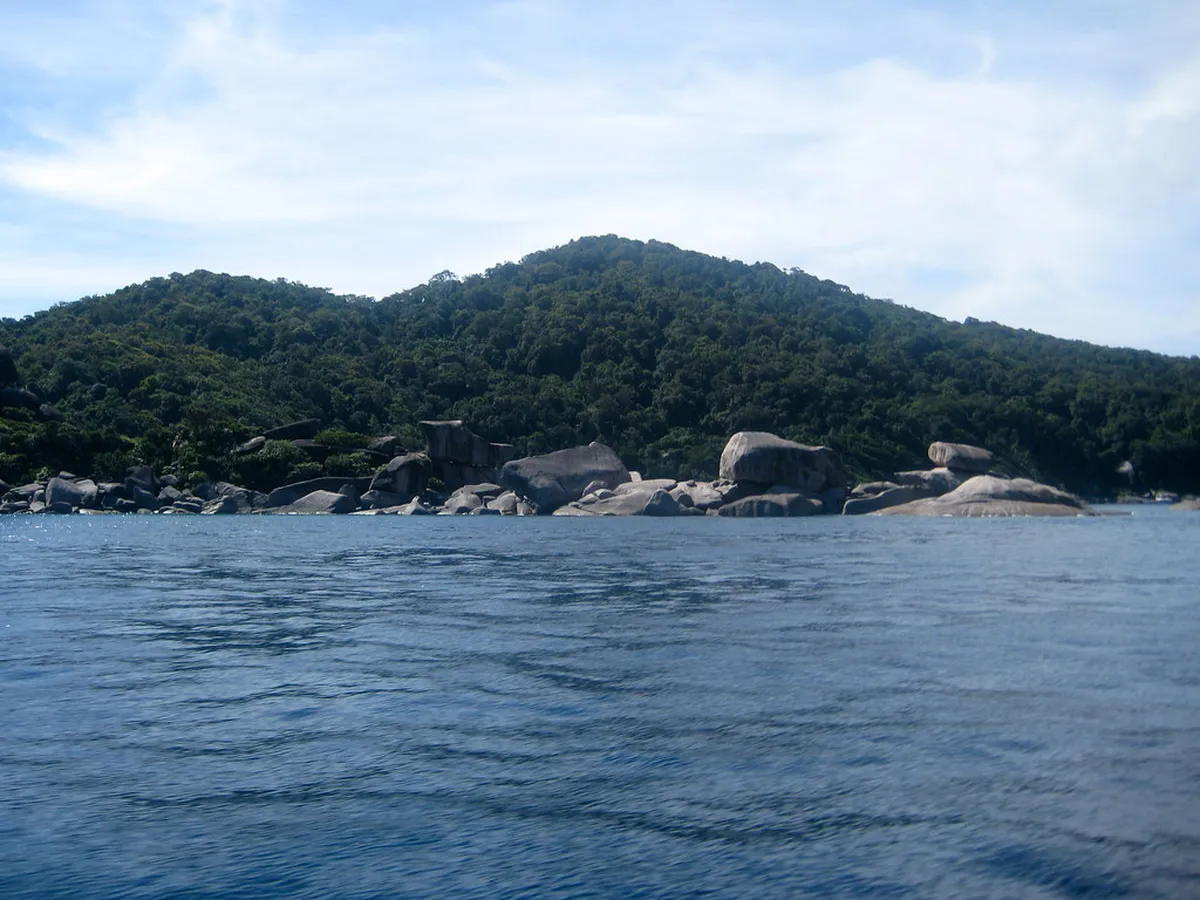
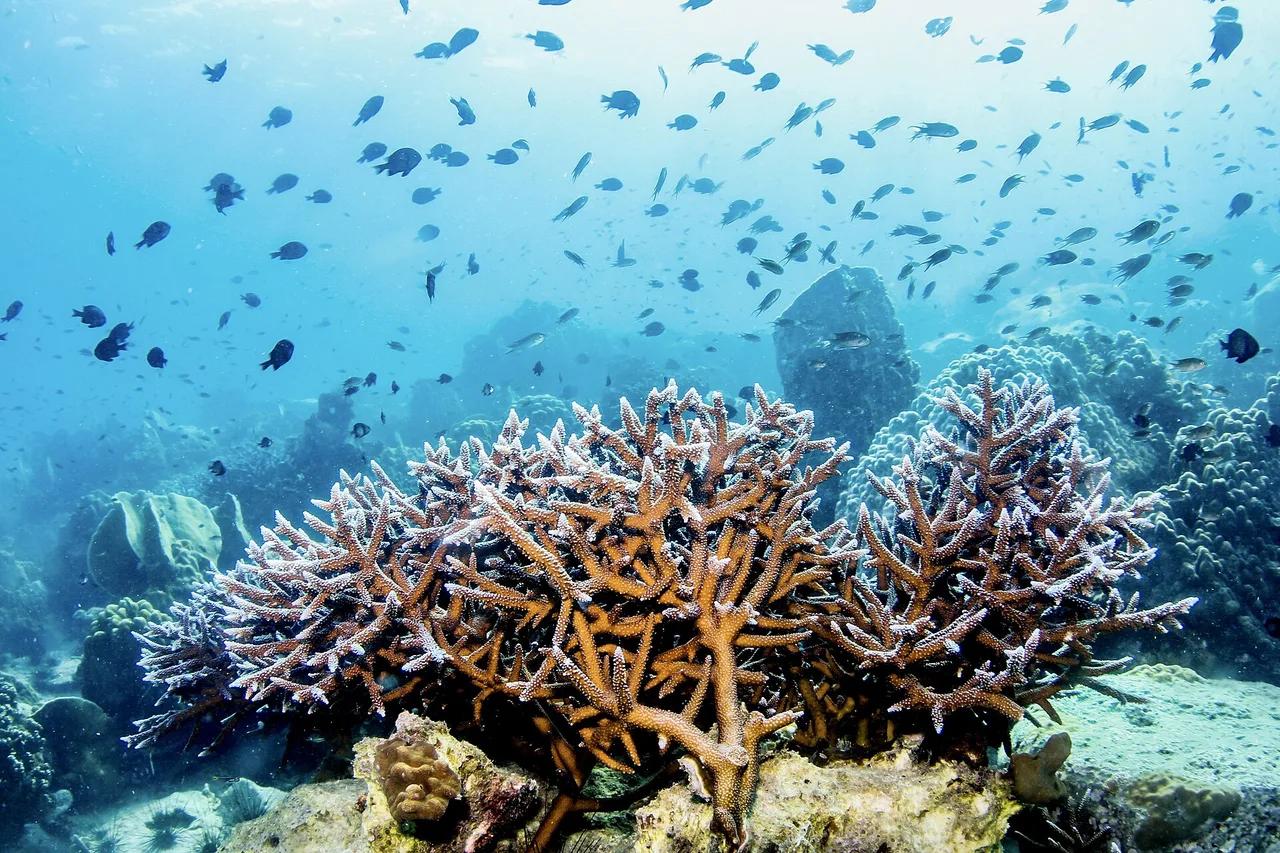
Featured image: josh.ev9, CC BY-SA 2.0, via Flickr.
Best Time to Dive Thailand: The Short Answer
Thailand has two dive coasts with opposite seasons. The Andaman Sea on the west coast is strongest from about November to April. The Gulf of Thailand on the east side works better from about March to September. Almost any month has a diveable coast, so the real question is which one. Use these quick picks:
- Calmest seas: December to February on the Andaman side.
- Whale sharks and mantas: February to April in the Andaman, with Gulf chances around March to April and September to October.
- Learning to dive: Gulf training hubs such as Koh Tao, with the best fit from March to September.
- Fewest crowds: November or April in the Andaman, or the Gulf in the middle of the year.
- Rainy-season trips: stay in the Gulf and skip classic Similan liveaboards.
Month-by-Month Dive Conditions Table
Use this matrix to compare coasts at a glance. Each row links to a full guide for that month. Entries describe tendencies, not promises, because weather and plankton change from day to day.

| Month | Best coast | Sea and weather | Visibility tendency | Big-animal odds | Crowds | Month guide |
|---|---|---|---|---|---|---|
| January | Andaman | Settled, smooth | Strong | Moderate | High | diving in Thailand in January |
| February | Andaman | Calm, sunny | Strong, plankton starting | Rising | High | diving in Thailand in February |
| March | Andaman, Gulf opening | Calm to variable | Variable with plankton | Good in both | Moderate | diving in Thailand in March |
| April | Andaman late, Gulf | More variable | Variable | Good, less predictable | Moderate | diving in Thailand in April |
| May | Gulf | Andaman turning rough | Gulf fair to good | Low | Low | diving in Thailand in May |
| June | Gulf | Andaman wet and rough | Gulf fair to good | Low | Low | diving in Thailand in June |
| July | Gulf | Andaman wet and rough | Gulf fair to good | Low | Low to moderate | diving in Thailand in July |
| August | Gulf | Andaman wet and rough | Gulf fair to good | Low | Low to moderate | diving in Thailand in August |
| September | Gulf | Gulf workable, Andaman closed | Gulf fair to good | Gulf chances at Sail Rock | Low | diving in Thailand in September |
| October | Gulf, Andaman reopening | Transitional | Variable | Gulf chances early in month | Low | diving in Thailand in October |
| November | Andaman early season | Settling | Improving | Moderate | Low to moderate | diving in Thailand in November |
| December | Andaman | Calm, sunny | Strong | Moderate | Peak | diving in Thailand in December |
Andaman Sea Season (Nov–Apr)
Andaman diving covers the Similan Islands, Surin Islands, Koh Bon, Koh Tachai and Richelieu Rock. Farther south sit Hin Daeng, Hin Muang, Phi Phi and Koh Ha, reached from Phuket and Khao Lak operators. Many of the best sites lie inside national marine parks that close for part of the year. Park dates shift, so check the Department of National Parks before you book. The season splits into three windows. November is the early season, with improving seas and thinner crowds. December to February is the calm core, with settled weather and strong visibility. February to April is the big-animal window, when plankton can cut visibility but draws mantas and whale sharks. Visibility in the Andaman often reaches about 80 to 100 ft, though plankton can change it daily.
Gulf of Thailand Season (Mar–Sep)
Gulf diving peaks while the Andaman parks are closed or rough. Koh Tao is the country's best-known training hub and also has sites for experienced divers. Koh Samui is the usual base for Sail Rock, famous for schooling fish and a vertical swim-through called the Chimney. Chumphon Pinnacle offers anemones, batfish, barracuda and leopard sharks. Peak Gulf visibility can reach about 100 to 115 ft. Whale sharks tend to be associated with Sail Rock and Chumphon Pinnacle around March to April and again around September to October. Treat that as a tendency, not a schedule.
Best Month by Goal
Match your priority to a window, then choose the coast that fits. February to April gives the best shot at big animals. December to February gives the smoothest water. Plan Gulf trips for mid-year if crowds and cost matter most.
Gulf visibility at its peak can hit 100 to 115 ft, while Andaman water often reaches 80 to 100 ft, so coast choice matters.
- Whale sharks and mantas: February to April at Richelieu Rock, Koh Bon, Koh Tachai, Hin Daeng and Hin Muang.
- Calmest seas: December to February in the Andaman.
- Best visibility: December to February in the Andaman, or the Gulf at its peak.
- Fewest crowds: November or April in the Andaman; May to September in the Gulf.
- Lowest cost: shoulder months and the Gulf's mid-year season.
- Learning to dive: Koh Tao, with a long Gulf window.
- Photographers: February to April for pelagics, December and January for clear water.
Diving Thailand in the Wet Season (May–Oct)
Yes, you can dive in Thailand from May to October, but mostly in the Gulf. Classic Similan and Surin liveaboards are limited or closed in these months, and Andaman weather is less reliable. Koh Tao, Koh Samui, Sail Rock and Chumphon Pinnacle remain the practical options. Expect lower odds of big animals and a few rain-hit days. Skip the Andaman in this window if your trip hinges on the Similans or Richelieu Rock. Light-rain tolerance and flexible dates suit this season best. Check the Andaman park reopening dates if you plan an October trip.
Liveaboard vs Day Boat vs Resort Diving
Liveaboards reach remote sites such as Richelieu Rock and Koh Bon with the most dives per day. They suit divers with time, a larger budget and comfort in current. Day boats from Phuket or Khao Lak cost less and let you sleep ashore. They give fewer dives at distant pinnacles. Resort diving on Koh Tao or Koh Samui fits beginners and course students, with short rides and flexible schedules. Exposed pinnacles such as Hin Muang run stronger currents, so beginners should skip them. Anyone prone to seasickness should favor sheltered day sites or Gulf resorts over multi-day crossings.
Water Temperature, Visibility and Exposure Protection
Surface water in Thai dive areas typically sits around 27°C (81°F) to 30°C (86°F). That suits a thin wetsuit or even a shorty for most divers. Cooler layers can appear at depth and at exposed pinnacles, where a 28°C (82°F) surface can feel closer to 27°C (81°F) after several dives. Visibility swings more than temperature, with plankton the main variable. See our Thailand water temperature guide for month-by-month detail.
Exposed pinnacles like Hin Muang can feel cooler than a 28°C (82°F) surface suggests after several dives, so a shorty may not be enough on those trips.
Costs, Booking Lead Time and Peak-Season Trade-offs
Indicative planning figures, November 2026: a multi-night Similan liveaboard cabin often sits near ฿20,000 in December to February. In November or April, the same trip may run closer to ฿15,000. Operators set their own rates, so get a current quote. Peak months from December to February sell out first. Book those departures as early as you can, and expect more flexibility in November and April. The trade-off is clear. Peak season brings calm seas and crowds. Shoulder months bring lower rates, more availability and more variable visibility, but often more big animals.
Getting There and Logistics
Fly into Phuket for most Andaman day trips and for Khao Lak departures to the Similans. Allow transfer time from the airport to the pier before your boat leaves. For the Gulf, aim for Koh Samui, or reach Surat Thani or Chumphon and take a ferry to Koh Tao. Build in a buffer day around ferries, since sea state can delay sailings. Confirm transfer times with the operator and the airport or ferry company, as schedules change by season.
Common Mistakes to Avoid
Most timing errors come from assuming one coast works all year. Avoid these:
- Booking the Similans or Surin Islands outside the park season.
- Expecting clear water and big animals in the same weeks, since plankton trades one for the other.
- Sending beginners to Hin Muang, where currents are stronger.
- Waiting until late to book December to February departures.
- Treating wildlife windows as guarantees rather than tendencies.
Frequently Asked Questions
Where's the best place to scuba dive in Thailand?
It depends on the month. Richelieu Rock, the Similan Islands, Koh Bon and Koh Tachai lead the Andaman list from November to April. Sail Rock, Chumphon Pinnacle and Koh Tao lead the Gulf from March to September.
What time of year are whale sharks in Koh Tao?
Whale shark chances in the Gulf are often linked to Sail Rock and Chumphon Pinnacle around March to April and September to October. Sightings are never guaranteed, so choose flexible dates and book multiple dive days.
Explore More Guides
Keep planning your trip with these guides.
Guides
- Diving in Thailand in January
- Diving Thailand in February
- Diving in Thailand in March
- Diving Thailand in April
- Diving in Thailand in May
- Diving Thailand in June
- Diving Thailand in July
- Diving Thailand in August
- Diving Thailand in September
- Diving Thailand in October
- Diving Thailand in November
- Diving Thailand in December
- Thailand Water Temperature by Month and Sea
Notes for your next dive trip
Optional updates to our Thai diving guides.
You might also like

Continue reading
More guides you'll find useful