7 Best Coral Reefs in Thailand and How to Visit Them
Seven coral reef areas on Thailand's Gulf and Andaman coasts, which are healthy or closed, and when and how to visit without harming them.
On this page
Last updated November 2026: coral reefs in Thailand sit in two seas, and condition varies a lot from site to site. Gulf of Thailand reefs surround Koh Tao, Koh Phangan, Koh Samui and Koh Chang. Andaman Sea reefs include Similan, Surin, Phi Phi, Koh Lanta, Koh Haa and Koh Rok, and some sites are closed or restricted.
Featured image: Nata Mostova, CC BY-SA 4.0, via Wikimedia Commons.
Thailand's Coral Reefs at a Glance
Nearly 500 islands line Thailand's coasts, and reports count more than 900 reef fish species around them. Reef condition is uneven. Surin's reefs have reportedly recovered from bleaching about 20 years ago. Koh Nang Yuan and Phi Phi Don show heavy damage. Gulf sites suit dive-school bases and shore entry. Andaman sites mostly sit inside national parks and need a day boat or liveaboard. Use the table to match a reef to your trip.
| Area | Coast | Access | Best for | Reef note |
|---|---|---|---|---|
| Koh Tao | Gulf | Shore bays and boat trips | Turtles, blacktip sharks, divers | Worn in places by visitor numbers |
| Koh Phangan and Koh Samui | Gulf | Beaches and boat trips | Casual snorkelers | Rough water and poor visibility in rainy season |
| Koh Chang | Gulf | Day trips to small southern islands | Quieter snorkeling | Best reefs are off the main island |
| Koh Lanta, Koh Haa, Koh Rok | Andaman | Day trips | Anemonefish and shallow reefs | Main island itself is poor |
| Phi Phi | Andaman | Day trips from Krabi side | Scenery and clownfish | Reported damage at Monkey Beach and Loh Lana |
| Surin Islands | Andaman | Day trip or liveaboard | Recovered reefs | Park closed in the monsoon |
| Similan Islands | Andaman | Khao Lak or Phuket boats | Visibility and turtles | Visitor numbers rising |
7 Best Coral Reefs in Thailand by Coast
Seven areas follow, Gulf first and then Andaman. Facts checked November 2026. Park fees, seasons and closure dates sit with the Department of National Parks, so treat it as the final word.
1. Koh Tao (Gulf of Thailand)
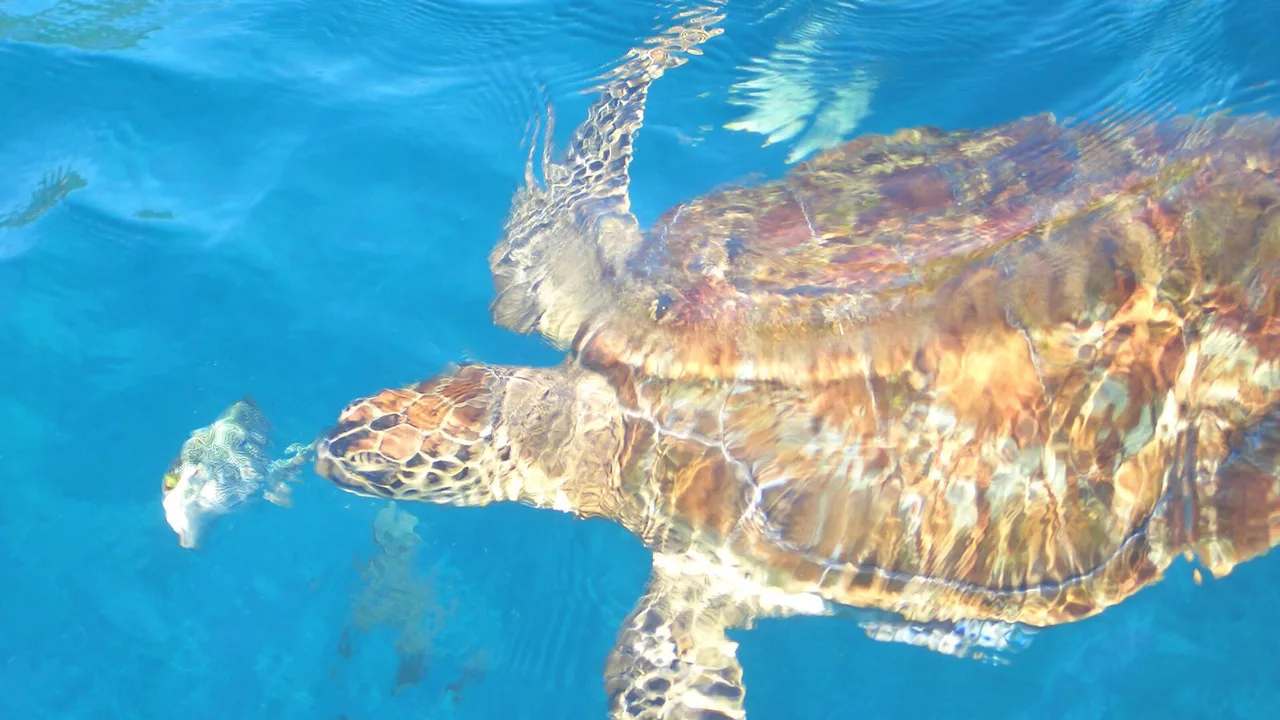
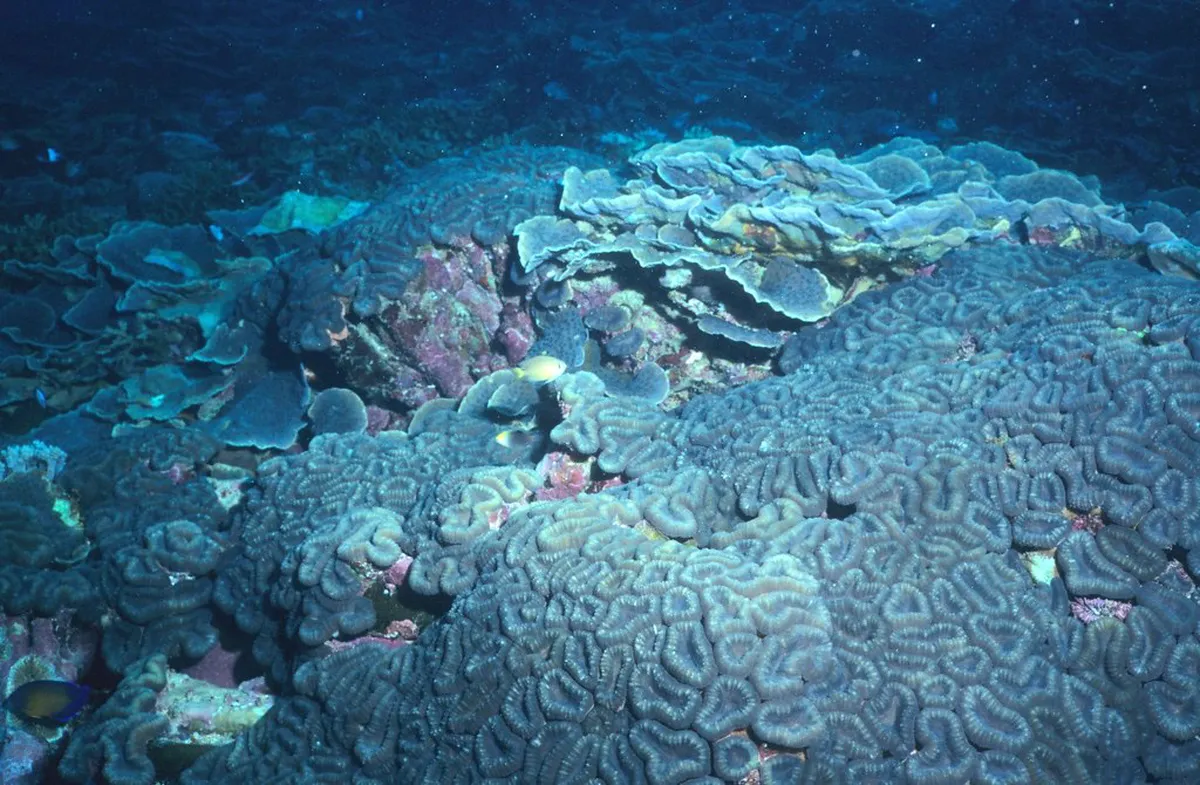
Koh Tao is Thailand's best-known dive base, and it earns its place for green turtles, blacktip reef sharks and dense reef fish. Expect damaged coral in places, because heavy visitor numbers and past bleaching have worn down parts of the reefs. Shark Bay in the south is the pick for blacktip sharks and turtles, while Tanote Bay is a good spot for nudibranchs.
Hin Wong Bay, Mango Bay and Aow Leuk add more snorkeling bays, and boat trips cover about a dozen spots. Koh Nang Yuan lies about 650 yards off the northwest coast and is reported to have a very damaged seabed. Read about reef projects on Koh Tao before booking. Anyone wanting untouched coral should look elsewhere.
2. Koh Phangan and Koh Samui (Gulf of Thailand)
These neighboring islands sit about 30 miles south of Koh Tao and are better known for nightlife than reefs. On Koh Phangan, Mae Haad is the standout. A sandbank links it to the small island of Koh Ma, and the reef holds soft coral, sea kraits and turtles. Salad Beach, Yao Beach and Chao Phao Beach also offer decent snorkeling along the southern coast.
Koh Samui's usual spots are Chaweng Beach, Silver Beach, Coral Cove and Ao Phang Ka. Exposed shores get rough, and visibility drops in the rainy season. A boat trip to Angthong Marine National Park, with its 42 islands, is worth adding. Travelers who need clear water every day should choose another coast.
3. Koh Chang (Gulf of Thailand)
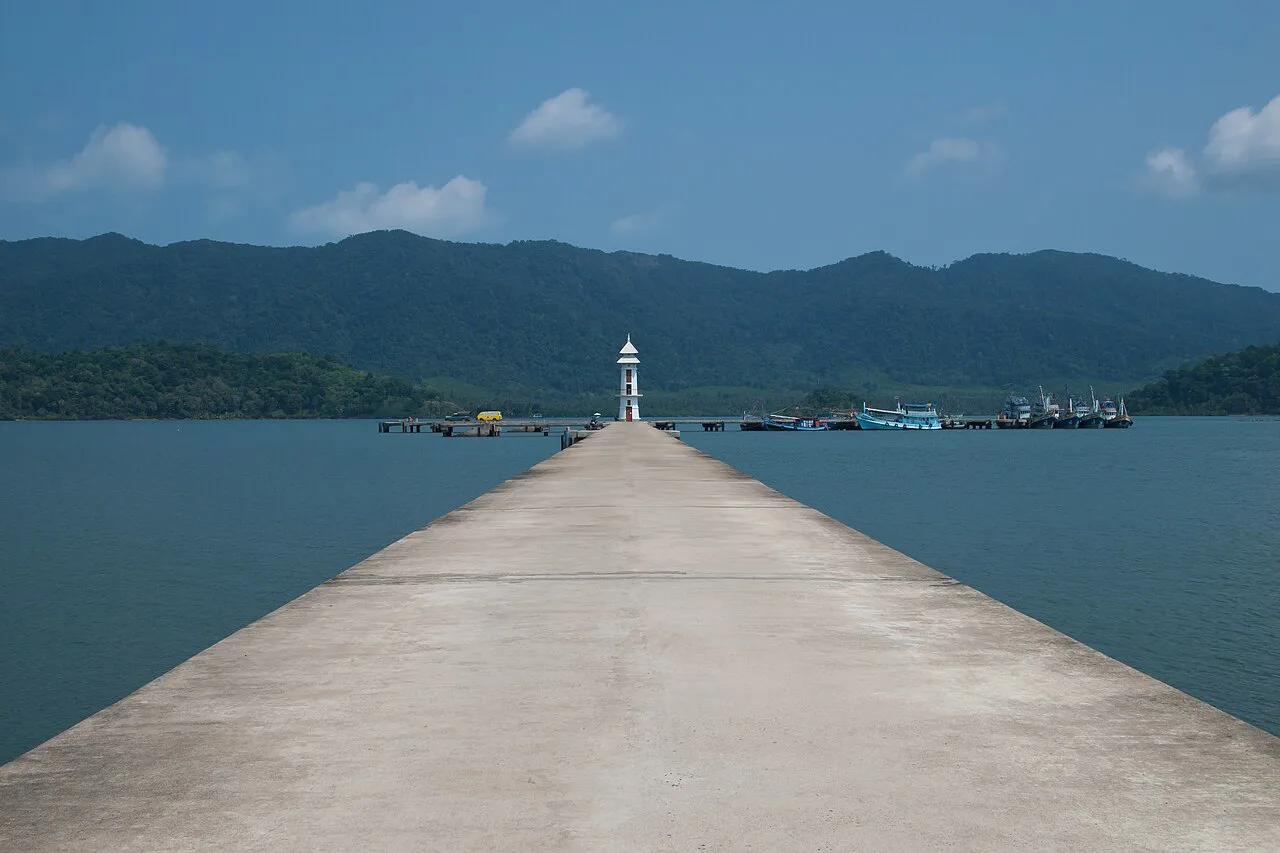
Koh Chang suits snorkelers who want quieter water than Koh Tao draws. From the main island, Kai Bae Beach and Lonely Beach can work when visibility allows. Better reefs lie around the small islands south of Koh Chang, reached on day trips.
Koh Rang National Park is the usual target, with stops at Koh Yak Lek, an islet facing Shrine Beach, and Koh Mai. Boat tours handle most of the snorkeling, so the island is a base rather than a reef in itself. Visitors with only a day or two to spare will get more reef per hour at Koh Tao.
4. Koh Lanta, Koh Haa and Koh Rok (Andaman Sea)
Koh Lanta National Park covers part of Koh Lanta plus surrounding islands, and the best reefs are on the outlying ones. Koh Rok Noi and Koh Rok Yai are both fringed with shallow reefs holding anemonefish, moray eels and angelfish. Koh Haa, the Five Islands, is known for marine life in the lagoon between its three central islands and at The Cathedral.
Koh Mai, Koh Gnu, Koh Ma and Koh Talabeng are other day-tour stops. Ocellaris clownfish, the classic Nemo species, are easier to find here than at Koh Tao. Swimmers wanting a beach-entry reef will be disappointed, since the main island offers poor snorkeling.
5. Phi Phi Islands (Andaman Sea)
Phi Phi lies off Krabi inside Hat Noppharat Thara–Mu Ko Phi Phi National Park and draws heavy crowds. Coral damage reached a critical level at the end of the 2010s, and Monkey Beach and Loh Lana Bay on Phi Phi Don are reported to have destroyed corals. Maya Bay on Phi Phi Leh closed in 2018 and reopened in 2023. Blacktip sharks and coral regrowth have been reported since, but swimming and snorkeling there remain prohibited.
Boats instead stop at Pi Leh Bay, whose seabed is mainly coral debris. Bamboo Island is ringed by reef, while Mosquito Island is reported closed. Reef purists should pick Surin, and Phi Phi works best for scenery and clownfish.
6. Surin Islands (Andaman Sea)
Five small islands sit about 40 miles off the mainland within Mu Ko Surin National Park, which spans roughly 10 miles from north to south. Koh Surin Nuea in the north and Koh Surin Tai in the south are the two main islands, with a dozen snorkeling spots among them. Reefs bleached several times about 20 years ago and are now reported to be among the most beautiful in Thailand.
Manta rays and whale sharks are possible, not guaranteed, with Richelieu Rock the usual whale shark site. Day trips run from Phuket, Krabi and Ao Nang, but a liveaboard gives more time on the water. The park is closed during the rainy season, generally mid-May to the end of October, so monsoon-season travelers should plan around the Gulf.
7. Similan Islands (Andaman Sea)
Mu Ko Similan Marine National Park lies about 62 miles northwest of Phuket. It groups the nine-island Similan chain with Koh Bon and Koh Tachai further north. Clear water makes it a strong reef pick for nudibranchs, octopuses, reef fish and sea turtles, which nest here.
Barracudas, leopard sharks and moray eels are also reported. Boats leave from Khao Lak or Phuket, and visitor numbers have been climbing for years. Check Koh Tachai's closure status before booking, since that island is off limits. Anyone short on time or prone to long boat rides may prefer a Gulf base.
The State of Thailand's Reefs: Healthy, Recovering and Damaged
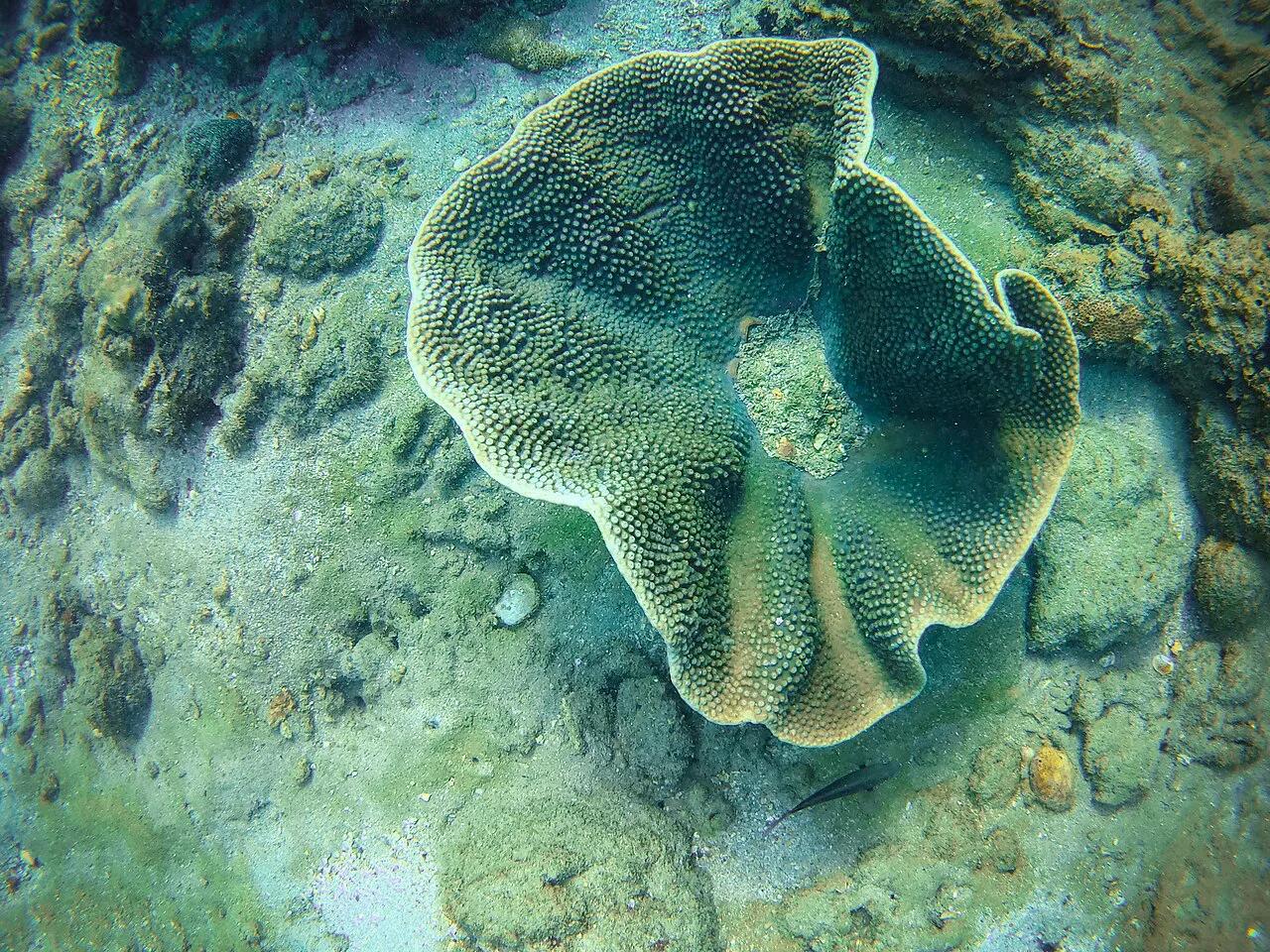
Reports describe a large share of shallow reefs as damaged compared with the Philippines or Indonesia. Tourism and fishing have driven decades of decline. Recovering sites include Surin and Maya Bay, where blacktip sharks returned after the 2018 closure. Damaged sites include Koh Nang Yuan, Monkey Beach, Loh Lana Bay and Pi Leh Bay. Water averages about 82°F, and heat above normal triggers bleaching. Track live alerts through NOAA Coral Reef Watch. Our bleaching history for Thailand goes deeper.
Best Time to See Thailand's Reefs
Thailand's dry season runs December to April, and the monsoon runs May to November. Dry months give the calmest boats and clearest water. In the rainy season, rain can last several days and boats stay at the dock. Surin's national park closes from about mid-May to the end of October, and Maya Bay has reported annual closures in August and September. Gulf seasons follow a different pattern, so ask your operator about local conditions. Exact Similan dates are listed by the DNP.
| Period | Andaman parks | Gulf islands |
|---|---|---|
| December to April | Dry season, best conditions | Generally calmer; ask operators |
| May to mid-May transition | Surin closes around mid-May | Variable weather |
| Mid-May to October | Surin closed; boats often cancelled | Rough water and poor visibility at Phangan and Samui |
Snorkel, Dive or Liveaboard: Which Fits You
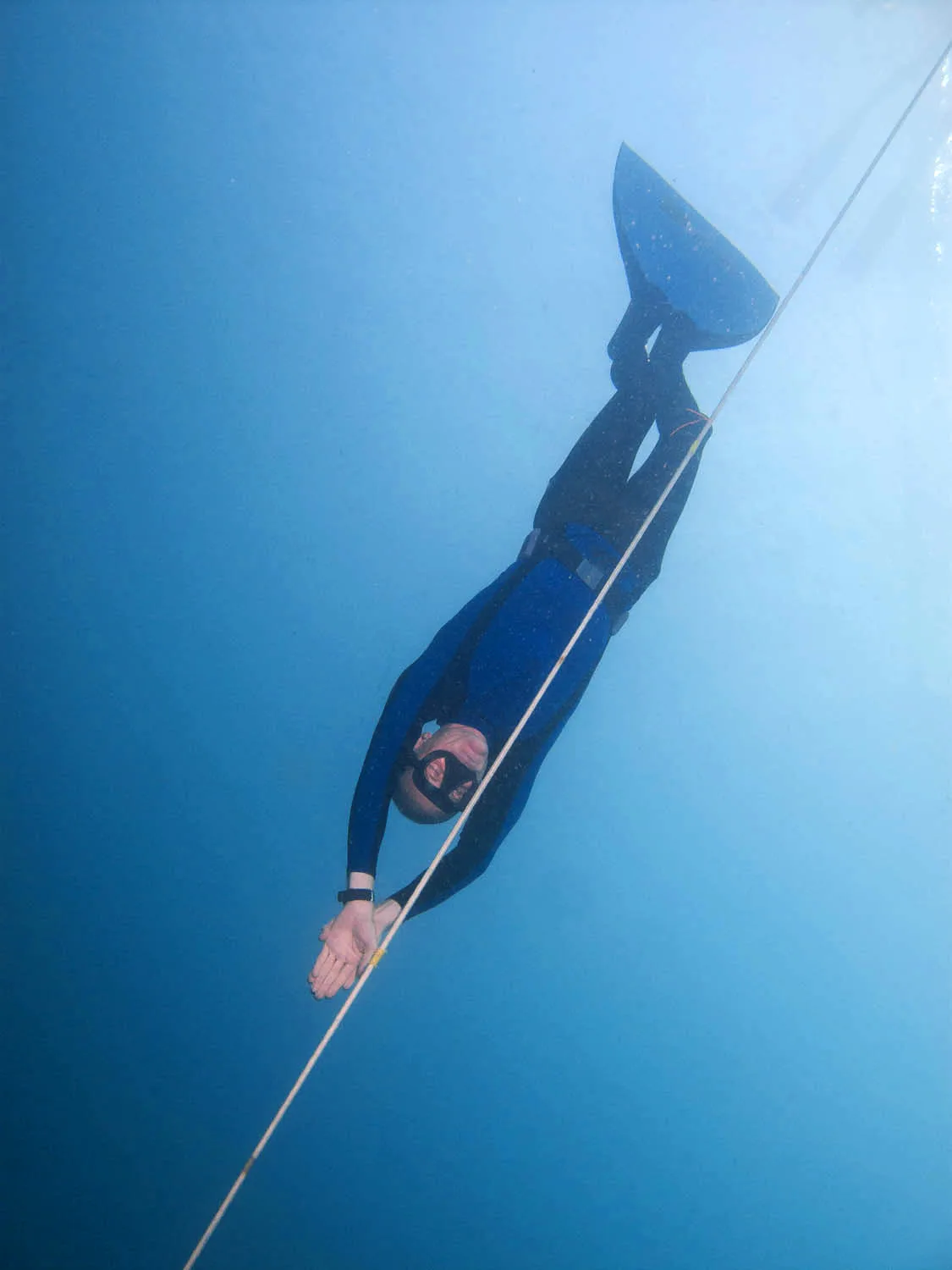
Snorkelers in shallow water can see anemonefish, turtles and blacktip sharks without a certification. Divers get deeper sites such as Chumphon Pinnacle off Koh Tao. Beginners do best at Koh Tao's shore bays, where no boat is needed. Surin rewards a longer stay than a day trip allows. Match the format to the time you have.
Sitting about 40 miles offshore, Surin leaves little time at the reefs on a day trip, so a liveaboard gives more water time.
| Option | Best for | Trade-off |
|---|---|---|
| Shore bays on Koh Tao | Beginners, families | Fewer large animals; busy bays |
| Day boat from Phuket, Krabi, Ao Nang or Khao Lak | Short itineraries | Long boat transfer; little time at each reef |
| Liveaboard to Surin or Similan | Certified divers, keen snorkelers | Fixed schedule; unavailable in monsoon |
| Dive-school base on Koh Tao | Learning to dive | Heavy dive traffic |
Closed and Restricted Reef Sites
Several famous sites are off limits or restricted. Operators can still advertise closed places, so ask which exact stop you will visit and whether landing or swimming is allowed. Our guide to Koh Tachai's status is a good starting point. The Department of Marine and Coastal Resources publishes reef closures.
Only about 650 yards off the northwest coast, the reef at Koh Nang Yuan is listed among the damaged sites close to Koh Tao.
| Site | Status |
|---|---|
| Maya Bay, Phi Phi Leh | Reopened 2023; swimming and snorkeling prohibited; annual August–September closures reported |
| Mosquito Island (Koh Yung) | Reported closed to visitors |
| Koh Tachai | Off limits; see our status guide |
| Koh Khai Nok, Koh Khai Nui, Koh Khai Nai near Phuket | Ordered closed in 2016 after reported coral damage; status today unconfirmed |
How to Visit Reefs Responsibly
Reef damage in Thailand traces to snorkelers standing on coral, boats anchoring on it, and feeding fish. Thailand's Reduce, Refrain, Rescue campaign supports temporary closures and coral relocation. Sunscreen chemicals also harm corals, as NOAA's sunscreen research explains. Our guide shows which sunscreens are reef-safe. Judge operators with this checklist.
- Small groups and a clear briefing on contact rules
- No anchoring on coral
- No fish feeding
- No standing on or touching coral
- A reef-safe sunscreen policy
- Some contribution to reef monitoring
Marine Conservation and Volunteering
Koh Tao dive schools run reef surveys and clean-ups, and some of the shallowest reef areas are designated no-boat zones. Volunteers can join coral restoration and beach clean-ups. See our guide to volunteer placements in Thailand. Certified divers can join underwater clean-up dives run under Project AWARE. Sea turtles nest at the Similans, and our turtle protection work page covers how to help.
Practical Planning: Costs, Permits, Getting Around
Surin sits about 40 miles offshore and Similan about 62 miles northwest of Phuket, so budget a full boat day for either. Phi Phi trips leave from the Krabi side, and Koh Phangan and Koh Samui lie about 30 miles south of Koh Tao. National park fees are set by the DNP, and current amounts are on its official site.
Frequently Asked Questions
Why are coral reefs dying off?
Warm water triggers bleaching, which can kill corals if conditions persist. Boat anchors, snorkelers standing on coral, fish feeding and overfishing add direct damage in Thailand.
Is Thailand good for snorkeling?
Yes, with caveats. Turtles, blacktip sharks and anemonefish are all possible, and Surin and Koh Tao are the strongest choices. A large part of the shallow reefs is still damaged, so pick sites with care.
Explore More Guides
Keep planning your trip with these guides.
Guides
Notes for your next dive trip
Optional updates to our Thai diving guides.
You might also like

Continue reading
More guides you'll find useful