Coral Bleaching in Thailand: What Travelers Should Know
What coral bleaching means in Thailand, where it has been reported, how to check a reef before you book, and how to snorkel or dive responsibly.
On this page
Last updated November 2026: coral bleaching in Thailand is recurrent, and reef condition changes by site and by week. Bleaching happens when stressed corals expel the algae that feed them, and bleached coral can still recover. Check conditions at your specific reef before you book, and start with our Thailand reef guide.
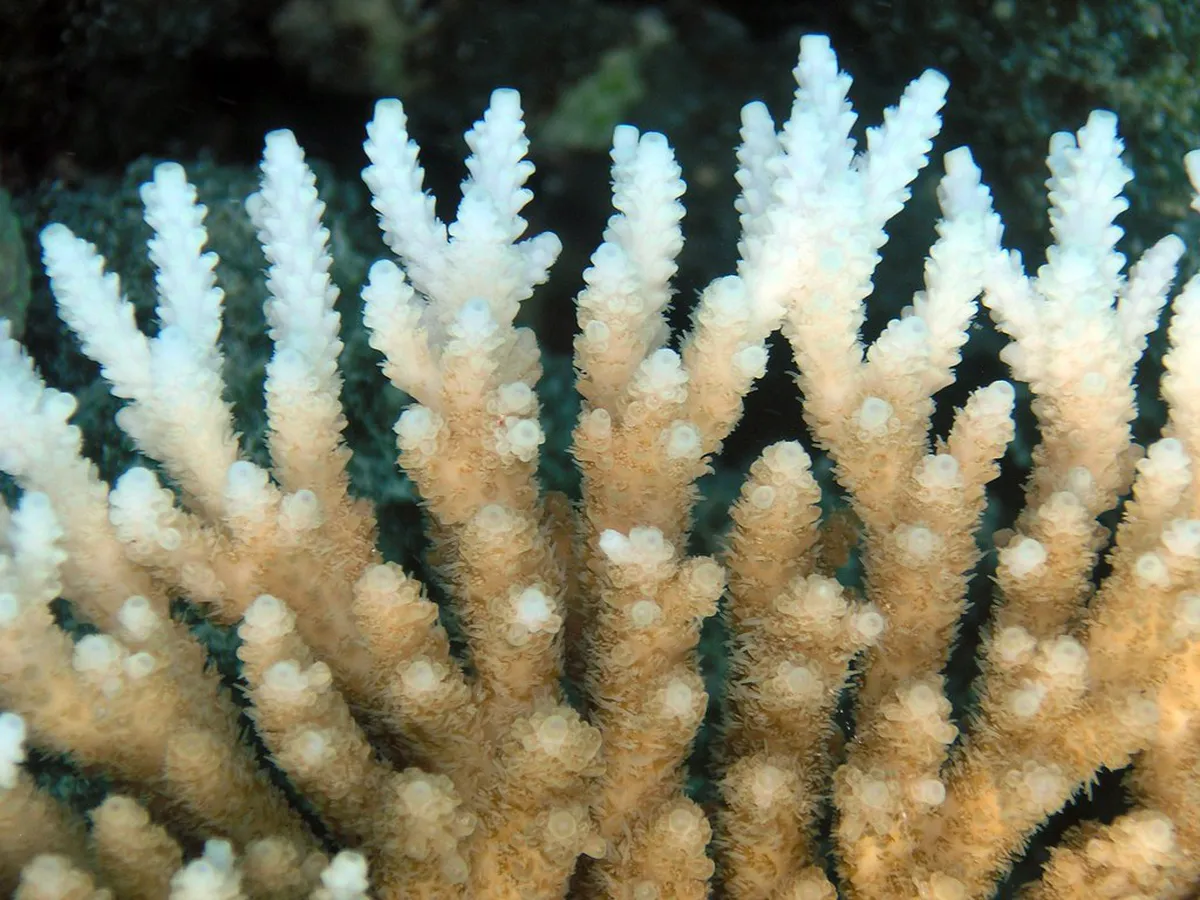
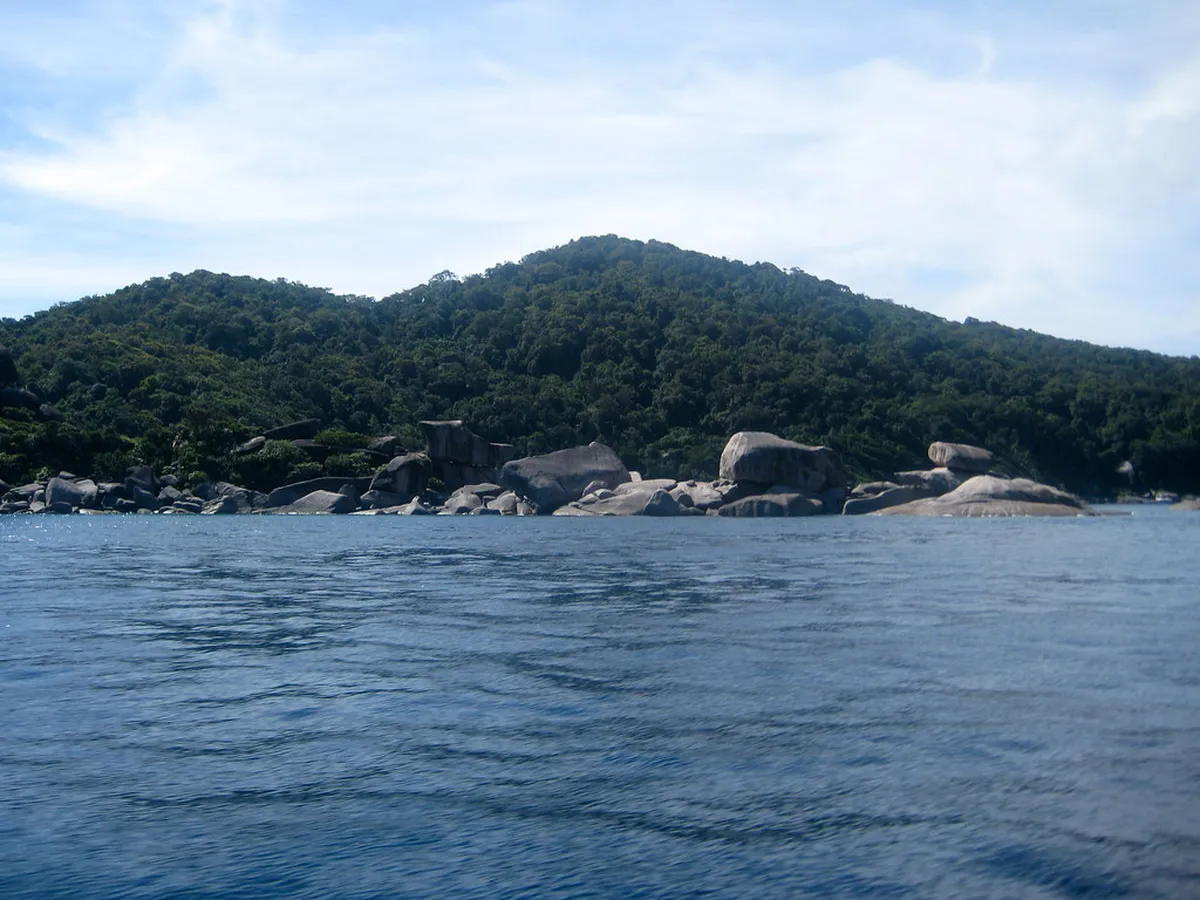
Featured image: Oregon State University, CC BY-SA 2.0, via Flickr.
What coral bleaching is, and why it isn't dead coral
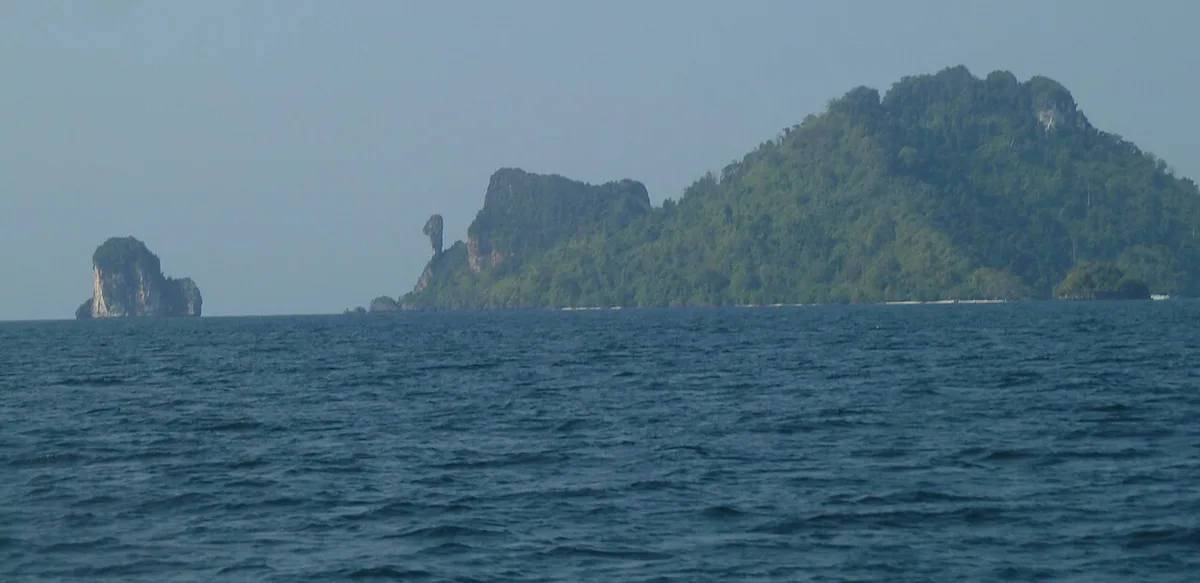
Corals live in partnership with microscopic algae called zooxanthellae. When stress hits, corals expel the algae and turn white, as NOAA's reef guidance describes. Warmer water is the leading cause. Runoff and pollution, strong sunlight and extreme low tides can also trigger bleaching in shallow corals. A bleached coral is not dead. Without its algae it loses its main food source and becomes more prone to disease. If the stress eases, the coral can recover. If the stress is prolonged, the coral eventually dies.
Where coral bleaching in Thailand has been reported
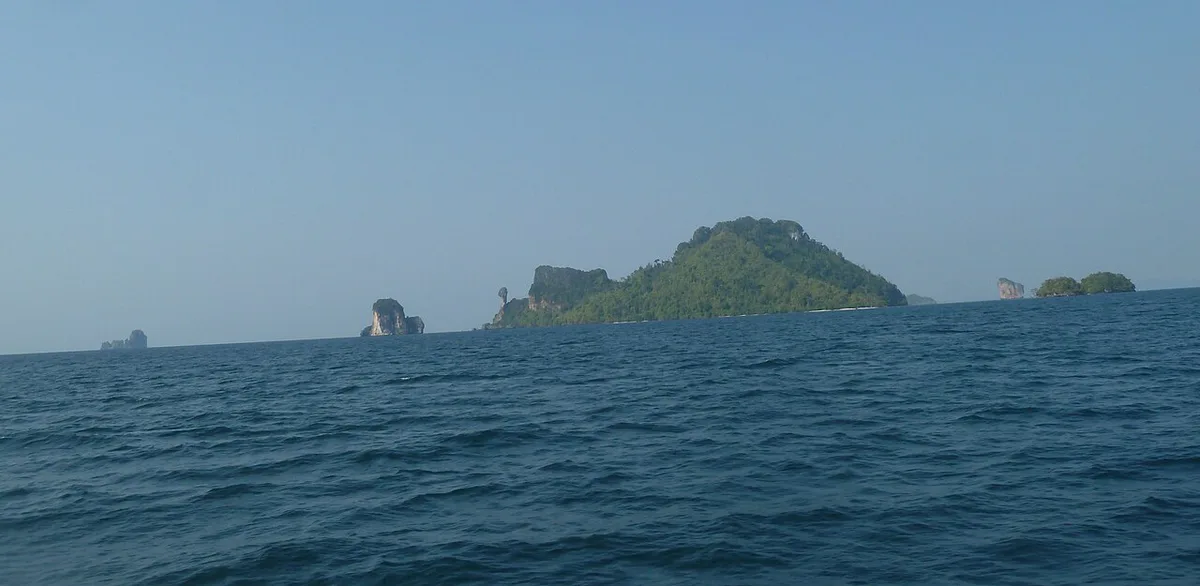
Reports in July 2026 described bleaching at Mu Ko Surin National Park in Phang Nga. A park survey on 26 June found seawater at 30–31°C (86–88°F), above the seasonal average. Reported bleaching or paling reached about 50% of coral at Ao Suthep and 30% at Ao Pak Kat. Ao Tao, Ao Mae Yai and Laem Chong Kat each reported about 10%. Mu Ko Surin was closed for the annual off-season, and the park was due to reopen on 15 October. Reef status after that date is a question for the Department of National Parks. Conditions change, so treat these figures as a July 2026 snapshot rather than current status.
What the 2010 event showed about recovery
Park officials say Mu Ko Surin suffered a major bleaching event in 2010 that caused widespread damage. Reefs there took about 13 years to recover. A 2018 Ramkhamhaeng University study assessed 20 sites in Thai waters about two years after that event. Resilience varied greatly by site and by dominant coral species. Most Gulf of Thailand sites had much lower coral recruitment than other Thai reefs. Even so, the inner Gulf sites showed the highest resilience, and the Andaman Sea sites showed the lowest. Researchers also documented a severe Gulf bleaching event in 1998. The pattern is recurrence, not a single bad year.
How to check a reef for bleaching before you book
Start with official channels. Park offices announce closures, and dates can shift when reefs need more time. In July 2026 officials ordered reef surveys every 15 days at Mu Ko Surin. They also planned seawater temperature loggers at each site. For regional heat stress, read the NOAA Coral Reef Watch alerts for Thai waters. Then ask your operator directly. Use the checklist below, and read our note on the Koh Tachai closure to see how a shutdown can reshape plans.
Surveys run every 15 days at Mu Ko Surin, so any July 2026 reading is only a snapshot.
- Ask for the current reef condition at the exact snorkel or dive sites you will visit.
- Ask whether the operator has rotated sites away from stressed reefs.
- Ask for the refund and rebooking policy if a park closes.
- Check the park's latest closure notice on the DNP site.
- Look at traveler reports from the past few weeks, not last season.
Should you still go? A decision guide
Bleached reefs still hold fish, but they show less color. Visiting also adds pressure to stressed coral. Officials at Mu Ko Surin said that if bleaching passed 40% by the reopening date, stricter measures could follow. Those measures could include an anchoring ban on coral reefs and limits on visitor numbers. Use the table to match your situation to a reasonable choice.
Bleaching that passed 40% by the reopening date could bring stricter rules, while Ao Suthep already showed about 50% in July.
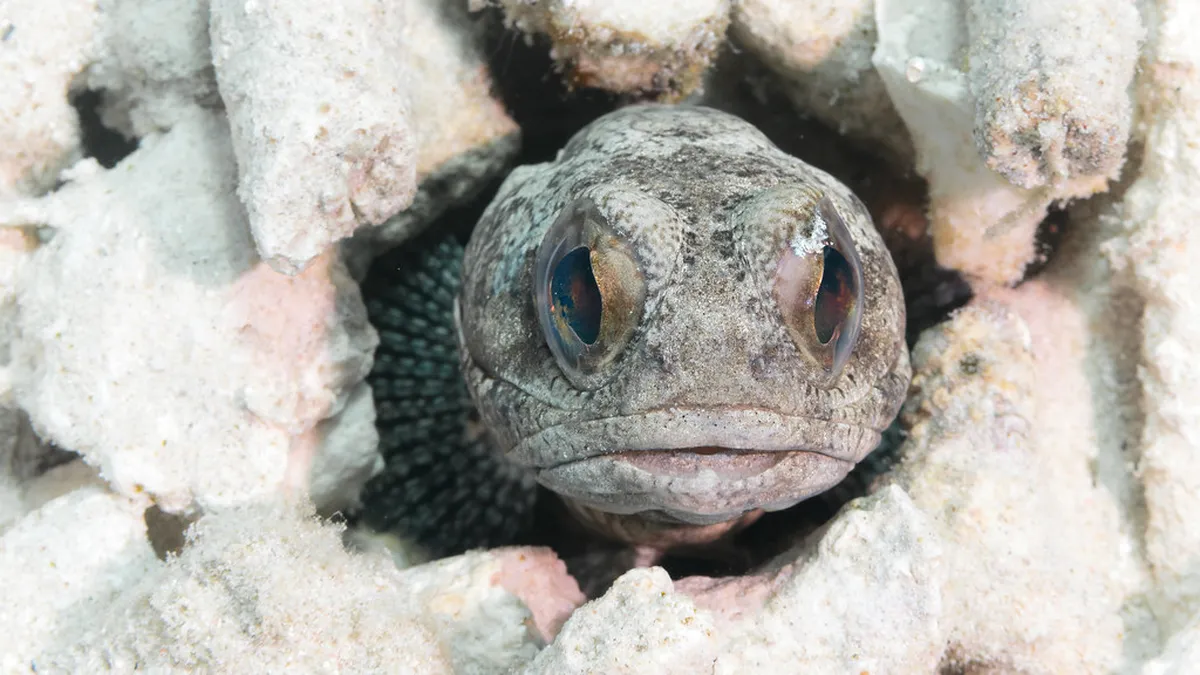
| Situation | Reasonable choice | Trade-off |
|---|---|---|
| Reef partly bleached but open | Go with an operator that briefs on reef etiquette and rotates sites | Less color, and your visit still stresses coral |
| Park closed for the season or for recovery | Move the trip to another open site or shift dates | Less choice, but you avoid pressure on recovering reefs |
| First-time snorkeler | Pick a calm, shallow site and a guide who watches your fins | Bleached shallows may look dull next to photos |
| Experienced diver | Ask for deeper or less-stressed sites and a post-dive condition report | Operators may have fewer site options |
| Fixed dates, no flexibility | Book a refundable option and compare two regions | Flexible terms can cost more up front |
How to visit a stressed reef responsibly
Never touch or stand on coral, even dead-looking coral. Keep fins high and your body horizontal. Choose operators that brief every group on reef etiquette. Follow closures even when a boat captain offers a shortcut. Sunscreen is one local stressor, so use a mineral option and read our guide to reef-safe sunscreen in Thailand. A rash guard cuts how much you need.
- Mistake: standing on a sandbar of coral rubble to adjust your mask.
- Mistake: kicking up sediment close to the reef.
- Mistake: feeding fish to get a better photo.
- Mistake: ignoring a closure notice because a boat is still running.
- Mistake: applying sunscreen just before you enter the water.
What helps recovery and how to get involved
Recovery depends on less local stress, so cleaner water and fewer damaged reefs matter. Our guide to marine conservation volunteering covers hands-on options. For one island, see Koh Tao Marine Conservation: How to Take Part. Divers can remove debris on dives through Dive Against Debris in Thailand: Course, Cleanup Dives and How to Join. Turtle projects are covered in our turtle conservation guide. For a wider view of Thai reefs, return to our coral reefs overview.
Frequently Asked Questions
How is coral bleaching affecting coral reefs?
Bleached corals lose their main food source and become more prone to disease. If stress is prolonged, they die. Thai research after the 2010 event found that recovery differs by site and coral species.
Is Thailand good for snorkeling?
Thailand still offers snorkeling, but reef condition varies by site and week. Check park closures and ask your operator about current coral health before booking.
Notes for your next dive trip
Optional updates to our Thai diving guides.
You might also like

Continue reading
More guides you'll find useful