Turtle Conservation in Thailand: Where to See & Help
Where to see and help sea turtles in Thailand: Khao Lak's Navy center, Sattahip, Koh Tao, ethical-visit rules and volunteering options.
On this page
Last updated November 2026: turtle conservation in Thailand runs mainly through Royal Thai Navy and government marine centers, and only some of them welcome visitors. Khao Lak's Taplamu center is the easiest to visit, while the Navy center in Sattahip, Chonburi, is described by its corporate supporter as not an eco-tourism destination. Use this guide to match a stop to your goal, from a one-hour family visit to responsible volunteering.
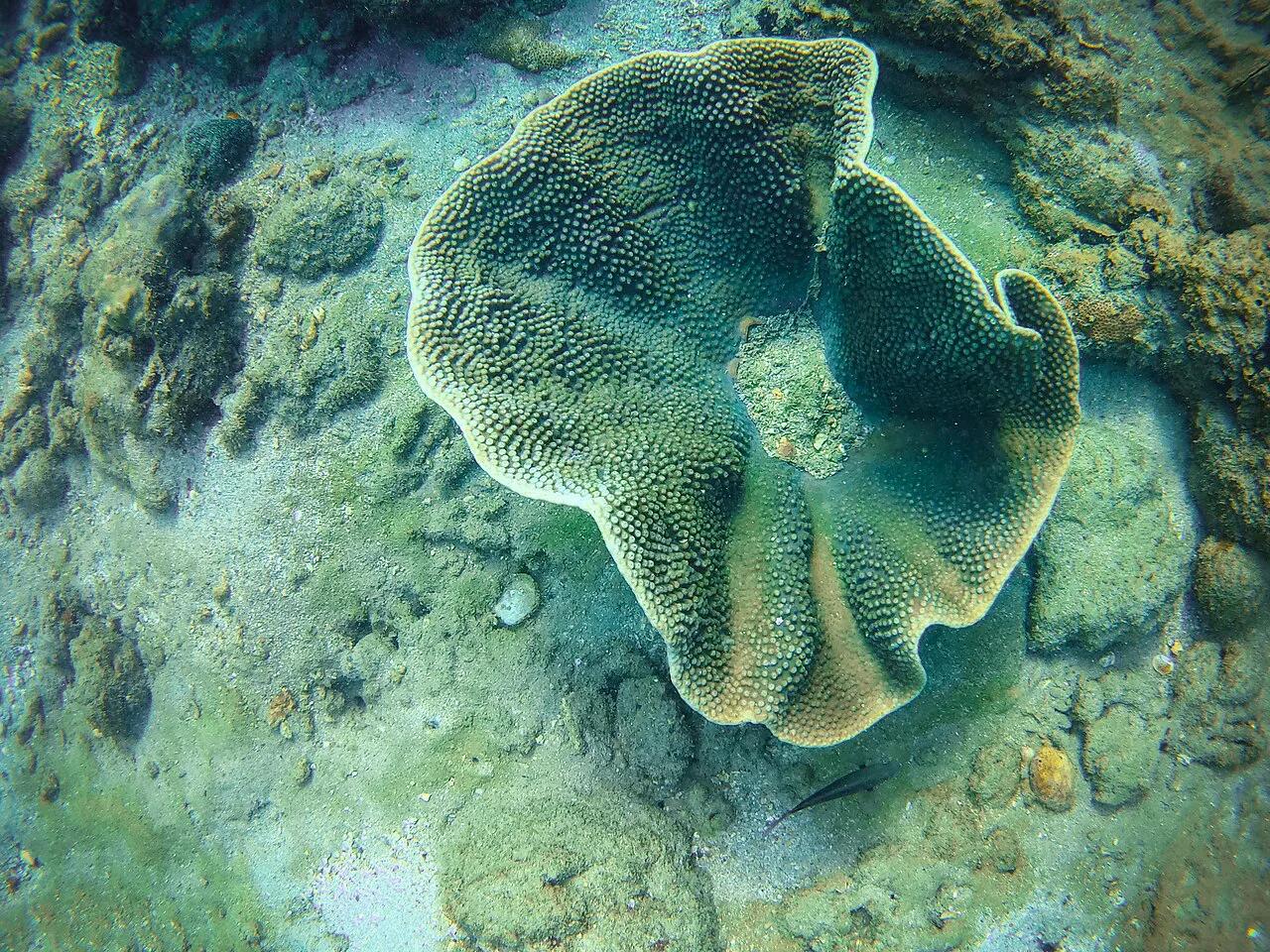
Featured image: Amada44, CC BY-SA 3.0, via Wikimedia Commons.
Turtle conservation in Thailand: the short answer
Thai sea turtle work is led by the Royal Thai Navy and agencies such as the Department of Marine and Coastal Resources. Their centers keep hatchlings and injured adults, then return healthy animals to the sea. Queen Sirikit started the Queen's Project on Sea Turtle Conservation in 1979 to support breeding and hatching. Older and sick turtles that could not survive alone stay in permanent care. Corporate partners help too. According to PTTEP's sustainability page, its support for the Navy center in Sattahip began in 2017. That page reports 22,296 hatchlings nursed and released and 3,629 turtles treated. Those are PTTEP's own program figures. Turtles also depend on healthy habitat, so read our guide to Thailand's coral reefs for the wider picture.
Where you can see turtles: pick by goal
"Visitable" and "not an eco-tourism destination" are different categories. Khao Lak's Taplamu center sells tickets and has a cafe. Sattahip is a working Navy nursery and hospital. PTTEP's page also lists 1,890,373 total visitors to the Sea Turtle Conservation Center, which sits oddly beside its no-tourism line. Access evidently varies by site, so ask the Navy or DMCR before building a trip around Sattahip. Short on time? With one hour, choose Khao Lak, where a visit takes 30 to 60 minutes.
From the checkpoint, the center is about 2 km further, so a one-hour slot needs transit time on top.
| Location | Who runs it | Visitor access | Time needed | Best-fit traveler | Caveats |
|---|---|---|---|---|---|
| Khao Lak / Taplamu Navy center | Royal Thai Navy, with volunteers | Open daily, 8:00–16:30, ฿60 per person | 30–60 minutes plus checkpoint and transit | Families, first-time visitors, anyone with one spare hour | Captive-care pools, not wild nesting; ID needed at the gate |
| Sattahip, Chonburi center | Royal Thai Navy | Limited or unclear | Not applicable until access is confirmed | Readers interested in conservation context | Described as not an eco-tourism destination; contact the Navy or DMCR |
| Koh Tao | Local marine conservation groups | Through programs and dive or snorkel outings | Half day to several days | Travelers who want to help, not just look | Sightings are never guaranteed; see our Koh Tao guide |
| Koh Mannai (Rayong) and Songkhla Navy center | DMCR (Koh Mannai); Royal Thai Navy (Songkhla) | Supporting sites; public access not verified | Not applicable | Context only | Do not plan a visit without written confirmation |
Khao Lak turtle center: practical logistics
Fees and hours here come from a 2025 local visitor listing, so glance at the ticket counter for any change. From Lam Kaen, coming from Khao Lak, turn right at the traffic lights. Drive about 1 km to a guarded Navy checkpoint on the right. Officers ask you to leave a passport or ID, and it is returned when you exit. Bring one or you will not get in. From the checkpoint, the center is about 2 km further, which is a hot walk. Most visitors drive, ride a motorbike or stay in their taxi. Entry is ฿60 per person, and that money goes to daily feeding and upkeep. Doors are open 8:00 to 16:30 every day. Budget 30 to 60 minutes inside. That makes this a pairing stop rather than a full-day detour, so combine it with something nearby.
- T 215 tsunami boat: a 2004 wreck right next to the center.
- Ton Pling Waterfall: under 2 km from Lam Kaen Beach, free to enter.
- Lampi Waterfall: about 20 minutes by car from Lam Kaen Beach, ฿200 entry and ฿20 parking.
- Lam Ru National Park: ฿200 for adults and ฿100 for children; see the Department of National Parks for current rules.
What you will see at the Khao Lak center
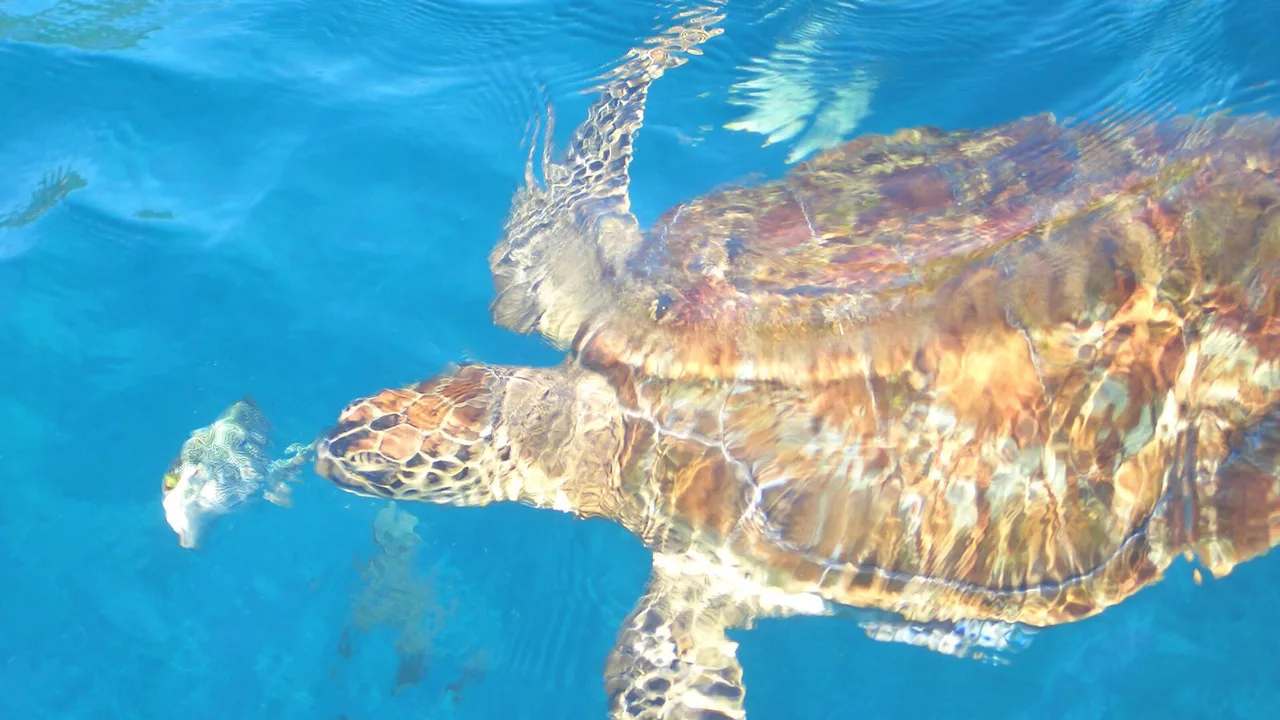
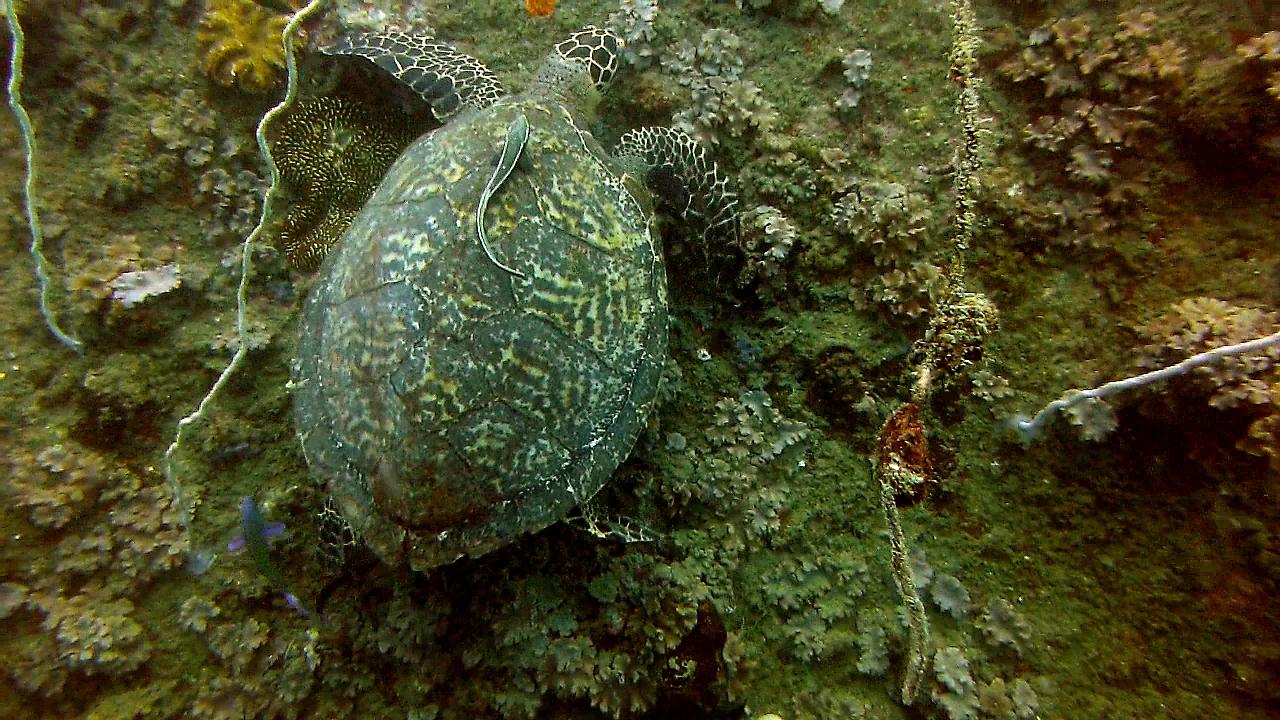
Nine small shaded stations each hold a pool with roughly 10 to 30 turtles. Pools are sorted mainly by age, from week-old hatchlings to animals years old. Stations 1 and 2 hold 15-day-old green turtles about the size of a plate. The oldest turtles, as big as a car tire, live in the single station on the left. Newborns stay in small tanks beside the office because they are still weak swimmers. Most residents are green turtles. A display station adds hawksbill, olive ridley and leatherback turtles. Expect a captive-care facility, not wild nesting. For species status and biology, consult the IUCN Marine Turtle Specialist Group.
How to help without harming
Good programs protect turtles first and visitors second. Your ฿60 Khao Lak ticket already funds daily feeding. Beyond that, choose actions that reduce pressure on turtles and reefs. Wear a mineral formula from our reef-safe sunscreen guide when you swim. Marine debris injures turtles, and underwater debris surveys give divers a practical role. Closures such as Koh Tachai's closure show Thailand limiting visitors to protect marine life. Treat these red flags as reasons to walk away.
- Handling or posing with turtles for photos.
- Paid hatchling releases offered as a tour add-on.
- Flash photography near pools or nesting beaches.
- Crowded beach visits at dusk with no guide or ranger.
- Operators who cannot name their Navy, DMCR or park partner.
Volunteering and diving
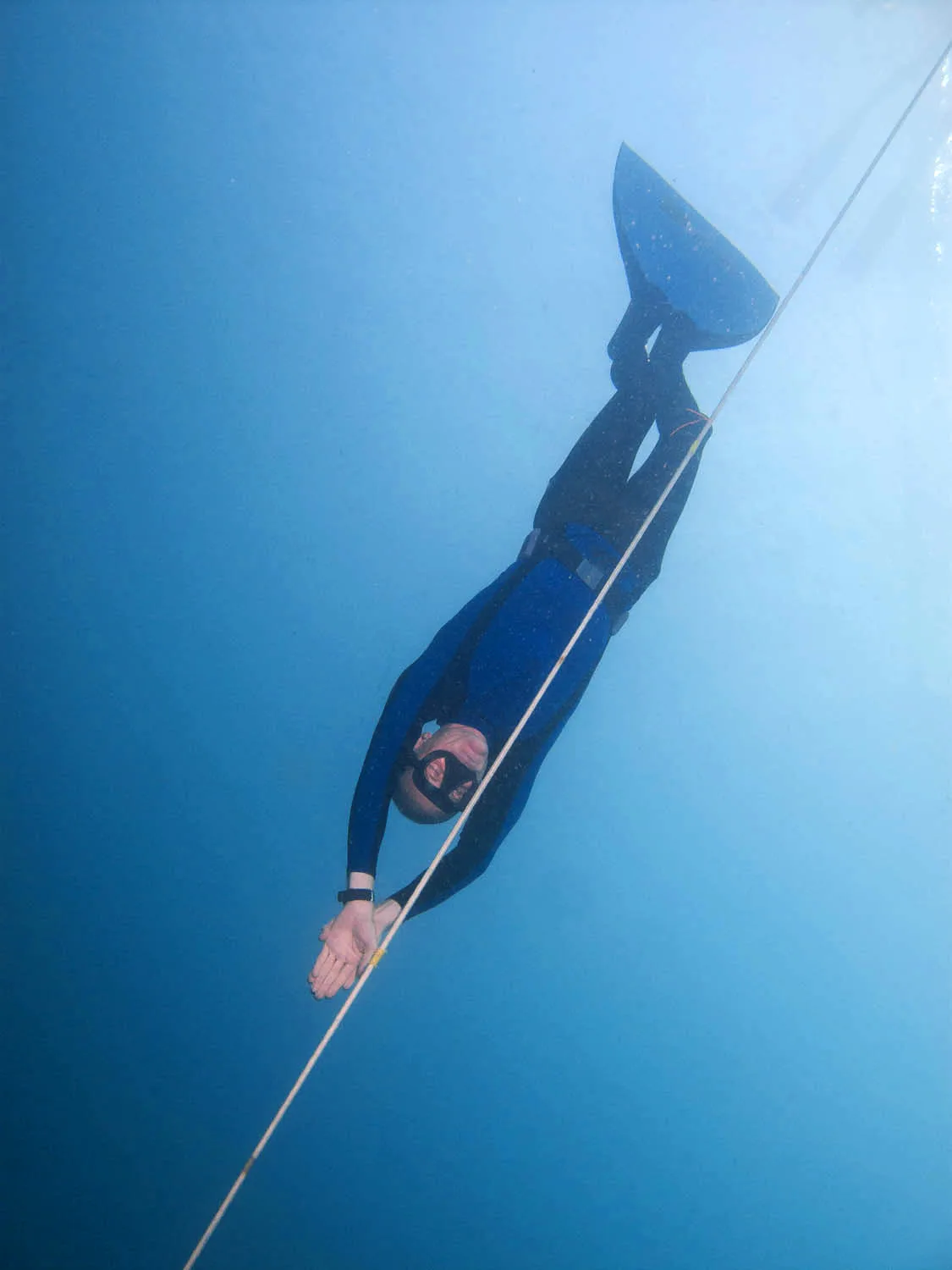
Real volunteering is slow, practical work. PTTEP says its own staff volunteer on pond cleaning and turtle-shell scrubbing. Start with our guide to marine conservation volunteering. On Koh Tao, reef and turtle work on Koh Tao pairs training with fieldwork. Project AWARE explains how Dive Against Debris surveys work. Reef health also shapes turtle habitat, as our note on coral bleaching in Thailand explains. Judge any program by these criteria.
- It names a government or Navy partner and shows its permits.
- It trains you before you touch any equipment or animal.
- It never sells hatchling releases or turtle contact.
- It publishes where fees go.
- It says plainly that sightings are not guaranteed.
Seasonality and nesting: what to check
Nesting and hatching months differ by coast and species, and no season is stated here without a source. Ask the DMCR or the park office before planning around either. A local listing names the Similan and Surin Islands as the best snorkeling and diving spots for turtle sightings, but sightings remain luck.
Mistakes to avoid
Most problems come from assuming every center is a tourist stop. Avoid these errors.
- Turning up at Sattahip without confirming access.
- Forgetting a passport or ID for the Khao Lak checkpoint.
- Arriving after 16:30, when the center is closed.
- Expecting wild nesting at a captive-care pool.
- Booking a tour that promises you can hold or release a hatchling.
Frequently Asked Questions
Is there a turtle sanctuary in Thailand?
Yes. The Royal Thai Navy runs conservation centers, including Taplamu near Khao Lak and a hospital and nursery in Sattahip, Chonburi. Khao Lak welcomes visitors for ฿60, while Sattahip is not presented as a tourist stop.
Where is it best to see turtles in Thailand?
For a guaranteed look, visit the Khao Lak center, open 8:00 to 16:30 daily. For wild turtles, a local listing points to snorkeling or diving around the Similan and Surin Islands. Wild sightings are never promised.
Notes for your next dive trip
Optional updates to our Thai diving guides.
You might also like

Continue reading
More guides you'll find useful