Dive Against Debris in Thailand: Course, Cleanup Dives and How to Join
What Dive Against Debris is, how the PADI specialty differs from a cleanup dive, and how to take part on a Thailand dive trip.
On this page
Last updated November 2026. Dive against debris is Project AWARE's citizen-science program, in which divers remove underwater trash and report what they find. In Thailand you can join one through a dive center, either as a PADI specialty course or as a one-off cleanup dive. This guide explains how each route works and what to ask before you book.
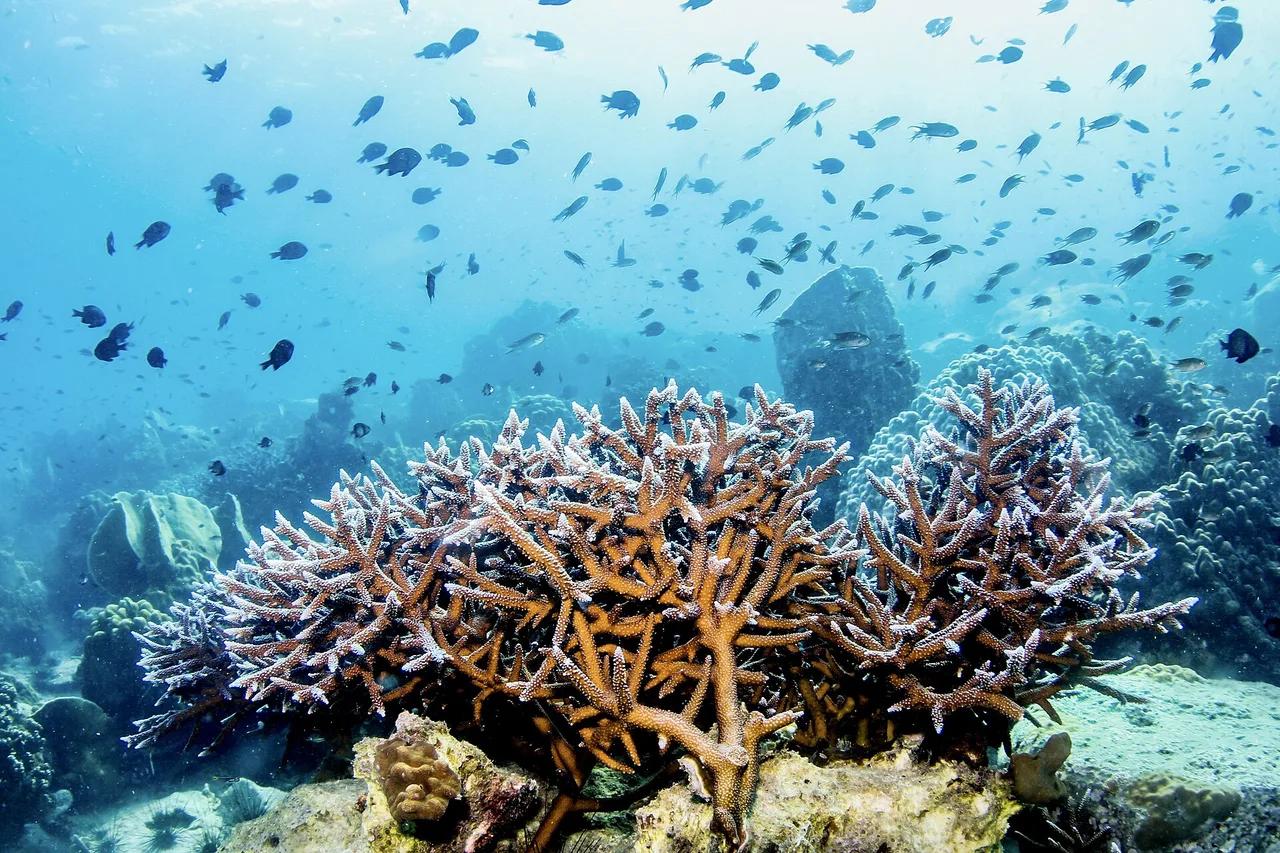
Featured image: A Rocha Kenya, CC BY 2.0, via Flickr.
What Is Dive Against Debris?
Dive Against Debris (DAD) is an underwater survey program run by Project AWARE, PADI's conservation nonprofit. Trained divers collect marine debris on a dive. They then sort, record and report it so the data can inform policy. Removing trash is only half the job. The other half is the written record of what was there.
In Thailand, DAD usually runs through dive centers and conservation operators. Koh Tao and the Andaman Sea dive areas are the likeliest places to find one. Specific operators change, so treat any center's claim to run surveys as something to ask about directly.
Course vs. Cleanup Dive: Which Should You Choose?
You can take part in two main ways. The PADI Dive Against Debris specialty is a short course that ends with a certification card. A cleanup dive is a one-off survey dive led by a center. A beach or snorkel cleanup is a lower-commitment third option.
Divers aged 12 and over can take the specialty, but a cleanup dive may ask for Advanced Open Water instead.
Shops that teach the specialty describe a theory session and one open water dive. They also say the dive may credit as an Adventure Dive toward Advanced Open Water. Ask your instructor to confirm that credit with PADI.
| Option | Certification needed | Time | Cost | What you get | Best for |
|---|---|---|---|---|---|
| PADI DAD specialty course | Open Water Diver; shops list a minimum age of 12 | Theory session plus one dive | Ask the center | Specialty card; dive may credit toward Advanced Open Water | Divers who want to run surveys on future trips |
| Join a cleanup dive | Set by the center; some ask for Advanced Open Water | One dive, often a half day | Ask the center | A one-off survey dive, no card | Certified divers adding conservation to a trip |
| Snorkel or beach cleanup | None | Short session | Ask the organiser | Debris collected, no diving required | Beginners, snorkelers and non-divers |
What Happens on a Dive Against Debris Dive
A survey dive follows a clear sequence. Your guide briefs the group on what is safe to remove and what stays. In the water, you collect debris along a planned route. Back on the boat or shore, the team sorts and records every item.
Shops describe a five-step reporting process that ends with submitting data to Project AWARE. Your center normally handles that submission, so you do not file anything alone.
- Briefing: survey area, depth limit, signals and what to leave behind.
- Gear: a mesh bag, gloves, tank and weights. Ask who supplies each item.
- Survey dive: collect only loose, non-living debris along the planned route.
- Sorting: weigh, sort and record items by type.
- Reporting: the center submits the results to Project AWARE.
- Disposal: debris goes ashore for proper disposal, never back into the sea.
Requirements and What to Ask Before You Book
Requirements vary by center. Shops describe the specialty as open to Open Water divers aged 12 and over. One Red Sea operator asks cleanup participants for Advanced Open Water, a minimum number of dives and good buoyancy. Treat that as an example of how rules differ, not a Thai rule.
Book a few days ahead in busy months. Ask these questions first.
- Is the center affiliated with Project AWARE, and does it submit survey data?
- Which certification level do I need for this dive?
- What is the depth limit and the group size?
- Which gear is included, and what do I rent?
- Where does the debris go after the dive?
- What is the full price, including tank and weights?
Doing Dive Against Debris in Thailand
Start with Koh Tao in the Gulf of Thailand. Our guide to marine conservation on Koh Tao covers conservation-focused dive operators there. On the Andaman side, ask dive centers directly whether they run survey dives.
Season and sea state differ between the two coasts. Visibility and conditions change through the year. Check the dive center and the Thai Department of Marine and Coastal Resources before choosing dates. Its site is dmcr.go.th.
If one dive is not enough, look at longer placements. Our page on marine conservation volunteering lists those options.
Diving Safely and Protecting the Reef While You Clean
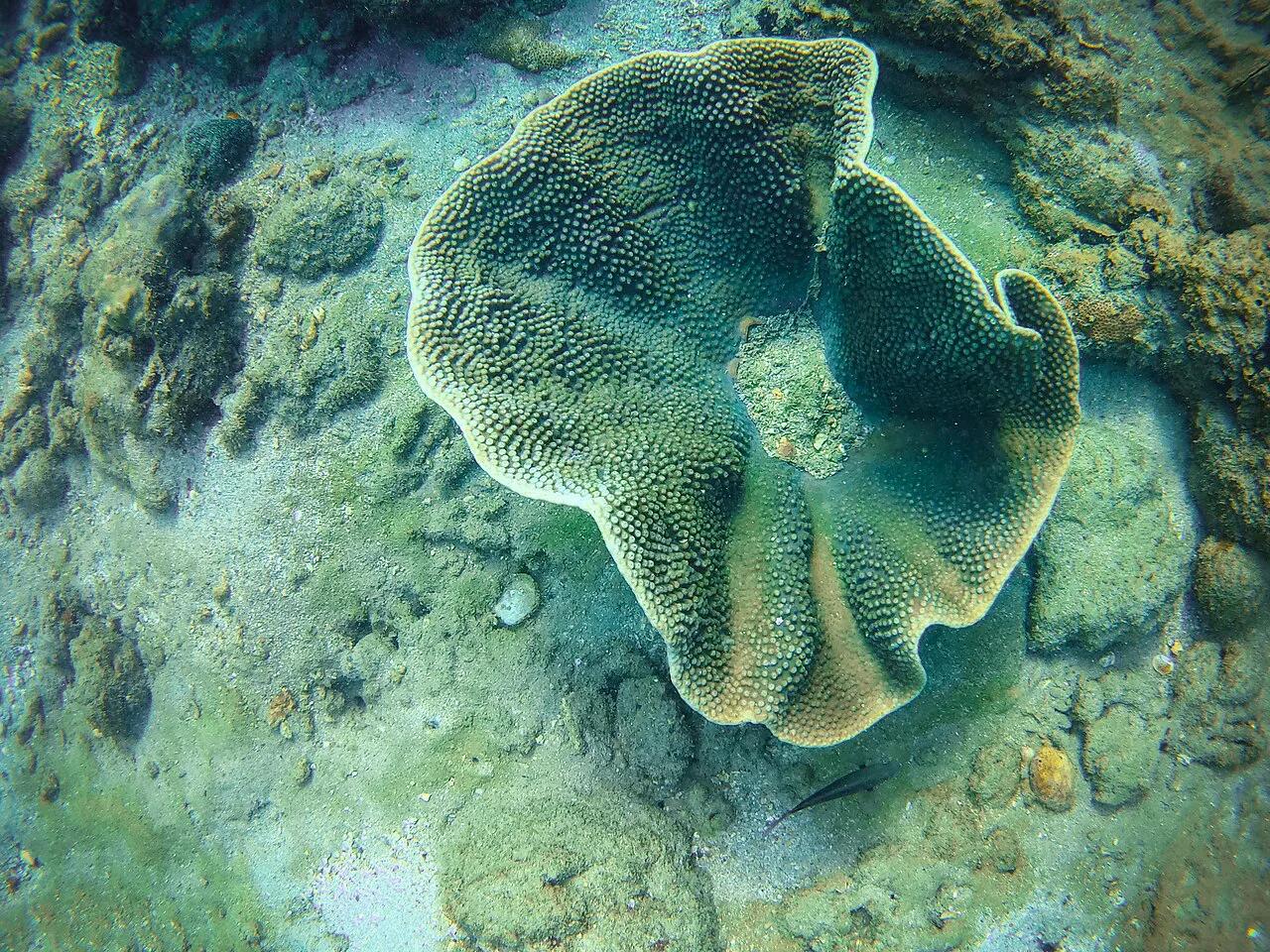
Never touch live coral. Leave anything that has become encrusted or turned into habitat, because small animals may be living on it. Watch for sharp metal, hooks and tangled line before you reach for an item.
Buoyancy matters most. A fin kick near the bottom lifts silt and can damage coral. Our guide to Thailand's coral reefs explains why gentle trim protects the reef.
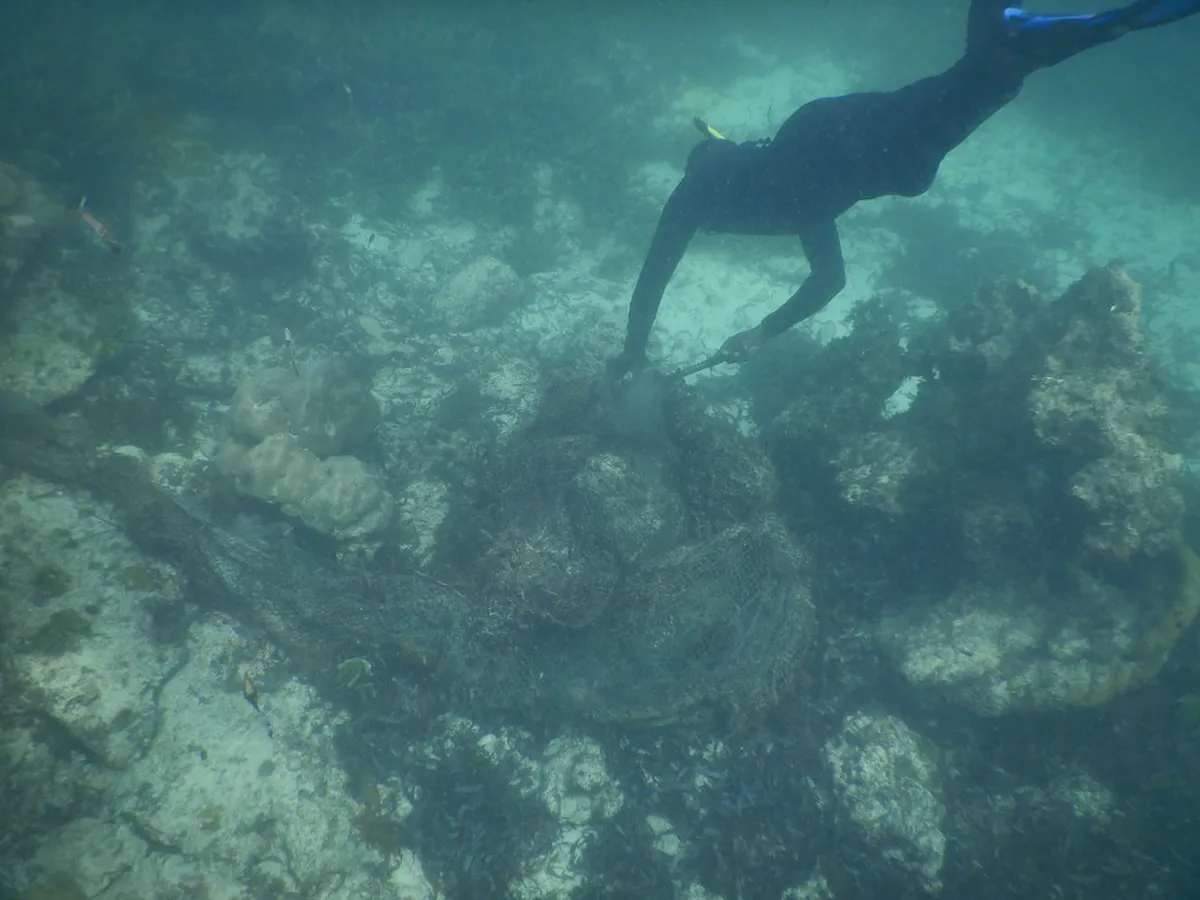
Ask your guide to cut ghost nets, not you. Pull only what your team can lift safely. Do not overfill your bag.
Reef-friendly habits continue on the surface. See our notes on reef-safe sunscreen for what to pack. Protected sites are also off limits, as in the case of Koh Tachai's closure.
Why It Matters: Debris, Reefs and Wildlife in Thai Waters
Ghost fishing gear and discarded nets can snag on reefs. Plastic also washes into the sea after heavy rain. Debris is one stress among several. See coral bleaching in Thailand for the wider picture.
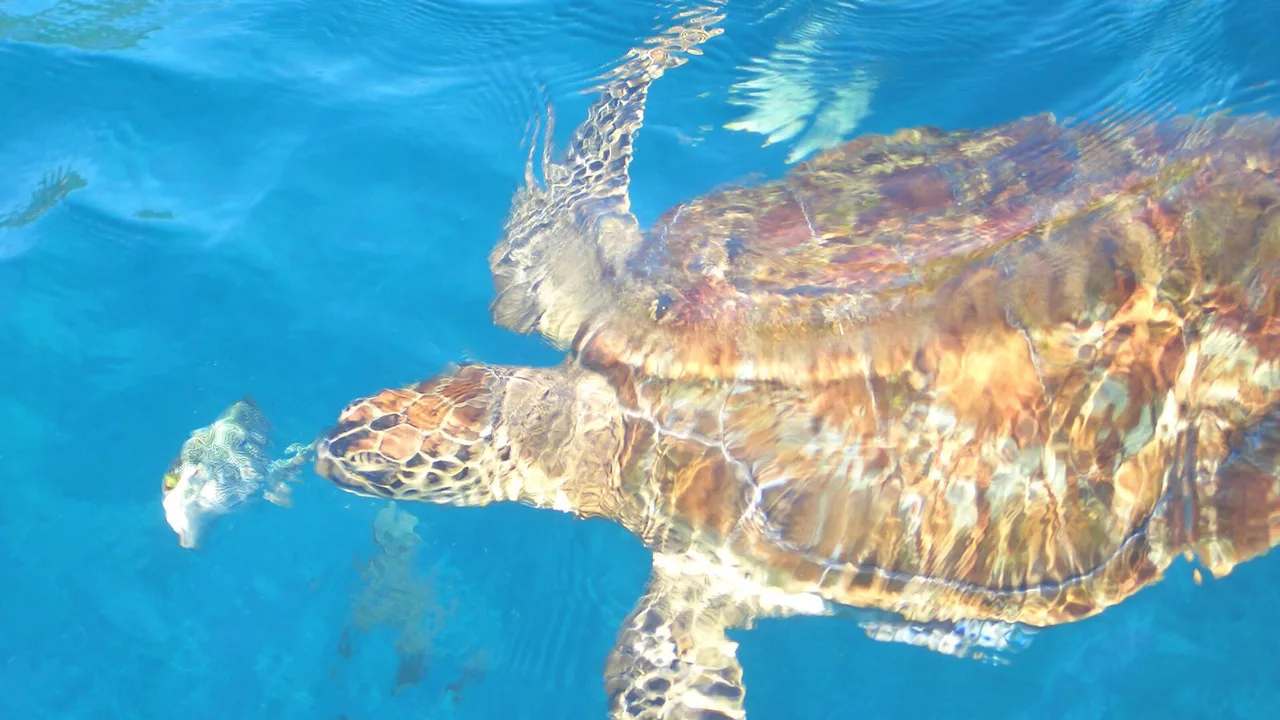
Animals suffer too. Turtles can become entangled or eat plastic. Read more in our guide to turtle conservation in Thailand.
Survey data gives a record of what is found, where and in what quantity. Project AWARE uses it to support policy change. Never bring home debris as a souvenir.
Frequently Asked Questions
How much does a diving course cost?
Prices for the Dive Against Debris specialty vary by Thai dive center and are not fixed. Ask each center for a full quote that includes tank and weights, and compare before you book.
What is the main safety rule for diving?
Never hold your breath, and always dive within your training and the plan. On a cleanup dive, also stay off the coral and stay with your buddy.
Notes for your next dive trip
Optional updates to our Thai diving guides.
You might also like

Continue reading
More guides you'll find useful