Koh Tao Marine Conservation: How to Take Part
How marine conservation works on Koh Tao, which programs suit divers, volunteers, and short-stay visitors, and what to check before you book.
On this page
Last updated November 2026. Koh Tao marine conservation is run mainly by dive-school programs and small research groups, working with Thailand's Department of Marine and Coastal Resources. Certified divers can join a 3-day course, and volunteers or interns stay for several weeks. Here is how the routes compare and what to check before you pay.
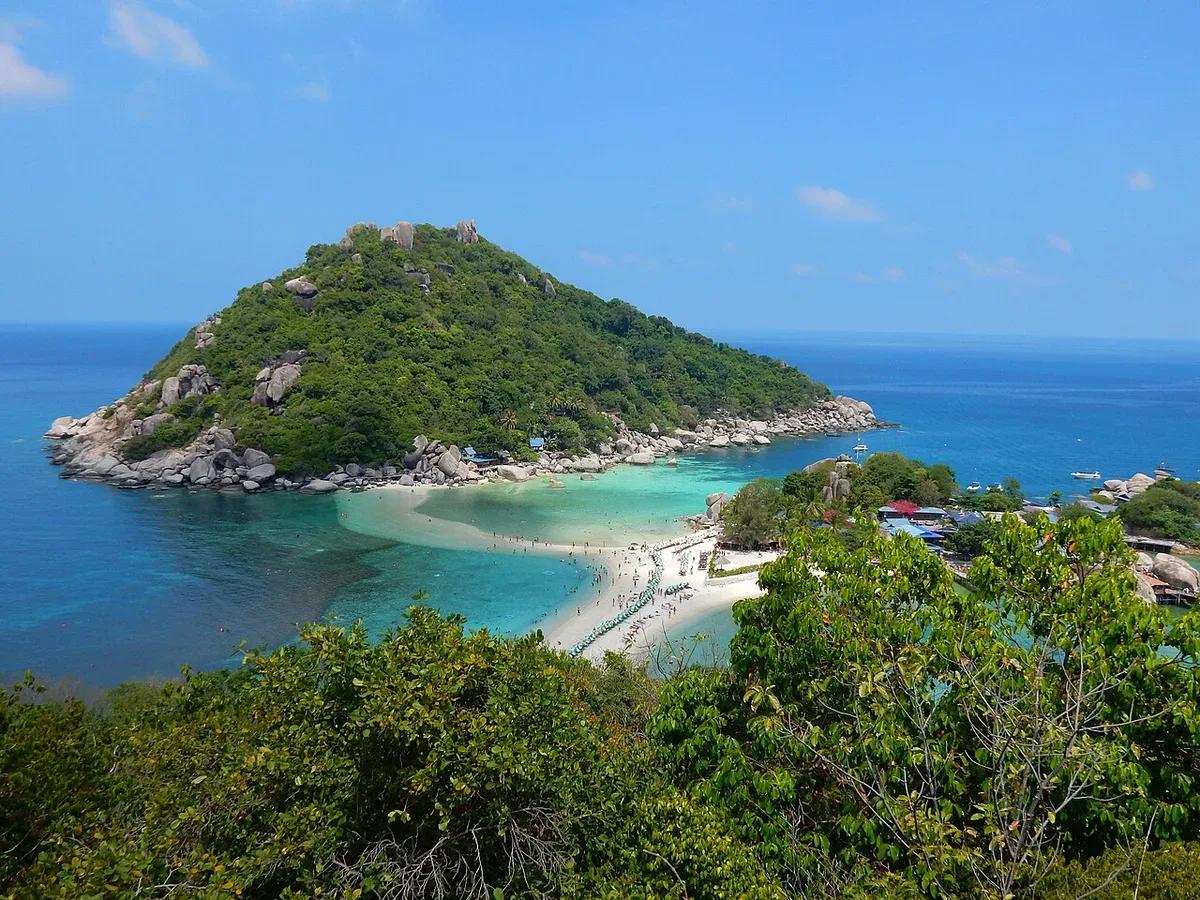
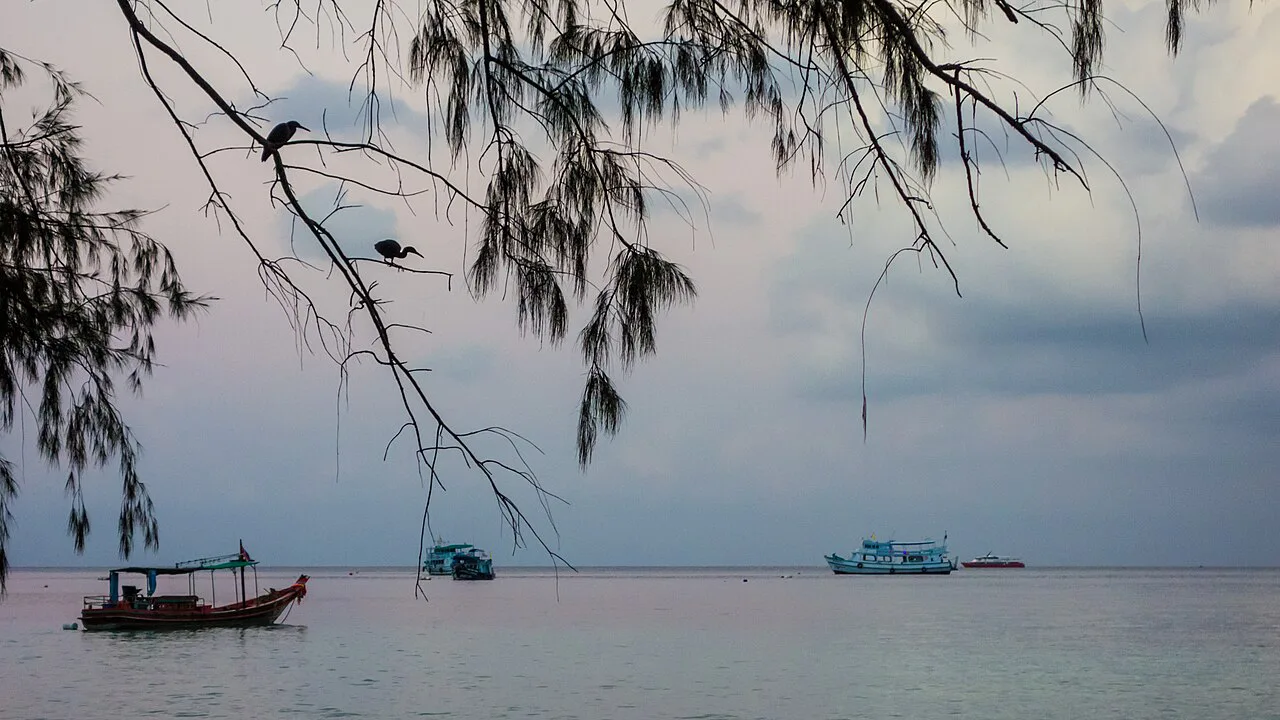
Featured image: n.hewson, CC BY 2.0, via Flickr.
What marine conservation on Koh Tao actually involves
Most work here is reef monitoring, coral restoration, education and debris removal. Dive schools run the short programs. Research groups such as Global Reef run longer science and internship programs. Global Reef describes working closely with the Department of Marine and Coastal Resources, the Thai agency responsible for coasts and reefs. Local campaign groups also exist, and Save Koh Tao is one place to read about island-level issues. Government approval and scientific oversight separate real fieldwork from a course with a green label.
Why Koh Tao's reefs need it
Reefs here sit in the Gulf of Thailand, where one local dive operator reports water of 26–29°C for most of the year. That operator also claims over 8 km of coral reef around the island. Treat those numbers as operator claims. Course material from a Koh Tao dive school lists climate change, pollution and destructive fishing as the main threats to corals. For regional context, see our overview of Thailand's reef systems. Heat stress is the fastest-moving threat, and our page on bleaching events in Thai waters covers it in detail. NOAA's Coral Reef Watch program publishes satellite bleaching alerts. Protected areas can also close entirely, as Koh Tachai's closure shows, though that is a separate island and not a Koh Tao rule.
Because one operator supplies both the over 8 km of coral reef figure and the over 200 coral species figure, the two numbers share a single unverified source.
Ways to take part: compare your options
Four routes cover most visitors. Prices and prerequisites below were checked in November 2026 against operator pages, and they change. A short course gives you data skills in 3 days. A multi-week stay gives you real fieldwork. A low-impact visit costs nothing extra and suits everyone else.

| Route | Time | Prerequisites | Indicative cost | What you do | Suits |
|---|---|---|---|---|---|
| Citizen-science course | 3 days | Advanced Open Water; minimum age 12 | 9,900 THB (Black Turtle Dive) | 4 conservation dives, CoralWatch survey, indicator species recording | Certified divers on a short trip |
| Volunteer stay | 4, 8 or 12 weeks | Age 18+; no diving experience listed | Listed from $600–900; cost basis unclear | Monitoring and conservation projects; dive training | Gap-year travelers |
| Research internship | Several weeks | Ask the organization | Ask the organization | Surveys, data analysis, scientific diving | Science students |
| Independent visit | Any | None | No program fee | Follow no-touch and low-plastic habits | Snorkelers and casual divers |
Short citizen-science courses for certified divers
Black Turtle Dive lists a 3-day citizen-science program at 9,900 THB. It includes 4 conservation dives, a CoralWatch coral health certification and a certificate of completion. Equipment rental is included, and groups are capped at 4 students per instructor. Minimum age is 12. Participants learn the Coral Health Chart, a tool that tracks coral color changes, and results go to the CoralWatch database at the University of Queensland. Day 1 covers buoyancy and a first survey, and Day 3 reviews the data. The operator's page calls the course suitable for beginners. Its FAQ also says Advanced Open Water certification is required. Resolve that contradiction by asking the school directly before booking. A course like this teaches survey methods and adds data points. It is not reef restoration or long-term research.
Group size per instructor is on the vetting checklist, so measure other programs against 4 students per instructor.
Volunteer and internship stays
Gapforce lists a Koh Tao program with 4-week and 8-week options. A 12-week option adds Divemaster training. The minimum age is 18, and accommodation is a dormitory. Some meals and airport transfers are included, and no prior diving experience is required. Listed costs start at $600–900, but the page does not say whether that is per week or per program. Ask for a written total before comparing. Global Reef also runs internships built around marine ecology, survey methods and data analysis. Weigh how many hours go to fieldwork versus dive training, since a 12-week stay that ends in a Divemaster certificate is partly a professional course. For longer placements across the country, read our guide to longer volunteer placements.
How to vet a program before you pay
A good program answers these questions in writing and without hesitation.
- Does it work with the DMCR or hold relevant permits?
- Are named scientists and published outputs listed?
- Where does the data go, and who uses it?
- What is the group size per instructor?
- Do fees fund conservation work or mainly dive training?
- What insurance, medical screening and safety procedures apply?
- What are the refund and cancellation terms?
- How many hours are real fieldwork versus classroom or skills practice?
Marine life you may see, and when
One Koh Tao dive operator reports two turtle species, green and hawksbill, plus blacktip reef sharks on shallow reefs. It also reports whale sharks at White Rock, though sightings are occasional and never guaranteed. Over 200 coral species is the same operator's claim and is unverified. Sightings shift by season, depth and luck, so plan around the conservation work rather than the animals. Read turtle protection work for guidance on watching turtles without disturbing them. The IUCN Marine Turtle Specialist Group publishes the science behind that guidance.
Plan the trip: getting there, where to stay, time needed
The standard route to Koh Tao is by mainland ferry and bus connections through Chumphon or Surat Thani. Island dive schools cluster near the main piers, and Black Turtle Dive lists its address as 8 Moo 2, Koh Tao, Surat Thani 84360. Current ferry times and fares come from operators, so check their schedules before booking. A 3-day course fits a week-long trip. Plan at least 4 weeks for a volunteer stay. Book dive-season dates early, and ask each operator how far ahead it fills.
Low-impact habits for every visitor
Never touch coral, and keep fins well above the reef. Do not feed fish, and avoid dropping anchors on coral. Bring a refillable bottle to cut single-use plastic. NOAA's research on skincare chemicals explains why sunscreen choice matters near reefs. Our guide to sunscreen that avoids reef-harming chemicals lists what to look for. After a trip, join a cleanup dive. Project AWARE runs the debris survey program that many schools follow. Our page on debris surveys underwater explains how to take part.
Mistakes to avoid
These four errors cost visitors the most money and goodwill.
- Assuming a 3-day course equals restoration; it teaches survey methods and contributes data.
- Ignoring prerequisites such as Advanced Open Water or a minimum age.
- Booking without vetting fees, group size and data use.
- Promising yourself a whale shark or turtle; sightings are seasonal and unreliable.
Frequently Asked Questions
How can coral reefs be conserved?
Reducing local stress helps most: use reef-friendly sun protection, avoid touching or anchoring on coral, and cut plastic. Monitoring programs such as CoralWatch surveys also track reef health. Restoration and protected-area rules work alongside these habits.
Is scuba diving in Koh Tao worth it?
Many visitors treat it as a main reason to come. Operators report water of 26–29°C for most of the year. Adding a 3-day conservation course gives the dives a purpose beyond sightseeing.
Notes for your next dive trip
Optional updates to our Thai diving guides.
You might also like
Continue reading
More guides you'll find useful