8 Koh Tao Dive Courses: Costs, Levels & Choosing
Compare 8 Koh Tao dive courses from try dive to Instructor: time, ฿ cost ranges, PADI vs SSI and how to pick a school. Updated for 2026.
On this page
Last updated November 2026: a koh tao dive course can be a one-day try dive or a multi-week pro program, so your days and goal decide the right pick. Most divers move through the same ladder: try dive, Open Water, Advanced, Rescue, then Divemaster. PADI and SSI are both recognized worldwide, and your school and instructor will shape the experience more than the agency logo.
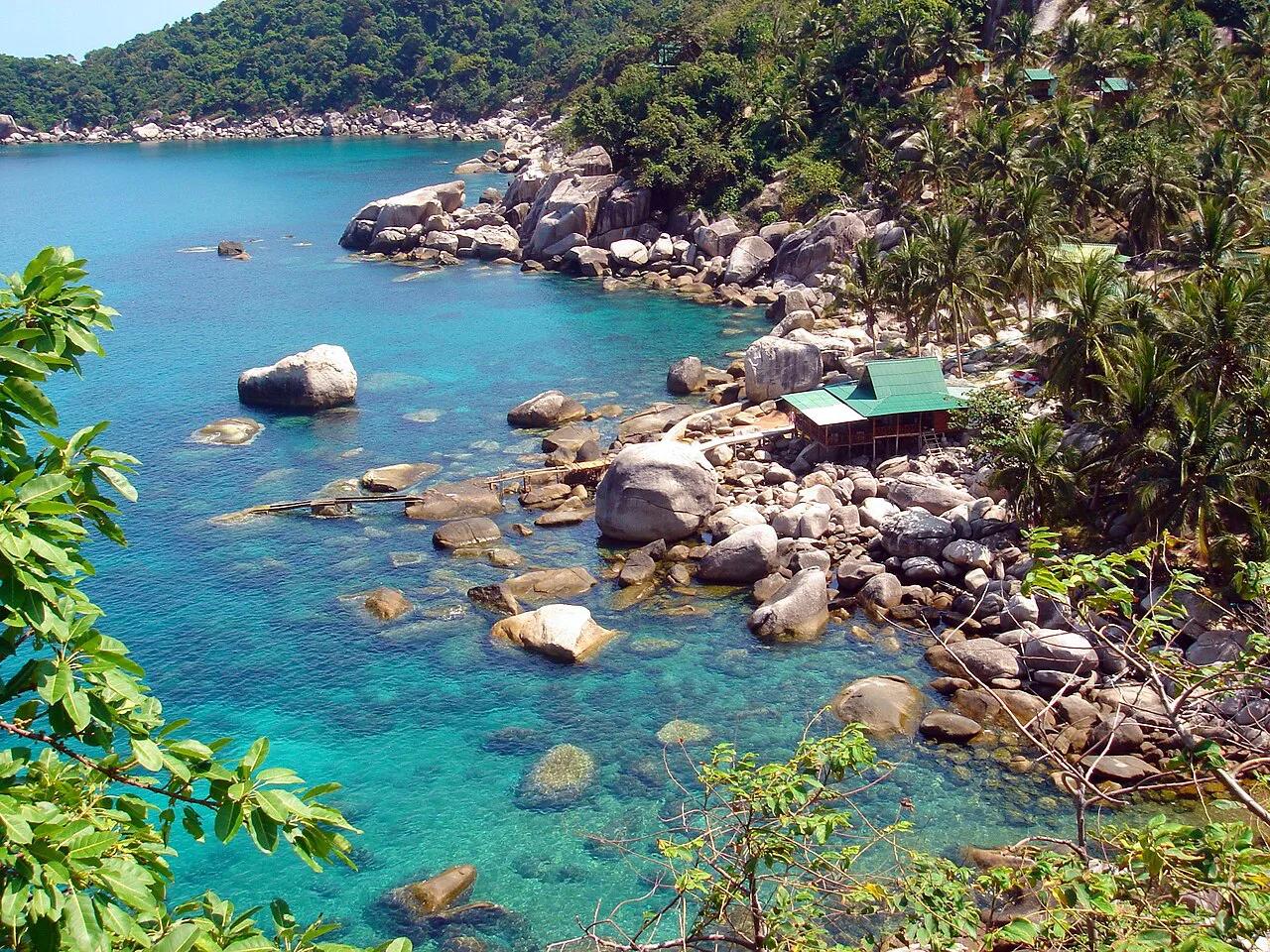
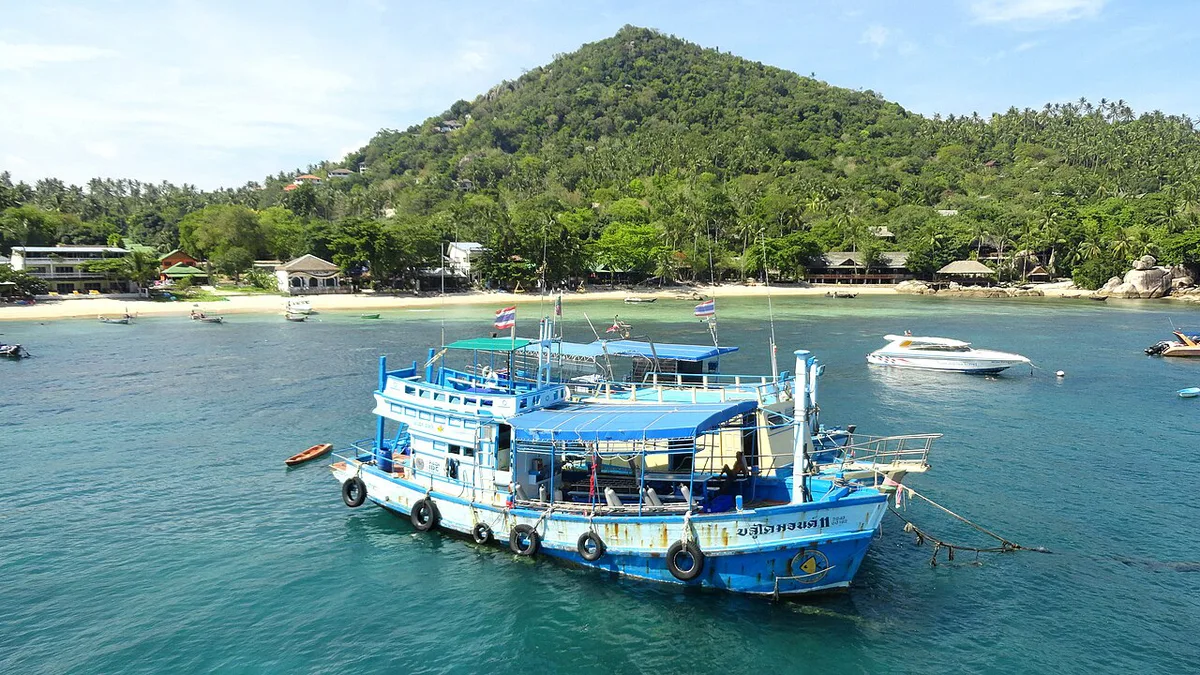
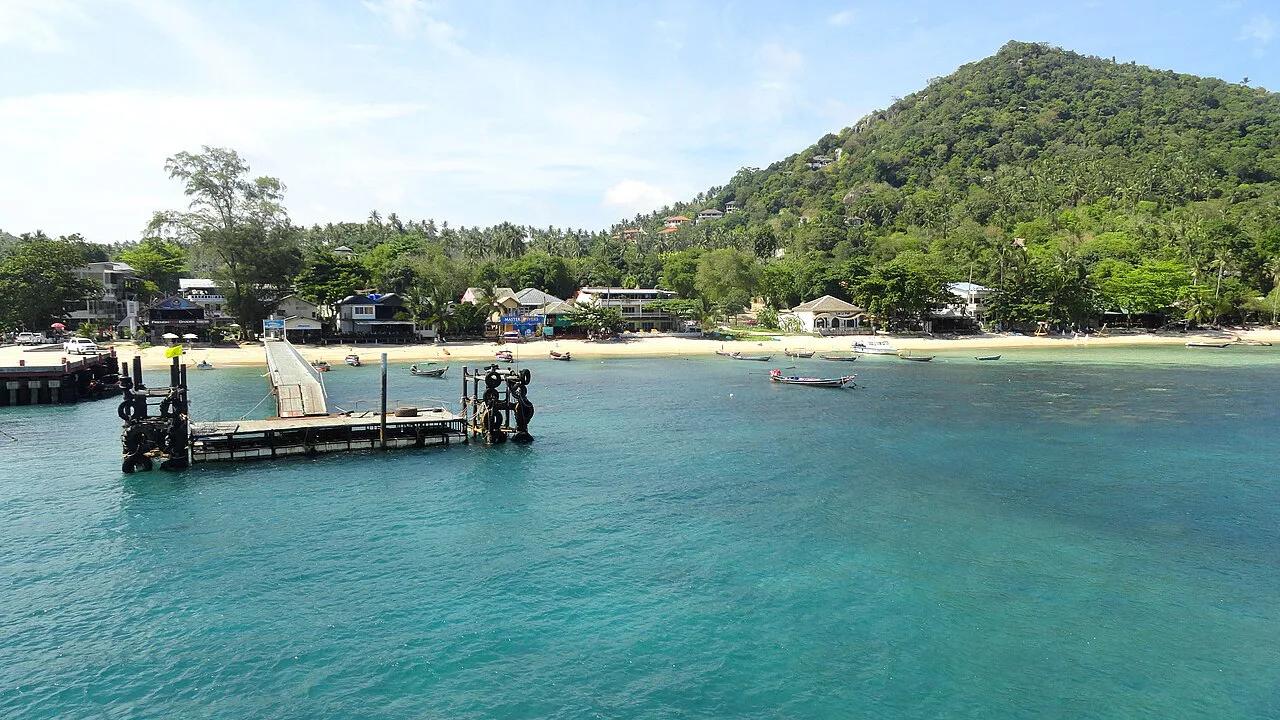
Featured image: Fabio Achilli from Milano, Italy, CC BY 2.0, via Wikimedia Commons.
Quick answer: which Koh Tao dive course should you take?
Match your situation to a row below. A try dive fits a single day, while Open Water needs roughly 2.5 to 3 days. Operators describe the same level in different ways, so ask how many dives and how many days a school actually schedules.
A 2-day stopover cannot hold Open Water's 2.5 to 3 days, but a try dive listed at 1 day fits.
| Your situation | Course to look at | Typical time |
|---|---|---|
| Never dived, want to see what it feels like | Try dive (Basic Diver or Try Scuba) | 1 day |
| Want a full certification | Open Water Diver | 2.5 to 3 days |
| Certified but rusty | Scuba Review or fun dives | Half day to 1 day |
| Want more depth and variety | Advanced Open Water | 2 days |
| Want to handle emergencies | Rescue Diver | 2 days; 4 days with React Right |
| Want to work in diving | Divemaster, then Instructor | 4 to 6 weeks for Divemaster |
| Want better photos | Underwater photography course | Varies by school |
8 Koh Tao Dive Course Options, From Try Dive to Instructor
Prices and hours checked November 2026. Figures below are operator-listed starting points in baht, not market averages. Open Water is listed from ฿9,500 to ฿12,500 across schools, so compare what each price includes. Each entry below ends with a next step.
1. Try dive (Basic Diver or Try Scuba)
A try dive puts you underwater with an instructor, with no certification and no theory exam. Operators list it at 1 day from ฿3,800, with other listings at ฿2,500 and ฿3,500. One school caps the depth at 12 m and groups at four divers per instructor.
It suits anyone with a short stopover or doubts about breathing underwater. Skip it if you already know you want a card, because the money does not always count toward a later course. Read our Koh Tao try dive guide before you book.
2. Open Water Diver
Open Water is the entry certification and the one most people mean by a Koh Tao dive course. Schools list 2.5 to 3 days, with four to six ocean dives depending on the operator. Prices run from ฿9,500 to ฿12,500, and certification allows diving to 18 m.
Training usually combines theory, confined-water practice and open-water dives at beginner-friendly sites. Skip it if you have only two days on the island, because a rushed schedule leaves no slack for weather. Compare schools using our PADI Open Water course page.
3. Advanced Open Water
Advanced builds on Open Water with five adventure dives instead of long classroom sessions. Typical choices include deep, wreck, night, navigation and buoyancy dives. Listings show 2 days at ฿9,000 to ฿11,000, with certification to 30 m.
Minimum age is 12, and you need an Open Water card or equivalent. Skip it if your buoyancy still feels shaky, because a few fun dives will help more first. Details sit on our Advanced Open Water guide.
4. Rescue Diver
Rescue teaches you to prevent and manage problems, from tired buddies to unresponsive divers. One operator lists 2 days from ฿12,000 for Stress and Rescue. Another bundles React Right with Rescue as a 4-day package at ฿17,000, adding CPR, first aid, oxygen and AED skills.
Scenario drills are demanding, and many divers call it the most useful course after Open Water. Skip it if you want relaxed sightseeing dives only, since the days are busy. Plan your schedule with our Rescue Diver course guide.
5. Underwater photography
This specialty teaches camera handling, composition and buoyancy control around reef life. Duration and price vary by school, so ask for the dive count and whether camera rental is included. It suits divers who already hover calmly, because photography punishes poor buoyancy.
Skip it if you are still learning basic skills, since task loading makes early dives harder. Start with our underwater photography course guide.
6. Fun dives for certified divers
Fun dives let certified divers visit sites without a course. A half-day fun dive is listed from ฿2,200. A Sail Rock trip runs 6 hours from ฿3,200, and a 9-hour 3S trip starts at ฿3,900.
A Scuba Review day costs from ฿2,800 and refreshes skills after a long break. Skip the deepest trips if your last dive was years ago and you have not done a review. Browse options on our Koh Tao fun diving page.
7. Divemaster
Divemaster is the first professional level, covering guiding, assisting instructors and dive-center operations. One SSI program recommends 4 to 6 weeks and sets a minimum age of 18. You need a Rescue certification, current first aid within 2 years, and 40 logged dives to start.
Certification requires 60 logged dives, and one operator lists a program at ฿30,000. Skip it if you want a quick route to paid work, because the job market is not guaranteed. Compare routes on our Koh Tao Divemaster guide.
8. Instructor training
Instructor training is the step after Divemaster, and it is the most expensive on the ladder. One SSI center describes a 2-week Instructor Training Course, followed by a separate evaluation. Listings range from ฿41,900 to ฿80,000, so read what covers accommodation, materials and exam fees.
Anyone considering PADI instruction should read our PADI IDC on Koh Tao overview. Skip it if you have not yet worked as a Divemaster, since guiding experience shows whether you enjoy the job.
PADI vs SSI on Koh Tao
Both agencies are recognized worldwide, and many Koh Tao schools teach one or both. Differences show up in learning materials, how a school structures its courses and its pricing. PADI sets out prerequisites on its Open Water Diver course page. Neither agency is better in itself, so ask any school to credit your existing card in writing before you pay for a higher level.
How to choose a dive school
Treat school choice as a checklist, not a ranking. Group size and instructor continuity usually matter more than a small price gap.
- Group size: several schools advertise no more than four students per instructor. Ask whether that is guaranteed.
- Instructor: confirm the language and whether the same person stays with you for the whole course.
- Equipment: ask about age, fit and whether you can try a wetsuit and BCD before day one.
- Boat or shore: ask how many sessions run from a boat and how long the boat rides are.
- Inclusions: check certification fee, learning materials, insurance and gear.
- Weather policy: ask what happens to your schedule and payment if seas close the dive sites.
- Credentials: ask about safety and environmental practices, then read recent reviews for patterns.
Costs and what drives them
Operator listings put Open Water at ฿9,500 to ฿12,500, Advanced at ฿9,000 to ฿11,000 and Rescue from ฿12,000. Try dives are listed from ฿2,500 to ฿3,800. Specialty courses add up quickly, for example Nitrox at ฿6,500 to ฿7,000 listings. The table shows where a low headline price can hide extra costs.
| Item | Often included | Ask about |
|---|---|---|
| Instruction and dives | Yes, usually | Number of dives and days |
| Certification card | Varies | Digital or plastic fee |
| Learning materials | Often digital | E-learning access fee |
| Scuba gear | Often yes | Rental for night dives |
| Accommodation | Optional deal | Nights included |
| Medical statement | Not always | Doctor sign-off fee |
When to go and conditions
Operators describe Koh Tao as a warm-water destination all year, but monsoon swells can change schedules. Check the Thai Meteorological Department and your school for current sea conditions.
Dive sites students actually use
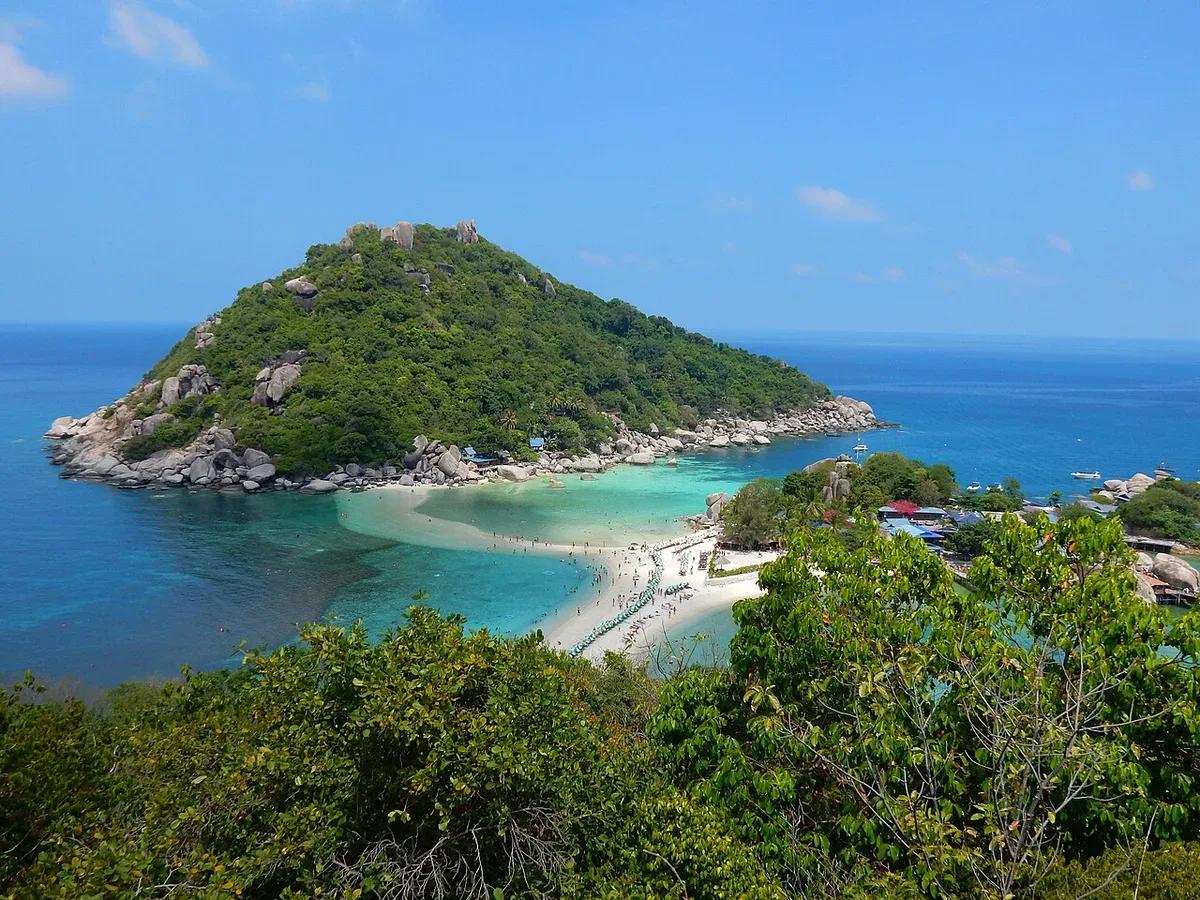
Beginner sites sit around Koh Nang Yuan. Twins runs 5 to 19 m off Nang Yuan's western side, and Japanese Gardens reaches about 16 m behind that island's shelter. Deeper pinnacles suit Advanced divers and above. Depths below come from dive-center listings.
Open Water certification allows diving to 18 m, which is the depth where Sail Rock's chimney exit sits.
- Twins: 5 to 19 m, popular with students.
- Japanese Gardens: up to about 16 m, usually calm.
- White Rock: south of Nan Yuan, suited to beginners and experienced divers.
- Green Rock: 10 to 25 m, a drift dive.
- Sail Rock: a pinnacle with a chimney entered at 6 m and exited at 18 m.
- Samran Pinnacle: 9 to 28 m.
- Southwest Pinnacle: 5 to 30 m.
- Chumphon Pinnacle: 14 to 45 m.
Getting there and where to stay
Dive schools operate from Sairee Beach, Mae Haad and Chalok Baan Kao, so pick your base by school location. Ferry operators and timetables change, so check the current ferry schedule when you book.
Safety, health and insurance
Expect a medical questionnaire before any in-water session. Advanced requires age 12 and Divemaster age 18. Read DAN's diver safety guidance on insurance and flying after diving. Ask what your school's insurance covers and whether you need a separate policy.
Common mistakes to avoid
Choosing on price alone is the usual error. Cramming Open Water into a 2-day stopover is another, as is flying soon after diving. Ask about group size before paying. Demand a written breakdown of any internship, and do not assume a pro rating guarantees work.
Explore More Koh Tao Guides
Keep planning your Koh Tao trip with these guides.
Koh Tao Guides
- PADI Open Water Koh Tao: Cost, Days & How to Choose
- Advanced Open Water Koh Tao: Cost, Dives & How to Choose
- Try Dive Koh Tao: Cost, Depth & Is It Right for You?
- PADI Divemaster Koh Tao
- Fun Dive Koh Tao: Sites, Prices & How to Book
- Rescue Diver Course Koh Tao: Cost, Days & What To Expect
- PADI IDC Koh Tao: Cost, Requirements & Schools
- Underwater Photography Course Koh Tao: Options & Prerequisites
Notes for your next dive trip
Optional updates to our Thai diving guides.
You might also like
Continue reading
More guides you'll find useful