Underwater Photography Course Koh Tao: Options & Prerequisites
Compare underwater photo and video courses on Koh Tao: who they suit, prerequisites, gear, time and cost trade-offs, and what to check first.
On this page
Last updated November 2026: this guide to the underwater photography course Koh Tao schools offer sorts the photo, video and freediving-based options. Formats differ from school to school, so compare them before you book. Your diving skill at the start matters more than which center you pick, and our Koh Tao dive course overview shows where camera work fits.
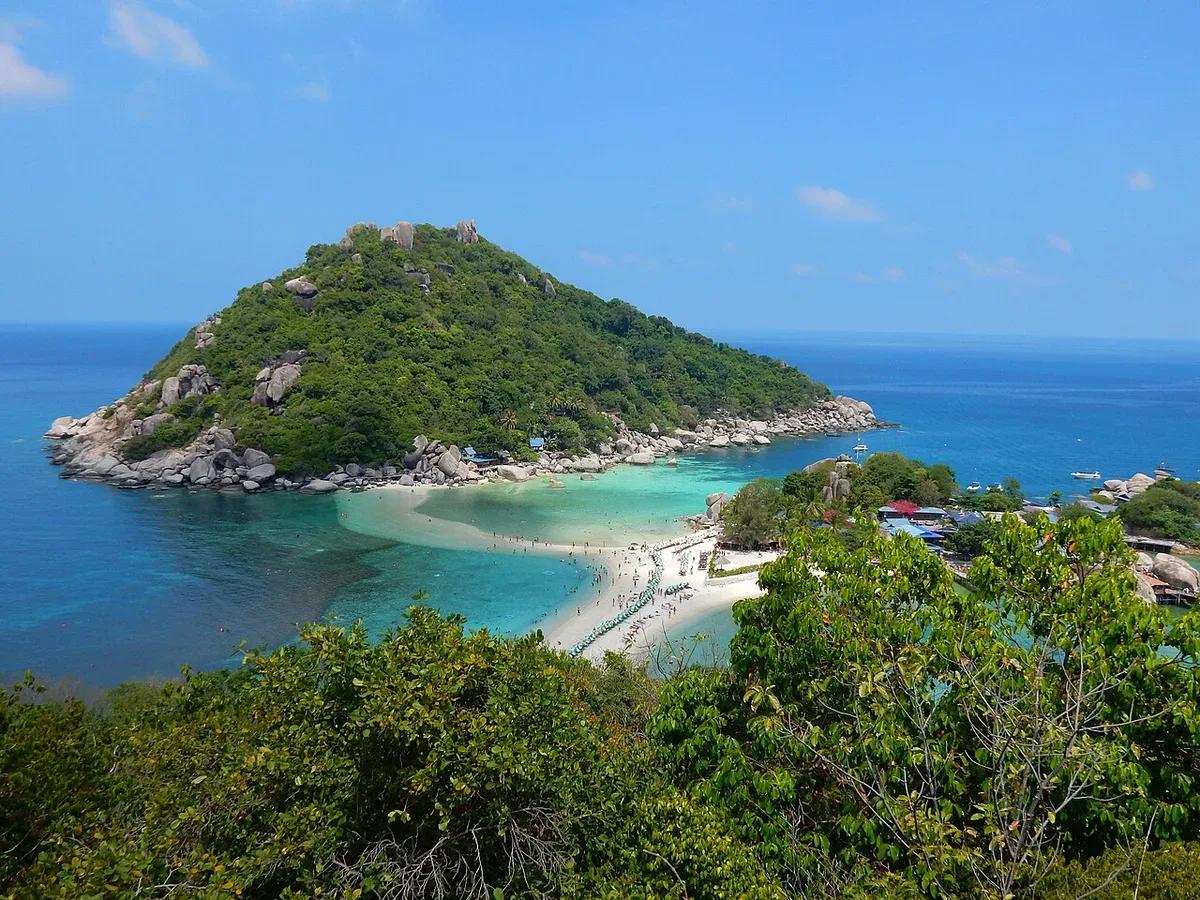
Featured image: permanently scatterbrained, CC BY 2.0, via Flickr.
Short answer: what's available on Koh Tao
Koh Tao has underwater photo and video training. Course names, lengths and prerequisites are set by each school and agency. Most options fall into four groups: a digital photography specialty, a video or videography program, a freediving-based filming program, and a short digital imaging course. One Koh Tao school lists filming programs of 3 or 5 days for freedivers, coral and marine life. Check the live course page for the exact content.
One school's freediver filming programs run 3 or 5 days, so count the diving days in each before booking.
Every option assumes you can already dive comfortably. Camera work adds tasks to every minute underwater, so a certified diver with steady buoyancy gets far more out of it. Agencies publish the outline of their specialties, such as the PADI Digital Underwater Photographer course. Each school then decides how many dives and classroom sessions it runs.
Photo, video, or freediving filming: which course fits you
Pick by the kind of image you want, not by the brand on the certificate. Stills reward patience with small subjects. Video rewards smooth finning and a steady body position. Filming freedivers is a separate skill set again, because you hold your breath while framing a moving subject.
| Course type | Best for | Experience needed | What to confirm |
|---|---|---|---|
| Digital photography specialty | Divers who want sharper stills of reef life | Certified diver with steady buoyancy | Camera rental, number of dives, image review |
| Video or videography program | Divers who want edited clips | Often more experience than a stills course | Minimum dives, editing time, software provided |
| Freediving-based filming | Filming freedivers or coral on breath-hold | Comfort in the water and breath-hold basics | Freediving prerequisites, safety setup, depth limits |
| Short digital imaging specialty | A quick introduction to housings and settings | Open Water certification is a common starting point | Which agency issues the card and how many dives it includes |
Are you ready? Dive skills to have first
Camera work punishes weak fundamentals. Fins kick up silt, knees land on coral, and attention drifts from depth and your buddy. Older diver advice held that skills should feel automatic before you add a camera. One forum thread also mentioned a longer video course that asked for 50+ dives. Treat that as a rough guide only, and ask the school for its current requirement.
If a video course asks for 50+ dives, fun dives around Koh Tao can help close the gap in your logbook.
Use this checklist to judge yourself honestly. If you miss two or more, build skills first.
- Hover motionless at a set depth without sculling.
- Keep neutral buoyancy while adjusting gear or reading a gauge.
- Stay a safe distance above coral and sand at all times.
- Monitor depth, air and your buddy while thinking about something else.
- Handle minor problems calmly, such as a flooded mask.
Building the skills before you shoot
If you are not certified yet, start with the PADI Open Water course on Koh Tao. Non-divers who want to test the sensation first can book a Try Dive on Koh Tao, though a try dive is too limited for camera work.
Certified divers with few logged dives can add experience through fun dives around Koh Tao. The Advanced Open Water course is the natural readiness step, since it adds depth and navigation practice. Divers who want stronger safety skills can look at the Rescue Diver course, which trains the awareness camera work tends to erode.
Gear: rent, bring, or borrow
Gear decides more of your result than most beginners expect. A compact camera in a matched housing is simple to learn. A mirrorless or larger system gives more control but adds weight, drag and more settings to manage. Video adds stabilisation, lighting and storage questions on top.
Renting keeps your first course low-risk. You avoid buying a housing before you know what you like. Bringing your own helps if you already know the controls well. Ask the school these questions before you commit.
- Do you rent cameras and housings, and which models?
- Will my own housing fit your arms, trays and lights?
- Is a strobe or video light included in the course?
- Is editing or image review part of the program?
- Who covers damage or flooding of rented gear?
Time, cost, and scheduling trade-offs
Photo and video programs run from a short specialty to multi-day filming packages. Compare the number of diving days, not only the headline length, because in-water practice drives results. Many schools can combine camera training with certification courses, but a camera course packed into a very short trip tends to leave little time to practice.
Prices vary by school, agency and gear rental. Ask each school for a written quote that separates tuition, certification fees, camera and housing rental, boat dives and any editing session. Compare quotes line by line.
Courses also depend on sea conditions, so leave a spare day in your schedule. Daily boat-dive timings vary by school, which changes how a photo course slots around other training.
How to choose a school
Judge schools on how they teach, not how they look online. A good course puts you in the water often and reviews your images afterward. Use this checklist when you compare Koh Tao options, and read the current course page for each one. Some schools list agency-specific courses, such as a NAUI Underwater Digital Imaging Diver option on one center's menu.
- Instructor credentials in the specific specialty, not only general teaching ratings.
- Small group size or one-to-one coaching.
- A high share of in-water time compared with classroom time.
- Post-dive image or video review with feedback.
- Clear agency recognition for the certificate you receive.
- A transparent safety record and equipment maintenance routine.
Responsible shooting around reefs
Good technique protects the reef. Never touch, hold or reposition marine life to get a shot. Keep your fins clear of coral and sand, and approach subjects slowly from the side. Use lights and strobes sparingly, and avoid pointing them at resting animals for long. A solid course teaches buoyancy and positioning before it teaches composition.
For general diver health and safety guidance, Divers Alert Network resources cover how to dive within your limits when you carry extra equipment.
Where this fits in your Koh Tao dive plan
A typical path runs from Open Water to Advanced Open Water, then a photo or video course, then further training if you want it. Those who want to work as dive-media crew can continue to the Divemaster pathway and later the instructor development course. Photo and video skills can help, but no school can promise a job.
Skip the course for now if you have never dived, still struggle with buoyancy, or have only a few days on the island. In those cases, a few fun dives and a camera rental give better value.
Notes for your next dive trip
Optional updates to our Thai diving guides.
You might also like
Continue reading
More guides you'll find useful