Underwater Photography Thailand: Where, Courses & Gear
Plan underwater photography in Thailand: best regions, photo courses compared, camera setup, costs, and safety basics before you dive.
On this page
Last updated November 2026. Searches for underwater photography Thailand usually come down to one choice: the Gulf of Thailand or the Andaman Sea. Both coasts suit beginners through advanced shooters, and your pick depends on season, certification level and whether you want macro or big animals. Below you will find a region comparison, two photo courses side by side, camera setup by budget and the safety steps that matter.
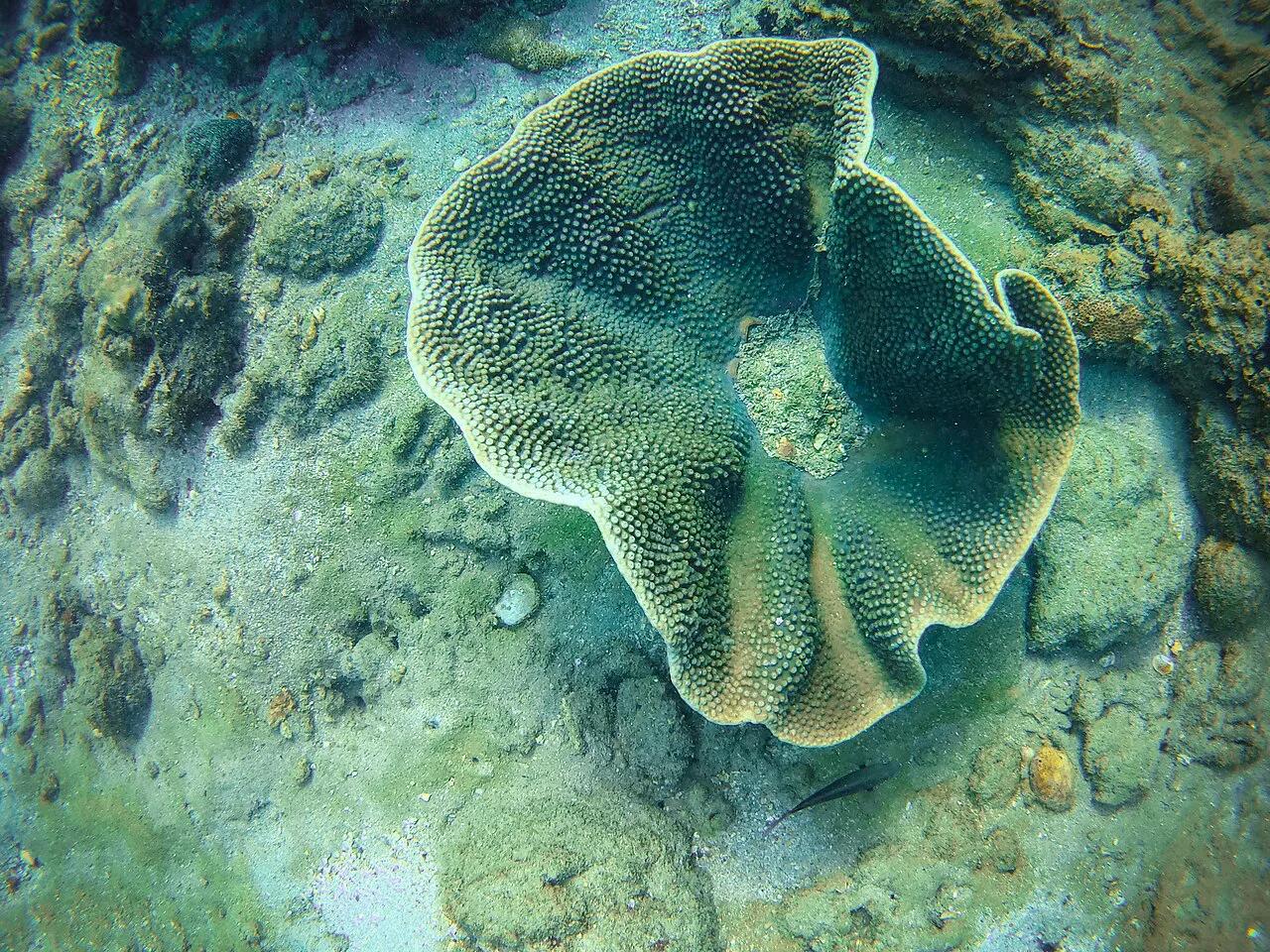
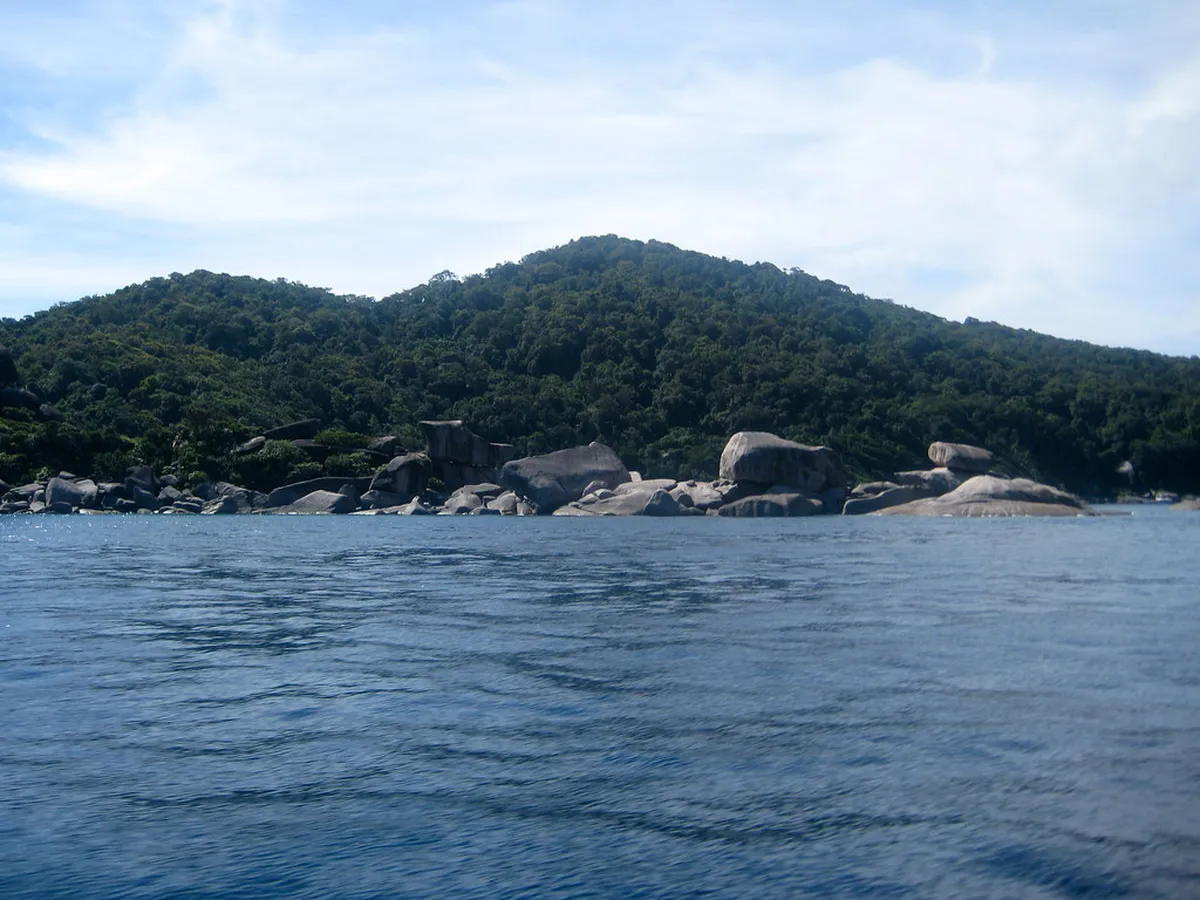
Featured image: Roma Neus, CC BY 3.0, via Wikimedia Commons.
Underwater photography in Thailand: the short answer
Thailand works for underwater photography at almost every level. Koh Tao in the Gulf and Phuket on the Andaman side both run one-day photo courses. A Koh Tao SSI course is listed at ฿7,500 for 2 dives. A Phuket PADI course is listed at ฿8,900 for 3 dives. Prices and hours checked November 2026. Open Water divers who already hover calmly will get the most from either course. Newer divers should log more dives first, because a camera adds a second job to every minute underwater.
Where to shoot: Gulf of Thailand vs Andaman Sea
Koh Tao anchors the Gulf side, and Phuket anchors the Andaman side. Dive sources name Sail Rock and Chumphon Pinnacle as well-known Koh Tao sites. A Koh Tao operator lists whale sharks at Sail Rock, plus green turtles, barracuda and giant groupers, as local subjects. Treat those as possibilities, not promises. Phuket-based courses dive at Racha Island or Phi Phi Islands. Season rules differ between the two coasts, so check current conditions with your operator and the national park authority before you book.
| Factor | Gulf of Thailand (Koh Tao) | Andaman Sea (Phuket) |
|---|---|---|
| Named photo sites | Sail Rock, Chumphon Pinnacle | Racha Island, Phi Phi Islands |
| Subjects an operator lists | Whale sharks, green turtles, barracuda, giant groupers | Ask your Phuket shop for current subjects |
| Photo course on offer | SSI Underwater Photo & Video | PADI Underwater Photography |
| Season | Differs from the Andaman coast; confirm with your operator | Differs from the Gulf coast; confirm with your operator |
| Best fit | Beginners wanting a compact dive hub | Divers combining photography with a Phuket stay |
Photo course or learn on your own?
Take a course if buoyancy is still shaky. Both listed courses cover light, color and camera handling, and a shop instructor watches your trim. Skip the course if you already hold the camera steady at depth and only want the certification card for its own sake. The Phuket course requires an Open Water or Junior Open Water certification and your own underwater camera. Its minimum age is 12. Before enrolling anywhere, complete your fitness paperwork for diving. Budget a sensible plan of 1 course day, then 2 to 3 practice dive days on your own.
Koh Tao and Phuket photography courses compared
Both courses run for 1 day. Koh Tao adds a theory session and 2 open-water dives to a maximum of 30 m. Phuket packs in 3 dives at Racha or Phi Phi. Figures below were listed at the time of research. Ask each shop whether the price includes boat, gear rental and the certification fee. Phuket bookings for the next day close at 6pm Thai time. Koh Tao children's depth limits depend on age, so parents should read the operator's age table. Shops may also offer other specialties, but only the photo course matters for this goal. PADI sets the Phuket course structure.
| Detail | Koh Tao (SSI) | Phuket (PADI) |
|---|---|---|
| Duration | 1 day | 1 day |
| Dives | 2 open-water dives | 3 dives |
| Depth | Up to 30 m | Set by the dive site and your certification |
| Listed price | ฿7,500 | ฿8,900 |
| Prerequisites | See operator's age table | Age 12+, Open Water or Junior Open Water, own underwater camera |
Camera and housing choices by budget
Three tiers cover most travelers. A compact camera in a housing is the cheapest route to decent color. An action camera is the simplest to carry and needs little setup. A mirrorless camera in a housing gives the best control, but a flooded housing costs far more than a rental fee. Match the housing's depth rating to your planned dive depth, and never exceed it. If you are unsure, rent a rig for your first two days and buy later. Phuket's course asks for your own camera, so book rental or purchase before you arrive.
- Compact with housing: easy controls, good for macro and learning.
- Action camera: light, quick to launch, limited manual control.
- Mirrorless with housing: best image quality, highest flood risk.
- Strobe or video light: restores color that water absorbs at depth.
Shooting basics: light, color, buoyancy and reef etiquette
Water absorbs red light first, so photos shot deeper than a few meters turn blue-green. Fix this with a strobe, a filter or color correction later. Shoot close, then get closer. Hover before you press the shutter, and keep fins off the sand. Reef contact is the main constraint on Thai dive sites, and marine park rules apply in protected areas. Read the current rules at the Department of National Parks. Never hold, prop on or chase marine life for a frame. A calm, level body position protects both the reef and your lens.
Getting there, booking and what to pack
Koh Tao is reached by ferry from the mainland, and Phuket has its own airport. Confirm ferry times and fares with the operator, because schedules change. Book your photo course early in your stay, so you can use the skills on later dives. Pack spare housing O-rings, silica gel packets, spare batteries and a dry bag. Charge batteries the night before a 1-day course starts. Rinse the housing in fresh water after every dive day.
Phuket bookings for the next day close at 6pm Thai time. Plan the Phuket course days with that cutoff in mind, since the next-day slot must be booked before evening.
Safety, insurance and flying after diving
Cameras make divers task-loaded, so watch your depth and air more often than usual. Standard dive insurance covers medical risk, but camera gear is excluded from many policies, so read the wording. DAN cover for trips to Thailand is one route to compare. Divers Alert Network publishes diving safety guidance. Photo-heavy trips mean many dives, so read about flying after diving before choosing your flight home.
Common mistakes
Most photo problems come from the same few habits. Fix these before buying more gear.
- Touching the reef to steady a shot.
- Diving deeper than the housing's rating.
- Skipping a buoyancy check before the first dive.
- Flying too soon after your last dive.
- Booking the course before logging enough dives.
Notes for your next dive trip
Optional updates to our Thai diving guides.
You might also like

Continue reading
More guides you'll find useful