6 Things Scuba Diving Insurance Must Cover in Thailand
Compare dive insurance and travel insurance with scuba cover for a Thailand dive trip: what's covered, who needs which policy, and when to buy.
On this page
Last updated November 2026: scuba diving insurance is accident cover built for divers, and it is separate from ordinary travel insurance. Dive policies typically pay for hyperbaric chamber treatment, evacuation and medical costs, while many standard travel policies exclude scuba or cap the depth. Use the decision table below to match a policy to your Thailand trip.
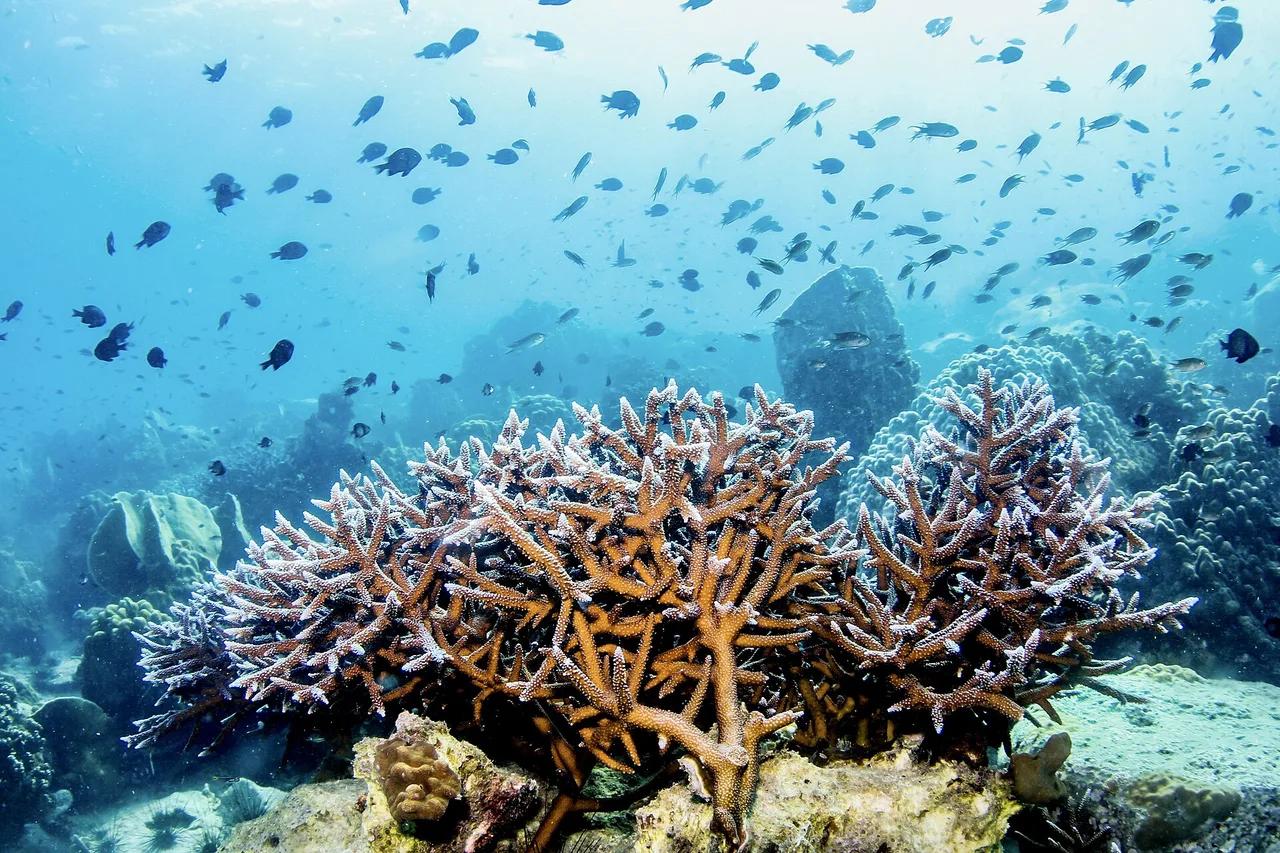
Featured image: mattmangum, CC BY 2.0, via Flickr.
Do you need dive insurance in Thailand?
Yes, if you dive at all and your travel policy does not name scuba in writing. One decompression incident can mean chamber treatment, a boat or air transfer and a hospital stay. Dive policies exist for exactly those costs. No Thai rule requiring dive insurance is established here. Operators set their own conditions, so ask yours before paying a deposit.
What dive insurance covers, and common exclusions
Dive-specific cover usually bundles hyperbaric treatment, medical care, search and rescue, evacuation, repatriation and equipment loss. Some plans add legal expenses and travel assistance for a relative who flies out to you. Exclusions tend to sit in age limits, pre-existing conditions and diving types such as technical or deep diving. Read the policy wording rather than the sales page.
Dive insurance vs travel insurance with scuba cover
Travel insurance protects the trip: cancellations, delays, lost luggage and topside injuries. Dive insurance protects the diving: chamber treatment, evacuation and search and rescue. Some travel policies include recreational scuba, but cover is often limited by depth or activity. Trip policies also do not cover diving at home. Many divers hold both. Credit-card cover needs the same treatment, so get the issuer to state in writing that scuba accidents are included.
6 checks for scuba diving insurance before a Thailand trip
Policy terms checked November 2026. No premiums or limits are quoted here, because plans change and only the insurer's current documents count. Each check below is a question to put to the insurer.
1. Hyperbaric chamber treatment
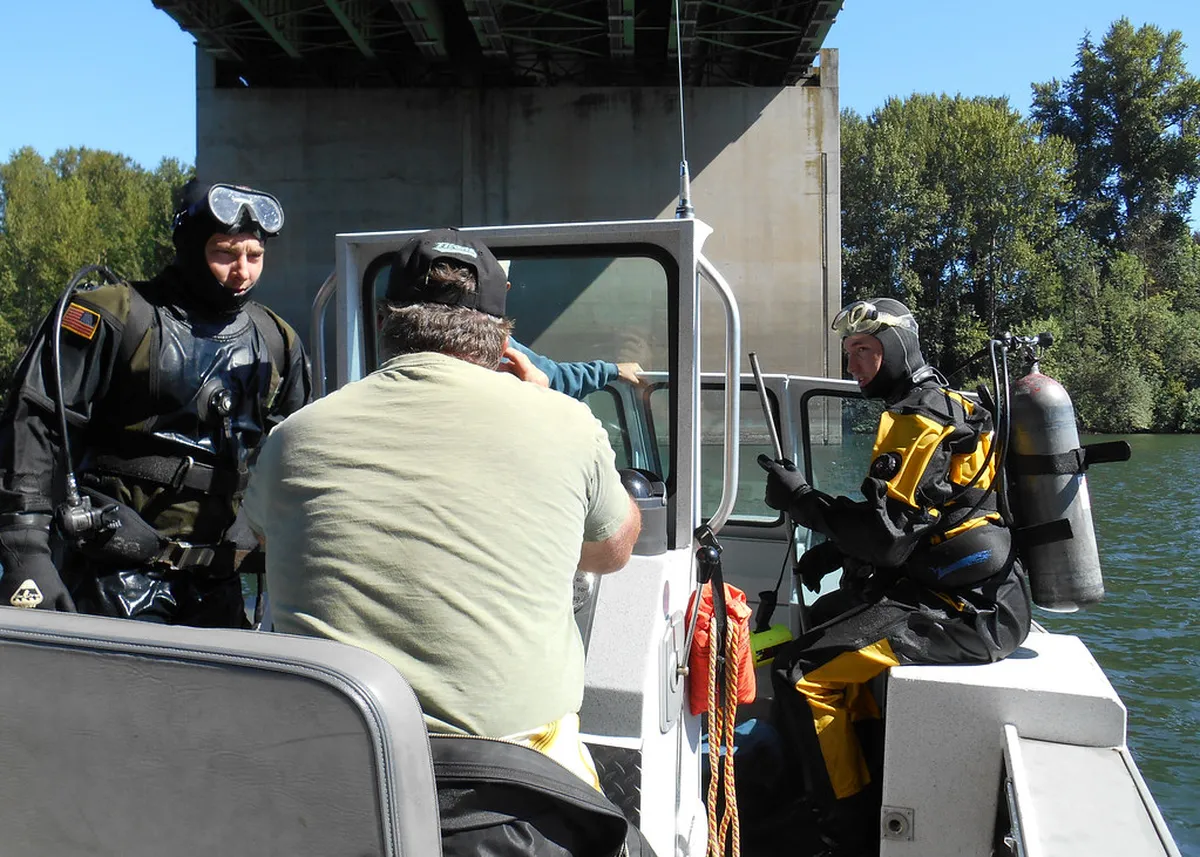
Chamber treatment is the cost that justifies dive-specific cover. A decompression incident can need repeated sessions, plus medication and hospital fees. Look for a policy that names hyperbaric treatment, not just general medical expenses.
Ask whether the insurer pays the facility directly or reimburses you afterwards. A reimbursement policy means you front the bill first. Nobody who dives, however shallow, should skip this line item.
2. Evacuation by boat and air
Some of the best diving sits far from a chamber, and the nearest treatment center can be many hours away. Evacuation by speedboat or helicopter is a separate cost from treatment. Check that the policy covers both boat and air transfer to a treatment center.
Check that a 24/7 assistance line arranges the transfer and speaks your language. Liveaboard divers should weight this item above every other.
3. Medical treatment and aftercare
Medical cover should reach beyond emergency care. Look for hospital stays, rehabilitation and follow-up treatment after a dive injury. Policies differ on what they pay for, so compare the wording line by line.
Ask whether cover includes repatriation home after treatment. Skip nothing here if your health insurer has not confirmed in writing that diving is covered. Forum claims that health insurance pays for dive accidents are disputed.
4. Depth, activity and certification limits
Travel policies that include scuba often cap depth or exclude technical and professional diving. Dive-specific plans may apply their own limits. Ask for the maximum depth in writing and whether a certification level is required.
Ask whether the plan covers every dive type on your itinerary, including night, wreck or photography dives. Check before booking a deeper-diving course, as an Advanced upgrade can push you past a limit.
5. Pre-existing conditions and age caps
Some policies exclude pre-existing conditions or older divers, even when a doctor has signed you fit to dive. Read the exclusion list before you pay, and note any time-limited waiver window.
Insurance does not replace medical clearance. Our guide to the Diving Medical Form: What to Fill In Before Diving in Thailand covers that separate step. Divers with a managed condition should ask the insurer to confirm eligibility in writing.
6. Equipment and camera cover
Personal gear is the smallest risk to your health but the easiest to claim on. Policies can cover loss, theft or damage to a regulator, computer, mask or fins. Cameras and housings often carry their own limits, so check the cap before you pack.
Our underwater photography guide lists the kit worth protecting. Skip paying for extra gear cover if you rent everything on the boat.
Which cover fits you? Decision table by diver profile
Match your profile to the row, then ask the insurer the check in the third column. Students have a particular gap. An insured shop may enroll you in student cover, while another shop may offer nothing. Open Water courses follow agency standards such as PADI's, yet insurance is a separate question for your shop. Get the answer in writing. DAN-linked options are covered in our DAN Thailand guide.

| Diver profile | Suggested cover | What to check | Buy when |
|---|---|---|---|
| First-time Open Water student | Student cover through an insured shop, or your own policy | What the shop's cover includes, in writing | Before the first training dive |
| Occasional holiday diver | Short-term dive policy, or travel policy naming scuba | Depth limit, chamber and evacuation lines | When you book the trip |
| Liveaboard diver | Dive policy with evacuation and 24/7 assistance | Boat and air evacuation; operator proof-of-cover rules | At booking, before the deposit |
| Annual or frequent diver | Annual dive policy | Activity limits; whether home diving is covered | Before your first dive of the year |
| Thailand resident or instructor | Annual or professional policy | Professional and liability wording; residency terms | Before you start diving or teaching |
Diving in Thailand: remote sites, evacuation and assistance lines
Island day boats and liveaboards can put you hours from a chamber. That makes evacuation cover and a 24/7 assistance line more useful than a high headline limit. Ask your operator where the nearest chamber is and how a transfer would work from your dive site. Ask the insurer whether its assistance line arranges and pays for that transfer. Chamber locations and costs change, so take them from the operator and insurer. Some liveaboards and dive resorts elsewhere have asked for proof of cover, so ask your Thai operator early.
Dive insurance providers compared
Last verified November 2026. DAN, DAN Europe and DiveAssure are the providers divers most often compare. Start with DAN's dive insurance pages for plan details. Divers based in the region can also look at DAN Asia-Pacific. Limits and exclusions come from each insurer's current policy documents, so no figures are repeated here.
| Provider | What to look at |
|---|---|
| DAN | Dive accident plans, student cover through insured shops, evacuation terms |
| DAN Europe | Regional DAN body; check which residents it serves |
| DiveAssure | Annual, single-trip and professional plans; compare limits line by line |
| DAN Asia-Pacific | Regional DAN site; check which plans apply to your country |
When to buy dive insurance
Buy trip cover as soon as you book, because nothing is protected until a policy exists. Dive cover can wait until just before your first dive. Pre-existing-condition waivers, though, may be offered only within a limited window after your first trip deposit. Annual cover suits anyone who dives on more than one trip a year. Departure day matters too. Our diving and flying guide explains the gap needed before a flight.
A liveaboard booking should come with a 24/7 assistance line in place before the deposit, not just before your first dive.
Mistakes to avoid when buying scuba diving insurance
Do not assume a credit card or travel policy covers scuba without written confirmation. Do not buy after a medical issue has already appeared, since it may then count as pre-existing. Ignoring the depth limit is the quietest error, because a policy can lapse on a dive you were certified to do. Operators may ask for proof of cover, so keep a copy on your phone. Insurance also does not fix a missing medical clearance, so read the medical form guide before you travel. Finally, respect the flying-after-diving rule on departure day.
Frequently Asked Questions
What medical conditions disqualify you from scuba diving?
A doctor decides this, not an insurer or a dive guide. Heart, lung and ear conditions are typical topics on dive medical questionnaires. Our diving medical form guide explains the form, and insurance does not replace clearance.
Explore More Guides
Keep planning your trip with these guides.
Guides
Notes for your next dive trip
Optional updates to our Thai diving guides.
You might also like


Continue reading
More guides you'll find useful