Is Koh Tao Good for Diving? Honest Guide for 2026
Koh Tao suits beginners and many certified divers, but season, operator and your experience level matter. See who it fits, when to go and what to check.
On this page
Last updated November 2026: is Koh Tao good for diving? Yes for beginners and most certified divers who visit between March and September, and less so if you want big-animal encounters or pristine reefs. Season, operator and your experience level decide how good your dives will be.
Featured image: Visions of Domino, CC BY 2.0, via Wikimedia Commons.
Short answer: is Koh Tao good for diving?
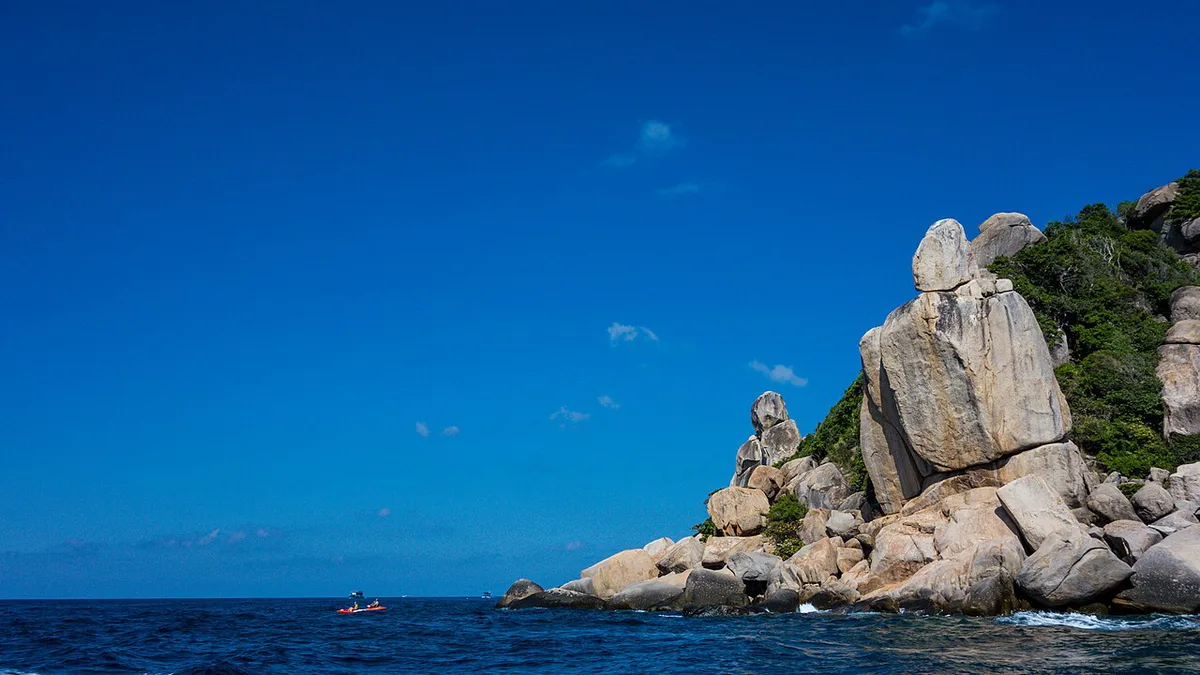
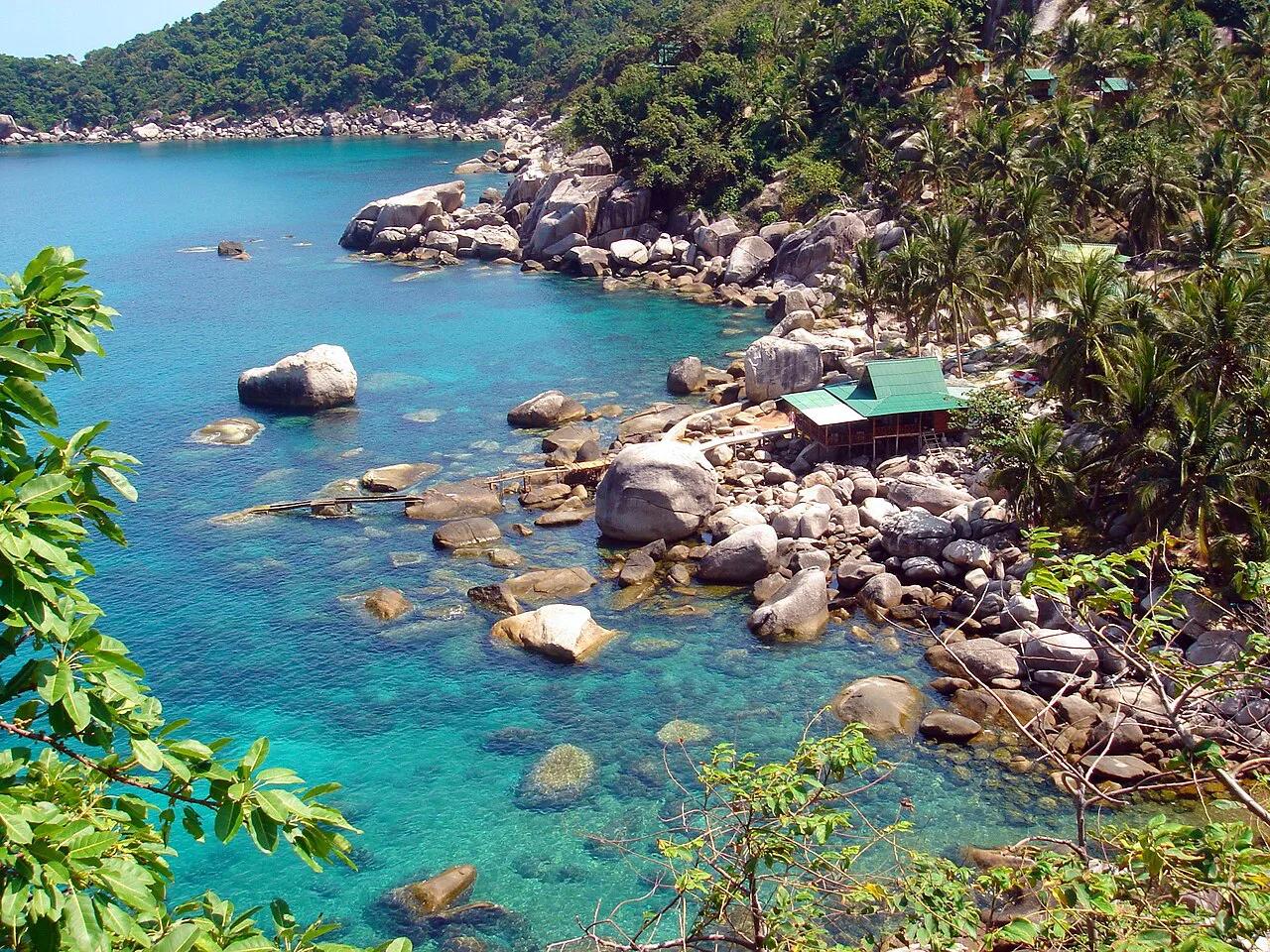
Koh Tao works best for first-time divers, new Open Water divers and Advanced divers who want variety in one place. Shallow bays such as Ao Leuk (12-14 m, about 39-46 ft) handle training. Offshore pinnacles such as Chumphon Pinnacle (down to 35 m, about 115 ft) give certified divers more to chew on. Expect busy sites, uneven operator quality and weaker conditions from October to February. Our Koh Tao diving guide covers the island's sites in more depth.
| Diver profile | Fit | What to expect |
|---|---|---|
| Never dived | Strong | Sheltered bays, calm training sites, many operators |
| Open Water, few dives | Strong | Easy sites like Ao Leuk and Lighthouse Bay |
| Advanced | Good | Pinnacles, wrecks and deeper sites to 35 m (115 ft) |
| Tech or very experienced | Mixed | Limited big-animal diving and busy boats |
| Snorkelers and non-divers | Good | Koh Nang Yuan area has easy reef fish |
What makes Koh Tao good for diving
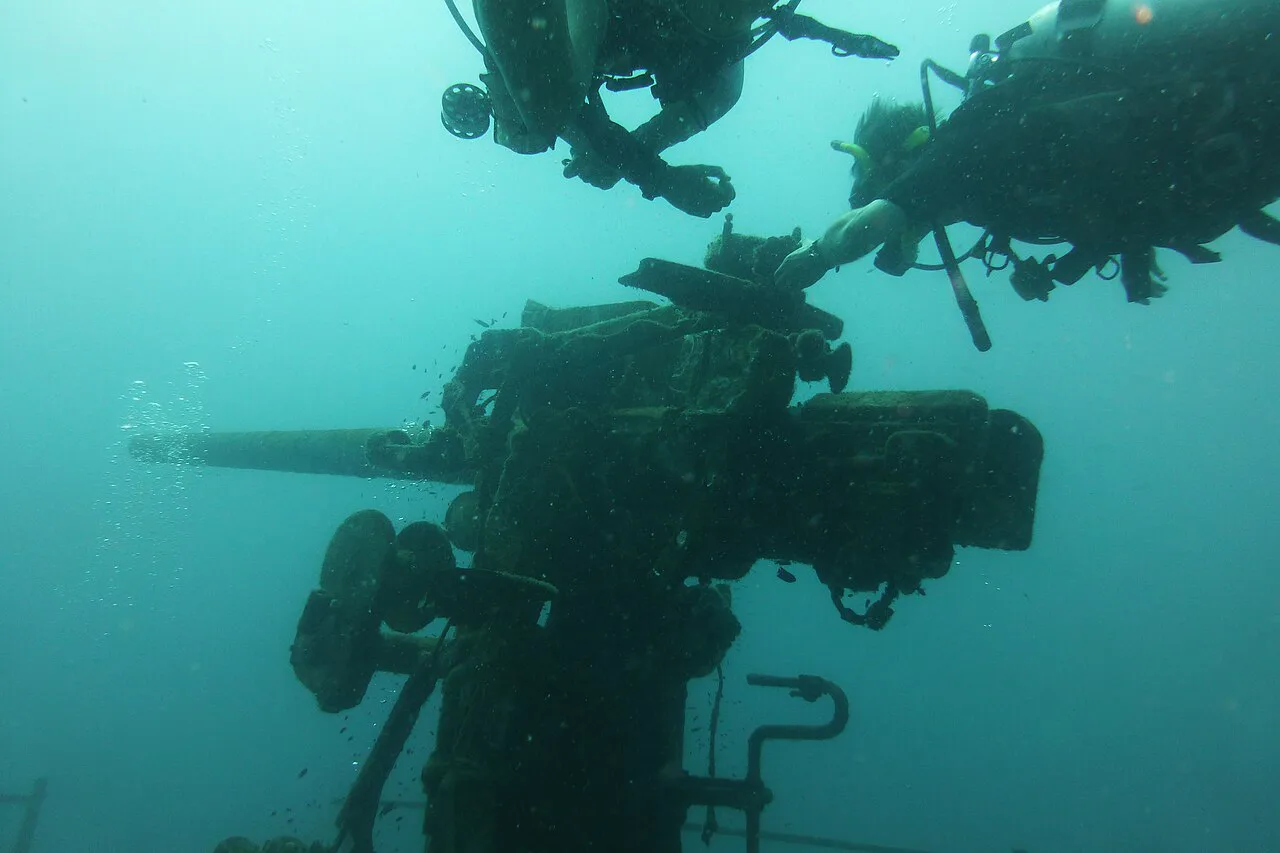
Koh Tao is small, so boat rides to most sites are short. Boats can circle the island in under an hour, which lets operators pick sites by daily conditions. Water averages 28-29°C (82-84°F) and stays between 27°C and 30°C (81-86°F) across the year. Lighthouse Bay on the northwest coast has a maximum depth near 14 m (46 ft) and calm water most of the year. It is a common spot for a first night dive on Koh Tao, and the PADI Night Diver course sets out the skills involved. Two scuttled ships add variety. HTMS Sattakut was sunk in 2011 and rests upright at 30 m (98 ft), with its superstructure reachable from 18 m (59 ft). MY Trident went down in 2010 at about 36 m (118 ft), and operators can tell you whether it is still diveable. Chumphon Pinnacle starts at 12 m (39 ft) and drops to 35 m, with anemones, grouper and big schools of jacks. Our Koh Tao Marine Life: What You'll See, Where and When page lists what divers commonly see.
Where Koh Tao falls short
Popularity is the biggest drawback. Training bays host many student groups, so boats and sites can feel crowded in peak months. Currents are usually gentle but can be strong at some sites, including Shark Island, where flow comes from the southeast or northwest. Southwest Pinnacle lies about 13 km (8 miles) offshore with no shelter from swell. Dive it when the Gulf is calm. Visibility runs roughly 5-20 m (16-66 ft), so a bad week can feel murky. Operator quality varies, which matters more than the site list. Triggerfish defend nests at places like Green Rock and White Rock, and sources vary on timing. Give any nest a wide berth, because titan triggerfish watch for intruders above them.
Which divers will like it most (and least)
New divers get the most from Koh Tao. Sites are shallow, boats are short and instructors are plentiful. Open Water divers with few logged dives can build confidence at Ao Leuk and Lighthouse Bay. Advanced divers get pinnacles and the Sattakut wreck. Divers chasing pristine reefs, guaranteed sharks or manta-style encounters may feel underwhelmed. Visitors arriving in the weaker-weather months should plan a backup island day.
- Best fit: first certification, refresher dives, first night dive, relaxed fun diving.
- Good fit: Advanced divers adding deep or wreck dives, and snorkelers at Koh Nang Yuan.
- Weaker fit: divers wanting empty sites, big pelagics on demand or November-February sunshine.
When to dive Koh Tao
Divers can get in the water all year. Conditions are best from March to September, with July and August the busiest months. Monsoon winds cut visibility in October and November, and swell can build. November to February brings rain and wind, so January trips carry more weather risk. Our Best Time to Dive Koh Tao: Month-by-Month Guide page breaks the year down. For readings, see the Koh Tao Water Temperature by Month: What to Wear Diving guide. The Thai Meteorological Department publishes current forecasts. Whale sharks are possible but unpredictable. Reports point to February-April at Chumphon Pinnacle and to September elsewhere, so do not book around a month. Our Koh Tao Whale Shark: Where, When & Your Real Chances page explains the odds.
Water stays between 27°C and 30°C (81-86°F) all year, so the November to February rain and wind, not cold, is the real weather trade-off.
| Months | Conditions | Trade-off |
|---|---|---|
| March-September | Warm, mostly sunny, best visibility | Busiest in July and August |
| October-November | Monsoon winds, reduced visibility | Swell, but trips usually still run |
| November-February | Rain and wind | Weakest diving window |
Cost, time and getting there
Plan about 5 days if you want a proper mix of sites. A short course fits less water time than fun dives, so leave a day or two spare if you plan to add Advanced training. Rates differ by operator, course length and season, so compare quotes using our Koh Tao diving prices guide. Day trips run from Koh Samui. Staying on Koh Tao suits anyone diving more than a few days, because boat rides are shorter. Ferry timetables change, so check operators' current schedules before booking.
How to choose a dive operator and stay safe
Operator choice shapes your experience more than any single site. Ask questions before paying, and walk away from vague answers. SSI's Open Water Diver course shows what a standard entry-level program covers, so a very cheap or rushed course deserves scrutiny. Read Divers Alert Network guidance on dive insurance and emergencies. Know where the nearest chamber is, and see our Koh Tao hyperbaric chamber page. Compare shops through our Koh Tao dive resorts guide.
- Group size: ask how many students share one instructor.
- Briefings: a good briefing covers depth limits, entry, currents and signals.
- Equipment: check regulators, BCDs and tanks look maintained.
- Boat: look for shade, oxygen and a clear emergency plan.
- Pacing: avoid courses that skip pool or confined-water time.
Koh Tao vs. other options
Compare destinations by depth, current, crowds, season and budget. Koh Tao wins on easy training and short transfers. Neighboring Koh Phangan offers a different base, and our Koh Tao versus Koh Phangan guide compares them. Experienced divers wanting more remote sites may prefer a trip like those in our Koh Tao Liveaboard: Options, Alternatives & When to Go guide. Liveaboards trade lower crowds for higher cost and more commitment. The Similan Islands are usually dived that way, so they suit divers who already hold advanced certification.
Southwest Pinnacle lies about 13 km (8 miles) offshore, so divers after exposed water should weigh that swell against a liveaboard trip.
Frequently Asked Questions
Where can a beginner dive in Thailand?
Koh Tao is a strong choice for beginners. Shallow bays such as Ao Leuk (12-14 m, about 39-46 ft) and Lighthouse Bay (about 14 m) are calm and used for training.
Is diving in Koh Tao good in January?
January falls in the rainy, windy stretch from November to February, so conditions are weaker. Dives can still run, but expect lower visibility and a bigger chance of cancelled trips.
Are there big sharks in Koh Tao?
Whale sharks are possible, mostly around offshore pinnacles, but sightings are never guaranteed. Leopard sharks often rest on sandy bottoms and are more common.
Notes for your next dive trip
Optional updates to our Thai diving guides.
You might also like
Continue reading
More guides you'll find useful