12 Best Koh Tao Dive Sites by Level, Depth & Boat Time
Compare 12 Koh Tao dive sites by certification level, depth, current and boat time, with picks for beginners, wreck divers and pinnacle fans.
On this page
Last updated November 2026: Koh Tao dive sites range from sheltered shallow bays to deep offshore pinnacles, and your certification, current tolerance and boat time decide the right pick. Operators put the count above 30 sites, at depths from 5 m (16 ft) to 40 m (131 ft). Below, we sort 12 of them by level, from the Japanese Gardens reef to Sail Rock and the HTMS Sattakut wreck.
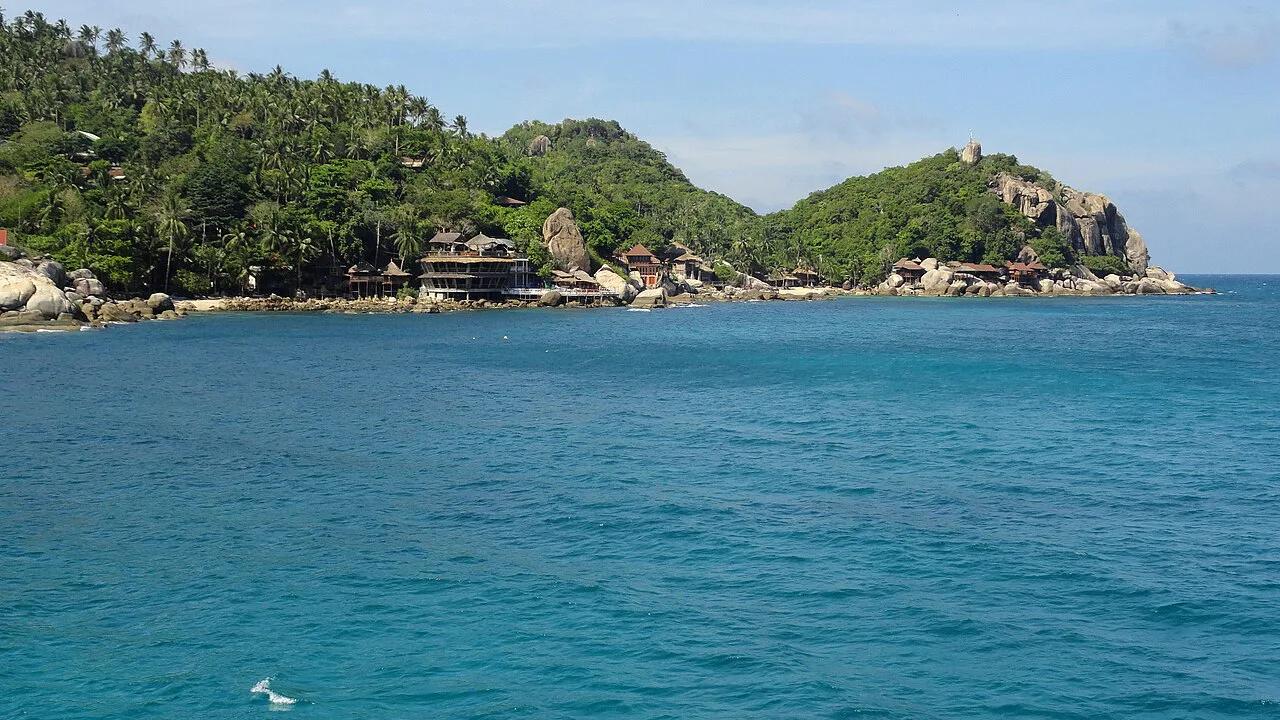
Featured image: Roma Neus, CC BY 3.0, via Wikimedia Commons.
Quick answer: which Koh Tao dive site is right for you
Koh Tao packs shallow granite bays, offshore pinnacles and a navy wreck into one small island. Match the site to your certification first, then to the boat time you can spare.
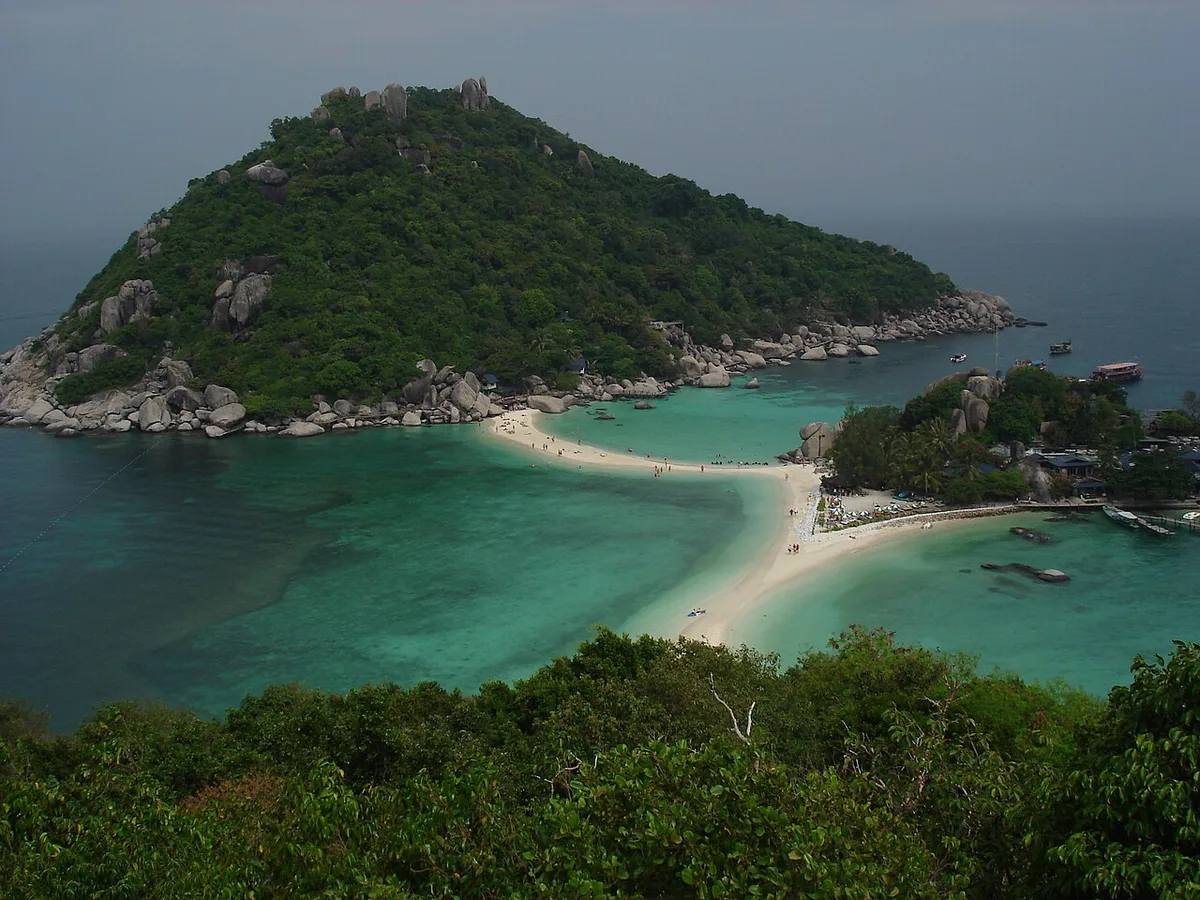
- First-timers: Twins or Japanese Gardens, both beside Koh Nang Yuan.
- Photographers: Southwest Pinnacle for wall dives and schooling fish, or White Rock for its rock formations.
- Wreck fans: HTMS Sattakut, which operators open to Advanced Open Water divers.
- Pelagic hunters: Chumphon Pinnacle or Sail Rock, with whale sharks treated as chance, never a promise.
Koh Tao dive sites at a glance
This table sums up what operators report for each site, with depths in meters and feet. Dashes mark cells with no sourced figure, so open the linked guide for that site.
| Site | Type | Rough depth | Level | Boat time | Key marine life |
|---|---|---|---|---|---|
| Japanese Gardens | Sloping coral reef | — | Beginner-friendly | Short, beside Koh Nang Yuan | Moray eels, turtles, reef fish |
| Twins | Granite pinnacles | 10–20 m (33–66 ft); tops near 5 m (16 ft) | All levels, used for training | Short, beside Koh Nang Yuan | Angelfish, clownfish, stingrays, green turtles |
| Green Rock | Inshore granite | — | — | Short | — |
| Red Rock | Inshore granite | — | — | Short | — |
| No Name Pinnacle | Pinnacle | — | — | — | — |
| Buoyancy World | Skills-oriented site | — | — | — | — |
| Shark Island | Inshore granite | — | — | Short | Varied reef life |
| White Rock | Granite rocks and boulders | — | Beginner to experienced | Short | Titan triggerfish, groupers, snappers, moray eels |
| Southwest Pinnacle | Row of pinnacles, walls | Deep site | — | — | Groupers, snappers, trevallies, kingfish |
| Chumphon Pinnacle | Offshore pinnacle | 14–35 m (46–115 ft) | — | Dedicated trip, about 11 km (7 miles) northwest | Barracuda, tuna, seasonal whale shark |
| Sail Rock | Offshore pinnacle | Chimney exit near 18 m (59 ft) | Operator policy varies | About 1 hour | Whale sharks, stingrays, barracuda |
| HTMS Sattakut | Navy wreck | About 30 m (98 ft) at the stern | Advanced Open Water | Deeper water | Batfish, lionfish, scorpionfish |
12 Koh Tao dive sites, ordered from easiest to most demanding
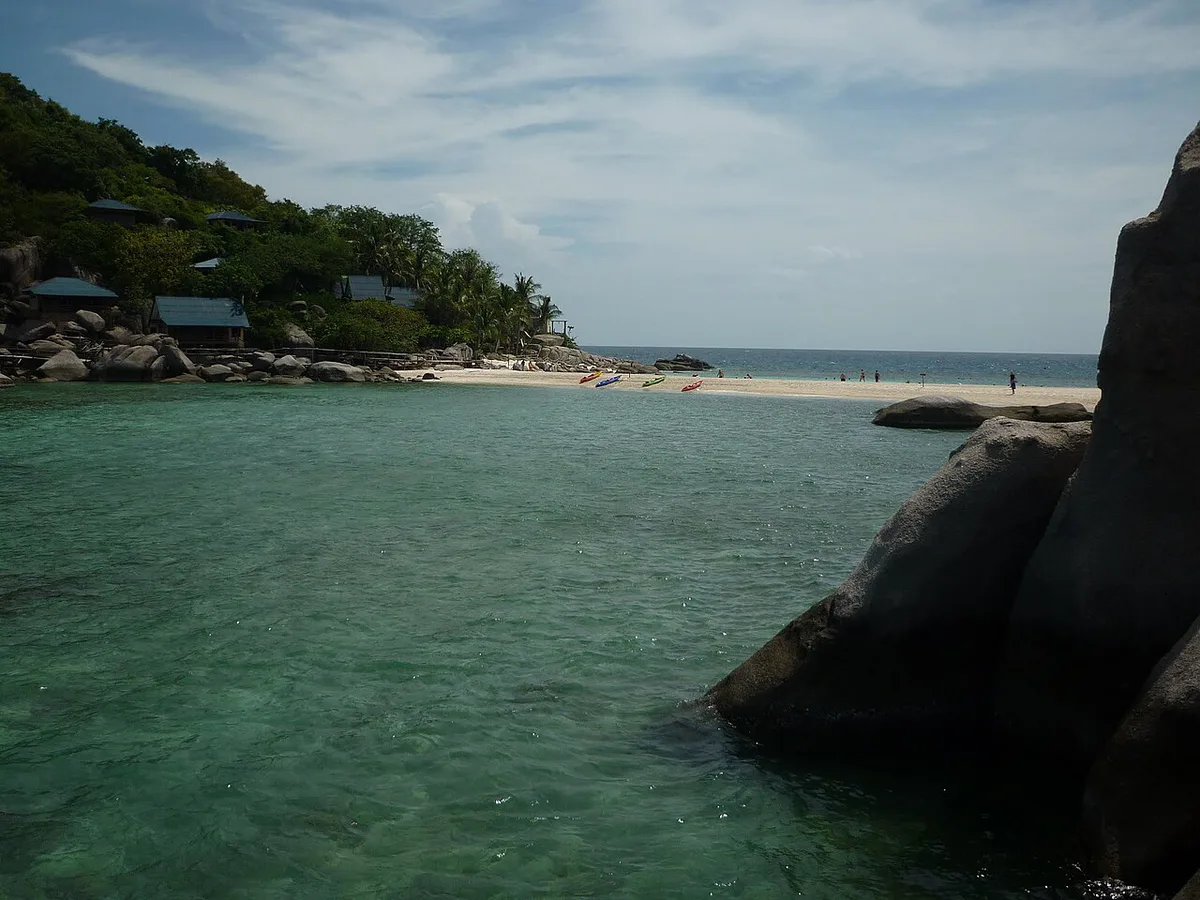
Depths and conditions below were checked in November 2026. Sites run from easiest to most demanding, so start at the top if you hold an Open Water card. Each entry links to its own guide.
1. Japanese Gardens
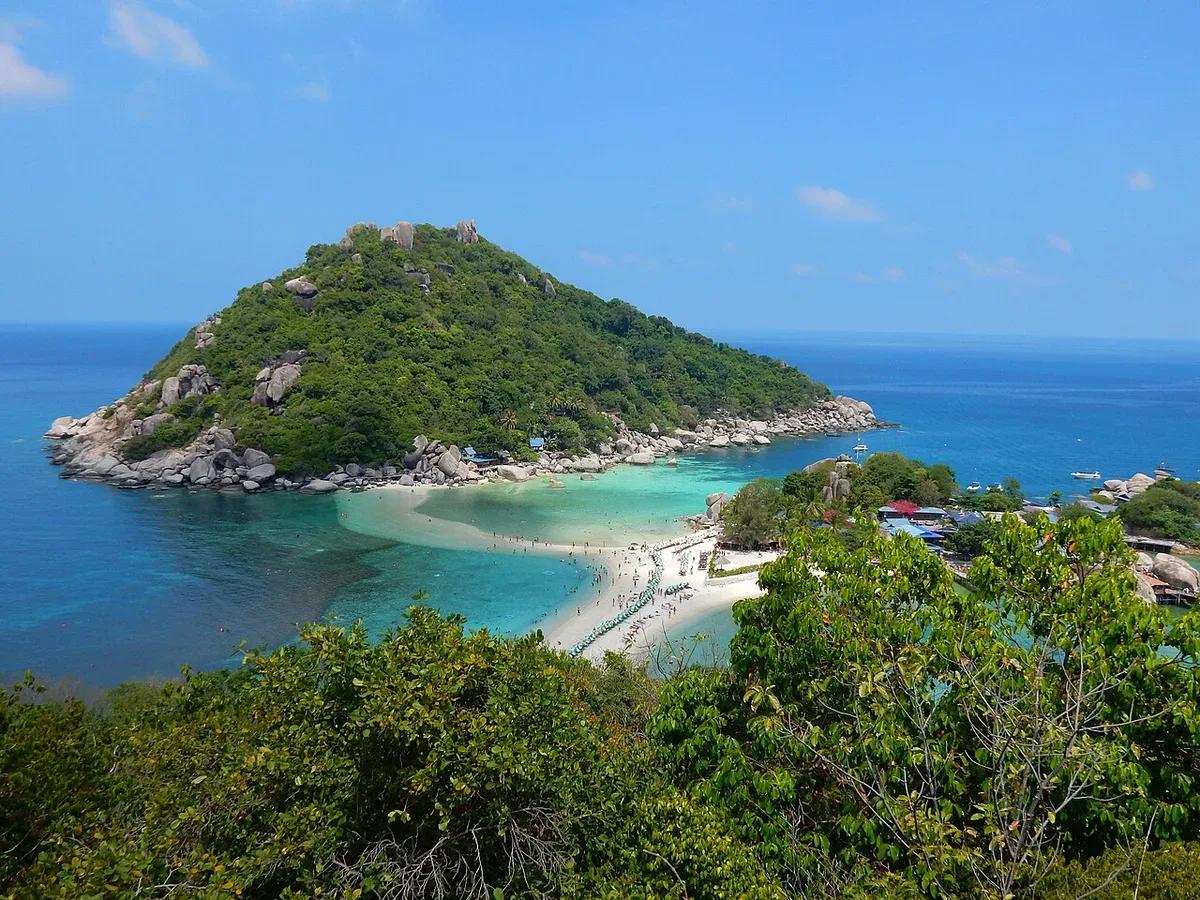
Japanese Gardens is a gently sloping reef just off Koh Nang Yuan, covered in hard and soft corals. Our Japanese Gardens dive guide has the full site notes. It earns the first slot because operators call it suited to beginners and snorkelers.
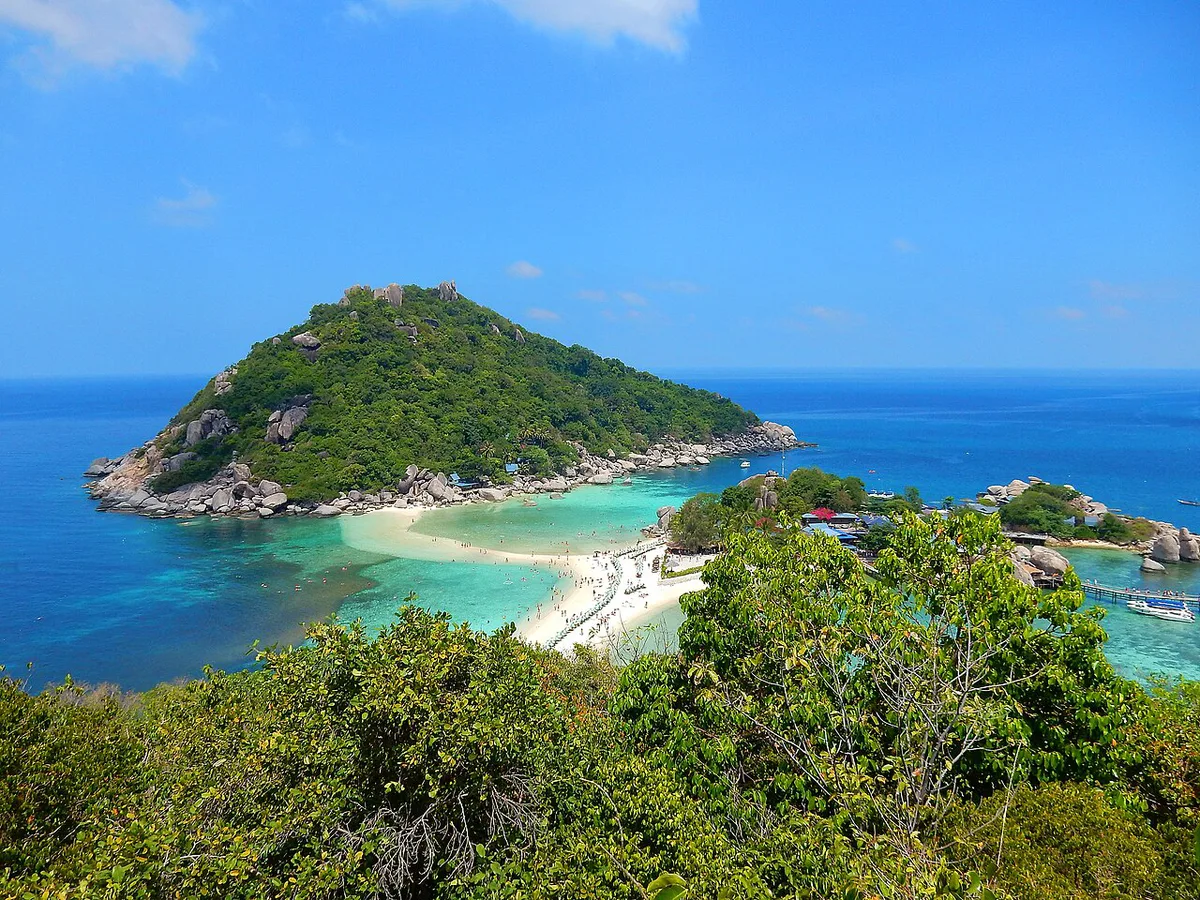
Look for moray eels in the crevices and the odd turtle over the coral. Boat time is short, since the site sits beside Nang Yuan rather than out in open water. Skip it if you want pinnacles, swim-throughs or big pelagics. The slope is a relaxed reef dive, not a dramatic one.
2. Twins
Our Twins dive guide covers a site where granite pinnacles rise from a sandy bottom at 10–20 m (33–66 ft). Operators describe two large boulders and a smaller, deeper pinnacle to the west, with the shallowest points near 5 m (16 ft). Swim-throughs, small caves and overhangs add interest, and you may see angelfish, clownfish, stingrays and the occasional green turtle.
Visibility typically runs 5 to 20 m (16 to 66 ft), and the site is generally sheltered from strong currents. Operators call it arguably the island's most popular site, and it is our pick for first-timers. Skip it if you want quiet water, because training groups share it.
3. Green Rock
Green Rock is one of the inshore granite sites, and the Green Rock dive guide holds its site notes. Inshore means a short boat ride, which keeps a two-dive morning compact. We have no sourced depth figure for Green Rock, so ask your briefing leader for that day's maximum.
It suits divers who want granite scenery without the transit to an offshore pinnacle. Skip it if your list is pelagic fish. The offshore pinnacles are better bets for that.
4. Red Rock
Red Rock is another inshore granite stop, covered in the Red Rock dive guide. As part of the inshore group, it pairs easily with a second nearby site on one outing. No sourced depth is available here, so rely on the guide page and your dive briefing.
Pick it on days when conditions rule out the longer offshore trips. Skip it if you only have one dive and want a named, documented resident. Twins and White Rock offer that.
5. No Name Pinnacle
No Name Pinnacle is a smaller pinnacle site that we group with the easier dives. The No Name Pinnacle dive guide holds the depth and level details, and those figures should win over any rule of thumb from us. Pinnacles gather fish in a small space, so it works for a diver who wants more structure than Japanese Gardens offers.
Ask for a current briefing, since pinnacles can pick up flow on some days. Skip it if you need a flat, sheltered bay for your first dives.
6. Buoyancy World
Buoyancy World is a skills-oriented stop, and the Buoyancy World guide covers depth and access. We'd send newer divers here for trim and control practice before a pinnacle day. Good buoyancy protects the reef and keeps your air use steady on deeper dives.
Treat the name as a clue rather than a promise, and read the guide for what the site offers. Skip it if you want headline marine life. It is a practice stop, not a showpiece.
7. Shark Island
Operators list Shark Island among the sites with varied marine life, alongside Sail Rock, Chumphon Pinnacle, Southwest Pinnacle and HTMS Sattakut. Our Shark Island dive guide has the site details. It belongs to the inshore granite group, so boat time stays short.
Read the name as a nickname, not a promise of sharks. Skip it if a guaranteed animal is the point of your dive, since no Koh Tao site can offer that.
8. White Rock
White Rock features two large rock formations, smaller boulders and a shallow coral garden, as covered in the White Rock dive guide. Swim-throughs and overhangs shelter groupers, snappers, moray eels and urchins, and divers also see it at night. It is known for titan triggerfish, which turn territorial in mating season, so keep clear of any nest area.
Currents are generally mild and visibility is usually good, especially in the dry season. Operators describe it as suitable from beginner to experienced. Skip it if you are uneasy around defensive fish. Give them space and keep your fins up.
9. Southwest Pinnacle
Southwest Pinnacle is a row of granite pinnacles southwest of Koh Tao, detailed in the Southwest Pinnacle dive guide. Expect wall dives, swim-throughs and overhangs where groupers and snappers shelter. Trevallies and kingfish patrol the water around the rocks, which makes it a good photography site.
Operators class it as a deep site and name it among the places whale sharks are most often reported, mainly in March, April, September and October. Skip it if you are newly certified, because depth and current both ask for more experience.
10. Chumphon Pinnacle
Chumphon Pinnacle lies about 11 km (7 miles) northwest of Koh Tao and rises from 35 m (115 ft) to 14 m (46 ft), as the Chumphon Pinnacle dive guide explains. Soft corals and sponges cover the rock, and barracuda, tuna and the occasional whale shark pass through. Whale sharks here are seasonal and never guaranteed.
It usually needs a dedicated outing, so book it early in your stay in case weather moves the day. Skip it if you hold only a shallow card or dislike long transits.
11. Sail Rock
Sail Rock sits between Koh Tao and Koh Phangan, about an hour by boat, so treat it as a day-trip-style outing. Our Sail Rock dive guide has the full route and site notes. The rock breaks the surface and acts as a cleaning station, drawing whale sharks, stingrays, barracuda and giant moray eels.
A popular route enters through the chimney and exits near 18 m (59 ft). One operator says Open Water divers can explore the shallower sections, but depth limits and policy vary, so ask before booking. Skip it if you get seasick or only have a half day.
12. HTMS Sattakut
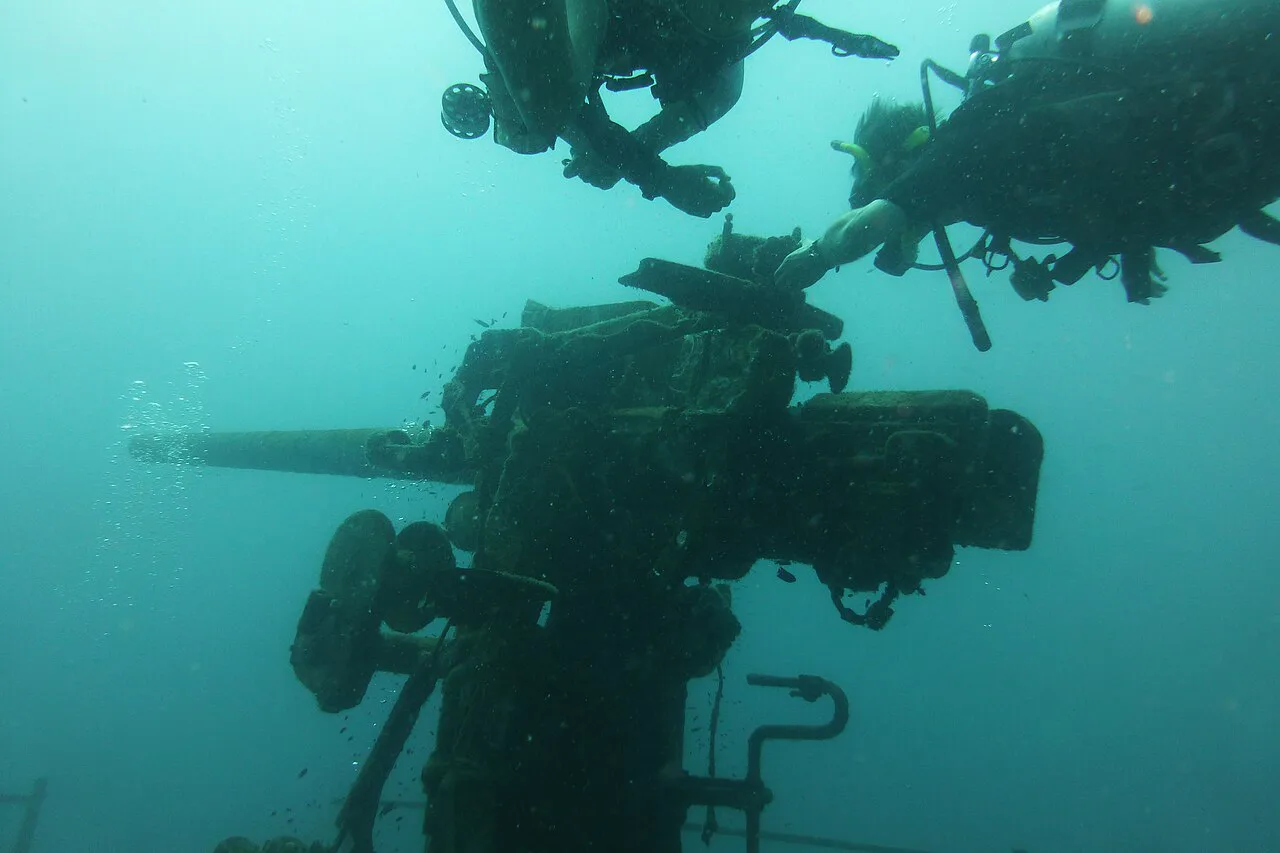
HTMS Sattakut is a retired navy ship that operators report was sunk in 2011 and now serves as an artificial reef. The stern sits at about 30 m (98 ft), which puts the dive in Advanced Open Water territory, as the HTMS Sattakut wreck guide explains. Batfish, lionfish and scorpionfish live on the hull, and some sections allow swim-throughs.
It lies in deeper water, so plan it as a focused dive rather than a casual add-on. Skip it if you hold only Open Water or dislike enclosed spaces.
Boat time: near sites versus far trips
Most Koh Tao dive sites sit close to the island, so a morning of two dives stays compact. Sail Rock is the exception, at about an hour by boat between Koh Tao and Koh Phangan. Chumphon Pinnacle lies about 11 km (7 miles) northwest and also tends to need its own outing. Our rule is one far site per day at most.
Chumphon Pinnacle sits about 11 km (7 miles) out, so one weather change can cost the whole dedicated boat day.
- Near Koh Nang Yuan: Japanese Gardens and Twins keep transit short.
- Inshore granite bays: Green Rock, Red Rock, Shark Island and White Rock suit a standard morning.
- Far trips: Sail Rock and Chumphon Pinnacle, each planned as a dedicated outing.
How to choose a Koh Tao dive site by certification level
Every certification level carries its own depth limit, and PADI publishes course limits for each. Sites get picked using weather, the experience of divers aboard and recent sightings. Your buddy's card therefore matters as much as your own.
- Discover Scuba: Japanese Gardens or Twins with an instructor.
- Open Water: Twins, White Rock and Japanese Gardens, with Sail Rock only if your operator allows it.
- Advanced Open Water: HTMS Sattakut at about 30 m (98 ft), plus Southwest and Chumphon pinnacles, which operators class as deep.
- Deep or Nitrox training: pair it with the deeper pinnacles and the wreck.
Mistakes to avoid when planning Koh Tao dives
These are the planning errors we would fix first.
Sattakut's stern sits near 30 m (98 ft), so an Open Water card leaves that wreck off your list.
- Booking a deep site beyond your certification.
- Choosing a shop only on price instead of group size, briefings and boat comfort.
- Skipping the current and conditions briefing.
- Approaching titan triggerfish nest areas at White Rock, where they turn territorial in mating season.
- Expecting a guaranteed whale shark.
- Touching coral or feeding fish, which damages the reef.
- Skipping dive insurance, when Divers Alert Network is one place to look at cover.
What diving here costs and what drives price
Dive centers quote rates on request, and we have no sourced baht figures, so ask for the current list before you commit. Price follows course versus fun dives, dive count, any far-site surcharge, gear rental and Nitrox.
- Ask what is included: gear, tanks, lunch and transfers.
- Ask about group size and the briefing for each site.
- Ask whether Sail Rock or Chumphon Pinnacle carries a surcharge.
When to dive Koh Tao and what conditions to expect
Dry season runs January to May, according to operators, with calm seas and good visibility. Whale shark sightings are reported most often in March, April, September and October, and no month guarantees one. Twins typically offers 5 to 20 m (16 to 66 ft) of visibility. Sources vary on month-by-month detail, so ask about wind, current and visibility on the morning you dive.
Getting there and where to base yourself
Koh Tao is a small island in the Gulf of Thailand, reached by sea. Ferry timetables change by season, so check the ferry operator's current schedule. Dive boats reach Sail Rock in about an hour from the island.
Explore More Koh Tao Guides
Keep planning your Koh Tao trip with these guides.
Koh Tao Guides
- Sail Rock, Koh Tao
- Chumphon Pinnacle, Koh Tao
- Southwest Pinnacle Koh Tao Dive Site
- White Rock Koh Tao Dive Site
- Twins Koh Tao Dive Site
- Japanese Gardens Koh Tao: Snorkeling & Diving Guide
- Green Rock Koh Tao Dive Site Guide
- HTMS Sattakut Wreck Dive Koh Tao
- Shark Island Koh Tao: Dive Site Guide and Who It Suits
- Red Rock Koh Tao Dive Site
- No Name Pinnacle, Koh Tao
- Buoyancy World Koh Tao: Buoyancy Training Guide
Notes for your next dive trip
Optional updates to our Thai diving guides.
You might also like
Continue reading
More guides you'll find useful