Green Rock Koh Tao Dive Site Guide: Depth & Conditions
Green Rock dive site on Koh Tao: depth, who it suits, swim-throughs, triggerfish season and how it compares with nearby sites.
On this page
Last updated November 2026. Green Rock Koh Tao is a granite boulder site off the north-west coast of Koh Nang Yuan, best suited to Advanced divers. Expect swim-throughs, macro life and conditions that change from day to day. Use this guide to judge depth, current, triggerfish season and whether to pick it over a neighboring site.
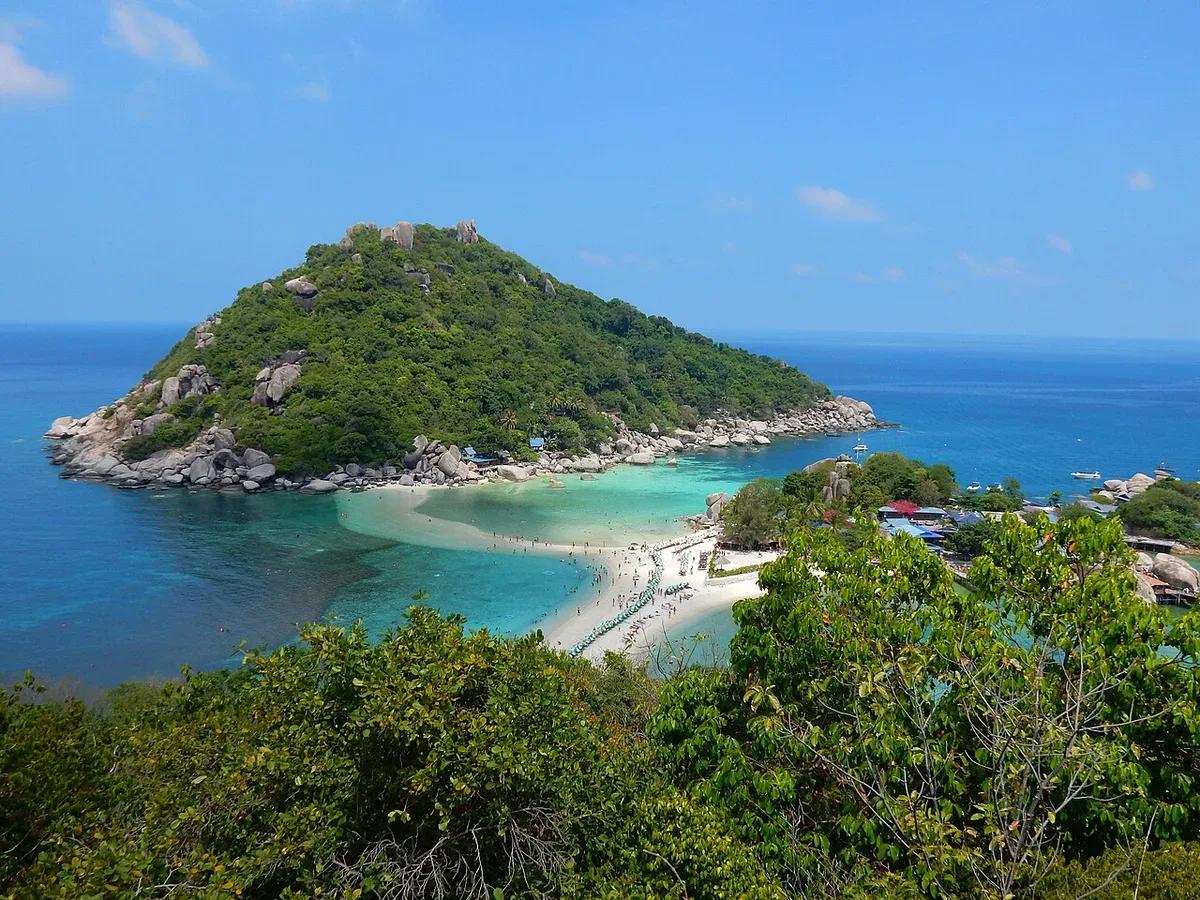
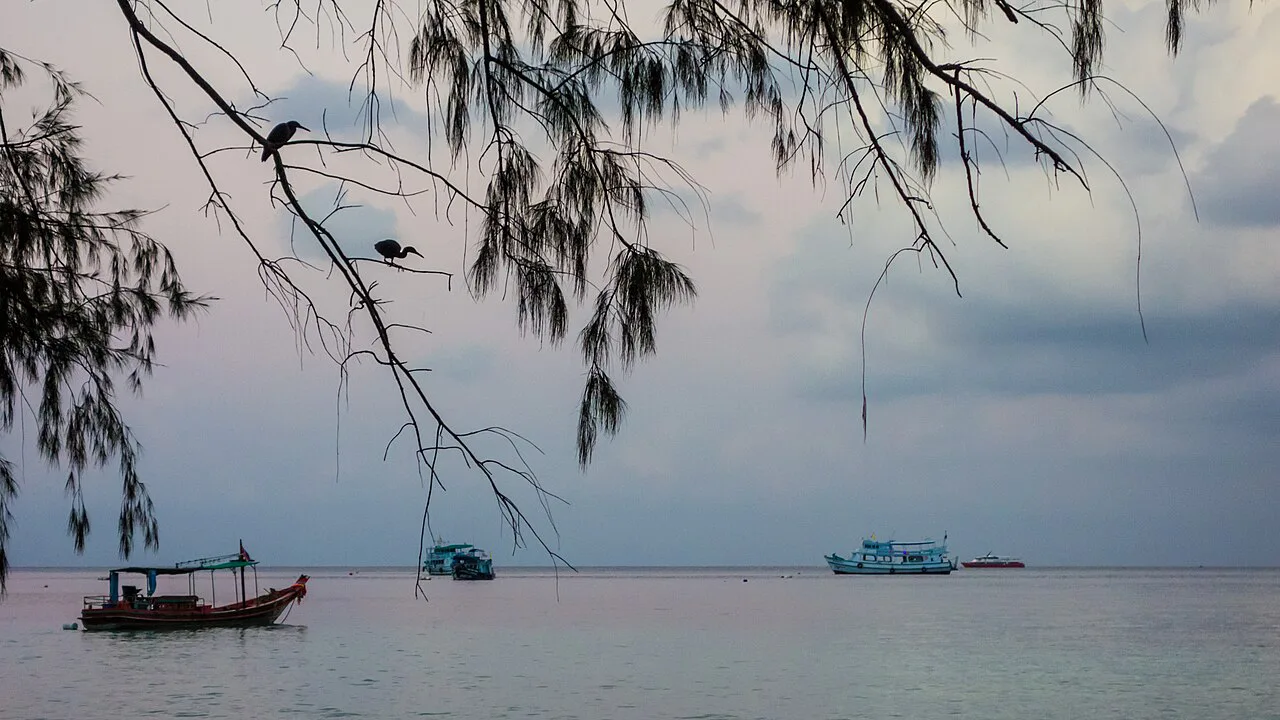
Featured image: Edgardo W. Olivera, CC BY 2.0, via Flickr.
Green Rock Koh Tao at a glance
Green Rock is a cluster of large granite boulders with small caves and passages. Dive centers describe the layout as "swiss cheese" topography. Depth runs from 3 m (10 ft) at the top of the rock to 28 m (92 ft), with an average near 20 m (66 ft). Visibility is reported at 2 m to 20 m (7 to 66 ft). For the wider island picture, see our island-wide dive site map.
- Location: north-west side of Koh Nang Yuan, on the exposed side
- Depth: 3 m (10 ft) minimum, 28 m (92 ft) maximum, about 20 m (66 ft) average
- Level: Advanced Open Water, or training under an instructor
- Conditions: current and visibility vary by day, tide and moon phase
- Best for: swim-throughs, buoyancy practice, macro life, deep and navigation training dives
What the dive is like
Big boulders stack against each other, leaving gaps wide enough to pass through one diver at a time. Small caves and passages sit between them. Macro life fills the crevices, so slow finning pays off. The site stretches north-west to Blue Rock, a small isolated pinnacle at about 26 m (85 ft). Operators set the route on the day, so treat any fixed course you read online with caution. Because of the passages, the dive rewards neutral buoyancy more than raw depth. Divers still working on trim can first practice at the artificial reef beside Twins before attempting these tight gaps.
Marine life and what is seasonal
Resident macro life includes nudibranchs, Durban dancing shrimp inside the caves, ghost pipefish and other pipefish. Yellow-tail barracuda often hang over the top of the rock, about 3 m (10 ft) below the surface. Blue Rock draws chevron barracuda and sometimes a Jenkins whipray. Hawksbill and green turtles visit regularly. Whale sharks pass through "in season", which makes them a bonus rather than a promise. Plan the dive around the boulders and macro life, and treat anything larger as a gift. For a deep site with a stronger pelagic reputation, look at the deep pinnacle 11 km offshore, where shops report whale sharks in March to May and August to October.
Current, visibility and conditions
Reports disagree, and both are plausible. One operator warns of strong current and reduced visibility on the exposed side, especially near full moon. Another describes gentle currents. Treat both as true on different days. Tide, moon phase and swell decide which version you get. Visibility between 2 m and 20 m is a wide range, so a murky morning does not mean the site is always like that. Ask the guide about current and visibility at the briefing, and expect the plan to change if conditions are poor. Dive within your training limits and follow the briefing. Divers with questions about deep-dive physiology can read guidance from the Divers Alert Network.
Triggerfish season: how to dive safely
Titan and yellow-margin triggerfish nest just north of the main rocks. Shops report April to May as the breeding period, and dates can shift. In that window both species can be territorial, and they dislike visits even from careful divers. Keep clear of the nesting zone and ask your guide where it is during the briefing. If a triggerfish charges, move away sideways and keep your fins pointed toward it rather than turning your back. Outside the breeding period the risk is lower, but the nesting area stays the same place.
- Ask the guide to point out the nesting zone before you descend
- Stay well clear of the rocks just north of the main boulders
- Do not chase photos near a triggerfish that is displaying
- Leave the area the moment one swims at you
Is Green Rock right for you?
Shops position Green Rock for Advanced Open Water divers and students training under an instructor. Open Water divers should not treat it as an easy fun dive. The checklist below shows who it suits. Training agencies such as PADI Advanced Open Water include deep and navigation dives, which fit this site well.
Average depth is near 20 m (66 ft), so an air supply that holds at 20 m (66 ft) or deeper is the check that matters most.
- Advanced certification, or an instructor leading your training dive
- Comfortable buoyancy in tight passages
- Air consumption that works at 20 m (66 ft) or deeper
- Comfort with variable visibility and possible current
- Willingness to follow a nesting-zone briefing
Green Rock vs other Koh Tao dive sites
Depth and level decide the swap when Green Rock is off the schedule. Operators often send boats to Chumphon Pinnacle instead when a deep site is the aim. For an easier Nang Yuan option, try the coral gardens around Nang Yuan. Red Rock's one-way route to the Nang Yuan cavern is another neighbor. For shallower relaxed diving, pick the shallow Twins reef. A White Rock night dive is another option, and the pinnacle whose top sits 5 m down suits divers wanting a bigger site. A full-day Sail Rock trip takes roughly 2 hours by boat each way.
| Site | Depth | Level | Main draw |
|---|---|---|---|
| Green Rock | 3-28 m (10-92 ft) | Advanced | Boulders, swim-throughs, macro life |
| Red Rock | 5-22 m (16-72 ft) | Open Water | Pinnacle plus Nang Yuan cavern |
| Japanese Gardens | Check with operator | Open Water training | Hard coral, easy dives |
| Twins | Check with operator | All levels | Shallow, busy reef |
| White Rock | Check with operator | Check with operator | Night dives, turtles |
| Chumphon Pinnacle | Check with operator | Advanced | Four pinnacles, 11 km offshore |
| Sail Rock | Rises from about 30 m | Check with operator | Chimney, big fish, 2-hour boat |
How to book and what to ask your dive shop
Prices, boat times and start times differ by shop, so ask before you pay. Green Rock is not on every schedule, which is why the questions below matter. Post-dive options also help if you want a gentler stop afterwards, such as Shark Island on the south coast.
A switch to Chumphon moves the trip to a pinnacle 11 km offshore, well away from Koh Nang Yuan.
- Is Green Rock actually planned, or is the boat heading to Chumphon instead?
- What are the current and visibility today?
- Is the boat going to the exposed side of Nang Yuan?
- What is the fallback site if conditions turn poor?
- How many divers are in each group?
- Where is the triggerfish nesting zone, and how will we avoid it?
- Which common mistakes should I avoid: unsupervised Open Water diving, approaching nests, an unprepared camera in tight passages, or expecting guaranteed pelagics?
Notes for your next dive trip
Optional updates to our Thai diving guides.
You might also like
Continue reading
More guides you'll find useful