Buoyancy World Koh Tao: Buoyancy Training Guide
Looking at Buoyancy World on Koh Tao? Compare buoyancy training options, what a one-day course covers, cost checks, and the best sites to practice.
On this page
Last updated November 2026: searches for buoyancy world koh tao point to buoyancy training on the island, but the name does not match a dive center we can verify. Read this as an independent guide, not an official page or a review. A typical one-day course covers 2 dives to a maximum of 30 m, and the sections below show how to compare your options.
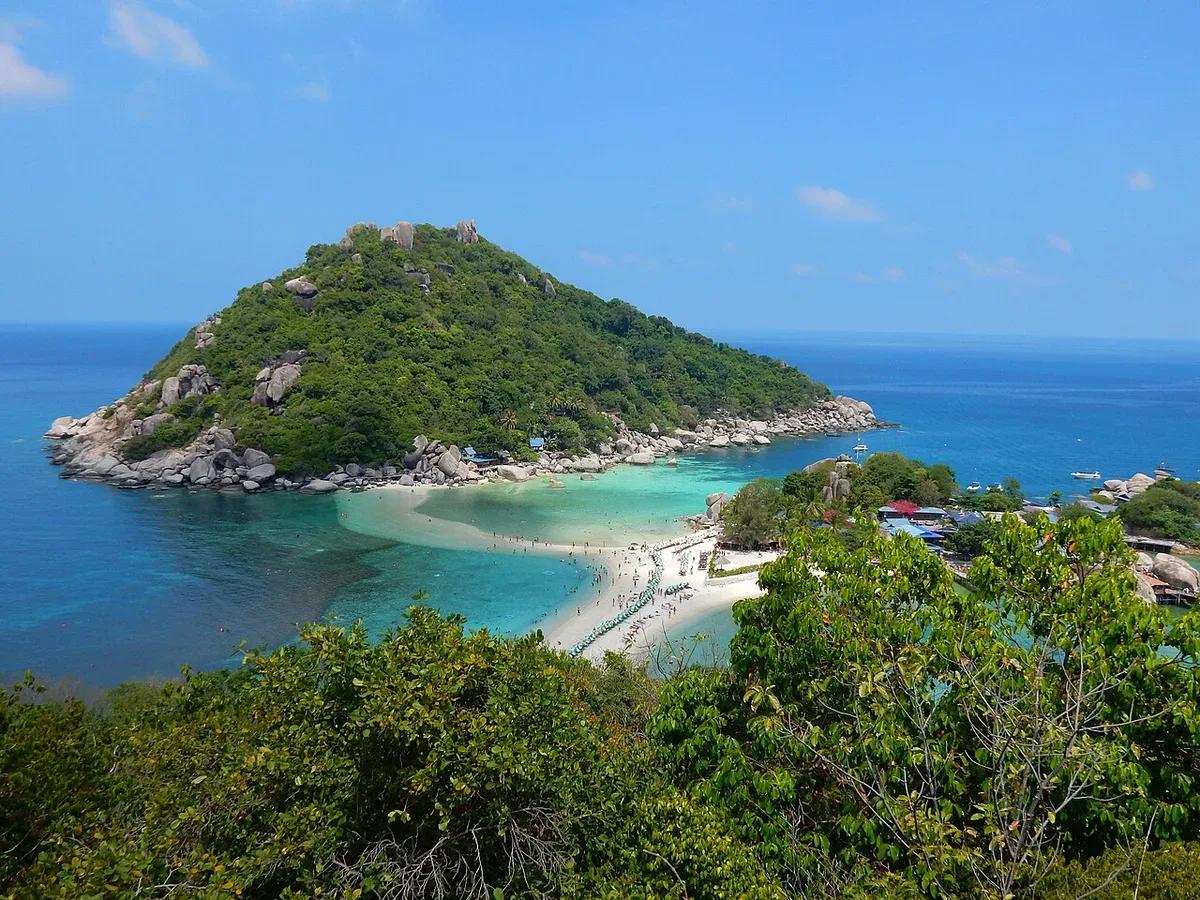
Featured image: keepitsurreal, CC BY-SA 2.0, via Flickr.
What Buoyancy World Koh Tao refers to
Buoyancy World Koh Tao reads like a search for buoyancy training on the island. We could not match the name to a verified dive center, so this guide describes no business, price or instructor under that label. If you hold a booking link or map listing for a shop called Buoyancy World, run it through the checklist further down. Buoyancy training teaches you to hover, trim your body position and hold a stop without kicking or sculling. Most courses run as short specialties after Open Water certification.
Why buoyancy matters on Koh Tao
Control matters most where beginners train. Koh Tao has more than 30 dive sites, and many host Open Water and Advanced Open Water courses. Poor trim sends fins and hands into coral. Operators also link steady buoyancy to lower air consumption and calmer safety stops. Those are vendor claims, yet the logic is standard: less wasted movement uses less gas. PADI offers Peak Performance Buoyancy among its specialty courses. Photography and Advanced Open Water both demand steady control, which is why operators suggest buoyancy first. Permanent mooring lines keep boats off the reef. Dive centers installed them with the Department of Marine and Coastal Resources (DMCR). Divers also use them as descent lines to practice a slow, controlled drop.
What a one-day buoyancy course includes
One Koh Tao operator, The Divers Boat, runs an SSI Perfect Buoyancy specialty over 1 day. The program has 2 dives to a maximum of 30 m (100 ft) from its own dive boat. Body-positioning exercises, breathing techniques and personal coaching fill the day. Suggested course time is 5 to 10 hours, and the operator lists the course at ฿6,000 (prices checked November 2026). Treat that as one example, not a market standard. Newly certified Open Water divers, divers about to start Advanced Open Water and future underwater photographers gain the most. Divers who already hover and hold safety stops comfortably can skip it.
- Format: 1 day, 2 dives, maximum training depth 30 m
- Skills: body positioning, breathing techniques, personal coaching
- Outcome: SSI Perfect Buoyancy certification at the end of the program
- Listed goals: reduce drag, trim air use, hover, hold stable safety stops, prepare for photography
How to choose a buoyancy course or dive center
Use this table to compare any buoyancy course, including one sold under the Buoyancy World name. Ratio and weather policy are the two items most listings leave out. Get answers in writing before you pay. Boats can leave from the main pier or from the sheltered side of the island, which is under 15 minutes away by road. Ask where your boat departs and what time you must be there.
Wind can move boats between coasts, and the sheltered side is under 15 minutes away by road.
| Question | What to look for | Status |
|---|---|---|
| Certification body | SSI or PADI specialty, with a card issued at the end | Read the listing |
| Dives and maximum depth | Example above: 2 dives, 30 m maximum | Compare shops |
| Instructor-to-student ratio | Small groups give more coaching per dive | Ask before booking |
| Boat or shore | Boat departure point and time | Ask before booking |
| What is included | Gear, photos, certification fee | Ask before booking |
| Cancellation and weather policy | Refund or rebooking if wind cancels the boat | Ask before booking |
- Which agency issues the card, SSI or PADI?
- How many dives, and to what maximum depth?
- How many students will each instructor coach?
- Where does the boat leave from, and at what time?
- Are gear, photos and the certification fee included?
- What happens if wind cancels the trip?
- What is the total in baht, in writing?
Buoyancy course cost and time trade-offs
Only one price is on record here: ฿6,000 for the 1-day, 2-dive SSI example above. Request a written quote from every other shop. Compare quotes on what each covers, not on the headline number. A course gives you a coached plan across 2 dives. Extra fun dives give more water time but no structured feedback. Most dive centers run two boat trips a day with two dives each, so a full-day course fits inside one boat day. If you also plan Advanced Open Water, ask whether the shop prices the two together. Taking buoyancy first lets you spend the later course dives on new skills rather than on trim.
Where to practice buoyancy on Koh Tao
Start with the Koh Tao dive site list, then ask which sites your operator uses. More than 90% of sites sit under a 45-minute boat ride. Boats switch between the east and west coast depending on wind, so the plan changes by day. Ask whether your course dives include White Rock. Twins is another name to raise. Japanese Gardens is a third. Once hovering feels easy, offshore pinnacles make a sensible goal. Chumphon Pinnacle, Koh Tao: Depth, Wildlife & Who It Suits is a deeper offshore site. Southwest Pinnacle Koh Tao Dive Site: What to Know sits in the same group. Sail Rock, Koh Tao: Dive Guide, Logistics, Who It Suits is another site that rewards steady trim. For photography practice, the purposely sunk wreck HTMS Sattakut Wreck Dive Koh Tao: Depth, Level & Tips is a natural next step.
Whether a 45-minute boat ride to the site counts against the 5 to 10 hours of a 1-day course is worth confirming.
When to go: season, visibility and November weather
Visibility runs 5 to 30 m and is usually 15 m or more. Sea temperature stays between 26 and 30 °C, and a 3 mm short wetsuit is usually enough. Many divers wear a rashguard instead. Water stays close to surface temperature even at 30 to 40 m. March to June brings the calmest seas. Whale sharks are most reported from March to May and in October. Keep 3 m from the head and 5 m from the tail, which takes real buoyancy control. Unsettled monsoon weather is usually centred on November and lasts a few weeks. Rain often falls in short bursts overnight, and mornings can still be calm. Koh Tao sits more than 70 km from the mainland, so ask your operator how sea conditions affect ferry timing.
- Wind changes the plan: boats move between the east and west coast.
- The sheltered side is under 15 minutes away by road.
- Ask for a rebooking option before you pay.
- Bring your certification card and logbook.
Mistakes to avoid when booking buoyancy training
Over-weighting is general diving practice advice, not a local rule. Carrying more lead than you need forces extra air into your jacket and makes hovering harder. Chasing depth before control is the second trap, since a 30 m dive demands more precision than a shallow one. Reef contact is the third. DMCR order 755/2561, in force from 1 December 2018, bans anchors in coral reef areas, and fin strikes do their own damage. Booking without checking group size or certification body is the fourth. Complete your medical declaration honestly. DAN guidance on fitness to dive explains what to discuss with a doctor.
- Over-weighting: ask an instructor to check your weight at the surface.
- Depth before control: master a 5 m hover before adding meters.
- Touching reef: keep fins and hands clear at every stop.
- Skipping the ratio question: group size shapes coaching time.
- Unclear certification: know whether you receive an SSI or PADI card.
Protected waters and reef-friendly buoyancy
Buoyancy practice matters because Koh Tao’s dive sites sit within protected waters. A 3 km trawl-protected zone surrounds the island. Off Sairee Beach, a 1 km by 5 km no-fishing area adds another layer of protection. These measures do not remove a diver’s responsibility to stay clear of coral.
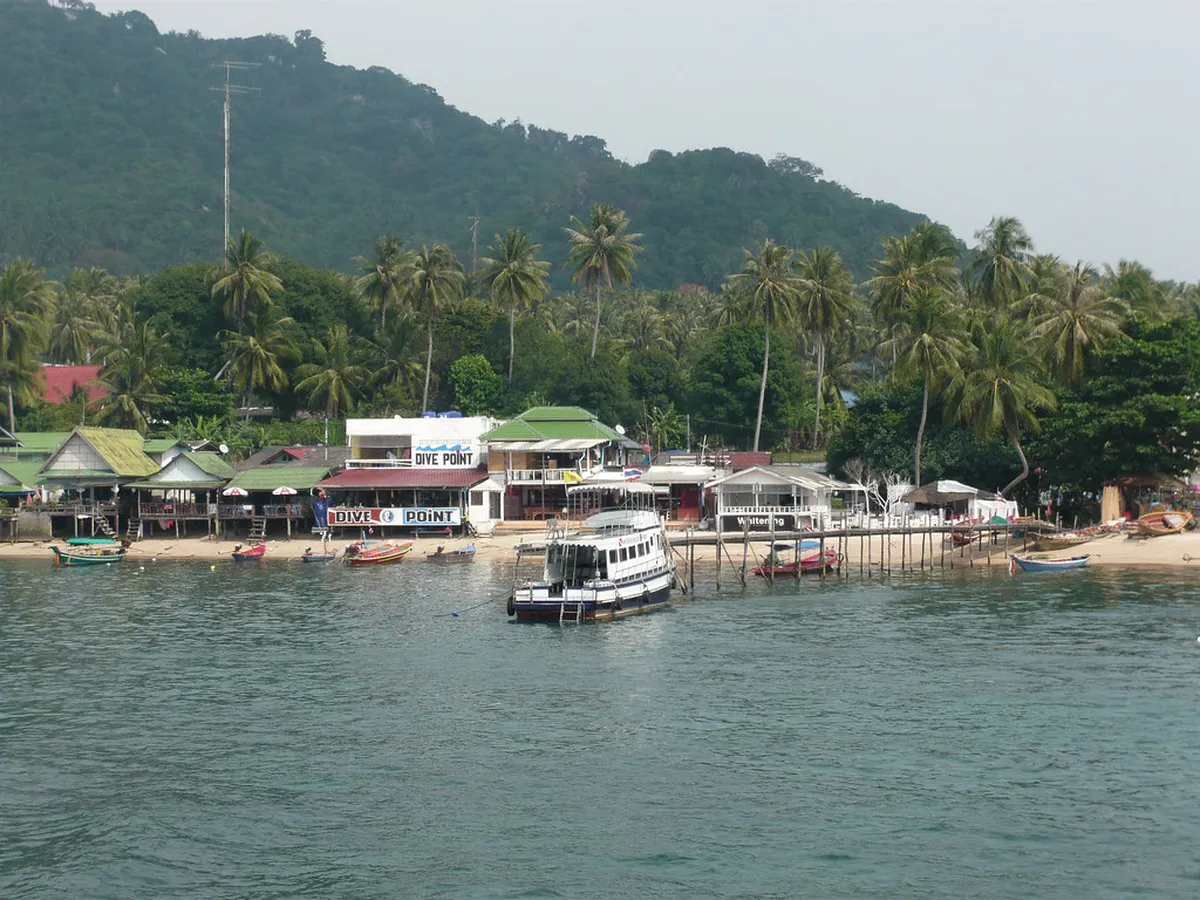
Use permanent mooring lines where your boat provides them. They keep anchors away from reef areas and give divers a fixed reference for controlled descents. Ask your instructor to include a hover beside a mooring line before moving over the reef. Keep your fins level and your hands still while you adjust breathing.
Good buoyancy is especially useful during a safety stop. It helps you hold position without kicking downward or grabbing coral. If conditions are busy, tell the instructor you want time to practice away from the reef. That request is more useful than simply choosing the deepest available dive.
Notes for your next dive trip
Optional updates to our Thai diving guides.
You might also like
Continue reading
More guides you'll find useful