Burma Banks Diving: Sharks, Season, Cost & How to Get There
Plan Burma Banks diving: what you'll see, who it suits, best season, Ranong departures, border logistics and cost drivers, plus honest trade-offs.
On this page
Last updated November 2026: burma banks diving means liveaboard trips to submerged seamounts in Myanmar's Andaman Sea waters, usually departing from Ranong in Thailand. Sharks and strong currents define the experience, and the sites sit far from any coast. Sharks are likely, not guaranteed, so this guide covers who the trip suits, when to go, how the border step works and what drives the price.
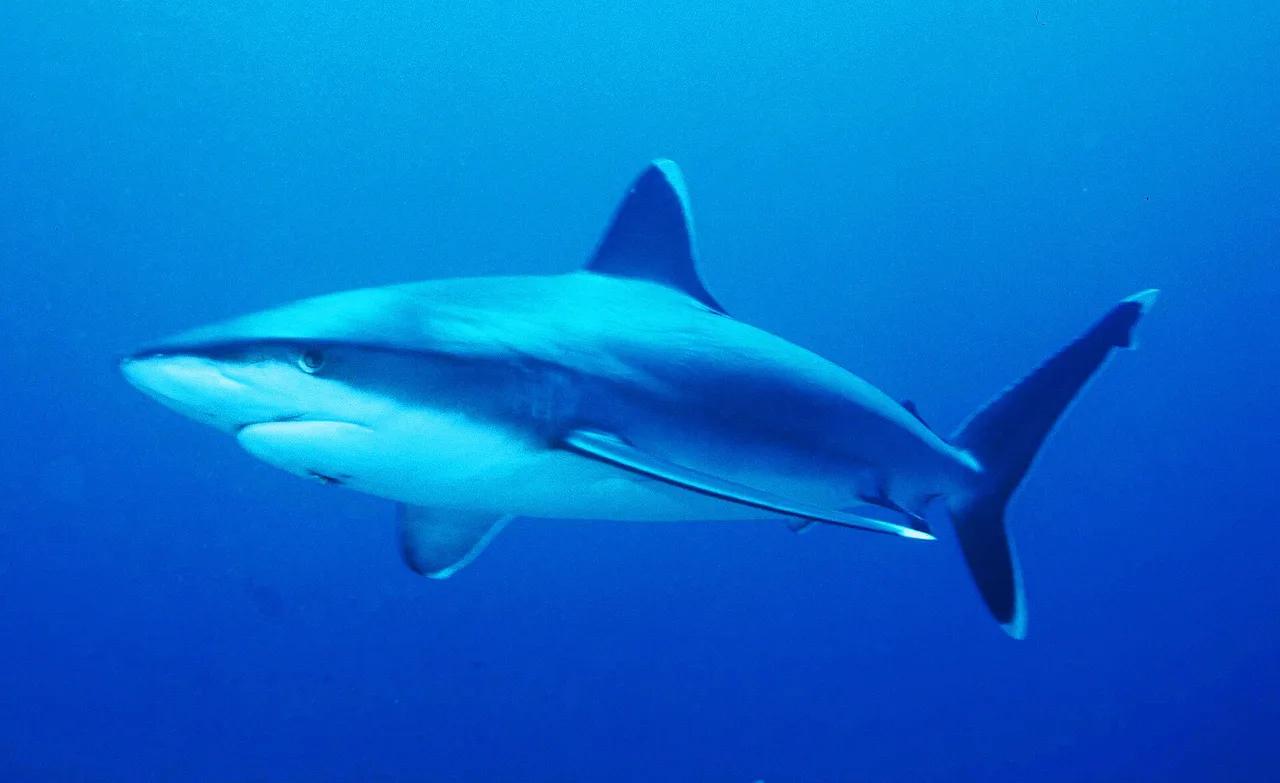
Featured image (a silvertip shark, shown for illustration): Albert kok, CC BY-SA 3.0, via Wikimedia Commons.
Burma Banks Diving at a Glance
Burma Banks are offshore seamounts, so no day boat reaches them. Liveaboards from Ranong run 5 to 9 days, and the Banks fill only part of each itinerary. Sharks are the draw. Hard coral is good but secondary.
| Fact | What to know |
|---|---|
| Access | Liveaboard only, usually from Ranong, Thailand |
| Distance | About 180 km (roughly 112 miles) offshore; sources measure from different points |
| Depth context | Surrounding water drops to about 350 m (roughly 1,150 ft) |
| Visibility | Up to 45 m (about 148 ft) reported at best |
| Currents | Can be strong and unpredictable; drift diving is common |
| Off season | July and August, per dive-site guides |
| Best fit | Divers comfortable with current and long crossings |
What the Burma Banks Are
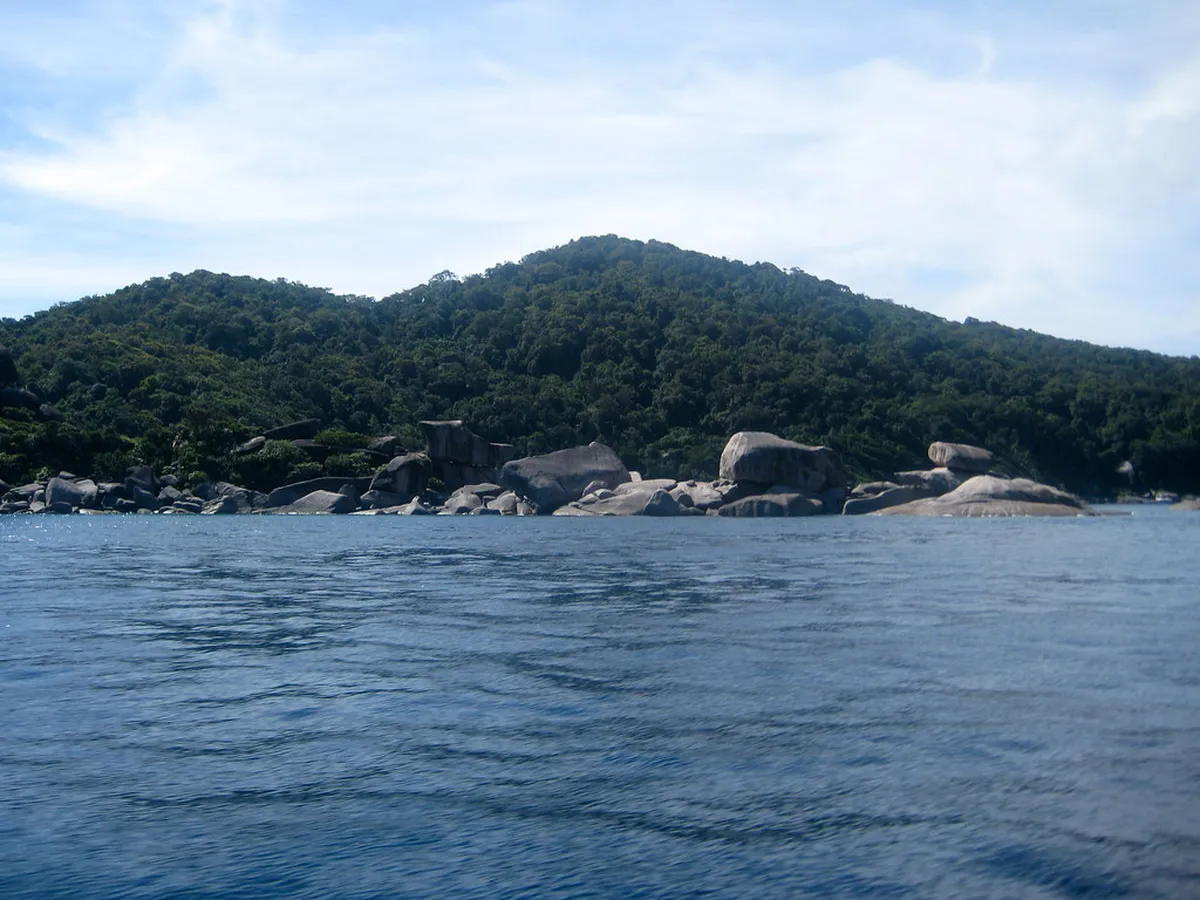
Burma Banks form a chain of submerged seamounts rising from deep ocean floor. They take their name from Myanmar's Exclusive Economic Zone, where they lie. Reports place them roughly 180 km out, measured from the Similans by some guides and from the Burmese coast by others. Treat that figure as approximate. Nearshore diving is a different product, with islands, pinnacles and cave swim-throughs around the Mergui group of more than 800 islands. Those nearshore Mergui sites usually come first on the itinerary, then the boat crosses open water to the Banks.
What You Can Realistically See
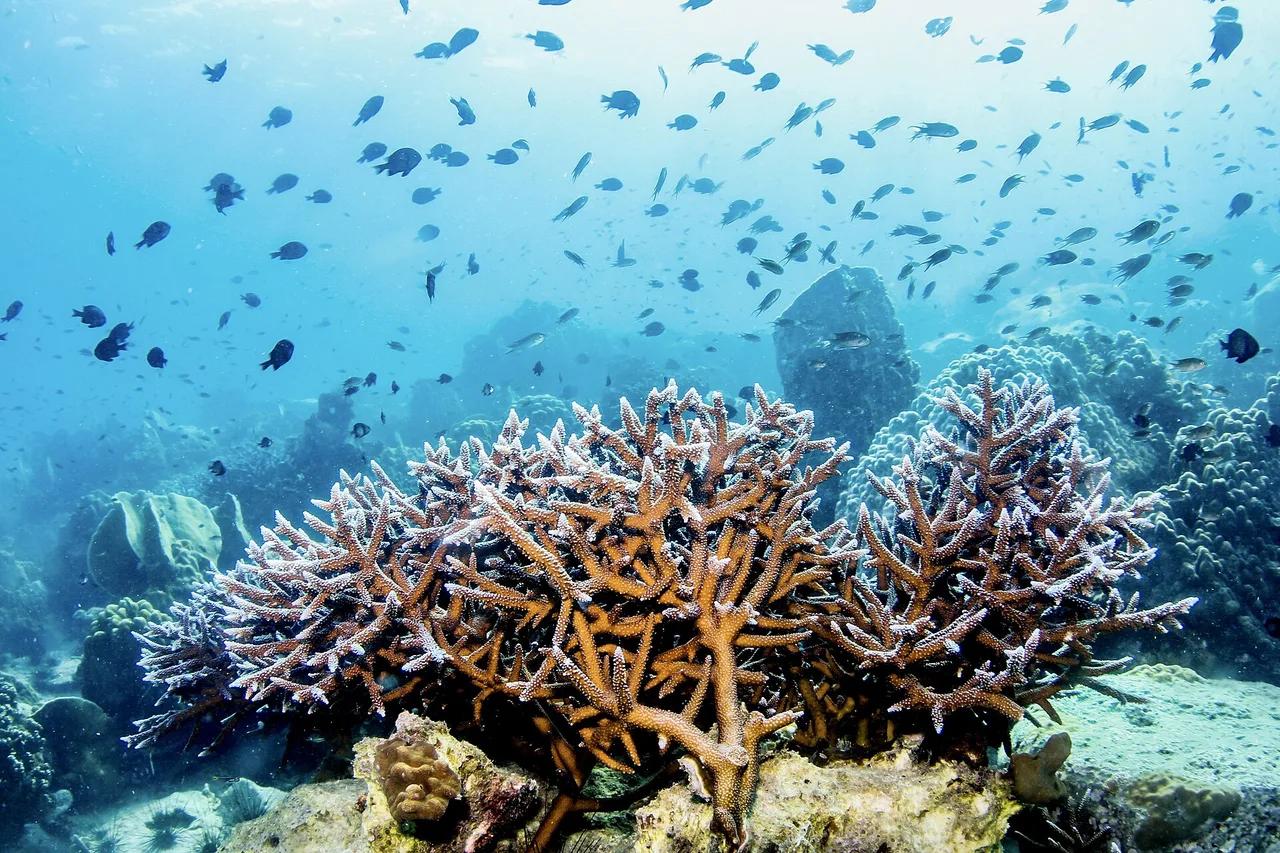
Nurse sharks and silvertip sharks are the headline residents. PADI's destination guide calls shark sightings very common on open-ocean dives in Myanmar and names Burma Banks as the place for pelagic species. Operator trip reports from a 7-day cruise in early 2025 logged nurse sharks at Row Bank and Coral Bank. Marble rays, eagle rays, Napoleon wrasse and a bigeye trevally school also turned up. A marlin broke the surface near the boat on one day. Wildlife is variable, so a quiet day is possible. Hard coral exists, but big animals are the reason to travel this far.
Who Should Go on a Burma Banks Trip (and Who Should Skip It)
Pick this trip for sharks, remoteness and drift diving. Skip it if current worries you or if you want macro life above all. No verified certification minimum applies to every boat, so ask your operator what log count and deep-dive training it expects.
- Good fit: divers with several dozen logged dives who handle drift dives calmly.
- Good fit: photographers who want sharks, rays and schooling fish in open water.
- Poor fit: new divers still working on buoyancy or mask clearing.
- Poor fit: divers who dislike long overnight crossings.
- Poor fit: macro-only enthusiasts, who get more from nearshore sites.
- Poor fit: travelers with no flexibility, since schedules can shift for weather.
When to Go
Dive-site guides list July and August as the off season for the Banks. Operator trip reports show Banks departures in October, December, January, February, March and April across 2025 and 2026. Exact season windows depend on the operator and the sea state, so ask for the dates of boats that actually run the Banks. Expect that a single sample of reports cannot prove a month is calm.
How to Get There From Ranong
Most Myanmar liveaboards leave from Ranong, because reaching the Mergui area from Yangon needs an infrequent domestic flight or two to three days of bus travel, according to PADI's Myanmar guide. Ranong is easy to reach from Bangkok or Phuket, and PADI notes frequent buses and taxis from most Thai tourist destinations. If you start on the island, compare Phuket departures with the Ranong option. Boats clear Thai immigration at Ranong Bodin Pier, then stop at Kawthoung in Myanmar for entry formalities. A 2012 report put that crossing at about 30 minutes, which is dated. Ask your operator about passport validity, fees and paperwork, since border rules change. Book onward flights for the day after your return, because boats can arrive late.
Sample Itinerary Shape
Itineraries vary, but trips follow a pattern: a check dive, nearshore Mergui sites, then the Banks. One operator's 7-day cruise from 31 January to 7 February 2025 ran as below. Treat it as an example, not a fixed route.
- Day 1: High Rock, Dragon Island and Bawei, including a night dive.
- Day 2: Three Islets, Shark Cave, Submarine and a stop at Khun Pi Law.
- Day 3: North Twin Pinnacle and North Twin Reef.
- Day 4: Arrival at the Banks with Row Bank and Rainbow Bank.
- Day 5: Coral Bank and Silvertip Bank.
- Day 6: Seafan Forest, Eagle Rock and Western Rocky Cave.
- Day 7: Dendro's Pinnacle as the final dive.
Is It Worth the Extra Days?
Only two of the seven days above were spent at the Banks themselves. The rest covered Mergui sites, which have their own rewards. North Twin, for example, offered 30 to 40 m visibility in a 2012 trip log. Expect sea days and long transits. If you have a short holiday, a nearshore trip may give more dives per day. If sharks are the goal, take the longer boat and accept the crossing.
North Twin logged 30 to 40 m visibility in a 2012 trip log, close to the 45 m best case reported for the Banks.
Costs and What Drives Them
Prices and hours checked November 2026. Operators price per diver, and the main drivers are cabin class, trip length and dive count. Extras add up: nitrox, gear rental, tips, and any park or visa fees. One Ranong operator lists an 8-day, 25-dive North Andaman cruise departing 13 November 2026 at ฿54,000 for a standard cabin, ฿71,280 for deluxe and ฿74,250 for master, after a 10% discount. That cruise covers Surin, Richelieu Rock and the Similans, not the Banks, so use it only as a rough price level. Ask for the all-in price of the Banks trip you want.
Ranong liveaboards span 5 to 9 days, yet the 8-day, 25-dive price example skips the Banks entirely.
Burma Banks vs. Similans, Surin and Mergui
Each region suits a different trip. Similan Islands trips and Surin Islands departures stay in Thai waters and include Richelieu Rock, Koh Bon and Koh Tachai. Mergui adds a border step and more remote pinnacles. The Banks add the longest crossing and the strongest shark focus.
| Region | Effort | Main draw | Watch for |
|---|---|---|---|
| Burma Banks | Highest: border plus open-water crossing | Nurse and silvertip sharks, rays, drift dives | Strong currents; sharks not guaranteed |
| Mergui Archipelago | High: border step | Pinnacles, caves, macro life | Current varies site to site |
| Similan Islands | Moderate: Thai waters | Reefs and big-fish sites nearby | Popular sites can be busy |
| Surin Islands | Moderate: Thai waters | Less-visited sites, Richelieu Rock access | Check current park rules |
Choosing a Liveaboard for the Banks
Start with a broad comparison. Compare Thailand liveaboards for boat standards and route styles. Then narrow the list through the Thailand liveaboard options hub. Before paying a deposit, send the operator these questions.
- Does this exact departure include the Banks, and how many dives will happen there?
- What are the oxygen, first-aid and emergency evacuation arrangements?
- How many divers per guide, and how are current dives briefed?
- Are surface markers and signaling devices supplied or required?
- What fees are not included: border, park, nitrox, gear, tips?
- Does the boat have a camera room and rinse tanks for photographers?
- What is the reef-responsible policy on touching and feeding?
Mistakes to Avoid
Do not book a flight the same evening as your return to Ranong. Do not leave your surface marker and current gear at home. Do not promise yourself sharks on every dive. Check that your policy covers liveaboard diving, and read Divers Alert Network guidance on dive insurance and medical evacuation. Finally, confirm the border paperwork with your operator well before departure.
Notes for your next dive trip
Optional updates to our Thai diving guides.
You might also like

Continue reading
More guides you'll find useful