Cave Diving in Thailand: Cavern vs Cave Training
Thinking about cave diving in Thailand? Learn what counts as cave vs cavern diving, the training you need, how to vet operators, and who should skip it.
On this page
Last updated November 2026: if you search cave diving Thailand, most results cover a 2018 rescue rather than dive travel. Real cave diving means an overhead environment with no direct surface access, and it needs specific cave training that an Open Water card does not provide. This guide separates cavern, cave and swim-through diving, then covers the training path and the operator questions that matter.

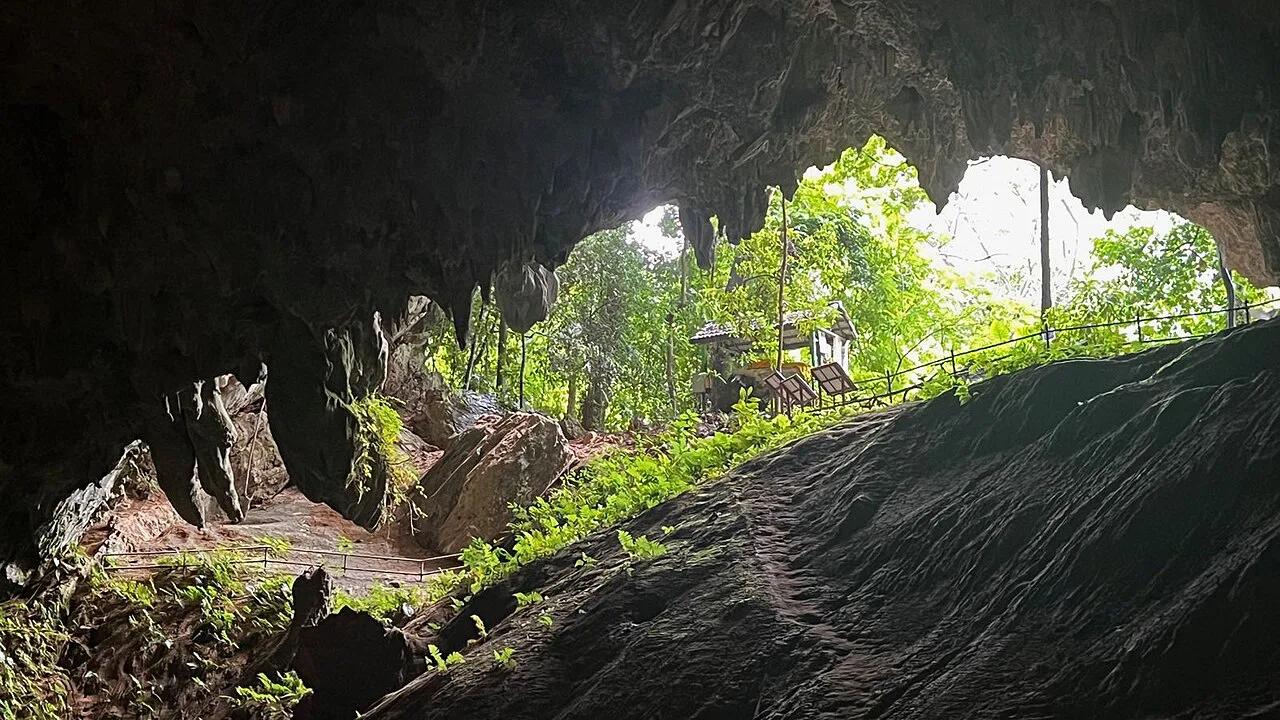
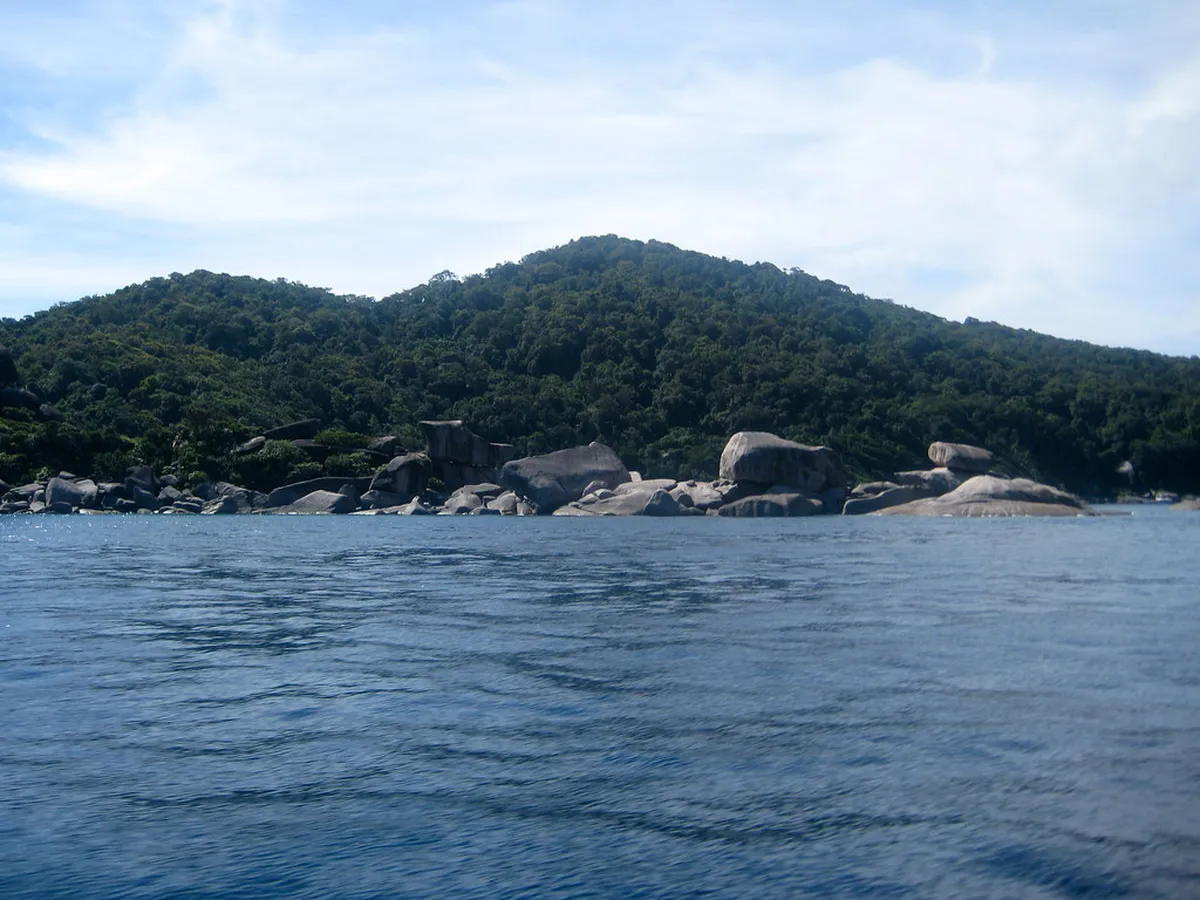
Featured image: NaN · Mot Dang, CC BY 4.0, via Wikimedia Commons.
Can you cave dive in Thailand? The short answer
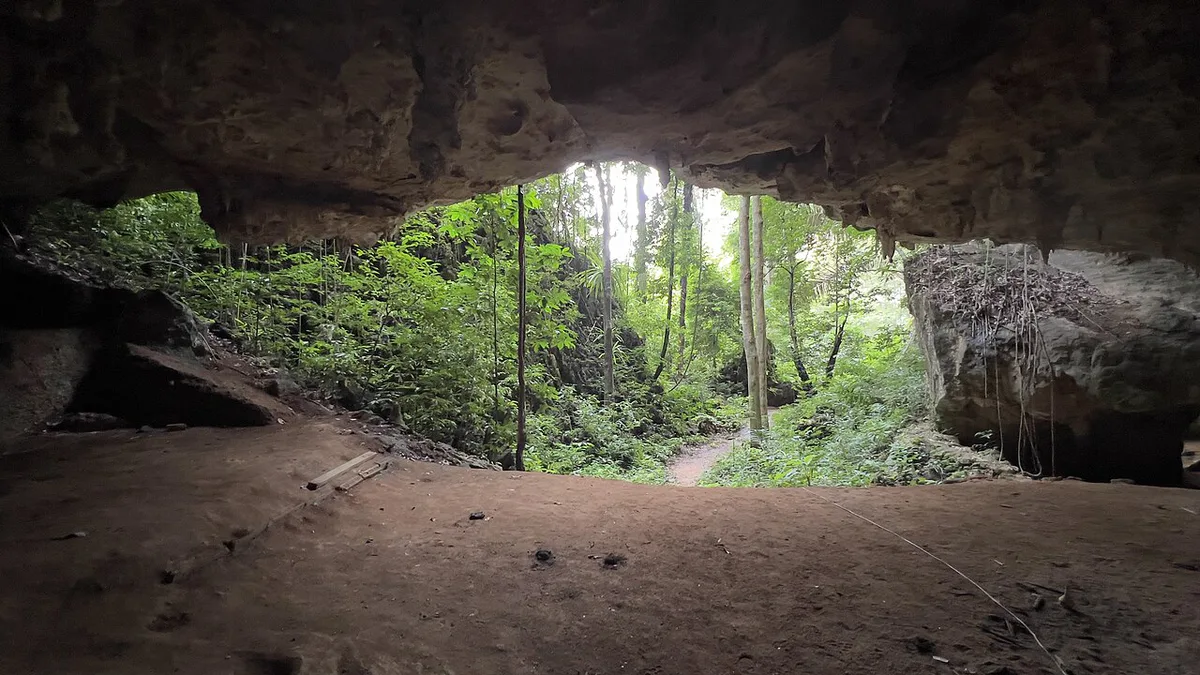
Certification, not tourism, is the gate. Cave diving takes place in an overhead environment with no direct surface access. That needs specific cave training, and Open Water certification does not cover it. Thailand's dive industry centers on reefs, wrecks and islands, so cave and cavern courses are a niche offering. Ask each dive center what it actually runs, or start with the SSI dive center locator. Tham Luang often dominates these searches because of a 2018 rescue in which a team spent 17 days stranded. It is a cave system, not a dive site.
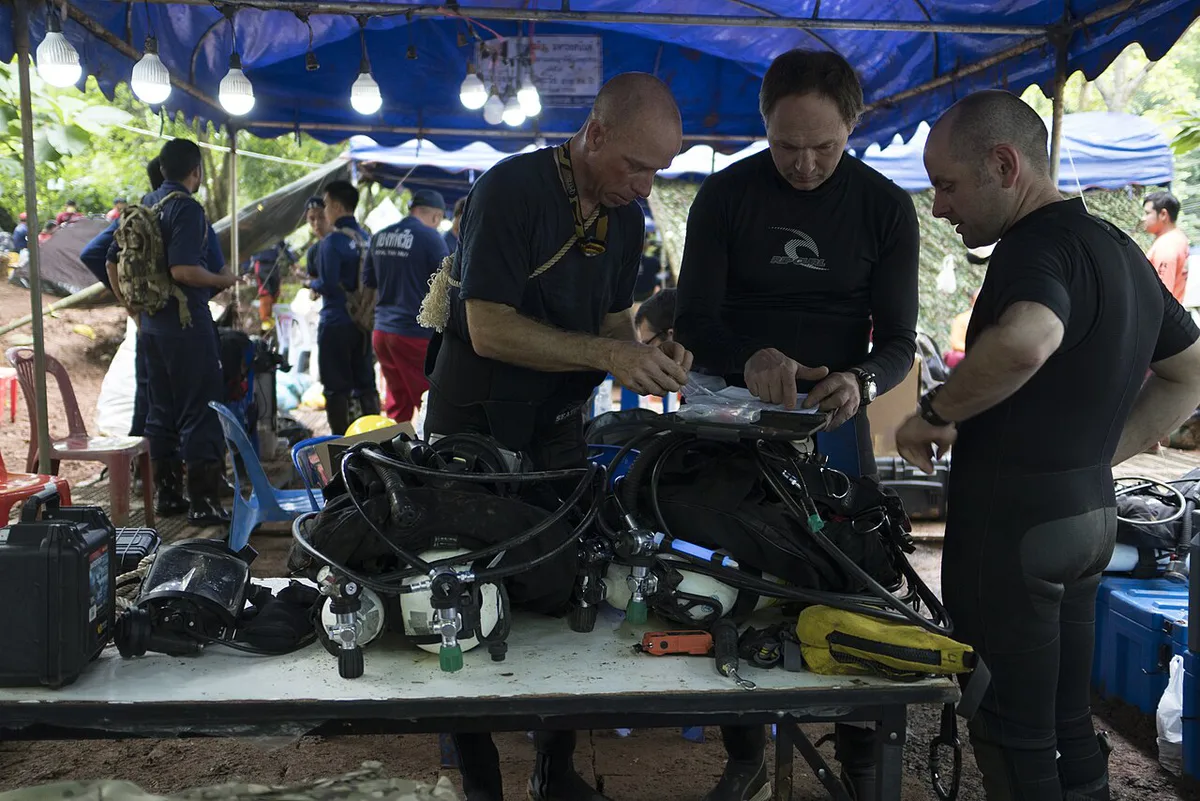
Rescue headlines about a team stranded 17 days do not make a cave divable; park rules or landowner permission can shape access.
Cavern, cave, and swim-through: what each really means
Three terms get mixed up, and the difference decides what training you need. Passing through a reef arch does not count as cave training.
- Cavern diving: stays inside the natural light zone, uses a guideline, and limits penetration.
- Full cave diving: goes beyond the light zone and requires cave certification.
- Swim-throughs at ordinary reef sites: recreational dives that stay within open-water limits.
Training and certification you need first
Plan on a ladder: Open Water, then Advanced, then a cavern or overhead-environment course, then full cave. Each agency sets its own prerequisites, so read the current standards before booking. Typical gates include a minimum certification level, a logged-dive count and reliable buoyancy control. Cave gas planning commonly follows the rule of thirds. That means one third of your gas to go in, one third to come out, and one third in reserve. Kit usually means redundant lights, a reel, and doubles or sidemount tanks. TDI technical diving programs sit in the same overhead and technical family. Our guide to tech diving options in Thailand covers the gas side in more detail.
Where cave and cavern diving fits in Thailand
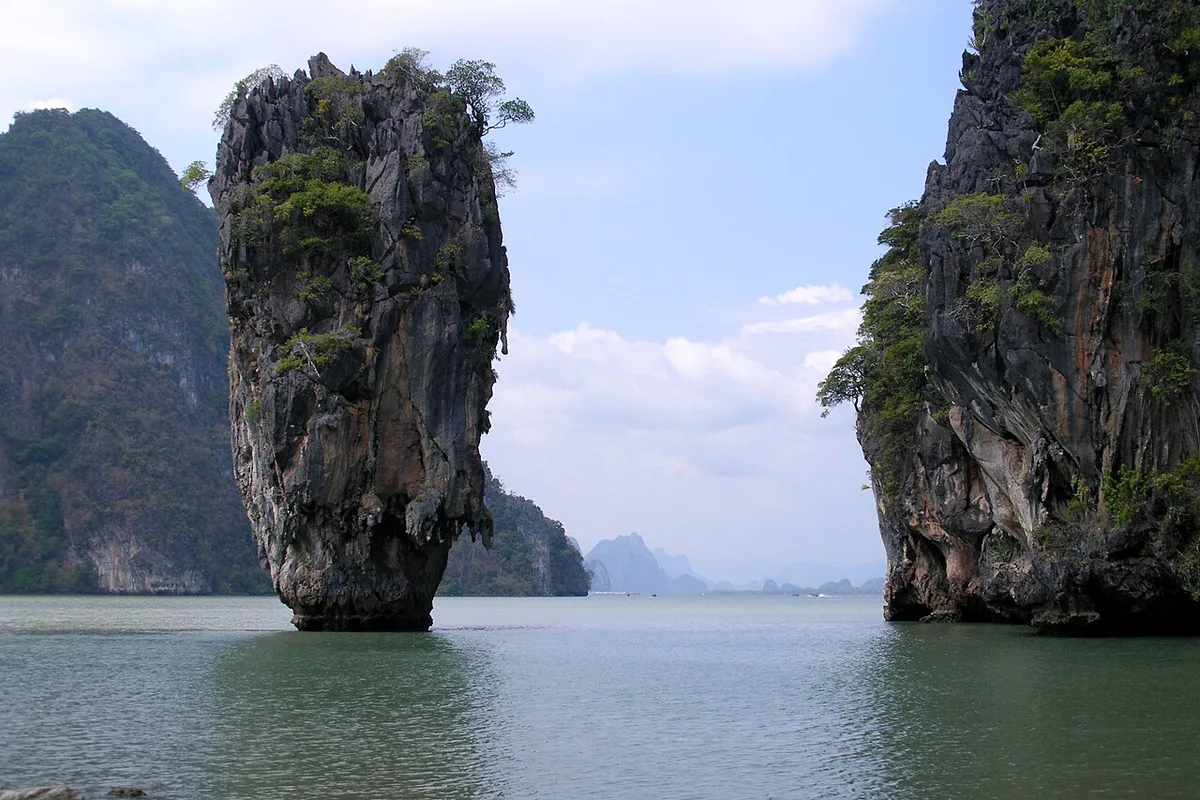
Thailand has limestone cave systems in provinces such as Kanchanaburi, Krabi and Phang Nga. A cave existing does not make it divable, and access can involve park rules or landowner permission. Ask the Thai National Parks Department about park-managed sites. Island and coastal diving splits into two coasts. Browse Andaman coast dive bases for the western side. Look at Gulf coast dive bases for the eastern side. Cavern or cave course availability near Ranong, Chumphon and Hua Hin is not documented here, so ask operators directly. Also ask about doubles, stage tanks and nitrox fills before you book.
Cost, time, and access trade-offs
Course prices vary by operator and agency, so this table uses relative levels. Cave courses run in small groups with specialized kit, so expect them to cost more than fun dives. For local price benchmarks, see what diving costs in Thailand. Schedule rest days between course days and your flight home. Follow Divers Alert Network no-fly guidance before flying. A course usually fits best at the start of a trip, as shown in these Thailand dive trip itineraries.
| Route | Time needed | Relative cost | Access effort | Best for |
|---|---|---|---|---|
| Reef swim-throughs on fun dives | Low | Low | Low | Open Water divers curious about arches |
| Cavern course | Medium | Medium | Medium | Advanced divers with steady buoyancy |
| Full cave course | High | High | High | Divers committed to technical training |
How to vet an operator
Ask these questions before you pay a deposit. A good operator answers each one plainly and in writing.
- Does the instructor hold a current cave or cavern instructor rating from a named agency?
- What is the gas and redundancy policy, including lights and reels?
- How large are the groups on overhead dives?
- What is the emergency plan, and where is the nearest chamber?
- Does your insurance policy explicitly cover overhead or cave diving?
Who should skip it, and common mistakes
Skip cave training if your skills stop at Open Water, your buoyancy is unreliable, or tight spaces make you anxious. Skip it too if you have no plan for proper training. Build skills with advanced-level dives first, and treat any offer that skips the course as a red flag.
- Mistake: entering an overhead environment on an Open Water card.
- Mistake: following a guide beyond the light zone without cave certification.
- Mistake: treating a cave swim-through as cave training.
Better options if you are not cave-certified
Wrecks offer a different overhead-style challenge with their own training requirements. They are not the same as caves. Explore Thailand's wreck sites once you hold the right certification. Compare reefs and sites among the top Thai dive sites. For the full overview, start at our hub on scuba diving across Thailand.
Frequently Asked Questions
What is a cave diver?
A cave diver is trained to dive in overhead environments with no direct surface access. Training covers guidelines, gas planning and redundant equipment. Open Water certification alone does not qualify you.
Is the Tham Luang Cave still open?
Tham Luang is a cave system in Chiang Rai province, not a dive site. Current access rules are set by Thai authorities, so check with the Thai National Parks Department before planning any visit.
Notes for your next dive trip
Optional updates to our Thai diving guides.
You might also like

Continue reading
More guides you'll find useful