Koh Tao Marine Life: What You'll See, Where and When
What you can actually see underwater at Koh Tao, with dive sites, seasons and honest odds for turtles, sharks and whale sharks.
On this page
Last updated November 2026: Koh Tao marine life is built on reef residents such as anemonefish, morays, parrotfish and triggerfish, with turtles, blacktip reef sharks and whale sharks as less certain extras. Chumphon Pinnacle and Sail Rock draw the bigger animals, while sheltered bays suit snorkelers and new divers. Below, each animal is labeled reliable, seasonal or a matter of luck so you can plan around realistic odds.
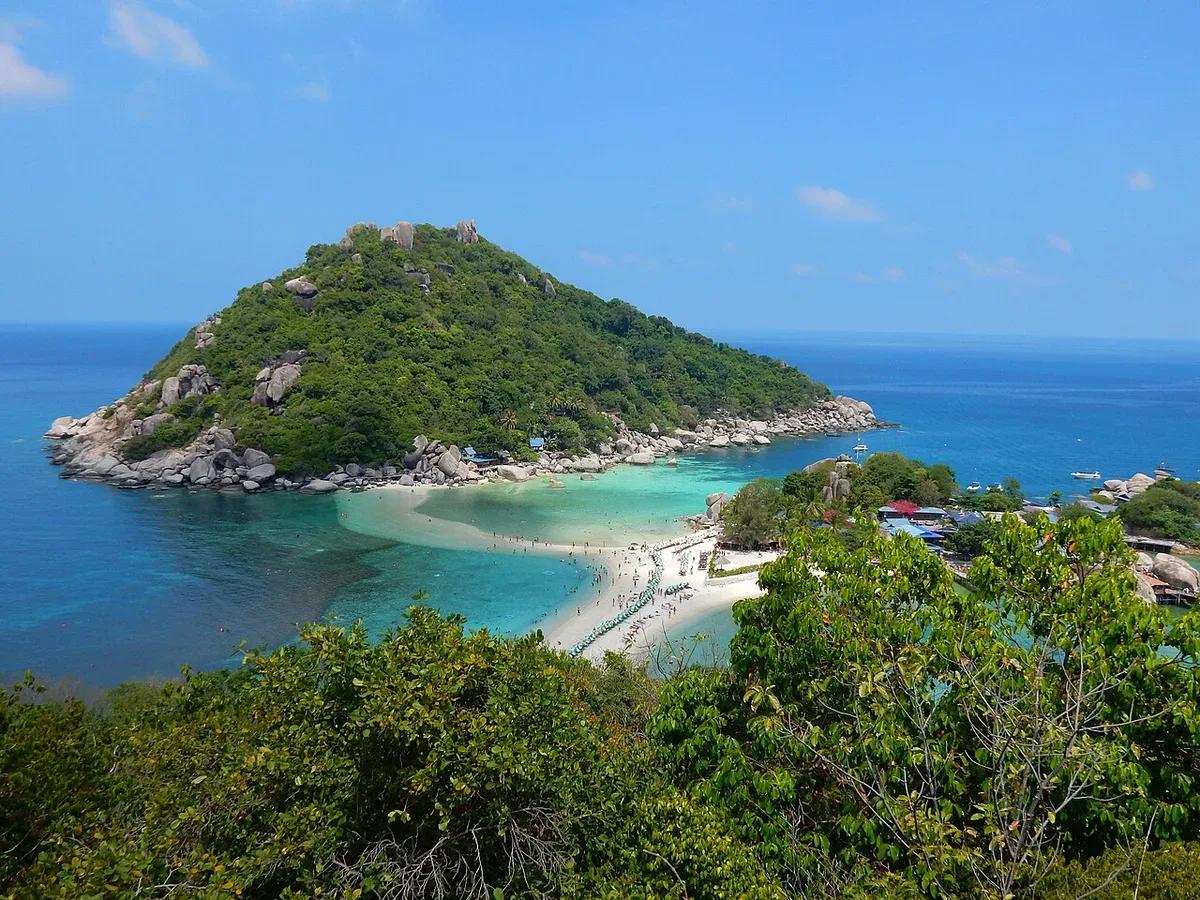
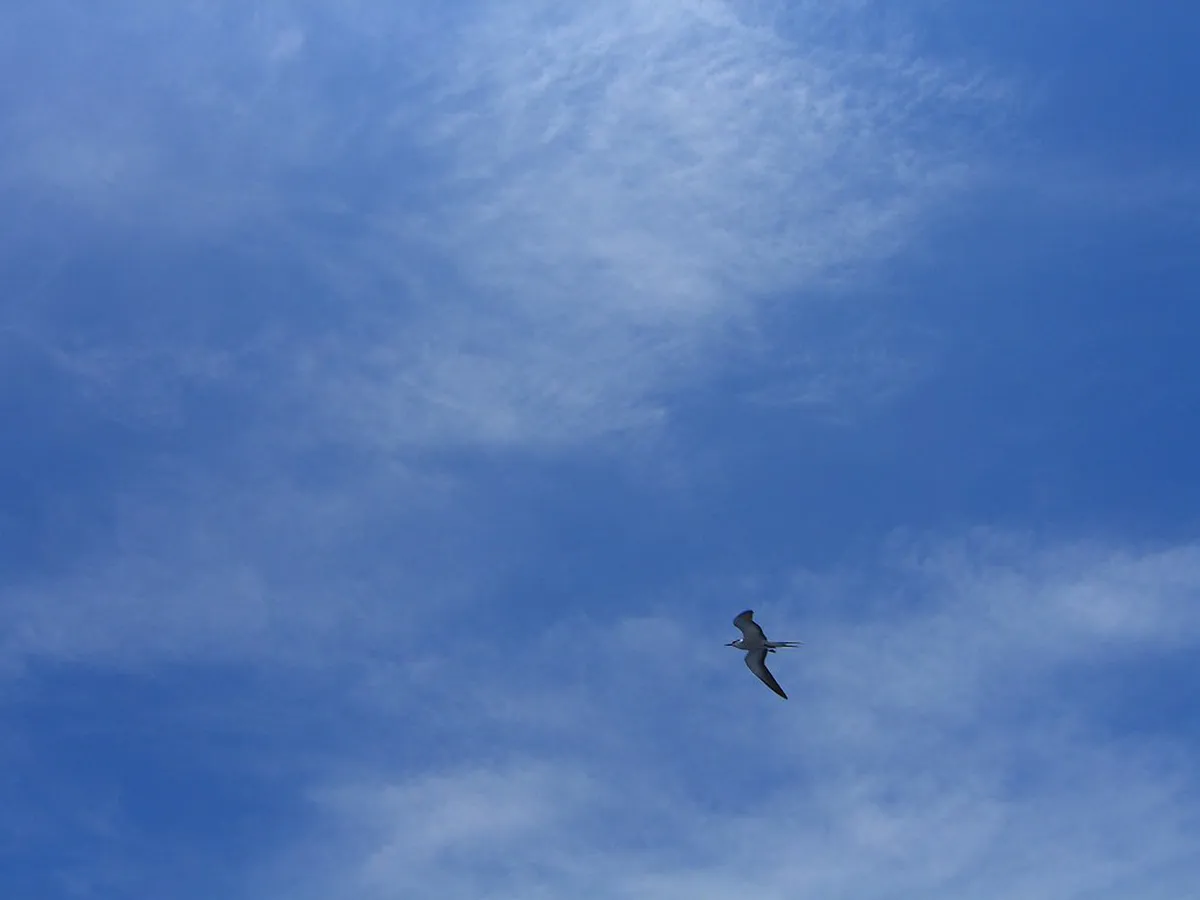
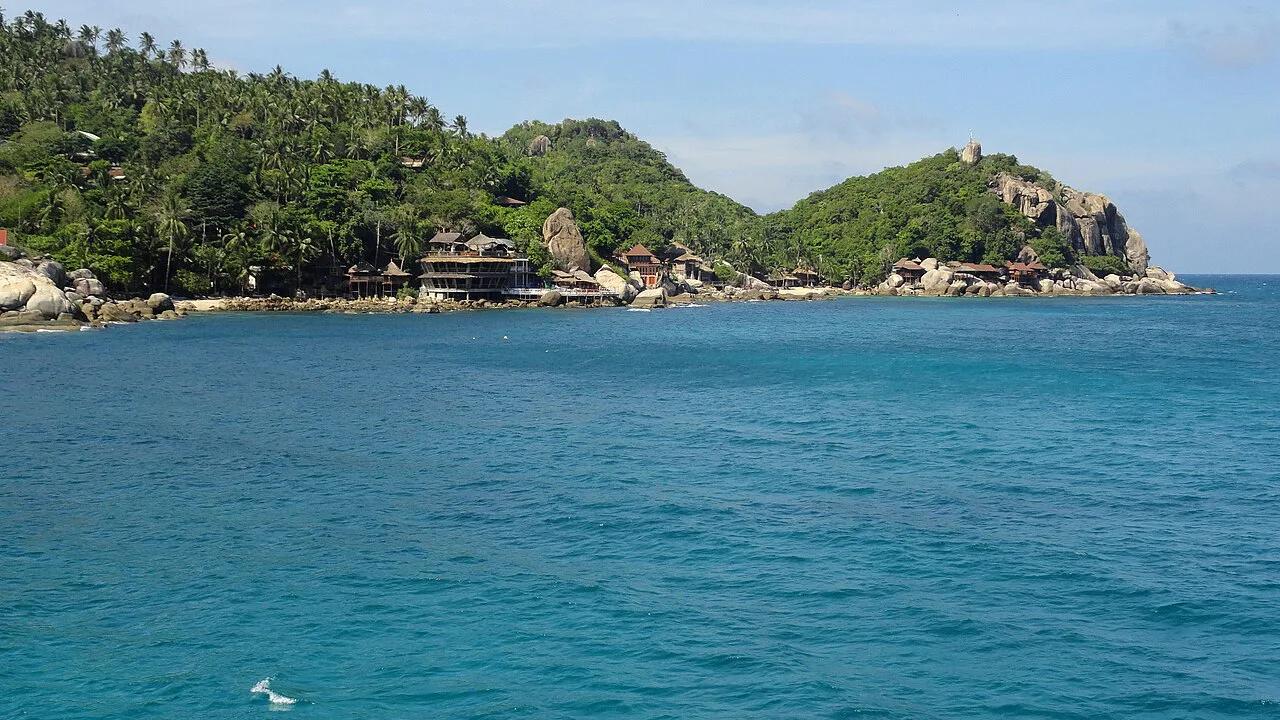
Featured image: Amada44, CC BY-SA 3.0, via Wikimedia Commons.
Reef life you will see on almost every dive
Reef residents are the dependable part of Koh Tao marine life. Clownfish, which dive guides call anemonefish, live in anemones at Southwest Pinnacle and Sail Rock. Large anemones there also shelter anemone shrimp. Moray eels sit in holes along Sail Rock, where white-eyed and yellow-margin morays are common. Butterflyfish and parrotfish work the coral in pairs and small groups. Cleaner wrasse run stations at Twins, where fish queue to be cleaned. Nudibranchs turn up at Green Rock, so a slow pace pays off. Snorkelers can expect anemonefish, parrotfish and butterflyfish in shallow bays. Morays, nudibranchs and cleaner stations usually need a scuba dive, because they sit deeper and tuck into holes. Coral here includes brain, staghorn and fire coral on shallow reefs. Hin Wong and Nang Yuan Pinnacle add sea fans, wire coral and whip coral. Never touch fire coral, which stings. For a wider look at diving conditions, start with our Koh Tao diving guide.
Bigger animals on Koh Tao: realistic odds
Larger animals are where honesty matters. No operator can promise any of the sightings below. Use the ladder as a guide to likelihood, not a guarantee.
- Reliable: groupers, snapper and fusiliers at Southwest Pinnacle, plus barracuda circling Chumphon Pinnacle most of the year.
- Common: stingrays, including blue-spotted fantail rays at Shark Island, Twins and Nang Yuan Pinnacle.
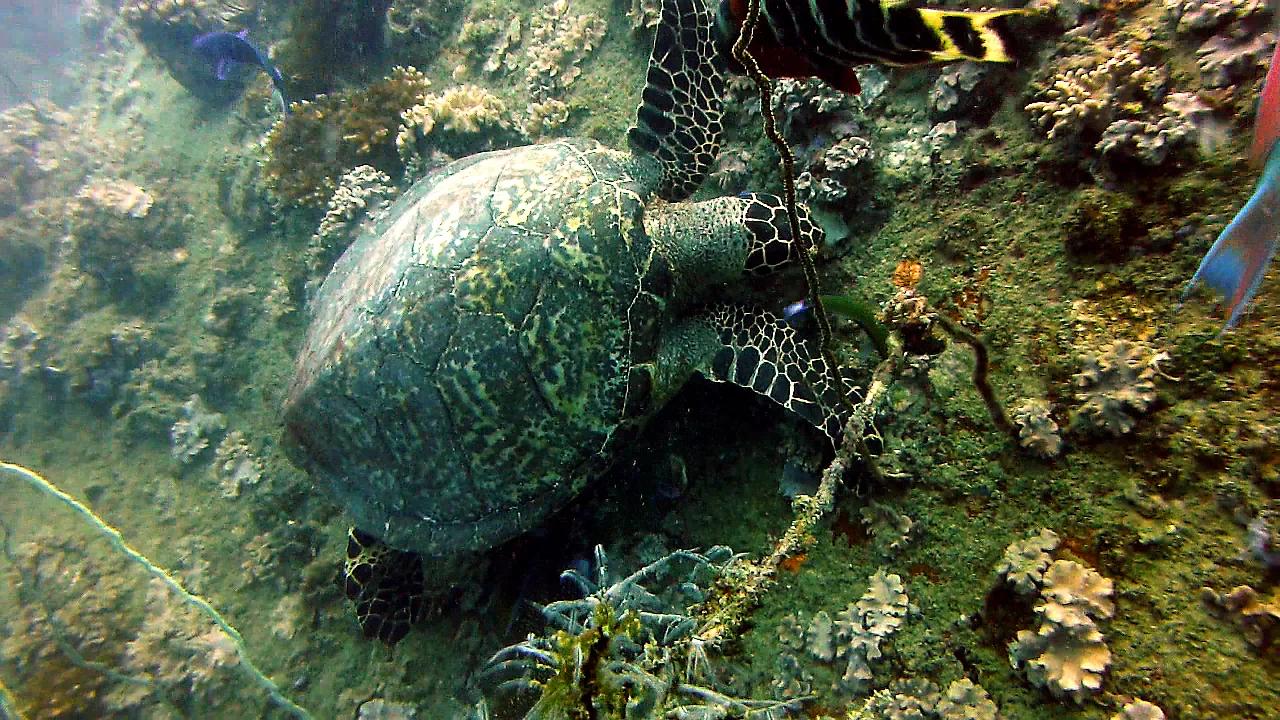
- Often but not guaranteed: hawksbill and green turtles, mostly on shallower reefs and snorkel sites.
- Possible: blacktip reef sharks, usually shy and seen at a distance.
- Seasonal: whale sharks, mentioned in dive-shop reports for March to May. Sightings are rare in any single week.
Sharks and whale sharks without the hype
Blacktip reef sharks are small, wary and not a danger to divers who keep their distance. Whale sharks are filter feeders and harmless, but sightings are irregular. Pelagic fish at Chumphon Pinnacle raise the odds, since it is the site most often linked to them. Treat a sighting as a bonus, never the reason to book. Our page on the Koh Tao whale shark season covers timing in more detail. Avoid any operator that sells a guaranteed encounter.
Koh Tao marine life by dive site
Matching animals to sites saves wasted dives. Depths below come from dive-site descriptions and vary with tide and mooring. Ask your guide for the day's plan. Our overview, Is Koh Tao Good for Diving? Honest Guide for 2026, explains which sites suit your experience.
| Site | Depth range | Typical life | Level fit | Caveat |
|---|---|---|---|---|
| Chumphon Pinnacle | 12-32 m | Barracuda, grouper, tuna, mackerel, occasional whale shark | Experienced divers | Occasionally strong currents |
| Southwest Pinnacle | 4-30 m | Anemone carpet, snapper schools, large groupers | Mixed levels | Best with a guide who knows the current |
| Sail Rock | Chimney about 9-16 m; main pinnacle 40+ m | Morays, anemonefish, anemone shrimp | Advanced for deep sections | Sits between Koh Tao and Koh Phangan |
| Shark Island | Down to about 24 m | Morays, blue-spotted fantail rays, puffers, reef fish | Beginners to intermediate | Sloping reef, gentle profile |
| White Rock | 9-24 m | Titan triggerfish, reef fish | Mixed levels | Territorial triggerfish defend nests |
| Twins | 10-18 m | Cleaner wrasse, anemone shrimp, pipefish, stingrays | Beginners and macro fans | Small life needs patience |
| Hin Wong Pinnacle | 10-32 m | Sea fans, wire coral, filefish, coral grouper | Intermediate | Visibility can be unpredictable |
When to go for which animals
Season shapes visibility more than it shapes species. Dive-shop reports describe March to May as the clearest water and a period when whale sharks have been seen. Water averages about 28 °C for most of the year. From June to August the east side is reported to stay calmer when the west coast gets waves. Operators can switch sites, so a rough day on one coast need not cancel diving. Late November and December bring monsoon swell and stirred-up water. Expect lower visibility then, and book flexible plans. Check our guides to the Best Time to Dive Koh Tao: Month-by-Month Guide and Koh Tao Water Temperature by Month: What to Wear Diving for month-by-month detail. Forecasts come from the Thai Meteorological Department.
Water near 28 °C during the March to May whale shark window means warm, clear conditions, but sightings still stay rare in any week.
- March to May: clearest water, whale shark possible, hot above water.
- June to August: east side often calmer, afternoon storms common.
- September and October: calm seas and fewer divers, according to local reports.
- November and December: monsoon swell, reduced visibility, rougher crossings.
- January and February: flat seas, though visibility can still vary.
Snorkeler, diver or night diver
Snorkelers see anemonefish, parrotfish, butterflyfish and sometimes turtles, but miss the pinnacles. Those sites sit at 12 m and deeper. Certified divers reach Southwest Pinnacle, Twins and Shark Island at moderate depths. Sail Rock's main pinnacle drops past 40 m, so deeper sections need advanced training. Agencies set the exact depth limits for each certification, so read the SSI Open Water Diver course details before planning. After dark, nocturnal animals emerge and some divers report bioluminescence. Night dives need training and a briefing. Our Koh Tao night dive guide explains what that involves. Farther sites suit people with more time, and a Koh Tao Liveaboard: Options, Alternatives & When to Go is one option.
Responsible viewing and reef protection
Good buoyancy protects coral more than any rule. Hover above the reef, keep fins clear of the bottom and never stand on coral. Do not touch or feed animals, including turtles and morays. Give nesting triggerfish space at White Rock and Green Rock, where Titan triggerfish defend nests and can bite. Thailand's Department of Marine and Coastal Resources publishes official rules on marine protection. Choose reef-safe sunscreen or a rash guard. Ask any shop about mooring use, group size, reef clean-ups and restoration work. Small groups and briefings on buoyancy are good signs.
Planning notes, safety and costs
Budget depends on course and number of dives, so see Koh Tao diving prices before comparing shops. For lodging near dive shops, browse Koh Tao dive resorts. Carry dive insurance that covers decompression illness, and read guidance from Divers Alert Network. Know where emergency treatment is located, as covered in our hyperbaric chamber guide. Comparing nearby islands? Our Koh Tao versus Koh Phangan page covers Sail Rock's position between them.
Notes for your next dive trip
Optional updates to our Thai diving guides.
You might also like
Continue reading
More guides you'll find useful