Try Dive Koh Tao: Cost, Depth & Is It Right for You?
Try dive Koh Tao guide: what a one-day intro dive includes, the 12 m depth limit, cost in THB, medical checks and when to pick Open Water.
On this page
Last updated November 2026: a try dive Koh Tao session is a one-day, non-certification introduction to scuba with an instructor beside you. Expect a short theory session, pool practice and two shallow ocean dives to a maximum of 12 m (40 ft). Prices run roughly 3,500 to 4,000 THB, and this guide shows how to choose between a try dive and Open Water.
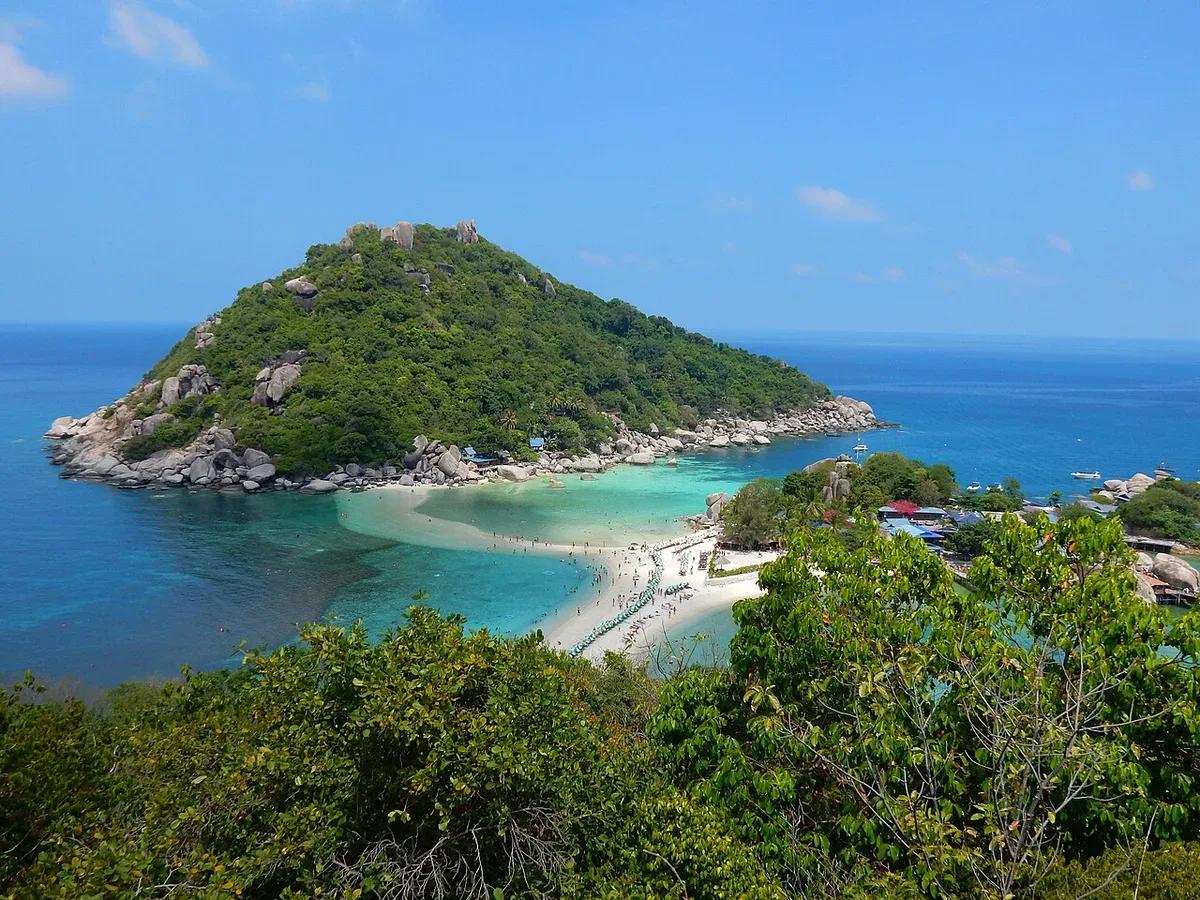
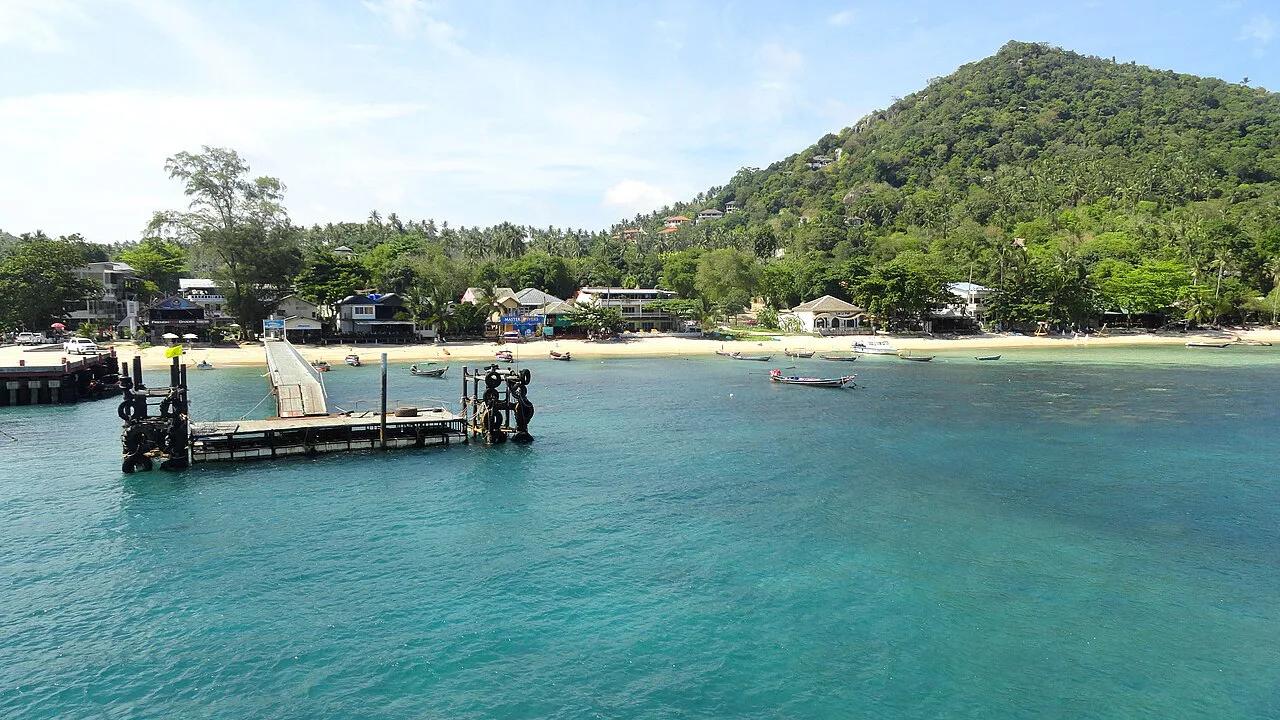
Featured image: David Sim, CC BY 2.0, via Wikimedia Commons.
Try dive Koh Tao: what it is and isn't
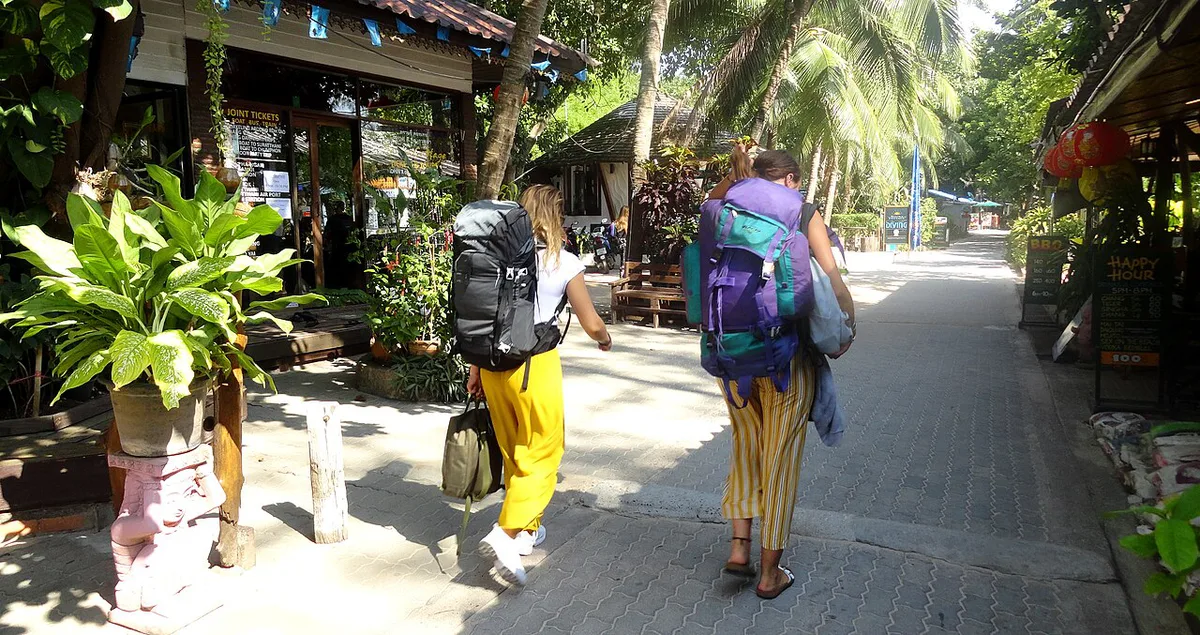
A try dive is the PADI Discover Scuba Diving program, which SSI centers call Try Scuba Diving. Built for people with no certification, it puts a professional instructor beside you for the whole session. Under PADI's Discover Scuba Diving program, non-certified participants stay at or above 12 m (40 ft). Koh Tao centers typically run a theory session, pool practice and two ocean dives. Certification does not follow. Some centers issue a certificate of completion instead. Several PADI centers say the credit counts toward Open Water if you enroll within 12 months. Terms differ by operator, so get the window in writing. Independent diving is off the table until you certify.
A typical try-dive day, hour by hour
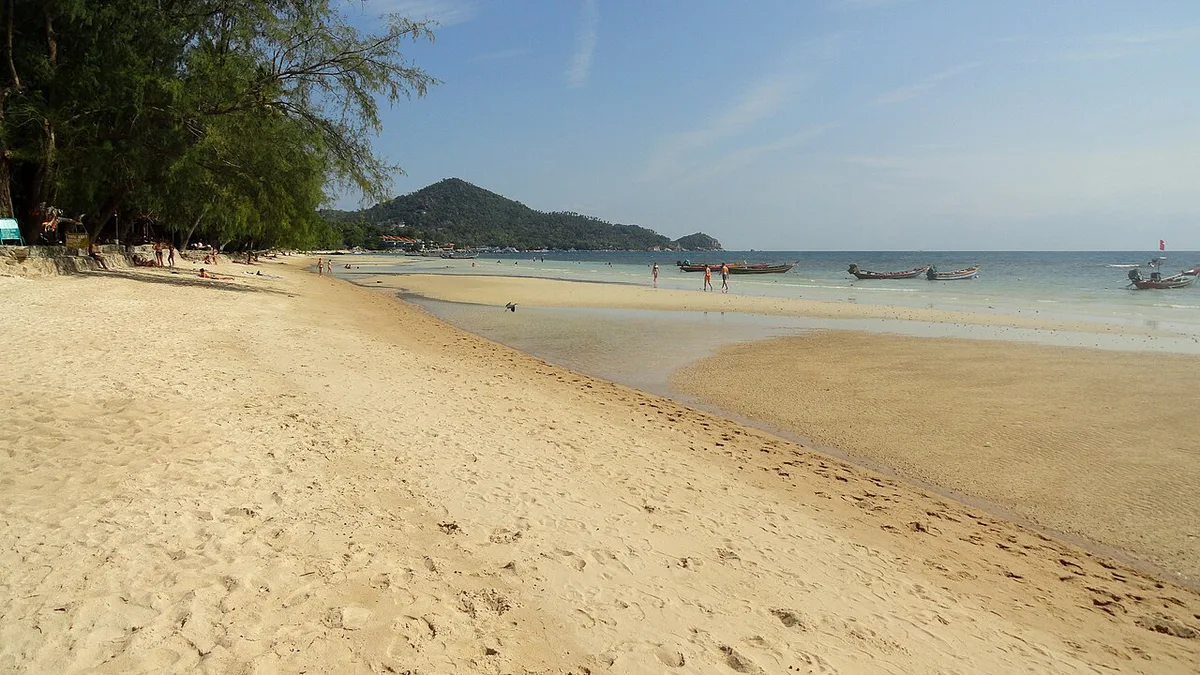
Schedules differ by operator. One PADI center starts with classroom basics at 8:30 AM and returns to the dive center around 4:30 PM. Another books the pool from 9:00 to 11:00 AM and ocean dives from 12:30 to 5:30 PM. Treat the list below as an example day only. Boat times shift with weather.
- 8:30 AM: meet your instructor and cover diving basics in the classroom
- 9:30 AM: pool session to try the equipment and practice a few skills
- 11:15 AM: break for lunch or rest
- 12:00 PM: boat out for two ocean dives, maximum depth 12 m
- 4:30 PM: back at the dive center
Try dive cost on Koh Tao and what changes the price
Prices and hours checked November 2026. Operators list a try dive at roughly 3,500 to 4,000 THB. An SSI center lists 3,800 THB for one day and two dives. Equipment and instructor are normally included. Photos, video and insurance may not be. Price gaps usually trace back to the factors below. Upgrading is the other cost to model. That SSI center adds 8,100 THB to move from the try dive to Open Water, for 11,900 THB in total.
Ask about credit before paying 8,100 THB extra, since some PADI centers let the try dive count toward Open Water within 12 months.
- Group size: one operator caps classes at 4 students per instructor
- Boat: a center's own vessel versus a shared trip
- Start: pool first or straight to open water
- Extras: photos, video and insurance
- Agency: PADI or SSI program rules
Try dive or Open Water?
Choose by time and certainty, not price alone. The figures below come from example PADI and SSI centers, so your operator may differ.
| Factor | Try dive | Open Water Diver |
|---|---|---|
| Duration | 1 day | 3 days (SSI example) |
| Dives | 2 ocean dives | 5 dives, 4 in open water |
| Max depth | 12 m | 18 m |
| Certification | None | Lifetime certification |
| Cost | 3,500 to 4,000 THB | 11,900 THB at one SSI center |
| Upgrade path | Credit within 12 months (PADI centers); 8,100 THB extra at one SSI center | Not applicable |
| Best for | Unsure divers with one spare day | Committed beginners with 3 to 4 days |
- Pick the try dive if you have one spare day or feel unsure about breathing underwater.
- Pick Open Water if you already know you want to dive and can spare three to four days.
Who can do it: age, health and swimming
Minimum age is 10. Every participant completes a medical questionnaire. Answer yes to any item and a physician must clear you before you dive. Tell the center about a recent cold, ear problems or pregnancy. Beyond that, leave medical judgment to your doctor. Swimming rules are inconsistent. Open Water at one SSI center expects a 10-minute float and a 20 m swim. A PADI center calls swimming ability recommended but not strictly required for the try dive. Confirm your swimming level with the center before booking.
Minimum age is 10, and a try dive still keeps you at or above 12 m (40 ft), so age is only one filter.
Insurance and safety basics
Basic accident cover is often bundled with beginner courses. At one SSI operator, included cover lasts 30 days. It pays up to 1,000,000 THB for death or permanent disability and up to 500,000 THB per accident in medical costs, including hyperbaric chamber treatment. Evacuation is excluded. You pay treatment costs upfront and wait 2 to 3 weeks for reimbursement. Separate dive insurance can add evacuation and trip cancellation. Diving carries inherent risk, and a professional briefing and small groups reduce it but never remove it. Terms are operator-specific, so read the policy wording.
How to choose a dive center
Price alone is a poor filter. Ask each center these questions before paying a deposit.
- How many students does each instructor take?
- Which languages does the briefing use?
- What condition is the rental equipment in?
- Do you dive from a boat or from shore?
- What is the weather and cancellation policy?
- How large is the deposit, and is it refundable?
- Will you put the upgrade credit in writing?
What to bring, and planning around ferries and flights
Bring a swimsuit, towel and sunscreen. Centers provide dive equipment. Lunch falls between the pool session and the boat. Arriving by ferry the same morning is risky for an 8:30 AM start, so a night on the island gives slack. Ferry times and fares change, so use the operator's current timetable. Flying needs a gap too. Follow the exact no-fly interval in Divers Alert Network guidance. Your instructor can tell you what your center applies.
Mistakes to avoid and your next step
Common mistakes are easy to avoid. After a good try dive, the natural step is Open Water over three days. The full range of Koh Tao dive courses shows where each level leads. Compare like with like when pricing: a two-dive try dive is not a five-dive course. Ready to certify? See the Open Water Diver course in Koh Tao. Advanced Open Water comes next once you hold the basic card. Already certified? Book fun dives for certified divers instead. Long term, the path runs toward Divemaster training for those who want to work in diving.
- Booking on price alone
- Skipping the medical form
- Not asking about the credit window
- Flying too soon after diving
- Comparing a 2-dive try dive with a 4-5 dive course
Try Dive, Snorkeling or a Fun Dive?
Choose snorkeling if you want to stay at the surface and see Koh Tao’s reefs without learning scuba skills. It can suit travelers who are unsure about breathing through a regulator or have only a short window ashore.
A try dive is the middle ground. It includes two instructor-led ocean dives and keeps non-certified participants at a maximum of 12 m. You practice before entering the sea, then stay with a professional instructor throughout.
A fun dive is for divers who already hold certification. It is not a substitute for a beginner session, because independent diving requires the training that a one-day try dive does not provide.
If you have one spare day and want to test scuba calmly, book the try dive. If you already know you want a diving qualification and have 3 to 4 days, Open Water is usually the better route.
Notes for your next dive trip
Optional updates to our Thai diving guides.
You might also like
Continue reading
More guides you'll find useful