Reef Safe Sunscreen in Thailand: National Park Rules and What to Buy
Thailand restricts some sunscreen ingredients in national parks. Learn which to avoid, what to pack or buy, and how to protect your skin and the reef.
On this page
Last updated November 2026: reef safe sunscreen Thailand rules turn on the ingredient list, not the front-of-bottle label. National parks, marine parks included, restrict a short list of UV filters. This guide separates the legal rule from best practice and gives a clear decision for each type of trip. For background on what the rule protects, start with Thailand's coral reef systems.
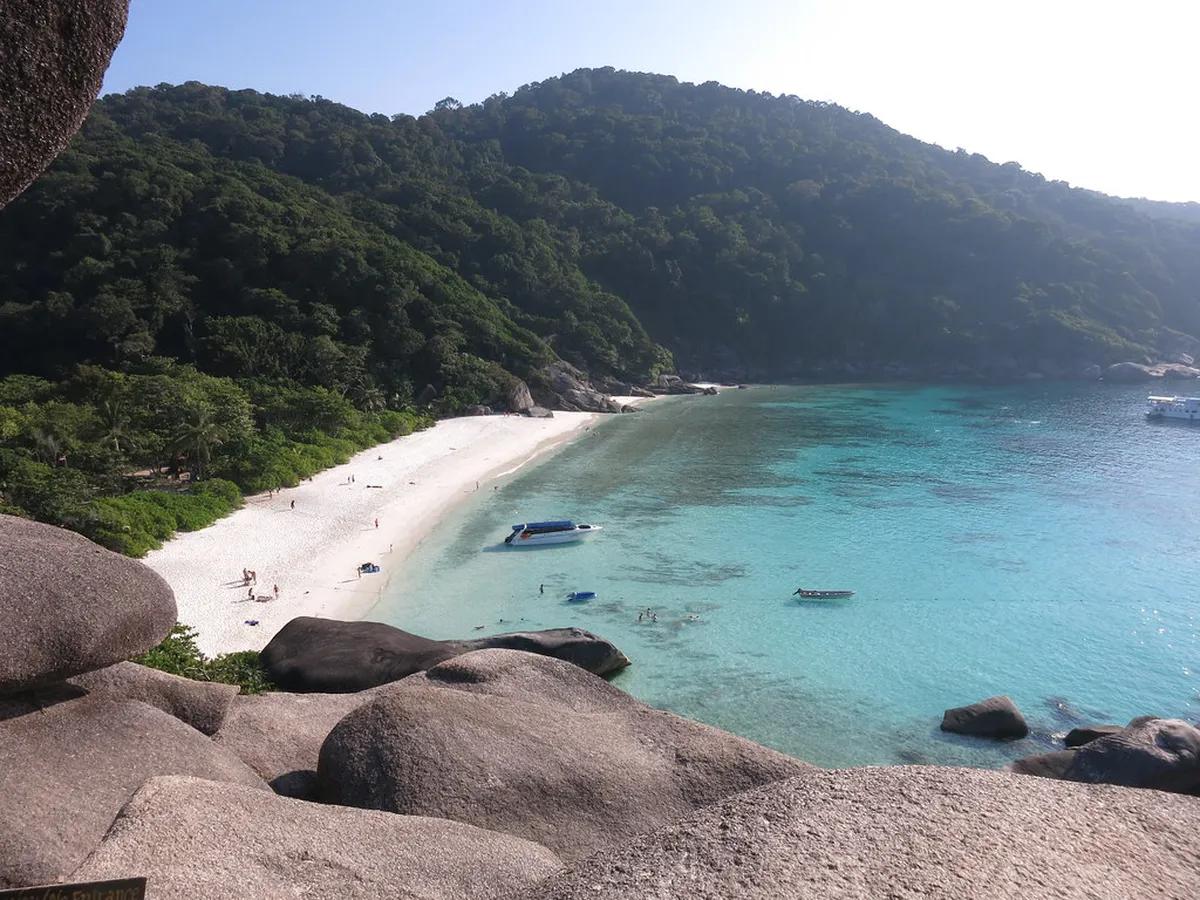
Featured image: lakshmioct01, CC BY 2.0, via Flickr.
Quick answer: can you use your sunscreen in Thailand's parks?
Not all sunscreen is banned. Park rules target specific UV-filter ingredients, and four are widely reported: oxybenzone, octinoxate, 4-methylbenzylidene camphor (4-MBC) and butylparaben. A bottle marked "reef safe" can still contain one of them. Read the ingredient list at the hotel, before a boat or park ticket is involved. For park days, pack a mineral sunscreen whose only active ingredient is non-nano zinc oxide. Rules are published by the Department of National Parks, which is the body to check for current wording.
Thailand's national park sunscreen rules
A nationwide decree published in the Royal Gazette became enforceable on 4 August 2021. It forbids sunscreens and cosmetics with the listed ingredients from being used in, or brought into, national parks. Reported fines reach up to ฿100,000. Whether that applies per person or per bottle is unclear, so treat it as a ceiling rather than a price list. Rules checked November 2026, and the exact decree wording is worth confirming with the Department of National Parks before a big trip.
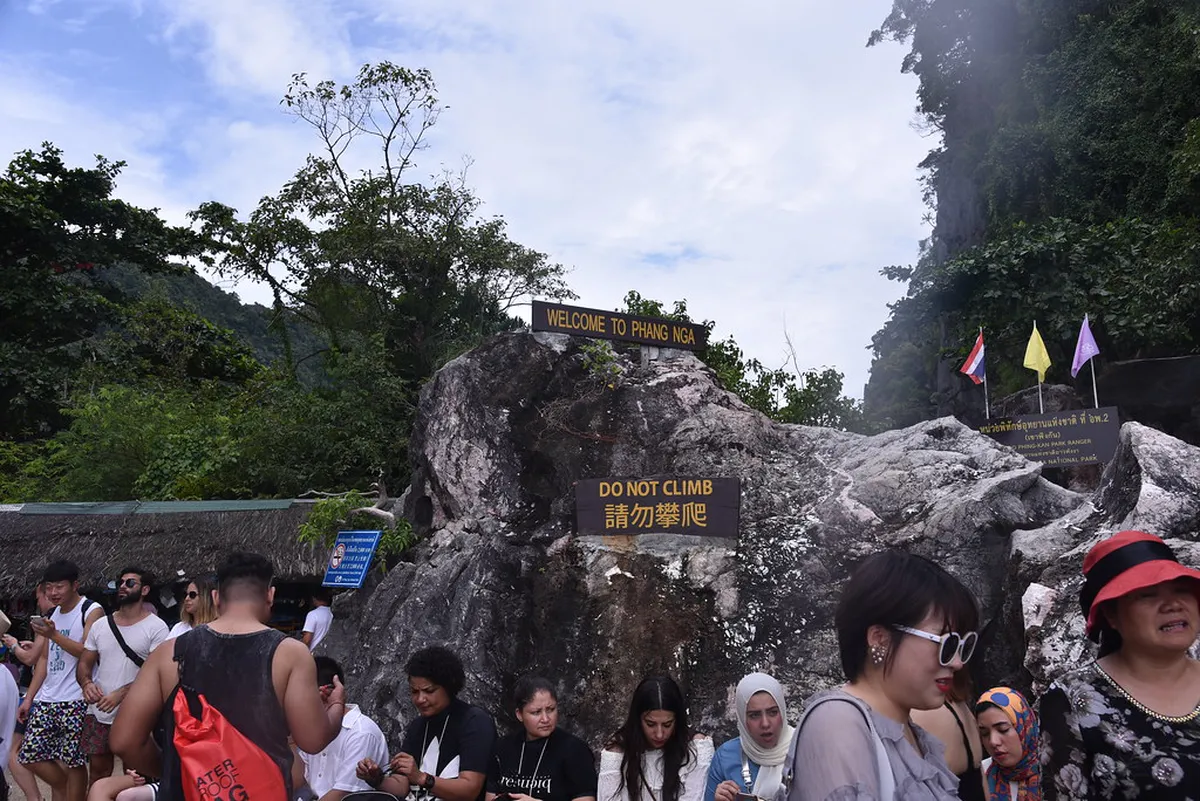
Scope is the common question. The decree names marine parks several times, but its key sentence covers all national parks. Plan as if it applies to every park, land or sea. Enforcement is mostly practical. Park staff, tour guides and boat crews may ask about bags or ask you not to apply a product. Comply on the spot and argue later, if at all.
- Legal list (widely reported): oxybenzone, octinoxate, 4-MBC, butylparaben.
- Scope: use inside parks and bringing products into parks.
- Reported maximum fine: ฿100,000.
- In force since: 4 August 2021.
What "reef safe" does and doesn't mean
"Reef safe" and "reef friendly" are marketing terms. No government or regulator defines them, so two bottles with the same claim can carry different filters. Legal compliance and ecological ideal are also different things. The park rule bans four ingredients. Wider advice from retailers and scientists adds others, such as octocrylene and homosalate, and that advice is not necessarily law.
Studies summarized by NOAA's coral research suggest some UV filters can harm coral. Keep that in proportion. Sunscreen is one stressor beside warming seas, anchors and debris. Heat-driven damage is covered in our guide to coral bleaching in Thailand.
Ingredients to avoid vs. look for
Match the active-ingredient panel against this table. Compliance cells say "verify label" because formulas change between batches and countries. Mineral products often leave a white cast, so rub them in at the hotel and test the feel before a boat day.
| Ingredient type | Park-compliant? | White cast | Water resistance and reapplication |
|---|---|---|---|
| Non-nano zinc oxide | Not on the four-ingredient list; verify label | Usually visible | Read the label; reapply after swimming |
| Non-nano titanium dioxide | Not on the four-ingredient list; verify label | Often visible | Read the label; reapply after swimming |
| Oxybenzone, octinoxate, 4-MBC | No; these are on the legal list | Usually none | Not relevant for park entry |
| Butylparaben (in lotions, lip balm, makeup) | No; also on the legal list | None | Check moisturizers and cosmetics too |
| Octocrylene, homosalate and similar | Not on the reported legal list; verify label | Usually none | Best-practice avoid, not a confirmed legal rule |
- Look for: non-nano zinc oxide or non-nano titanium dioxide as the active ingredient.
- Avoid in parks: oxybenzone, octinoxate, 4-MBC, butylparaben anywhere on the panel.
- Treat "nano" and "natural" claims as unverified until the ingredient list agrees.
Which trip are you taking?
Match your plan to the table, then apply sunscreen on shore. Putting it on at the pier or on deck sends it straight into the water you came to protect.

On a Similan Islands liveaboard, tour guides are reported to refuse banned products, so pack only compliant bottles. A Koh Tao dive course adds days of repeat water contact. Wear a rash guard, and see how local divers work in our guide to Koh Tao Marine Conservation: How to Take Part. Park access can also change fast, as the Koh Tachai closure showed.
| Trip type | What to do | Where to buy | Mistake to avoid |
|---|---|---|---|
| Day-trip snorkel boat | Cover up with a rash guard and hat; mineral sunscreen on exposed skin, applied at the hotel | Before the trip, or from the tour operator | Applying at the pier |
| Liveaboard (e.g., Similan Islands) | Pack only compliant products for the whole trip | Bring from home or buy on the mainland | Packing a lip balm or moisturizer with a banned ingredient |
| Koh Tao dive course | Wear full-coverage exposure protection; reapply mineral sunscreen on the surface | Dive shops and island shops; limited choice | Waiting to shop on the island |
| Beach day outside a park | Park rule may not apply, but mineral sunscreen is still the better choice | Pharmacies and supermarkets | Assuming a natural label is compliant |
| Hotel inside a park | Treat the whole stay as park use | Bring from home | Using a travel-size bottle you did not check |
Where to buy reef safe sunscreen in Thailand
Compliant sunscreens are sold in several channels: pharmacies, supermarkets, dive shops, island shops, hotels, tour operators and online. Remote islands may stock fewer options and charge more. Buy before you leave the mainland, and read the label in the shop. Prices and stock change, so none are quoted here.
Lazada delivery takes 3 to 5 business days, so a Koh Tao dive course that starts on arrival needs a bottle packed from home.
As one locally made example, Reef Repair sells a zinc oxide sunscreen listing 25% non-nano zinc oxide and "up to" 80 minutes of water resistance. It lists an outlet on Koh Tao and sells through Lazada, with delivery quoted at 3 to 5 business days. Treat that as an example, not an endorsement. Any product that passes the label check works.
- Pack from home: your preferred mineral sunscreen, a lip balm, and a face moisturizer with SPF, all checked.
- Buy in Thailand: pharmacies and supermarkets on the mainland, dive shops on the islands.
- Order online: allow several days for delivery to a hotel.
Protect the reef beyond sunscreen
Fabric is the simplest fix. A long-sleeve rash guard, leggings, a hat and shade cut the amount of sunscreen you need. Schedule beach time outside the midday peak when you can. Reapply after swimming and follow the label directions.
Sunscreen is a small part of reef health. Debris is another. Join a cleanup through Dive Against Debris surveys, or read how our debris dive guide works in Thailand. Longer stays suit marine conservation volunteering. Nesting beaches are covered in our page on turtle conservation projects.
Common mistakes
Most problems come from assumptions made at the pier. Fix them at home, with the bottle in your hand.
Reported fines reach up to ฿100,000, and the ban reportedly covers cosmetics, so check moisturizers and lip balm at home.
- Trusting "reef safe" or "natural" labels: read the active and inactive ingredient panels.
- Forgetting cosmetics: the ban reportedly covers cosmetics, so check moisturizers, lip balm and makeup.
- Choosing spray or aerosol: mist drifts onto water and neighbors, so apply cream or stick instead.
- Applying at the pier: put it on at the hotel and let it dry.
- Skipping the bag check: expect guides to look, and comply if they ask.
- Leaving it to the island: choice may be thin, so bring a checked bottle.
Frequently Asked Questions
Is there a difference between reef friendly and reef safe sunscreen?
Not in law. Neither term is regulated, so each brand decides what it means. Compare ingredient lists against the park rule instead.
What are some popular sunscreen brands in Thailand?
Stock varies by shop and island, so brand names matter less than the label. Choose a non-nano zinc oxide formula without the four listed ingredients. Locally made options exist, such as Reef Repair.
Notes for your next dive trip
Optional updates to our Thai diving guides.
You might also like

Continue reading
More guides you'll find useful