Reef Sharks in Thailand: Where to See Blacktips (Guide)
Where to see blacktip reef sharks in Thailand, best season, how to get there, safety, and honest odds of a sighting, with site comparisons.
On this page
Last updated November 2026: reef sharks in Thailand are real, and the blacktip reef shark is the species most often reported on shallow coral. Sightings off Phi Phi, around Koh Tao and in the Andaman parks are possible but never guaranteed, and sea conditions decide a lot. For the full species list, start with our overview of sharks in Thailand.
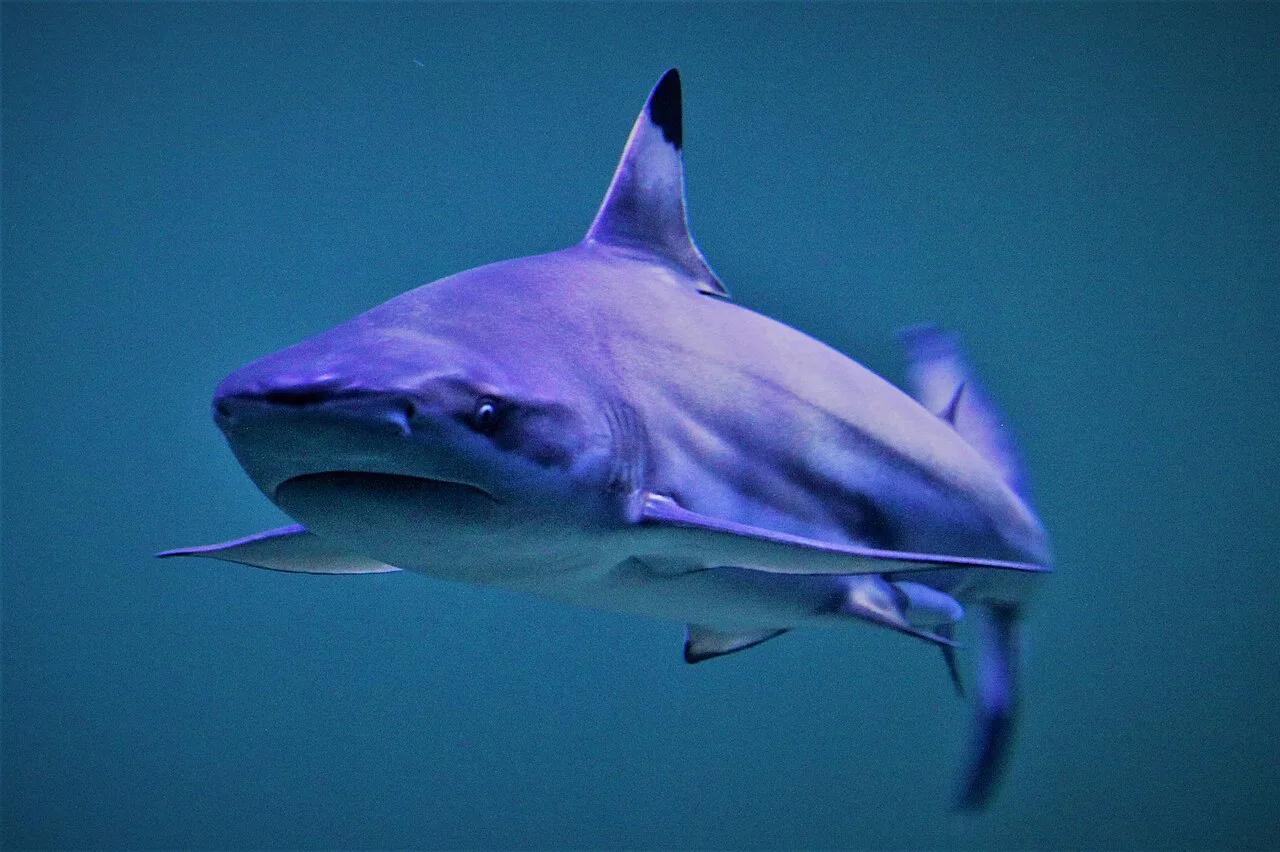
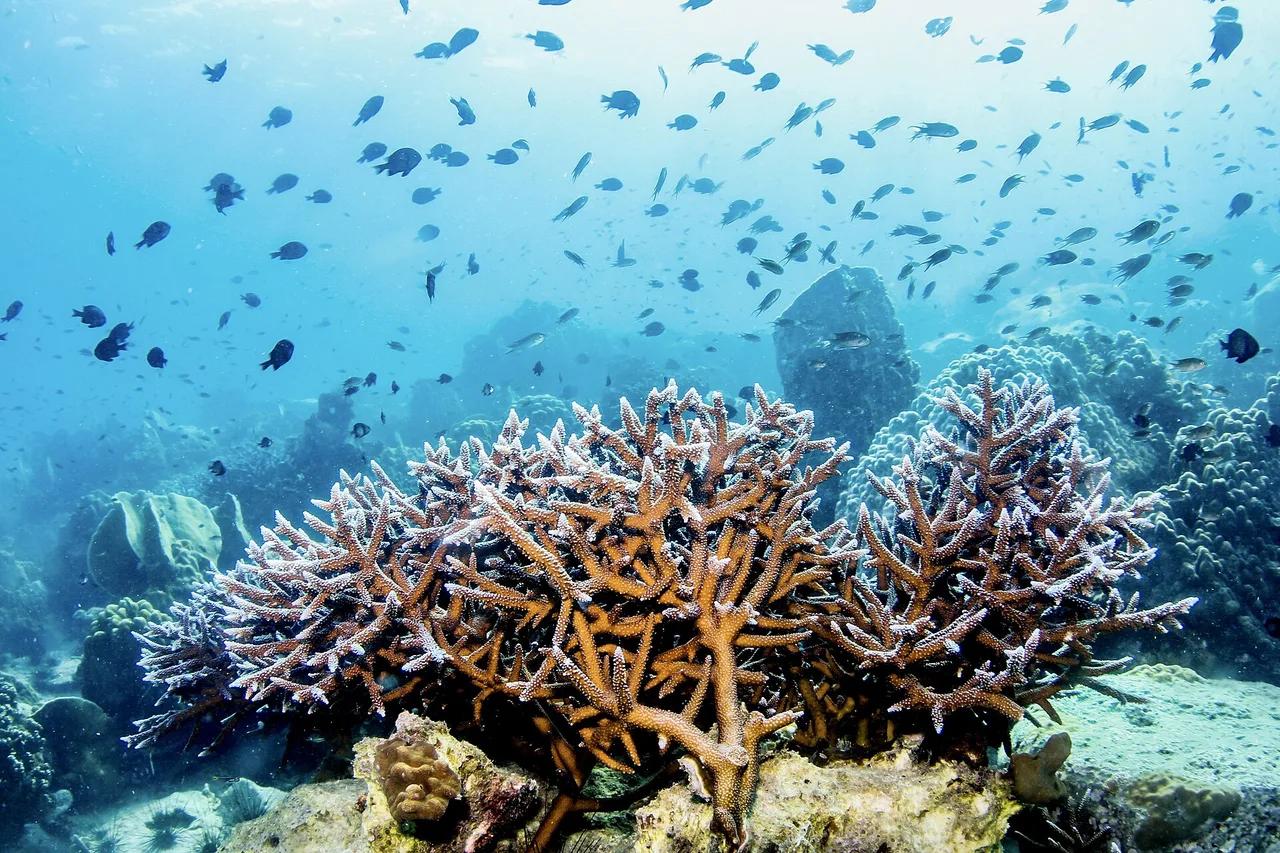
Featured image: Memurubu, CC BY-SA 4.0, via Wikimedia Commons.
Reef sharks in Thailand: the quick answer
Yes, you can see reef sharks in Thai waters. Blacktip reef sharks are the ones most often reported, and they are small, shy and tied to shallow coral. Whitetip and gray reef sharks are reported at some Andaman dive sites, but far less often. Blacktips usually swim away when approached, so they are a wildlife moment rather than a threat. Sightings depend on season, tide and luck. The easiest shallow-water attempt is Blacktip Reef Shark Point off Long Beach on Phi Phi Don, where some visitors see one or two sharks and others see none.
Which reef sharks can you actually see?
Blacktip reef sharks grow to roughly 1.5–1.6 m (about 5 ft). Dark tips on the fins give them their name. They patrol shallow reefs hunting small fish and rarely show interest in people. Conservation status is tracked on the IUCN Red List. Several sharks people expect to find on a reef belong elsewhere. Bamboo sharks are small bottom dwellers that hide among coral and rock. Leopard sharks, properly called zebra sharks, rest on sand near reefs, and our leopard shark guide covers them. Whale sharks are filter feeders that reach about 12 m, and they have their own page on whale sharks in Thailand. Bull sharks live in deeper offshore water, as described in our bull shark guide.
Best places to see reef sharks in Thailand, compared
Access and skill level matter more than the map. Use this table to match a site to your experience. Reliability wording reflects commonly reported patterns, not counts. Whitetip and gray reef shark reports at Andaman sites are less consistent than blacktip reports, so ask dive shops what they have seen lately.

| Site | Access | Skill level | Best season | Sighting reliability | Suits |
|---|---|---|---|---|---|
| Blacktip Reef Shark Point, Phi Phi Don | Swim out from shore or boat; snorkel or dive | Confident snorkeler to diver | Nov–Apr | Common but not guaranteed | First-timers, short trips |
| Koh Tao dive sites | Boat; dive only | Beginner to intermediate diver | Ask local shops | Varies by site and day | Divers based in the Gulf of Thailand |
| Similan Islands | Liveaboard or boat trip; dive | Intermediate diver | Dry season | Reef sharks reported; not guaranteed | Divers on a dedicated trip |
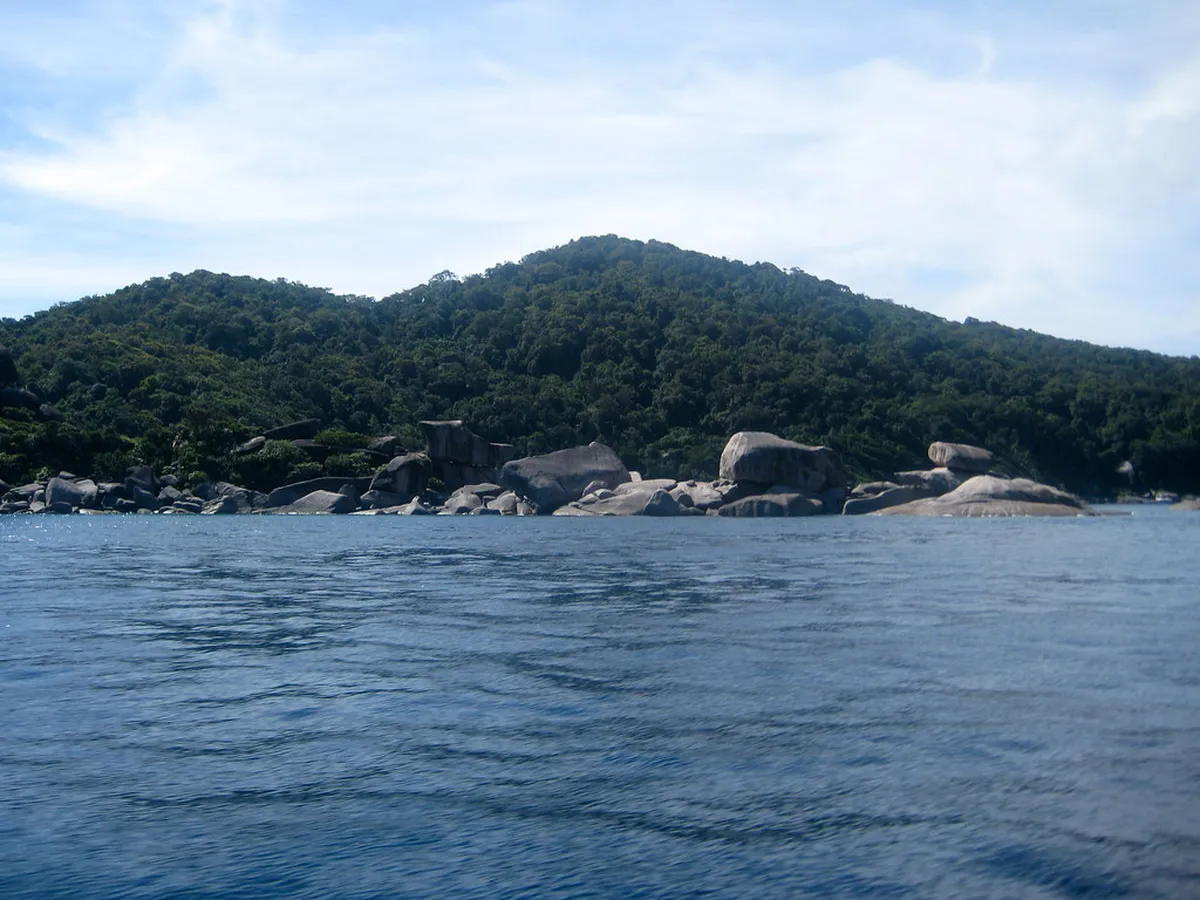
| Surin Islands | Boat; remote | Experienced snorkeler or diver | Dry season | Blacktips reported; treat as a lead | Travelers who accept remote logistics |
| Richelieu Rock | Boat; dive only, currents | Experienced diver | Dry season | Better known for big pelagics | Advanced divers |
Blacktip Reef Shark Point on Phi Phi: how to do it well
Blacktip Reef Shark Point sits just off Long Beach on Phi Phi Don. Shallow water and healthy coral make it workable for snorkelers as well as divers. Dive shops and longtail operators in Tonsai village run regular trips, so booking on the island is easy. Our Phi Phi shark guide covers the wider island. Long Beach is about 450 m (roughly 1,500 ft) from the point on foot, and several hotels sit 4–10 minutes' walk away. Some visitors swim out from shore. One reviewer swam out about 1.5 to 2 hours after high tide, crossed shallow rocks and met choppy water and steady boat traffic. That swimmer turned back before seeing a shark. Mornings are calmer, with better visibility before boats arrive, and the site fills up at peak hours.
When to go
The dry season, roughly November to April, gives the most reliable sea conditions and water clarity around Phi Phi. December to February is peak season, with very high crowds, so early starts matter. May to October brings rough crossings, storm swell and reduced visibility. Air temperatures hover between 25 °C and 32 °C (77–90 °F) across the year. Early morning is the best window for calm water and fewer boats. Koh Tao follows its own pattern for big animals, and whale shark sightings there are most likely between March and June.
Getting there and what it costs
Phi Phi has no cars and no airport. Most boats land at Tonsai pier on Phi Phi Don, and longtail taxis run on to Long Beach. Fares below are prices and hours checked November 2026, so ask the operator or pier for current rates. Staying on Phi Phi cuts transfers, while a day trip from the mainland costs ferry time both ways. If you are based elsewhere, use our Phuket shark guide or our Koh Lanta shark guide to plan the crossing. On the water, a shore swim is the cheapest option. A half-day boat tour costs more, and a dive costs the most. No reliable baht figures exist for tours or dives, so compare quotes from two or three Tonsai operators.

- Phuket Rassada pier: about 2 hours by ferry for ฿450–700, or about 1 hour by speedboat.
- Krabi Klong Jilad pier: about 2 hours by ferry for ฿450–500, or about 1 hour by speedboat.
- Koh Lanta: about 30 minutes by speedboat, with an all-year service.
Are reef sharks dangerous? Safety and etiquette
Shark attacks in Thailand are reported as extremely rare, and blacktip reef sharks are timid. Good habits still matter. Never chase, touch or feed a shark, and keep your distance. Pick operators that follow wildlife guidelines. Wear a rash guard and reef-safe sunscreen for long sessions in the water. Near shore, watch for boat traffic, because longtails are a bigger hazard than sharks. If you feel nervous in open water, join a guide rather than swimming out alone.
Set honest expectations: sightings are not guaranteed
Visitor reports at Phi Phi split into three groups. Some people see one or two sharks pass quickly. Others make two visits and see none. Plenty still rate the reef highly for fish and coral. Treat any shark as a bonus. If the sharks do not show, nearby Monkey Bay is a small limestone cove where the snorkeling starts at the boat. Check access with your operator on the day.
Mistakes that cost you the sighting
Most disappointing trips share the same few errors. Avoid these.
- Swimming out in choppy water or through boat lanes.
- Going at midday in December to February.
- Expecting a guaranteed sighting.
- Visiting in the May to October monsoon months.
- Chasing or touching a shark for a closer look.
Which option fits you?
Match the site to your comfort in the water.
- Nervous snorkeler: take a guided boat trip to Phi Phi rather than swimming out.
- Family: stay in the shallows off Long Beach with a guide and a lifejacket.
- Beginner diver: Phi Phi or Koh Tao dive sites with a local shop.
- Experienced diver: Similan Islands, Surin Islands or Richelieu Rock; check Thailand's national parks department for park rules.
- Short on time from Phuket or Krabi: a 1-hour speedboat to Phi Phi.
- Koh Tao based: dive with your shop and ask what has been seen recently.
Frequently Asked Questions
What sharks are there in Thailand?
Blacktip reef sharks, bamboo sharks and zebra (leopard) sharks are the ones most often reported. Whale sharks appear at some sites, and larger species such as bull sharks are rarer. Our sharks in Thailand guide covers each one.
Is it safe to snorkel with reef sharks?
Blacktip reef sharks are small and shy, and they usually swim away. Keep your distance, never touch them, and go with a guide if you are nervous. Watch for boat traffic near shore.
Notes for your next dive trip
Optional updates to our Thai diving guides.
You might also like

Continue reading
More guides you'll find useful