Phi Phi Sharks: Where to See Blacktip Reef Sharks (2026 Guide)
Where to see sharks on Koh Phi Phi: blacktip reef sharks, Shark Point vs tours, best times, costs, access and safety. Sightings aren't guaranteed.
On this page
Last updated November 2026. Phi Phi sharks are most often blacktip reef sharks, which snorkelers meet in the shallows off Long Beach on Phi Phi Don. Sightings are never guaranteed and depend on tide, time of day and boat traffic. This guide covers where to go, how to get there, what it costs and how to stay safe, with links to our wider Thailand shark guide.
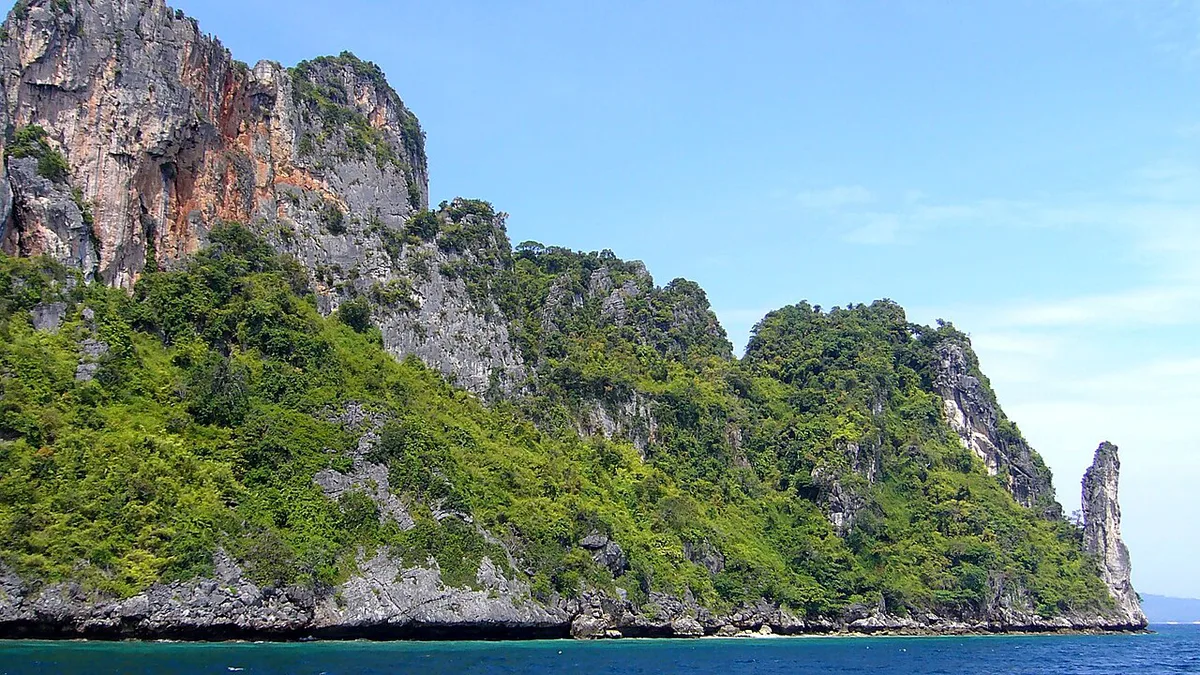
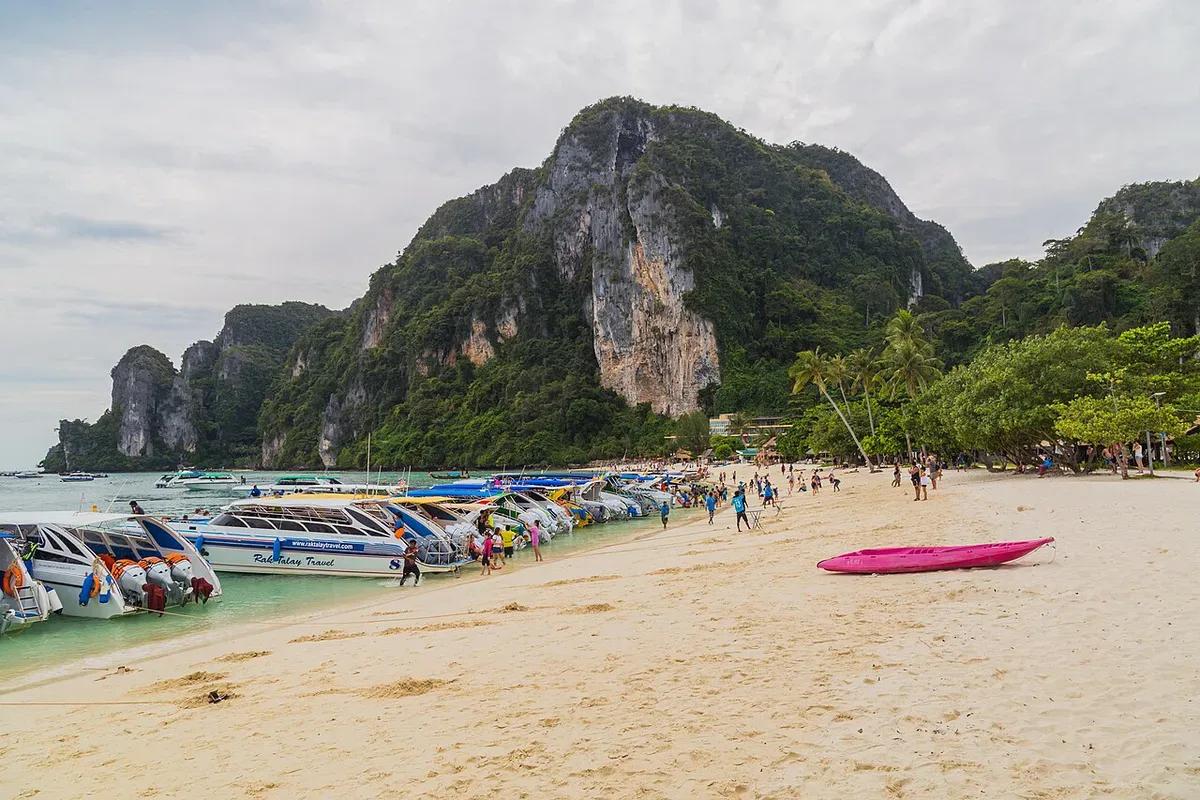
Featured image: yeowatzup, CC BY 2.0, via Wikimedia Commons.
Quick answer: sharks at Phi Phi
Blacktip reef sharks are the species snorkelers most often meet around Koh Phi Phi. They are usually small, shy and quick to swim off. Reef sharks of this kind are generally regarded as harmless to people, according to IUCN Red List species data, though any wild animal deserves distance. Plan on a good chance rather than a promise. Some visits produce several sharks in a single swim, and others produce none. Early morning gives the best odds because boats are fewer.
Shark Point: which one do you mean?
Two different places share this name, and mixing them up leads to booking the wrong trip. On Phi Phi Don, Shark Point is a shallow snorkel spot in front of a dive center on the southern part of Long Beach. Blacktip reef sharks are the main draw there. Phuket-side dive operators use the same name for a deep dive site reached by a full-day boat trip. That site is named for leopard sharks, and divers describe currents that can be strong. If leopard sharks are your goal, read our leopard shark guide first. Check which Shark Point a tour is selling before you pay.
How to get to the Long Beach snorkel spot
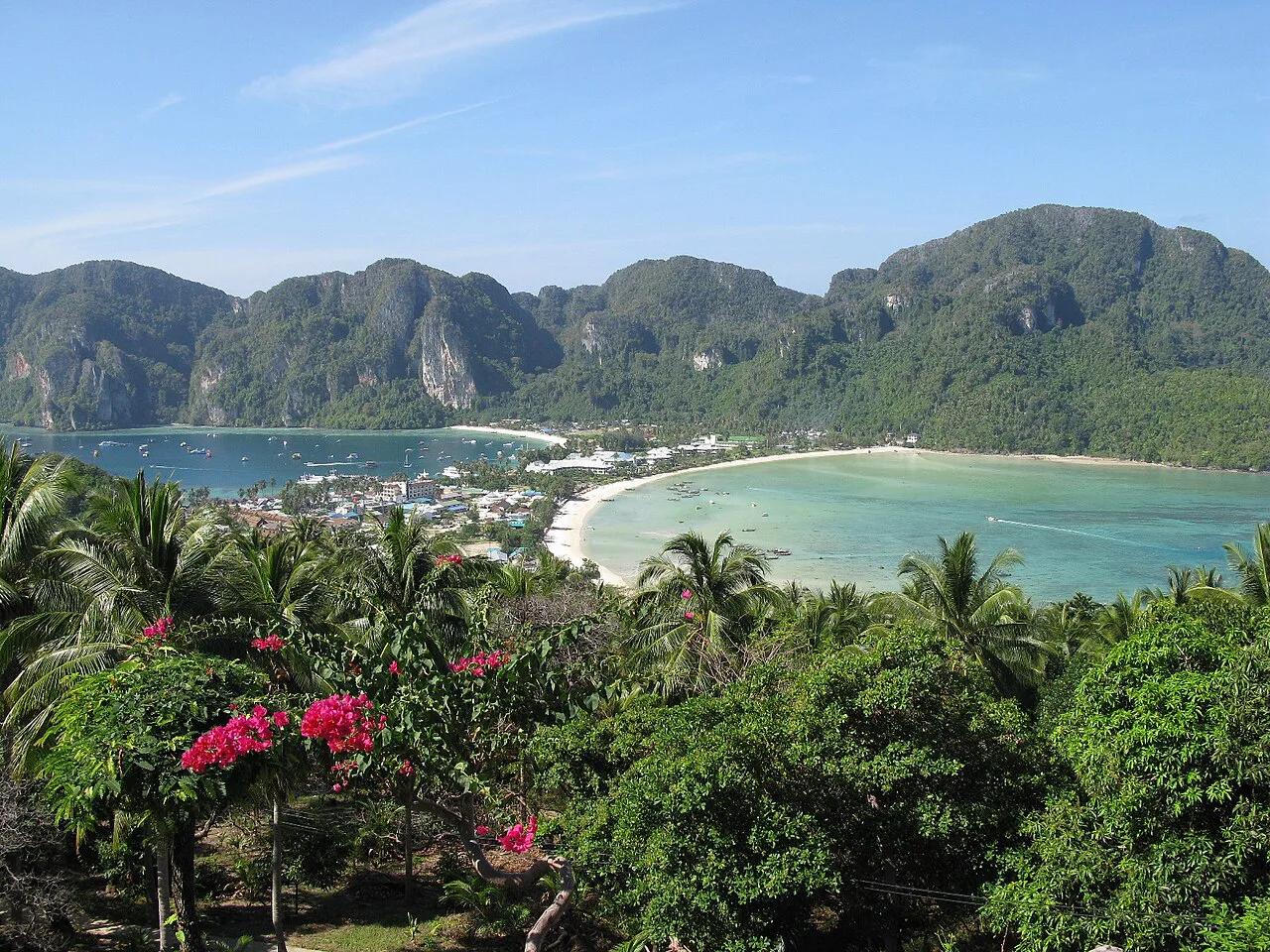
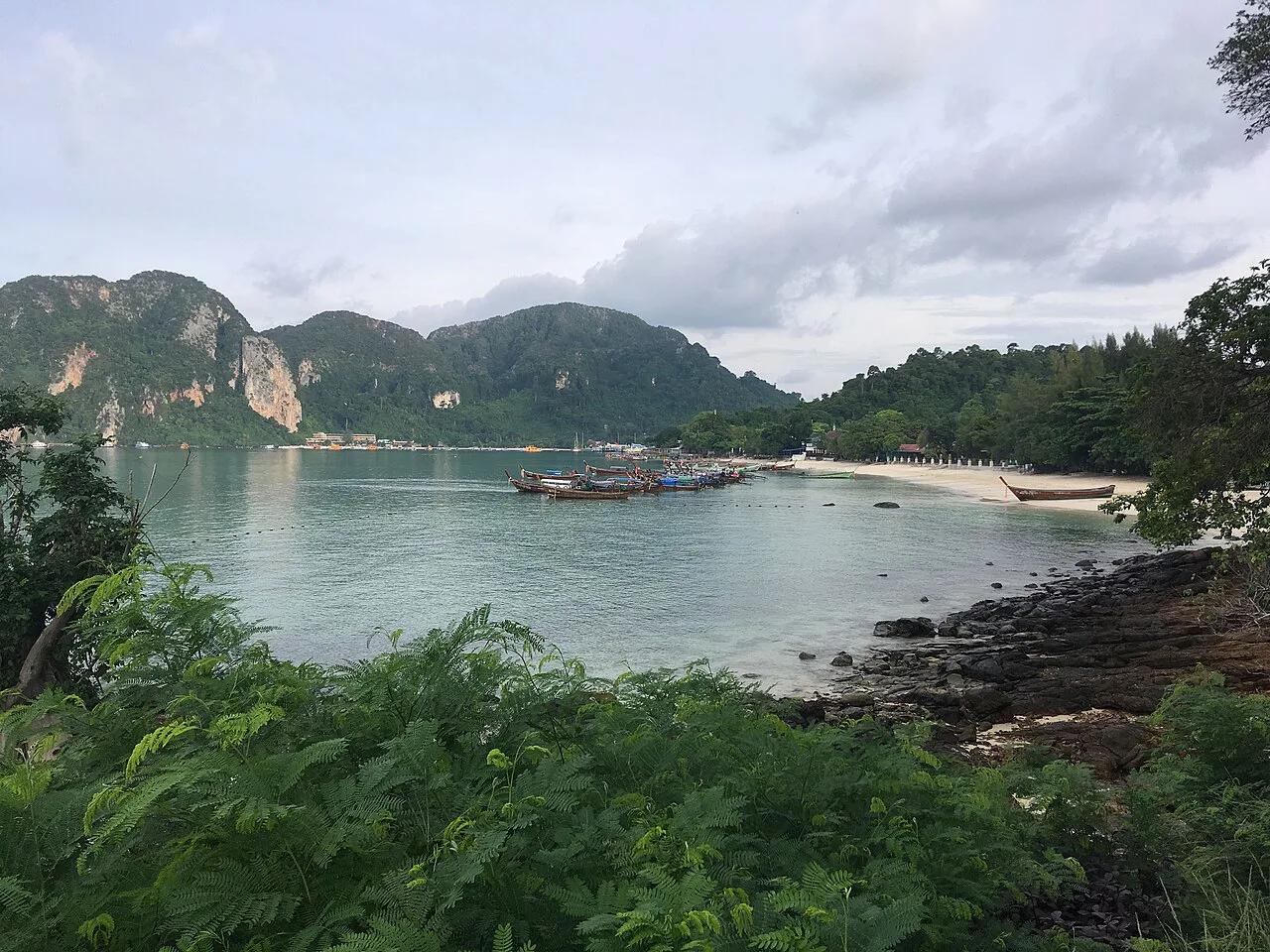
Long Beach lies southeast of Tonsai Pier. A longtail taxi boat from Tonsai takes about 5 minutes. Operators have quoted ฿100 per person by day and ฿150 after 18:30. Walking the coastal path takes about 30 minutes. Locals point the way via Bayview Resort and Viking Nature Resort, then a short, steep jungle descent of about 20 m to the sand. The inland road takes about 45 minutes, climbs steeply and shares space with 200+ motorbikes, so watch for fast traffic. Staying on the north side of the island raises taxi prices, so head to Tonsai first. Once on Long Beach, walk to the far southern end and look for the dive center.
- Longtail taxi: about 5 minutes, easiest option for weak swimmers
- Coastal path: about 30 minutes on foot, with a steep descent at the end
- Inland road: about 45 minutes uphill, shared with motorbikes
Best time to go
Time of day matters most. Dive-center advice puts the quietest window at about 6:00 to 8:00 am, with a second lull around 17:00 when day tours leave. Treat that as operator advice, since conditions shift daily. Boat count comes second. Midday can get crowded, although gaps between tour waves do occur. Tide is a trade-off. More water makes sharks easier to see, but a very high tide can bring currents. A very low tide pushes you farther from the rocks and makes getting in and out trickier. Ask at the dive center on arrival about current conditions and recent sightings.
Early visits fit the 6:00 to 8:00 am lull, and a longtail taxi from Tonsai has been quoted at ฿100 by day but ฿150 after 18:30.
Ways to see Phi Phi sharks compared
Four options cover most travelers. Prices are examples from operator listings and rise or fall by season. Sharks are a stop rather than the focus on most island-hopping tours. Staying in Phuket? Our Phuket shark guide covers the mainland-side options.
| Option | Cost example | Time | Swimming skill | Sighting odds | Best fit |
|---|---|---|---|---|---|
| Self-guided from Long Beach | ฿100 taxi each way, gear ฿50 per item | 1 to 2 hours | Confident, with life jacket | Fair, best early | Independent snorkelers on Phi Phi |
| Phi Phi-based private or small-group trip | Quote from operator | Short, flexible | Basic | Fair to good, never certain | Families and weak swimmers |
| Island-hopping day tour | Quote varies by operator | Full day | Basic | Lower, shark stop is brief | Short itineraries |
| Scuba day trip from Phuket | ฿4,200 for 3 dives, park fee extra | About 11 hours | Certified diver | Leopard sharks likely, blacktips possible | Divers, or Discover Scuba beginners |
Costs and gear
Prices checked November 2026 from operator listings; use them as guides only. A bar near Shark Point has listed masks, fins and life jackets at ฿50 each, with a ฿1,000 deposit. A private longtail from the same bar has cost ฿500 for two people, with a one-hour wait. That suits children and weak swimmers. Phi Phi sits in a national marine park, and a Phuket dive operator lists a ฿600 park entry fee paid to rangers on the day. Whether independent snorkelers pay it is a question for the Department of National Parks. A Phuket dive day trip is listed at ฿4,200 for three dives, with pickup around 7:00 am, departure from Chalong pier at 8:00 am and return by 6:30 to 7:00 pm. Rental equipment and the park fee cost extra.
Two people paying the ฿100 per person daytime taxi rate spend ฿200, so the ฿500 for two people private longtail costs more.
Safety and hazards
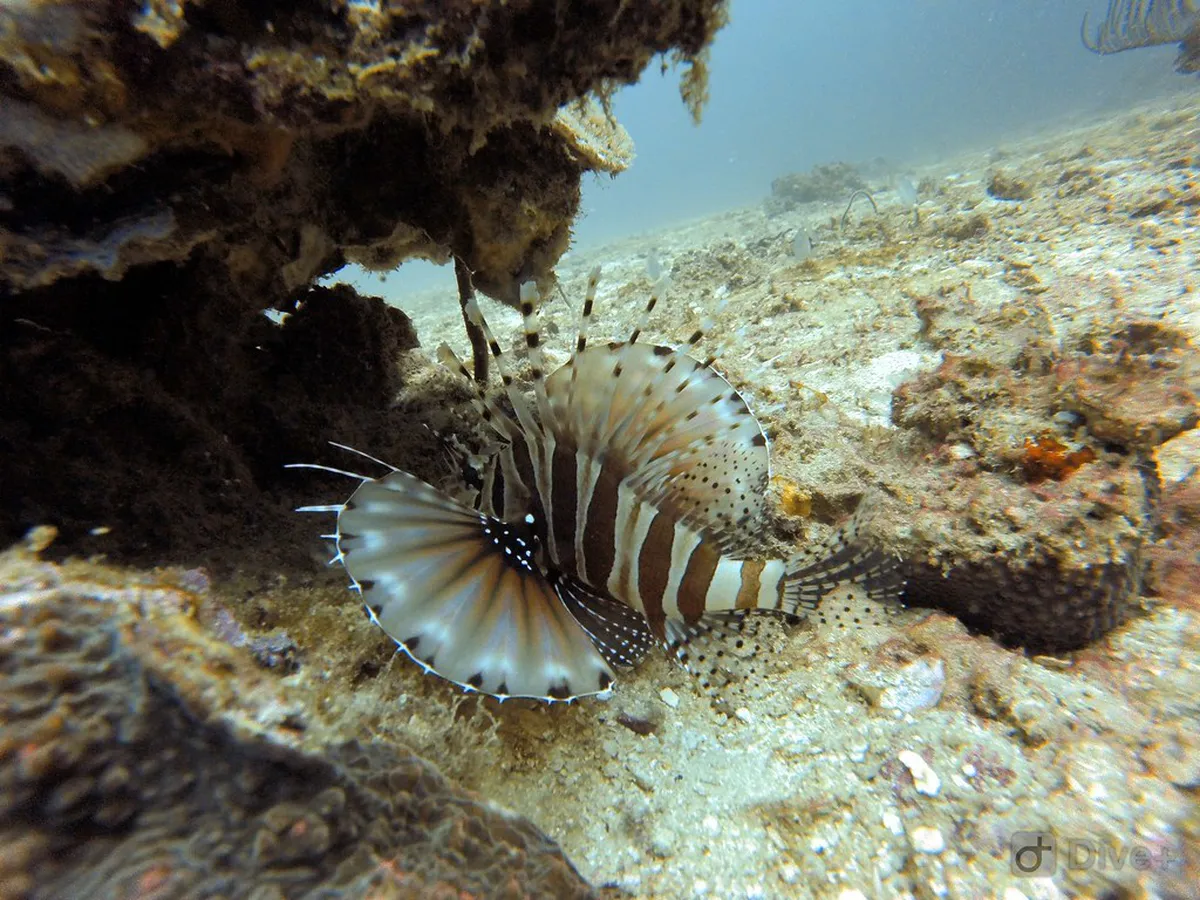
Boat traffic is the biggest hazard, ahead of the sharks. Do not snorkel in the boat channel between shore and the first rocks. Cross it quickly, then stay near the middle rock. Sea urchins are common along reefs on Phi Phi Don and Phi Phi Leh, so avoid standing on coral. Cone shells carry a toxic sting, so never pick one up. Lionfish, scorpionfish and sea snakes are venomous but normally leave you alone. Jellyfish blooms happen on some days along the Andaman coast. After any sting, leave the water and get medical help fast. Then contact your travel insurer. Dive-center staff on Long Beach are trained in first aid for marine injuries. Children and weak swimmers should wear a life jacket or hire a boat.
Shark etiquette and rules
Never feed, touch, chase or surround a shark. Feeding marine wildlife is prohibited in Thailand's protected marine areas, and park rules are set by the national park authority. Sharks that feel cornered swim away, so slow movement gets you closer than swimming hard. On sighting one, stop and hold still. Avoid loud splashing. Stay off coral. Skip midday peak hours and do not count on a single visit. Anyone who needs a guaranteed sighting, cannot swim, or wants an empty beach should skip this spot. Beginners who want a closer look can try a half-day Discover Scuba program.
What else you might see, and where to go next
Snorkelers off Long Beach report leopard sharks, honeycomb morays, juvenile sweetlips, stonefish and schools of barracuda and trevally. Nudibranchs and decorator spider crabs reward slow swimmers. Whale sharks are rare in these waters, so read our whale shark guide before chasing one. Divers can learn more about reef sharks in Thailand before booking. For different species, see bull shark sites. Other bases include Koh Tao and Koh Lanta.
Frequently Asked Questions
Can I snorkel at Phi Phi Island?
Yes. Long Beach on Phi Phi Don has a popular snorkel spot where blacktip reef sharks are often seen. Wear a life jacket if your swimming is weak, and stay out of the boat channel.
Are reef sharks aggressive?
Blacktip reef sharks are generally shy and swim away from people. Incidents are rare, but they remain wild animals. Keep your distance, never chase or touch them, and avoid splashing.
What sharks are there in Thailand?
Blacktip reef sharks are the most common snorkeling sighting. Leopard sharks appear on dive sites, and whale sharks are rare visitors. Our Thailand overview covers other species.
Notes for your next dive trip
Optional updates to our Thai diving guides.
You might also like
Continue reading
More guides you'll find useful