Koh Tao Sharks: Where, When and How to See Them
Koh Tao sharks guide: where to snorkel blacktip reef sharks, when whale sharks are possible, dive vs. snorkel trade-offs, and responsible viewing tips.
On this page
Last updated November 2026. Koh Tao sharks are mostly blacktip reef sharks, and juveniles are the ones you can reach from the beach in shallow bays. Whale sharks are possible but never guaranteed, and divers meet them offshore far more often than snorkelers do. "Shark Bay" and "Shark Island" are place names, so neither one promises a shark; for the regional picture, see our guide to other places to see sharks in Thailand.
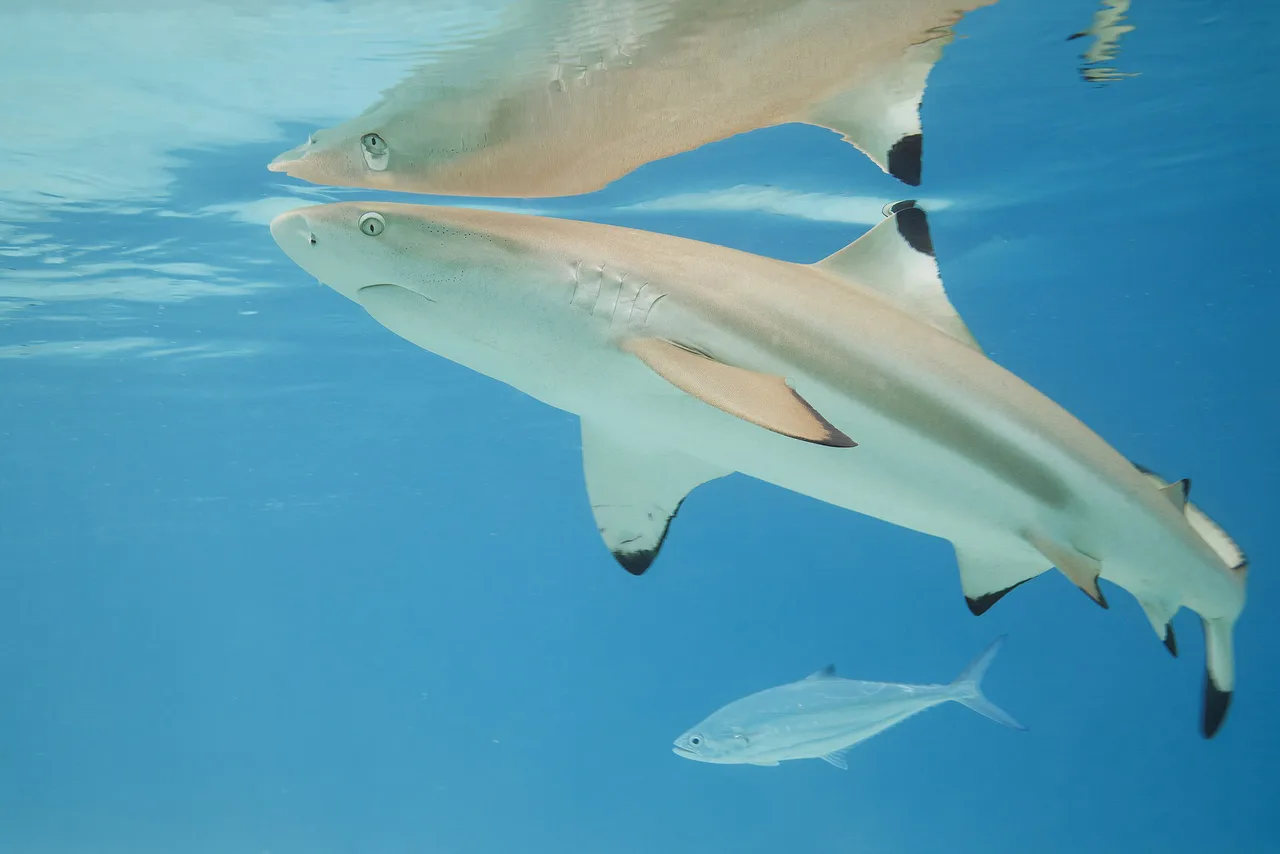
Featured image (a blacktip reef shark at Moorea, French Polynesia, shown for illustration): Charles J. Sharp, CC BY-SA 4.0, via Wikimedia Commons.
Which Koh Tao Sharks Can You Actually See?
Blacktip reef sharks are the realistic target. Young ones use shallow water along Koh Tao's southeast coast as a nursery at certain times of year. Adults tend to stay further out, around 250 m (about 820 ft) from shore, where the water is roughly 3-4 m (10-13 ft) deep. Whale sharks roam open water and turn up at offshore dive sites. Odds are never fixed, so treat every sighting as a bonus rather than a promise.
| Shark | Where | Suits | Realistic odds | Season | Caveat |
|---|---|---|---|---|---|
| Blacktip reef shark | Shark Bay (Thian Og) and Sai Daeng shallows | Snorkelers | Reasonable, best early in the day | Juveniles at certain times of year | Small and shy; they flee if chased |
| Whale shark | Sail Rock, Chumphon Pinnacle | Certified divers mainly | Possible, never guaranteed | Reported peaks March-May and October-December | Operator observation, not hard data |
| Leopard or bull shark | Not a routine Koh Tao sighting | Divers | Treat as unlikely | No reliable pattern | Read about them elsewhere in Thailand |
Shark Bay on Koh Tao: Blacktip Reef Sharks for Snorkelers
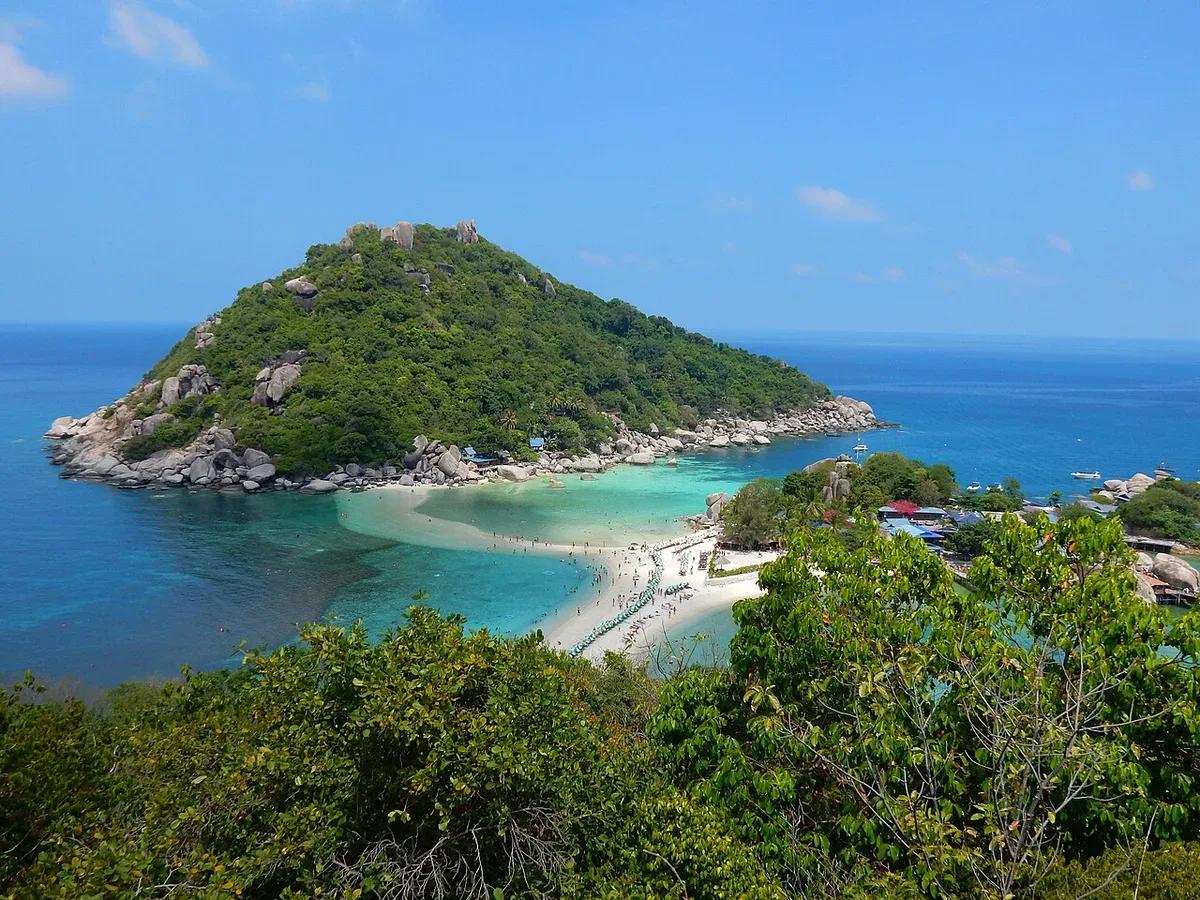
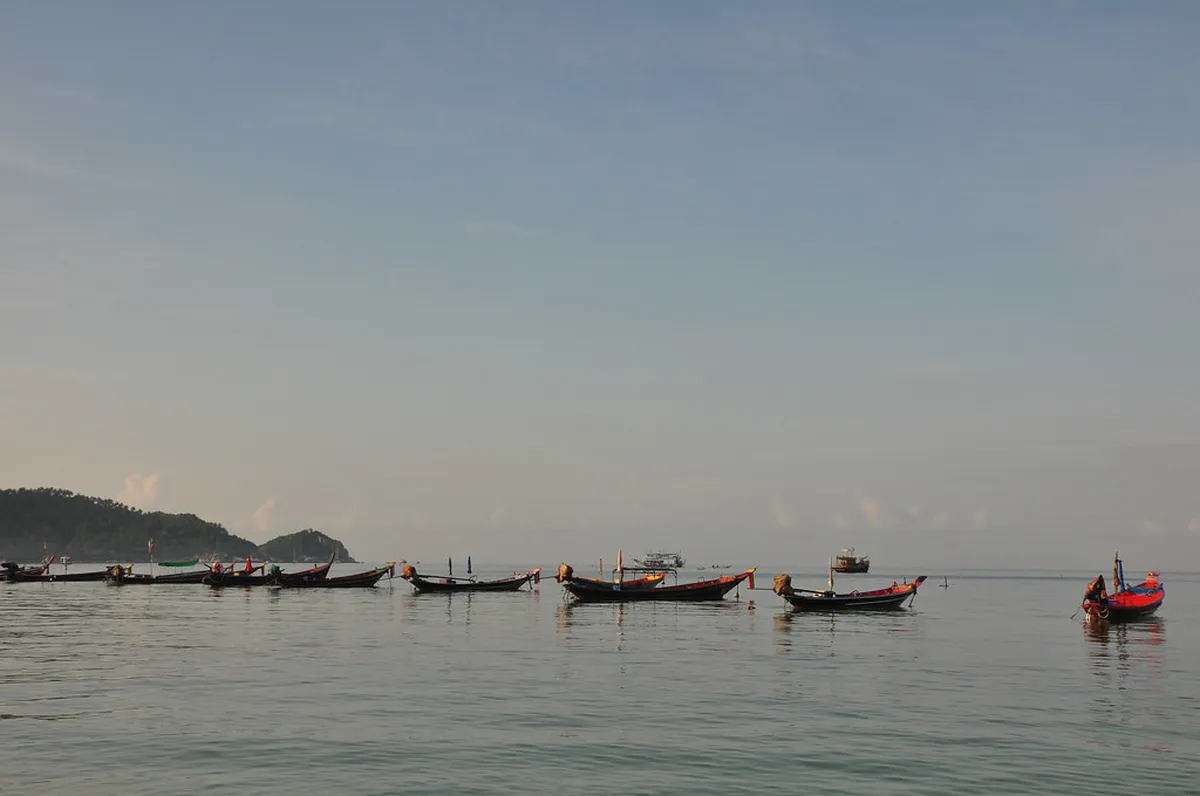
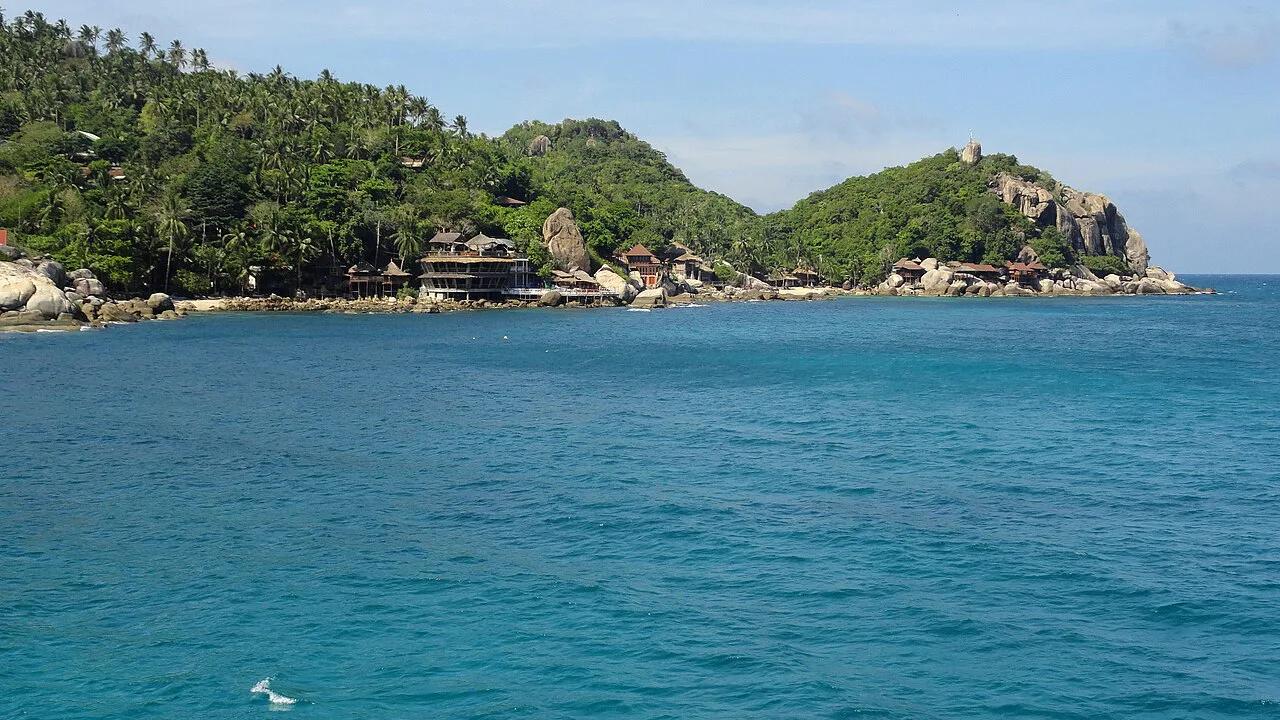
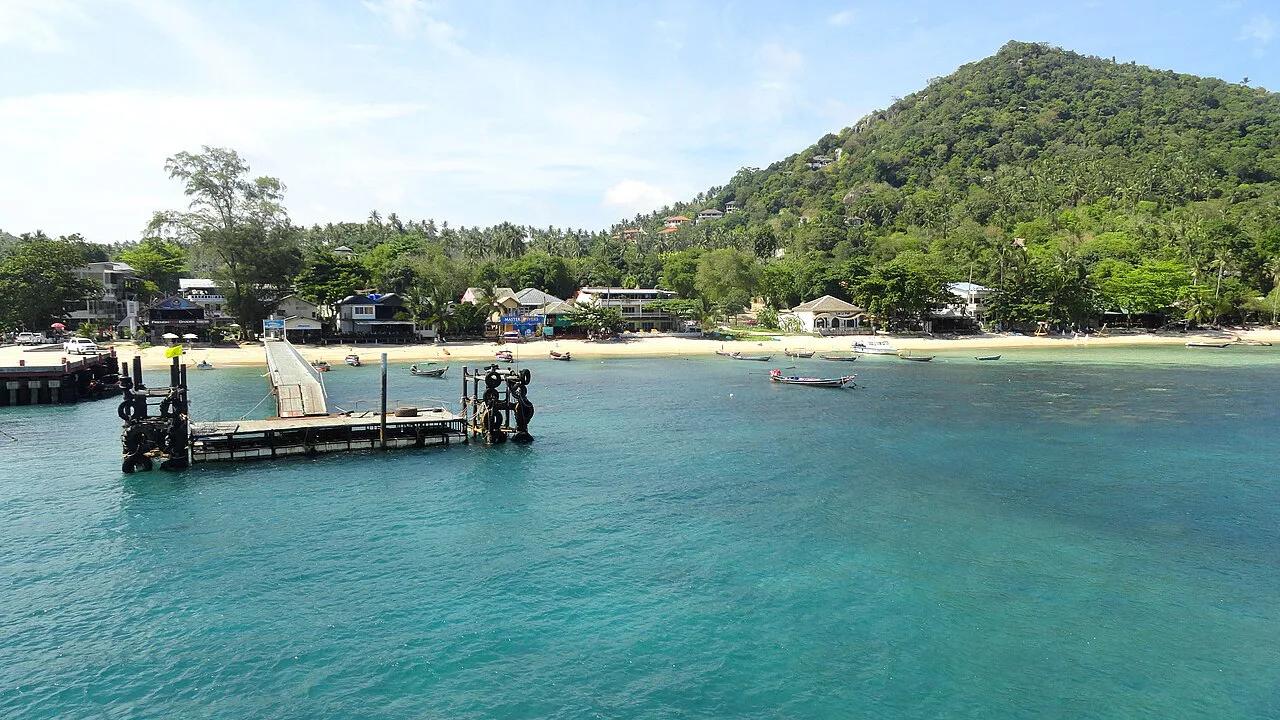
Shark Bay, also called Thian Og or Tien Og, sits in the southeast corner of the island. Most visitors come for juvenile blacktips and green turtles. Reef sharks here are small and wary, and they swim away when approached. Water near shore is about 3-4 m deep, dropping to 8-15 m further out. Coral in the middle of the bay was damaged by past bleaching, so expect fish and turtles rather than pristine reef. Early morning gives better odds than midday, when sun and swimmers both climb. Learn more about the species in our guide to blacktip and other reef sharks in Thai waters.
Adult blacktips stay around 250 m (about 820 ft) from shore, so the shallow bay mostly shows juveniles.
- By land: take the Chalok road and follow signs toward Haad Tien Beach Resort. A path leads down to the beach.
- By water: kayak around the headland or hire a boat.
- By foot: walking from the main villages takes roughly 45-60 minutes depending on your start point.
- Entry: the beach is reached through private land, and fees are reported to vary. Ask on arrival.
- Gear: bring your own mask and snorkel. Rentals at resorts are not guaranteed.
Shark Island and Sai Daeng: What the Koh Tao Names Mean
Shark Island is a small rocky islet about 800 m (roughly half a mile) south of Koh Tao. It is reportedly named for its fin-like shape, not for resident sharks. Whale shark sightings there are reported by some visitors, but reports conflict, so do not plan a day around them. Paddlers describe a crossing of roughly 15-20 minutes from Aow Leuk Bay. Channel currents and passing dive boats are real hazards, so kayak only if you are confident. Sai Daeng Beach, nearby, is a gentler option. Blacktips are reported on the left side of its bay, and turtles visit too.
Koh Tao Whale Sharks: Season, Sites and Realistic Odds
Whale sharks (Rhincodon typus) are the largest fish in the sea, reaching up to about 18 m (60 ft) by some accounts. Maximum lengths are stated differently across sources, so read the Marine Megafauna Foundation for research-based figures. Sightings are possible year-round. Dive operators report a main peak from March to May and a smaller one from October to December. That is operator observation, not survey data. Sail Rock, in open water between Koh Tao and Koh Phangan, and Chumphon Pinnacle are the sites most often named. Both need a boat trip and dive certification. Whale sharks are listed as Endangered on the IUCN Red List, and they are legally protected in Thailand. For wider context, see our overview of the wider whale shark picture across Thailand.
Keep 3 m (10 ft) from a whale shark's body on any dive, even in off-peak months when sightings are possible year-round.
Snorkel, Dive or Boat Tour at Koh Tao: Which Fits You?
Your choice depends on what you want to see and how much water time you need. Guided snorkel tours stop at Shark Bay as one of about five stops, with roughly 30 minutes in the water. Stop order shifts with weather, and Shark Bay is often a late-afternoon stop. Shore snorkeling gives more time and a better morning window. Whale shark dives need certification and an offshore boat.
| Option | Time in water | Cost level | Skill needed | Best for | Shark odds |
|---|---|---|---|---|---|
| Shore snorkel, Shark Bay | As long as you like | Budget | Basic swimming | Blacktips, turtles | Reasonable, morning best |
| Half or full-day snorkel tour | About 30 minutes per stop | Mid | Basic swimming | Easy logistics, several bays | Moderate at Shark Bay |
| Dive trip to Sail Rock or Chumphon Pinnacle | Dive duration | Premium | Dive certification | Whale shark chance | Possible, no guarantee |
Responsible Shark and Turtle Encounters at Koh Tao
Keep 3 m (10 ft) from a whale shark's body and 4 m (13 ft) from its fins. Never touch, feed, chase or swim above it, and skip flash photography. Do not stand on or chase blacktip juveniles in nursery shallows. Keep your hands off turtles too. Use reef-safe sun protection or a rash vest, because sunscreen and bleaching both stress coral. Touching or harassing protected species can carry legal penalties in Thailand. Follow your guide's briefing, and ask dive centers on Sairee and Mae Haad about their wildlife rules.
Best Time to Visit Koh Tao for Sharks
Sources disagree on the shoulder months. Whale shark reports point to March-May and October-December, yet some travel guides advise avoiding November and December for monsoon weather. Both can be true, because rough seas can cancel boat trips even in a good plankton season. Check the Thai Meteorological Department forecast for the Gulf of Thailand before booking offshore dives. For blacktips at Shark Bay, calm mornings matter more than the calendar. Snorkel tours rearrange stops when the sea turns rough.
How to Get To and Around Koh Tao
Most visitors reach Koh Tao by ferry from Chumphon or from Koh Samui. Lomprayah, Songserm and Seatran are the named ferry operators; fares and timetables are on their own sites. Sairee and Mae Haad are the main bases for dive centers. To reach Shark Bay on the southeast coast, expect a taxi, scooter or walk of roughly 45-60 minutes. Taxis and scooters are faster, though steep roads suit only experienced riders.
Mistakes to Avoid When Looking for Koh Tao Sharks
A few habits ruin shark days.
- Snorkeling at midday, when sharks and turtles are harder to find.
- Assuming a tour guarantees a shark.
- Booking a whale shark trip outside the reported peaks without allowing for a miss.
- Touching or chasing turtles or sharks.
- Expecting Shark Island to be a shark habitat because of its name.
Comparing Other Thai Shark Destinations From Koh Tao
Koh Tao suits blacktip snorkeling and Gulf whale shark dives. Andaman-side options differ. Read about Phuket's shark options and Phi Phi's shark snorkeling next. Divers can also compare Koh Lanta's shark dives. For rarer species, see leopard sharks in Thai waters and bull shark sightings elsewhere in Thailand.
Frequently Asked Questions
Is it safe to swim in Shark Bay?
Shark Bay is sheltered and generally regarded as safe for snorkeling. The blacktip reef sharks there are small and shy, and they swim away from people. Conditions change in bad weather, so skip the bay on rough days.
Notes for your next dive trip
Optional updates to our Thai diving guides.
You might also like
Continue reading
More guides you'll find useful