5 Sharks in Thailand: Where to See Them & Stay Safe
Which sharks live in Thailand, where to see them by island, snorkel vs dive options, safety facts, and how to choose an ethical operator.
On this page
Last updated November 2026: sharks in Thailand are real but uncommon, and most you meet are small reef species or gentle plankton feeders. Whale sharks, leopard sharks, bull sharks and reef sharks all turn up in Thai waters, mostly around dive sites rather than swimming beaches. Sightings are never guaranteed, so pick your coast and your species below, then follow the spoke guides for site detail.
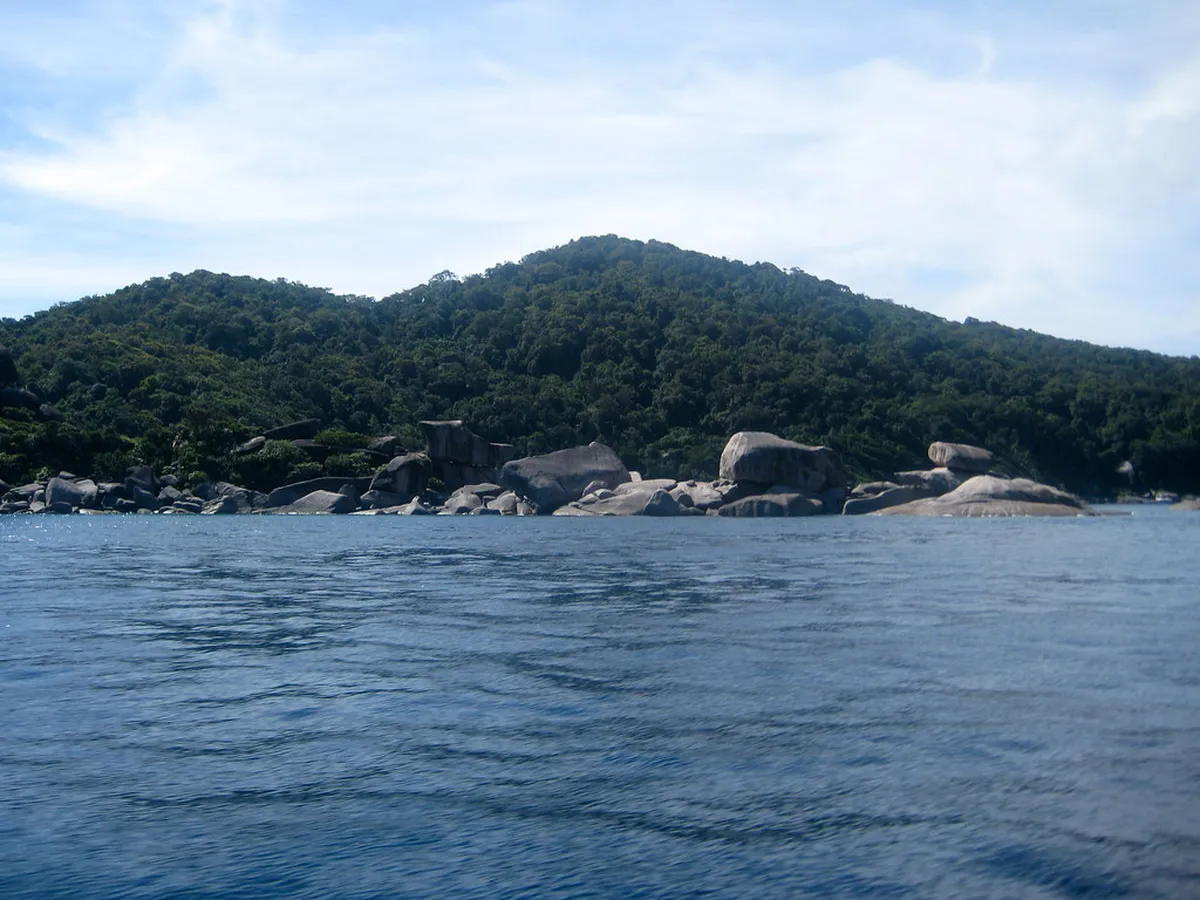
Featured image: permanently scatterbrained, CC BY 2.0, via Flickr.
5 Sharks in Thailand You Can Realistically Meet
Five species cover almost every shark encounter reported in Thai waters. Each entry below says where it is usually seen, how, and who should pick a different trip.
1. Whale shark
Whale sharks are the largest fish in the sea and feed on plankton, so they pose no threat to swimmers. Divers report them at offshore Andaman pinnacles such as Richelieu Rock, not at beach snorkel spots. Sightings are rare and vary by season and year, so treat any tour that promises one as a red flag.
Research groups such as the Marine Megafauna Foundation publish guidance on keeping a respectful distance. Our full whale shark guide for Thailand covers timing and sites. Skip it if you want a sure thing or are not comfortable on long offshore boat days.
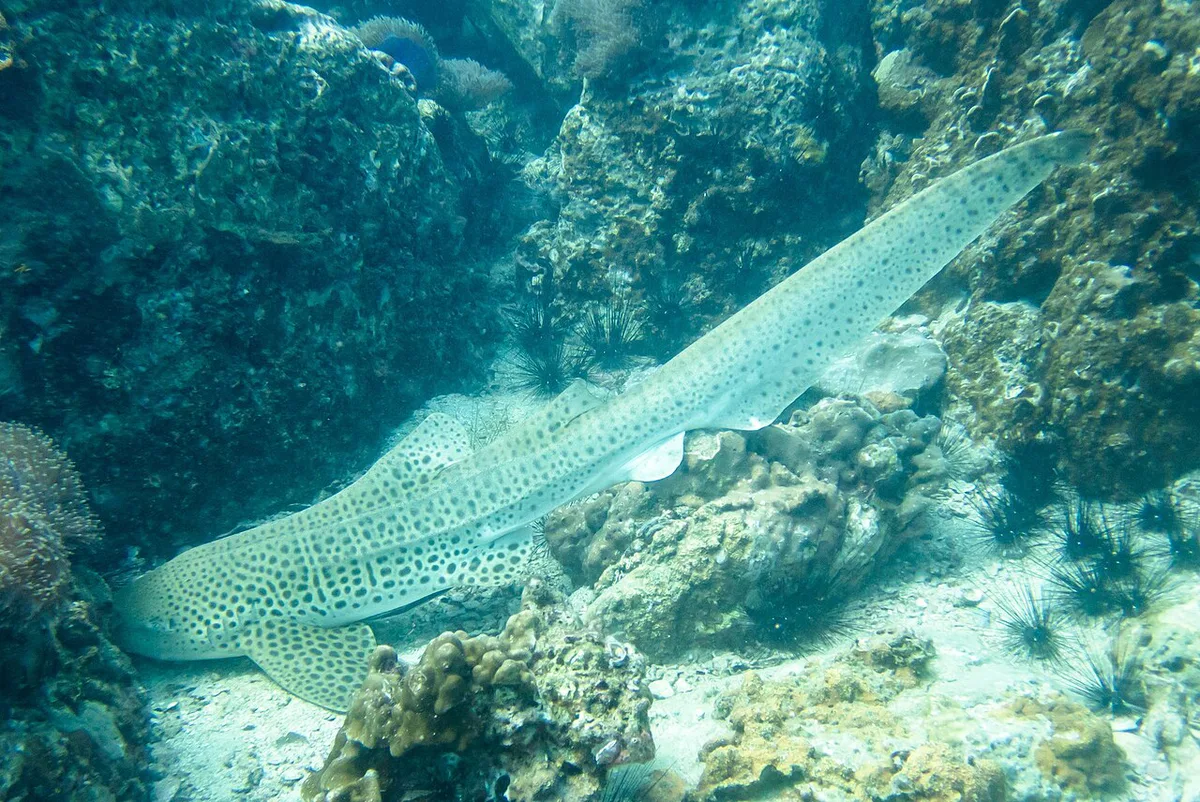
2. Leopard (zebra) shark
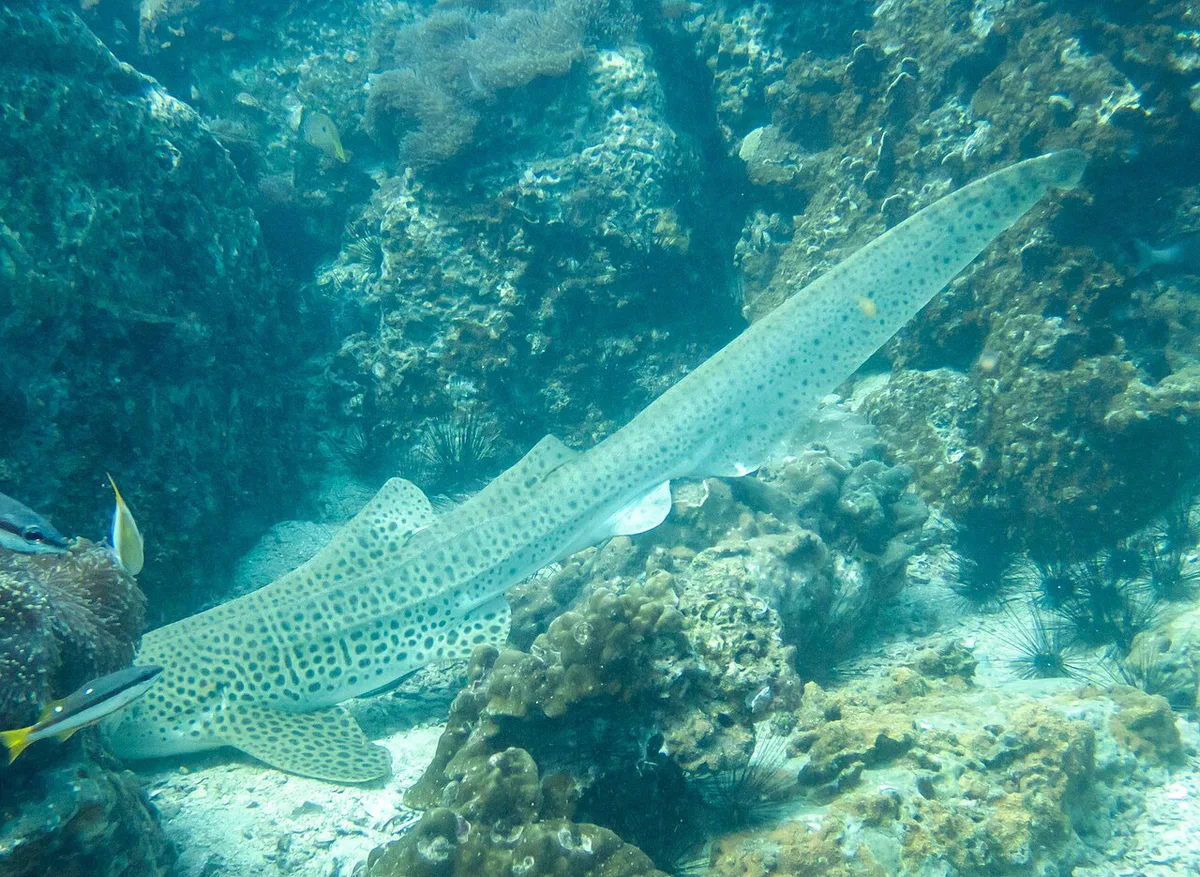
Adult leopard sharks, also called zebra sharks, are spotted, slow and often rest on sandy bottoms. Divers have logged them at Andaman sites such as Koh Bon, usually on a scuba dive rather than from the surface. They are calm around people, but you must not touch or crowd a resting animal.
The IUCN Red List entry gives the species' current conservation status. See the leopard shark spoke for dive-site detail. Skip it if you only snorkel, because the best odds sit below snorkeling depth.
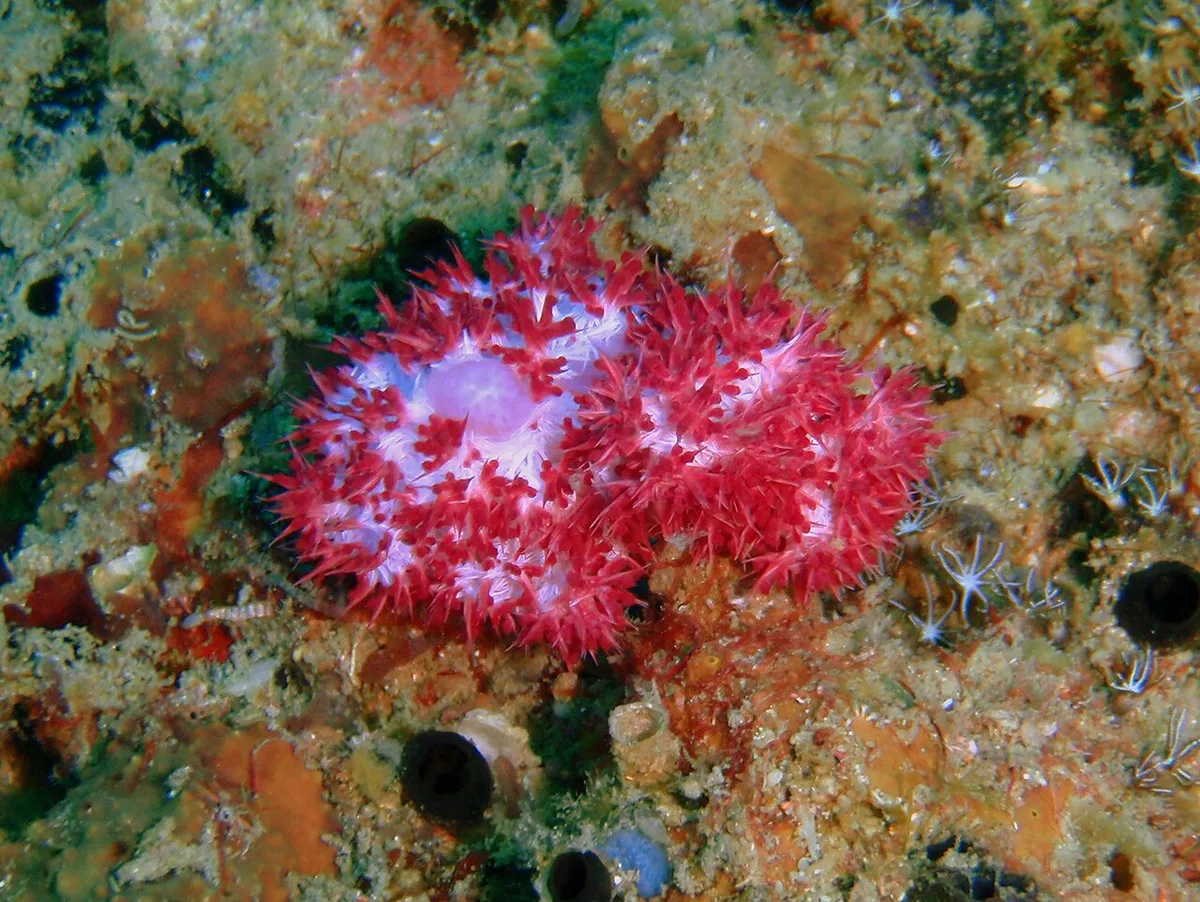
3. Bull shark
Bull sharks are thick-bodied and tolerate both salt and brackish water, which makes them the species people ask about most. Sightings in Thailand are rare. Divers have mentioned one off Chumphon Pinnacle in the Gulf, but that is an old lead, not a reliable site. Healthy caution is sensible: give them space and never swim toward one.
Safety context sits in our bull shark guide. Skip it if you are a nervous swimmer, because you gain little by chasing this species. No beach in Thailand should be treated as a bull shark spot.
4. Blacktip reef shark
Blacktip reef sharks are the most snorkel-friendly shark in Thailand. They patrol shallow reef edges and rarely grow past a few feet in length. Ethical snorkel trips from Koh Lanta and Koh Phi Phi target them. Check sharkguardian.org for current dates, as programs change. Calm water and good visibility matter more than the exact site name.
Species detail and trip routing live in our reef sharks guide. Skip it if you dislike boat days or open water, because sightings still take patience.
5. Whitetip reef shark
Whitetip reef sharks spend daylight resting under ledges and in crevices, then hunt after dark. Divers usually spot them by looking beneath overhangs, not by scanning open water. They are slim, slow and not interested in people, but they still need space.
Night dives raise your odds, though they require open-water certification and a briefed guide. Skip it if you only have a half-day snorkel trip, because resting sharks sit deeper than most snorkelers go.
Sharks in Thailand at a Glance
Use this table to match a species to your skill level. Sightings vary by season and year, and none is guaranteed.
| Species | Typical setting | Best way to see it | Sighting odds |
|---|---|---|---|
| Whale shark | Offshore Andaman pinnacles | Dive | Low and seasonal |
| Leopard shark | Sandy bottoms near reefs | Dive | Low to moderate |
| Bull shark | Deeper open water, coast | Dive | Very low |
| Blacktip reef shark | Shallow reef edges | Snorkel or dive | Moderate on guided trips |
| Whitetip reef shark | Ledges and crevices | Dive, night dive | Moderate at known reefs |
Where to See Sharks by Area
Phuket is the main Andaman gateway for offshore dive boats. Our guide to sharks around Phuket lists what departs from there. On the Gulf side, Koh Tao runs dive boats daily. Dive sites with shark names, such as Shark Bay and Sai Daeng, give you a lead, but a name never guarantees a sighting. See sharks around Koh Tao for the full picture. Koh Phi Phi is a short boat run from the Andaman coast and suits half-day snorkel trips. Read sharks around Phi Phi before you book. Koh Lanta is the base for blacktip snorkel trips. Start with sharks around Koh Lanta for departures and what to expect.
Snorkel or Dive: How to Decide
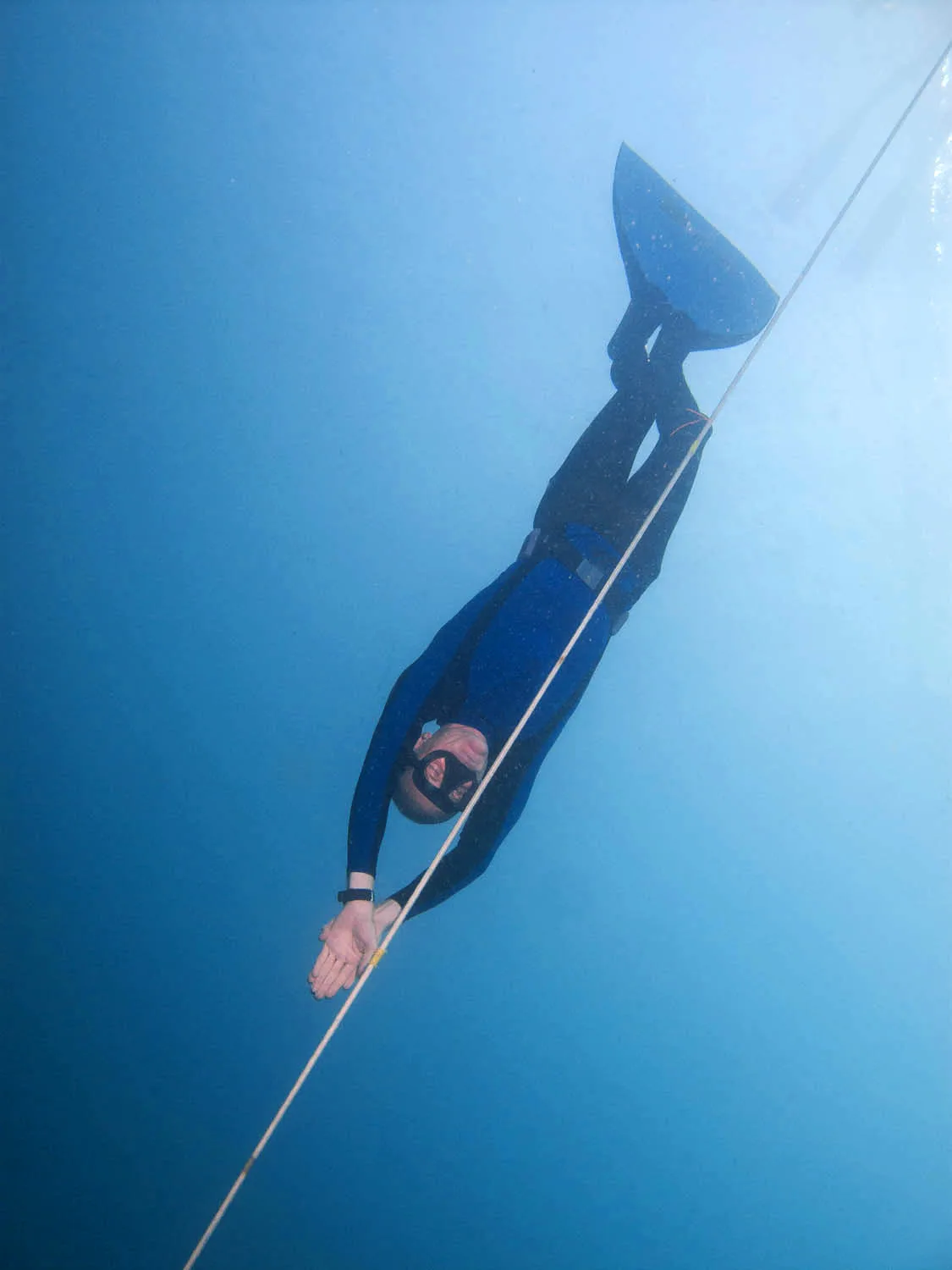
Snorkelers see mostly reef sharks in shallow water. Divers reach every species but need certification. Ask any operator about minimum age, since rules vary by company.
| Factor | Snorkel | Dive |
|---|---|---|
| Certification | None | Open-water level for most sites |
| Species reachable | Blacktip reef sharks | All five species |
| Boat time | Short, near-shore | Longer, often offshore |
| Cost tier | Lowest | Higher; liveaboards highest |
| Skip if | Uneasy in open water | No certification or ear problems |
Best Time and Sea Conditions
Thailand has two coasts with different weather. The Andaman side and the Gulf side do not share the same wet season, and rough water cancels boats. Visibility swings with rain and plankton. Check the Department of Marine and Coastal Resources and your operator for current sea conditions before choosing dates. Whale shark chances depend on season and site, as covered in the whale shark spoke.
Costs and Booking
A shared snorkel trip costs least, a dive day costs more, and a liveaboard to offshore pinnacles costs most. Boat distance, gear hire and park fees drive the difference. Marine park fees and rules are set by the Department of National Parks, so check there for current rates in baht. Book ahead in high season, because small shark-focused trips fill first.
Safety and Responsible Shark Tourism
Shark bites are very unlikely in Thai waters, and most species here are small or filter feeders. If you meet a shark, stay calm, keep your hands in and swim away without splashing. Do not touch, chase or feed animals. Good operators brief you first and cap group size. Our bull shark safety notes go deeper on the one species worth extra respect.
| Ethical operator check | What good looks like |
|---|---|
| Feeding | No bait or chumming |
| Contact | No touching, riding or chasing |
| Briefing | Safety and distance rules before entry |
| Group size | Small groups with a guide in the water |
| Claims | No guaranteed sightings |
Mistakes to Avoid
Most disappointments come from expectations, not from sharks.
| Mistake | Better move |
|---|---|
| Booking a guaranteed shark tour | Choose operators who promise only a chance |
| Trusting a site name | Divers have found a spot called Shark Point empty; ask about recent sightings |
| Touching or chasing animals | Hold your position and let them pass |
| Ignoring season | Match your dates to the coast |
| Snorkeling for whale sharks | Plan a dive or liveaboard instead |
Frequently Asked Questions
Where can you dive with whale sharks?
Divers report whale sharks at offshore Andaman pinnacles such as Richelieu Rock. Sightings are seasonal and never guaranteed. Our whale shark guide covers the options.
Are bull sharks aggressive?
Bull sharks deserve respect but rarely meet swimmers in Thailand. Give them space and leave the water calmly if one appears.
Explore More Guides
Keep planning your trip with these guides.
Guides
- Whale Sharks in Thailand
- Leopard Sharks in Thailand
- Bull Sharks in Thailand
- Reef Sharks in Thailand
- Phuket Sharks: Where to See Them and Are They Safe?
- Koh Tao Sharks: Where, When and How to See Them
- Phi Phi Sharks: Where to See Blacktip Reef Sharks (2026 Guide)
- Koh Lanta Sharks: Where, When & How to See Them
Notes for your next dive trip
Optional updates to our Thai diving guides.
You might also like

Continue reading
More guides you'll find useful