Phuket Sharks: Where to See Them and Are They Safe?
Are there sharks in Phuket? Which species you can see, how to see them at Shark Point, and whether Phuket's beaches are safe, with trade-offs.
On this page
Last updated November 2026. Phuket sharks are real but modest: leopard sharks at Shark Point are the realistic sighting, and swimmers at the beaches rarely meet anything dangerous. Phuket is not Thailand's top shark destination, so this guide covers swimmer safety first and then the dive options. For the national picture, start with our guide to 5 Sharks in Thailand: Where to See Them & Stay Safe.
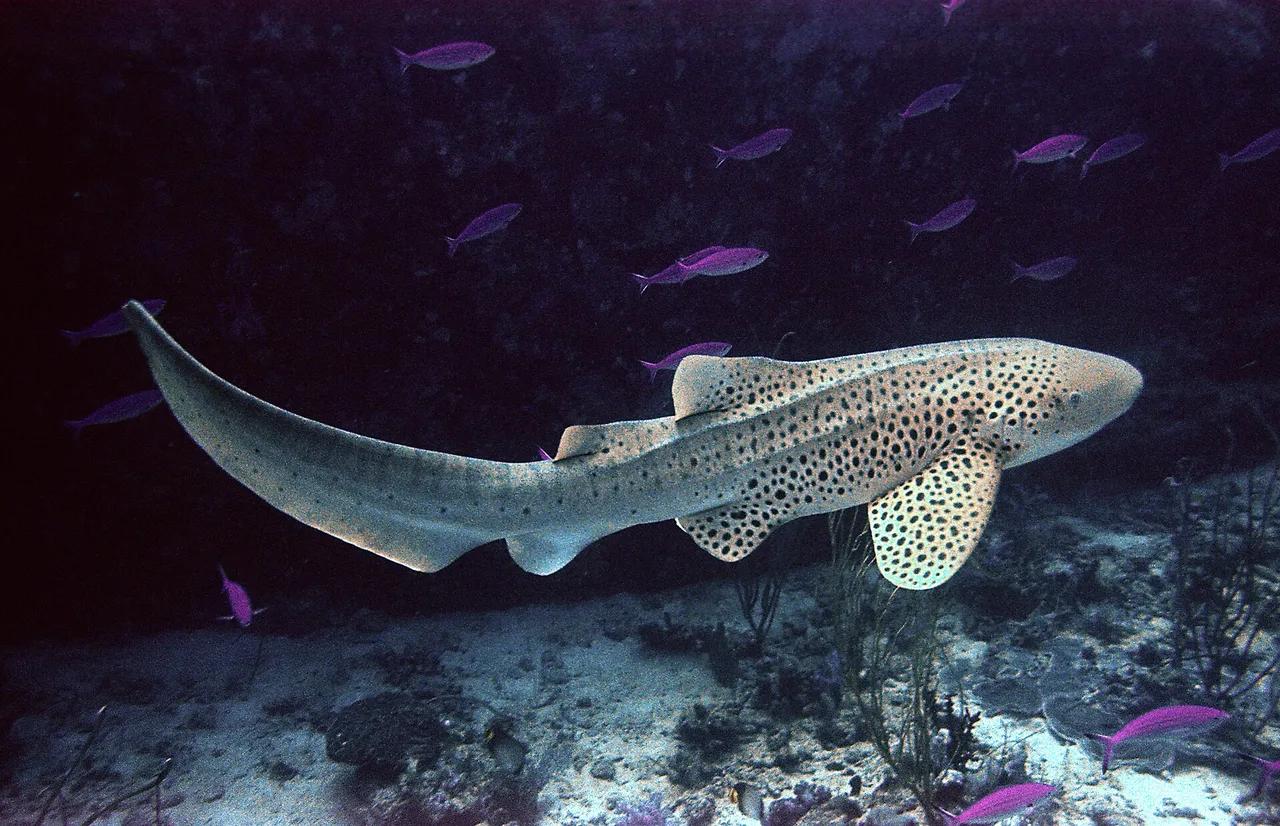
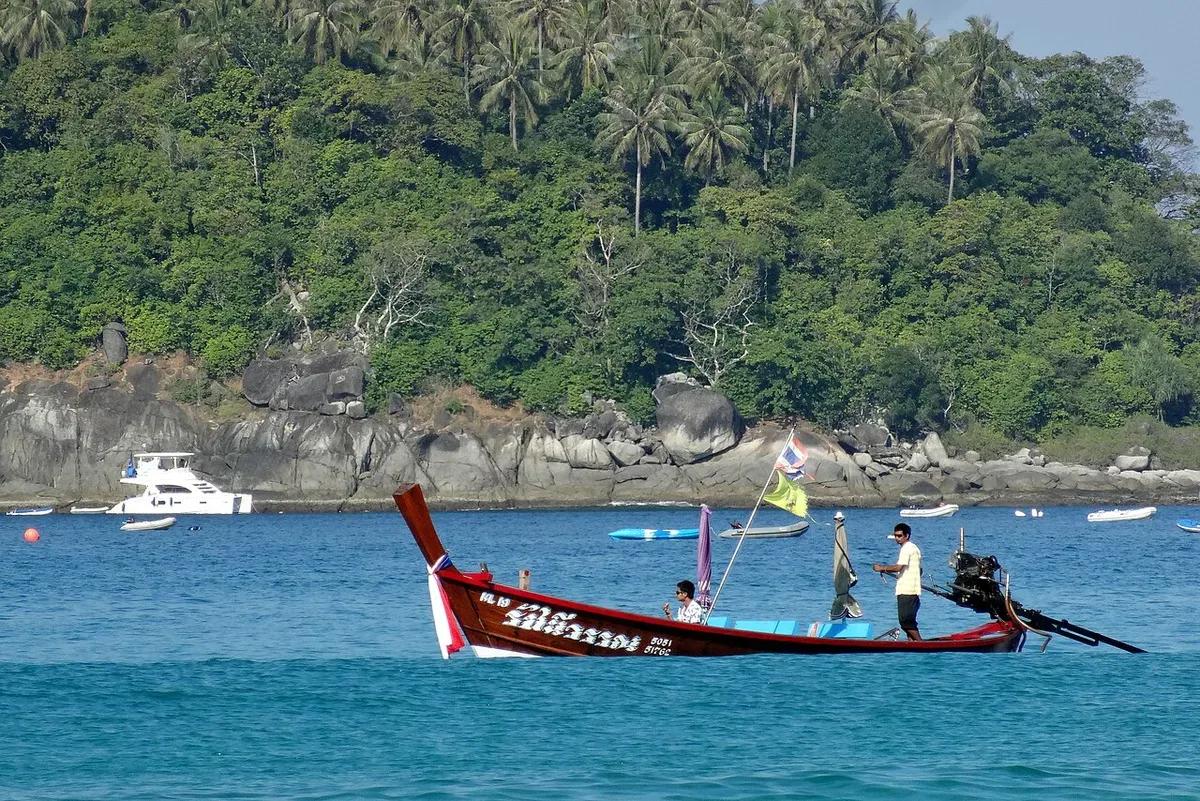
Featured image: Makolga3113, CC BY 3.0, via Wikimedia Commons.
Are there sharks in Phuket? (short answer)
Yes, there are sharks in the waters around Phuket. The species you can reasonably plan around is the leopard shark, which rests on the reef at Shark Point during the day. Attacks on swimmers are very rare, and nothing in the evidence for this island points to a beach-shark problem. Sightings on dive trips are never guaranteed, so treat any shark as a bonus. Read on for a species table, a beach-safety section and a dive-or-skip decision guide.
Which sharks can you realistically see near Phuket?
Leopard sharks are the one species with solid site-level support. Operators describe them resting on the reef at Shark Point, about 25 km (roughly 15 miles) east of Chalong Bay. Our leopard shark guide covers how to recognise them. Their conservation status is listed on the IUCN Red List entry for the zebra shark, which is the same animal. Reef sharks are a possibility on some dive sites, but treat them as unconfirmed for Phuket. Our reef shark guide shows where they are more dependable.
| Species | Typical Phuket site | Likelihood | Confidence |
|---|---|---|---|
| Leopard shark | Shark Point | Possible on a dive; resting by day | Good: operator-described |
| Reef sharks | Dive sites around the island | Not reliable | Low: ask your operator |
| Whale shark | Not a Phuket specialty | Do not plan around it | See the whale shark guide |
| Large open-water sharks | No Phuket evidence | Do not expect | Low |
Are Phuket's beaches safe to swim?
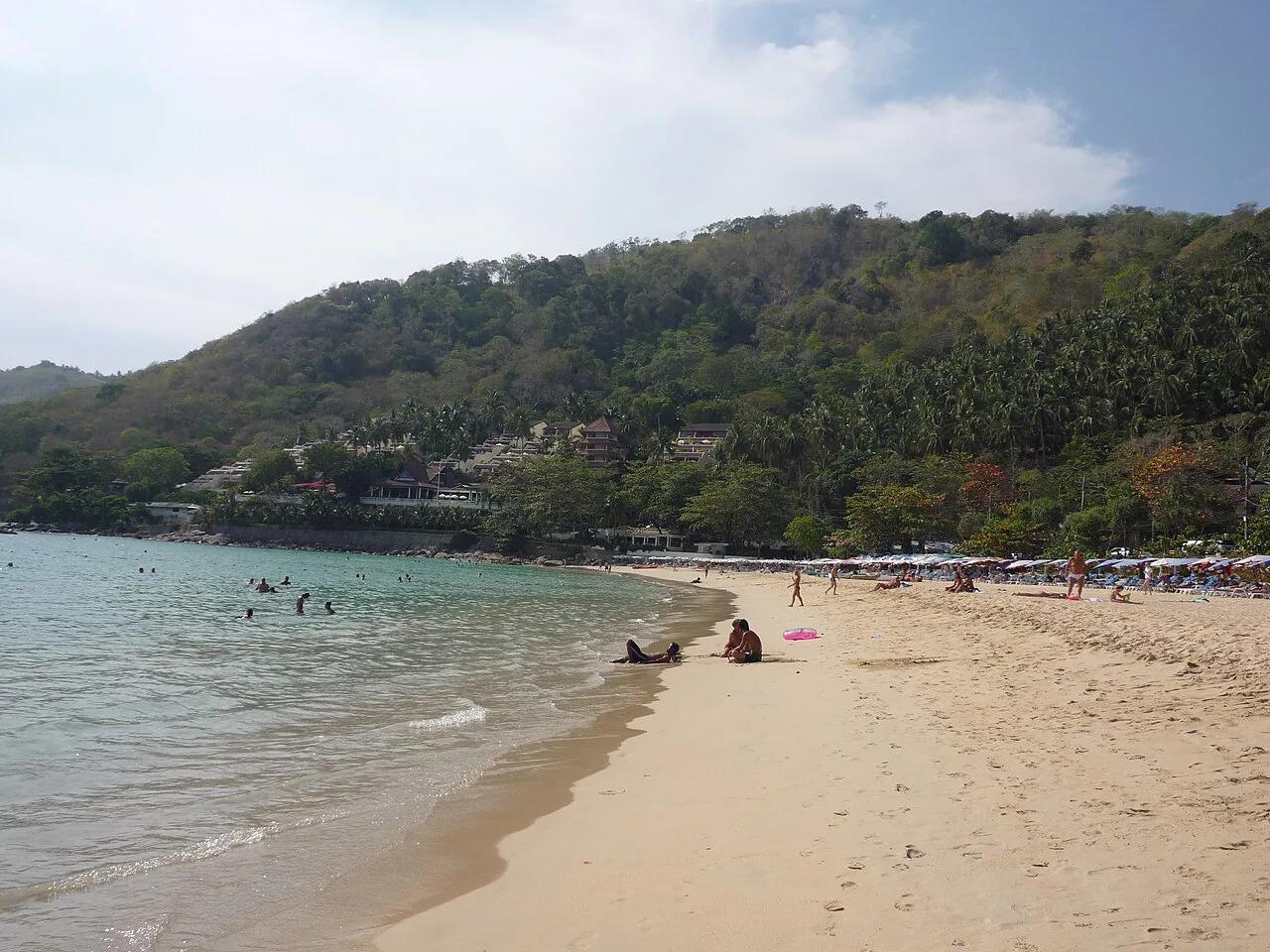
Shark risk at Patong, Kata, Karon and Kamala is very low, and swimmers should worry about other hazards first. Rip currents and rough surf are the bigger concern during the southwest monsoon. Obey the red flags that lifeguards post and swim between the marked zones. Jellyfish can also appear, so ask lifeguards about local conditions before you go in. Avoid swimming in murky water or at dawn and dusk, which is standard advice anywhere in the sea. Keep wildlife expectations modest: a snorkel or dive trip is the way to meet sharks, not a beach swim.
Shark Point: the main Phuket sharks dive site
Shark Point sits about 25 km east of Chalong Bay. A rock sticks out about 2 m (6.5 ft) above the water and marks the spot. Beneath it are three small pinnacles, and only the largest, in the north, breaks the surface. Maximum depth is around 26 m (about 85 ft). Visibility can reach 30 m (about 100 ft) on a good day. The site received marine sanctuary status in 1992, and small life is the draw alongside the sharks. Expect soft corals, anemones, barracuda and macro subjects such as nudibranchs and seahorses. A current sometimes runs here. It brings in food and fish but needs a comfortable diver. You can check protected-area rules with the Thai marine and coastal resources department.
- Distance: about 25 km east of Chalong Bay
- Depth: 10 to 26 m, roughly 33 to 85 ft
- Visibility: up to 30 m on a good day
- Main shark: leopard shark, resting by day
- Best for: certified divers who like reef life and macro subjects
Dive, snorkel or skip: how to choose
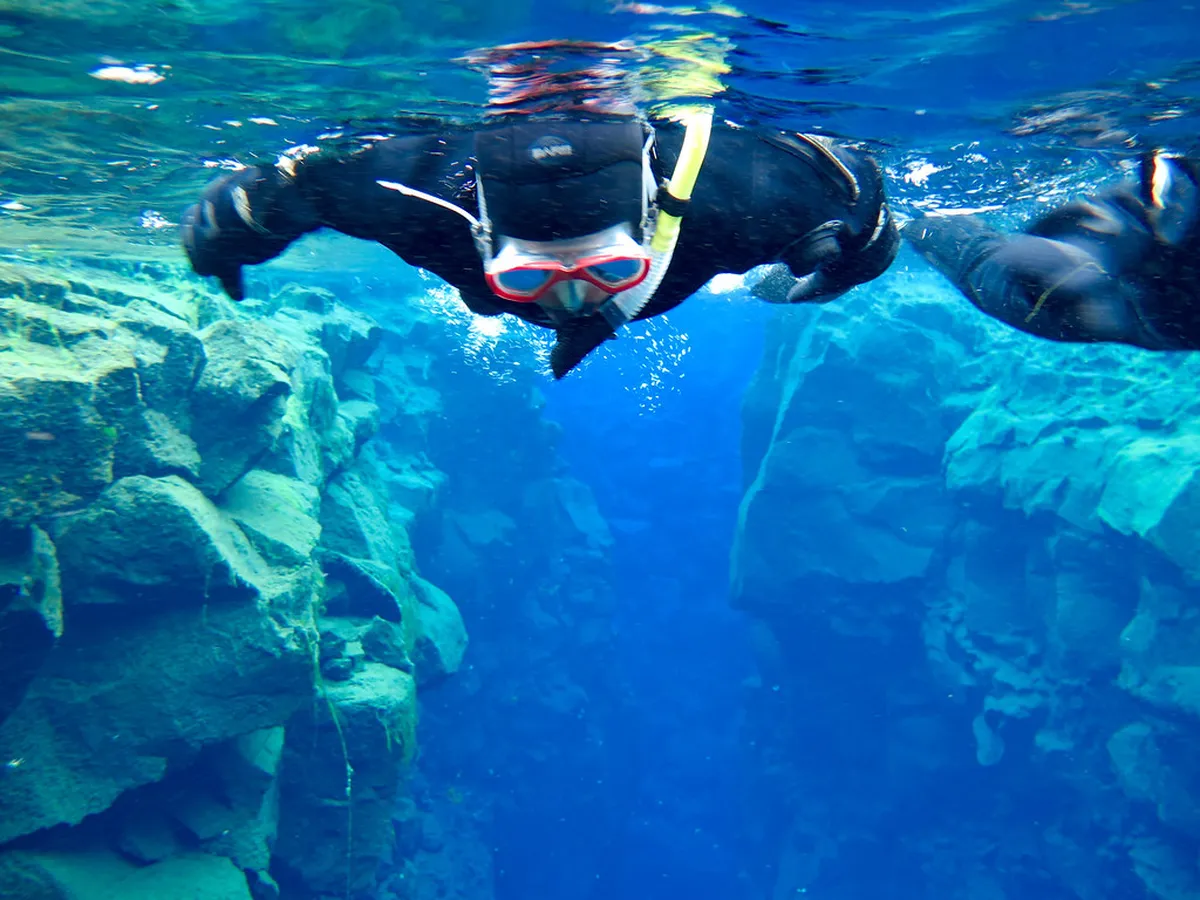
Shark Point is mainly a scuba site. Depths of 10 to 26 m put most of the action below snorkel range, and the rock only breaks the surface at one pinnacle. Certified divers get the best view. Beginners can ask operators about a guided introductory dive, though a current may limit that option. Snorkelers should ask an operator whether a given trip suits them rather than assume it does. If you get seasick, a long boat ride can outweigh the reward. In that case, skip it and pick a closer reef.
| Option | Who it suits | Skill | Cost level | Main risk |
|---|---|---|---|---|
| Certified dive at Shark Point | Divers comfortable with current and 26 m | Open Water or equivalent | Mid | Current and missed sightings |
| Guided intro dive | Beginners who want a try | None, with instructor | Mid to premium | Depth limits may apply |
| Snorkel trip | Non-divers | Basic swimming | Budget to mid | Little shark chance |
| Beach only | Anyone avoiding boats | None | Free | No shark encounter |
Logistics and cost from Phuket
Chalong Bay is the reference point for Shark Point, which lies about 25 km east. Dive operators run it as a day trip. Ask yours about departure time, trip length, gear and meals, since those vary by company. Day-trip prices differ widely by operator and certification level, and no fixed fare is published for the site. Compare at least two quotes and check what is included. Season matters because the Andaman Sea monsoon affects boat access and visibility. Ask operators for their current sailing windows before you book. National park fees or closures are posted by the Department of National Parks when they apply to a site.
Maximum depth is around 26 m (about 85 ft) at Shark Point, so compare each day-trip quote against your certification before paying.
Better places for guaranteed shark encounters
If you want bigger or more dependable sharks, Phuket is a starting point and not the end of the search. For whale sharks, read our whale shark guide. The Marine Megafauna Foundation publishes research on the species. Koh Tao is better for dive-focused trips, as covered in Koh Tao shark diving. Day trips toward Phi Phi are covered in Phi Phi shark spots. Koh Lanta has its own options in Koh Lanta shark trips. Phuket wins on convenience because flights and hotels are already there. The other islands win on shark certainty, though they need extra travel time.
Mistakes to avoid
Expecting a guaranteed sighting is the most common error. Leopard sharks rest on the reef, but nobody can promise one. Another mistake is swimming under red flags or in murky water. Touching or feeding wildlife is also off limits, because it harms the animals and the reef. Booking in the wrong season can leave you with poor visibility or a cancelled boat. Choose the operator by safety briefing and group size, not just the lowest quote.
Frequently Asked Questions
Where are the best places to see whale sharks?
Our whale shark guide covers the best Thai locations and timing. Phuket is not a dependable base for them.
Notes for your next dive trip
Optional updates to our Thai diving guides.
You might also like
Continue reading
More guides you'll find useful