Koh Racha Diving Guide: Racha Yai vs Racha Noi
Plan Koh Racha diving from Phuket: Racha Yai vs Racha Noi, who each suits, season and conditions, trip types and a Phi Phi comparison.
On this page
Last updated November 2026. Koh Racha diving means the Racha Islands, Racha Yai and Racha Noi, which sit south of Phuket and suit very different levels of diver. Racha Yai is the easy option for courses and Discover Scuba, while Racha Noi is deeper and better for experienced divers. Against Phi Phi you usually get clearer water and a shorter boat ride, but less marine variety, and our guide to other Phuket dive sites covers the alternatives.
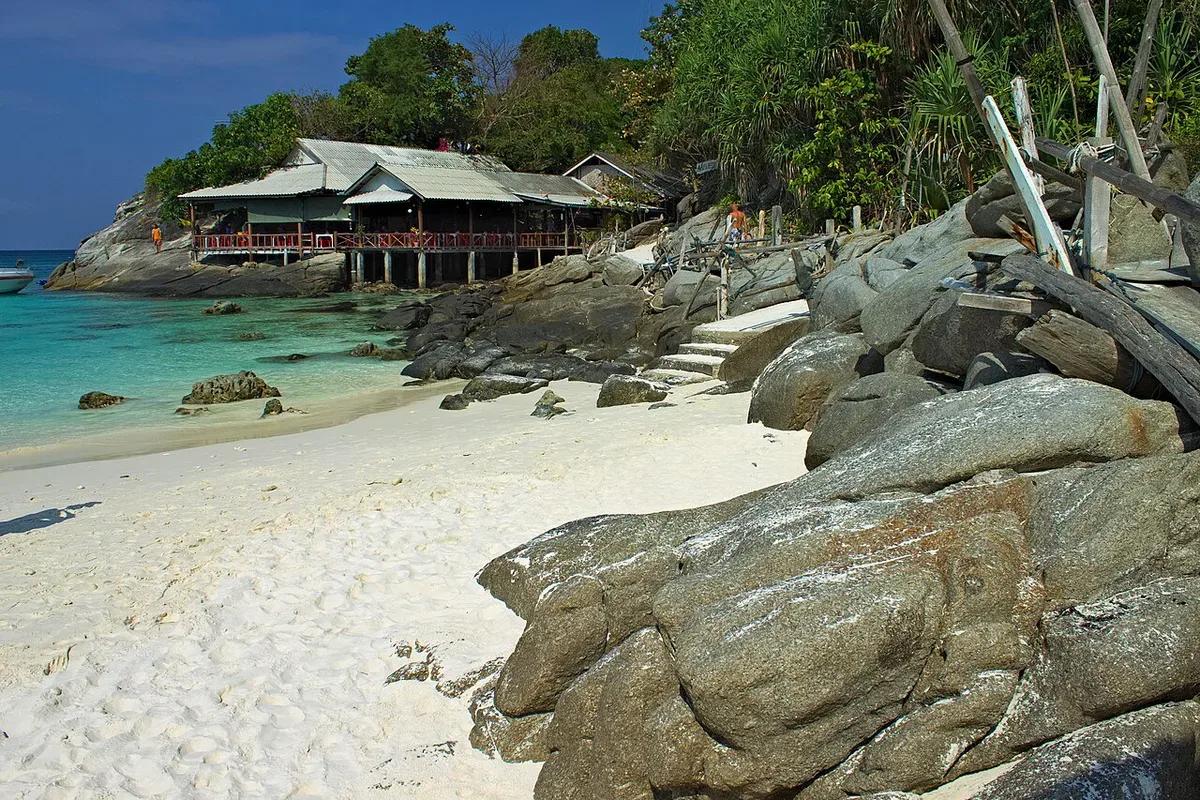
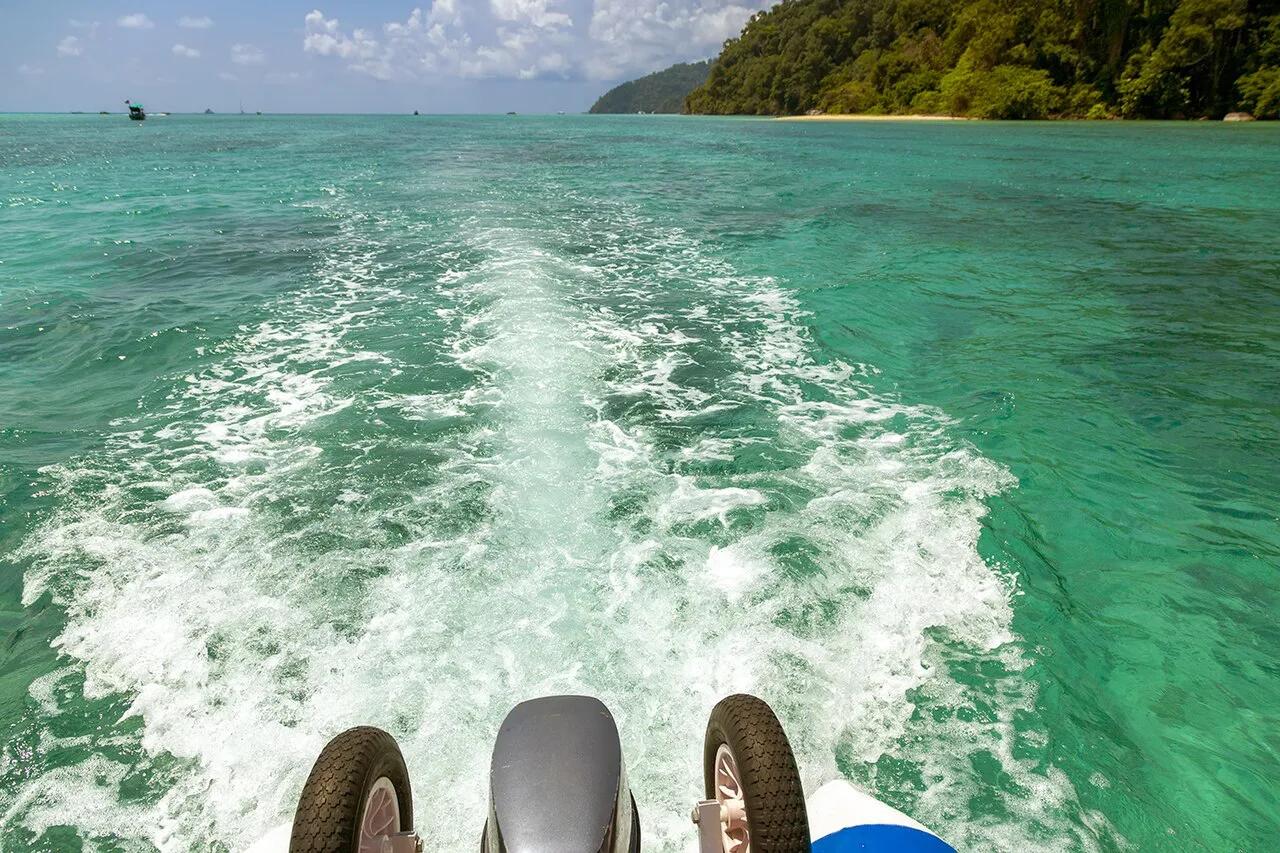
Featured image: deeuutee, CC BY-SA 2.0, via Flickr.
Quick answer: is Koh Racha a good dive destination?
Yes, for the right diver. Racha Yai lies about 28 km south of Phuket and offers a wide range of depths across several bays. Most Yai sites are not deep, which is why it is popular for courses and first dives. Racha Noi, the smaller and uninhabited island, has stronger currents and deeper walls. Operators typically run both from Chalong Pier on day trips, and some offer a combined Yai and Noi day. Visibility is the main draw, with operators reporting typical figures of 15 to 30+ m.
Racha Yai vs Racha Noi: which should you dive?
Pick by certification and comfort with current. Yai suits Discover Scuba, Open Water students and mixed groups. Noi rewards divers who already handle depth and drift. Depths below are operator-reported and vary by day.
| Racha Yai | Racha Noi | Phi Phi | |
|---|---|---|---|
| Best for | Courses, Discover Scuba, relaxed fun dives | Experienced divers | Certified divers wanting variety |
| Typical depth | Mostly shallow to 30 m on the walls | 30 m+ at South Tip | Varies by site |
| Current | Generally mild | Can be strong | Varies by site |
| Typical visibility | 15-30+ m | 15-30+ m | 10-20+ m |
| Marine life | Reef fish, rays, wrecks | Mantas and sharks possible, no guarantee | Greater variety of species and corals |
| Seabed | Granite boulders, artificial reefs | Limestone islet, granite boulder offshore | Limestone |
Racha Yai dive sites by bay
Four bays do most of the work. Dive operators sort them by exposure and depth, so ask which bay your boat is using that day.

- Ao Patok (west coast): Three dives are possible here, along the southern wall, the northern wall and mid-bay. Concrete spheres form an artificial reef at 9 m. Depth reaches 20-25 m at the bay exit. Good for Open Water and above.
- Siam Bay (north side): Life-size elephant and warrior statues stand at about 20 m in the bay center. A Hanuman head sculpture was added in April 2026, but a strong May storm partly damaged it. Divers are currently advised not to swim through it.
- Ao Lah, Bay #1 (northeast): Hard corals grow at 3-8 m, with concrete cubes deeper on sand. The Harrubi Star rests at about 20 m, and a collapsed wreck lies at 25 m. Suits Open Water for the reef and Advanced for the deeper wrecks.
- Ao Konkare, Bay #3 (further south): A stepped wall drops to 30 m on the north side. Cubes sit at 20-25 m in the south. Best for Advanced divers or Open Water divers with a guide.
Wrecks and wreck entry at Racha Yai
Ao Lah gained the MV Meditation in October 2023. This 44 m yacht was handed to the Department of Marine and Coastal Resources to become an artificial reef. Its upper section lies at 10-12 m and the bottom at 20-22 m. Operators say Discover Scuba divers can see the top and Open Water divers can swim around it. Entering the wreck needs Advanced Open Water. For a larger, deeper Phuket wreck, compare it with the King Cruiser wreck dive.
Its upper section lies at 10-12 m, so Discover Scuba divers can see the top, while entering needs Advanced Open Water.
Racha Noi: what to expect and who it's for
Racha Noi is rewarding but unforgiving for new divers. It is uninhabited, farther out and more exposed. South Tip drops past 30 m and is the likeliest spot for a manta, though sightings are a fair chance, not a promise. Banana Bay on the north end is the easier option, while North Point is deeper. A granite boulder off the north sits in about 50 m of water and can be rough. The west side takes harsher seas than the east, so operators often pick the east for gentler water. Wait until you hold Advanced Open Water and have logged dives in current. Our Racha Noi dive guide goes deeper on each site.
Racha Islands vs Phi Phi: which is better for you?
Racha usually wins on visibility, with 15-30+ m typical against 10-20+ m at Phi Phi. Operators put that down to Racha's position near the deeper open Andaman Sea. A Racha day trip is also generally shorter, by roughly 1.5 hours according to one Phuket operator. Phi Phi tends to offer more species and corals, plus a better chance of reef sharks and turtles. Divers chasing sharks closer to Phuket can look at Shark Point. Those who prefer a pinnacle dive can try Anemone Reef Phuket: Dive Site Guide for Planning a Trip. A short boat ride to Koh Doc Mai Diving Guide: Depth, Season & Who It Suits is another option.
Best time to dive the Racha Islands
Month ranges differ by operator and sea state, so we do not give fixed dates. What holds year-round is the geography. Racha Yai's east-side bays are sheltered, and Racha Noi's west side is the first to become rough. In poor weather, operators shift Noi trips to the east side or switch to Yai. Check the Thai Meteorological Department marine forecast and ask your operator which sites are running on your dates.
Day trip, course or liveaboard? Cost, time and logistics
Racha Yai day trips are the baseline: 28 km out of Chalong Pier, two or three dives, then back. Noi usually costs more, because the run is longer or the trip is combined with Yai. Operators publish current baht prices, and none are fixed across the season, so compare quotes from at least three. Prices and hours checked November 2026 are not available in a single published schedule. Compare what each quote includes before you compare totals.
Shorter by roughly 1.5 hours than Phi Phi, according to one Phuket operator, a Racha trip leaves more time for two or three dives.
- Hotel pickup and transfer time to Chalong Pier
- Boat type and boat time to the first site
- Gear rental, lunch and national park fees included or extra
- Maximum divers per guide
- Which bays and which island the trip actually visits
Beginner and certification guide
Discover Scuba is the usual first step, and Racha Yai is a common setting for it. The PADI Open Water Diver course is the standard entry certification. Open Water divers can dive Yai's reef bays and swim around the Meditation. Advanced Open Water opens wreck entry and the deeper Konkare wall. Experienced divers with deep and current logs can then try Racha Noi.
Mistakes to avoid and questions to ask your operator
Booking Racha Noi as a first dive is the biggest mistake. Expecting Phi Phi-level marine variety at Racha is another. Choosing a trip only on price also backfires when the cheapest option skips the bay you wanted. Ask these before you pay.
- Which island and which bays are planned for my certification?
- How long is the boat ride to the first site?
- Are the Siam Bay Hanuman sculpture and other features currently safe to dive?
- Is a non-diver seat available for a friend who snorkels?
- What happens to the itinerary if the west side of Noi is too rough?
Notes for your next dive trip
Optional updates to our Thai diving guides.
You might also like
Continue reading
More guides you'll find useful