Discover Scuba Diving Phuket: First Dive Guide (Beach vs Boat)
What a Discover Scuba Diving session in Phuket involves, who it suits, beach vs boat options, safety checks, and what to ask before you book.
On this page
Last updated November 2026. Discover scuba diving Phuket sessions are short, instructor-led intro dives for people with no certification, and they are not a diving license. This guide covers what happens in the water, how beach and boat formats differ, and what to ask before you pay. For the wider picture of diving on the island, start with our Phuket diving overview.
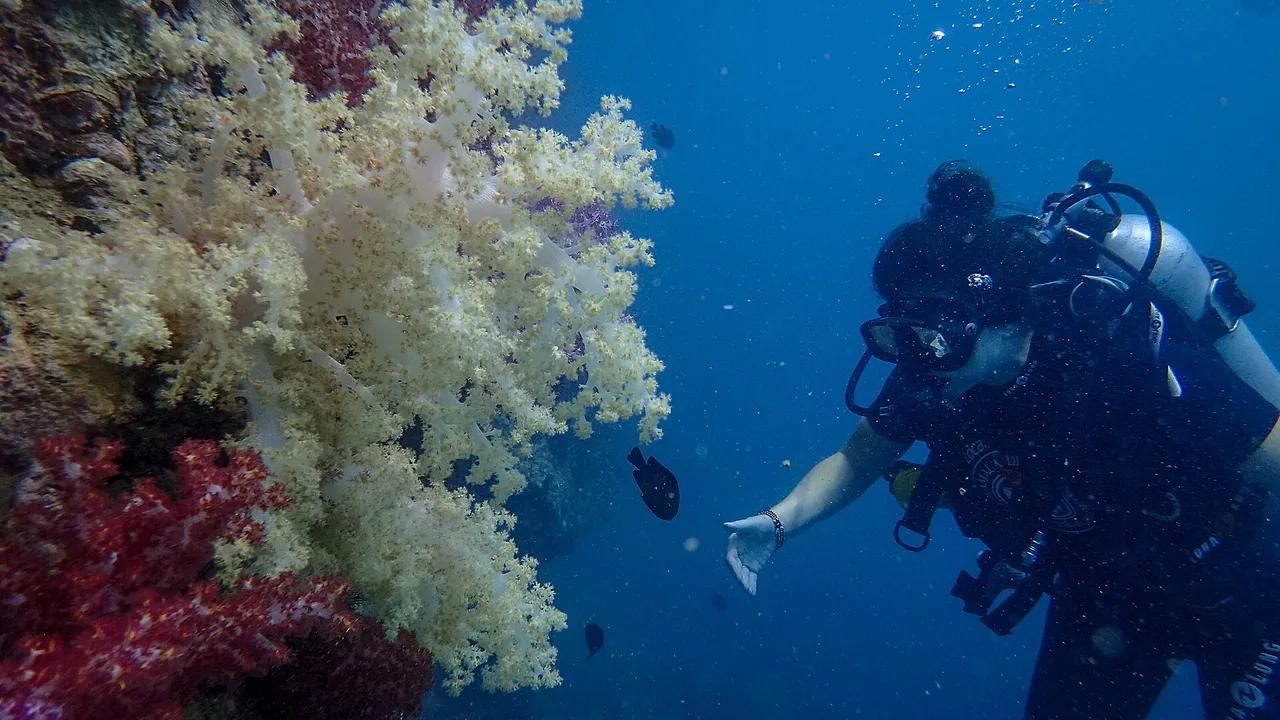
Featured image (a dive in Thailand, shown for illustration): Weldon Kennedy from London, UK, CC BY 2.0, via Wikimedia Commons.
What Discover Scuba Diving Is (and Isn't)
Discover Scuba Diving (DSD) is PADI's try-it program. SSI runs a comparable intro called Try Scuba. Both let you breathe underwater with an instructor beside you, with no prior training. You earn no certification card, and the agency sets a shallow depth limit for the session. One instructor supervises you directly.
PADI describes the format on its Discover Scuba Diving page. One Phuket operator's listing gives a minimum age of 10 and asks for reasonable physical condition. Your operator sets the final age rule under agency standards, so ask before booking. If the dive hooks you, the Phuket dive course options are the next step toward Open Water.
What Happens During Your Session
Formats vary by operator. One Patong-based beach listing runs about 3 hours in total, and only part of that is underwater. Expect this order of events:
- Briefing and a medical questionnaire, signed before you get wet.
- Equipment fitting: mask, fins, wetsuit, BCD, regulator and tank.
- Shallow skills practice, such as clearing your mask and breathing from the regulator.
- A guided swim over the reef with the instructor holding your pace.
Beach Dive vs Boat Dive: Which Fits You?
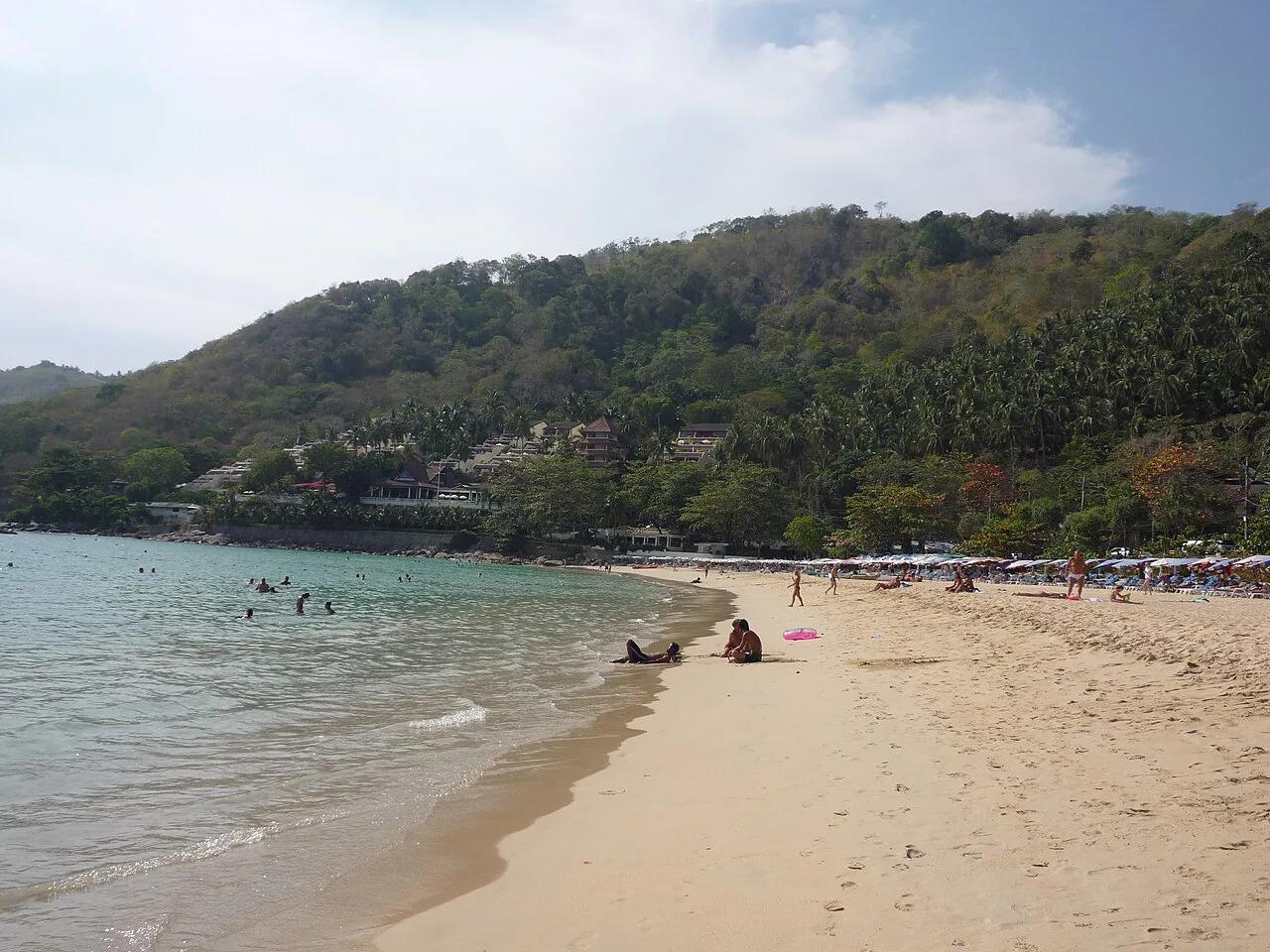
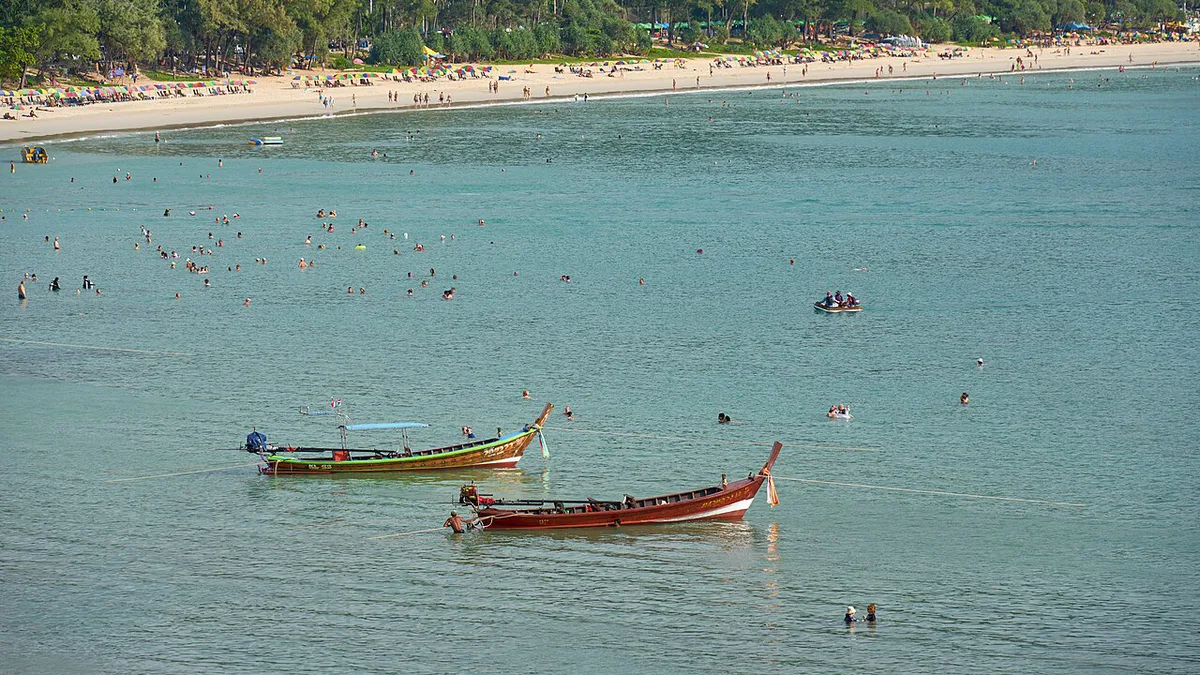
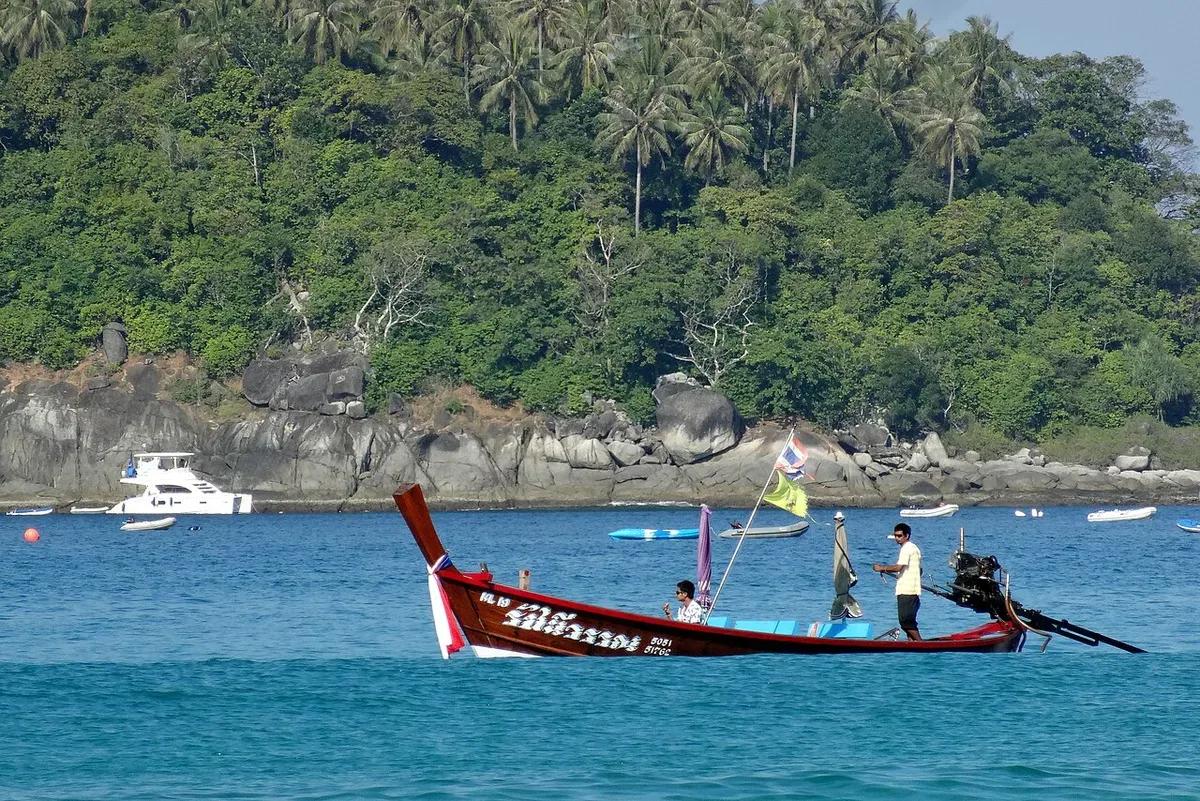
A shore entry keeps things simple. That same beach listing practices skills at roughly 5 to 6.5 feet (1.5 to 2 m) before moving onto the reef. Kata Reef offers a walk-in entry with fins on and a relaxed swim to the descent line, according to PADI. Boats add variety. Local longtail boats reach Koh Pu, Karon Rocks and the Mystery Cubes at Karon. Compare full-day options in our Phuket diving day trips guide.
| Factor | Beach (shore entry) | Boat (longtail or larger) |
|---|---|---|
| Access | Walk in from the sand | Transfer to a pier, then a boat ride |
| Time | Shorter; one listing runs about 3 hours | Longer, since travel is part of the trip |
| Site variety | One reef, such as Kata Reef | Koh Pu, Karon Rocks, Mystery Cubes |
| Sea-state sensitivity | Affected by surf on the beach | Affected by swell and boat schedules |
| Cost tier | Usually the lower tier | Usually the higher tier |
| Best fit | Nervous swimmers, families with a teen, travelers with a flight soon | Couples with a half-day to spare who want variety |
Best Time and Sea Conditions
November to April is the calmer window on Phuket's west coast, because seasonal winds blow toward the east coast. PADI singles out February and March for dry weather and clear water. Outside those months, expect rougher seas, cancelled departures, or a move to a sheltered site. Our guide to the Best Time to Dive Phuket: Month-by-Month Guide breaks this down by month. Read Phuket Water Temperature by Month: Is the Sea Warm Enough? before you decide how much wetsuit you want.
Cost, What's Included, and What to Ask
Quotes differ more in what they include than in headline price. One Patong operator lists equipment, a GoPro video or photos, fruit, water, a towel and a shower. Lunch is excluded. That operator offers a full refund for cancellations made at least 24 hours before departure. Treat that as one operator's rule, not a standard. Prices and hours checked November 2026 were not available as a fixed rate, so use Phuket diving prices for ranges and compare quotes line by line.
- Equipment rental and wetsuit
- A certificate or card, if any is offered (DSD itself is not a certification)
- Instructor language
- Photos or video
- Food, water and towel
- Hotel transfers
- Insurance
- Cancellation window
Is It Safe and Who Should Skip It
A signed medical questionnaire comes first. If any answer flags a condition, you need a doctor's sign-off before diving. The Patong listing advises against the dive for travelers with spinal injuries, pregnancy or poor cardiovascular health. Nervous swimmers do well when the instructor keeps them at arm's reach and the site is shallow. Practice equalising your ears early, and signal at the first discomfort. Flying soon after a dive carries decompression risk, so read the guidance from Divers Alert Network and ask your operator for current flight rules. For wider context, see whether Phuket is good for diving.
Beach listings practice skills at 5 to 6.5 feet, which is the shallow water nervous swimmers do best in.
How to Choose an Operator
Ask about the instructor-to-student ratio first. Then check the instructor's PADI professional credentials and whether the instructor stays in the water with you. Look at the equipment, and ask what emergency gear travels with the group: oxygen and a first-aid kit. Browse Phuket dive resorts if you want lodging and diving under one roof.
- Red flag: no medical questionnaire before you enter the water.
- Red flag: large groups with one instructor.
- Red flag: worn or poorly maintained gear.
- Red flag: no oxygen or first-aid kit on site.
- Red flag: only old reviews, or none from recent months.
Where to Base Yourself and How to Get There
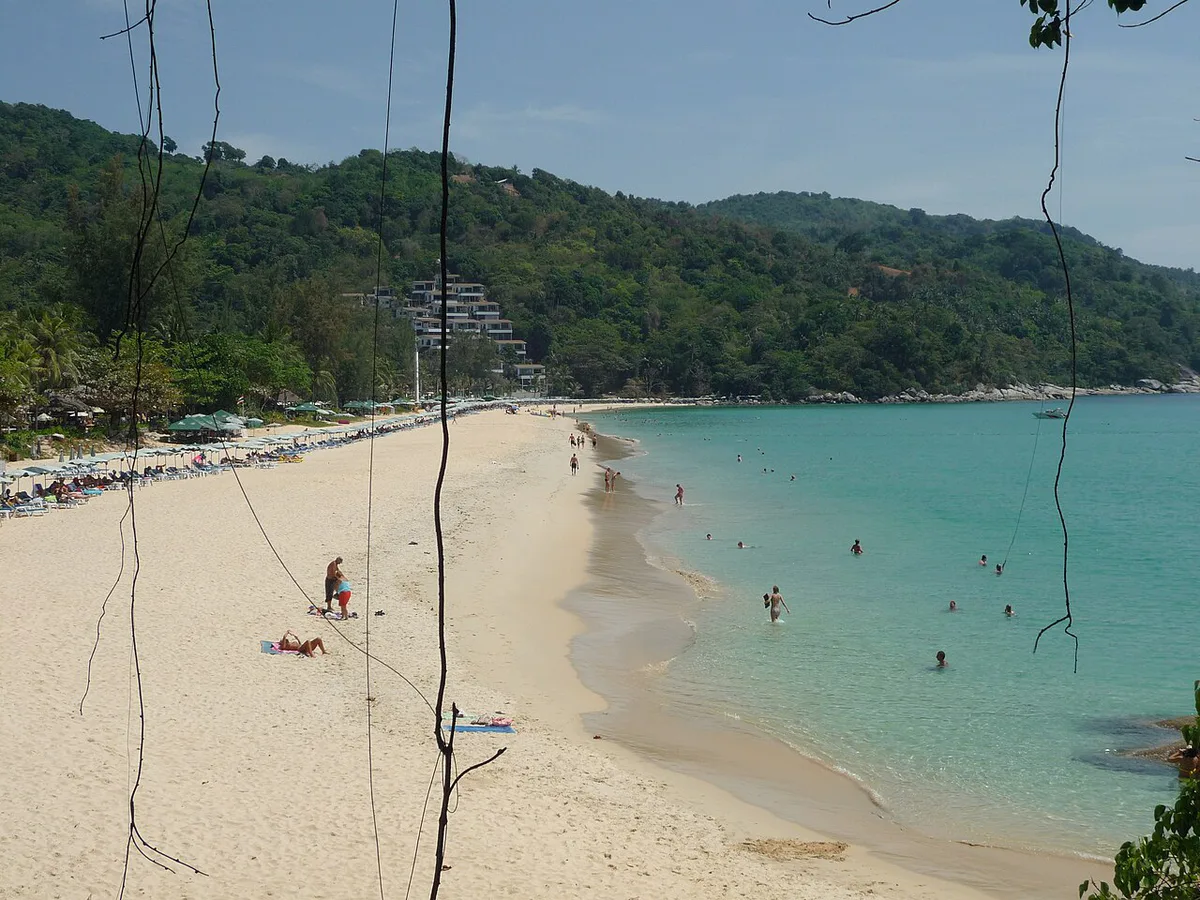
Kata Beach sits about 60 minutes (56 km, roughly 35 miles) south of Phuket International Airport, according to PADI. Hotels there range across budgets, and local longtail departures for Karon Rocks start nearby. Ask each operator for the meeting point and whether hotel pickup is included. Patong hosts the beach listing mentioned above, but that is just one operator's departure point. Bring swimwear, a towel, sunscreen and your signed medical form.
Check whether a quote includes hotel transfers if your base is 56 km from the airport.
What You Might See
Shallow reefs favor small life over big animals. PADI notes that Kata Reef, nicknamed the nursery of Phuket, shows more juvenile and newborn marine life than many popular Thai sites. Concrete cubes placed by the Thailand Fisheries Department now carry corals. Set your expectations around macro life and reef fish. Our Phuket Marine Life: What You'll See, Where and When guide lists what appears across the island.
After Your First Dive: Next Steps
Log the date, site and conditions while memories are fresh. Ask the instructor whether your DSD time counts toward the next course; policies differ by agency. If you want more, the Open Water Diver course is the next step, explained in our course guide. SSI also teaches it at its Open Water Diver program. Come back to the Phuket diving hub to plan the rest of the trip.
Frequently Asked Questions
What is the difference between snorkeling and diving?
Snorkeling happens at the surface with a mask and breathing tube. Scuba diving uses a tank and regulator, so you breathe underwater. That is why a first dive needs an instructor and a briefing.
What are some good dive sites in Phuket?
Kata Reef is a beginner-friendly walk-in site. Koh Pu, Karon Rocks and the Mystery Cubes at Karon are reachable by longtail boat.
Notes for your next dive trip
Optional updates to our Thai diving guides.
You might also like

Continue reading
More guides you'll find useful