Phuket Water Temperature by Month: Is the Sea Warm Enough?
Phuket's sea stays warm all year, but swell, visibility and monsoon season change what you can do. Month-by-month guide with swim and dive tips.
On this page
Last updated November 2026. Phuket water temperature stays warm in every month, with published figures between about 28°C and 32°C (82–90°F). Temperature is rarely the problem. Swell, visibility and monsoon timing decide whether a day in the sea is pleasant, and this guide shows how to plan around them.
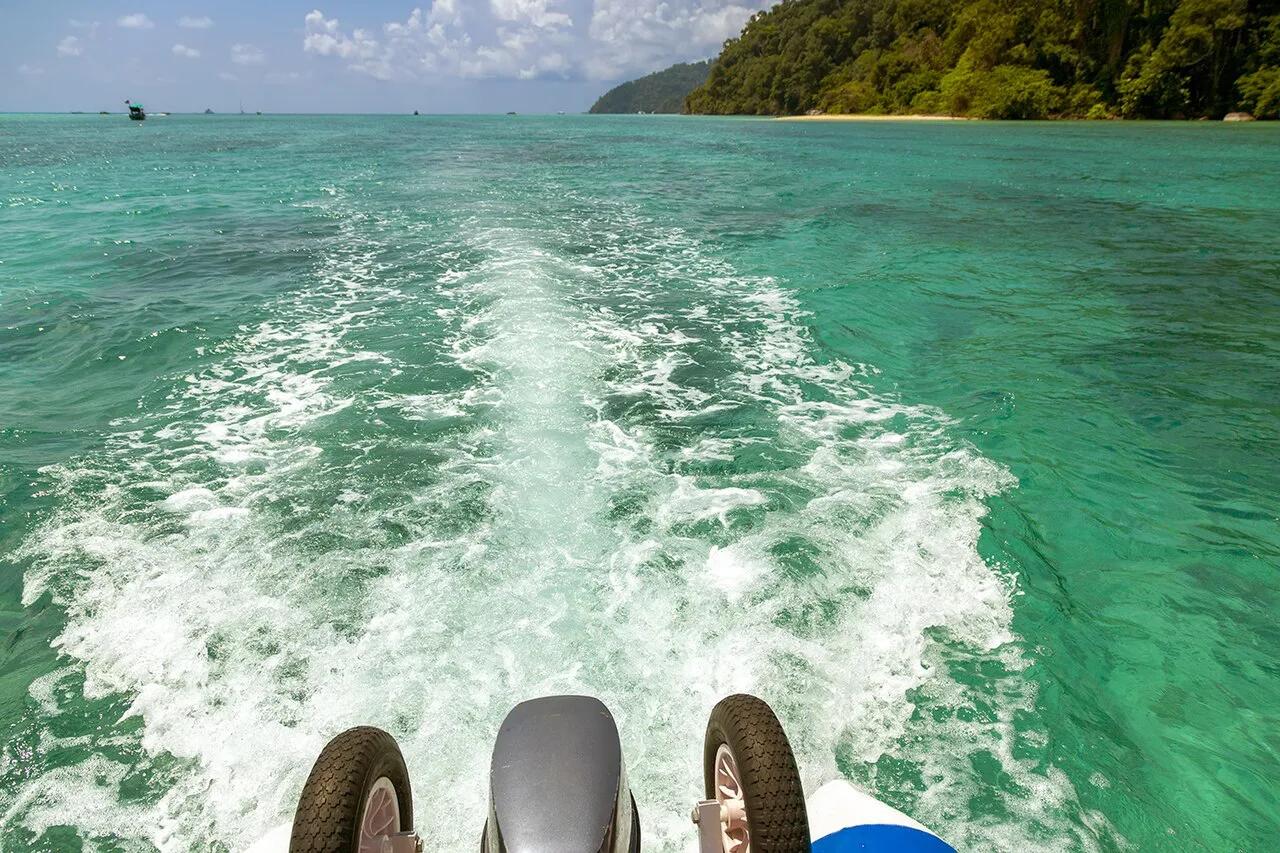
Featured image: Vyacheslav Argenberg, CC BY 4.0, via Wikimedia Commons.
Phuket water temperature: the quick answer
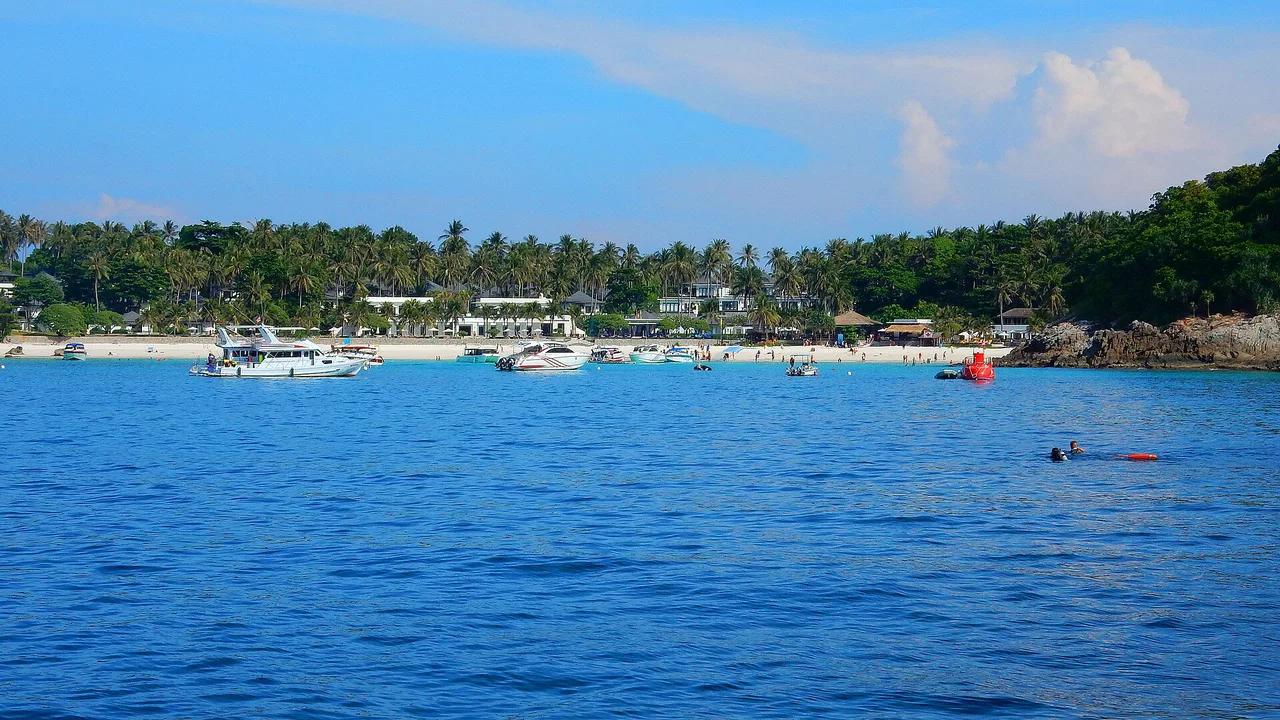
The Andaman Sea around Phuket is a warm part of the Indian Ocean. One seasonal guide puts it above 25°C (77°F) all year. For January and February it gives 28–30°C (82–86°F). Daily records for April show a 28°C minimum, a 30°C average and a 32°C maximum. Model-based monthly averages are tighter still. They list May as warmest at 90.8°F and September as coolest at 89.1°F, a gap under 2°F. Sources differ by a few degrees because they mix satellite, model and buoy methods. None of them describes water cold enough to need heating. The variable that changes your trip is sea state. For the dive-specific view, see our guide to the Best Time to Dive Phuket: Month-by-Month Guide.
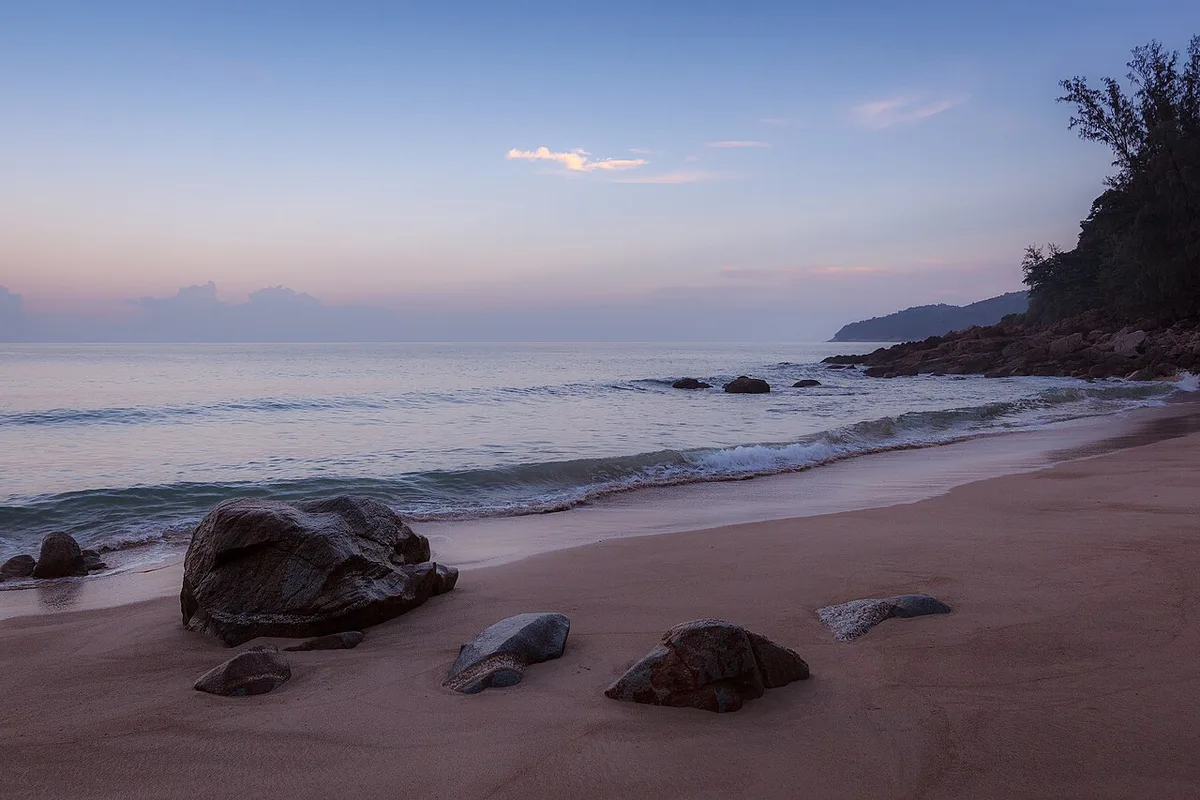
Phuket sea temperature by month
No single public dataset gives a clean month-by-month table for Phuket, so this table shows what each period feels like rather than inventing a row of degrees. Temperatures stay in the 28–32°C band quoted above. Sea state is what moves. Treat the sea-state column as typical tendencies, not a forecast.
| Period | Sea state | Best for |
|---|---|---|
| January–February | Calm, little wind, lower humidity | Swimming, snorkeling, family beach days |
| March–April | Generally calm, hottest air of the year | Swimming, boat trips, courses |
| Late May–July | Rainy season starts, rough seas, strong currents | Surfers; cautious swimmers stay close to shore |
| August–October | Wet season; September often has high-wind warnings | Low-season visits with flexible plans |
| November–December | Transition toward the dry season | Mixed; check the daily sea state |
Warm water vs good conditions: monsoon season explained

Warm does not mean calm. April is hot and the sea is usually flat. From the second half of May, the southwest monsoon brings rain, swell and stronger currents to the Andaman coast. Beaches such as Kata, Karon and Patong face open water, so they feel this first. Afternoon or overnight storms are typical, and skies often clear afterward. In September, beaches commonly carry warnings for high winds and rough seas. Red flags mean stay out of the water, however warm it feels. Visibility underwater also drops when swell stirs up sediment. For a fuller verdict on conditions, read whether Phuket is good for diving. Season also changes what you see, as covered in the guide to Phuket Marine Life: What You'll See, Where and When.
Does temperature differ by beach or dive site?
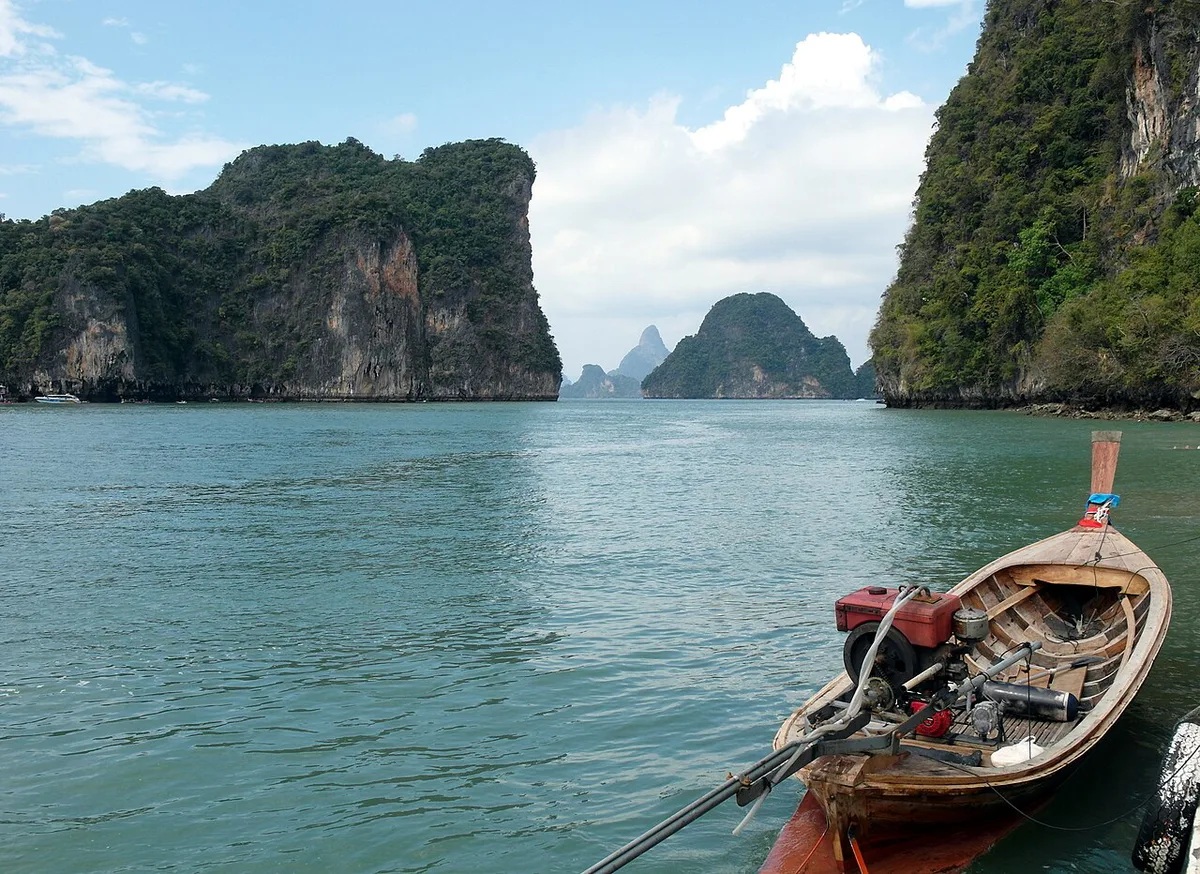
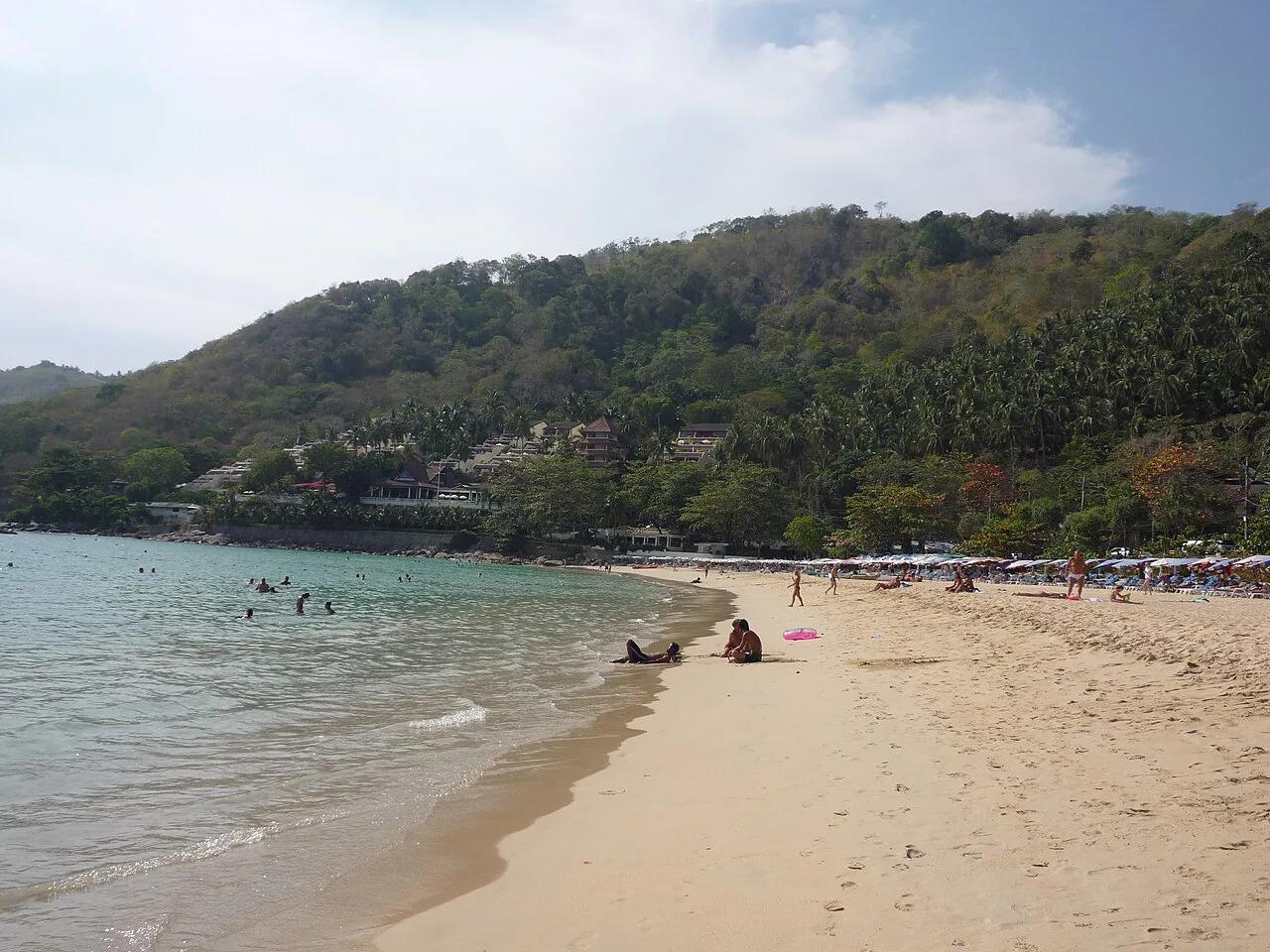
Surface temperature barely differs between west-coast beaches. Daily records list Kamala, Patong, Karon, Nai Harn and Nai Yang side by side because their readings are so close. Calm is what differs. Phang Nga Bay stays relatively sheltered even when the open coast turns rough, so it is the usual fallback in monsoon weeks. Offshore sites such as the Similan Islands, Racha Islands and Phi Phi sit in deeper water. Divers sometimes meet cooler layers at depth, called thermoclines. No public source gives reliable Phuket numbers for them, so ask your operator what the water felt like on the previous day's dives. The Phuket diving overview covers the main sites.
What to wear: swimming, snorkeling and diving
At 28°C or above, swimmers need nothing but sun protection. Snorkelers often add a rash guard for the sun rather than for warmth. Divers have more to weigh. Dive length, repeated dives in a day and your own cold tolerance all matter. Long sessions can chill even in warm water. PADI describes Thailand as a year-round dive destination in its Thailand dive travel overview. Specific wetsuit thickness depends on your operator's advice.
| Activity | Typical choice | Decide by |
|---|---|---|
| Swimming | Swimwear, rash guard for sun | UV exposure and time in the water |
| Snorkeling | Rash guard or thin skin | Trip length and how easily you chill |
| Single dive | Skin or thin shorty | Operator advice and your tolerance |
| Multi-dive day | Thicker shorty or full suit | Depth, number of dives, thermocline reports |
Best month for your plan
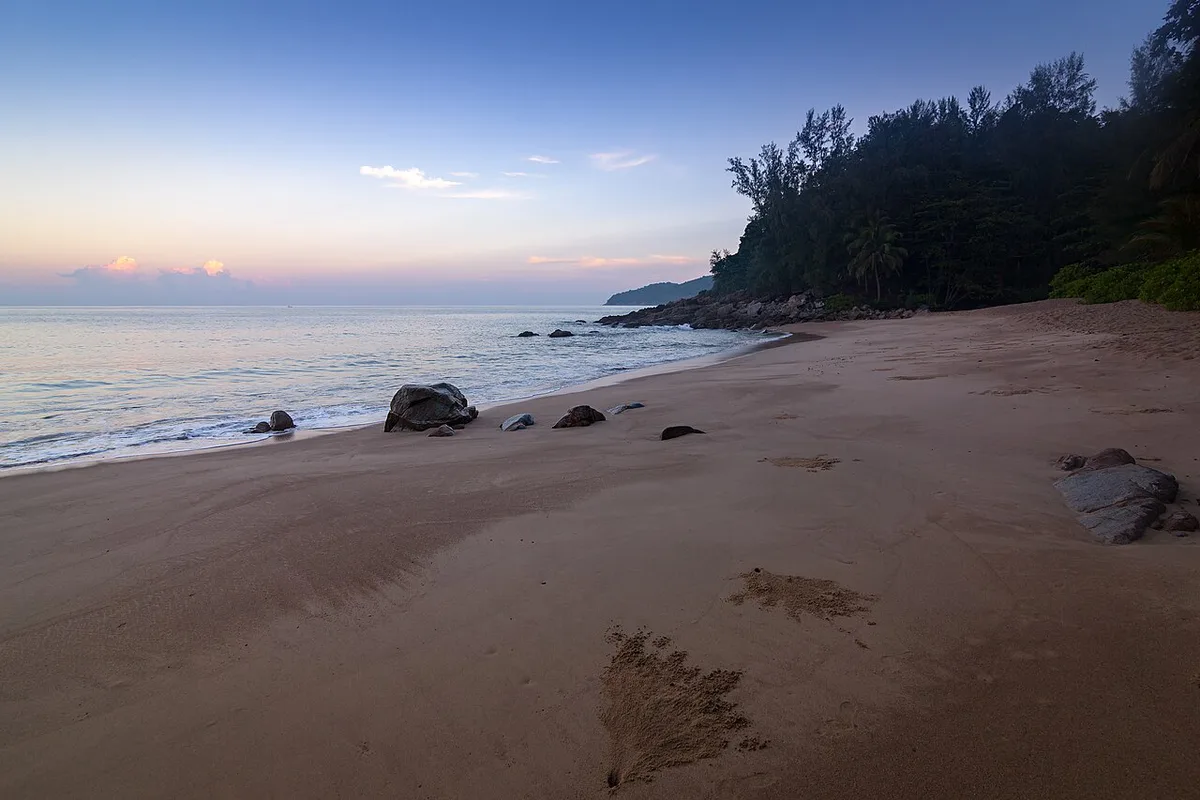
Pick the month by activity, not by degrees. Calm months suit most plans. Low season brings discounts and cancelled boat trips, so keep your itinerary flexible. Beginners should aim for calm water, which makes a first breath underwater easier. Our discover scuba diving guide explains the first-day format. If you want certification, the Phuket Dive Course: PADI Options, Costs & How to Choose page covers timing. To compare costs between seasons, see Phuket diving prices.
| Your plan | Best window | Trade-off |
|---|---|---|
| Swimmers and families | January–April | Peak season is busier |
| Snorkelers | January–April | Offshore trips need calm seas |
| New divers and courses | January–April | Book early in busy weeks |
| Experienced divers | Dry season for offshore sites | Rough-water months limit access |
| Budget travelers | Wet season | Rough seas and cancelled trips |
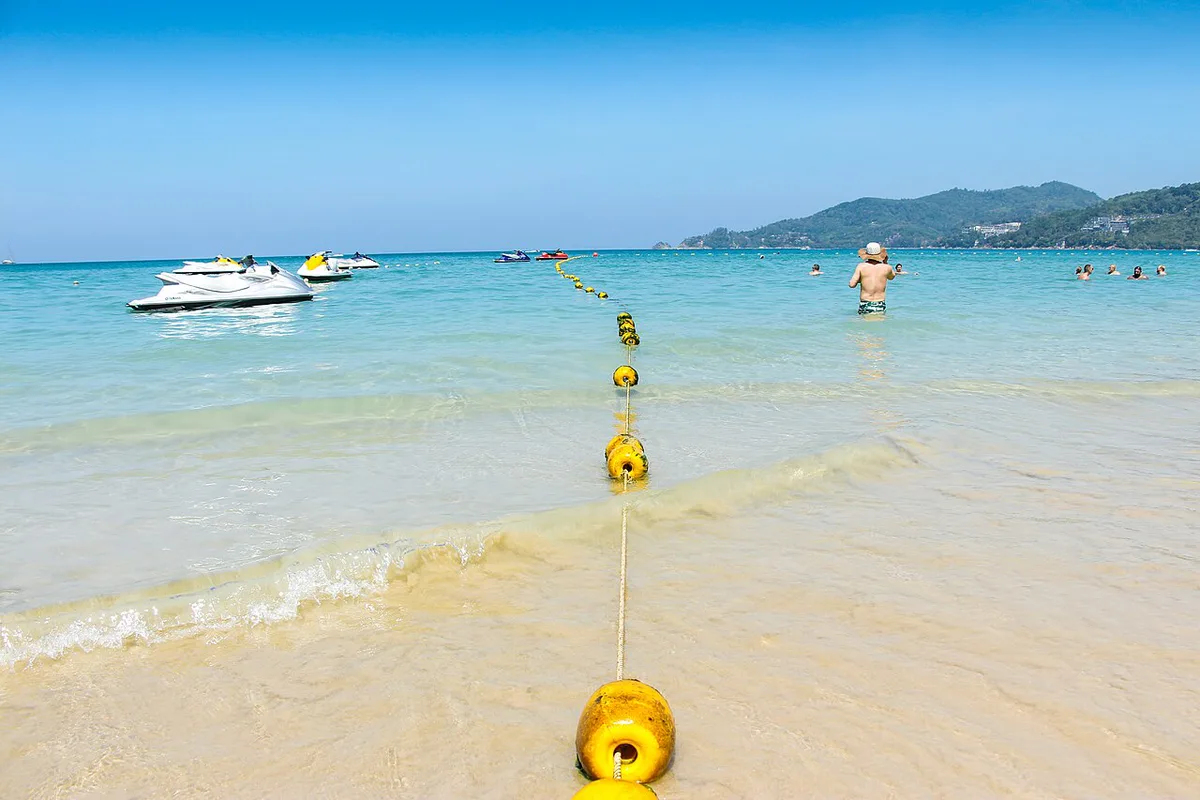
Checking conditions before you go
Look at the Thai Meteorological Department's marine forecast and warnings the evening before a boat day. On the beach, red flags override everything. Ask your operator directly about swell, visibility and the plan if the trip is cancelled. Boat departures can be cancelled in rough weather, so a Phuket Diving Day Trip: Sites, Times, Costs works best with a spare day. If you stay on the island, a dive resort can usually re-plan the day for you. Divers should also read the Divers Alert Network guidance on hydration and safe diving.
Water stays near 28°C or above, so the evening forecast matters more than the temperature.
Common mistakes to avoid
These four errors cause most weather-related disappointment.
Chasing a cooler month rarely pays, since May and September averages sit under 2°F apart.
- Assuming warm water means calm water.
- Booking an offshore trip in rough-water months.
- Ignoring sun and dehydration on boat days.
- Skipping thermal protection on a multi-dive day.
Frequently Asked Questions
Is 20 degrees too cold to swim in the sea?
Many people find 20°C (68°F) cool but swimmable for short periods. Phuket never gets near that. Published figures run from about 28°C to 32°C.
Which month to avoid Phuket?
September is the most common pick, because beaches often carry high-wind and rough-sea warnings. Late May through July also brings monsoon swell and strong currents. Phang Nga Bay stays calmer in those months.
Notes for your next dive trip
Optional updates to our Thai diving guides.
You might also like


Continue reading
More guides you'll find useful